Nepal Fundraiser started!

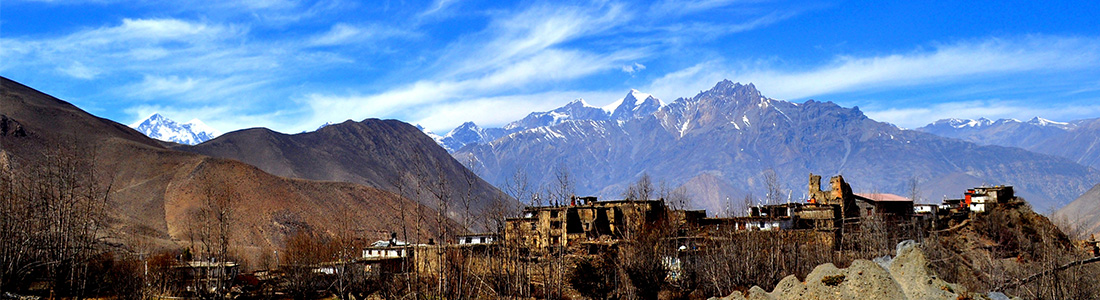
Three years ago we started an educational seismology project in Nepal. Based on the success and positive feedback, we now aim to expand the project further across the country. The manpower is secured, yet the funds for new instruments is still lacking. Therefore we are now launching a crowdsourcing campaign to Help Save People in Nepal from Big Earthquakes: please see all details, including a 3-minute video by Shiba Subedi, on this GoFundMe page.

Lockdown lowers ambient seismic noise

The “lockdown” lowering the level of environmental ground vibrations has found wide attention already in the Spring in social media and on websites (here is our news). The full scientific treatment with examples from around the world, including our from project in Nepal, is now published in Science:

Lecocq and 75 others: Global quieting of high-frequency seismic noise due to COVID-19 pandemic lockdown measures. doi:10.1126/science.abd2438

[FR] Voici un résumé de l’article en français, et un interview dans Le Temps.

Field season

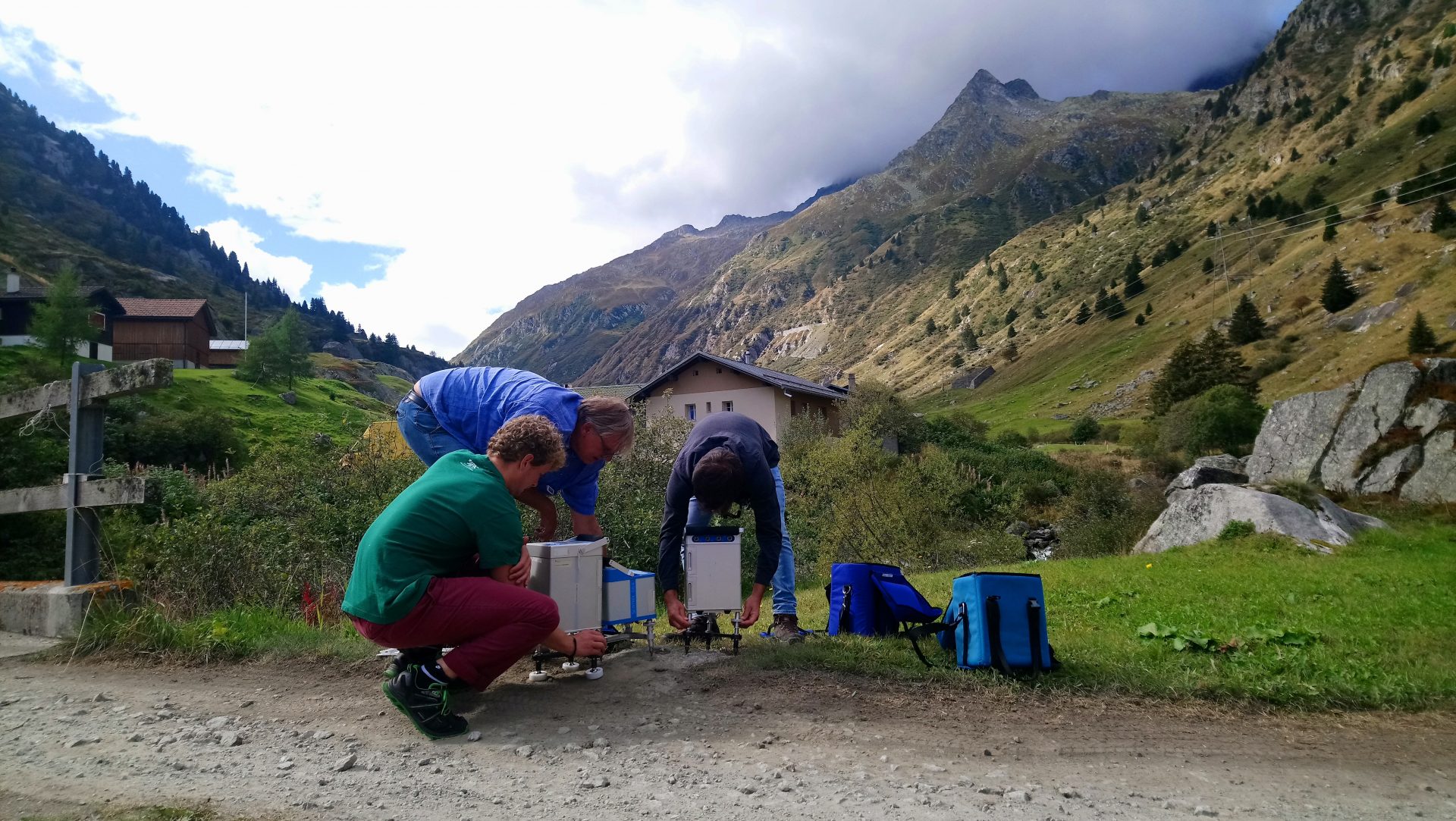
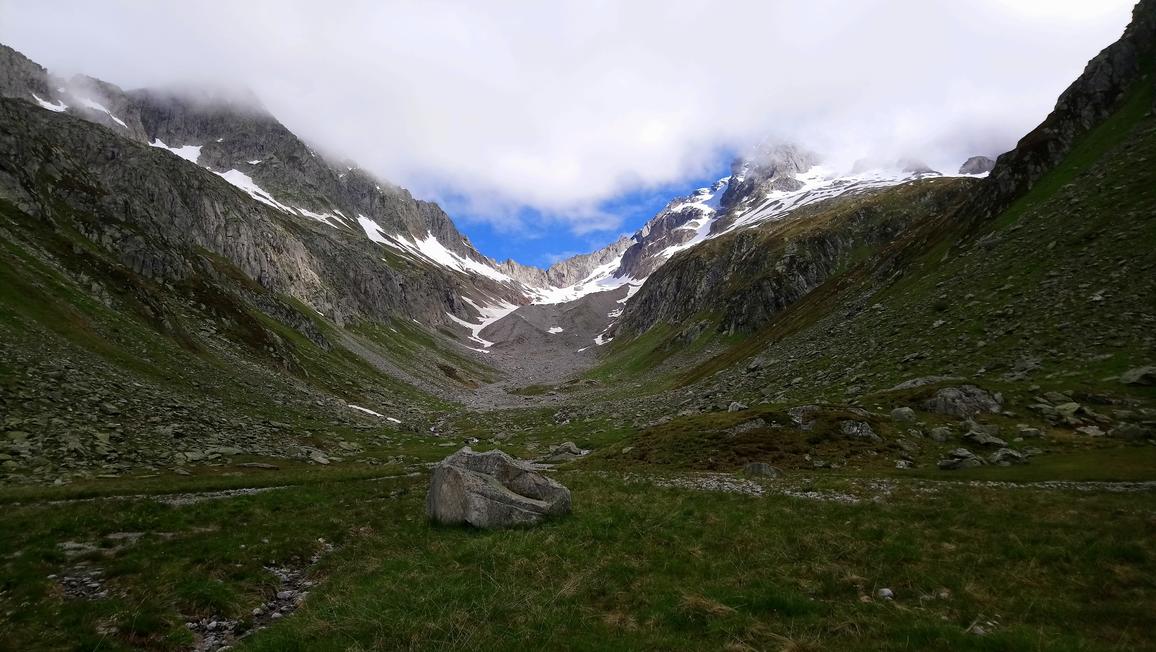
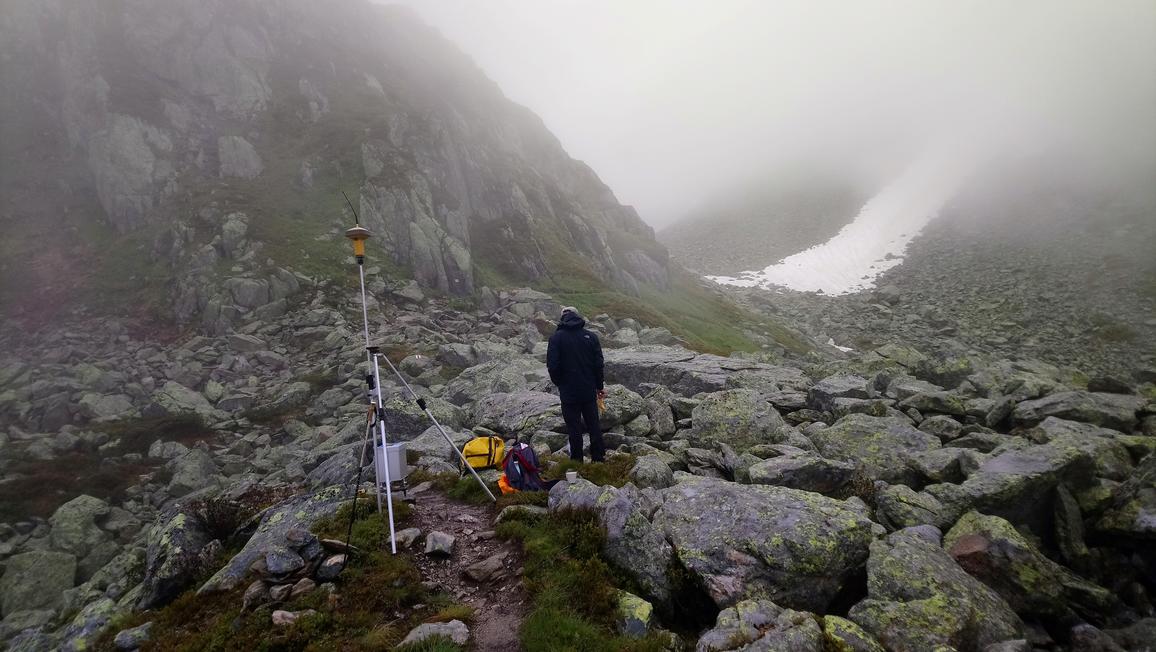
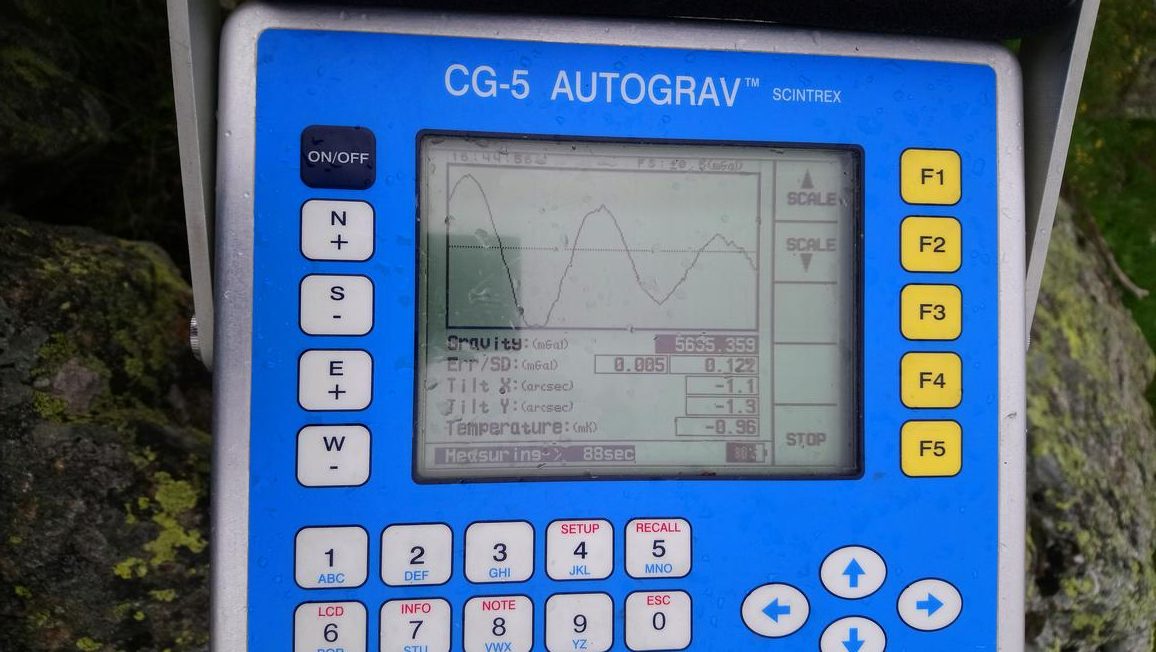
The summer field season could luckily start!… although the weather conditions are not always ideal. Our gravimeter has also shown in real time the passage of surface waves from a M7.4 earthquake near the antipode.

Dʹoù viennent les tremblements de terre ?

Lors du confinement du printemps 2020 et la fermeture des écoles, le radio RTS La 1ère a transformé son programme Vacarme pour devenir Brouhaha. Un jour, un thème, sur lequel les enfants peuvent poser des questions et auront des réponses par un expert, accompagné d’une histoire imaginaire. Le 6 mai le sujet était les tremblements de terre, et l’histoire racontait le sort du dragon Ronchonchon! Vous pouvez réécouter toute l’émission ici, ou l’histoire seule ici.