-
Research that acts – From research to humanitarian impact
Welcome to this four-episode podcast series exploring how researchers at HEC Lausanne use their expertise to address some of today’s most pressing humanitarian challenges. Working closely with field partners, they develop practical tools and solutions to support refugee integration, improve emergency response, strengthen humanitarian logistics and inform decision-making in crisis situations. Research That Acts showcases engaged research that transforms scientific knowledge into…
-
Humanitarian Series: Innovating for Humanitarian Impact
Can the organizations tackling the world’s biggest challenges adapt fast enough to meet the demands of a rapidly changing world? From climate change and displacement to conflict and shrinking resources, humanitarian and international organizations face growing pressure to deliver greater impact with fewer means. As new technologies reshape the way we work, innovation is no longer optional. Yet successful…
-
Humanitarian Series: Humanitarian logistics under pressure
Episode 3: How do humanitarian organizations stay ready to respond when every minute counts? From natural disasters to armed conflicts, humanitarian emergencies demand rapid action. Yet behind every emergency deployment lies a difficult logistical challenge: ensuring that vital medical supplies are always ready to ship, while avoiding unnecessary waste. For organizations such as Médecins Sans Frontières, striking that balance…
-
Humanitarian Series: Digital tools for refugees in times of crisis
Episode 2: What if one of the most urgent needs in a humanitarian crisis isn’t food, shelter or a job, but access to reliable information? As millions of people are forced to flee conflict and uncertainty, navigating unfamiliar legal, administrative and social systems can be overwhelming. In times of crisis, access to trusted information can make all the difference. In Switzerland,…
-
Humanitarian series: Refugee integration at work
Research that acts – From research to humanitarian impact In humanitarian crises, research does more than observe and analyse: it acts. Welcome to this new four-episode podcast series exploring how researchers at HEC Lausanne use their expertise to address some of today’s most pressing humanitarian challenges. Working closely with field partners, they develop practical tools and solutions to support refugee integration,…
-

Virtual reality to learn how to analyze risks
Headset on, avatar on the move: at HEC Lausanne, students no longer simply analyze risks – they experience them first-hand. Thanks to virtual reality, an immersive course plunges them into the heart of contemporary challenges – risk management, climate change, global uncertainties – to prepare them for the realities of the professional world. Led by…
-

Can technology really save the planet?
In a paper recently published at the European Conference on Information Systems in Milan, professor Stéphanie Missonier highlighted a lack of critical thinking about technology in her field. A problem that may also be present in society. New technologies can capture carbon, optimize energy consumption, and help monitor biodiversity. But at what cost? “Technologies are…
-

When our faces become data
As facial recognition gradually becomes more prevalent in digital applications, a research team comprising HEC Lausanne (Unil), HEIG-VD, and the Swiss startup Rayshaper SA has tackled these challenges by developing the FaceShield prototype. This solution aims to manage the use of facial images by artificial intelligence systems when they circulate on digital platforms, and to…
-
Leadership & Decision-making series
In a polarised world with geopolitical tensions, economic uncertainty and fast paced technological change, the leaders we choose, and the decisions we make, matter – whether we are consumers, employees or citizens. Understanding human behaviour is central to this. This series looks at academic research trying to unravel these issues. Episode 1: Episode 2: Episode…
-

The Leadership Toolbox and the four channels of influence
Leadership and decision-making series: In a polarised world with geopolitical tensions, economic uncertainty and fast paced technological change, the leaders we choose, and the decisions we make, matter – whether we are consumers, employees or citizens. Understanding human behaviour is central to this. This series looks at academic research trying to unravel these issues. The best…
-

High-precision models to anticipate climate extremes
Switzerland, like many countries, is becoming increasingly vulnerable to extreme rainfall as a result of climate change. Heavy precipitation events are occurring more frequently and are expected to intensify further as the climate warms, according to the Federal Office for Meteorology and Climatology (MeteoSwiss)1. Combined with the Alps’ steep terrain, these changes are likely to…
-

The importance of actionable levers for effective leadership
Leadership and decision-making series: In a polarised world with geopolitical tensions, economic uncertainty and fast paced technological change, the leaders we choose, and the decisions we make, matter – whether we are consumers, employees or citizens. Understanding human behaviour is central to this. This series looks at academic research trying to unravel these issues. When…
-

USAID shutdown has fuelled violence in Africa
A new study by Dominic Rohner, Professor at HEC Lausanne (University of Lausanne), and co-authors*, published in Science, shows that top-US-aid-receiving African regions experienced a substantial increase in violence compared to non-recipients following the USAID shutdown last year. When Donald Trump moved to shut down the United States Agency for International Development (USAID), ending one…
-

The role of emotions
In a polarised world with geopolitical tensions, economic uncertainty and fast paced technological change, the decisions we make matter, whether we’re consumers, employees or citizens. Understanding human behaviour is central to this. This series looks at academic research leading the way, trying to unravel the issues. Emotions shape a lot of the choices that we…
-

Can AI measure companies’ ESG performance?
As climate transparency requirements intensify, ESG teams within companies are struggling to keep pace. In Switzerland and beyond, the production of reliable indicators still relies heavily on manual processes or surveys—approaches that are often costly and difficult to scale. This tension between growing regulatory demands and limited resources calls for a rethinking of measurement methods.…
-

Charismatic leadership
In a polarised world with geopolitical tensions, economic uncertainty and fast-paced technological change, the leaders we choose, and the decisions we make matter, whether we’re consumers, employees or citizens. Understanding human behaviour is central to this. This series looks at academic research leading the way, trying to unravel the issues. The mechanisms and power of…
-

How sanctions imposed by third countries could prevent war
The threat of sanctions to be imposed in the event of an invasion might have averted the war in Ukraine. This is the hypothesis of a computer model developed by researchers in HEC Lausanne and Sciences Po Paris. [source: SNSF press release dated March 31] Could Europe and the United States have prevented the war…
-
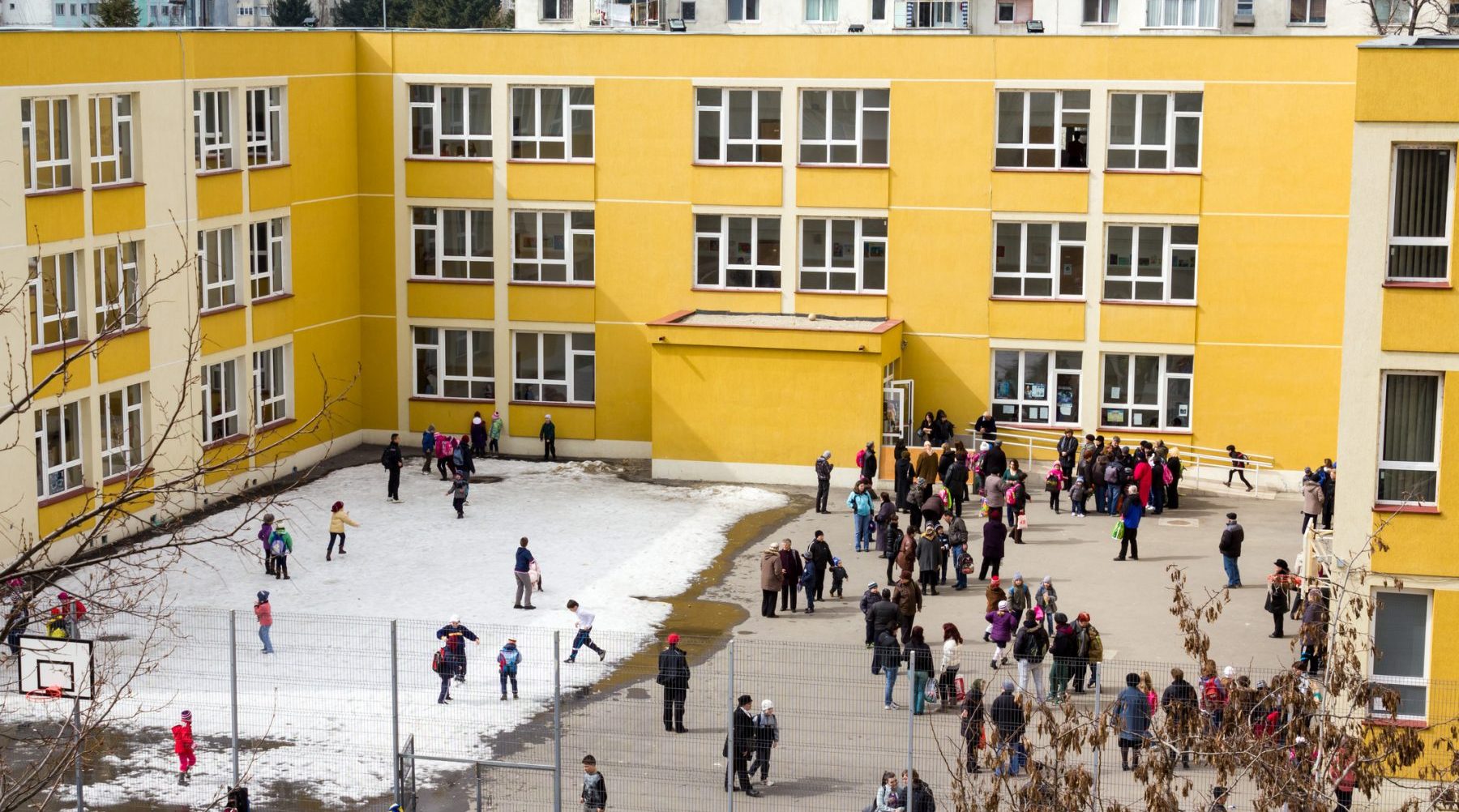
Parenting style has a huge impact on the economy and society
Parenting style matters, since it defines the care a child receives. But it also has a powerful influence on culture and economy, since parents react to certain situations differently. It means that parenting styles can exacerbate social inequalities, affect how neighbourhoods function and shape the future prospects of children. “The kids of today will create…
-

Predicting the unpredictable: AI to understand CEO decisions
We live in unpredictable times, whether this relates to the global economy and business, the climate or geopolitics. Anticipating the risks is important to humanity’s future resilience. This involves making sense of increasingly complex information aided with new tools. In this series we look at the work of researchers as they strive to make better…
-

Quanthome: an entrepreneurial story that began at HEC Lausanne
The story begins in 2017: Oscar Delabranche and Ali Baghdadi meet at an HEC Committee cocktail party on the first day of their studies. A few years later, the friends, who were still students at the time, founded the start-up Quanthome, which specializes in real estate data. It now employs 14 people, including Nathan Delacrétaz,…
-
Predicting the unpredictable: striving for better economic forecasting
We live in unpredictable times, whether this relates to the global economy and business, the climate or geopolitics. Anticipating the risks is important to humanity’s future resilience. This involves making sense of increasingly complex information aided with new tools. In this series we look at the work of researchers as they strive to make better…
-

The Growing Role of Inheritance in Wealth Formation in Switzerland
Private wealth in Switzerland has never been higher. But how is it formed, and what role do inheritances play today? These are the questions addressed by the study Wealth and Inheritance in 21st Century Switzerland, conducted by Professor Marius Brülhart, HEC Lausanne (Unil) and co-authors, and published by E4S. Rising Wealth and Increasing Transfers Over…
-

Anticipating real estate value in the era of climate regulations
As climate and energy regulations become stricter in Switzerland, one question arises: what is the real value of a building today if costly renovations will be legally required tomorrow ? Research conducted by Eric Jondeau (HEC Lausanne) and Alexandre Pauli (E4S–EPFL), in collaboration with E4S, proposes rethinking real estate value through a financial lens applied…
-

Predicting the unpredictable: The potential of synthetic data
We live in unpredictable times, whether this relates to the global economy and business, the climate or geopolitics. Anticipating the risks is important to humanity’s future resilience. This involves making sense of increasingly complex information aided with new tools. In this series we look at the work of researchers as they strive to make better…
-

Environmental impact: the hidden side of Swiss finance
Switzerland has relatively modest CO₂ emissions within its borders. But if we follow the trail of money it invests abroad, the picture becomes bleaker. Every day, Swiss banks, insurance companies and investors finance companies operating around the world. These companies mine, produce energy, manufacture goods and transport commodities. Their activities generate CO₂ emissions, consume water…
-

From HEC Lausanne to an experiential art studio
How a Master’s in Information Systems shaped one alumnus’s path. In an article published by Business Because on Nov. 28th, readers discover the unusual journey of Didier Schwarz, a graduate of the Master’s in Information Systems at HEC Lausanne, who steered his career in an unexpected direction: into the world of artistic creation. Drawing on…
-

Why we still need line managers, but the right ones
As organizations experiment with flatter structures and question the relevance of hierarchy, a familiar question returns: Do we still need line managers? This is the question that Marianne Schmid Mast, Full Professor of organizational management at the University of Lausanne and Dean of HEC Lausanne answers in an article published in the November 17 edition of…
-
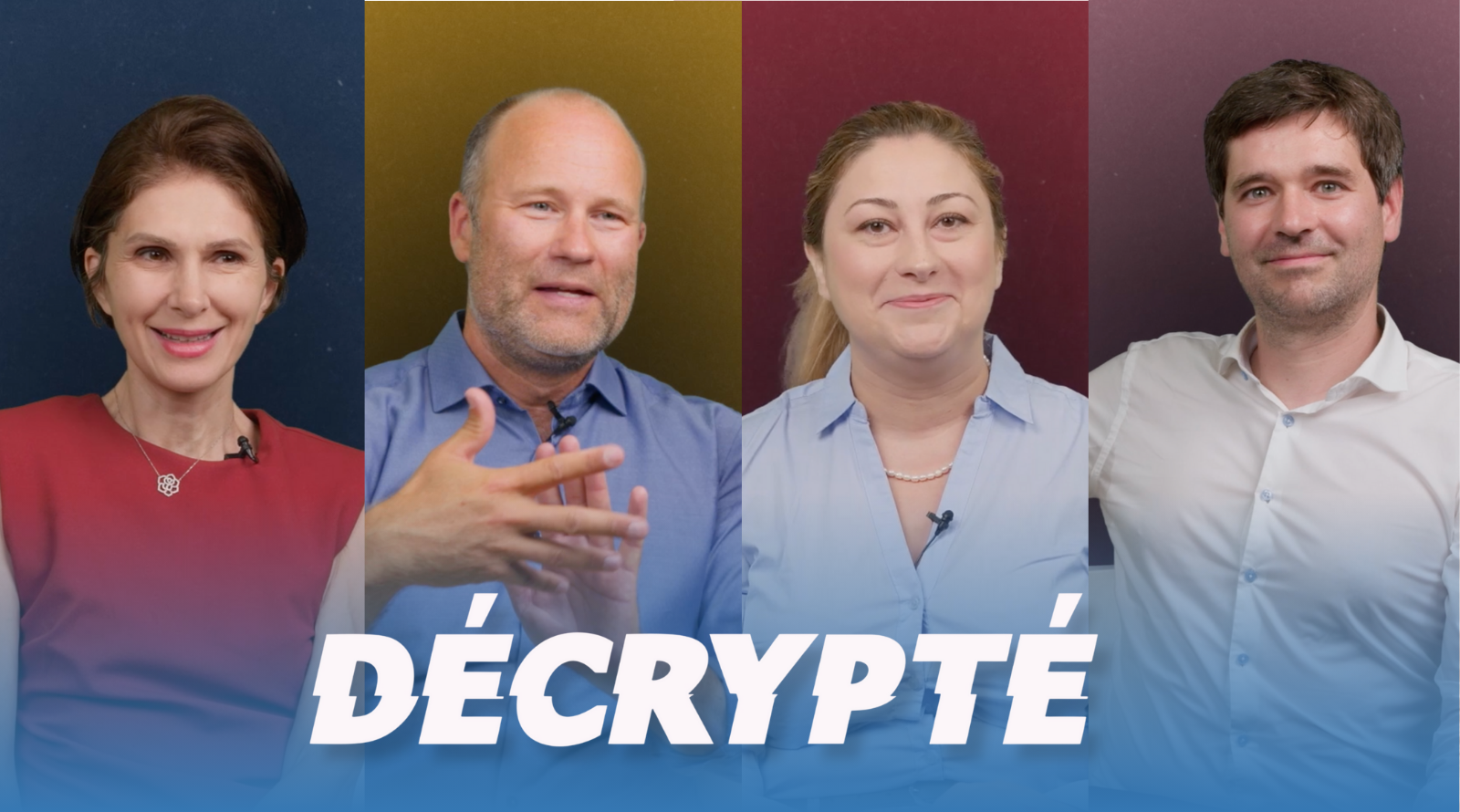
Décrypté: extracts from research at HEC Lausanne in four videos
In this second season of Décrypté, HEC Lausanne features four experts who embody its strategic research areas: innovative sustainability, economics insights, health and society, and artificial intelligence. In the first episode, Patrick Haack explains why legitimacy has become essential for an organization’s survival: without public trust, there is no talent, no investment, and no future.…
-

What tools help understand the economic situation?
Décrypté series Episode 4 – Which areas of expertise, centers, and institutes make up the research ecosystem of HEC Lausanne? How do they concretely help address today’s economic, social, technological, and environmental challenges? And who are the scientists and economists driving this work? In this 4th and last episode of Décrypté Season 2, Mathieu Grobéty,…
-
The impact of digitization on the economy
Décrypté series Episode 3 – Which areas of expertise, centers, and institutes make up the research ecosystem of HEC Lausanne? How do they concretely help address today’s economic, social, technological, and environmental challenges? And who are the scientists and economists driving this work? In this third episode of the “Décrypté” series, co-produced by HEC Lausanne,…
-

XXL Inheritance Tax? A Key Topic for Switzerland
The Swiss will cast a public vote on whether to introduce the first ever federal inheritance tax. This will be a levy on inheritance and donations for high-net worth individuals. The proceeds will be used to combat climate change. This raises questions on whether the vote will end up increasing tax revenues, drive wealth away…
-

Actuarial Science Series – Retirement: back to the future?
Climate change, poverty and ageing populations can create huge risks for society and the insurance sector. In a new series we look at how research in Actuarial Science can help tackle these issues. How about talking… tontines? There are retirement products dating back to the 17th century. Their idea is simple: Pensioners are provided money…
-

Corporate legitimacy and reputation – Décrypté, Episode 2
Which areas of expertise, centers, and institutes make up the research ecosystem of HEC Lausanne? How do they concretely help address today’s economic, social, technological, and environmental challenges? And who are the scientists and economists driving this work? In this second episode of the “Décrypté” series, co-produced by HEC Lausanne, L’Éprouvette, and Mousqueterre, meet Prof.…
-

Actuarial Science Series
Climate change, poverty and ageing populations can create huge risks for society and the insurance sector. In a new series we look at how research in Actuarial Science can help tackle these issues.
-

New video series “Décrypté”, exploring HEC Lausanne researchers
What are the main areas of expertise, centers, and institutes that make up HEC Lausanne’s research ecosystem? How do they contribute to addressing today’s economic, social, technological, and environmental challenges? And who are the scientists and economists driving these efforts? This second edition of “Décrypté,” co-produced by HEC Lausanne, L’éprouvette and Mousqueterre, features four professors,…
-

Questions over U.S. dollar supremacy
Economists, Professors Philippe Bacchetta and Gianluca Benigno explore the dominance of the American dollar. Erratic U.S. trade policies, a significant fiscal deficit and threats to the independence of the Federal Reserve could badly affect the currency’s preeminent standing. It’s time to give the globe’s reserve currency a health check via academic research. The greenback remains…
-
Actuarial Science series: How to insure climate extremes ?
Climate change, poverty and ageing populations can create huge risks for society and the insurance sector. In a new series we look at how research in Actuarial Science can help tackle these issues. Natural catastrophes, particularly those exacerbated by climate change, are of increasing concern to the insurance industry with global insured losses hitting US$80…
-

Marketing digest: Calibrating the influence of user-generated content
Social media is transforming how customers interact with companies globally, where user-generated content is having a massive influence on what we buy. But how people engage with brands and make decisions via the creator economy is not fully understood, new research hopes to address this issue. Globally the creator economy is expected to be worth…
-

Actuarial Science series: Tackling global poverty through insurance
Poverty, climate change and ageing populations can create huge risks for society and the insurance sector. In a new series we look at how research in Actuarial Science can help tackle these issues. Poverty is particularly challenging for many economies around the world, 44 per cent of the global population remains poor, 700 million still…
-
Actuarial Science series: Calibrating the cost of care
Ageing populations, climate change and poverty create huge risks for society and for the insurance sector. In this new series we look at how Actuarial Science can help tackle these issues. Humanity is rapidly ageing. By 2030, one in six people in the world will be aged 60 years or over. By 2050, this cohort…
-

Reimagine series: Sustainability
In Spring 2025, we released a podcast series on the theme of sustainability. In this last series, three researchers from HEC Lausanne explore the human, cultural, and technological challenges of sustainability, while opening up fresh perspectives to reimagine our shared future. 🔹 Episode 1 – Polarization, Identity and Sustainability: An Evolutionary Puzzle? with Prof. Charles Efferson: Why do some sustainable…
-

HEC Lausanne (UNIL), the University of Zurich and UNHCR join forces to meet the needs of refugees
Research & Innovation – As soon as they arrive in a host country, refugees face urgent questions: how to access healthcare, get social assistance, enroll children in school, or understand administrative procedures. But how can we provide them with clear, rapid answers, without overburdening already strained systems? Where can digital technology make a real difference?…
-

Reimagine Series : Data
At the beginning of 2025, we published a series of articles on the topic of data that we invite you to (re-) discover today. Three researchers from HEC Lausanne explore how to unlock the full potential of data within organisations. From governance to innovation and infrastructure, they offer new insights on turning data into a…
-

Reimagine Series : Healthcare
In the fall of 2024, we published a series of articles on the topic of healthcare. We invite you today to (re-) discover different perspectives on this hot topic, from the economic value of life to health data governance. Four HEC Lausanne professors shed light on how healthcare systems can and must elvolve. 🔹 Ep.1…
-

Reimagine Series : Digital Revolution Trends
In the spring of 2024, we published a series of podcasts on the topic of Digital Revolution Trends. We invite you today to (re-) discover 3 perspectives on this topic, from online etiquette to cyberbullying and the rise of finfluencers. 🔹 Ep.1 – Netiquette with Robin Schimmelpfennig: How should we behave online? What rules shape…
-

Reimagine Sustainability: Smarter and More Inclusive Mobility
Welcome to the final episode of our Reimagining Sustainability podcast series! Can sustainable mobility be joyful, inclusive, and transformative? In this final episode of the Reimagining Sustainability podcast, we speak with Virginie Lurkin, associate professor in the Department of Operations at HEC Lausanne and a leading voice in sustainable mobility. Virginie shares why the future of…
-

Why some underperforming leaders still rise to the top of business
The issue It’s a question that has long puzzled researchers: why do so many business leaders rise to power despite poor performance? One would assume that organisations would naturally favour top performers. Yet, new research reveals that the rise of underperforming leaders may be less accidental than it seems. Most explanations in past research focus…
-

3 projects in video that explore and support ecological and social transformation
Funded through UNIL’s STRIVE program, these interdisciplinary projects, led in part by researchers from HEC Lausanne, explore practical levers for transition in mobility, collective narratives, and public policies. How can we transform our lifestyles and social structures to address environmental challenges?Through three complementary projects, research teams combine their expertise to analyze, imagine, and support the…
-

Reimagine Sustainability: How to Rethink Sustainability in Luxury?
Welcome to the second episode of our Reimagining Sustainability podcast series! Luxury is often seen as the opposite of sustainability, but what if it could be part of the solution? In this episode of the Reimagining Sustainability podcast, we speak with Professor Felicitas Morhart, founder of the Swiss Center for Luxury Research and marketing expert…
-

Understanding Switzerland’s real estate transition through building permits
How can we concretely assess the Swiss real estate sector’s progress towards carbon neutrality? By using building permit data. This is the aim of the latest white paper of the CRML (Center for Risk Management Lausanne) at HEC Lausanne, published in collaboration with E4S: “Retrofitting the Future: The Costs, Timelines, and Strategies Shaping Swiss Real…
-

With the SCALE room, HEC Lausanne redefines its learning space in futuristic mode
What if a classroom could be transformed into an interaction laboratory? At HEC Lausanne, the SCALE (Student Centered and Active Learning Environment) room embodies this strategic shift: reinventing learning around collaboration, agility and student-centered pedagogy. Located in the Internef building on the UNIL campus, this room is resolutely looking to the future and to pedagogical…
-

How to combat fake news and disinformation
Fake news is an insidious and global epidemic. Intentionally posted false content, referred to as disinformation, is now widespread across digital and traditional media formats. It is also woven into the fabric of social media platforms. This explosion has been fuelled by political and business agendas, social sharing, clickbait and deepfakes. It has had a…
-
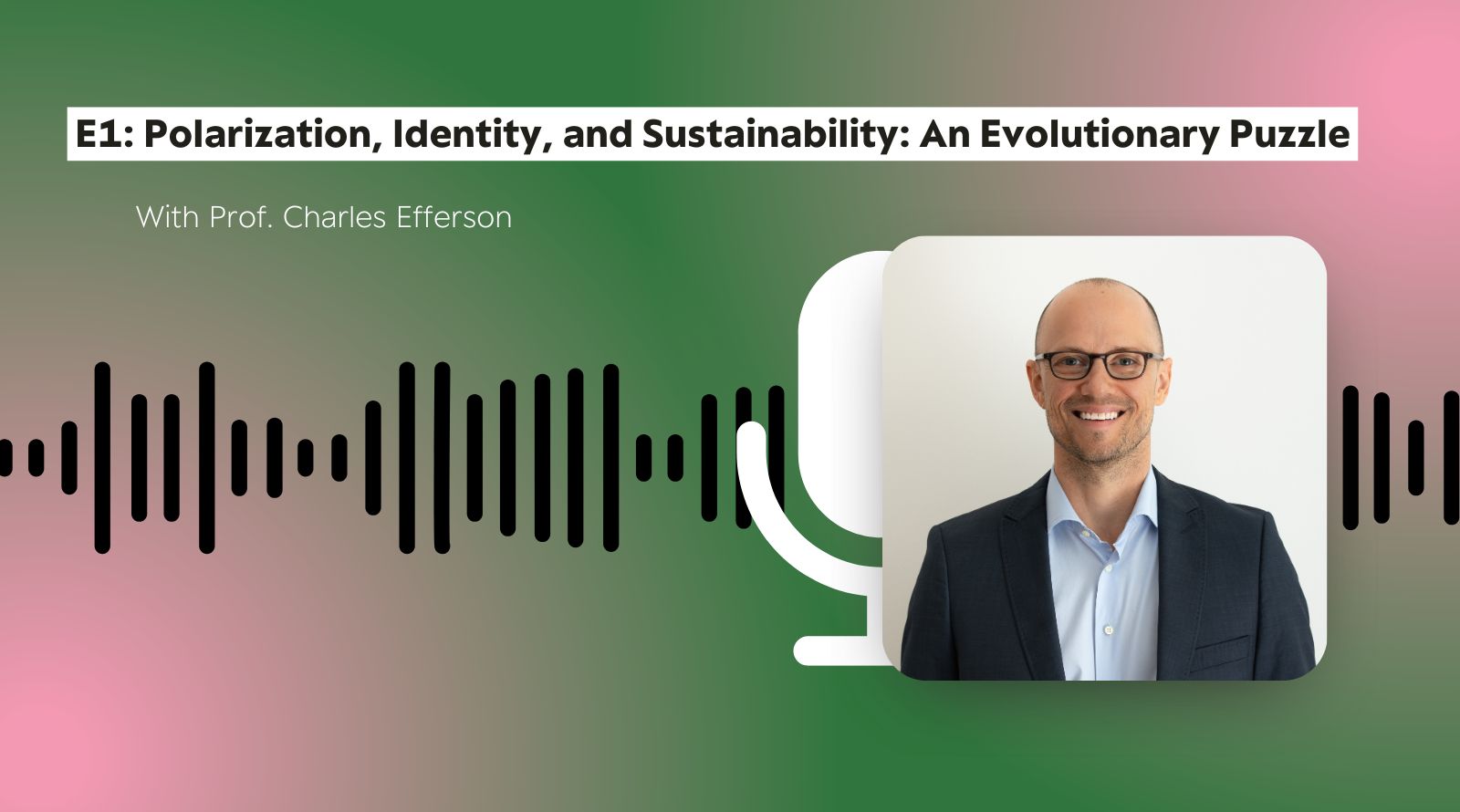
Polarization, Identity, and Sustainability: An Evolutionary Puzzle
Welcome to our new Reimagining Sustainability podcast series! Sustainability is more than just making greener choices—it’s deeply tied to identity and societal divides. Why do behaviors like reducing meat consumption or switching to eco-friendly transport remain so challenging to scale? In this series, we speak with experts to uncover the cultural and psychological barriers to…
-
Reimagining Data series: Open source and cloud platforms, the winning duo to boost your business
In the third post of reimagining data, our academics show that organisations can leverage data by combining cloud computing and open-source software to achieve a competitive advantage. The additive effect of these components is greater than the sum of their parts, leading to new business value. Big Tech giants from Google to Amazon, Meta to…
-

Reimagining Data series: Innovating with data has multiple benefits
In the second post of reimagining data, our academics look at how data innovations in one area of a business can help transform other areas. For instance, innovations in data security can boost product development, and in the process fuel a firm’s growth. Corporations that have in-house data engineers programming, say antivirus software, are more…
-

Sustainability challenges facing real estate investment vehicles in Switzerland
The Center for Risk Management Lausanne (CRML) at HEC Lausanne (UNIL) highlights the sustainability challenges facing Swiss real estate investment vehicles (REIVs) in its new white paper with E4S. The study covers more than 20,000 buildings, representing almost CHF 200 billion in assets under management, across 136 portfolios. It reveals significant regional disparities, while proposing…
-

AI as a Tool for Human Skill Development
[source : Edge Magazine] Can artificial intelligence help us become better leaders, communicators, and collaborators? While AI is often seen as a threat to human jobs, Marianne Schmid Mast, Professor and Dean at HEC Lausanne, explores a different perspective: using AI to assess and enhance our most essential interpersonal skills. Find out how cutting-edge research…
-
The CREA Institute measures the economic impact of UNIL
The CREA Institute of Applied Economics at HEC Lausanne (UNIL) was mandated to assess the economic impact of the University of Lausanne (UNIL) on the canton of Vaud. The result: each franc invested by the State generates 4.7 francs, or 1.73 billion francs and nearly 9,200 jobs. Recognized for its expertise, the Institute uses a…
-

Reimagine series: Data – Unleashing the power of organisational data
In the first post of reimagining data, our academics at HEC Lausanne (UNIL) look at the power of data, which is fast evolving from a byproduct to a core business asset. If used effectively data can help corporations be competitive and innovate. With the widespread use of Generative AI, companies are beginning to value and…
-

How Trade Sanctions Reshaped Russia’s Economy
Dzhamilya Nigmatulina, Assistant Professor of Economics at HEC Lausanne (UNIL), recently shared her insights on the economic impact of the 2022 trade sanctions on Russia in an interview with Tim Phillips on the VoxTalks Economics podcast. The conversation examined how these political measures were implemented and investigated the extent to which they achieved their intended…
-

Reimagine Series: Healthcare – Shadow health data is a significant threat
In the fourth post of reimagining healthcare, our academics look at data privacy and health. The volume of health data is growing, the healthcare industry alone generates 30% of the world’s data by volume.1 At the same time, consumers across the globe continue to use countless social media and digital platforms to record and share…
-

Reimagine Series: Healthcare – Invest in health and reduce social unrest
In this third post of reimagining healthcare, Prof. Dominic Rohner, HEC Lausanne (UNIL) looks at how conflict is linked to the health of a population. If nations invest in combating disease this can reduce social unrest. At the same time, exposure to democracy can also have beneficial health outcomes. A peaceful and a healthy society…
-

Reimagine Series: Healthcare – Coping with the shifting burden of disease
In the second post of our series, reimagining healthcare, Prof. Jürgen Maurer, HEC Lausanne (UNIL) focuses on the epidemic of non-communicable diseases (NCDs) such as heart attacks, cancers and strokes, which now kill more people in developing countries than infectious diseases, such as malaria and Aids. Today, NCDs, which also include lung disease and diabetes,…
-

Reimagine Series: Healthcare – Is it time to put a price on life ?
In a new series we look at how our researchers are rethinking some of the biggest challenges that humanity faces. Healthcare is a big issue. Increasing healthcare costs are a burden on society. Global spending on healthcare hit a record US$ 9.8 trillion or 10% of GDP in 2021 1.In America, healthcare costs US$ 4.5…
-

Machine learning in comics
Is it really possible to explain machine learning in a simple and entertaining way? Gautier Stauffer, professor at HEC Lausanne (UNIL), and his co-authors have taken up the challenge and proved that it is. Their tool? An unexpected format to demystify this technology, often considered complex: the comic strip. Machine learning, what’s that? A form…
-

PRESS index: A new standard for sustainable real estate investment
The Center for Risk Management at Lausanne (CRML) at HEC Lausanne (UNIL) introduces the PRESS index (Public Real Estate Sustainability Switzerland), the first public sustainability index for real estate in Switzerland. This new index, updated daily, is designed to offer a more responsible investment option in listed real estate funds, by integrating sustainability performance with…
-

Greenwashing – A form of cheating in economics
Finance Prof. Éric Jondeau from HEC Lausanne addresses the issue of greenwashing in a new podcast series by the University of Lausanne (UNIL), titled “Are you cheating?”. This series available in French language features researchers from various faculties of UNIL discussing different forms of cheating in multiple academic disciplines. In economics, greenwashing is a type…
-

Retr’aide: an innovative initiative to reduce healthcare costs
At HEC Lausanne (UNIL), the entrepreneurial spirit is strongly encouraged, and many students and graduates are coming up with solutions to meet the challenges facing our society. Among these initiatives, Retr’aide stands out for its innovative approach to the problem of an ageing population. In 2023, Murielle Mormont and Gimmi Grosso met for the first…
-

What is the peace formula for curbing armed conflict and achieving lasting peace?
Dominic Rohner, Professor of Economics at HEC Lausanne (UNIL), recently joined a VoxTalks Economics podcast to explore the crucial role of economics in fostering and sustaining peace. In this engaging discussion, Prof. Rohner shares his expertise with host Tim Phillips on how economic policies and strategies can be leveraged to reduce conflict and build stable,…
-

Age diversity statements change workplace behavior
The issue The workforce across the developed world is now older than at any point in history. In the last decade, the average labour-force participation rate of 55- to 64-year-olds in developed countries has risen by almost eight percentage points. Yet, today older people often face workplace discrimination and exclusion. Greater participation and inclusion of…
-

Is it time to rethink Big Tech’s acquisition model?
The issue The proportion of software startups that are acquired instead of going public has grown over the last few decades. Big Tech, with large cash reserves, as well as other large enterprises, buy up smaller companies as a way of acquiring innovation or human capital, stopping competitors or maximising growth. For many venture capitalist-backed…
-

Why do some organizations turn to the dark side?
Immoral behavior and corporate scandals: Guido Palazzo, Professor of Business Ethics at HEC Lausanne (UNIL), has made this his hobbyhorse for decades. Through his research, he aims to provide answers to the challenges that arise in this field. In this final episode of our “Decrypted” series, Prof. Guido Palazzo will keep you on the edge of your…
-

Managing the Grand Challenges with innovation and technology
How can we help international organizations become more effective in managing major challenges (such as poverty or access to healthcare)? What are the levers that can help? In this 3rd episode of our series “Décrypté”, meet Prof. Katherine Tatarinov, who addresses these central questions. Although they are endowed with an extraordinarily dedicated and motivated workforce,…
-

ESG practices in the Swiss real estate market: new evaluation of 128 investment vehicles
The Center for Risk Management at Lausanne (CRML) at HEC Lausanne (UNIL), in collaboration with Quanthome SA, has published the latest results of its tool for assessing the ESG criteria of Swiss real estate funds: PRESS scores (Public Real Estate Sustainability Switzerland). Since last year, the methodology has evolved to extend coverage to more than…
-

For an analysis of peace factors in the world
How can we avoid violence, war and armed conflict? What factors can help foster peace? Discover the fascinating work of Prof. Dominic Rohner in the 2nd episode of our video series Décrypté, co-produced by HEC Lausanne, L’éprouvette and Mousqueterre. Episode 2/4 of our new Video series “Décrypté” which immerses you in the pioneering spirit of…
-
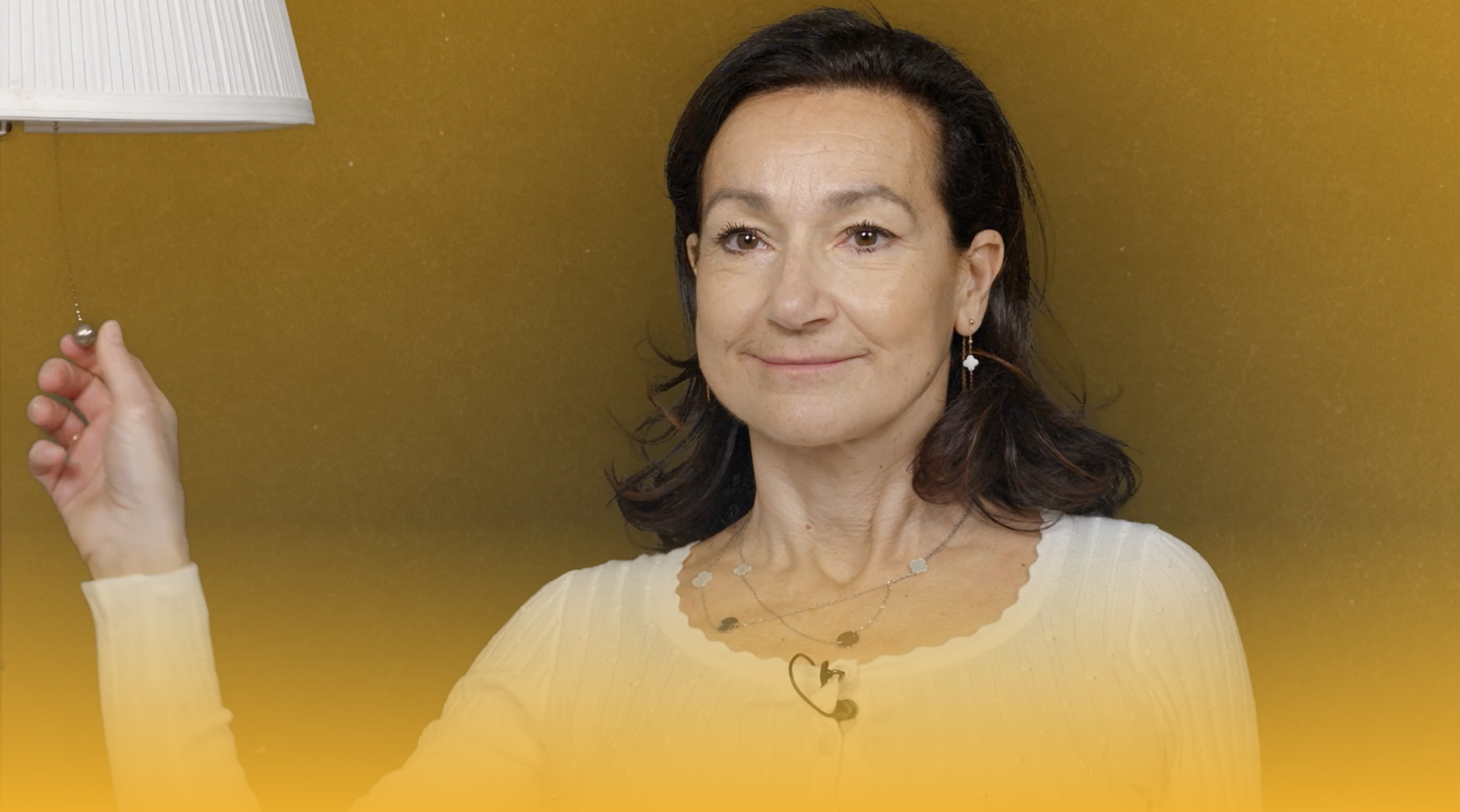
How to model extreme events
Welcome to our new series of videos “Décrypté”, immersing you in the pioneering spirit of HEC Lausanne and its researchers. What research topics are explored at HEC Lausanne (UNIL)? Who are the researchers involved? What are the links with current issues and how does the HEC Faculty play a pioneering role? If these are the…
-

Finfluencers: lucky trend setters or skilled financial experts?
Welcome to the latest episode of our podcast series: Digital Revolution Trends! Join us as we explore the intriguing world of financial influencers, also known as finfluencers, with special guest Prof. Norman Schürhoff at HEC Lausanne. Discover the secrets behind the advice shared by these influencers and unravel the truth about their expertise. Are they…
-

Successfully deploying AI in business needs good design principles
AI technologies, particularly generative AI, are growing in power, use and utility. As tools become democratised and affordable there’s a need for good design principles, especially as generative AI is projected to generate US$4.4 trillion annually to the global economy. AI deployment is challenging for smaller organisations who want to utilise its benefit but can’t…
-
Exploring new ways of teaching financial accounting
Conceived by Prof. Garen Markarian, Faculty of HEC (UNIL), a pedagogical innovation project has just been launched in the rather rigid field of financial accounting. Thanks in particular to the support of the CSE (Centre de Soutien à l’Enseignement, UNIL) and the design work of Stella Jermann, an Interactive Media Designer apprentice at UNIL, a…
-

HEC Lausanne researchers will assess the risk of collisions in space
The number of commercial satellites in low Earth orbit continues to grow, increasing the risk of space debris. Assessing the risk of conjunctions – those critical moments when two space objects could collide – has become imperative. Prof. Valérie Chavez and Soumaya Elkantassi, researchers in the Department of Operations, HEC Lausanne (UNIL), have just obtained…
-

Are ESG Criteria effective?
In this series of podcasts produced by Enterprise for Society Center (E4S), discover different perspectives on ESG criteria from two professors at HEC Lausanne (UNIL). Dive first into the world of ESG reporting with Gaia Melloni, Assistant Professor of Sustainability Accounting at HEC Lausanne. In this podcast, Gaia exposes the prevalence of greenwashing and explores…
-

Cyberbullying and the impact of personal information disclosure
Welcome to the second episode of our Digital Revolution Trends podcast series! Delve into this insightful conversation with Dr. Kavous Salehzadeh Niksirat on the critical issue of cyberbullying from a different perspective. As we navigate the complexities of online interactions, how does the disclosure of personal information impact our digital lives? How do third-party individuals…
-
How can recalibrating models shape climate change mitigation?
Simon Scheidegger is an Associate Professor of Economics at HEC Lausanne (UNIL) and E4S researcher. In this research snapshot, Prof. Scheidegger explores climate mitigation strategies. Potential errors are revealed in a popular climate model, suggesting a recalibration that could significantly affect its forecasts. Additionally, their findings highlight how this adjustment alters estimates of the social…
-

Data inputs must be the focus of AI and its regulation
The world’s first ever law on artificial intelligence or AI looks set to be adopted by the European Union parliament this year. The AI Act is the first comprehensive government legislation to oversee how the technology will be used. It takes a risk-based approach to prevent harmful outcomes and could have an impact beyond Europe.…
-

Why do we need better end-of-life literacy?
End-of-life health literacy matters. In Switzerland, Europe, and much of the developed world, populations are ageing. At the same time, more people are living longer with more chronic conditions and non-communicable diseases. Yet the rise in medical needs isn’t being matched with a greater understanding of the issues so that people can make informed decisions…
-

Netiquette as Digital Social Norms
Welcome to our new Digital Revolution Trends podcast series! Digital media impacts almost every aspect of life today. It brings with it convenience and a host of other benefits. But there is of course a flip side to the virtual world. Social media communities can lead to cyberbullying, on-line relationships have their own set of rules…
-

Why does the U.S. dollar remain supreme?
If you think that the U.S dollar is losing its pre-eminence worldwide, think again. The international monetary system still functions through the so-called Imperial Circle,’ beholden to the greenback when times are good, as well as bad – and increasingly so. This reliance on the dollar has significant global consequences. Research by Gianluca Benigno Professor…
-

5 Pillars for Democratizing Data at Your Organization
Source : Original and full article published in Harvard Business Review With a growing need to leverage data & analytics for competitive advantage, and Generative AI on the rise as an accelerator, companies must embrace a new management paradigm and democratize data across their organizations. To build a data democracy they must empower not just data…
-

How to increase the chances of obtaining financing from a venture capital firm?
Professor at HEC Lausanne, Jeffrey S. Petty, and his co-authors Marc Gruber, EPFL and Dietmar Harhoff, Max Planck Institute, leverage unique access to VC deal flow data to reveal a link between the source of business proposal referrals and their progression along the deal flow pipeline. The Issue With billions of dollars at stake, the…
-
Can NFTs Support Organizing in the Future of Work?
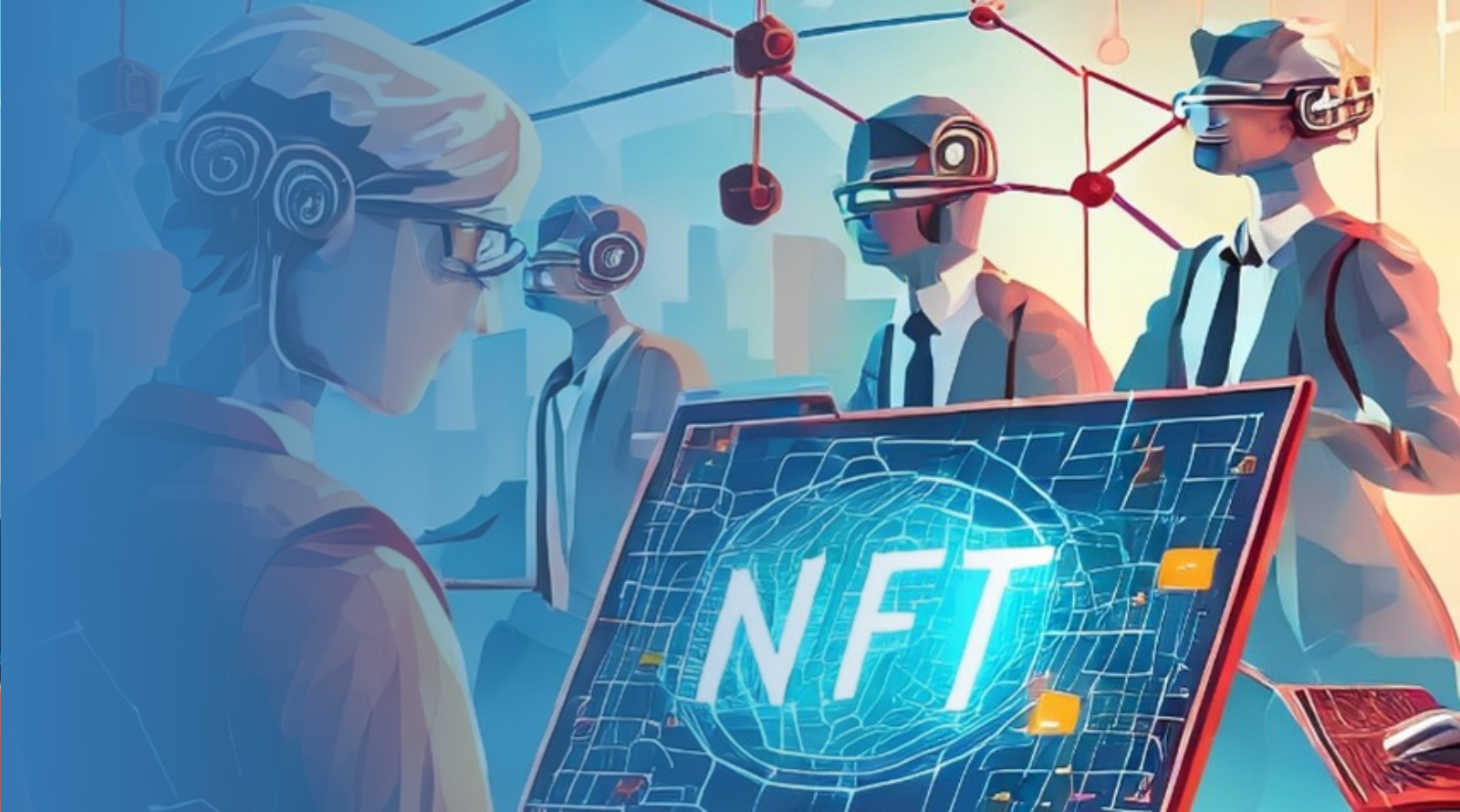
Emerging technologies are constantly evolving and shape how we organize work within organizations. Building upon design principles of decentralized autonomous organizations, the Point of View article of Yash Raj Shrestha, HEC Lausanne, and his co-author Patrick Nicolas Tinguely, ETH Zurich, explores how one application of blockchain technology offers novel avenues for organizing in the future of…
-

Does Clean Energy Mean Expensive Energy?
Sébastien Houde is an Associate Professor of Environmental Economics at HEC Lausanne (UNIL). In this episode of Perspectives by Enterprise for Society Center (E4S), solutions are adressed to 3 main bottlenecks to the energy transition. First, we struggle to attract the amount of capital required for long-term investments in infrastructure. Second, the availability of some…
-

How to help new entrepreneurs find and buy a business in Europe?
First-time entrepreneurs can use the ‘search fund’ model, developed in the US, to help them find and buy a business in Europe. But they must be prepared to adapt the model’s implementation to fit the European market. The search fund model Across Europe a generation of small business owners are reaching retirement without a successor…
-

Launch of a new method to assess the ESG practices of Swiss real estate funds
In the pursuit of 2050 global sustainability goals, the real estate sector emerges as a critical player, contributing nearly 40% to Switzerland’s total energy consumption. While energy efficiency is crucial, the complex real estate landscape demands a comprehensive approach. Traditional ESG labels, valuable but often favoring larger entities, leave substantial market segments unexplored. Larger funds…
-

E4S : New research “The Swiss market of green bonds: breaking down the barriers to scale”
Green bonds can foster financial flows towards environmental projects and are subject to a growing interest in Switzerland. Green bonds are used to finance projects with a positive environmental impact. While they are the predominant sustainable debt instrument worldwide, they still represent a small portion of total debt volumes. The interest of Swiss issuers towards…
-
Unravelling the paradox: Green preferences sustain greenwashing
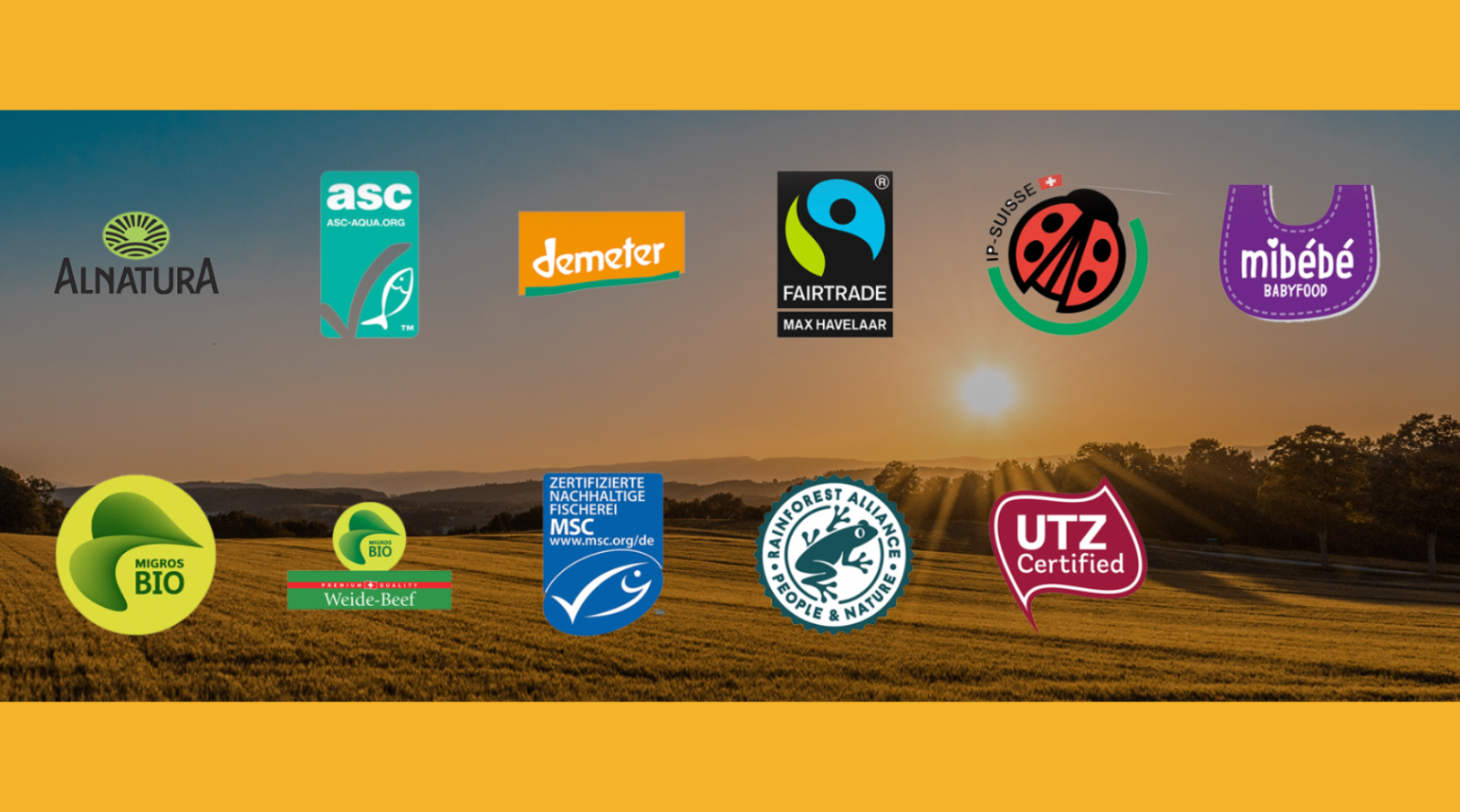
We often hear that we as consumers have the responsibility and the power to support reaching the Sustainable Development Goals with our consumption decisions. This might be possible if firms would be completely transparent about the environmental impact of their products. However, what if we lack adequate information? Is it possible finally that green preferences…
-

Why building a nation matters
From Syria to Libya, Somalia to Yemen, more than 50 nations are failing states. This is a trigger for mass migration, conflict, extremism or the inability to cope with climate extremes and poverty. A greater understanding of what makes some states thrive, while others collapse, can help global institutions bolster nations in need. This is…
-

MICRO vs. MACRO: Why is climate change also an economic question?
Get ready for an eye-opening discussion! In this video, our experts Sébastien Houde and Brendan Berthold tackle the question: Why is climate change also an economic issue? They present their insights from two distinct perspectives: MICRO vs. MACRO. Sébastien Houde, an Associate Professor in environmental economics at the Department of Economics, HEC Lausanne (UNIL), provides…
-

Private Equity: Greenwashing Galore
We are awash with ESG slogans – companies often include a glorified caption of how they care about their employees, environment and our children’s future. This has reached a point where we are flooded with advertisements for sustainable groceries, home appliances, holidays, and pro-ESG workplaces. Even massive polluters like Rio Tinto now claim they are…
-

Price and prejudice: Asylum seekers and housing rents
[Podcast] Opposition to asylum seekers has become a political and social media hot button issue in every high-income country. But does their presence also depress rental values for neighbouring properties? Prof Marius Brülhart at HEC Lausanne tells Tim Phillips, VoxTalks Economics, about new research from Switzerland that uncovers the effect of immigration on rents. Source:…
-

HEC Lausanne welcomes its new students under the banner of innovation
“HEC Onboarding Days” to integrate students into their new environment, familiarize them with HEC values and make them aware of the major challenges of our century; a bilingual French-English Bachelor’s degree. These are just some of the initiatives that characterize the innovative and pioneering spirit of our HEC Lausanne Faculty (UNIL). Today, we invite you…