In a polarised world with geopolitical tensions, economic uncertainty and fast paced technological change, the decisions we make matter, whether we’re consumers, employees or citizens. Understanding human behaviour is central to this. This series looks at academic research leading the way, trying to unravel the issues.
Emotions shape a lot of the choices that we make impacting people’s lives and levels of happiness. This is particularly evident in consumer markets where people make decisions based on emotions to make themselves feel better, appease their own insecurities, or navigate social rankings.
Francine Petersen, Associate Professor of Marketing at HEC Lausanne is at the forefront of this research interpreting the consumer experience, the purchasing of products, food and luxury goods, through the lens of emotions and wellbeing.
“In past years, we’ve overvalued the rational or analytical perspective, and undervalued the impact of emotions on decisions, notably those for our own wellbeing,” explains Petersen.
She adds: “We need to do more research into understanding how emotions influence decisions and interactions as well as managing our own emotions and other people’s emotions. This would help us to learn about how we can use them effectively.”
For instance, emotions drive consumer decisions and market dynamics, affecting social inequalities. Petersen and colleagues demonstrate in their research that consumers show preference for products that convey socially valued attributes, such as social status.
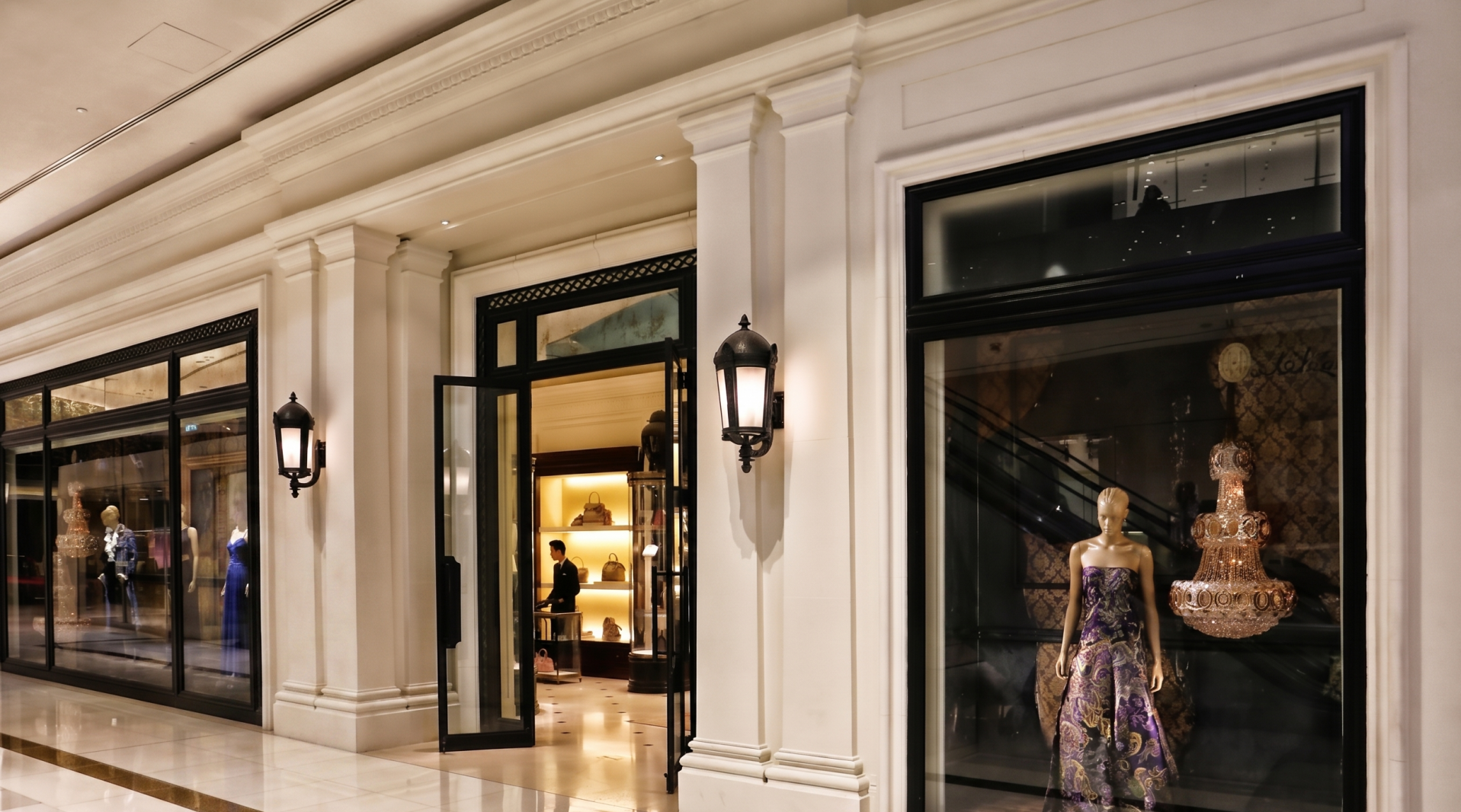
At the same time, marketers target consumers and give them opportunities to differentiate themselves based on such socially valued attributes, by, say, promoting luxury goods and their associated lifestyles.
However, evidence shows that if marketers promote such differentiation, this can fuel social inequality and reduce consumer well-being.1
“Consumers who experience financial anxiety, and constantly worry about whether they will have enough money, also tend to be more attached to consumer goods,” details Petersen.
She adds: “Those who have less money are the most financially anxious, and they tend to spend proportionally more on luxury goods because they think these items will make them feel safe. Identifying the feeling of financial anxiety can help consumers address their behaviour and consume accordingly.”
A focus on emotional intelligence
Petersen believes that research into emotional intelligence will be a strong focus going forward, especially with the rise of artificial intelligence.
AI is increasingly displacing more analytical and rational human jobs. Roles such as computer coding or data analysis are being hit hard as tasks are automated, compared to those jobs that benefit from greater emotional intelligence, such as social work, human resources, teaching or customer service.
“AI is already impacting society, it will further differentiate job opportunities. It is why we should be enriching human-based roles with emotional intelligence,” she states.
In the future, humans will also have to engage more in jobs that need emotional intelligence, thinks Petersen, because these cannot be easily replaced by AI. Those who are ready to do these jobs will potentially be better paid.
“We’re already seeing greater demand in the healthcare sector for these roles where the management of people’s emotions are crucial, such as nursing. This is why research into emotions is so important, especially now,” concludes Petersen.
Reference:
1. Cycles of inequality in the marketplace: insights from macro, marketer, and consumer perspectives, DV. Thompson, A. Kirmani, R. Hamilton, A. Li, C. du Plessis, D. Fernandes, G. Johnson, B. McFerran, J. Ni, V. Pavlov, F. Petersen, L. Scheer, Y. Vieites, K. Wilcox, International Journal of Research in Marketing, Sept. 2025