We investigate how environmental and anthropogenic drivers shape traits, species distributions, and biodiversity patterns across the globe.
Summary
Our research aims to understand how environmental conditions shape the distribution and diversity of life on Earth. We are interested in the mechanisms that determine where species occur, which traits are favoured in different environments, and how organisms respond when they encounter novel ecological conditions.
Biological invasions and species distributions
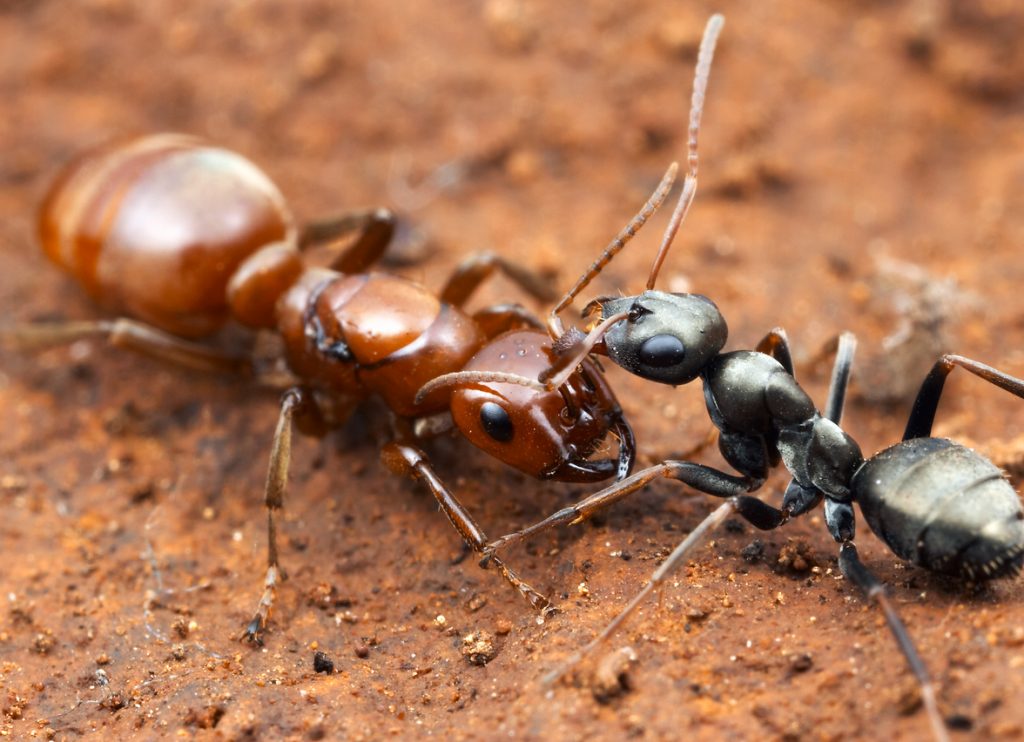
One major research focus of the lab is understanding the environmental and anthropogenic drivers of species distributions, using biological invasions as a powerful model system. We investigate how globalization, trade, and socio-economic factors contribute to the movement and establishment of species around the world, and how invasions drive biotic homogenization across regions. We are particularly interested in the dynamics of species’ ecological niches during invasions, including the extent to which species colonize novel climatic conditions and expand beyond their native environmental limits. In addition, we study how interactions with resident communities influence invasion outcomes, addressing questions related to biotic resistance, community assembly, and Darwin’s naturalization hypothesis. More broadly, this research seeks to understand how environmental change and human activities are reshaping global biodiversity patterns.
Trait-environment relationships
A second major research theme examines how environmental conditions shape the distribution of traits across species and communities. We investigate how morphology, coloration, behaviour, thermal tolerance, and social organization vary across environmental gradients, and how these traits allow organisms to persist and thrive under different ecological conditions. Much of this work focuses on identifying the mechanisms through which environmental filtering acts on species and their traits, from local habitat conditions to broad climatic gradients at continental and global scales. By studying trait-environment relationships, we aim to understand how environmental pressures have contributed to the evolution and maintenance of the remarkable diversity of biological strategies observed in nature.
Model systems and approaches
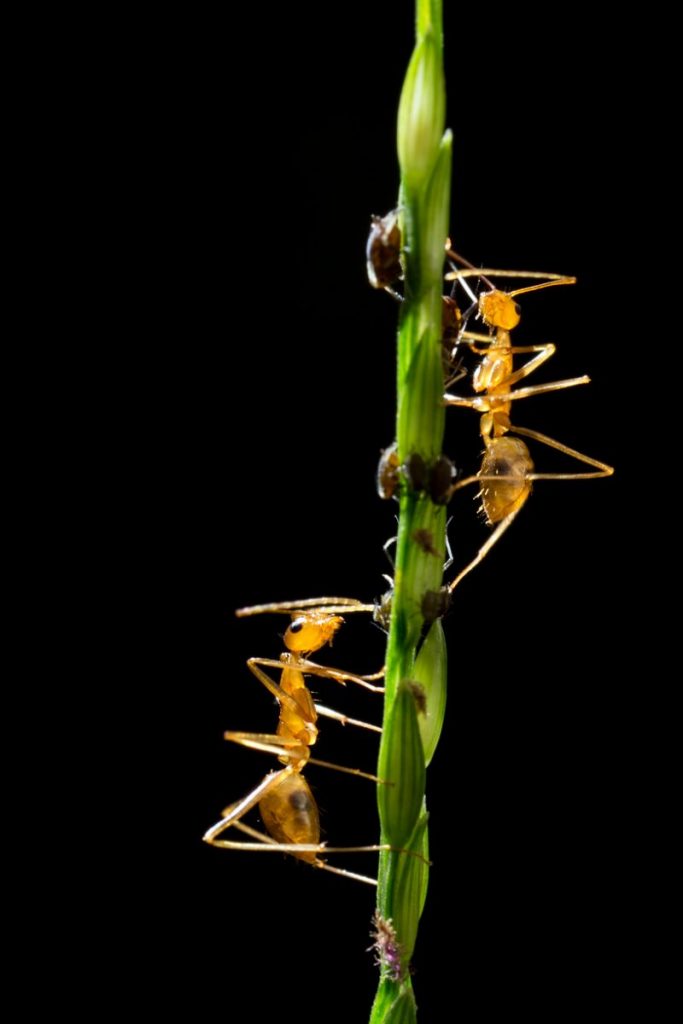
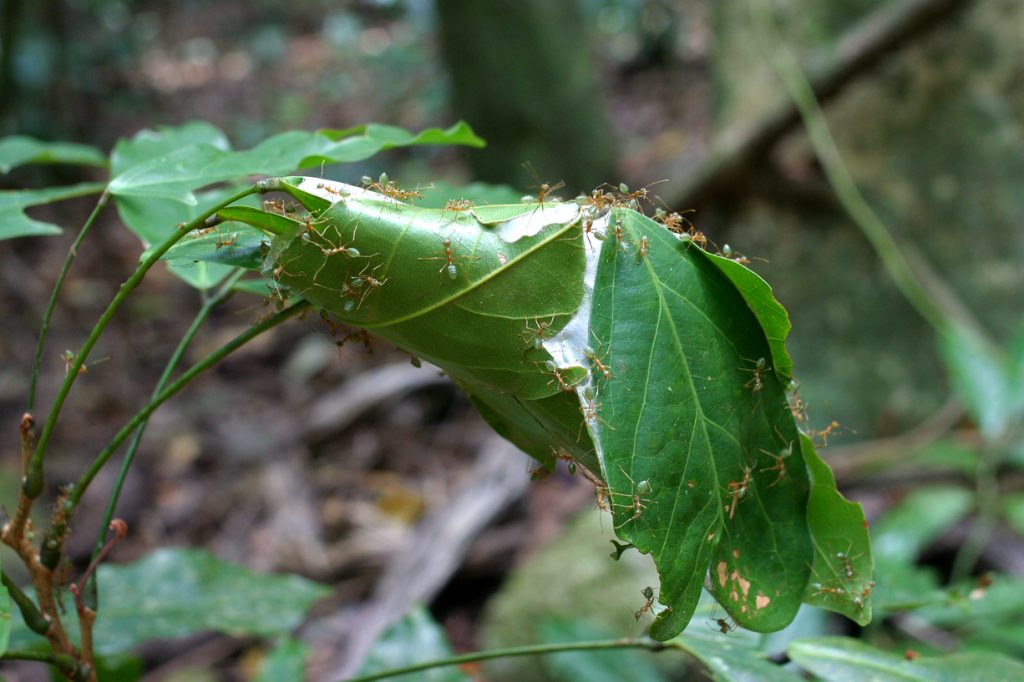
To address these questions, we use insects as model systems, with a particular emphasis on ants. Insects combine extraordinary ecological diversity with broad geographic distributions, making them ideal for investigating how environmental factors shape species distributions, traits, and ecological interactions. Ants are especially valuable because they exhibit striking variation in morphology, behaviour, thermal ecology, and social organization, allowing us to link processes occurring at the level of individuals and societies to large-scale ecological and biogeographic patterns. Our research integrates computational analyses, ecological and species distribution modelling, behavioural experiments, field studies, data mining, trait measurements, phylogenetic and macroevolutionary analyses, and large biodiversity databases. By combining mechanistic and large-scale approaches, we aim to develop a predictive understanding of how environmental and anthropogenic factors shape biodiversity in a changing world.