Agathe Puissant has joined the team as postdoctoral researcher working on the evolution of social traits in ants. More about her here.
Categories
Bertelsmeier Group News, from new publications, public outreach, press, to new members
Agathe Puissant has joined the team as postdoctoral researcher working on the evolution of social traits in ants. More about her here.
Minsoo Dong arrived at UNIL to do a PhD in the Bertelsmeier lab about morphological variation among native and invasive ant populations. More about Minsoo here.
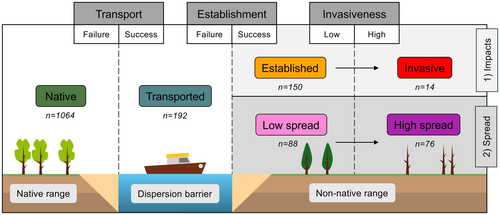
Native niche size predicts invasion success in ants – but only at the transport stage! You can find the full paper here.
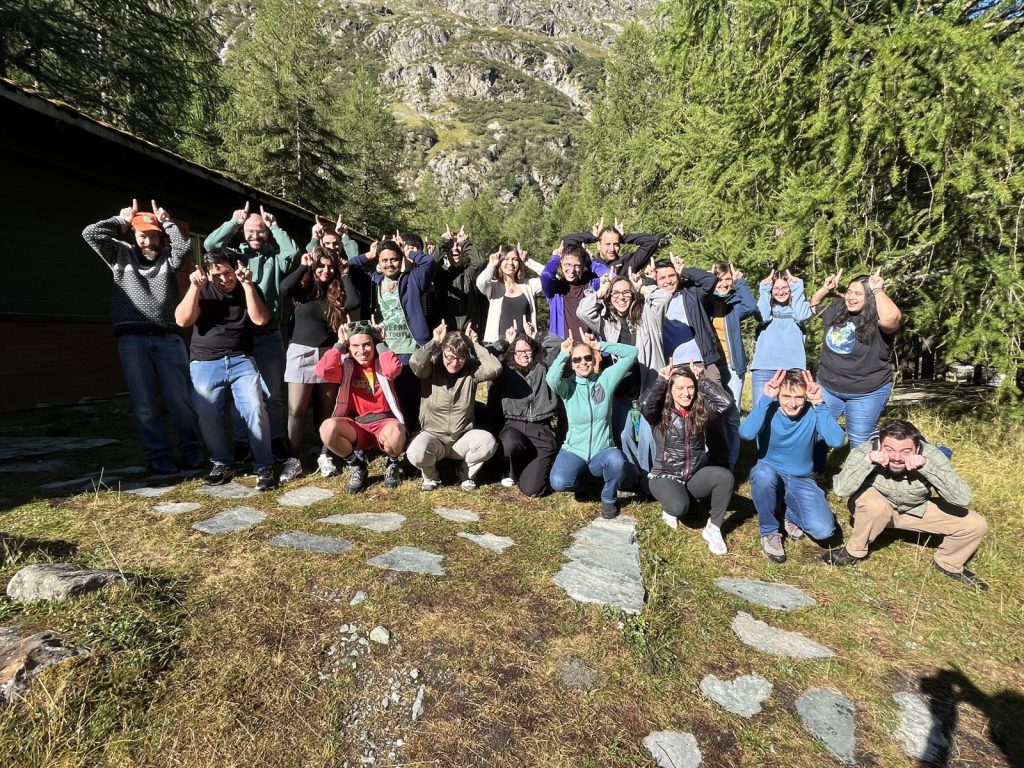
Cleo Bertelsmeier and Sébastien Ollier co-organized an international summer school in ant ecology in an era of global change (AntEcol) at the research station in Ferpècle (Valais, Swiss Alps) with the help of Aymeric Bonnamour (DEE), Anne Freitag (Naturéum) and Jelena Bujan (Ruder Boskovic Institute). We hosted 22 young researchers from 14 countries across 4 continents for a week, teaching concepts in ecology, exploring open research questions, giving tutorials in statistical and AI analysis tools, organizing lab based practicals and two days of field work… and even cooking together in teams to prepare all meals for our group of 27 people. This demanded a high level of sociality and enthusiasm, fostering team work, new friendships and science collaborations.

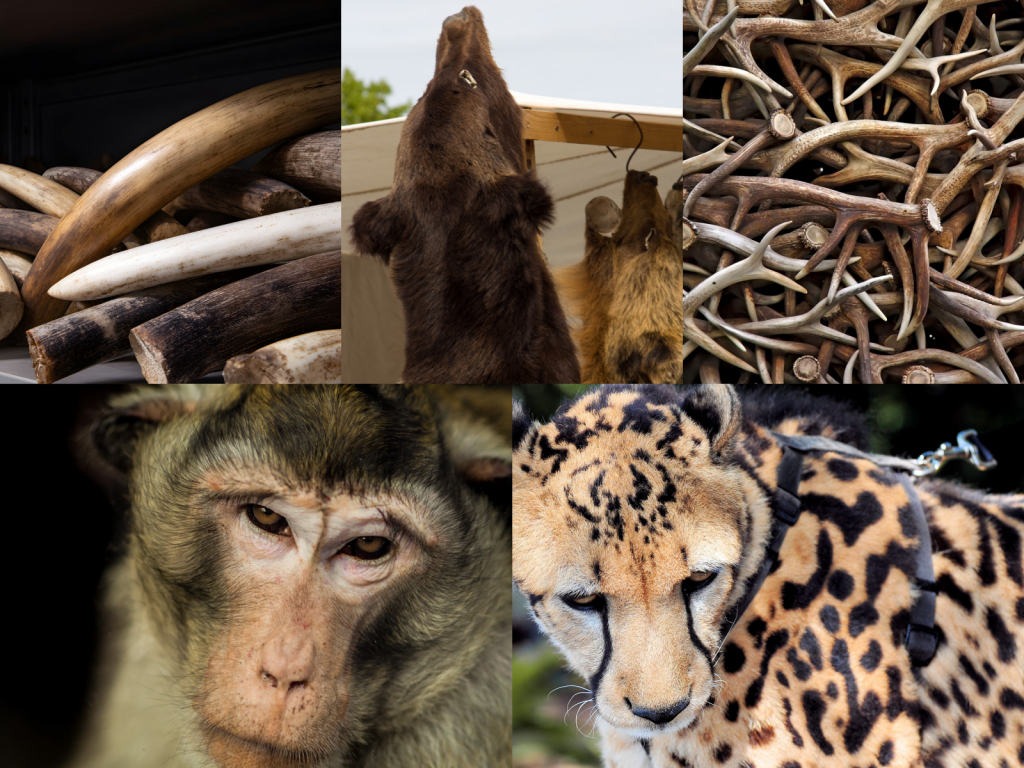
In this new paper, our team has shown that the global wildlife trade increases animal-to-human pathogen transmission. Congrats to Jérome, Tristan and Mattéo, and of course our collaborators!
Read it here.
Summary: The wildlife trade affects a quarter of terrestrial vertebrates and creates opportunities for cross-species pathogen transmission, but its precise role in shaping animal-human pathogen exchange remains unclear. In our analysis of 40 years of global wildlife trade data, we show that traded mammals are 1.5-fold as likely to share pathogens with humans as nontraded mammals, and that illegal and live-animal trade further exacerbate pathogen sharing. Time spent in trade predicts the number of zoonotic pathogens that a wildlife species hosts. On average, a species shares an additional pathogen with humans for every 10 years it is traded.
Here some media posts about this paper:
UNIL, New York Times, Washington Post, Scientific American, Interesting Engineering,