Aujourd’hui est la fin de l’année commémorative organisée à l’occasion du 75e anniversaire du dernier grand séisme en date en Suisse, celui du 25 janvier 1946 en Valais, avec une magnitude de 5.8. Au-delà du site web qui garde la trace des activités, un article dans Le Nouvelliste de ce matin résume nos actions, et notre article sur le Géoblog présente des archives inédites sur l’effet de ce séisme sur les différentes sphères de la Terre.
L’enregistrement des ondes sismique suite au séisme du 25 janvier 1946 par le sismographe à Brigue, le plus proche de l’épicentre (source: EPFZ; crédit: Remo Grolimund)
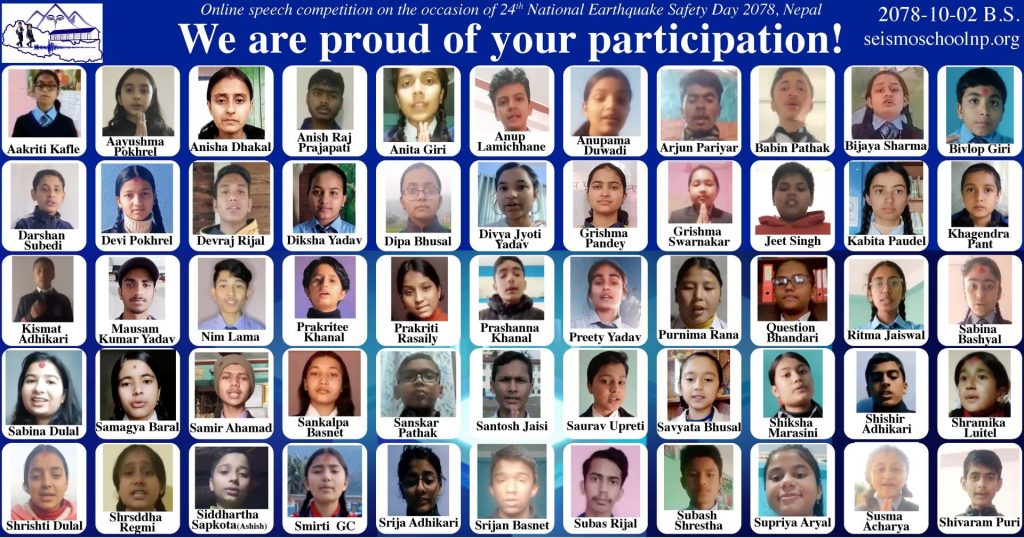
Around mid-January each year is Nepal’s Earthquake Safety Day. On occasion of the 24th such day (2022 in the western world, 2078 in the Nepali calendar), the Seismology at School in Nepal program has organized a rhetoric contest: videos up to 4 minutes long were to compete on the topic of “The role of schools in earthquake preparedness“. A total of 55 videos have been received, which is much above the expectations – congratulations to all participants on their motivation, and thank you for taking part. Below is a poster showing everyone who entered this contest. The top 3 performers have received an award: Aayushma Pokhrel, Samir Ahamad, and Anup Lamichhane. Congratulations!
Over the past year a series of 12 articles related to orogeny have been published in frame of a special volume with the title Mountain Building. The volume is now complete and openly accessible to all. The contents can be downloaded either as individual articles, as a complete book in PDF, and even as an e-book (EPUB format). Many thanks to all contributors, reviewers and to Frontiers for hosting this work!
Although the calendar year is still to end, good conditions for full-day fieldwork ended in October when setting back to Winter time. We used the last opportunity to return to the field, for the third time this year, and finished the measurement campaigns in a beautiful yet locally steep environment. Further details in 2022!
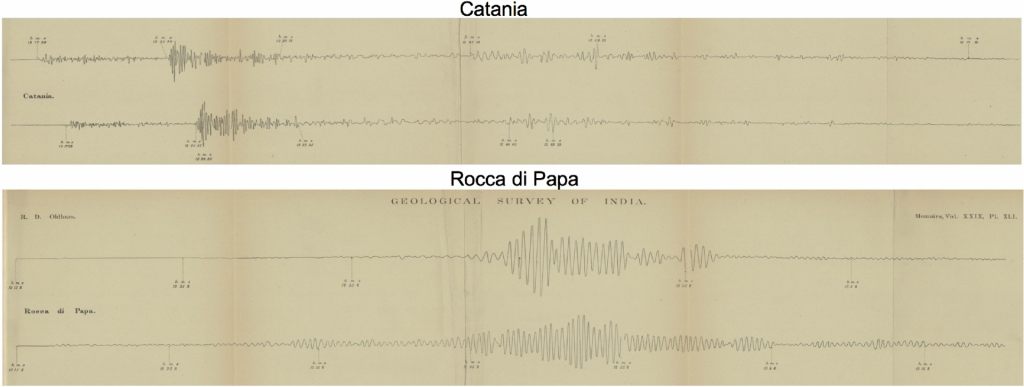
The late 19th century is the era known as the dawn of seismology: a few stations operate around the world and record waveforms on paper. Can you do real work with those data? Until now these data were considered insufficient or inaccurate. In our recent paper in The Seismic Record, we have recollected all original data, performed uncertainty analysis, and precisely calculated the seismological epicentre of the devastating earthquake that has hit the Shillong Plateau. The location confirms that the buried Oldham fault, previously suggested based on trigonometric survey data and geodetic modelling, is the source of this earthquake. The alternative scenarios, the earthquake happening on other long faults that are visible at the surface, have been ruled out. The results are likely the oldest instrumental locating of an earthquake.
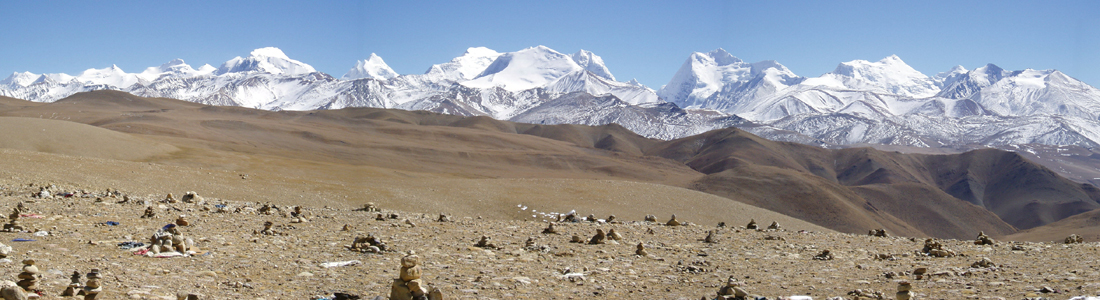
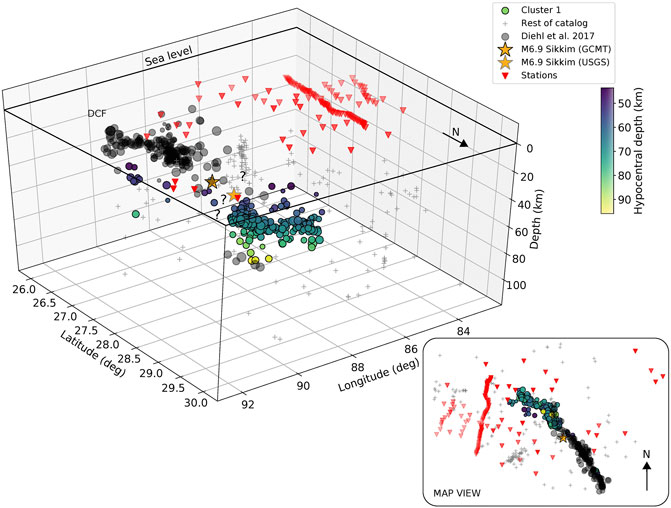
There is a particular cluster of earthquakes at about 70 km beneath the Himalaya and southern Tibet, which has been re-assessed in our recent paper. It can have a metamorphic origin from dehydration reactions, but it also connects to a major basement fault zone that cuts across the orogen at depth.
In preparation for the deepest drilling target of the DIVE project, the first results of the seismic reflection site survey across the Insubric Line and at the Balmuccia peridotite body have recently been published in Tectonophysics. They show that the near vertical structures seen at the surface can be continued downwards for about 1 kilometer without major disruption, which is both a methodological achievment and good news for further site investigations.
Yes, these two words are somehow connected. Hindiusm’s rich literature include several stories where earthquakes and related phenomena are described. And exactly these can be very useful to communicate about earthquakes to people with religious backround and religious perception of our environment. Our most recent work lead by Shiba Subedi explores this topic, which you can read in full length and in a shorter summary, including illustrations.
“Les temps géologiques : la grande histoire de la Terre” est un vidéo réalisé pour les Mystères de l’UNIL édition 2021, les portes ouvertes de notre université.
Tout ce que tu as voulu savoir sur l’histoire de la Terre, depuis l’origine de la vie, en passant par la disparition des dinosaures jusqu’à nos jours (Anthropocène) et les tremblements de terre.
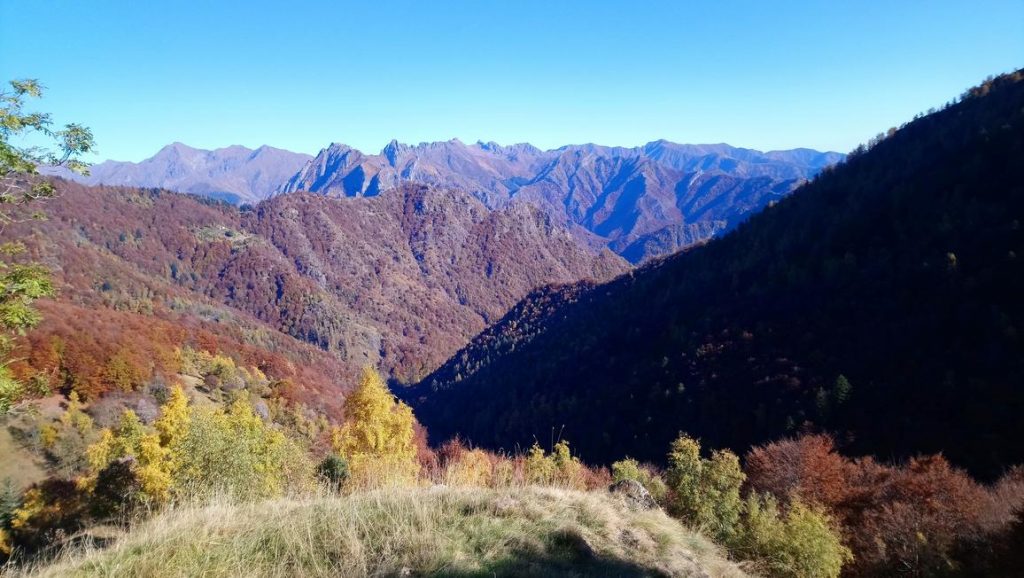
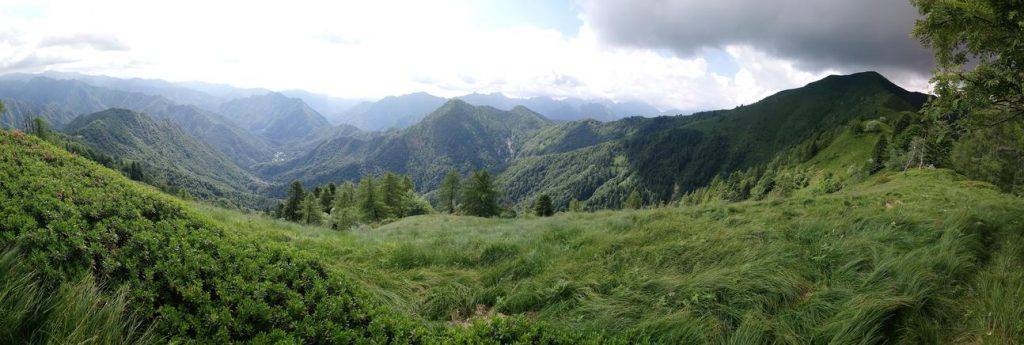
Despite the varying weather conditions our group could undertake fieldwork in the area shown on the photo below. We plan to launch an open modelling challenge by sharing the new data and inviting anyone to submit models explaining the data. More details to come after data preprocessing.