Categories
2021 - Winter

MUSE’s English Events and Escapades: fun stuff to do, in English, outside the classroom


World Radio Switzerland: Listen to local news in English with this privately owned radio station in Geneva. Check out their website, app, or DAB+ broadcasts in Geneva, Vaud and Valais.
https://www.worldradio.ch/


The Village Players of Lausanne: an English language theatre group based in Lausanne that produces plays and hosts events in Ouchy.
https://www.villageplayers.ch/


Geneva English Drama Society: The GEDS is an English language amateur drama society offering a wide range of opportunities through their theatrical productions. The group also hosts playreading performances, i.e., script-in-hand readings, in a relaxed, informal atmosphere. The entry fee for playreadings is 5 CHF & sign-up is required.
https://www.geds.ch/GEDSWEB/


The Jan Michalski Foundation for Writing and Literature: The Jan Michalski Foundation hosts exhibitions and conferences as well as other cultural events centred around literature. Some of these events are held in English, while others are in French (see the website for more information).
https://www.fondation-janmichalski.com/en/


Jim’s British Market in Gland: Jim’s British Market specialises in British products. They are always listening to customer’s requests and try to adapt their offer based on feedback. If there is food that you miss or have always wanted to try from Britain, head on down!
https://jbmarket.ch/


Books Books Books: Lausanne’s English language bookshop is the place to go for all manner of fiction and non-fiction, including recent publications. Check out the staff’s recommendations as well as the events they host regularly through their website.
https://booksbooksbooks.ch/


The Library in English: The Library in English is in Geneva. As well as offering access to over 10,000 books, it hosts two book sales a year – in spring and autumn – where you can buy cheap second-hand books in English, along with other cultural events.
https://thelibrary.ch/


Renegade Saints: an English-language improv group based in Geneva. The group hosts monthly performances at Mr Pickwick Pub (tickets are 15 CHF), as well as weekend workshops, and free drop-in improv sessions (also at the pub or at a location nearby).
https://renegadesaints.ch


Ulysses at 100: a live event at UNIL. On February 25th 2022, there will be an evening of talks, music and student readings, to celebrate 100 years since the publication of James Joyce’s Ulysses and 75 years of Joyce studies in Switzerland. This event is being organised in collaboration with the Irish Embassy, the Max Geilinger Foundation and the Swiss Association of University Teachers of English and will take place on the UNIL campus (Amphimax 415). Keep your eyes peeled for posters around campus.


Simon Armitage: a poetry reading at UNIGE. On Friday, May 20th 2022, there will be a poetry reading by Simon Armitage, the UK Poet Laureate, at the University of Geneva at 6 pm. The exact address is: Bâtiment Colladon, 2 rue Jean-Daniel Colladon, 1211 Genève.
https://www.simonarmitage.com/


Presented by Tonia Ramogida and Arthur Margot

Categories
2021 - Winter

Poems by Alex Pérez

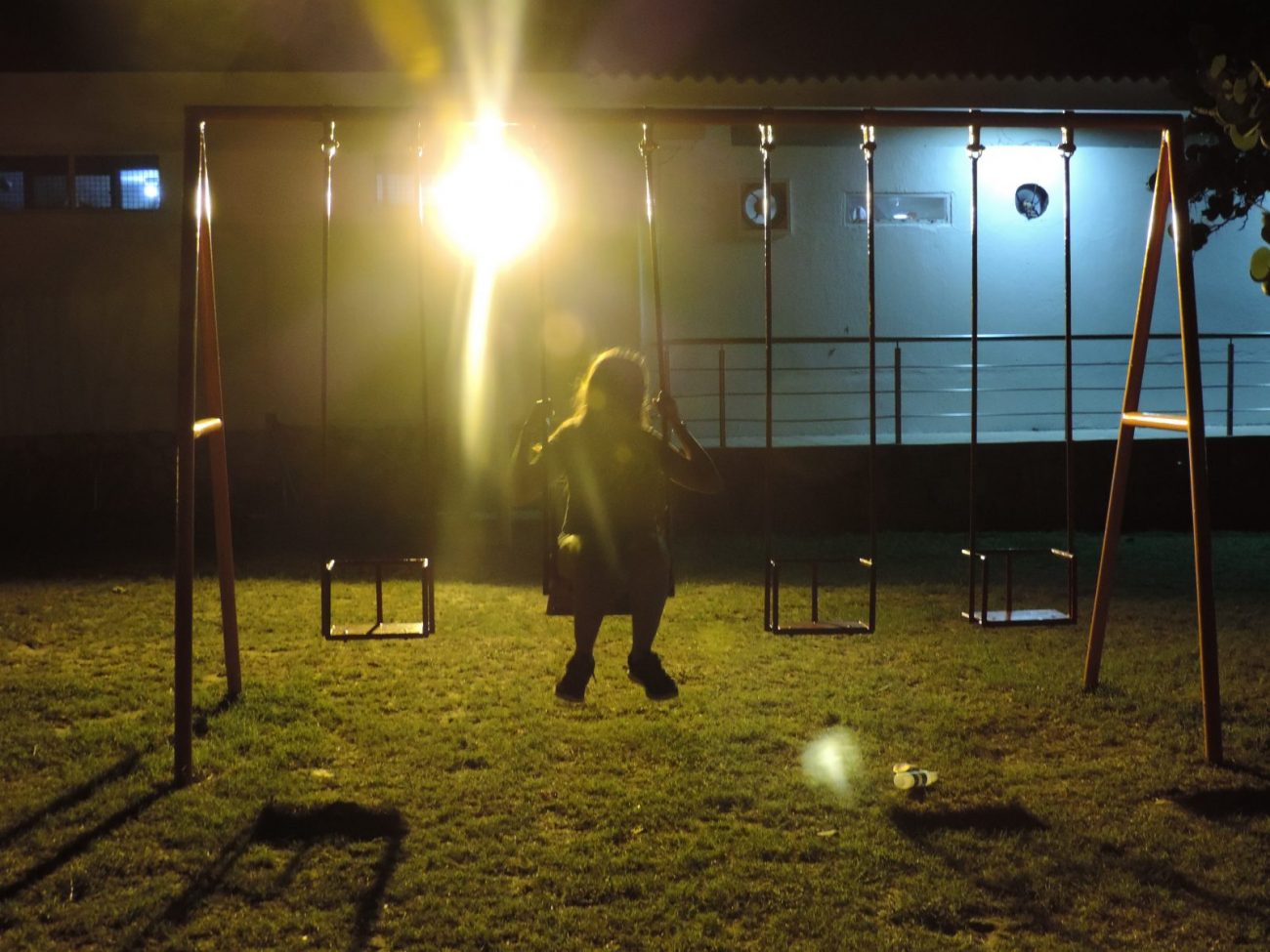
Image: © Alex Pérez

Author: Alex Pérez

song of adelphity

content warnings: self-harm, description of physical pain

I
it seems to be highly recommended
to have your heart broken
your head broken
maybe your arm even
I’ve tried
but never found a way to be at ease
with the concept of self harm
cells do it enough by themselves

II
have you ever had a headache
a deep profound stomach ache
your period riping off your womb
the teeth coming out
even though you’ve turned 18 a while ago
your bones
your flesh
driving you mad
have you ever felt the pressure
so hard on your weak back
that you felt it was needed to remove all of your fur with the help of cold bands of cheap wax
taking a bit of skin with it
that’s how it goes
have you never had a moment of mourning
thinking back years from now
remembering something gone that left a hole that you thought would never be healed
have you never had someone hurting you more than you ever imagined you could hurt yourself
?

III
everything is left behind
everything is said alright
and if you’re not strong enough for us all
still I will ask you
to listen
to go to the core, to the root and think twice
the how and why
if you have yourself
I will have your back

§
§

the body shape

the body shape
i imagine
i embody the un-other
how far from the sheet
under
i go under way too softly
gentle
i knot my arms
feel the fingers on my back
this may work
i forget whose touch it was
what if
i can reproduce
the softness of uncertainty
the shake
the breath
fall asleep in silence
half awake
i lay still

§
§

there was a window

content warning: description of physical pain

I need to work on my saying skills
to try is not to be nor having any kind of interest towards you or you or you
I do not want to resist
I do not want to get stuck again
a year from now
will the stomach ache be gone
constantly trying to achieve the insatiable fantasy of existing
not even close
I never get the tone right
going out and running till stomach gets ripped out
feet on the ground
my back aches since I can’t move

§
§

somewhere behind your eyes

I would like to write a poem about you
maybe even
poems
about you
if you don’t mind me doing so
I wonder if you hated that I ordered decaf
I couldn’t drink it until it was cold
and I wonder
why I care
when we were drinking coffee I stopped thinking about
the taxes I have to pay
not that it was on my mind before that
but still
I do not know why I see the things you can’t see
you said
you can’t see them in your head
only somewhere behind your eyes
this is not a love poem but
I want to remember how you said it was awkward
how you asked if I had been anxious
and the relief to be able to say
of course
sure I was
it was not because of you
you didn’t ask
I saw the image in my head
so I wouldn’t fear anymore
but you couldn’t
I’ve said why already
before you asked you always said
like a song
can I ask ?
like a poem
I’m sorry I haven’t done the work in other languages yet
do you mind
if I take my time ?
we could keep asking questions and answering with blunt emotion
and make them all think it’s pure theory

Categories
2021 - Winter

A Madwoman’s Saudade

Image: © Andreia Abreu Remigio

Author: Andreia Abreu Remigio

To Robim, the dog

I.

“Sum total we were seven kids with me,

One brother vanished, one’s son turned the gun.

My sisters? Jealous of what I could be,

How close I would be flying to the sun.

I took my talent to the capital,

Whence I could almost get to the New World.

The lessons I learned were all tangible.

“Can you please tell me what are my words worth?”

I asked them, worried, waiting for my call,

I had the life that I’d dreamed of at last.

Above the landmarks I could smell the salt,

And honestly, I thought the worst was past.

My waves met his coastline by accident –

He got my missing piece of innocence.

II.

My hand he asked the man who put me here.

Our love was like two burning flames combined.

My freezing hands could hold his pain, my dear.

So magical like folklore was his mind.

When he would let his heavy eyelids close,

I’d polish plates as hard as a devout.

And he would not let anyone oppose…

His lips would make any seeds and sweet peas sprout.

Believed in him like in my childhood’s dream.

I’d swing and sway softly in my chest.

Remember times when he would glow and gleam,

There was no reason to go and get dressed.

We tried to overlook the tears, truth was

The stasis amplified each of our flaws.

III.

And he went looking for another one,

As if I were somehow wasting honour.

Eventually I guess he found some

Fragment in bottles. My once bright colours

Are now eclipsed… I’d keep doing the laundry

Like Groundhog Day, and everything was gauche

In my life as he was out the country.

Through my curses and cries unharmed he goes

And goes. I had the shiniest voice, now

It’s rusting. Our coming of age has come

And burned out. You know the love story died out –

So what is this poem for anyway, um?”

Absentminded I hear “Happy birthday

By the way! You should call more!” I hang up.

Categories
2021 - Winter

The Time We Took

Image: ©️ M. A.

Author: M. A.

The lucid idea
that love was merely a concept
ceased to exist
little by little
since the day
our eyes first locked.

Six years
of mutual unconsciousness
of the other’s existence
yet subsisting within
that tangibly close proximity
which served the sole purpose
of leading up to that
one ocular exchange.

It was that prelusive look
we shared
that perpetuated longer
than requisite
and that entailed
a series of events
that shaped our lives
to prevail such as they are
today.

The disappearance
of the butterflies never came,
it was instead superseded
by the feeling
of the ultimate piece in a jigsaw puzzle
slotting immaculately
into its emplacement;
you are everything
I never knew I always needed.

That bittersweet wait
consisted of many
profound twilight discussions,
exchanging innocent affection
and soul-reflective glimpses
into each other’s eyes.

Up to that moment,
I never had desired anything more
profusely than to entrust
my uttermost vulnerable
proof of love
with you.

From the time we took
which claimed the extinct rush
we were never in,
rose up the question;
“why waste the sweetest moments
of falling in love?”

Categories
2021 - Winter

The Orchard

Image: © Laure Cepl

Author: Laure Cepl

A sudden shake woke me up from my light slumber. The train was arriving on the rail intersection. I gazed at the different approaching tracks crossing the wagon’s wheels then slowly moving away. During my travels, I usually meticulously observe and try to guess which path the train will take and still, even if I know the way like the back of my hand, somehow, I am always baffled by an unexpected junction that will take me to a different track. A screeching voice on the loudspeaker brought me back to reality, “Next stop M…” and reminds us of the procedure and which compartments are allowed to leave the train first. I put back the little casket that was on my lap during the whole trip in a special bag that I carefully closed. It was a precious parcel. I was the only suitable person who could accomplish this mission, since they had already done the trip. I had some doubts about whether I would remember where to go, since I hadn’t been there since we left. But they reassured me and affirmed that when the time would come, memories would also come back along the way. The loudspeaker shrilled a second time.  I took my hand sanitizer out and disinfected my hands before I put my gloves and my mask back on my face, as I waited for my number and the Plexiglas panes to open. It used to be way faster. I remember, my mother always used to book first class tickets for us, because it was cleaner and because smokers and non-smokers were separated, “more suitable for young children”, she said. Back then, she not only used hand sanitizer, but she also used to clean our seats, the small table, the edges of the windows. Everything had to be clean, so our little mittens would not carry any germs to our mouth as we ate some snacks. “Second class, number 33”, shrieked the voice again. As I stepped out of the train, a light chemical breeze refreshed my thoughts and I found myself on one of the numerous platforms of the Central Station. As I looked up, the sunlight passing through the coloured windows of the dome-shaped roof blinded me before kissing the sanitized white pavement. I had  never seen the station like this. In my oldest memories, M. Central had always been this dark, smelly station, swarming from dawn to dusk. As we walked to the announcement board, I remember slaloming between fresh and dried up chewing gum. They were part of the ground’s irregular mosaic while cigarette butts coated the rail tracks. It was a real ballerina’s work to tiptoe through that filth while holding firmly to my little luggage and to my mother’s hand as her pace accelerated to avoid people. She always told us to be very careful: gypsies and pick pockets were always lurking. While we were waiting for the information concerning our next train, my main entertainment was to watch the television spot. The Chordettes’ Lollipopwas resonating through the whole hall as I was salivating over the new Kinder Easter egg commercial. Observing this buzzing waltz of people going all over the place was also a great source of occupation. Elderly couples confused, struggling to find their platform, large families arguing over the forgotten bag, youth sport teams gathering beside the newsagent.

The walk to the announcement board was a solemn march that day. I started excelling in walking in a straight line the day my mother traded my red Lelli Kelly shoes for a pair of black polished derbies. It was for a “special occasion” that I was not familiar with yet. I felt so much pride when my mother took me to the shoe department for women for the first time. I trotted along the different aisles while she was choosing what would be the perfect pair for the occasion. The first floor had different sections. The west aisles were the most boring ones: men’s shoes. They were either brown or black. The south and east aisles were my favourites. Against the window were displayed the new models by Lelli Kelly, each more colourful than the last. Just beside the magazine area, house slippers were piled on a shelf. Trying to find the fluffiest ones was my favourite game. There was another floor downstairs. It was rather quite cold in the shop; however, the basement floor was the coldest, the most remote and mysterious to me. There they kept the teenager shoes. For some reason, I was never allowed to go there by myself, although I was curious to know what I would wear in the future. It took three tours around the shop and its thirty shelves until I heard my name. The turning point had finally arrived. I rushed swiftly to my seat and opened the box containing what would make me look like “a fine little lady” as my mother said. Opening shoe boxes was always exciting because with each new pair of Lelli Kellys were included some shiny stickers.  However, to my greatest disappointment there were no more stickers inside the box, instead I found some extra black laces. With a long face, I tried my new derbies on. “They look perfect on you, my dear!” declared my mother in a satisfied tone. “Take some steps and look at yourself in the mirror!”  I stood up and realised how uncomfortable growing up was. I stumbled upon my untied laces, and dragged myself to the mirror. Invisible to the eye, the back of the shoes would soon rub against my heel and my toes floated in these two invisible inches of space dedicated to the upcoming years.

A sudden horn blew away my thoughts; my train for the next destination was arriving. I went to the glass portal where they controlled our passports, tickets and checked our temperature. The waiting line was very silent. Once my details were validated, I hopped on the train, took out my sanitizing products and thoroughly cleaned my place. Back then we used to sit on the edge of the stained seats, afraid to touch anything. The train to B… had always been loud and smelly, and from spring to autumn the windows were open to give its passengers the false impression of some fresh air. We used to count the number of rainbow peace flags were hung on the windows of the buildings along the tracks. They have been replaced over the years with what now are nothing more but tagged rags on which one can difficultly read: “It’s going to be okay”. The truth is, it has not been “okay” for as long as I can recall. We used to hear bad things on the news, and my mother used to cover our eyes, so we would not see the violent images of what was happening in some far-off country. She said it came like a flood, it would wipe everything away. A kind of disease that was plaguing the roots of entire civilizations. “It is terrible”, she whispered. “And people would pray so that it would not come here too”. Now hush children, it is past your bedtime and there are things we adults have to discuss.” Reluctantly, we would walk to our bedroom followed by our grandmother, who made sure we washed our feet, brushed our teeth and prayed before going to bed. Once the lights were out, we used to leave our bedroom and glue our ears to the corridor wall, so that we could hear fragments of their conversations, if we were lucky. However, most of the time, they would speak very quietly, almost murmuring, as if they were afraid of their own conversations. We still could not understand much of the issue about this strange disease. Some rumours about it were that it had already spread to the continent, other said it was just a hoax. But now, when I see the written remnants, the peace flags were just a preamble of something “terrible” that would come here too. And nobody was ready for that, nor spared.

The journey to B… never lasted long, one hour approximatively, during which, after we passed the suburbs of the city of M…, we could admire the countryside. It was very flat, and back then we could get a glimpse of agricultural farms built out of stones which were covered with plaster. Sometimes there were houses around the farms, and all together they formed little hamlets. I couldn’t dwell on the details, for the train passed them quite fast. Over time, agricultural areas became an attractive location for factories of all kind. There was at least one element that seemed immanent: the sky. I have always remembered the sky of this country as having a tint of blue that would be found in no other place and whose shade was almost indescribable. Its colour has always been very intense, but you could see variations according to the seasons. During winter, it was quite intense whereas during summer the sun would make it brighter. The sun was also not the same. When it went down, sometimes it set the whole sky on fire, and at that moment I would always spend the last couple of minutes of its presence, watching this orange, red globe hiding behind the mountain, until my eyes hurt. But that day, the sky was dimmed by a light cloud, a sort of brown haze that almost cast a shadow over the land. As the train slowed down in approach to our next stop, its shakes remind me to check for the twentieth time today that my precious parcel is not damaged by the shocks. It is by far the most important task I have undertaken and on the day the decision was proclaimed, I solemnly promised not to disappoint them and make my mother proud.

Once again, the changes brought to the station of B. surprised me. First of all, there was an elevator on all the platforms, and even one linking the underground and the ground floor where the way out was. Before, we had to carry our luggage all the way up or even worse, take the stairs. Furthermore, our luggage was seldom light; on the contrary, it was packed with souvenirs, goodies or food we brought back from our vacations. But this time, my luggage was not that heavy. A nightgown, spare clothes, an extra pair of shoes and a light jacket if it was windy in the evening, my beauty case were my only belongings. I had nothing left anyway. My casket had its weight though. But we can’t compare two different unities of measurement. I quickened my pace to find and climb onto the right bus, that would take me to M. It was, to my greatest satisfaction, unexpectedly not crowded. Perhaps people avoided taking the bus because they were still scared. This emptiness gave me the freedom to choose the seat next to the window, allowing me to feel the city of B. once again.

The bus started and took one of the lanes of the main boulevard that faced the old ramparts of the town. The historic centre of B. distinguishes itself from the modern part of the city because it is higher in altitude. I always loved when we went there either by foot or in the car. When we arrived from the lowland I was always impressed by this wonderful city standing on the top of a hill, with fortified walls that have resisted time so far. If my memories are correct, there are two ways to reach it: either take the funicular cable, or climb the steep stairs and go through the main gate, take a walk along the walls and enjoy the breath-taking view. I have always enjoyed walking along the walls because the view is not limited to the buzzing modern town. It stretches past across the countryside and even gives a glimpse of the industrial towers of M. This view, displaying the flat lands in the middle and the hills and mountains on the left and right always conveyed a certain sense of infinity. I even had my favourite bench to watch the sunset. When we passed there by car, I would roll down the window and smell the air that was as unique as the sky. I remember the time when we found a store selling sweets in one of the many narrow paved streets. There were plenty of little shops and taverns, but once we took a different alley and found what became one of the many rituals we had when going to the old town. My sister, my two cousins and I decided to combine our pocket money and buy as many sweets as we could. We left the shop victorious, with a bag full of colourful candy, ready to stroll along the streets and discover the old town’s hidden gems before sitting in a square. I remember that when we came by foot, we would take the path along the hills on our way home. We would follow the ancient paved road, and after ten to fifteen minutes of walk, it was possible to see some beautiful coloured houses nested on the hills. Most of them of them had palm trees in their garden, adding a contrast to the northern landscape. There was also a fountain that was once the place where the white sheets we could see on the balconies were washed. As we pursued our journey we could hear the bells of a monastery in the lowland, between two hills. We asked our parents if monks still inhabited it, but apparently, they turned it into a hotel or something of that kind. After passing the monastery, I remember we had to cross a small woodland area before climbing down the last hill and arriving in the village.

I had to stop retracing my former pilgrimage and focus on the one I was making now, for I was not sure the stop I selected was the closest one to the house. Eventually I jumped off the bus and found myself at the entrance of the village. More than twenty years had passed since I last sojourned here. I recognized the general outline, despite the changes incurred by the flood. There was just one bar left, half empty. From outside, I could see two people sitting at the counter. It was the one in which I had the first popsicle I can recall. Back then, way before everything happened, there used to be village fairs over the course of the summer and we used to go out after nightfall to get a drink or an ice cream. They had these over-sweetened, strawberry, Tom and Jerry-shaped popsicles that, once they started to melt, dripped this bright pink syrup all over our new shirts and our white summer pants. But we did not mind. We did not care much about dirt anyway, back then. At weddings, we used to eat the rice that was on the ground and formed a heart in front of the church, and we also did not fear grabbing the tassel that was hanging down, and that everyone tried to catch, in the hope for an extra free tour on the merry-go-round. ‘Germs’ was a word not added to our vocabulary yet. However, we were too busy playing to notice the worried tone creeping into the adults’ voices. The absence of the smell coming from the bakery led me in front of an empty shop window. The shoe shop, the butcher’s had gone bankrupt too. Folks became more and more reluctant to buy what they needed in stores. Too much time wasted, not enough choice and there was the mistrust anyway. They started fearing each other since the deluge. Everyone looked suspicious: the risks and consequences of contamination were far too great. Elderly citizens’ lives were the ones the most at stake. They needed to be more cautious than any other generation due to their fragility and to the work some would accomplish in The Orchard.

If my memories are correct, The Orchard was guarded by a large brick wall, encircling the area. It was so high that we could not see what was on the other side. I remember, the first time I had been there I was wearing my new black polished derbies. There was a little crowd with us waiting in front of the entrance gate. It was an imposing, heavy portal made of iron. Its arrow shaped barriers were pointing towards the sky and the key hole was almost as large as my hand. Whatever was concealed behind it, must have been very valuable. There was a house too, made of bricks, standing solemnly, guarded by the gate. A stone-grey plate on which something was written hung beside the dark green wooden door. The architecture was quite outstanding when comparing it to the rest of the area. Two aged ladies opened the gate. They were wearing long, brown linen dresses, hiding most of their leather sandals. Despite the striking heat, they did not seem bothered at all, on the contrary, their expression seemed as neutral as ever. While I was observing them with the greatest care, the two ladies started giving us instructions concerning the procedure. My mother noticed my puzzled face and explained to me that, among many other people, they were the guardians of The Orchard. “Once you will be wise enough, you will be asked to join The Orchard as well, that is everyone’s duty. The work they achieve here is crucial for our kind. They take care of this place. They do general maintenance in the house, they mend the wall if a storm damages it, and keep a record of who comes to The Orchard. Concerning the gardening work, not only do they watch over trees, make sure they receive enough water, trim them when it is needed, but also, they are the ones securing that what has been dear to us does not fall into oblivion. As a matter of fact, some call them the memory gatherers. For you must understand, some trees have been planted centuries ago, and if they die or if damage is inflicted upon them, it would mean a great loss to all of us. It is crucial that you always, always remember where our tree is planted. It is the only way for us to be reunited again if we must part and go on separated paths. Trees are the cores of our memories. They remember everything: the weather, diseases, and the older they are, the deeper their roots go and the more valuable they become. Do not forget that.” I nodded, in silence, trying to grasp the information and the great task I have been given.

One by one, they went through that door, while we were waiting in line, me still holding my mother’s hand and working on remembering what she had just said to me. Once we entered, we found ourselves in a large hall made of old stones. Despite the heat outside, a cold airstream greeted us. I looked around me and I was surprised to find out that the place was quite bare. As a matter of fact, there was only little piece of furniture around. My mother told me that once you become part of The Orchard, you leave behind unnecessary things that would become a burden to the work you have to accomplish. The reception desk made of oak was as imposing as the rest of the place. A strange atmosphere filled the whole house, I could not understand the eerie feeling of experiencing both a supreme peacefulness and yet a lingering doubt concerning this place. We waited again a while until someone arrived. In the meantime, I was observing these elderly people, monk-like, evolving in this strange environment. An old man arrived carrying a casket on a cart. He was bald, but his beard was long, untrimmed. He too, was wearing the same kind of clothes as the two other ladies, however his robe outlined quite well his skinny, frail figure. I was getting quite impatient to finally discover what this garden looked like. We followed him, passed through a courtyard hall, and eventually we arrived in a very vast place outside, facing The Orchard. At first I could not see much: I was blinded by the sun and hit by the heat, due to spending what seemed hours in this peculiar, cold house. It was vast, so vast I could not see the walls meet at the end. An infinite neat lawn laid in front of us, little grey gravel paths divided the green area into nice and tidy squares. The trees were aligned, forming rows that followed the pattern set by the paths. They were different species of trees, and not a single one looked like its neighbour. There were birches, cedars, hawthorns, oaks, pines, sycamores, some were blooming, other bearing fruits already. Some looked quite young and others seemed to have been there for ages. Altogether, they formed the most peaceful unity.  This lovely garden was tended by the people from The Orchard. A couple of them were mowing and trimming the grass while three workers were digging the earth. A sudden movement in the group put an end to my contemplation and we followed the procession to a tree. A congregation formed a semi-circle around it, we were in the front row so that I could see and most importantly remember what “our tree” looked like. Then someone I had known since my youngest age stepped forward, took the casket and opened it. I could not see at first what was inside it. I leant forward on the tip of my toes to get a better glance  while the person put the box on the ground and revealed its content. Dark soil. It was a handful of some dark, damp soil that all the members of the group including me, one by one by one, took before spreading the earth around the trunk of the tree and on its roots. They started singing and after they shared an anecdote, they went back to the strange house, leaving my mother and I behind. “Now focus”, she said, “try to carve in your head its emerging roots, the shape of its trunk, feel the pattern of its bark on your hands, observe the direction that its winding branches take, learn to recognize the smell of its leaves and don’t forget the way its sings when the wind blows”. We stayed there until I felt I would remember everything. We joined the group again; it was already spreading out and heading towards the cars. Once seated and my belt fastened, I glanced at my black polished derbies that were tarnished by dust, while they were still outside, exchanging a goodbye and wishing each other a safe ride home. There were more and more gatherings like this one over the upcoming years, but they did not allow me to come all the time and we never really talked about it, or maybe the adults did, once they were in the parlour.

Eventually, after having lost my way a couple of times in the half-deserted streets of the village, I found my family’s former home. It was situated in a large street, five houses behind the church. The black ornamental fences were all rusted and the yellow facades were way darker than before, peeling off. Despite its advanced decay, our residence stood there, as imposing as I remember it. It took me a couple of minutes to get acquainted with the set of keys, each opened a different door, and it had always been so, no matter how stressful it was to lose one. At first, we did not use to keep our doors locked. Everyone trusted everyone, and we did not feel that we had to hide from the rest of the world. But winds of panic started blowing across the country, spreading out the rumour that dark skies were upon us. Folks and family slowly started questioning people’s whereabouts in case the disease would spread out. Insecurity invaded minds, forgetting slowly how it was before. Village fairs would be cancelled, and weddings postponed. Our raids to the sweet store became at some point erased off the list. Playing in the garden was still permitted, but we had to keep away from the fences and not touch them at all costs. That’s why they installed the bay hedges. They were tall, thick and shielding us from the view on the street. They are dried up now as well as everything that we used to grow there. Tall crops of tomatoes used to add colours to our dense vegetable garden. I think they started cultivating fruits and vegetables when the first flags ornamented the windows of the area, or maybe it was pure hazard. But I know that they planted carrots before the bay leaf hedges. Eventually, the day when playing outside became dangerous too arrived. Going back to the little alley leading to the porch, I realised this one too was now outgrown by weeds. The midday sun was striking the porch, underlining the scars of the aging walls that once protected us.

Entering inside for the first time in years opened the door to some forgotten events of the past. I felt a mixture between fear, a profound nostalgia and incomprehension. Why did what we considered once as our safe haven fail us eventually? We had everything we needed here. But decisions did not belong to us children. As a matter of fact, they were mostly made in the parlour, the only room that was off-limits within these walls. The parlour had always been this mysterious and forbidden territory since some minor incident occurred years ago. They told me when I was older the anecdote concerning the parlour. My sister and I were running around the table, chasing each other, until one of us, we have never known which one for it happened so fast, pulled the table cloth by mistake, letting a crystal plate that was on the edge drop and break into hundreds of fragments. We screamed in confusion and fright, furthermore we were barefoot. Our grandparents who lived with us were the first ones to rush up to the room. They were obviously very upset but not as much as our parents who were quite fond of the plate since it was a gift given to them for their wedding. From that moment on, no children would step foot in the parlour. Now I understand that this incident proved itself to be the perfect excuse for locking themselves up when conversations became serious in the later years of our life here. I was not able to make the link back then, so there was always a lingering feeling of injustice when guests and relatives closed the door behind them, telling us to stay in the kitchen and draw or read. The kitchen was the room we occupied the most. It was always warm, even during winter, because there was always a cake baking inside the oven or a hearty stew on the stove. We also used to listen a lot to the radio, it was a great source of distraction. The old television was also in the kitchen, but we were not allowed to watch it unattended, especially when the flood started.

As I entered the dusty kitchen, I started to remember what changed the course of our lives. My grandparents, my parents, my sister and I were having dinner while watching the news when the telephone rang. My mother stood up to answer, while we all stopped paying attention to the television to listen to whom she was talking. Her face went pale, and she stood there, speechless until she hung up. “Children, finish your plates and prepare yourselves to go to bed”, she said. We did not understand why so much haste, but we could discern that consternation would join the assembly tonight. They stood up hastily, my grandparents washed the dishes and cleared off the table, as my parents set up the parlour. From the moment we saw that they took out the brandy, crystal glasses and the dark chocolate, we knew something important was going to happen. My grandmother assured herself we would go to bed while my parents went downstairs to greet their guest. As we were curious, we waited until they were installed in the parlour, with the door semi-closed, because they did not suspect us to stay awake. After waiting half an hour, we crossed the hallway as quietly as shadows and stood near the door to hear what they were saying and who was their guest. We recognized the voice of our aunt, my mother’s sister who used to work as a nurse in a hospital. As they were whispering we could not hear everything that was said, but the topic was extremely serious. Then we heard some steps going towards our direction, so we ran back to our room as fast as we could, and decided it was better not to attempt a second time, for we would be grounded if they found us.

We were completely asleep when all of a sudden, my mother broke into the room, turning the lights on and telling us to wake up, get ready and pack our clothes and take only the essential things with us. She left the room in the same manner as she burst in: like a whirlwind. On the moment, the effect of surprise felt like an electric shock, knocking us out and leaving us extremely disoriented in our room, as if it was the first time we saw it. I must admit I also felt a feeling of strangeness when I looked at my belongings, and the choice I had to make concerning what would be packed, taken with us and what would be left behind, felt extremely trivial. It was about midnight when we were summoned in the kitchen, dressed and with our little luggage ready. My grandmother made us a hot tea while we all sat together. My aunt was still present as well. Nobody said a word for five minutes which seemed to last a lifetime. After a while, my mother sighed and my father cleared his throat before starting to talk. “Children”, he said, “as you may have noticed the past few months, terrible things are happening out there at the moment. We thought the situation would settle down, unfortunately, as we feared it has spread out and it’s getting closer. Your aunt came to warn us to leave the country as fast as we could, before it is too late. Although we do not want you to worry, for everyone’s safety, it is best if we leave the house tonight, before they start blocking the borders, because that is one of the risks we take if we wait for too long. We must act quickly. We have made the heart-breaking decision tonight that your Grandmother and your Grandfather will go to The Orchard tomorrow, because they are getting too old to travel that far and because they also have a duty to accomplish there. So, for now, you must say goodbye to them. We do not know when you will see them again, so you must be brave. We will come back home once it’s safe enough. We’re sorry. Be brave.” I can only hardly describe the way it felt to hear that. Our little world felt like it had been crushed down. As if a storm just blew away the pillars, the foundations of our existence. Again, a silence even heavier than before invaded the room and hung over our heads. I looked straight into the eyes of my grandmother. There was a deep sadness mingled with fear in her green eyes. Her light grey hair was attached in a bun, messier than usual and her rosy cheeks had faded. Her lips were shaking as she tried to appear as reassuring as possible. Neither of us were capable to let a sound escape from our mouths. Talking with our eyes was perhaps the most painful thing I had to do that night. After that, everything went so fast. My grandfather stood up, took our luggage and started packing our car while my parents were exchanging a last couple of words with our aunt. In the meantime, we stayed in the kitchen, my sister was crying, my grandmother was trying to comfort her while I was staring at the wooden pavement. My grandmother waited until my sister calmed down before taking a chair and placed it in front of the sofa on which I was sitting. “Listen, child, I know you are both upset, terrified and I cannot imagine how difficult it must be for you to understand a situation that is beyond anyone’s control. You must be courageous. But worry not, we will meet again at The Orchard, and do not forget at all costs where our tree is planted. It is where we will all reunited one day.” Before I even knew, my sister and I were sitting in the car, both crying while my father was driving the car in the night. I could hear my mother sobbing in silence. There have been no real goodbyes.

I had not experienced these memories for years, as if I had left them behind, with everything that was in the house. I guess they had been asleep somewhere in my mind. But when I entered through our former kitchen, where everything was shrouded in white sheets, I woke up ghosts of the past. I went to sit on the skeleton of the sofa, put the casket on my lap and I stayed there an hour, maybe less, trying to recollect my thoughts and think of what was coming next. I took an oath, and I still had a mission to accomplish by the end of the day. I searched for the address and the map leading to The Orchard. I went to the garage to put the casket in the car and find the map in the glove compartment. After making some adjustments to the car, checking it still had enough oil and gasoline, I took a deep breath before turning the motor on. Surprisingly, I realised that the car never lost its old smell. There had always been a cologne perfume that would impregnate the whole car. During summer, it used to make me car sick, plus everyone would eat some mint candy whose smell would make me feel even more nauseous than before. Because of this, I had the privilege to sit in the front, with the window wide open, and more importantly, the power to choose the music was all mine. We had a couple of mixtapes that we used to play all the time. I put one in the tape player and turned the motor on. The car started, so did the music.  It was about four in the afternoon. After a couple of miles, the song Slipping Away came on. The song was interpreted by two people. A French singer and an American one. It was my mother’s favourite song. I chased these thoughts away from my head as I was trying to find my way out of the village and not miss the pre-selection for the regional road. The landscape was almost unrecognizable. Before, there were vacant lots all along the sides of the road. It was like a kind of countryside filled with plastic bags, rubbish that people would throw out of the window. Plastic bags were still there, but the grass had been replaced by more buildings and shops, half of which were closed due to the economic collapse that followed the flood. These blocks of concrete were obstructing the view on the area that, once, was beautiful, despite the plastic bags and the gas fumes emanating from the old cars. The road led me through a remote valley, which at first sight seemed spared by the changes and kept its ancient atmosphere. There were small mountains, some small villages were half hidden by the trees, but you could see their steeples amidst this greenery. One of them was surely inhabited by some of my relatives. But I cannot be so sure of that, since many valleys surrounded the area. I do remember though the wonderful time we had spent exploring the woods and all the adventures we had by the river that crossed one of the valleys. We used to jump from a small cliff in the cold spring water, watch out for snakes, build bridges where the water was shallower, with pebbles we would collect on the shore, with the burning hope that it would last and still be there the next time we would come. Golden bygone days. The pebbles and the river waited for us, but alas, we never came back.

After driving through this vale of reminiscences for a couple of hours with breaks to admire the landscape and to catch a glimpse of our previous life, I finally arrived at what seemed to be The Orchard. However, the advanced decay in which the estate was left me quite dubious about my reading of the map. I went back on the main road, drove around in circles three or four times in the nearby area because the place did not match the picture I had of it in my memories. In fact, instead of an imposing gate was a gaping hole. No one was attending the entrance either. Doubt seized my thoughts, so I stayed in my car a few moments. The casket was sitting on the back seat, with the belt fastened. I looked at my black polished shoes. After all these years, they were fitting me perfectly. Not too large neither too tight. The two inches of space disappeared with my childhood. It was as if the whole time they were meant to fit this occasion. My mother would agree. She was always reluctant to throw things away, this is the reason why we hoarded a lot of things back then. Until we had to leave. We could not take everything with us. I took a deep breath and stepped out of the car, picked the casket with the deepest care and marched until the wooden door whose paint was half gone.

I knocked on the door and after a couple of seconds, someone came to open it. Suspicion stood between the old woman and me. “Who are you?”, she asked while examining me from toes to head. She was wearing the same kind of clothes as the people in my memories, so I reckoned I was in the right place. I introduced myself, said I came looking for my grandparents and for my tree. She shook her head, “Sorry, but I cannot help you, you should go away. You’re not the first one who came here. Many others like you passed first, without finding what they were looking for.” I insisted and begged her, told her my story, that it was important for us to be reunited. The woman lowered her head, sighed and let me in. “You do not know what happened here, don’t you? Well, let me tell you. When the flood came, we were not prepared for the wave to hit us so hard. Many people like your grandparents sought shelter here, because they knew their days were numbered, and The Orchard was the only place that would guarantee them to accomplish their purpose and be reunited with you one day. Unfortunately, the walls and the gate were not strong enough to shield us all. If I’m correct, they drowned a couple of months after their arrival. I am sorry to tell you that. I do remember your grandmother well though, she used to talk a lot about her two granddaughters. She said she was expecting you to come back, but they were not able to wait any longer. I am really sorry.” She paused a moment. “If you want I can lead you to the garden, but I cannot help you any more than that. You must remember. Come with me.” I followed her, carrying my casket in my arms and together we went through the hall or at least what remained of the place. She stopped in front of the garden. “There, take your time, come back once you’re finished. Good luck.” I looked at the wasteland that stood in front of me, motionless and speechless. Nothing resembled my memories. Vegetation had swallowed the garden. The patterns set by the little alleys were buried under weeds and twigs. It was not an orchard anymore but a dense jungle. There was hardly any space between the trees. I tried. I tried to feel, to remember. But the wind blew so strongly, that a dissonance of voices rang in my ears. Not a single melody distinguished itself. A strong smell of dust numbed my olfactory sense as a forest of oblivion was veiling my sight with its leaves. I started searching, making a way to our family tree, where my grandparents, my father and my sister were waiting, but the brambles kept hanging on my clothes, scratching my skin. I tried to dig to find the roots but the soil was too dry. I stopped to catch my breath. I was lost. I was still holding the casket tightly against my chest. Finally, I opened the dark oak lid. My heart pinched and bitter drops watered the earth as I held my mother one last time. Amidst the roaring wind, in the far off the purple evening skies, the lyrics of a song I knew in my heart echoed: Hold on to people, they’re slipping away, hold on to this while it’s slipping away.

Categories
2021 - Winter

Anonymous Poems (Third-place winner of the poetry competition)

Image: ‘perfectly sugared and glazed crabapple’ © paul+photos=moody. Source

Author: Anonymous

India pale ale

Third-place winner of the poetry competition

Were hectic bitter undertones of a first swig
steadying for the exclamation that our four
feet would trip through an all-nighter and
your former swarm?
Foam swirled into complete ego burial or

the censure of any comparisons stuck on
under chins like unsolicited spittle. One
spewed as fruit flies drowned in drink rings,
plucked, sponged, wiped
away by bartenders with the promise of a

blithe night, so to relinquish limerence was the
embrace of scarce sweet nothings as I secured
hair you once adulated from streams of bile and
the sticky grips of duplicitous people. Outside,

our collective reeling did not wane with the ease
of moons, yet we were tethered to your unrestrained
insistence it would pass. Just as one announces that
all the pigeons are vanishing from town tomorrow.

§
§

To come to a crabapple’s aid

Tannic throughout, the orchard’s
horse marine, a tart fruit scattered
across threadbare canvases of

eroded soil can be saved from
composting neglect in the shrubbery’s
shade. Chopped, it froths and slushes

above warm pans, strained for juice
then boiled into jelly. Perhaps that
seemingly unpalatable character

waits upon a baker’s time with the
heat of stovetop endeavors, before
revealing their sweet ambrosia.

Categories
2021 - Winter

lonely siren’s song

Image: “Cliff of Moher en profundidad” ©️ gpoo. SourceCC License.

Author: Mel A. Riverwood

Oh dear when I say that I’m ready to grow older
And when I trace kisses on the back of your shoulder,
Know that in my tongue it means ‘love, love, love’

To build a home from a word, one pain,
And so have a roof to keep out the rain
And stand in its ruins when the wrath of our joy will come from above.

			(If one day I could find that your hand fits in mine,
			On the isle of wonder, washed up by the tide,
			Then no deed nor sin shall have a meaning I know
			And there’s no way in hell that I will let you go.)

But still to this day I find my hands empty,
No crown on my head, and no “my fair lady”
My memories are one lonely memorabilia;
			(but no love comes from a pen,)

Oh I’m broken in lacheism,
Waiting in ellipsism,
I’m as mad as Ophelia.
			(so drown me then.)

The wind and the ocean speak in my tongue
And Death tries to lure me, to love her with song;
On this cliff I scream and if still no one comes I’m afraid I will fall.
			(and if we are to be phantoms, let our shrouds be paper-thin;)

And if no heart can find in mine a twin,
Let frost cover all of my loveless skin.
It seems that my fate was to be the loneliest monster of all.
			(but promise me one thing, dear.)

Let me haunt nightly shores
Where the dark water roars,
And may mariners cover their ears,
Let them grip their boat’s railing in fear

And whisper “don’t heed the call!
Let her cry in the squall,
She’s the loneliest siren of all.”
			
			(please tell me you 
						are the one 
								who shall 
										kill me.)
Categories
2021 - Winter

I am the earth my mother walked on (Second-place winner of the poetry competition)

Image: ©️ “UP Turns 100” by ~MVI~ (warped) is licensed under CC BY 2.0. Source

Author: D.K.

I am the earth my mother walked on
The chalky snow on my young stripped shape
Her years of molding me
The shores of my memory, breaking like waves in the night

I am a body
Unknown scars, raw flesh, frozen bones
Legs that will turn to dust, hands that could hold the skies
I am a constant fading carcass, a peeling god
Made of oak and gold
My eyes are black stones in the long flood
Muster every muscle I must
To face the fear dwelling in my heart

I am a soul
That smells like rain and moves like smoke
The spirit of a herd of horses, the fervour of a crushing star
Violent, young, wild
It falls in the lands of the old stories
Where men fought death in the final red sunset

Categories
2021 - Winter

Starry Love

Image: © Muhammed Salah 

Author: Nadia Aden

Black and white drawing of a couple holding each other

I wish I could embrace the universe,

I wish I could feel his cold warmth,

I wish I could know all of his secrets,

But even if I can see him every night,

He’s always moving away from me every morning,

I think about him all the time,

His stunning eyes,

Sparkling like a billion of stars,

His smile, as colorful as nebulas,

His majestic body, as colossal as galaxies,

I wish we could just be together,

Our attraction is powerful as gravity,

But our love is constantly in expansion,

So we will never reach each other.

Categories
2021 - Winter

Note to Myself

Image: ©️ “Naked Winter Trees” by Stanley Zimny (Thank You for 51 Million views) is licensed under CC BY-NC 2.0. Source. 

Author: Valentin Jeanmonod

When anxious, don’t try to write alliterations: the sound of the pen on the page will not prove any pride.

Look at the sky every six hours, otherwise your eyes are worthless.

Don’t drink more than what knocks you off per day—or night—exception made for pregnant persons.

Look at the girl or at the boy next to you, fall in love with this person, then go back home and kiss your lover’s lips and fall in love again.

Think less about sex; more about texts.

Look at how sensual semicolons are.

Do follow some friend’s advice on fleeing fear. Then, the absurdity of life might lose its strong grip; smoke a Chest’–get some rest.

Smoke again, even though you really never should listen to written words…

However, you could try to write some words too, what about that train travel the other time:

“Great trees at great speed are gorgeous
I see through limbs the lighting sun
It shines and shadows enlighten
Our day whose closure is porous.”

Categories
2021 - Winter

4:15

Image: © Alicia Metcalf

Author: Alicia Metcalf

My Mum
used to cut apples in quarters
after school
when we were kids.
- it was the ground rule in order to eat chocolate biscuits.

My Mum had many ground rules
such as
-always telling the truth
(except when it is about hitchhiking during summer)
-always sing Abba songs out of tune
-never disturbing a mother who is reading

Now that I am older
I often think about these apple quarters
cut and shared with love

and I do myself cut them that way now
and I do hitchhike with strangers and lie to you about it
but I also give you books
and I write you poems

Categories
2021 - Winter

NONNA (First-place winner of the poetry competition)

Image: © Ivana Erard

Author: Ivana Erard

A year ago I wrote you a poem,

in an absurd language you don’t speak

They were

               happy sad words about who you 

were and 

               what I want to remember you by

                              [warm tea, childlike stories, 

                              laughter from the chest]

I could see those tiny cracks of the heart

When grief is approaching

Yesterday you asked me

                              [My head was on your lap; 

                              you were 

                              gently combing through my hair]

Polite, pause:

               Excuse me, 

               what is your name?

I swallow a scream and I smile

                              ‘Hello, 

                                            I am your Blood

                                                           and I am Stranger, 

                                            You gave me your eyes

                                                           and your curls

                                            I have your stubborn 

                                                           and your proverbs

                                            I am the daughter 

                                                           and the sister

                              Do you remember me?’

I see you running out of yourself, 

               fracture of the soul

and the 

               patient 

trickling down of

               sand 

in the

               hourglass.

Categories
2021 - Winter

Sylvie Di Vito’s poems

Images: © Sylvie Di Vito

Author: Sylvie Di Vito

 
That Other Place


How strange it is…
I don't recall 
Which was the path
To this strange place
I look around 
What could it be
A piece of hell? 
A piece of grace?

In here the sun 
Reflects the moons
And kites fly high 
Though there's no wind
Through gates once locked 
Now gaping doors
I watch the sages
become fools!

I have met people 
in this place
That I was most 
happy to see
For I'd have sworn
Hand on my heart
Long time ago
Had ceased to be 

Here Love and Fear 
Are King and Queen
And all their children 
All night long
Enjoy the game 
Of harlequin

How odd to lie
Where deceit rules
Where even killed 
I never die!

But O you dreamer 
Don't you see
How this mirror
-Secretly-
Distorted 
Every bit 
Of your 
Rea-
-li-
-ty?
Nature's Song

… And every day, we see her walk these ways;
A ghostly shade, despite the wind or rain…
She talks, she screams, she weeps and then she prays;
We, silent, hear her endless same refrain.
We do our best to calm her dreadful fears…
-Though, sadly, helpless feel- and this is why,
With tender leaves I catch her bitter tears
And with our heart we sing a lullaby.
As she, against me, leans through her despair,
The river swells her voice in gentle shush
The wind and I intone a joyful air:
Her pain by rustling branches try to hush
… And every day a smile we hope to see
Her sorrow yet too heavy seems to be…
Categories
2021 - Winter

Factfulness: A Book That Gave Me Hope

Image: “Hans Rosling”© mihi_tr. Source – CC License

Author: Katharina Schwarck

My dad had read Hans Rosling’s book several months ago, had really enjoyed it and would recommend it to me on regular basis. I did not take him up on that offer very quickly. What he was telling me about the book sounded really interesting but I had already 33 books on my to-read-shelf on goodreads, so what’s a girl supposed to do. One day this summer, however, I found myself on a train trip with said book and, for some reason that is still obscure to me today, I was more interested in reading that than the five novels I carry with me at all times (never be underbooked!). And so, I started reading Swedish doctor Hans Rosling’s Factfulness – Ten Reasons We’re Wrong about the World – And Why Things Are Better than You Think, a book that gave me hope. Now, if you were asked how many people in this world have some access to electricity, what would your estimate be? 20%? 50%? My guess was around those numbers. According to the data used by Hans Rosling, it is 80%. I was impressed. When Rosling asks his readers whether they believe that in the past 20 years the proportion of the world living in extreme poverty has a) almost doubled, b) remained more or less the same, or c) almost halved, I was convinced the number of people living in extreme poverty must have grown over the past years. Surprise: the number has almost halved. Interestingly, politicians, doctors, diplomates, a gigantic number of people whom Hans Rosling asked these questions, all answered the same as me: wrong, and on top of that; incredibly pessimistic. Spoilers: that is exactly what Factfulnessdeals with: if everything is so much better than we think, then why do we think it? If you’re a Zillenial like me, or any sane person really, you probably don’t enjoy watching the news and you probably don’t have a lot of faith in humanity left. There is war, people are starving while others die of obesity, people still get killed for their skin colour and there’s the one that shall not be named that is making us feel like everything we do is in vain anyway: cLiMaTe ChAnGe. So much fun. That is where Hans Rosling steps in. He says “wait, guys, no, no, look back. We have come such a long way, don’t give up now.” I think yeah, sure, Hans, when I watched the news last night everything seemed so great. Absolutely. No, no. Everything is really much better than before. Remember how extreme poverty was almost halved in only two decades? Now we might say “yeah, but Hans, that means there is still extreme poverty out there”. Yes, but that means that something is working. It means that something is working and if we analyse what we’ve done correctly, we can keep doing what has been working so well and hopefully halve it a second time as soon as possible. Alright. To be completely honest with you, I often feel guilty for thinking that things are going well when there’s still so much to do and I’m sitting on my privileged Western high horse. “But what’s the use in feeling frustrated about a future that isn’t yet defined when we can look back at the past, be proud of it, learn from it, and keep going?” You’re right, Hans. I feel a bit better now. “And that thing about climate change… Fear and guilt will paralyse you, they won’t save the world. Take your time and look at the data. Look at what works. Educate yourself and keep going. Nothing is as urgent as your fear makes you think.” Thank you, Hans. That sounds really nice… The “Negativity Instinct”, the “Fear Instinct” and many other fears and instincts are deconstructed in Factulness. All of the chapters aim towards analysing our fears and then dissolving them, while giving us concrete tools on how to analyse situations better and act better in them, based on Rosling’s personal experiences as a doctor, as well as more general events that we have experienced as humanity. Sounds pretty nice, eh? I enjoyed it. But really, you should read it yourself, see what Hans has to say. I’m sure you’ll enjoy it. I’m just a girl with too many books on her to-read list who’s writing a book review…
Categories
2021 - Winter

The Collected Songs of Honest Shores

Image: © H.S

Author: H.S

These poems were written nineteen-hundred years ago on the rocks, trees, and Temple walls of Switzerland’s Jura Mountain, then under Roman occupation.

The poet was Honest Shores, a pagan hermit who begged for food at temples, lectured in the streets and often sang and drank with goatherds in the forested mountains.

Little is known about his life, except that he lived in relative poverty, despite having an education. He might have lived for a time as a tutor in a middle-sized Roman city, as he seems to understand societal ills that assailed the Roman Empire, even during its Golden Age (Cf. “Pax Romana”). However, all of this is speculations taken from the poems themselves.

This new translation of his work, despite being incomplete (This collection only including twenty poems, even though some sources suggest he wrote a thousand) significantly revises and updates the poems for a modern audience. Be not shocked if you see references to modern technology and problems, as the translator took some liberties to adapt old roman references for more contemporary counterparts.

Although he was educated, Honest Shores was derided at the time for using colloquial and vulgar forms of Latin in his poems. This suggests that, although he derided morals of his time, he never took himself too seriously. Likewise, the translator used an idiom that is clear, graceful, and neutral enough to last nineteen-hundred years more.

1

I’m lifting my drink

“The ancient generations

Sowed and Reaped

Until the soil became acidic

Then, they pierced the crust

Extracting the blood

Until the caverns collapsed

Now they send cars into space

Burning metric tons of fuel

The worst is

They lived peacefully

Enjoying the fruits of their labour

But us? We will live to see

The Earth becoming Venus

And with the sky filled with blood and smoke

The ocean licking my mat

And the woods burning

I will receive a message

From my manager that says:

‘Damn that’s crazy… Can you come in though?

We’re short-staffed tonight.’

So here it is

To the UMURANGI Generation!

The generation

That has to watch the world die!”

2

A lone boar

Amongst the woods of Neuchâtel

His fur, dull enough

Attracts no hunters

But healthy enough

So he attracts mates

Compared to others

His stature is small

But he hides in the bushes so well

Never the fighter

He is rather weak

But his tusks are sharp

So others don’t bother fighting him

Living his whole life

Unremarkable, unnoticed

Only when he dies

One may see the jewel

That was inside him

3

The marionette

Wanted to be a real boy

Without realizing that

His incarnation

Would not cut his strings

Even if it did

He would not move anymore

4

Those who pray

Jesus, Mohammad, Buddha

From whence did they come?

Some say “God”

Others say “Dieu”

Others still

Say “Allah”

Those are only words

Vibrations of air

Written names

On blank sheets

Absent of meaning

They’re helpful without being useful

To think them useful

Is to consider

The pointing finger

As the moon

5

Empty woods, no one in sight

Yet hear! The jingle of bells

From deep… Over there!

Filtered by the trees

The slant rays

Shine once more

And the sheep

Bell on his collar

Looks – inquisitive –

At his grass

That became golden

6

So young yet

One of my friends is getting married

He asks me

“When will you marry?”

I ask him

“When will you divorce?”

We both laugh for a different reason

Him: Because I am behind

Me: Because he is in front!

7

My dream house

Has a room

Turned into a library

Hundreds of books on each shelf

An old leather chair

Plants! As numerous as books

The light of the evening

And the wind

Filtered by the evergreen forest

Thus I will travel

Without ever leaving home

8

I settle for a studio

Lone in the empty city

Like the tailor bird

Were it to have the whole grove

It would settle on a single branch

9

Alone on its branch

The crow sings

Watching the people

The cold wind:

The only one who caresses him

10

The hermit drops by

Bringing drunkenness

At the same instant

That the welcomed notifications

Make the dusk for two

An evening for ten!

11

In the deep forest

An Oak sings

In the wind

But solitary

No one hears his song

12

Under the willows

Of the lake

A beautiful rock

Perfect for building

A palace

A temple

Or a hut

Forsaken by all

Caressed by the waves

At least it shelters mice

13

From below

The canopy seems ablaze

The autumn sunset

Makes redheads of us all

14

Without an effort

The duckling

Let itself go up and down

With the movement of the waves

15

To each tool its usefulness

The Lamborghini

Cannot park

Where the lil’ Twingo

Simply can

16

Wanting everything 

Doing everything

Experimenting

By experiencing all things

Zip gets done

A wave when it breaks

Added nothing to the sea

17

“Learn to code”

“When will you get your license?”

“Put some money on the side”

“Learn a new language”

“Take care of your mental health”

“Take care of your body’s health”

It is hard to make a ball

With dry sand

18

Reap the day!

Savour the instant!

Carped Diem!

If you only think about reaping

You’ll forget to sow

And end up with a wasteland

19

If you chase

Money, followers, wisdom

By gesticulating wildly

You’ll exhaust yourself

But see how

The branch most idle

Is the seat of many birds

20

In your library

You should have:

No Bible

No Qur’an

No Sutras

Rather than this poppycock

You’re much better off with my poems

Feel free to flash them up on your screen

And read them from time to time