Categories
2022 - Winter

Crumbling Memories

Author: Jessi Cardinaux

It’s funny, the crumbs at the corner of your lips.

It reminds me of the biscuits that my mother used to prepare for me every morning before I left to go to the school three villages away from where we lived, behind the forest and the river that only had one bridge and on which we used to go boating with my uncle until he had his accident on that trip when he offered me for the first time to go with him, but I refused because I had met that summer and on that one bridge of the river the person who, I thought, would become the most important person in my life and with whom I had two beautiful children who then became the most important people in my life and whom I raised alone for many years, giving them enough love for two parents and the same biscuits my mother used to prepare for me every time they went to the school three villages away from where we lived, behind the forest and the river that only have one bridge still, but I never crossed again…

It’s strange how we remember things. A life can come back to us in a second, yet we can get lost in the meanderings of our memories for hours. So many memories… that I have accumulated in almost a hundred years of life. So many memories come together, intermingle and rearrange themselves each time a new one enters my mind.

And the more I accumulate, the less I can distinguish between the ones I have been told, the ones I have seen in films and comics, the ones I have read in books and the ones I have written down, and the ones I have experienced. But they all belong to me. Whether I am the author or the actor, the narrator or the listener, all these memories inhabit my mind and constantly spin, shift, change and rearrange themselves into a myriad of stories and legends, all more intertwined than absurd.

And even if I’ll forget it all tomorrow, still, my favourites are the stories your lips tell.

Categories
2022 - Winter

The Lines

Author: RKC

Tomorrow I will write the lines
Write the lines that are perfect like a bullet in the afternoon
Lines to feed the air and keep me sane
To burn like a cigarette at the end of the day


Old lines have lost their taste
Been lost in my longings along with my memories


It’s only normal then,
That I should save myself
and pour me whole,
In empty scotch bottles and blank sheets of paper


Read my soul in these old lines
As I find my enemies
In these old bones

Categories
2022 - Winter

A Cheap Eulogy about Stars (Third Place Winner of the “Tomorrow” Short Story Competition)

Author: Salomé Emilie Streiff

   “You should write about the stars,” she said before coughing.
I nodded. I could write about the stars. I started to picture myself lying on top of a hill, with the sky as my limit and countless of lights. They were dancing to the rhythm of the nostalgic symphony nature plays when no one is watching. So far away from one another, they seemed slightly lonely. It was the price to pay to be this beautiful. Suddenly the night felt too heavy, like the pressure of a thousand worlds was resting on my chest.
   “But it should be comforting”, she added, still coughing.
I nodded again. Stars could be comforting. They are, actually. They remained still throughout countless lifetimes as if they were powered by the gods. They watch from above and listen to every wish. I could imagine talking to them and sending all my grief in unanswered prayers to the sky.
   “And anything but depressing.”
I looked at her with a smile in my eyes.
   “It’s a funeral grandma, it must be depressing.”
She coughed again and let out a sigh. With her wrinkled fingers, she drew a heart on my hand. I was sitting on the side of her bed, on which she was neither sitting nor lying. Old people know how to write poetry without words.
   “I guess you’re right, it has to be a bit depressing.”
I took my pen and started to write again.
   “What about comparing you to a star in your living era and saying something about you watching us from above, among the others?”
   “Come on Mackenzie, even for an old lady like me, it sounds cheap.”
The nurse came to feed her, letting me know my presence was no longer welcomed. I closed my notebook and kissed her on the right cheek. She held my hands for a while and pressed them on her lips, as if she was revealing to them her dearest secret. Old people know how to write poetry without words.
   “You’ll come back tomorrow, and we’ll work on that eulogy a bit more.”
She died that night.
The next week at the funeral, I was standing on a wooden stage in front of her family and what she called her “leftover companions”. My aunt, who drove from the south of France, seemed more tired than sad, her two daughters were too young to capture the essence of the moment, and most of my grandmother’s friends were too senile to understand anything. A few died in the year that followed to support this observation. After six nights of staring at my bedroom wall, searching for inspiration between waves of sorrow, I was left with a few sentences about the stars, and the recurring sound of her bad cough. My grandma sought out to dance among the stars and it suited her. For her eulogy, I said a few words about their shiny dance and her coughing poetry with acoustic feedback as only musical support. It was cheap, but everyone shed a tear; sadness tends to transform weak verses into touching art. For years, her last words haunted me, as if the perfect eulogy were lying in the day after. With each night that separated me from her funeral, it was growing a day older, always in advance. I could picture it, in the form of a young woman full of wit, smiling sardonically at me, knowing I would never capture her. I never came close enough to seize the rhymes that would flawlessly capture her spirit. Her eulogy resisted me, and its absence reminded me of the silence spell she whispered before leaving, as if she put in it the secret recipe to catch the perfect tribute. Every now and then, I still try to translate the poetry that she left in my hands. Sometimes it’s cheap, and sometimes there is a taste of tomorrow between the lines.

Categories
2022 - Winter

Legs

Author: RKC

The legs of a woman shouldn’t be pretty
How could they?
With all the burden of immoral and evil acts they have encountered and suffered?
With what they’ve seen and lived?
They shouldn’t have to carry all the weight they do
Their smiles shouldn’t still burn white
They have seen the worst of us and still take us to their heavens
They still believe in us
They shouldn’t make us better
They shouldn’t have to
They shouldn’t


And yet they do,
Effortlessly

Categories
2022 - Winter

The Flight of the Seagull (First Place Winner of the “Tomorrow” Short Story Competition)

Images: © by Fanny Cheseaux

Author: Fanny Cheseaux

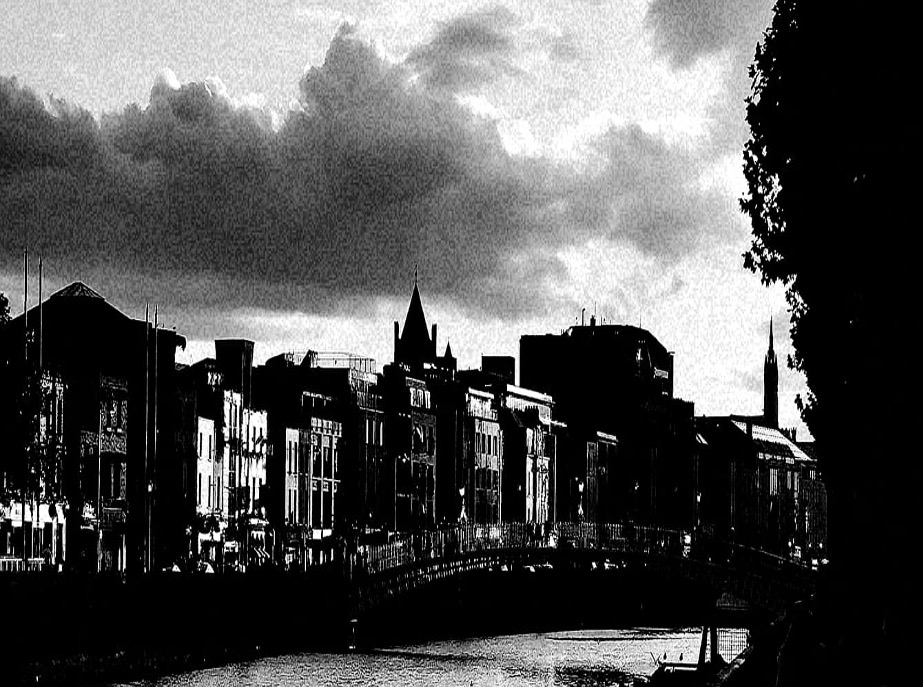
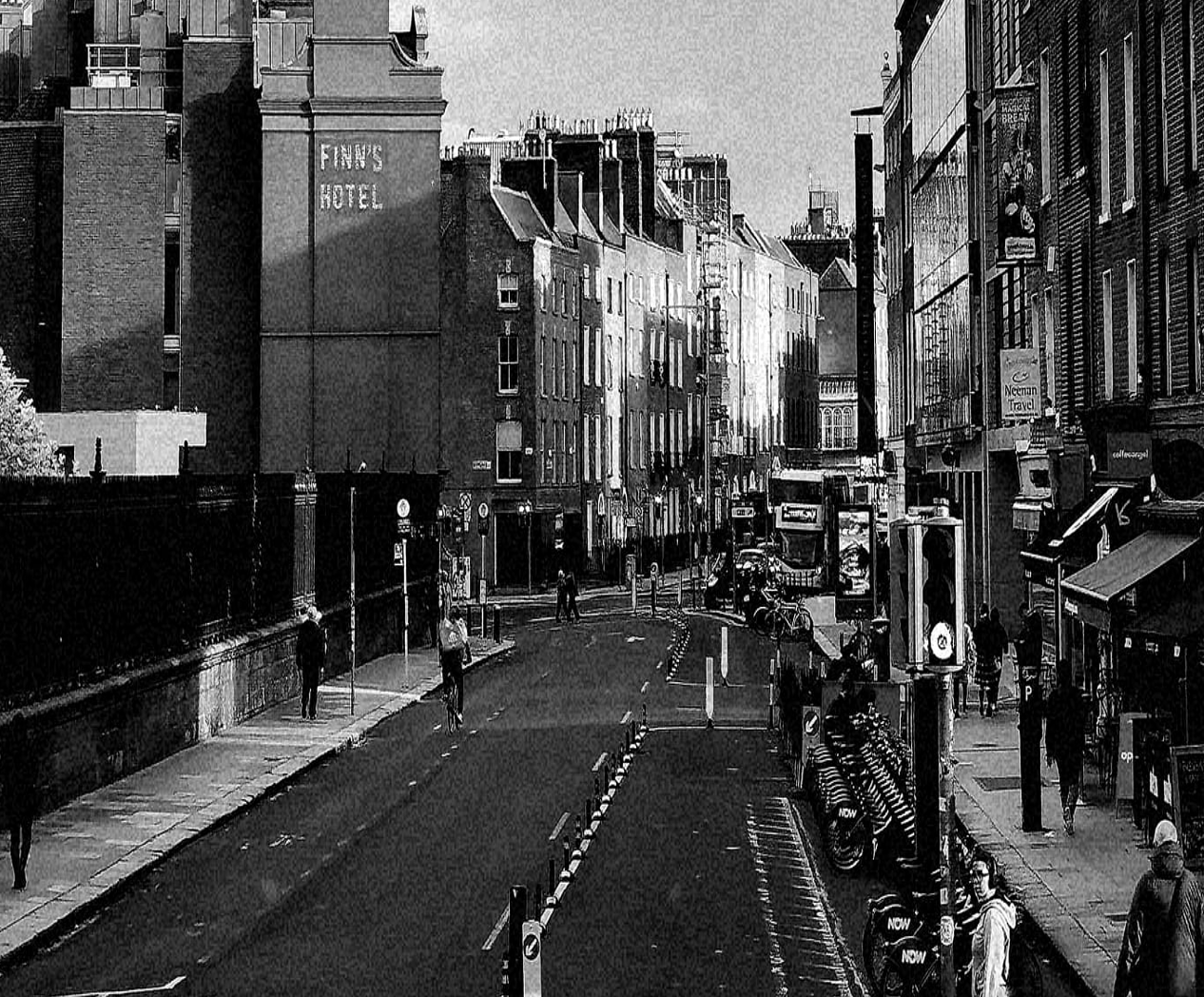
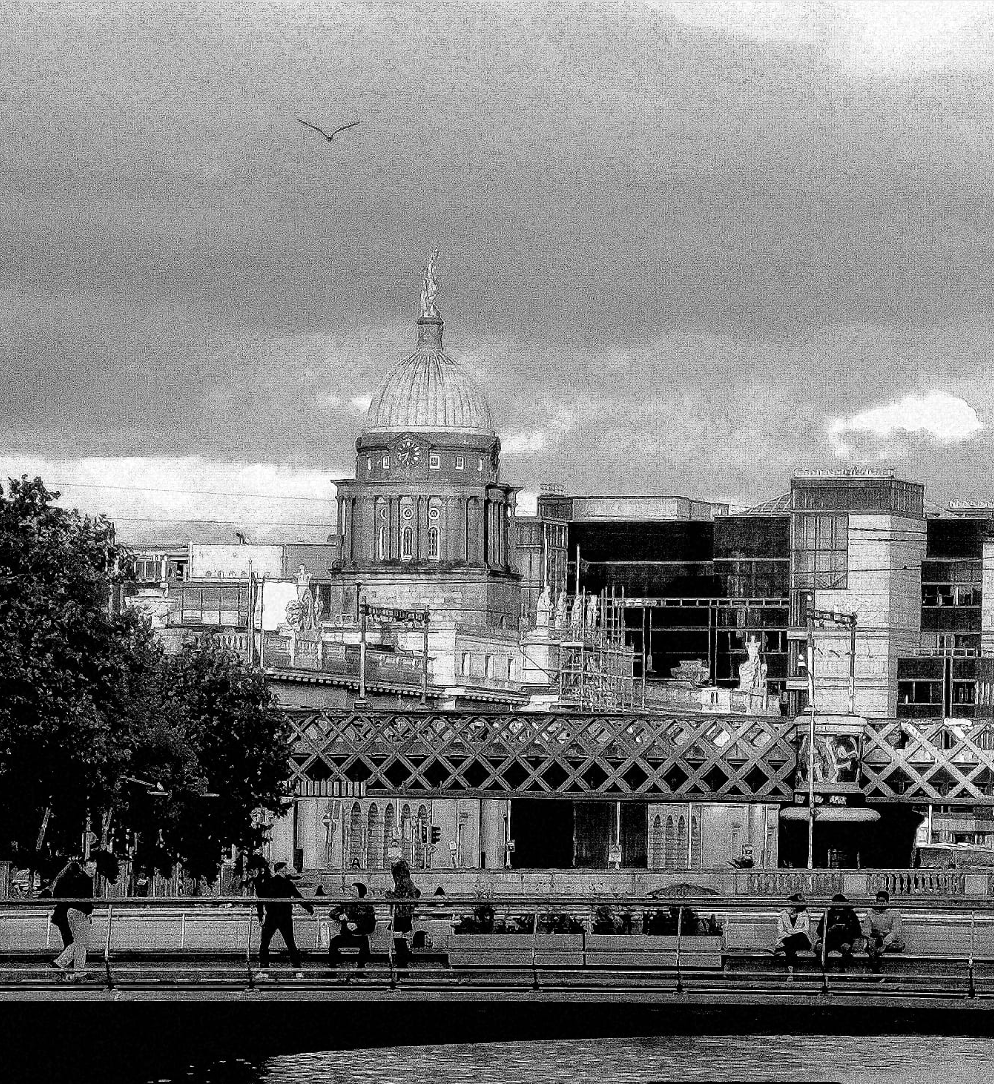
The seagull was croaking contently in the port. It had just stolen a juicy tomato and ham sandwich from a little old lady near Grand Canal and was gulping it down quickly. Standing between the agitated sea and the glass buildings of the Docks, its beak was shining, and its stomach slowly expanding. In its satisfaction, it couldn’t see the pair of eyes that were watching it intently. Blue eyes filled with hunger and a vast darkness that would have scared animals and humans alike.  

The man was looking at it, crouched in his usual spot under an old alleyway that led to the shopping centre. Red marks like wires were barely hidden under his green sweatshirt that didn’t protect him any more against the vicious wet cold. The man was hungry, and it was lunchtime in the City. He could see the businessmen chatting on the phone while distractedly eating their 8 euros Moroccan-spiced chicken wraps. 

He was thinking about how nice it would be to roast the seagull; about how cavemen had discovered fire one day; about the roast lambs on a stake of his youth, and how his foster dad would make him swirl in the air while the smell of slow cooking meat filled them all with joy. 

But that was long ago – he hadn’t seen these people he had once called family for more than ten years now. The smell of meat cooking had been replaced with scents of sweat, tears and the piss of drunks on the cobblestone corners. 

A woman with a long black coat walked briskly in front of him, giving him the usual look of pity and embarrassment. People did not seem to understand that this look wouldn’t feed him. The coins in his little paper cup were looking at him sadly. November was always rough for Bob.

He thought about extending his tired hands and stealing the sandwich from the seagull, but it flew away before Bob could even move more than his shoulder. Brave animal. The seagull was already high in the sky, surveying the city. Far away, the Poolbeg chimneys indicated the direction of the coast.  

The seagull landed on the north bank of the river. On the dirty white fence, two of his congeners were already perched on their legs, looking as if they were discussing the news of the day: “Patrick, I read in the Times this morning that Dublin was the sixth most expensive capital in the world for renters.” “Captivating! Do tell me more, John.”

On the other side of the road stood an old building—the Bachelor’s Inn. Workers walked briskly in front of it. Students sometimes took a stroll along the bank and pictured themselves living there. They imagined the noises the wooden floor would make when they came home at 3 a.m. after drinking obscure pints downstairs. 

Odhran, carrying all their hundred-euro books in a worn-out leather bag, passed the birds on the fence daily. Weird group of gulls, they would think. Whenever they saw the Inn on the way to the university, they would hope they could stay. How easy it would be, how comfortable. They could inhale the smell of decaying wood, which would replace the one of the cold cleanliness of their house. They could escape the sounds of broken minds, broken promises, and broken plates.

Odhran had tried everything: “Mom, Dad, please, I’m trying to study!” 

They would say, with apologies on their face:

—Odhran, I’m sorry it always goes like this. Your dad makes it impossible for me. 

—You know your mom is mental Odhran, right? It’s not my fault. Even her brothers say so.

—He screams at me for the most impossible things, why can’t he get a real job? I have to do everything here, while he goes out and wanders around the Wicklow mountains with his little mates. 

—Don’t listen to her, kiddo. Just promise me you’ll never turn out like her. 

—I know it’s hard for you, sweetheart, but please don’t leave me alone with him. What would I do? 

So, every day at university, during the classes where teachers spoke too low, Odhran would hunt on their computer. Their eyes were glued to the screen, browsing renters’ websites and Facebook groups, such as “Dublin cheap rooms” or the university accommodation section. They would spend hours classifying and saving ads. 

They played this game for hours with friends, criticizing the flaws of the apartments and rooms they found: I could never live there; there’s not enough natural light. This blue tiling is so tacky. Having a flatmate? Could never be me. Only three bathrooms in this flat? It made them laugh while they sipped their overpriced coffee. It made them forget the sad truth: they could never afford it anyway.

So Odhran would look once more, sadly, at the curious and mean seagulls and go on their two-hour commute – two buses and the DART – to go down to the kitchen, where dinner was served, and no one looked at each other in the eyes. 

The girl was there, as usual, on the corner of Grafton Street. Lily. She was an easy target – the seagull prided itself on knowing how to recognize kind people from unkind people. It always came back to the kind ones. She was wrapped in her half-eaten velvet blanket, the face of a little dog poking from it. In her cup, some coins, a few 2 euros, some 5 cents. She had an old piece of bread in her bag.

She always liked the presence of the seagull. She was looking at its little round belly with its perfect white feathers, all tidied up in order – oh so clean and soft-looking – and she would wonder; how would it feel to catch it? To squeeze the little belly? To grab it by one of its dirty yellow legs, to bring it inside her blanket and hug it while it would shriek, trapped? So, every day, she gave it a little bit of her food of the day – and she didn’t always have a lot – and every day, it got a little bit closer to her. It was a job for the long haul.

But today wouldn’t be the day – not yet. She threw the piece of stale bread at it and watched it eat it voraciously. Charming, she thought. When it flew away, she returned to thinking about her plans for the night. She would go back to the shelter, and the walk was tiresome. How long could she afford to stay out before getting too cold? 

Lily needed to find a public bathroom before walking back – or go to a restaurant, but the staff would usually shoot her dirty looks when she came in with her sleeping bag, her dog, and the blanket. But she had to find something to use for the first day of her period. Usually, it was toilet paper from the public bathroom that she would roll over and over again.  

Once, she had found free period products when she infiltrated a fancy restaurant’s bathroom. Did all those women dressed in flowy flower dresses with their marine suit-wearing partners need free tampons and pads? Lily had taken all she could fit in her pocket, but the operation was risky. She had had to leave all her belongings and Barjo on the corner of the street. Everyone could have taken the little dog – but she was tired of bleeding through the toilet paper that was falling apart. The products had lasted her two cycles. 

The cold was starting to pierce through the blanket and Barjo was wincing in pain. On the other side of the street, Lily saw Martha with her big colourful skirts. They waved at each other, in familiarity. She wondered how much the old lady had gotten today, in her usual spot by the Trinity bus stop.

The sun had set entirely behind the brick buildings, and the seagull was far away from the park, its nasty eyes looking for a place to rest. It was never cold, this seagull, it had many homes in the quiet town and it could land on any roofs to make a comfortable nest. Sometimes, it flew away to Bull’s Island beach to join its colony. Gliding through the night, it felt the eyes of all the shivery souls on the streets of Dublin following its flight through the polluted dark sky. 

Tomorrow, it hoped to steal a smoked salmon and cream cheese sandwich.

Categories
2022 - Winter

The Vaguest Hint of Hope

Image: © Christelle-S, Pixabay License. Source

Author: Anonymous

I don’t like the preachers that walk along the city streets, talking about tomorrow. They know as well as I do that it just isn’t going to come, and I really think that should satisfy them. They draw huge crowds of people, flooding the gaps between the tall, bone white buildings, and they sing, and they scream about how tomorrow will come, how there will be dawn and there will be dusk, and all of this will be beautiful and lovely. Well, I don’t need dawn nor dusk, and I can live perfectly contented knowing that when it is dark, I can wander empty streets, contemplating the inky black spaces between the buildings, and when it is light, I can wander crowded streets, wondering when it is going to be night again. This seems to me to be a sufficient existence. 

There is one preacher in particular, one who goes about dressed in great colourful robes that conceal almost their whole figure but the flash of their bare feet and their face, broad cheekbones and golden eyes. I don’t know if they have hair or not, I don’t even know their name, but they talk to me every time I pass them by. They’re here now in fact. I duck my head, avoiding their gaze, but they look straight through me, and put out their hand, blocking my path. I look at them. Their face is inscrutable, but for the vaguest hint of hope in the upturned corners of their eyes. 

“Will you not listen?”
Their voice is smooth and melodious, but there is somehow a sharpness there, something like a rebuke.
“I would rather be home,” I reply.  
“I would rather be heard, but we cannot have everything we want.”
“Have you anything interesting to say? Something other than ‘pray for dusk and it shall come’?”
They smile, their eyes softening, and they come up beside me.
“Well, I have something today, if you would let me walk with you.”
They seem hopeful in a way I don’t quite know how to understand, so I begin walking, gesturing them to follow.

We walk silently through the crowded street, people are moving every direction, seemingly everywhere all at once. I thought I heard them start a sentence, but they are drowned in the noise of the many thousands of people that are gathered together, the pressure of the city on us. I was meant to be going home, but there is such a weight of human bodies here that I pass my door without so much as a glance, and we walk on. Later, although how much later I couldn’t say, the people thin out, and the buildings begin to shrink and spread apart. It is as though there is more air to breathe. I stop moving to sit down, and rest my legs, but the preacher doesn’t stop. I jump to my feet, though they’re still sore, and break into a run to catch up with them. They are easy to see in this emptier place, and although I was not still long, they have gone far ahead, nearly out of my sight. 

I run quickly, almost desperately, to close the distance between us. If they turn down the wrong alley, they will be lost forever. But they don’t turn, they carry on straight as the arrow until I reach them, panting heavily. They regard me for a second, then a second more, then they turn heel, and carry on. They do not speak then, and neither do I. Silence suits them, and I have spent much of my life in it, and it is not uncomfortable. So we walk. 

I cannot tell how long we walked thereafter, only that first it was light, then it was dark, and the dark seemed to stretch out the more we walked in it. The buildings dwindled, as they had been since first we came from out of the crush of the centre of the city, and then they were gone, and the road we had been following was gone, and in their places were wet grasses and briar as far as the eye could see. 

The preacher is picking through this new landscape, with the purpose of a hunter stalking their prey. Their robes, so strange but fitting within the city, are still stranger now, and when they glance back at me, their golden eyes seem to catch lights that I cannot see. The only sounds are our feet crushing the leaves, and the occasional rustle of the heath. It is as though we are walking through a shallow, but endless grassy sea, stretching out to the dark edge of the horizon. And with each footstep, I feel myself come unmoored a little more from time, until all there is, is the present. It does not get light, and for lifetimes untold we walk. 

I assume we’re walking blindly, waiting to reach the horizon, or the end of the earth, but before we come to either, the preacher seems to stumble very suddenly, falling to the ground with a dull thud. When I reach them, they are kneeling. “Are you hurt?” I ask them. They laugh, and gesture at the place they fell. It looks like a simple flat stone at first, but when I lean closer to the preacher and touch it, it isn’t smooth like the stones of the city. There are lines carved into it, forming intricate, interlocking patterns of diamonds and five pointed stars. “How long has this been here?” I wonder. The preacher murmurs something below their breath, and the patterns I felt in the stone light up, a pale blue light trickling from their hands down the length of it, slowly at first but gaining momentum. The light extends well past the place where I thought the stone ends, into the plants beyond. They stand, take my hand and lead me to the centre of the emerging square of light. 

“It’s been here since time ran straight,” they say, “as far as I know. I don’t know if it was made by people, or if some other force made it into being.” Their eyes are shimmering like they were before, but now I can see the light they’re reflecting. It bounces off the planes of their face, and makes them look alive, and real and solid in a way that no one looked real and solid in the city. They are purposeful here, purposeful and powerful, and they can conjure light to them and bring ancient wonders back. I wonder, as I contemplate it, whether I even need to leave here. It is quiet and calm, and the wind that blows carries with it the soft smells of grass and flowers, scents from softer times. It had been so long since I had smelt anything that was the bony dust and sweat of the crush of the city’s crowds. There is such peace here. 

The preacher looks at me, breathes in sharply and asks, “have you ever seen dawn?”. I laugh. “Of course not. Dawn is like dusk, it’s a story your lot made up.” 
“You would think that,” they answer. “You don’t remember a time when there was a sun.”
“Well, was there? Is there one now? Light and dark, yes, and I’ve seen shadows, but have you seen the sun? Have you seen a dawn or a dusk?”
“Would you believe me if I had?”
I pause at this, taken aback. They continue, “You don’t think the world is wrong now, then. You don’t think it’s strange you have a house, but you never spend any time in it? That you don’t sleep, and you spend your whole time wandering, but you never actually go anywhere? Have you ever thought about it? Have you felt anything about it?”
The lights shining around us flicker and dim a little.
“Is it any worse than how you spend your day, talking to people who don’t listen, pretending there’s such a thing as the sun? If you opened your eyes, you would see it doesn’t exist, it could never exist. Things change, but the sun doesn’t rise nor set. Light comes and goes, and we come and go with it. And that is all.”

“I heard of a story, a very old one, about a couple. There were two people who loved each other very dearly, but one of them died. Of a snakebite, I think. A snake was a small creature with sharp teeth and a poisonous bite. But the other couldn’t quite bear their loss, so they went down into the underworld, to get their lover back, and when they got there, they found everyone as shades, mostly bodiless, and all they did was wander, nameless and faceless. When they found their lover, the dead one couldn’t remember their name, or anyone else’s name. So the live one began to sing, and the song was so beautiful that all the shades wept what tears were left in them, and the couple was allowed one attempt to escape from the world of the dead. They had to make the journey back, the living one leading the way and never looking back. But their courage faltered, and they stole a glance back as they reached the world of the living, and the dead one was dragged all the way back to the underworld.”

I don’t answer. 

“When I watch you, or anyone else in the city walking, that’s what I see. A sea of people who aren’t even really alive, who’ve forgotten their names, and worse, don’t even remember that they ever were alive. The sun is gone, the moon and stars are disappeared, and you stopped living, and didn’t notice your soul was being stolen away. You didn’t notice as you dissolved out of being.” They started very calmly, but began speaking with more and more passion until I am on the verge of tears from the weight of the words they’re casting at me. And they aren’t wrong, time is come undone and I don’t think I am alive in any real sense of the word. “Do you think I am dead?” I ask.

“I don’t think that,” they say. They are very pale now, and I can hear their breath shaking. Their eyes are closed, but I can still see the lights glowing beneath them. They turn their back to me, but I can see them trembling, poorly concealing their sobs. “I think the world is.” 
“But then, why bring me here? Why bring me to this place that still seems alive? What is the point ?”
“It’s a good place, is it not?”
“It is. But why here?”
“This is the edge of it. The edge of time. It exists on the other side.”
As they say this, I realise the sky was lighting, from the deep end of the horizon, lighter shades of reddish blue creeping up from the grasses.
“This place, it’s where time turns, it’s where you can find tomorrow.”
Like a dam bursting, the sky illuminates itself in shocking colours, a bright sphere tinting the space above it pinks and oranges, and then it’s there, the sun.
“Dawn,” I whisper, and smile.
 

Categories
2022 - Winter

Go to Hell

Author: Katharina Schwarck

It is a warm, sultry day. The type of day that makes your body feel heavy and your skull pressured. The type of day that makes your limbs and your soul yearn for an explosion of the skies to release the earthly tension. Though you are not sure it is only the elements that are making you implode. A cure has been found, you are told. A cure that could have saved them. A cure that came too late. You think of them, your person. You think of them in disbelief. You think of them in pain. The type of pain that makes you pinch your skin because your only desire is to be in a dream. The type of pain that makes your cheeks twinge and cramp. The type of pain that makes you want to pull out your heart. Maybe, now, you think, you can bring them back. So, you travel. You travel to the place of the stories. You travel to the place of evil. You travel to the place that, for you, is the last place of hope. You are told to enter near a lake. Near a lake, near the New City. So, you go. 

On the journey from the New City to the lake, walking, and walking, pain and exhaustion overcome you. You lie down. 

Later, unsure of how much time has passed, you are woken up by a man’s voice in a tongue you do not know. You sit up. In front of you, there is an entrance to what appears to be a cave. In the mouth of the cave, leaning against the wall stands a man. He says “veniam et te adiuvet sed non possum”, shrugging and pursing his voluptuous lips. You slowly sit up and look at him, void of understanding. “Hic est introitus inferni. Sed vide. Lupa ostium custoditur.”, he pursues. You shake your head in confusion. “I don’t understand”, you explain in your tongue. “Oh!” he exclaims. “My bad. This is the entrance you are looking for. But be careful, it is guarded by a Great and Dangerous She-Wolf. And I would help you up but I can’t.” You nod, stand up, and dust yourself off. The man smiles.  

Do you

A) thank him and go home? Open the PDF document and go to page 2

B) ask him if he knows a way past the animal?  Open the PDF document and go to page 4

Categories
2022 - Winter

Wonderful Mess

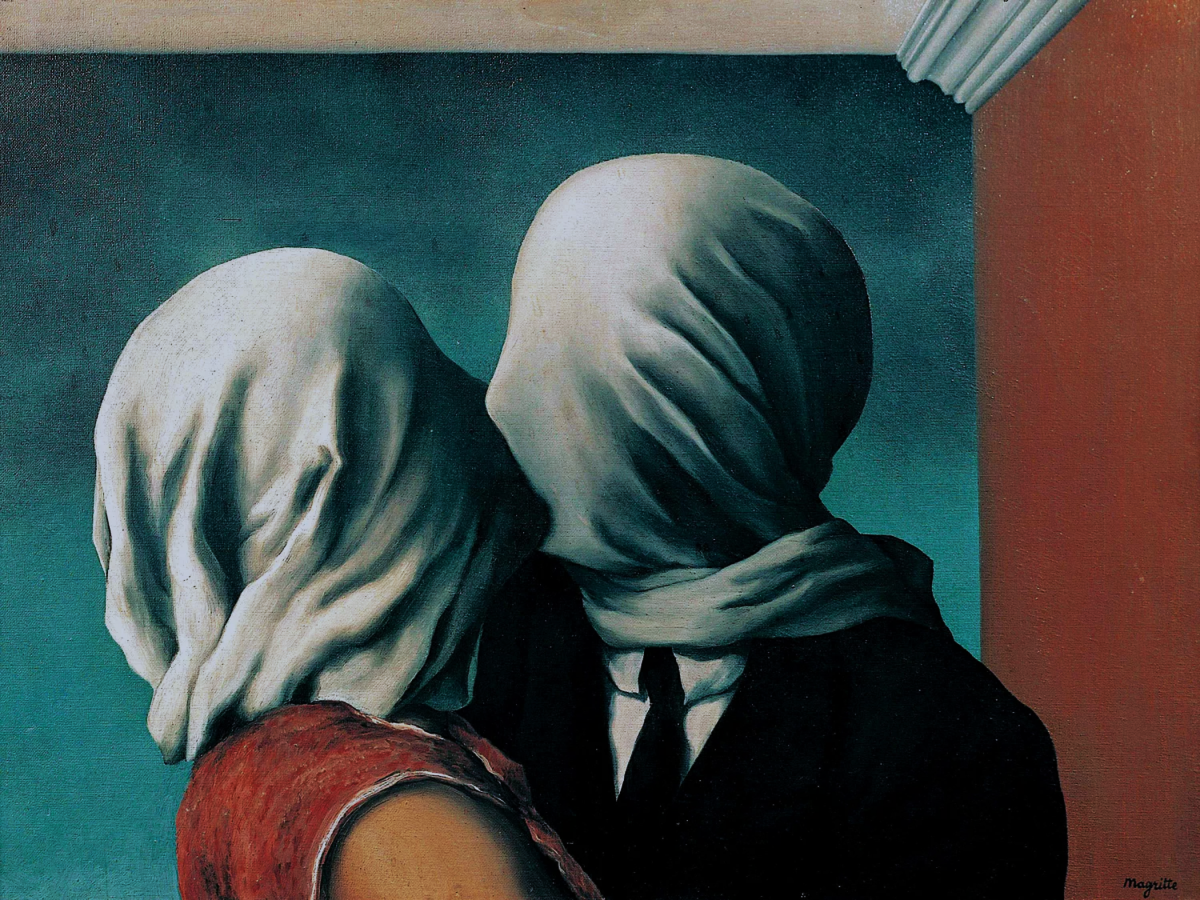
Image: ©️ René Magritte, Les Amants, 1928, oil on canvas, 54×73,4 cm, Museum of Modern Art, New York – Image modified by Roxane Kokka – Creative Commons Attribution Share Alike 4.0 International License. Source.

Author: Roxane Kokka

It is the strangest of feelings. My chest feels as light as a bird soaring through the wind and at the same time, as heavy as an anchor trapped between the most scarring of stones.

I wish last night never ended. The touch of your fingertips alone on my skin stirred up the deepest and most dormant senses of mine. And your tender lips on my forehead, cheeks, and fingers reminded me of a feeling I had long forgotten. Every second spent with you, every smile, every laugh, every word, and every embrace, one by one, enabled me to fall in love with you over and over again. Your eyes sinking into mine, your heartbeat against my ear, your deepest breaths warming up my neck.

Every touch of yours is inked into my skin. Your tender words have eternalized in my memory the loveliness of your existence. And my hair is lighter since you ran your fingers through it. Your arms squeezing me with the most delicate gentleness increased my body’s desire to melt into yours.

I now sit amidst the chaos deafened to it by my body’s yearning for yours. I yearn for your lips and your body’s kiss. You have touched and moved my soul like none other. And all I am left to do is sit here and wonder of the wonderful mess we found each other in.

Categories
2022 - Winter

Roxane’s Poems

Image: ©️ beauty_of_nature – Image modified by Roxane Kokka – Pixabay License. Source.

Author: Roxane Kokka

Amores
An eruptive feeling invades my chest
As my head grows feverish
And my cheeks warmer than the sun’s kiss.
My pale skin turns into a scarlet shade
And I can feel the blood pumping twice as fast into my veins
All the way to my fingertips.
My jaws are sore from laughing
And my cheeks from smiling
My eyes are on the brink of tears
And each breath struggles to escape my lips.
How funny this feeling is,
This strange feeling of falling in love.

Woodpecker kisses
It all still feels surreal to me, like a dream
With your face bathing in the dim light’s gleam
And your eyes shimmering between your curls
While all of my senses rejoiced in twirls.
My entire body reminisces
All your electric woodpecker kisses,
While the lasting fragrance of your perfume
Makes my chest and memory feel in bloom.
And I can still taste your lips on my own,
As I can still hear the sound of your moan.
My skin keeps record of every inch
Your fingertips touched; not once did I flinch
For your presence restored much peace in me,
Erased feelings of fear from my memory,
And brought back to me a sense of harmony.

Kiss me
Kiss me ’til I can feel my lips no longer
Kiss me like you’ve kissed none other
Kiss me ’til my whole body is shaking
Kiss me ’til my lips are aching
Kiss me ’til the sun rises
Kiss me in all your disguises
Kiss me as though it were the last time you could
Kiss me the way you would in the deepest, darkest wood
Kiss me ’til my mouth bruises
Kiss me as though you were pulling ruses
Kiss me ’til my southern lips are wet
Kiss me ’til our souls have met.