Within the “Groupe de Recherche en Ecologie Trophique” (GRET), we questioned the reasons for the observed fragmentation of our community of trophic ecologists, whether they were sociological, culturally inherited or arose from scientific matters. Conclusions there…
New paper: A critical viewpoint on our scientific community
Sometimes, it is good to have a critical look on our way to conduct research. As part of the GDR GRET (a French scientific network on trophic ecology), we investigated the strength, weakness and opportunities of the French Research in Trophic Ecology from a pool survey.
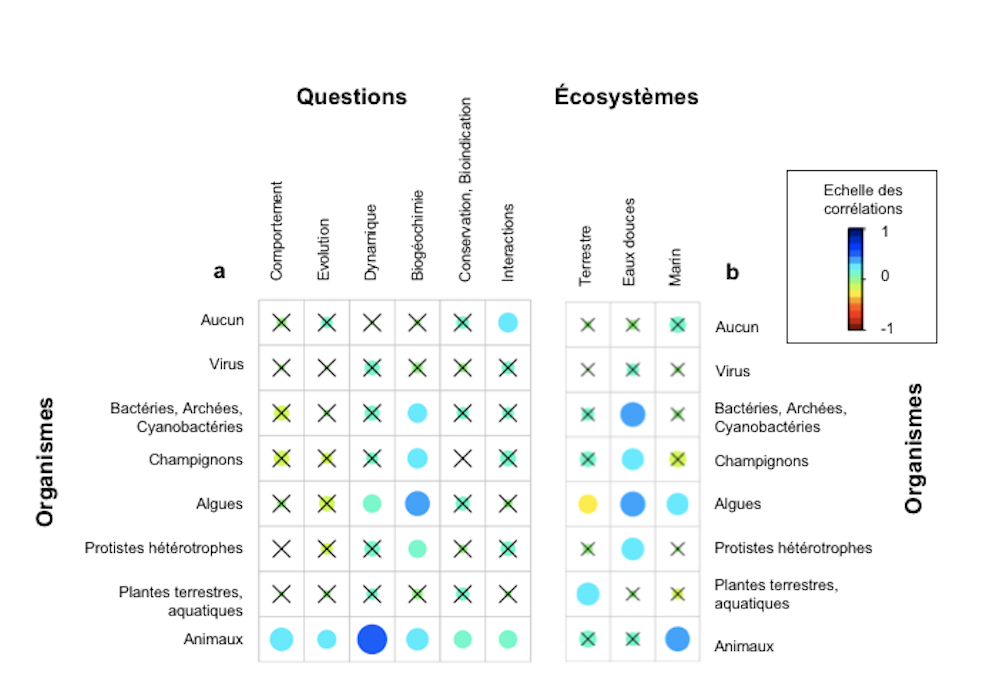
We identified three (non-French specific) disruptions that can be seen as future opportunities to further this field of research: (1) the lack of interfaces between microbial and Trophic Ecology, (2) research questions were linked to single study fields or ecosystem type, and (3) research activities still quite restricted to the ecosystem boundaries.
All three rupture points limit the conceptual and applied progression in the field of Trophic Ecology. Here we show that most of the disruptions within French Trophic Ecology are culturally inherited, rather than motivated by scientific reasons or justified by socio-economic stakes.
We plead there for a space for “Slow Science”, in order to find the brain availability to tackle these questions.
Soon online!
Congratulations to Dr Bruel
Pr Bennion (UCL) awarding the title of “docteur” to Rosalie after her brilliant PhD Defense!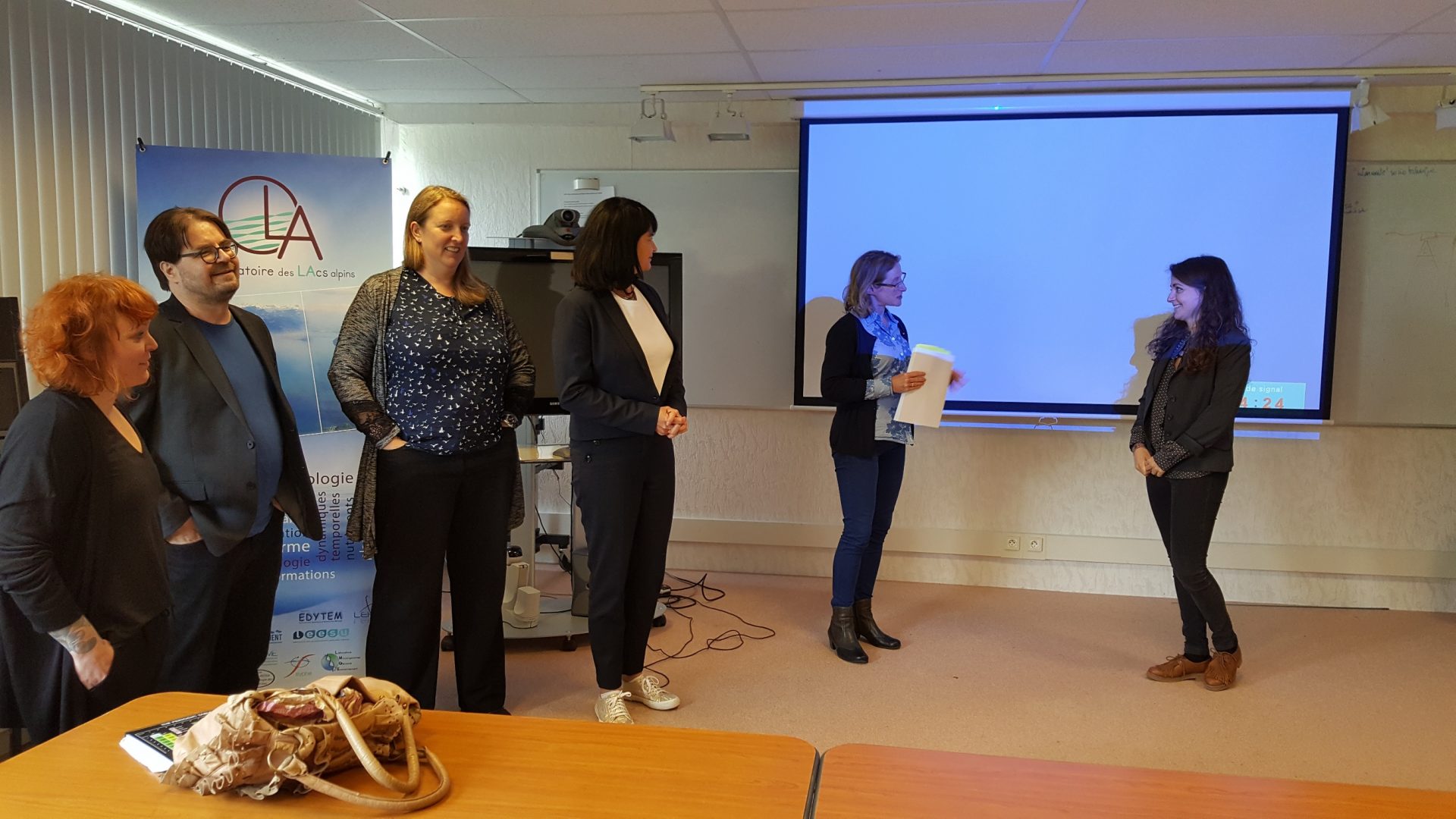
On May 2nd, Rosalie defended her PhD work, in face to the jury composed of Pr Bennion (UCL), Dr Straile (Uni Konstanz), Pr Dubois (ETH EAWAG) and Dr Nevalainen (Uni Helsinki)…
soon she will be on her way to Uni Vermont!
Welcome Pascal!
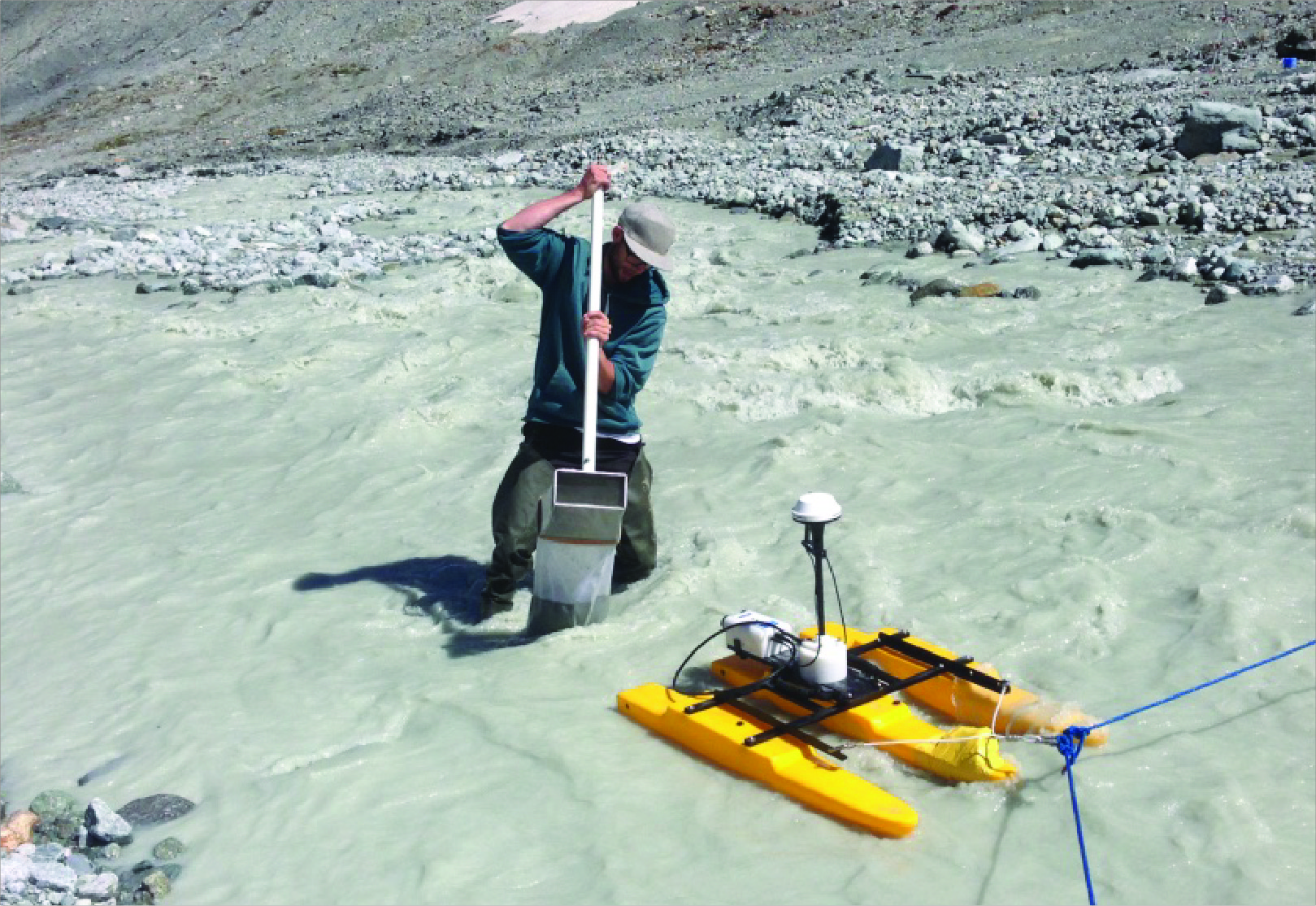
Pascal Perolo just joined the lab for a 4-year PhD on project CARBOGEN. Pascal moved from glacial sediment dynamics down to CO2 temporal dynamics in Lake Geneva. He is gonna be one of the first user of Lexplore, the floating lab soon to be settled on Lake Geneva…
Welcome Pascal!
Open PhD position in lake biogeochemistry
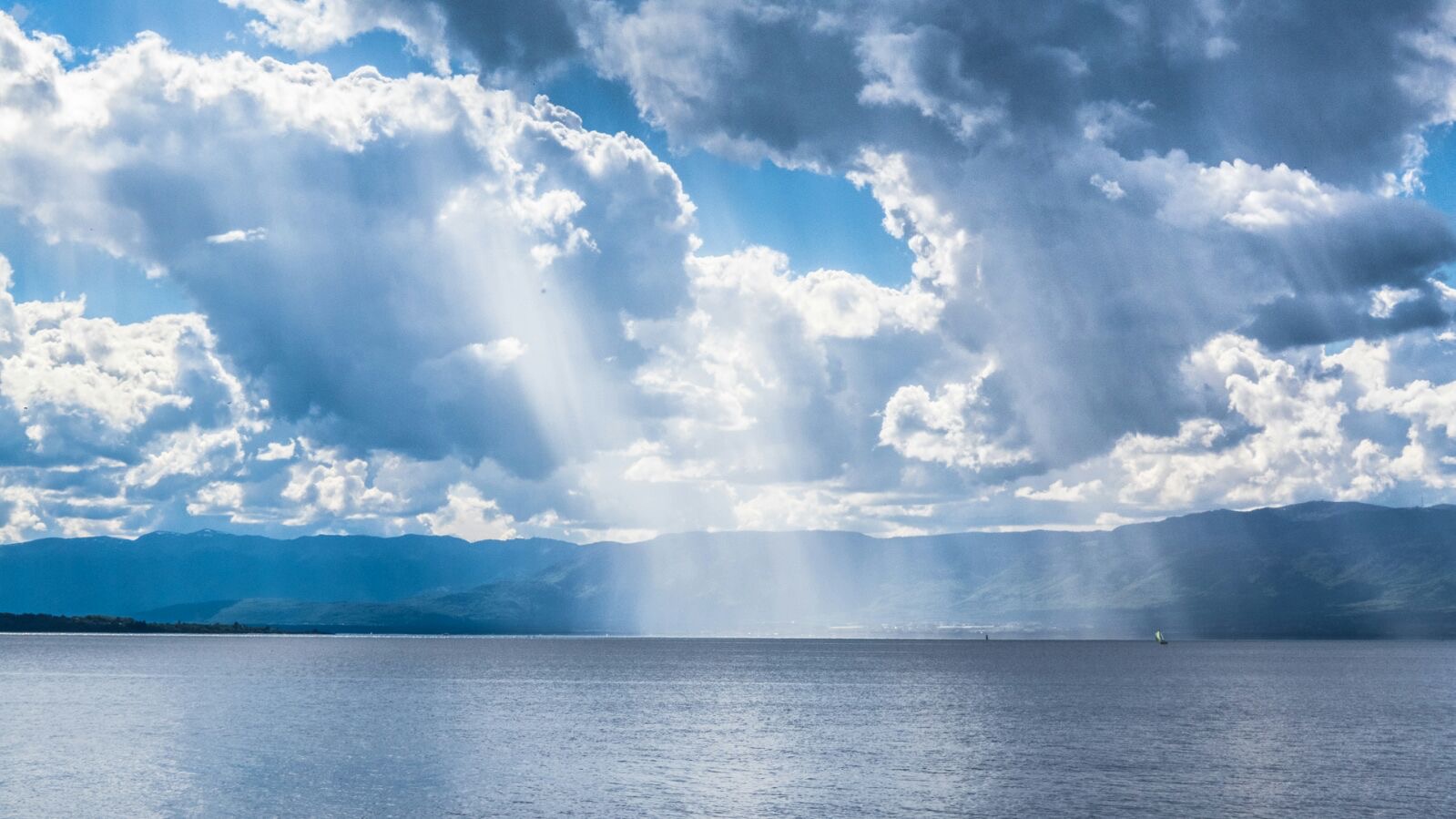 Open PhD position in biogeochemical limnology:
A balanced Carbon budget for Lake Geneva (Switzerland)
Keywords: lakes, carbon cycle, biogeochemistry, CO2, dissolved inorganic and organic carbon, fluxes, metabolism.
The PhD candidate will address the first objective of the CARBOGEN project, namely the spatial and temporal variability of carbon fluxes and the underlying processes controlling them. The applicant will be expected to investigate the cycle of inorganic carbon in the lake (including among other dissolved inorganic carbon (DIC), dioxide carbon (CO2), carbonates…), and how it relates to environmental drivers (primary production, nutrient availability, hydrology…) both spatially (littoral versus pelagic) and temporally (from diurnal to seasonal scales). For this purpose, the PhD will rely on two exceptional high-frequency monitoring platforms, one inshore and one offshore, and exciting field surveys coupled with laboratory experiments.
The PhD candidate will be expected to work in strong collaboration with a second PhD candidate from the CARBOGEN project focusing on CO2 variability on short and long-time scales as well as collaborators from EAWAG/EPFL, Switzerland (Damien Bouffard) and the University of Liège, Belgium (A. V. Borges).