


“I’m a fighter, I’ve always overcome my trials on my own!”
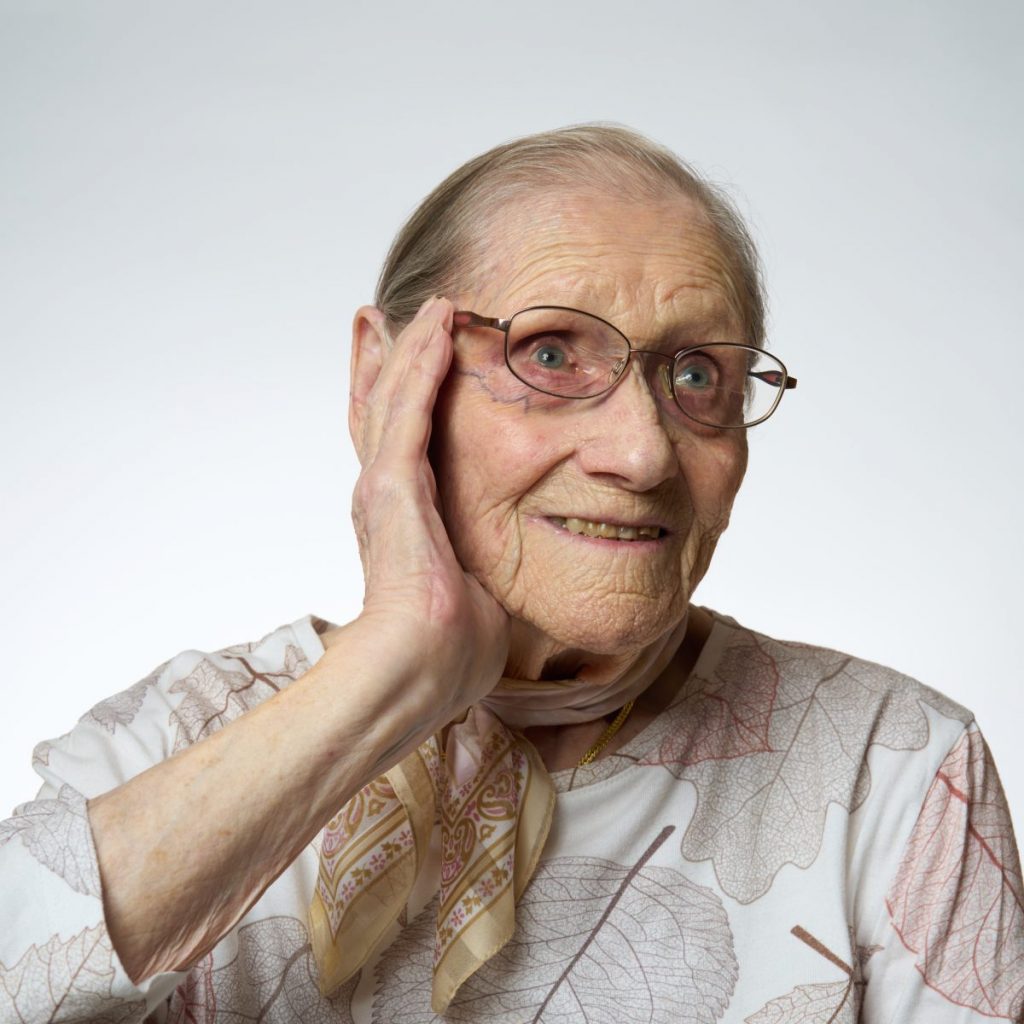
Martha Scherrer is born in 1921 on the shores of Lake Zurich. Her father runs a small business and her mother is from Yverdon. At the age of 12, she loses her father and then her sister, who dies of meningitis. These trials have a profound effect on her; with no family in German-speaking Switzerland, she and her mother move to Lausanne.
The war marks her youth, but one summer day, while swimming, she meets the man who would become her husband. Their relationship grows, but they postpone their marriage until the end of the war. During this time, Martha looks after two children for five years, to whom she becomes very attached.
The couple marries in 1945. Their first daughter is born, but their second, Béatrice, dies at eight months old. After 26 years, her husband’s deceit and lies bring the marriage to an end. The divorce is made all the more difficult by the fact that they run a BMW dealership together and her ex-husband’s garage is located below their flat. Martha Scherrer then sinks into a deep depression: “I smoked three packs a day, I had nothing left to lose. ”
At the age of 52, she begins a second career in a jewellery shop, where she remained for 17 years. She loves her work: ‘As soon as I see someone wearing jewellery, it catches my eye!’ She has a very close relationship with her daughter: ‘We’re more like friends than mother and daughter, which is precious!’ ”
At 102, Martha laments the lack of a cure for her hand tremors: ‘They’re going to the Moon, to Mars… but a tremor? Nothing!’ She never imagined she would live so long, even though a friend predicted her longevity by reading her palm lines. Her fighting spirit has always carried her through: ‘And I eat honey on toast, I think it’s good for your health!’
She often thinks about the children she looked after during the war, whom she has never seen again. Another regret is not having been able to study, as she dreamed of becoming a paediatric nurse.
She has been living in a nursing home for two years and feels comfortable there despite losing her independence due to falls and pulmonary embolisms, the consequences of her past as a heavy smoker. Her doctor, a BMW enthusiast, encouraged her to quit. She celebrated her 100th birthday for several days despite her fatigue. She takes care of herself and her own appearance and remains very empathetic towards the staff: Martha Scherrer has a big heart. She regularly organises visits with her daughter, and she is afraid of seeing her daughter pass away before her. With excellent eyesight, a sense of humour and a wide range of interests, even in federal politics, she never gets bored.
To young people, she says: ‘Learn, learn, learn, put it in there’ (pointing to her head). ‘Knowledge is a precious commodity that no one can take away from you.’