Current research projects
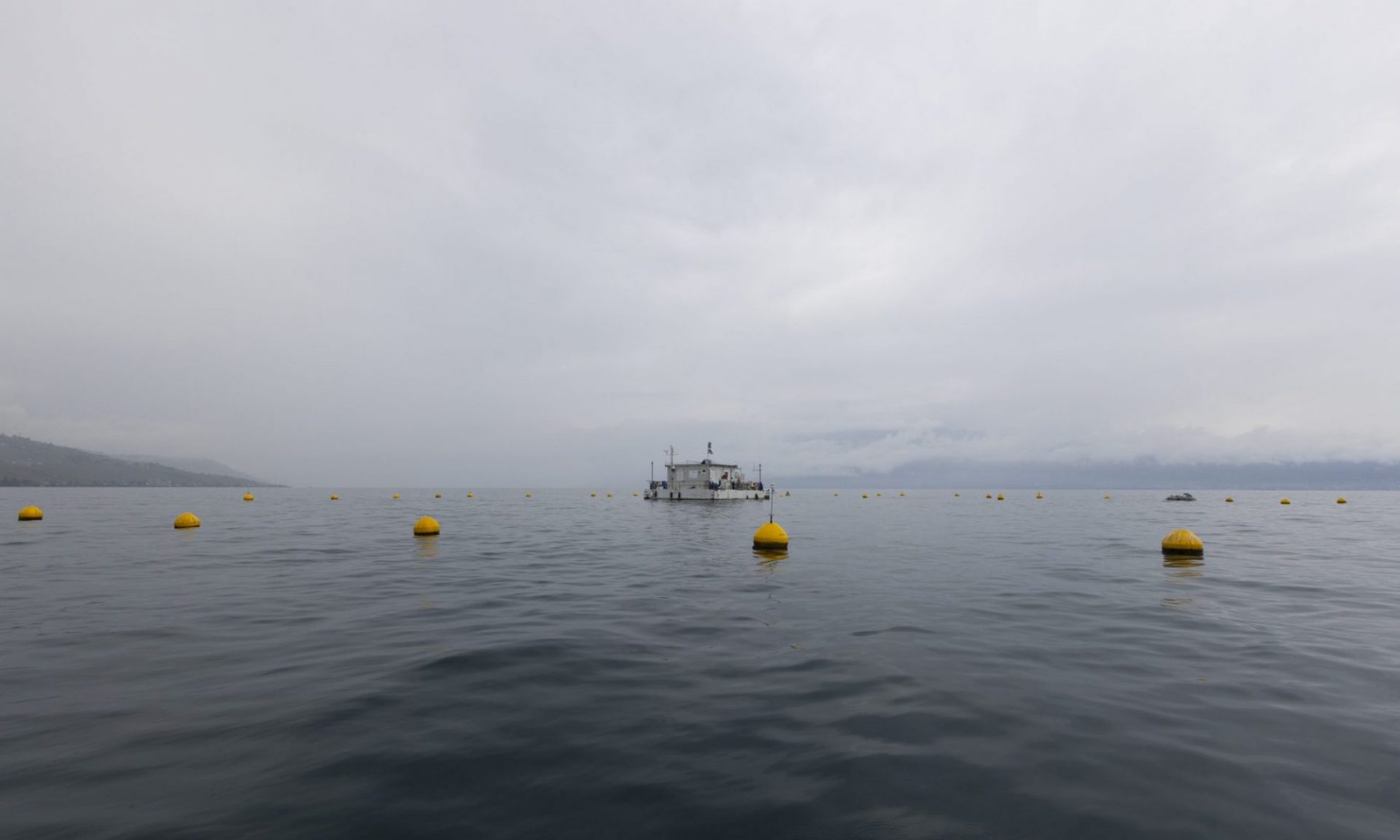
Quantifying the Zooplankton link in lakes: GEN-Z

In 1817 already, the French naturalist George Cuvier made observations of the vertical migration of zooplankton in a lake. If zooplankton has been studied for quite some time, we cruelly lack a quantitative perspective on zooplankton dynamics, both in space and time, hampering any reliable quantification of the zooplankton abundance, diversity, and biogeochemical role in lakes. Herein, we aim at revamping the approach and quantification of zooplankton ‘s role in lakes.
Hydrological, physical and biological changes in high-altitude watersheds
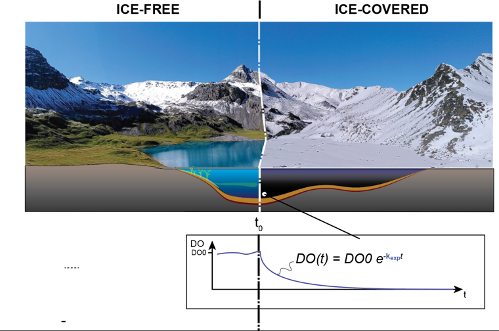
Mountain lakes are particularly exposed to climate warming. If of course we expect those lakes to warm up with climate change, we are still unable to assess at which pace. This is because, in mountain lakes, the cryogenic features, such as lake ice, snow and glaciers on the catchment, considerably affect the energy fluxes… the lake heat does not come straight from the atmospheric heat. Herein, we aim to improve our projections the thermal future of mountain lakes, fulling accounting for both the logistical and intellectual challenges raised by mountain lakes.
Are QUAGGA MUssels Filter-FeedINg on Zooplankton? QUAGGA-MUFFIN
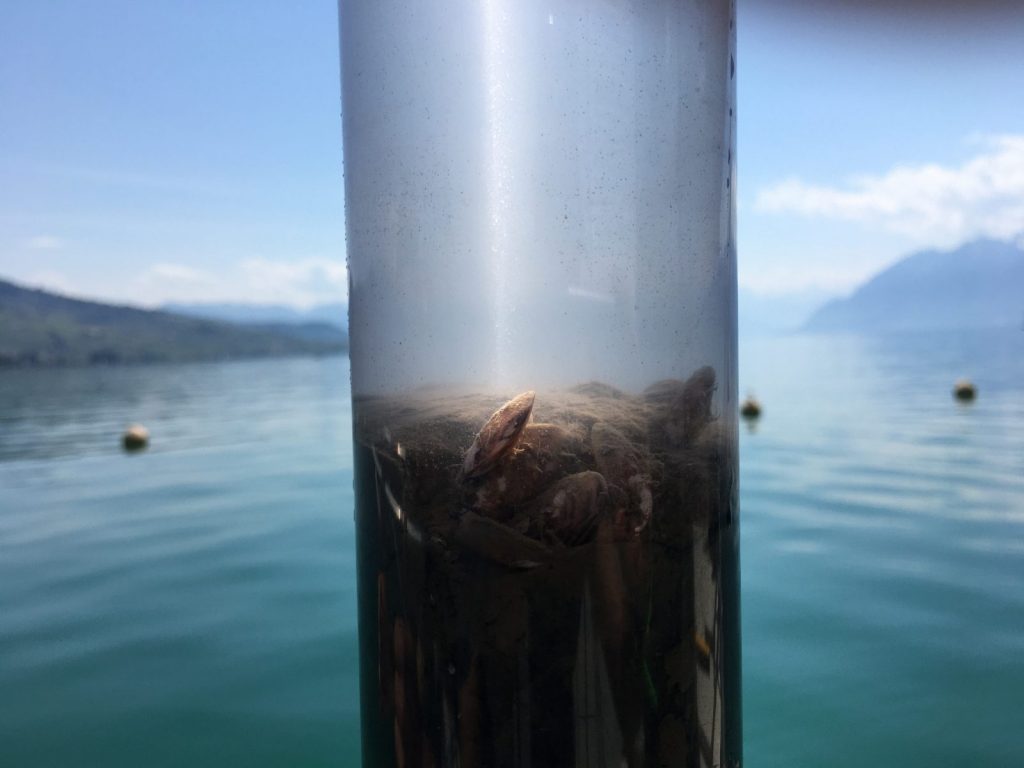
After decades and billions of CHF invested to control and decrease the phosphorous concentrations of Swiss lakes, some stakeholders now fear a “blue desert” effect, i.e., a phosphorous limitation of the zooplankton production, with further repercussions on fish stocks and fisheries. If crustacean zooplankton has recently plummeted in some lakes, we argue that the decline, such as the one observed in Lake Geneva, is inconsistent with a phosphorus, bottom-up limitation. We hypothesise that (i) the new invaders, the quagga mussels, are the culprit, and (ii) due to the deep morphology of Swiss lakes, the quagga’s impact on zooplankton is through direct predation rather than competition.
Sustainability in academic practices
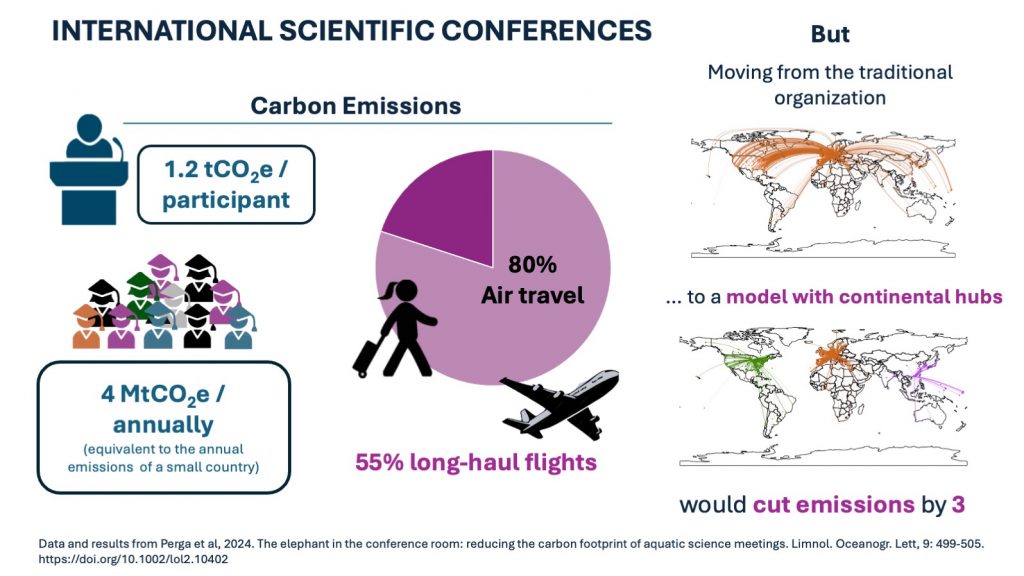
Academic practices for a long time did not reflect on their own sustainability, even when it came to research connected to climate change. Part of our work aims to quantify and address problematic behaviors and aspects of our academic work, and to design efficient, feasible levers to improve the sustainability of research agendas. We apply those practices to our own group.
Past projects
Processes under the Ice
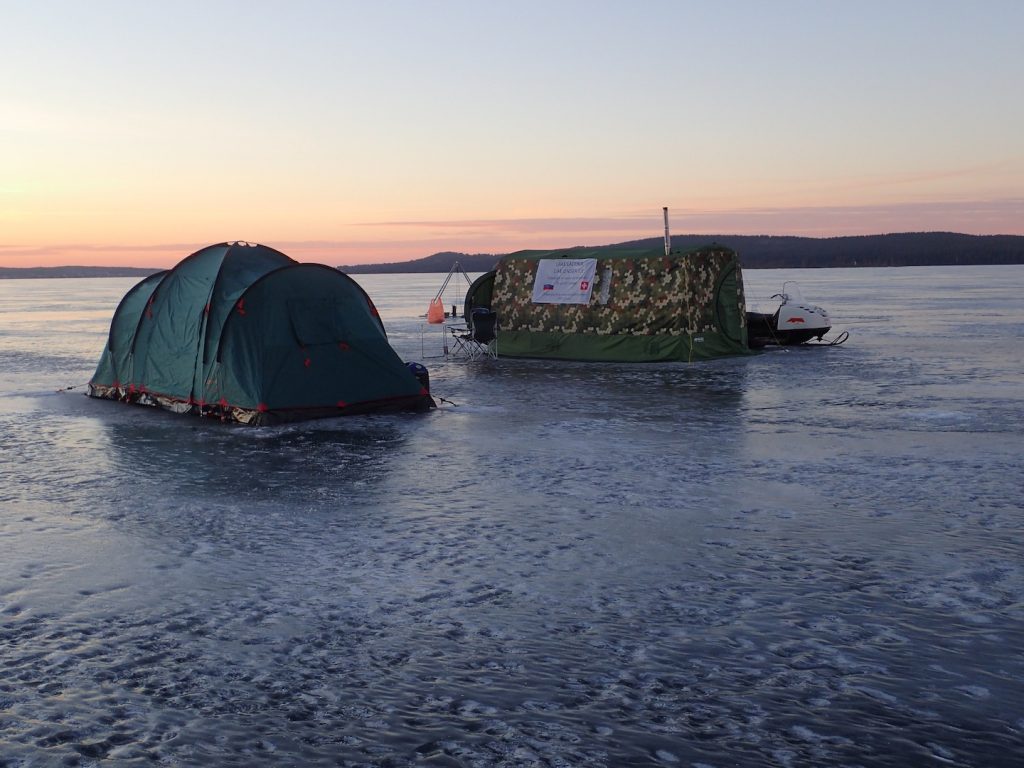
Not everything is still under the ice of lakes. and yet, we’ve just begun to have a look to how the physical and biogeochemical processes mingle in the no-so dark waters in winter.
Carbon Cycle in Lake Geneva _ CARBOGEN
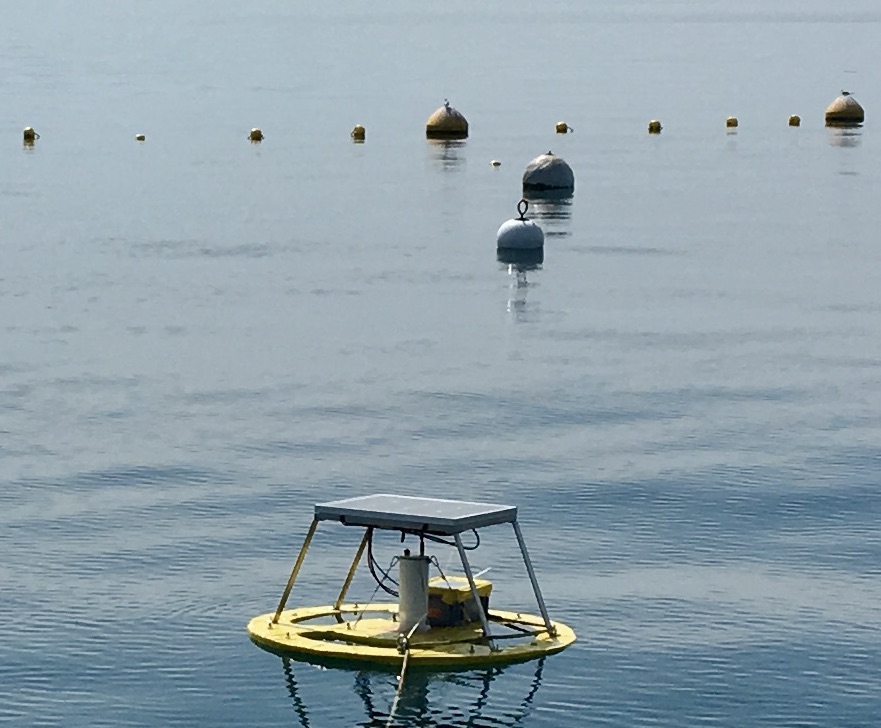
We’ve known for 25 years that lakes mostly emit CO2 and other greenhouse gases to the atmosphere, but why they do is still uncertain. For instance, Lake Geneva should be a CO2-sink if it was for the current knowledge of carbon cycling in lakes. However, Lake Geneva is a clear source, emitting as much CO2 annually as the car transportation of the city of Lausanne. In this program, we aimed at solving this conundrum, revisiting our current conception of how carbon cycles in lakes.