

To support everyone in exploring AI, UNIL provides a wide range of resources: tutorials, tools, training courses, platforms, and guides. Beginners as well as advanced users will find plenty to experiment with, learn from, and progress independently.
-
Microsoft Copilot: the secure AI language model at UNIL (September 2026 update)
Microsoft Copilot is the only authorized language model at UNIL. High-performing and secure, it meets confidentiality standards required for institutional academic use.
-

Gemini Notebook (formerly NotebookLM): summarizing and querying your documents
NotebookLM is now Gemini Notebook. A walkthrough on four public UNIL directives, four examples depending on your role, and what you are allowed to upload.
-

AI_GO: two minutes to find out which AI tools you are allowed to use with your data
A two-minute questionnaire from the UNIL AI Strategic Unit. It examines the nature of your data and tells you which AI tools you may use: commercial, institutional or local.
-
Installing a local AI model for private and sensitive data (updated October 2026)
Local AIs are increasingly powerful and attractive, all while keeping your sensitive data on your own computer rather than on remote servers.
-
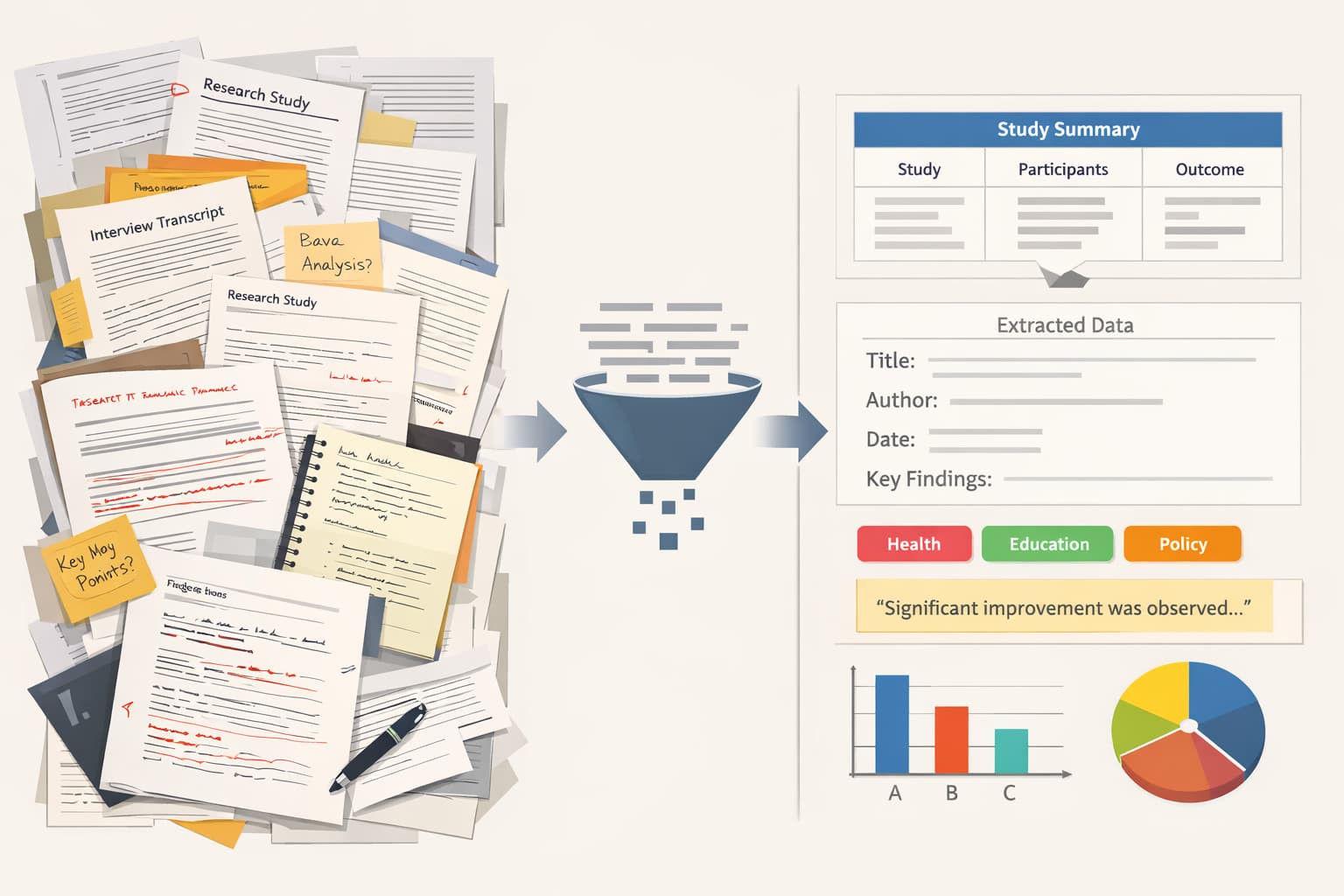
DCSR-LLM: using artificial intelligence to support research at UNIL
Compare models, extract structured data, reproduce workflows: DCSR-LLM helps UNIL researchers use large language models in a more controlled and reproducible way.
-
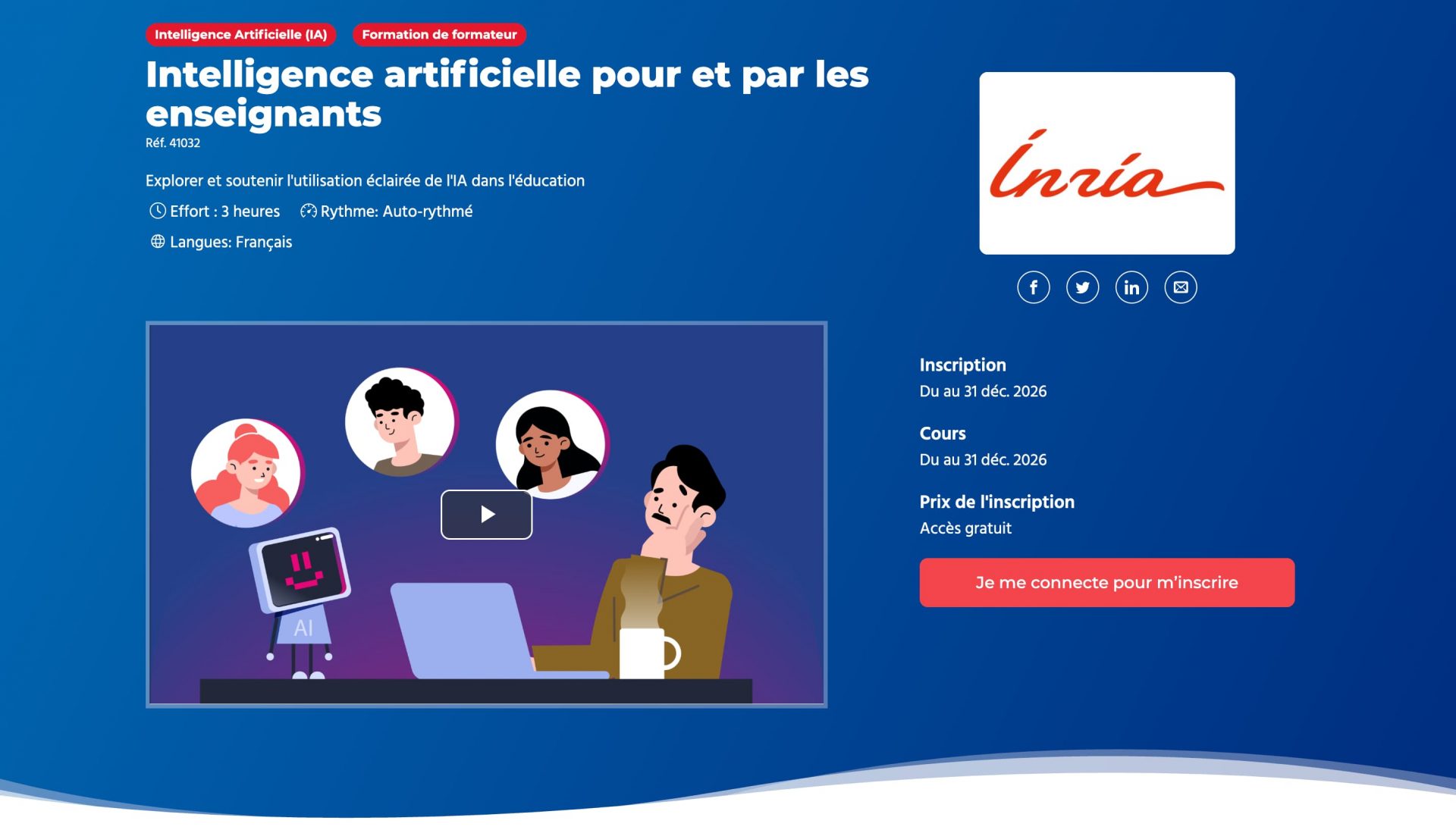
We tested it for you: the MOOC “Artificial intelligence for and by teachers”
A clear, accessible, and stimulating introduction to AI for teachers, with videos, interactive activities, and ethical reflection, delivered through a guided course of just over 3 hours.
-
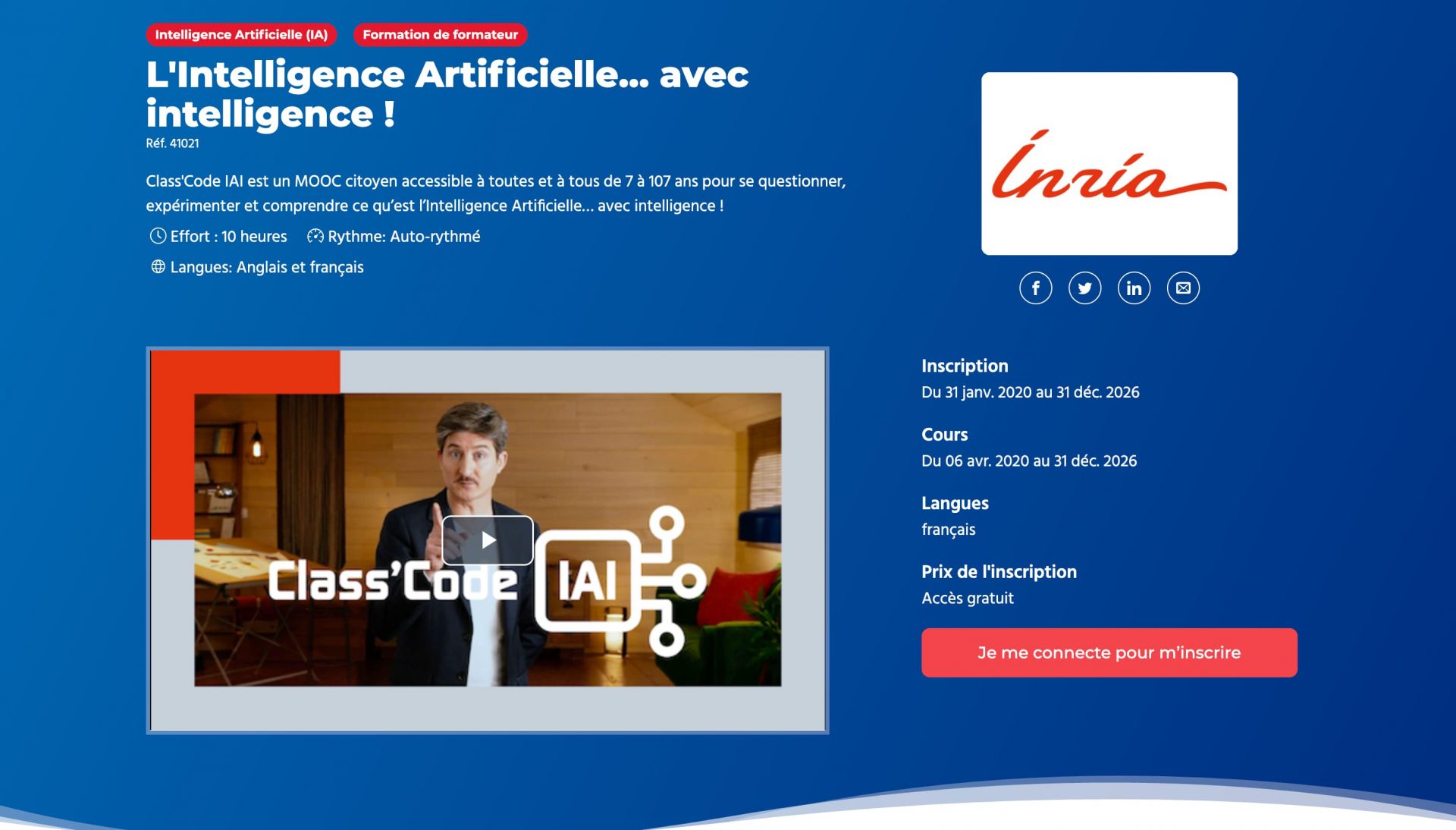
We tested it for you: the MOOC “The Artificial Intelligence… with intelligence!”
An in-depth, structured training course for teachers who want to better understand AI, its educational impacts, and its concrete applications in the classroom and everyday teaching.
-

Personalized AI assistant: tools, methods, and best practices (updated September 2026)
How to design an AI assistant tailored to your academic needs: tools, setup, best practices and limitations for effective and secure use in study and research.
-

Scientific literature review: eight AI tools to explore, structure, and analyze a corpus
A selection of eight useful tools for exploring a field, structuring a corpus, and analyzing references, while maintaining a critical distance from automated syntheses.
-

Artificial Intelligence and privacy: how to prevent the reuse of your personal data
The CNIL has published a practical guide explaining how to oppose the reuse of your personal data by major conversational agents and regain control over your privacy.
-
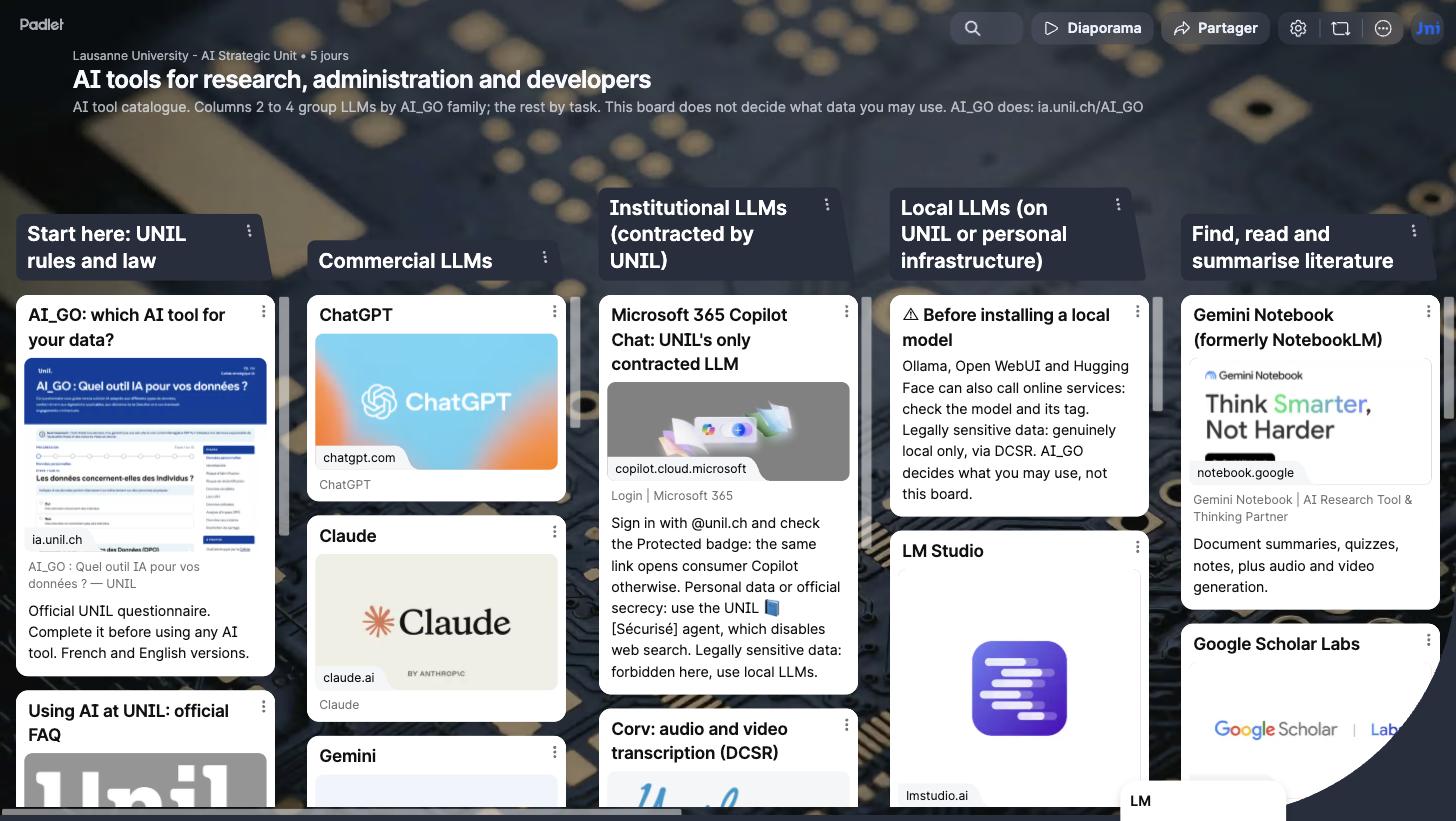
Dr. Luong’s Padlet: sixty AI tools sorted by need (September 2026 update)
Sixty artificial intelligence tools tested and sorted by need. Ten columns, three of them named after the AI_GO families. The board takes inventory and authorises nothing.