Categories
Artificial Intelligence Cities Complexity Digital twins Geography Local digital twin MAPS Urban Vizualization

Digital twins for Amazon sustainability

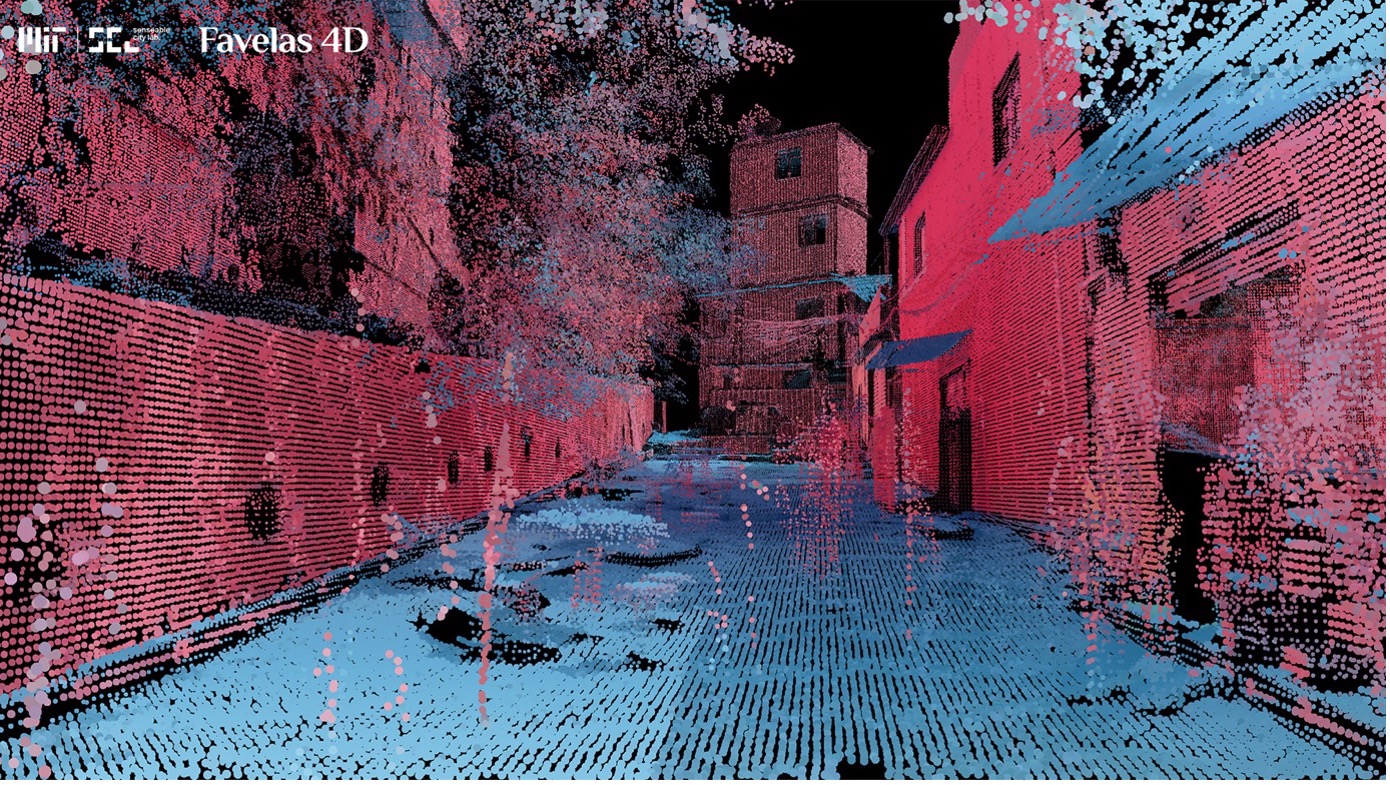
Carlo Ratti, director of MIT’s Senseable City Lab, and Robert Muggah, co-founder of the Igarapé Institute, recently argued in a Mongabay op-ed how digital twins could support policies to protect and conserve the Amazon while improving people’s well-being by encouraging them to expand green bio-economic activities.

They pointed out that digital maps can help understand the forest ecosystem in more detail than ever before. Using LIDAR and AI technologies, it may soon be possible not only to map and digitalize each individual tree from crown to root, but also to understand and scan how different species are connected to the surrounding topography and how each part of the ecosystem relates to the land around it – i.e. a complex approach-.

Digital twins can therefore help to clarify the relationships between rainforest ecosystems and the cities embedded within them. This includes complex and informal neighborhoods that remain unmapped. Based on this new amount of data and knowledge about the Amazon rainforest, it could be possible to help protect the ecosystem from environmental crime and unsustainable development by promoting and encouraging green alternatives.

Follow this link to read the full article:

https://news.mongabay.com/2023/11/can-digital-twins-help-save-the-amazon-commentary/

If you are interested in the activities of MIT’s Senseable City Lab, follow this link:

https://senseable.mit.edu/

And for the Igarapé Institute:

https://shorturl.at/FMO26


Image source: MIT Senseable City Lab.
Categories
Cities Complexity Economy Geography Networks Programming SCIENCE Simulation Vizualization

Cities in the face of green technologies, skills and preferences transitions – ECTQG 2023

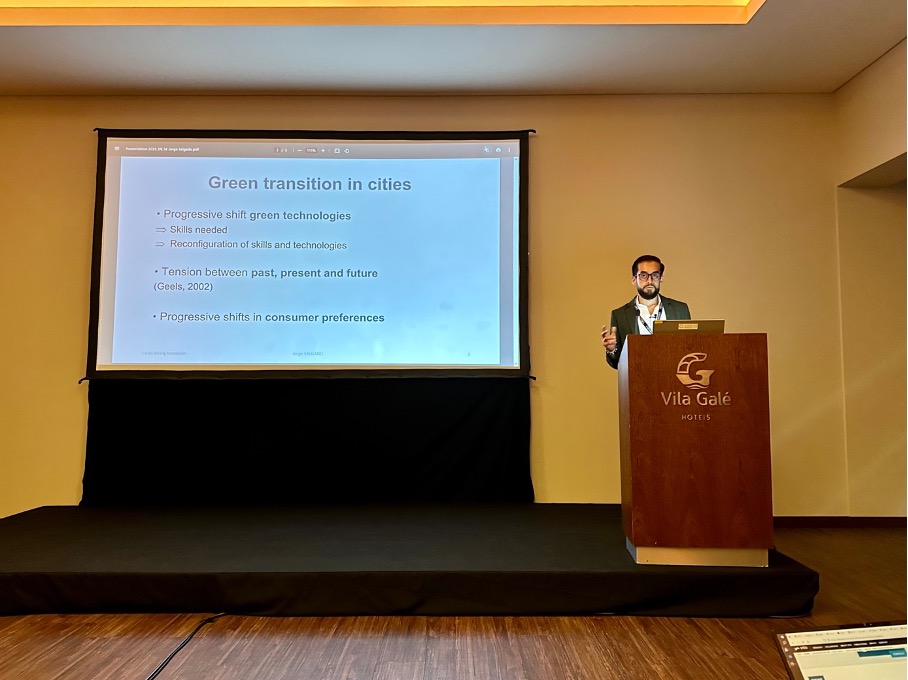
At the European Colloquium of Theoretical and Quantitative Geography 2023 (ECTQG, 2023), Jorge Salgado – researcher at Citadyne – presented the progress of his research entitled: “Cities in the face of green technologies, skills and preferences transitions: a multilevel complex approach”. His agent-based modelling approach allows the simulation of changes in firms technologies and consumer preferences as a result of the green transition. The research has been well received because it simultaneously integrates key elements of the economic system, enabling bottom-up interactions to understand the reconfiguration of urban systems around the world.

If you are interested in this research you can contact Jorge Salgado: 

jorge.salgado@unil.ch

Categories
Complexity Economy Geography Research project Valuation

Measuring the Value of Location Data: A Step-by-Step Guide

Measuring the Value of Location Data: A Step-by-Step Guide

The UK’s Geospatial Commission – part of the Department for Science, Innovation and Technology – has recently published a framework to advise the UK government on the most productive and economically valuable uses of geospatial data. This effort is a result of commitments made in the UK’s Geospatial Strategy, published in 2020 and reiterated in the 2022/23 Annual Plan of the Commission.

To address this major challenge and given the growing importance of location data in sectors as diverse as urban planning, transport and public services. The Geospatial Commission presents a step-by-step approach to effectively measure the value of location data. It emphasizes the importance of considering both economic and non-economic factors in the valuation process. 

The framework includes aspects such as data quality, usability, accessibility and societal impact to provide a holistic view of the value of location data. According to the Commission, “assessing the value of location data is difficult because: (i) value is often only realized when location data is combined with other data sets, (ii) value varies depending on the intended use, and (iii) value can be difficult to predict”. 

In response to these challenges, the methodology for measuring the value of location data covers key components such as data collection, data management, data analysis and data use. It also emphasizes the integration of location data with other datasets and the use of advanced technologies, such as artificial intelligence and machine learning, to unlock its full potential.

The framework guide, a summary of its steps, its application and results can be found at the following link:

https://www.gov.uk/government/publications/measuring-the-economic-social-and-environmental-value-of-public-sector-location-data

Image: UK Geospatial Commission

Categories
Cities Complexity Digital twins Geography

The role of complexity for digital twins of cities

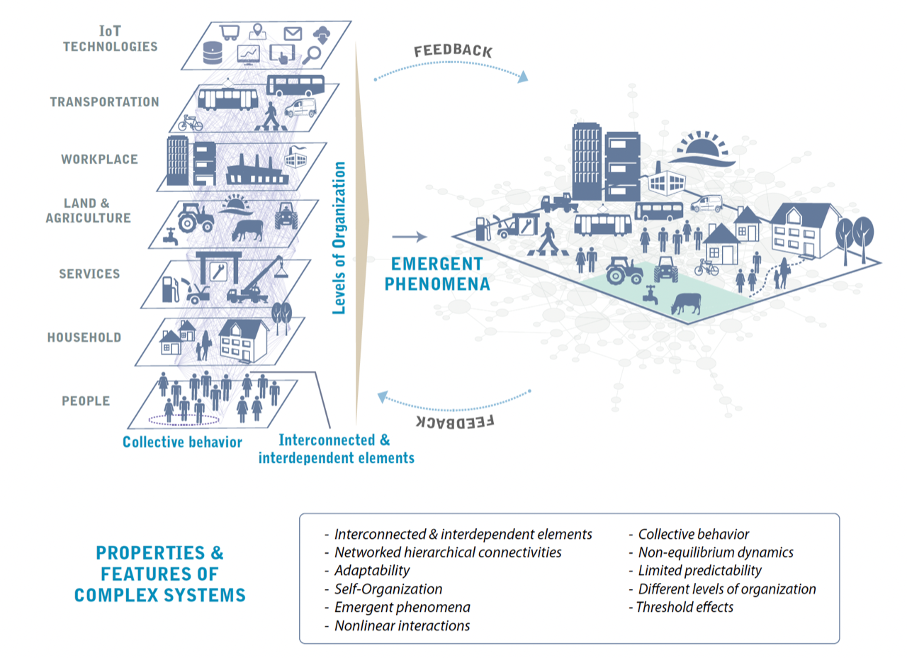
Caldarelli et al. (2023) published this month in Nature Computational Science:  “The role of complexity for digital twins of cities”. They argue that complexity science has the potential to integrate and support digital twins of cities. The huge amount of data produced by digital twins requires a theoretical and methodological background that can cope with the multiple and simultaneous interactions that occur in cities.

According to the authors, complexity could address these issues by combining data-based and hypothesis-based approaches. They also argue that twin cities need to face ethical norms and quality standards, for which “the concept of a digital twin needs to be extended to the social and environmental domain in a value-sensitive way, respecting privacy and human rights”. 

To access the publication, please follow this link:

https://shorturl.at/flmJK

Categories
Geography Programming Simulation

How to use ChatGPT in your daily GIS work

ChatGTP was launched by OpenAI last November. Since then, it has been widely recognized as a game-changing tool for research and everyday life. In this article by Dymaptic, 6 Ways to Use ChatGPT in Your Everyday GIS Work, you can find out how the most famous chatbot could be integrated into your daily use of GIS. Among the most relevant, ChatGPT could help you decide which tool to use. It is also capable of comparing GIS applications, writing basic code, and explaining what GIS is to a non-specialist.

https://blog.dymaptic.com/6-ways-to-use-chatgpt-in-your-everyday-gis-work

Categories
Geography MAPS Vizualization

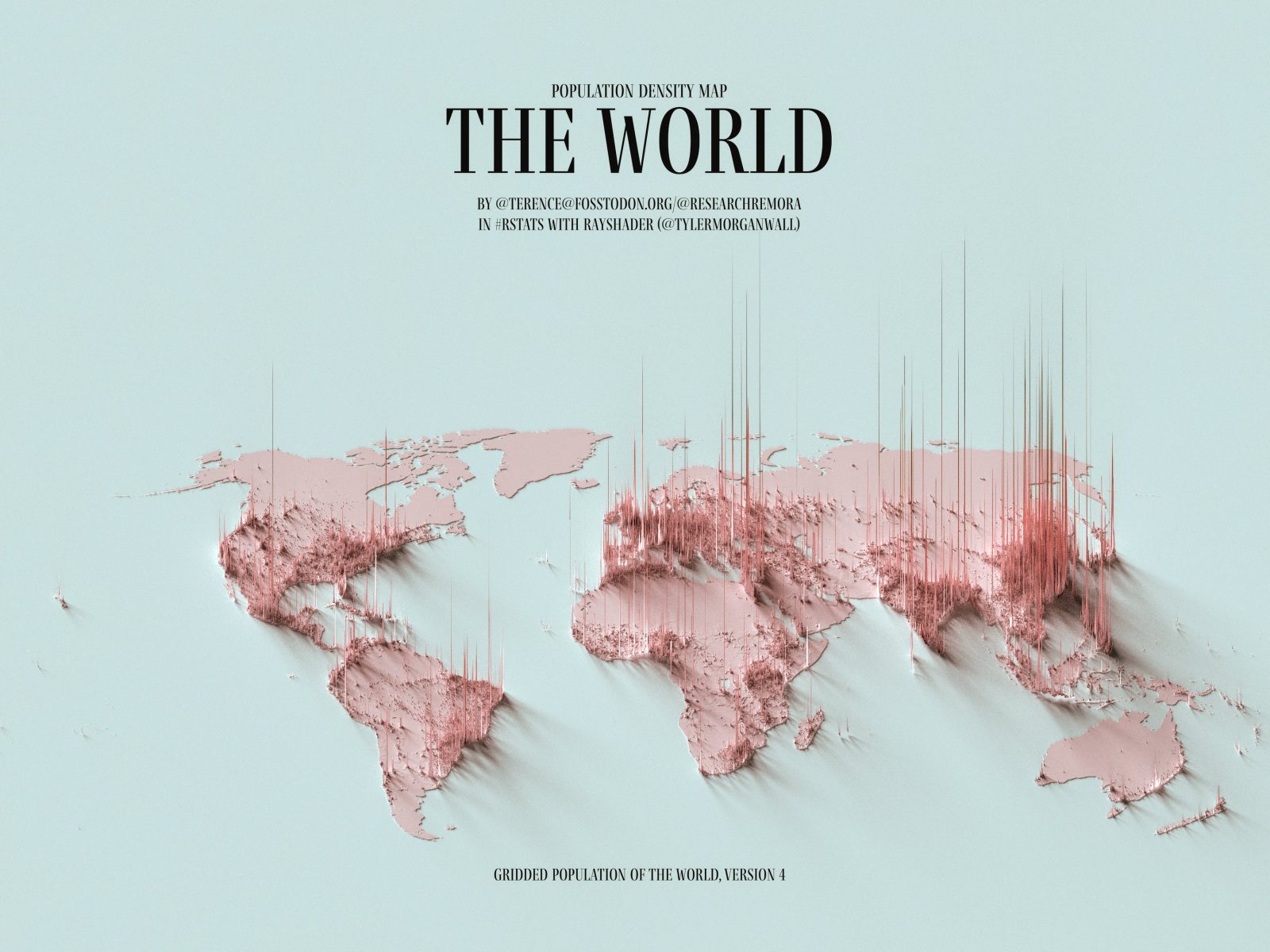
Rayshader: An open-source software for the design of 2D and 3D maps

Dr. Tyler Morgan-Wall. It was recently used by Terence Fosstodon to illustrate the population density of the world’s countries in a clear, accurate and stunning set of maps.

You can read more about the tool here, or visualize Terence Fosstodon’s 3D maps on his twitter @researchremora.

Categories
Environment Geography MAPS SCIENCE Vizualization World

The interactive atlas of climate change

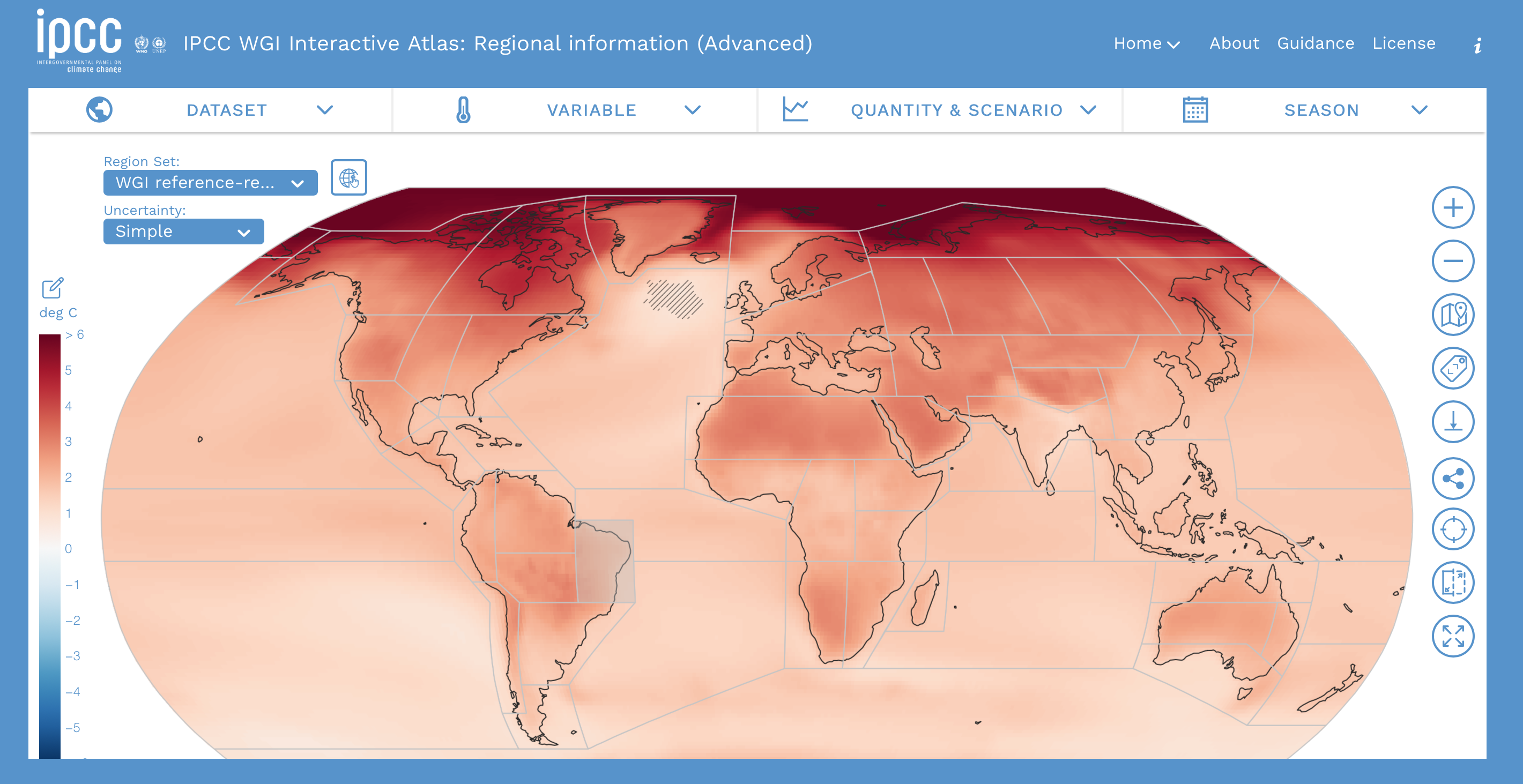
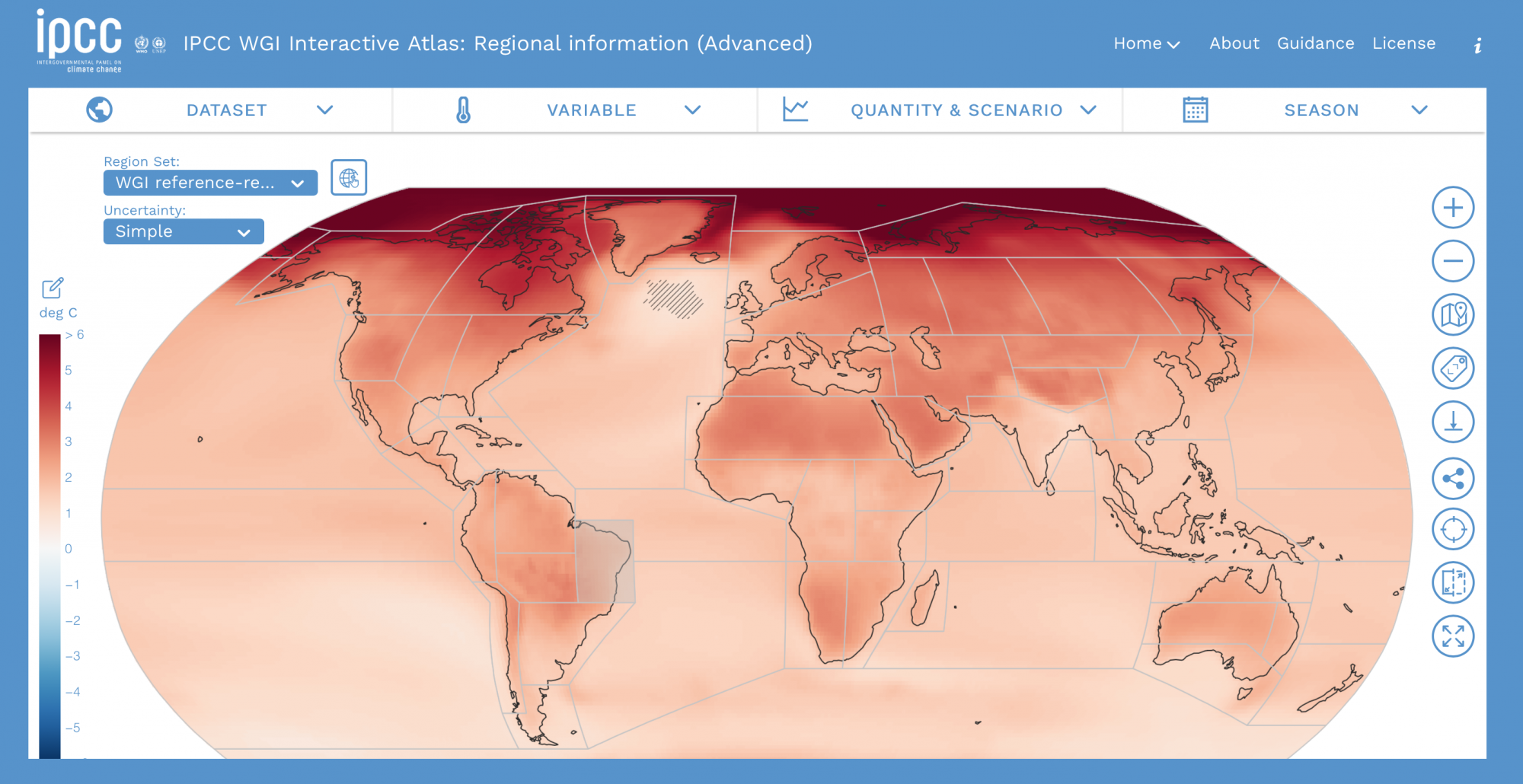
The IPCC has recently published their sixth assessment report on the physical evidence of climate change. The report has again confirmed evidence of climate change across all global regions, which will affect rainfall patterns, sea levels, exposure to extreme heat events. To better understand the impact of these changes across regions, the Working Group I has produced an interactive Atlas that allows to visualize the geographical impact of different climate change scenarios. Climate change is here, and it is crucial to comprehend its varying geographical impact, so this is a very welcome tool to help researchers and policy makers in this task.

Categories
Environment Geography MAPS Vizualization

Mapping electric networks and carbon intensity: how data can inform environmental choices

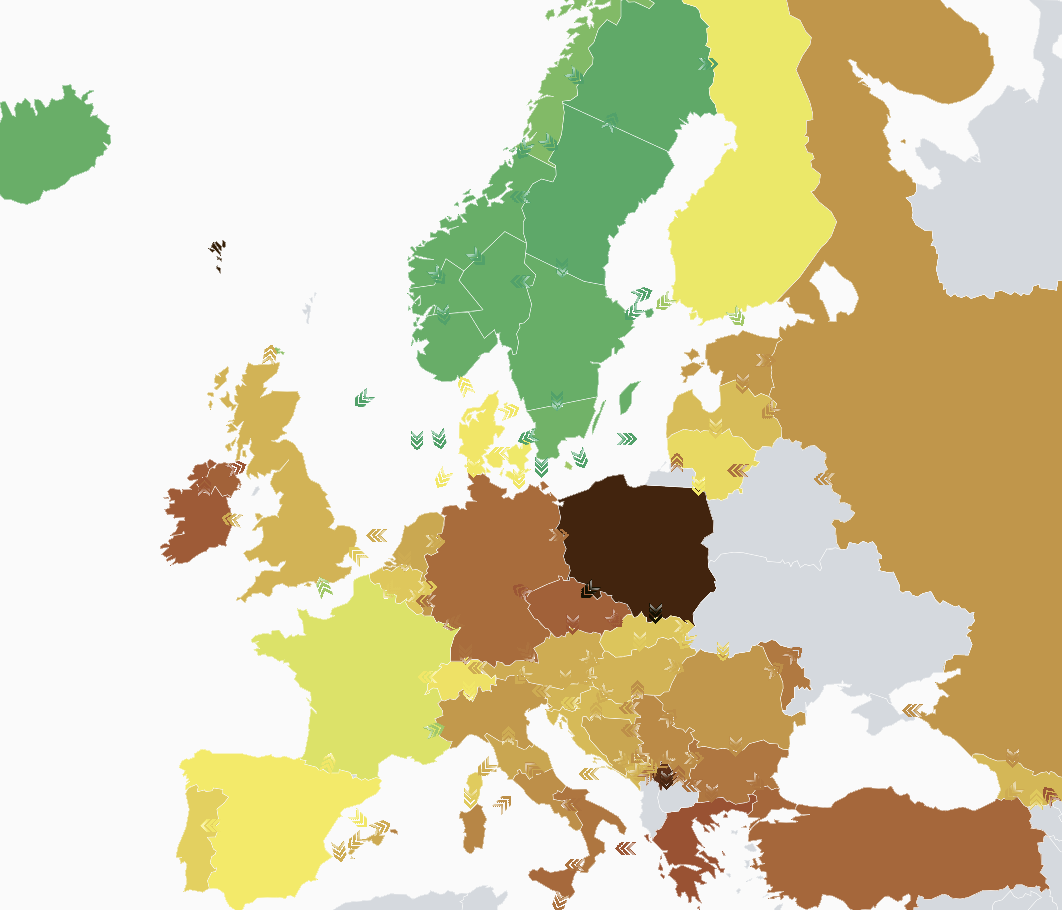
Where does your electricity come from? Does your country’s energy portfolio rely mostly on fossil fuels like coal and gas or renewable sources like wind and hydro-electric? The web platform electricity map allows to answer these questions and also to explore international energy exchanges. Besides, electricity map features a wind and sun layers that allow to assess the potential for renewable energy generation in real time!

Electricity map is a project of tomorrow, a Danish start-up.  Olivier Corradi, founder and CEO, explains the functioning of electricity map here: (video in French)

Categories
Cities Economy Geography Vizualization

Making beautiful data visualizations with RawGraph

Are you interested in data visualization and you would like to experiment with different charts? Then you might give RawGraph a go. This web-based application lets you import your data, choose between different charts to visualize it, customize it and export it in svg format, ready to publish or further improve.

RawGraph is now available in a 2.0 beta version, but help pages include examples and tutorials for the previous one, so if any problems arise in the version 2.0 you might want to begin exploring the older 1.0 version.

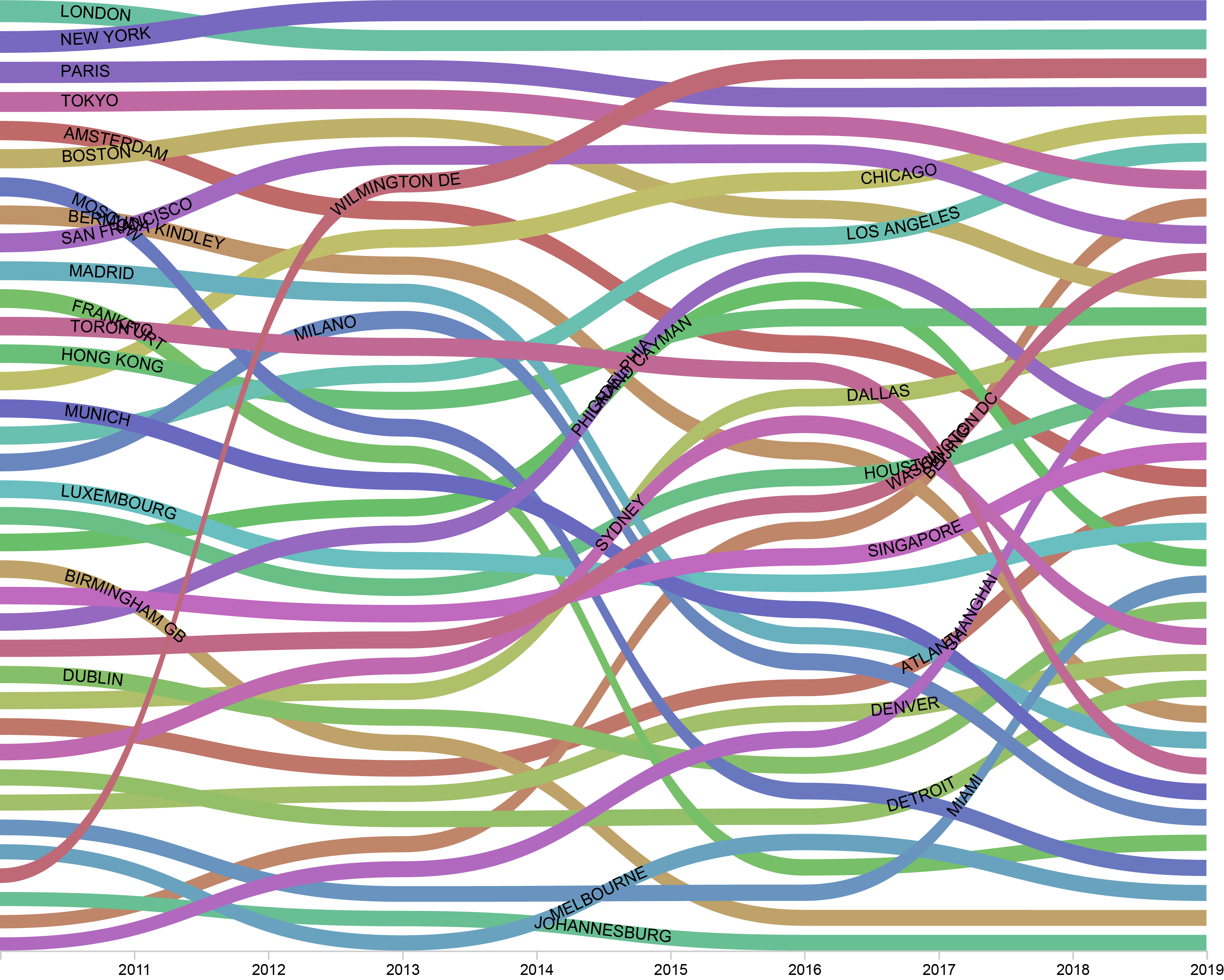
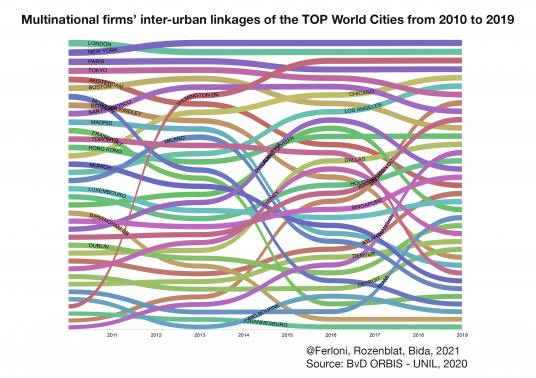
Using RawGraph 1.0 we generated an explorative bumpchart showing the evolution in the number of multinational’s firms inter-urban linkages (logged on Y axis) of different Large Urban Regions from 2010 to 2019. London, New York, Paris and Tokyo are unsurprisingly at the top positions. On the other hand, the performance of Wilmington Delaware would be surprising if we didn’t know that it is one of the world’s leading tax havens and corporate friendly locations. Chinese cities such as Shanghai and Beijing also show sustained growth while Moscow sharply decreases its foreign linkages most likely because of the effects of international sanctions following the Ukraine war in 2014.

Categories
Geography Society Vizualization World

The Atlas of Sustainable Development Goals: where do we stand?

The Atlas of Sustainable Development Goals 2020 presents interactive storytelling and data visualizations about the 17 Sustainable Development Goals. It highlights trends for selected targets within each goal and introduces concepts about how some SDGs are measured. Where data is available, it also highlights the emerging impact of the COVID-19 pandemic on the SDGs.

The Atlas draws from the World Bank’s World Development Indicators database, as well as from a wide variety of relevant data sources from scientists and other researchers worldwide.


Categories
Europe Geography Graph analysis Networks Social network Vizualization World

Navigating the supply chain network of strategic resources

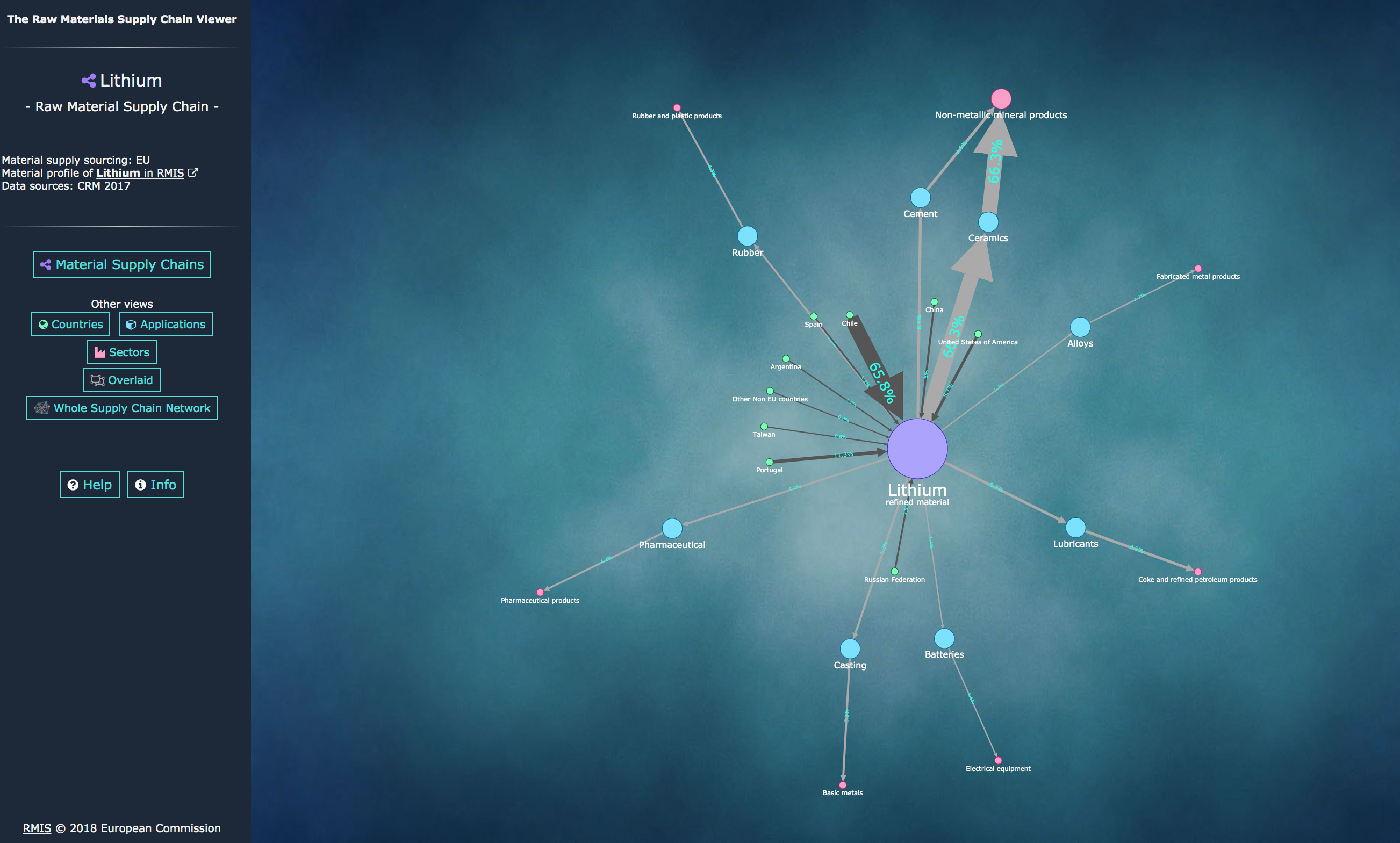
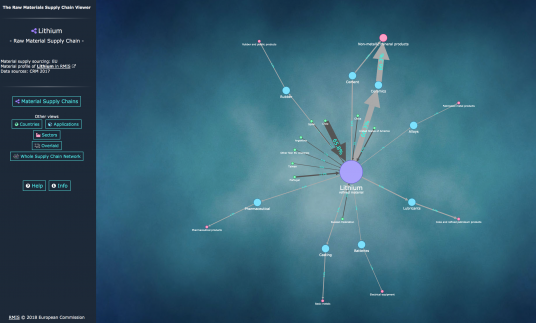
The European Union has recently acknowledged the strategic role of a number of critical raw materials that are used in the ICT, energy and defense industry. As a result, the Joint Research Center of the European Commission has set up a Raw Materials Information Center that collects legal, economic, trade and policy data on strategic raw materials. A particularly interesting tool is the Supply Chain Viewer, that allows to visualize the global production network of a number of raw materials along with the countries of production and the sectors in which they are employed.

“The raw materials Supply Chain Viewer (SCV) provides an overview of networks of selected raw materials supply chains, consisting of supplying countries, material products, product applications, and economic sectors using such products and materials.

Conceptually, this type of data representation is forming a directed graph, i.e. a network consisting of nodes or vertices (four different types, namely countries, materials, applications and sectors) connected together. These connections (named either links or edges) are representing the flows associated to a specific material. More precisely, in technical terms, this is referred to as an acyclicconnected and oriented graph, i.e. a directed graph without multiple/symmetric edges or loops.[5]

Data for the linkages among countries, materials, product applications and sectors were selected mainly from the EC criticality assessment (CRM 2017)[1]. Such underlying data refer to the period 2010-2014. For several cases, where data were not reported in the CRM 2017, missing data were collected from BGS[3] or Eurostat[4]. On each link, a detailing popup displays the data source. In the SCV graph, data is comprised in the connecting links and not in the nodes, these being simply connecting points in the network[2].”

For more information, you can visit the project page.

Categories
Economy Environment Geography Mobility World event

What does the future of air transport look like after Covid-19?

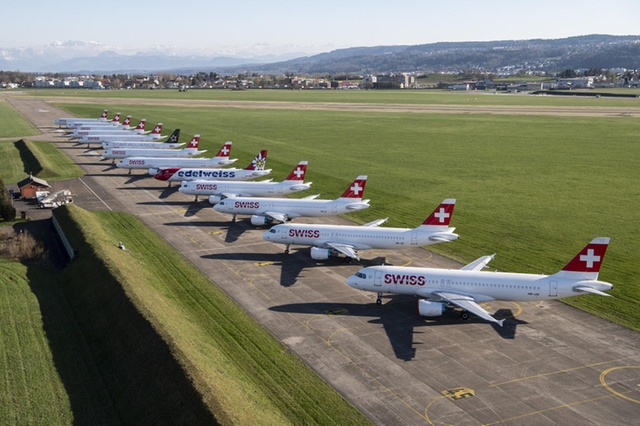
The global pandemic caused by the spread of Covid-19 disease has implied a dramatic reduction of air travel all over the world. Companies have been forced to shrink their operations to the bone, while images of grounded airplanes became the norm. This forced stop will likely have long term consequences and bring to a general restructuring of air transportation. In this contribution three academic experts discuss some of the main issues in this debate:

  • With most airline companies struggling to survive, some governments have already announced loan or bailout plans, while others have (re)nationalized them or are planning to do so. Yet another approach to the matter is to leave it in the hands of the market and allow these companies to fail. This debate is important because, after the bailout of banks in the aftermath of the financial crisis of 2008, the public opinion might question the opportunity of adopting a “too big to fail” strategy implying a huge allocation of public resources to private companies.
  • The high contribution to CO2 emissions by aviation has been a recurring target of environmental movements in the past years. After months – and possibly years- of public spending to support economies damaged by the global lockdown, the public opinion might be favorable to introduce higher taxes and restrictions to airplane travel.
  • On the demand side, will the disposition to fly ever come back to pre-coronavirus levels? The tourism industry is unlikely to recover soon, and people might think twice before boarding a busy airplane again. Business travelers, on the other hand, might find it preferable to hold meetings online, consolidating habits that have developed during lockdown.

This article contributes to these issues and stimulates further reflection on the future of air transportation. Have a good read.

Categories
Geography MAPS Mobility Networks

Tracking public transport in real-time

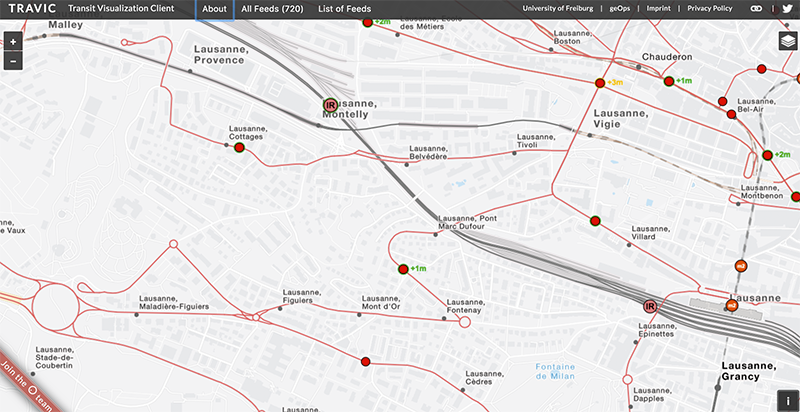
TRAVIC is a real-time tracker of public transport that allows the user to visualize the movement of trains, buses, trams and boats all over the world. It is based on a master thesis project by Patrick Brosi in a collaboration between the Swiss based geoinformatics company Geops with the University of Freiburg, Germany. For background information on how TRAVIC is done you may check their blog.

This tracker provides movement visualization of transit data published by transit agencies and operators from all over the world. The movements are mostly based on static schedule data but for some countries, such as for example the Netherlands, real-time data is available and included in the visualization.

Enjoy the visualization, and let us know how you used this tool and what its applications could be.


Categories
Geography MAPS Mobility Networks Social network Social science World

River maps: coloring the world’s circulatory system

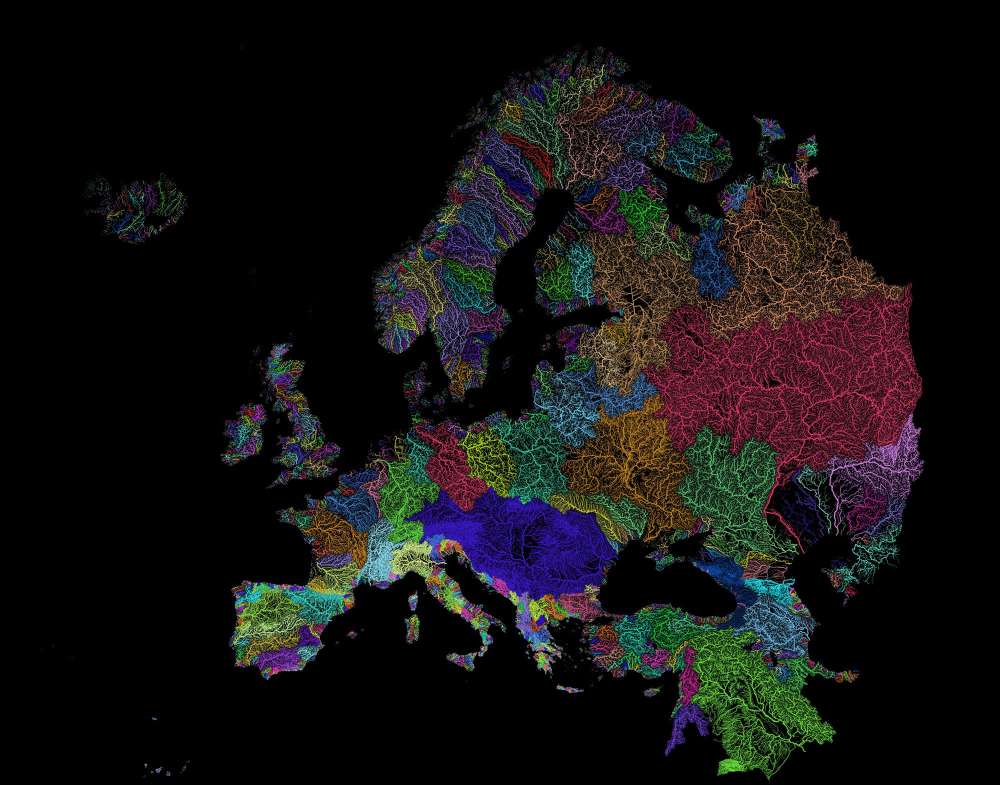
Rivers are fundamentals in creating the right conditions for life: that is why most cities since ancient civilizations were built along their banks. Rivers form intricate networks linking the main branches and their smaller tributaries. These river webs have been mapped by geographer Szűcs Róbert, dividing our planet’s watersheds into colorful catchment areas, and providing an informative look at how water flows across continents.

Check out the full article on visual capitalist, and take a look at Robert’s wonderful maps!

Watershed Map of the United States & Cascadia – by Szűcs Róbert


Categories
Geography Mobility Networks SCIENCE Simulation Social network

Google mobility reports: big data to help fight Covid pandemic

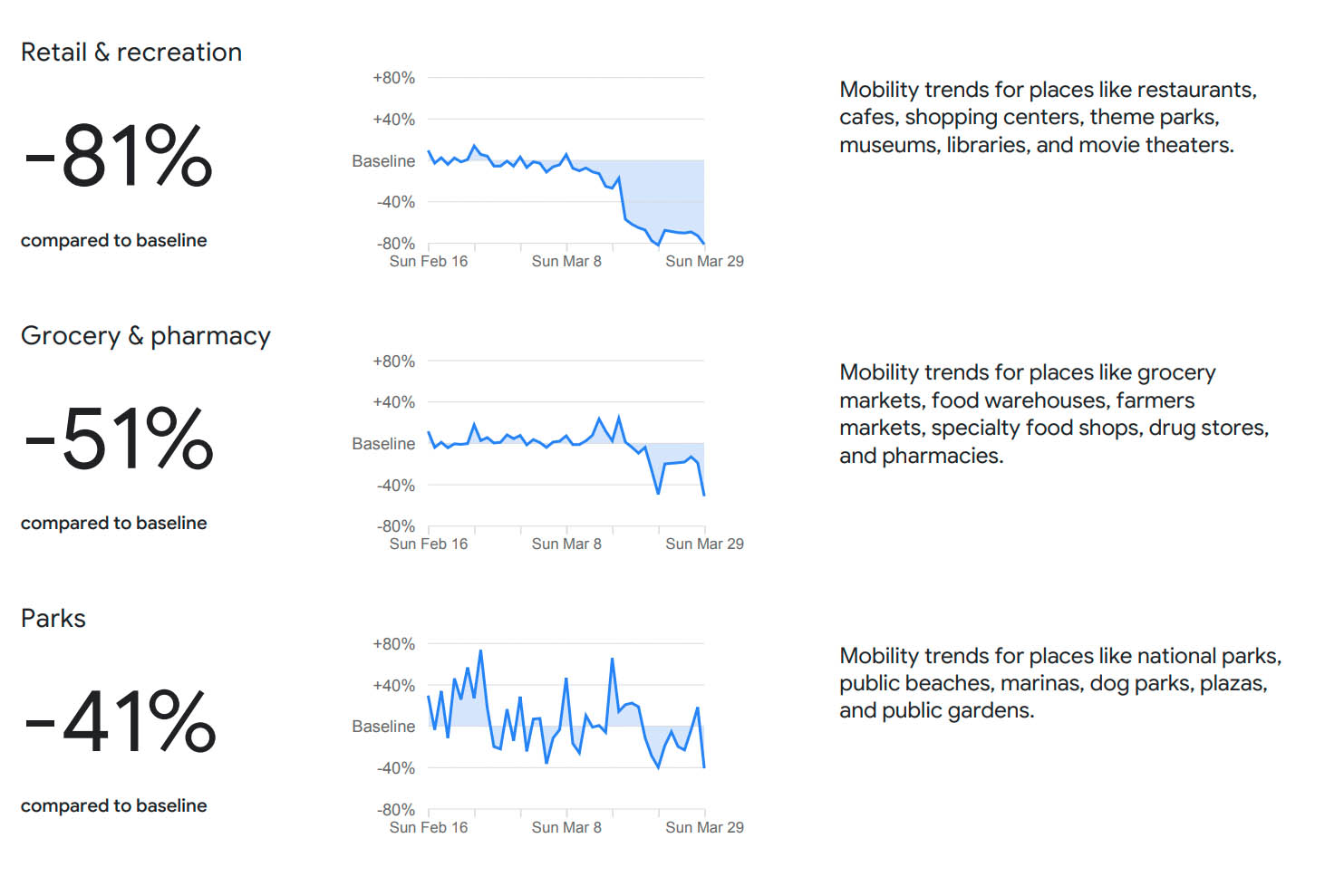
Last week Google has published the “COVID-19 Community Mobility report”. In the context of strict confinement measures, and while some governments (China above all but also Italy, France and Spain) have resorted to mobile phone data to assess whether citizens are respecting the lockdown, Google has published anonymized mobility data from a number of countries showing the effect of limitations on individual movements.

The reports use aggregated, anonymized data to chart movement trends over time by geography, across different high-level categories of places such as retail and recreation, groceries and pharmacies, parks, transit stations, workplaces, and residential. We’ll show trends over several weeks, with the most recent information representing 48-to-72 hours prior. While Google displays a percentage point increase or decrease in visits, they do not share the absolute number of visits. To protect people’s privacy, no personally identifiable information, like an individual’s location, contacts or movement, is made available at any point.

In Switzerland, for example, data are available on a national and canton basis, and they show a clear decrease in mobility patterns since the beginning of the lockdown on March 16.

What about your country or local area?

You can access all reports at https://www.google.com/covid19/mobility/


Categories
Geography Simulation Social network Vizualization

An agent-based simulation of coronavirus diffusion

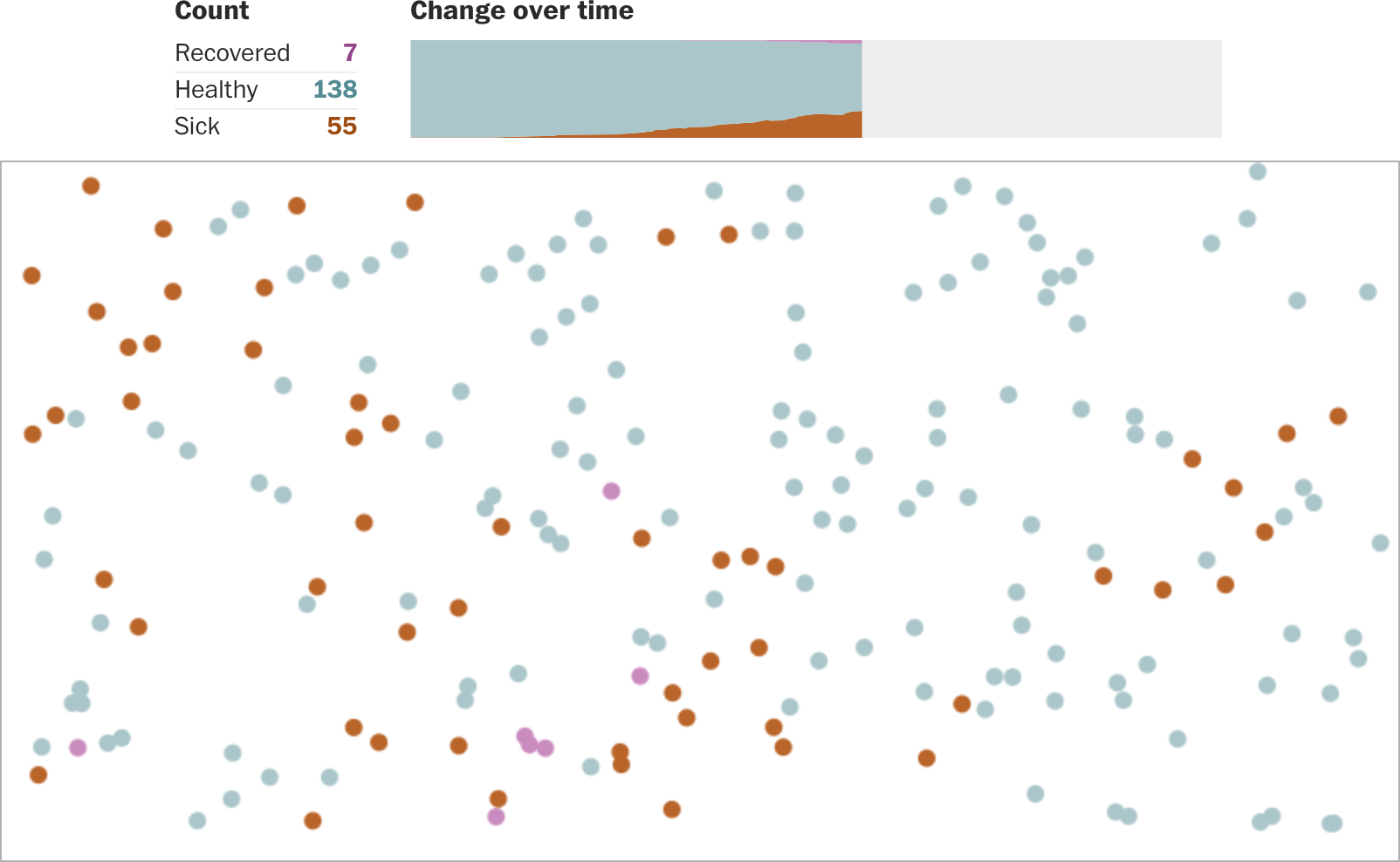
As the coronavirus pandemic continues to spread across the world, governments are taking measures to slow down the spread of the contagion among the population. In fact, while there is no way the virus can be stopped altogether, it is crucial to slow down its diffusion in order no to overload hospitals and intensive care units.

Journalists of the Washington post have created an agent based simulation  in order to explain the importance of social containment measures in which agents, represented as moving dots, move into space getting infected, transmitting the disease and recovering. The four different simulation scenarios  — a free-for-all, an attempted quarantine, moderate social distancing and extensive social distancing — show that when restrictions to the movement are implemented the contagion curve clearly flattens out, while if the agents are left unrestrained the curve of infected people grows exponentially.

This timely piece of data journalism shows the importance of social distancing during this unprecedented global pandemic and interest and the potential of agent-based models to illustrate social dynamics in space.


Categories
Economy Environment Europe Geography MAPS

How will climate change impact European regions?

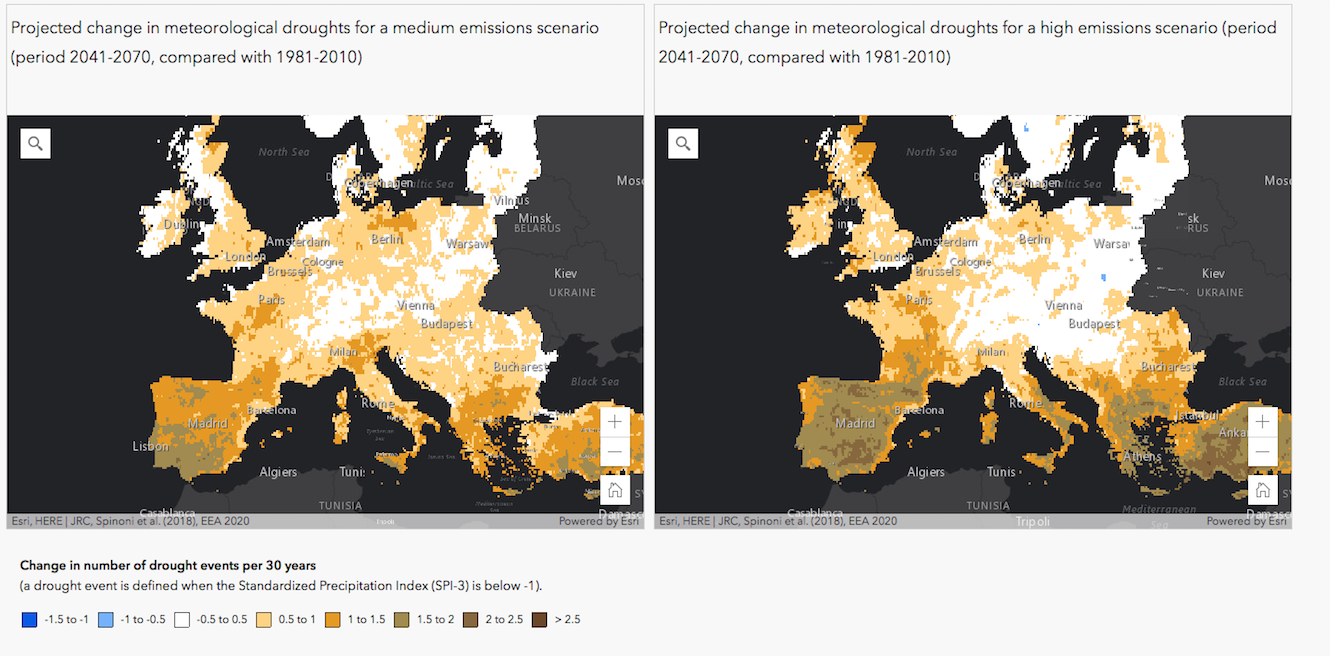
The European Environmental Agency has recently published a cartographic platform to map the impact of global warming on droughts, floods, agriculture, forest fires and sea level rise in Europe. These maps are based on different greenhouse gas emissions scenarios (medium or high) and refer to the expected changes in the period 2041-2070 as compared with the period 1981-2010. Data and climate models and have been published already in various EEA reports and indicators. Based on these maps, what are the challenges that your region faces and how to adapt to them?

Categories
Cities Environment Geography MAPS Vizualization

The Atlas of urban expansion- how do cities grow?

The Atlas of Urban Expansion collects and analyzes data on the quantity and quality of urban expansion in a stratified global sample of 200 cities. With the aid of satellite images researchers have gathered a rich dataset on built-up areas and the associated land use regulations and policies that sheds light on the process of expansion of urban peripheries since 1990. Besides, for a sample of 30 cities, researchers gathered historical data on urban expansion from 1800 to 2014 and used it to generate visually appealing animations that show intuitively the process of urban growth. See, for example, the animation of Los Angeles below.

The Atlas of Urban expansion is a joint initiative by NYU Urban Expansion Program, the Stern school of Business at NYU in partnership with UN-Habitat and the Lincoln Institute of Land Policy.

The Atlas can be freely downloaded, and a number of urban data, maps and metrics can be also downloaded.


Categories
Environment Geography History Networks

Termites and the megalopolis

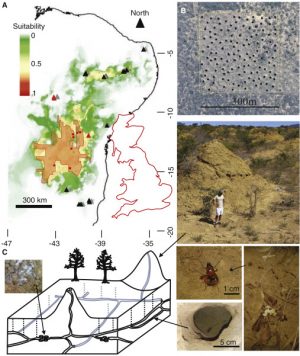
A recently published study in Current Biology has shown that a species of termites has been colonising a huge area of Brazil – its surface is equivalent to that of Great Britain- in the past 4000 years. The visible results of this work consist in a large number of earth mounds that can be up to 3 meters tall and 9 meters in diameter which are not nests but rather represent the accumulation of waste material from the insects’ construction of the underground network. The mainreason for this impressive effort is, according to the researchers, to stock and safely consume leaves that fall only during a short seasonal interval. This case show the impressive capability of certain species to collectively transform and adapt their environments by creating permanent structures that can persist for thousands of years. Ants or bees have often been associated to humans for their complex social organisation, division of labour and structure. Therefore, can we obtain some interesting insights and inspiration from these impressive spatial constructions that are even older than the pyramids?

Categories
Cities Geography Networks Simulation World

Can cities’ network position explain the probability of violent conflict?

When we consider the global network of cities, is instability an inherent property of certain network positions?

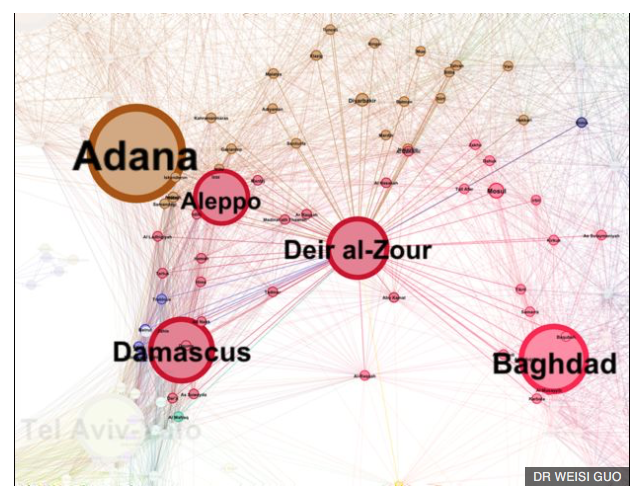
Dr. Weisi Guo from Cardiff University believes this is the case. He recently co-authored a study in which he found that cities with a high network betweenness – that are centrally located in a path that connects different cities in the network-  are more likely to display high levels of violence, including war, terrorism and gang violence. On the other hand, cities with a high degree  or having connections to many other cities – were found to display a low level of violence.

How to interpret these results? the authors develop an agent based model that suggests that cities with fuzzy cultural boundaries, that serve as connections between culturally homogeneous areas, are indeed those with a higher level of betweenness. On the contrary, cities that are more culturally homogeneous turned out to show also a higher degree.

Even if the authors warn against the attempt to establish causality, which cannot be assessed by the study, their methods accurately identify some of the world’s current foci of conflicts such as Damascus, Aleppo and Baghdad but also Veracruz and Tegucigalpa, in central America. Also, the authors identify a number of cities that do not show at present a high level of violence but which might in the future such as La Mecca and Jeddah in Saudi Arabia, Teheran or Kunming in China.

Their study has been extensively covered by BBC   here

Also, you can access the full study, titled “The Spatial Ecology of War and Peace”  here. 

If you want to know more about the authors, they are: