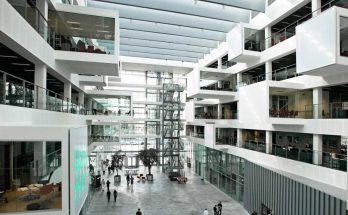
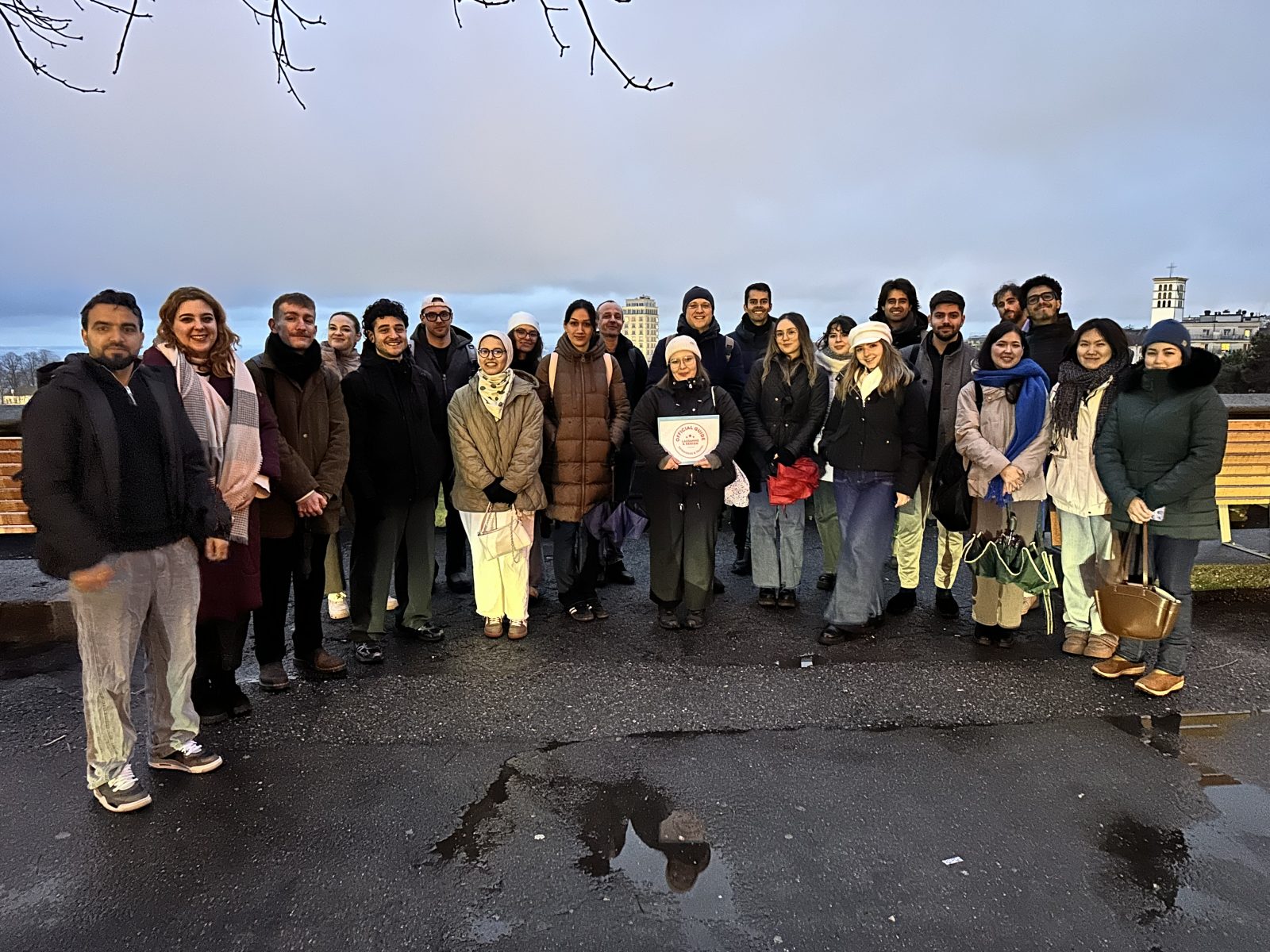
The CIVIS BIP course “Digital Transformation of the Democratic Discourse” was organised in Lausanne on the week 26-30 of January 2026.
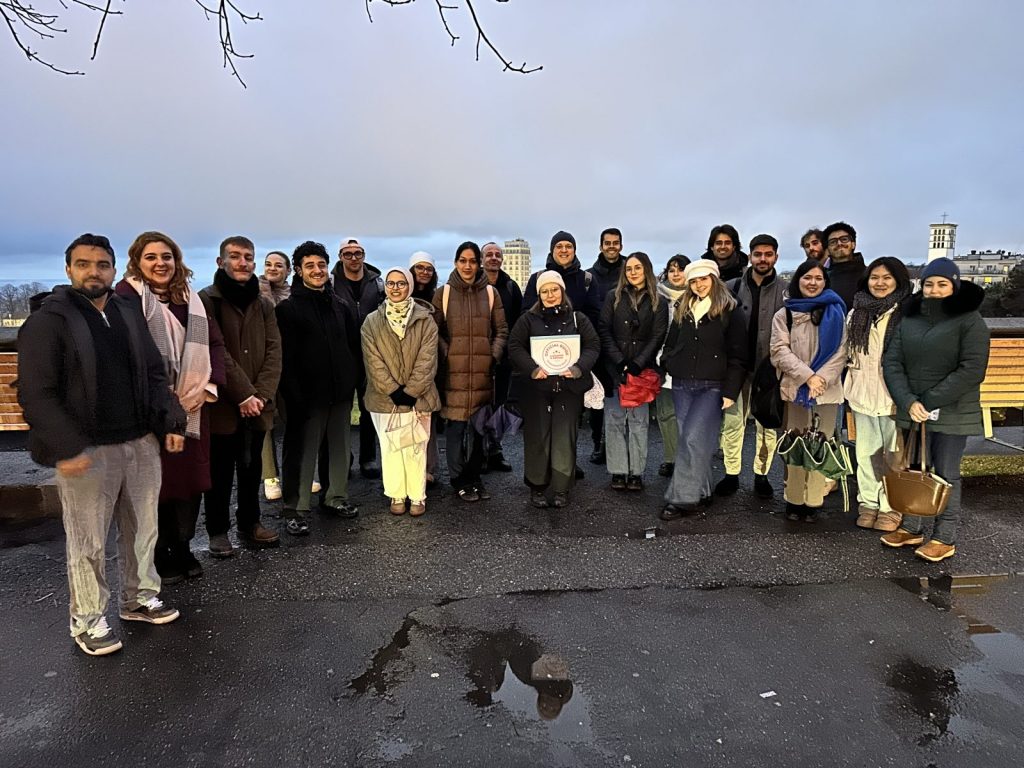
Overview of the Onsite Intensive Week
The onsite intensive week held at the University of Lausanne (UNIL) combined individual assessment, methodological training, collaborative group work, and engagement with external actors, all focused on contemporary challenges at the intersection of digital technologies, democracy, and public discourse.
The week began on 26 January with individual exams in the morning, followed by general introductions of instructors and students. The afternoon sessions were devoted to methodological training, including a workshop on how to conduct a rigorous academic literature review and an introduction to design thinking methodology. In addition, a short interactive and dynamic activity was organised to help students and instructors get to know each other better and foster an open and collaborative working atmosphere. The day concluded with the formation of working groups and a collective wrap-up.
From 27 to 29 January, the programme shifted its focus towards intensive group work, interspersed with thematic inputs and external presentations. On 27 January, students were introduced to the vTaiwan participatory model, which served as an example of digital innovation in democratic governance. This input was followed by extended group work sessions, allowing students to define their research problems, refine their project ideas, and develop initial outputs, which were discussed during short group presentations at the end of the day.
On 28 January, group work continued alongside targeted institutional inputs. Students attended a presentation of the Dedicim software and received a visit from Mathilde Captyn and Chloé Losier from the Ville de Lausanne, who presented Lausanne Participe and shared insights into local participatory governance practices. These sessions connected students’ projects to concrete institutional tools and real-world policy contexts. The day concluded with a guided visit to the city of Lausanne, contributing to the social and contextual dimension of the onsite experience.
On 29 January, students further developed their projects through sustained group work sessions and attended a presentation by the Citizen Foundation Iceland, which provided an international perspective on civic participation and democratic innovation. The day concluded with a collective group dinner at Le Milan, reinforcing informal exchange, social bonding, and group cohesion.
The week culminated on 30 January, when students presented their final group projects. These presentations reflected the cumulative work carried out throughout the week, integrating theoretical insights, methodological approaches, and applied or conceptual solutions developed collaboratively.
Overall, the pedagogical design of the onsite intensive week progressively guided students from individual analytical assessment towards collaborative, solution-oriented projects. The combination of methodological training, intensive group work, institutional inputs, and informal social activities created a structured yet immersive learning environment that supported both academic development and collective engagement.
Group Projects and Presentations
On the final day, students presented their group projects, which addressed a range of democratic challenges related to digital platforms, participation, and public discourse. Across the groups, the projects combined theoretical engagement with applied or conceptual proposals. Together, they reflected students’ ability to critically analyse complex societal problems, draw on relevant academic literature, and translate these insights into concrete project ideas or analytical frameworks.
Group A – deKIDim: Involving Minors in Democratic Participation
Group A developed deKIDim, a project aimed at fostering democratic participation among adolescents aged 14–18 within school environments. Drawing on literature on child participation and democratic education, as well as Article 12 of the UN Convention on the Rights of the Child, the group identified a lack of structured opportunities for young people to engage in deliberation on issues affecting their everyday school life.
Their proposal combined a digital forum-based platform with a physical component consisting of moderated debates, discussions, and educational activities conducted in schools. The project emphasized guided deliberation, inclusiveness, and age-appropriate participation. The group also outlined a methodological plan including expert interviews, usability testing with students, field testing in school spaces, and questionnaire-based evaluation.
Group B – Hashtags, Community, and the Fragmentation of Online Discourse
Group B presented a thematic literature review on the role of hashtags in organising online discourse, with a focus on feminist hashtag publics. Their work examined how hashtags function as both technical and symbolic devices that shape visibility, affective dynamics, and community formation.
Through collective mapping and discussion, the group explored how hashtags can contribute to both deliberation and fragmentation, highlighting a research gap concerning how supportive communities may emerge out of discursive conflict. Their project framed hashtags as symbolic sites where affect, identity, and boundaries are continuously negotiated.
Group C – Visualising Algorithmic Filter Bubbles on YouTube
Group C addressed the lack of transparency surrounding algorithmic recommendation systems on YouTube. Building on existing initiatives on algorithmic accountability, the group proposed a browser extension designed to visualise users’ filter bubbles in real time.
The group demonstrated a prototype and illustrated how the tool could be used in practice. The project aimed to increase user awareness and reflexivity regarding personalisation, algorithmic bias, and the democratic implications of opaque recommendation systems.
Group D – Free Speech, Platformisation, and Democratic Contradictions
Group D focused on the tensions within democratic systems concerning freedom of expression, particularly in relation to extremist speech and digital platform dynamics. Their analysis highlighted how commitments to free speech can paradoxically enable polarisation, intimidation, and democratic backsliding.
The group presented a conceptual mapping linking platform features—such as algorithmic amplification and echo chambers—to broader ideological narratives, including the “Great Replacement” theory. Drawing on historical and political-theological perspectives, they examined how such narratives gain legitimacy and visibility through platformisation.
Group E – Kitty App: Digital Support for Women Experiencing Domestic Violence
Group E presented Kitty App, a digital support tool designed for women experiencing domestic violence, using Latvia as a case study. The project explored how digital tools can contribute to promoting a culture of prevention.
Inspired by existing applications, the group proposed dissemination strategies combining word-of-mouth processes, collaboration with NGOs and institutions, and discreet forms of promotion to ensure user safety. The group also critically reflected on the limitations of their proposal, including unequal access to digital tools and the risk of reinforcing existing social inequalities.
Concluding Remarks
Overall, the onsite intensive week demonstrated a high level of student engagement and an effective integration of theory, methodology, and applied thinking. The group projects reflected diverse approaches to digital democracy, ranging from educational and technological interventions to critical conceptual analysis. The inclusion of physical components across several projects showed a clear awareness of the limits of purely digital solutions and an effort to situate technological interventions within concrete social and institutional contexts.
The final presentations highlighted students’ ability to critically assess both the potential and the limitations of digital tools in addressing democratic challenges, in line with the learning objectives of the intensive week.