Author: Nathalie Laydu

  • Digital Twin Cities : the need to integrate more complexity in the analysis

    Digital Twin Cities : the need to integrate more complexity in the analysis

    Céline Rozenblat, Institute of Geography and Durability (IGD)

    Virtual representations of cities – or Digital Twin Cities – are in full expansion and are intended to facilitate the management and planning of urban systems in the short and medium term. But are they relevant?

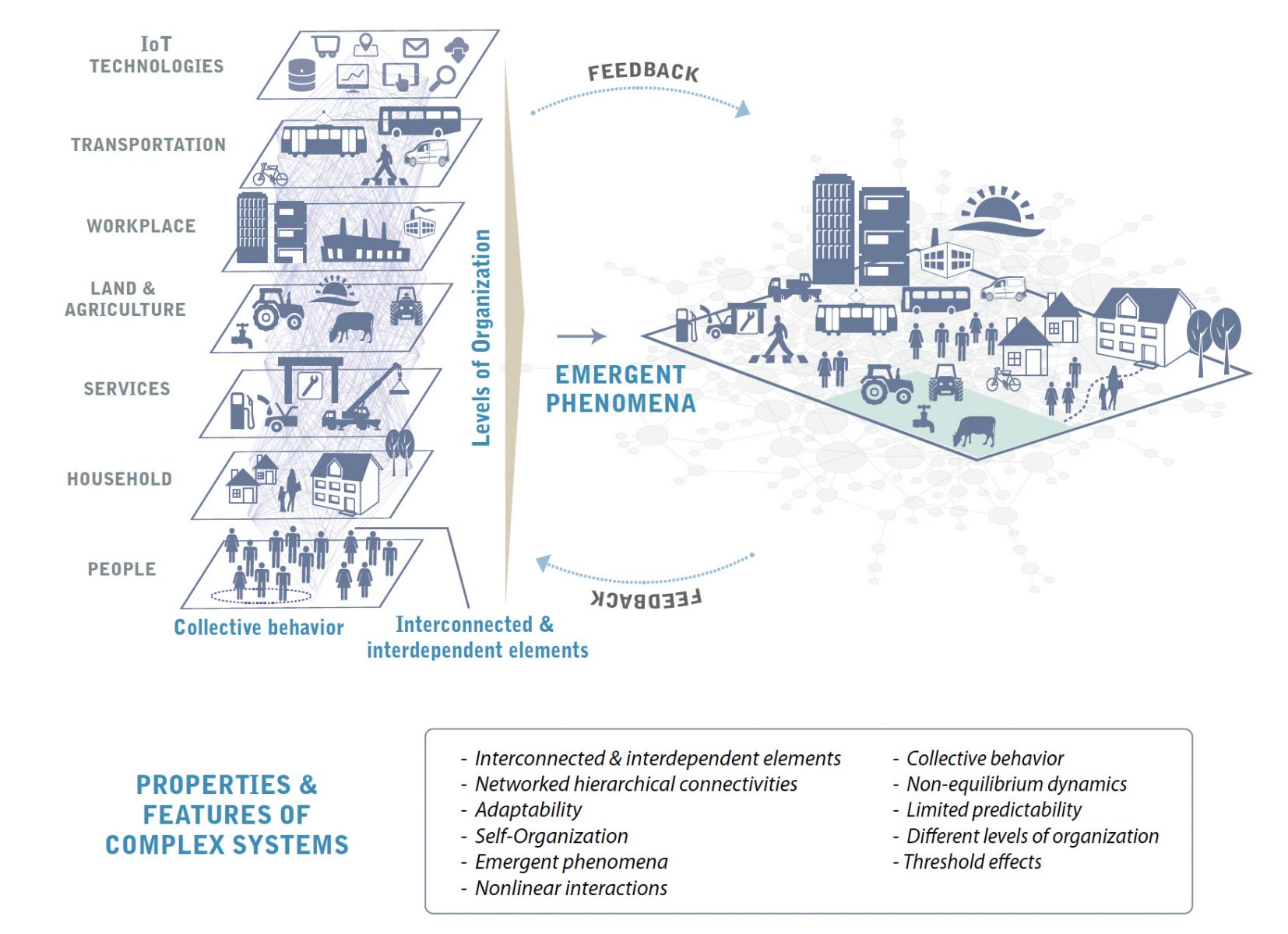
    The European Union has mandated a group of experts in modeling, which includes Prof. Céline Rozenblat, in order to evaluate them. The result: the models suffer from a lack of complexity, and neglect in particular the socio-economic components of the urban fabric, as well as the approaches at different levels and scales necessary for long-term sustainable urban development planning.

    Created more than fifty years ago by NASA to test rockets, the “digital twins” have progressively developed in many fields. In the last few years, the development of Digital Twin Cities has grown in parallel with the research conducted on the subject (> 400 articles published in 3 years). 

    They are the virtual representation of the processes and systems that make up the city. They aim at facilitating its management and planning in the short and medium term. Their modeling relies on large amounts of data from human and physical systems, for which automated sensors are available to provide this data in near real time.

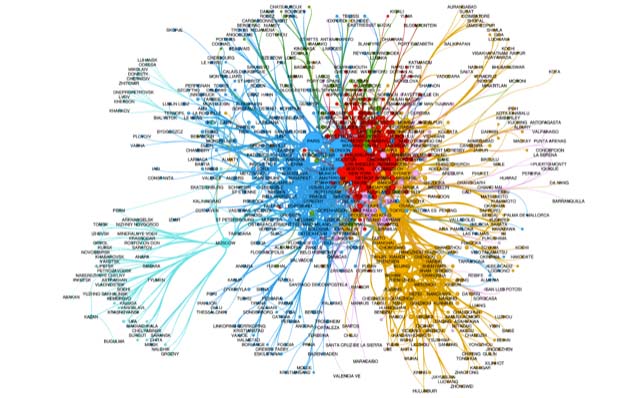
    In 2022, a commission of experts, including Céline Rozenblat, professor at IGD, has been mandated within the European Union to establish an ISO standard defining the criteria to be met for the establishment of local digital twins. An article published in Nature computational sciences “The role of complexity for digital twins of cities” (full-text access to a view-only version of your paper by using the following SharedIt link) reviews the existing models and addresses several criticisms: lack of transparency of the data and models used; focused on the infrastructures and buildings of the cities; analyses carried out at the same scale and stopping most of the time at the administrative limits of the central city. This “mechanical” approach shows significant shortcomings and neglects elements that are crucial to the development of a city, such as the economic fabric and social links. Also, interactions at micro-levels can influence elements at a larger scale.

    Thus, according to the experts, it is necessary to introduce in digital city models several levels of complexity and different types of data, in order to have the most faithful representation of real cities. It will thus be possible to meet the needs of the governance of these cities by giving them the means to act at several levels, as well as at different scales of space and time.

  • Sampling expedition off the coasts of Vancouver: first step to a better understanding of the cycle of chromium in the ocean

    Sampling expedition off the coasts of Vancouver: first step to a better understanding of the cycle of chromium in the ocean

    Isabelle Baconnais, Institute of Earth Sciences

    Isabelle Baconnais, a member of the BOAT (Laboratory for Biological Oceanography Across Time, Institute of Earth Sciences, ISTE)research group, led a maritime expedition off the coasts of Vancouver in October 2022.

    She collected seawater samples and suspended marine particles to measure their chromium content. Her objective is to ultimately determine whether this element could become a tracer of the activity of the marine biological pumps, which have an important role in the ocean carbon cycle.

    These pumps help moving the atmospheric CO2 that dissolved in the surface waters towards the deep waters, thus helping to regulate the planet’s climate by trapping it into the Oceans for hundreds of years. A more precise quantification of the capacity of the biological pumps to transfer the CO2 towards the deep waters would allow to better predict their potential role in regulating the climate change.

    The oceans cover more than 70% of the Earth’s surface. They have a significant influence on the climate, particularly through the absorption of atmospheric carbon dioxide (CO2), one of the main greenhouse gases. Photosynthetic microorganisms (phytoplankton) in surface waters use the dissolved CO2 to generate organic carbon, similarly to terrestrial plants. Phytoplankton are then ingested by other organisms, and some of this organic carbon “sinks” to the deeper waters as e.g. feces or dead bodies. The biological processes participating in the ocean carbon sequestration from the atmosphere are referred to as the biological carbon pump (BCP). This pump is essential for the climate balance. Since the beginning of the industrial era, it has already absorbed about a third of CO2 emissions related to e.g. the combustion of fossil fuels.

    Biological carbon pump (source: ocean-climate.org)

    Several scientific teams have been trying to assess to what extent the activity of this BCP is, or could be, impacted by climate change and viceversa. Modelling of the carbon export is hampered by many uncertainties (e.g. change in the water masses circulation or variation in the nutrient inputs to the ocean). The direct use of carbon as a tracer of the BCP is limited by its ubiquitous presence in high concentrations in the oceans and by its use in various physical and biological processes (photosynthesis, respiration, dissolution etc…) that do not allow clear distinction and quantification of the processes specifically tied to the BCP.

    Chromium has recently become of interest for its potential correlation with the transport of carbon to the deep waters of the modern oceans. However, no direct measurements of chromium in marine particles are currently available to confirm this suggestion (see note). Isabelle Baconnais is conducting research to fill this gap.

    Below, the researcher describes her expedition off the coasts of Vancouver to collect samples of seawater and suspended marine particles (pictures from Maxime Curchod).

    Autumn in Vancouver

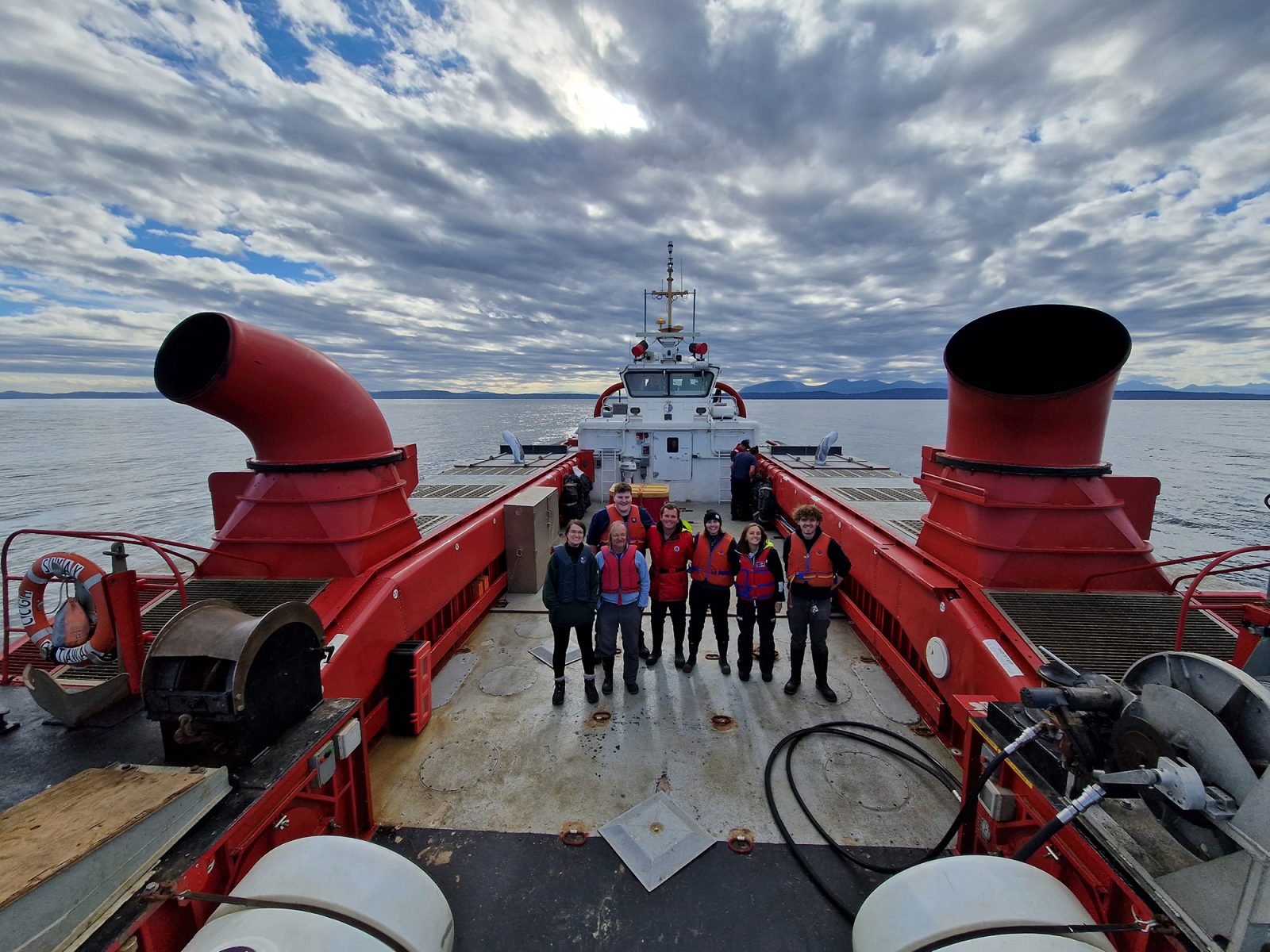
    In October 2022, we boarded the Canadian Coast Guard’s hovercrafts SIYAY and MOYTEL for six exciting days in the Strait of Georgia and Saanich Inlet in Canada’s Eastern Pacific. The Strait of Georgia is a dynamic waterway that separates the city of Vancouver from the picturesque Vancouver Island. Saanich Inlet is a partially anoxic fjord, with little to no dissolved oxygen in deep waters, within Vancouver Island.

    The sampling site offered an excellent opportunity to collaborate with scientists from the University of British Columbia (UBC). The laboratory of Professor Roger François supplied the pumps used for the collection of the suspended marine particles. His team (i.e. Maureen Soon) also facilitated contact with the coast guards for the organization of the sampling trips. The equipment and experience provided on site greatly contributed to the success of this sampling expedition.

    The team of Lausanne and Canadian scientists on the deck of the SIYAY.
    From left to right: Isabelle Baconnais, Ed ward Mason (UBC student, back), Roger François (UBC professor, front), Maxime Curchod (FGSEstudent), Lisa Kester, Nicole McHugh and Morgan Griffith (UBC students). Two members of the incredible Coast Guard team in the background.

    Every morning, we arrive at the coast guard’s base to find the massive hovercraft waiting for us on the asphalt. Once the coast guards and scientists finish loading their respective equipment, the hovercraft inflates, and we are in our way in the blink of an eye. Its speed is such that it is forbidden to leave the cabin during transit, lest we be thrown overboard. In return, we quickly arrive on site and begin sampling in the crisp autumn morning of the Canadian West coast. We were particularly lucky regarding the weather since it was unusually sunny and warm for most of the expedition.

    The Vancouver Coast Guard hovercraft: these boats can get into the water very quickly and sail at high speed. They are equipped with the winches and cables needed to immerse the heavy pumps used to sample the marine particles. The sampling trips were carried out over three times two days.

    Using the Canadian coast guard’s hovercraft implies that rescue missions take precedence on the sampling. In case of an emergency call, all sampling device then needs to be quickly brought back onboard and secured as fast as possible. Fortunately, this only occurred once during the entire expedition, and in this instance, we were quickly able to get back to sampling.

    Sampling at sea

    Daily, we proceed to sampling under the curious gaze of the jumping salmons, the killer whales or the sea lions: we immerse the ~30 kg–large volume pumps at specific depths, through which hundreds of liters of water pass and allow the recovery of the suspended marine particles on filters. We also collect seawater in 20L bottles specifically designed for sampling for elements susceptible to contamination, called Go-Flo bottles. We distribute the water into bottles that will be used for different analyses (salinity and oxygen of the water, cadmium concentration, dissolved chromium concentration and isotopic analysis, particulate organic carbon concentration).

    Morgan, Rowena Diggle (student at UBC) and Isabelle collecting seawater samples from the Go-Flo bottles. The flacons must be clearly identified per depth and station, and properly manipulated according to the measures they will be used for. The Go-Flo bottles are hung on a non-metallic line and immersed in water, each at a pre-defined depth. A system of rotary balls allows them to close when given the signal, in order to trap the seawater they contain. These bottles are made without metal elements so as not to contaminate the samples. In general, all equipment coming into contact with the sampled water (winches, containers etc…) must be treated to avoid metal contamination of the samples.

    The unusually warm weather of the early autumn 2022 resulted in elevated biological activity.  The filters recovered from surface waters testified to this, with their beige to greenish color  and their sushi smell. The most notable sampling took place in the deep waters of Saanich Inlet, where the lack of oxygen could be surmised from the strong rotten egg smell emitted by the waters sampled. This smell is characteristic of the bacterial production of hydrogen sulphide H2S in anoxic environments.

    Two killer whales, native to the region, join us on our sampling, taking advantage of the abundance of food offered by a mild weather, late in the season.
    The difference in colour reflects the varying composition of the suspended particles at Saanich Inlet: from the surface waters, rich in biological products (left) to the deep anoxic waters below 140 m (right). The filters sampled at 90 m and 125 m are enriched in iron and manganese oxides, giving them their reddish color.

    Why is chromium of interest? 

    Chromium is a trace element found in seawater in concentrations of the order of 0. 0000001 g per litre of seawater. Its concentration and isotopic ratios vary according to its distribution between chromium 6 (Cr(VI)) and chromium 3 (Cr(III)). Cr(VI) preferentially remains dissolved in seawater while Cr(III), isotopically lighter and formed from the natural reduction of Cr(VI), tends to adsorb onto marine particles.

    The measurement of dissolved chromium concentrations and isotopic ratios has shown that chromium is lost in surface waters and remineralizes deeper in the oceans, which appear to be related to surface biological activity and the marine particle cycling. Direct measurements of chromium in marine particles are currently lacking to confirm these observations. 

    This study, and more broadly the SCriPT project (see ref.  at the bottom of the article), aims to establish a method for measuring chromium concentration and isotopic ratios in marine particles in order to potentially use chromium as a tracer of the marine carbon flux to the deep waters, in other words, the oceanic BCP activity.

    First objective achieved

    Despite the several technical difficulties encountered during this trip (especially due to the fussy large volume pumps), the sampling was overall successful in both the quantity and the quality of the water and particles collected. It is now time to focus on measuring chromium and its isotopic ratios. Protocols do exist for measuring chromium dissolved in the waters, but they are yet to be established for measuring the chromium attached to the suspended particles.  These samples represent the first steps towards a deeper understanding of the cycle of chromium in the oceans.

    Chromium, which is not known to be used in biological processes, could become an excellent tracer of the particles that drive carbon from surface to deep waters, and therefore an indicator of the changes in the BCP brought upon by climate change.

    For more information

    This study is part of the European research project Horizon2020 SCrIPT Stable Chromium Isotopes as a Productivity Tracer (project obtained by Professor Samuel Jaccard of ISTE)

  • Reaching the  Earth’s mantle: a dive into the depths of its continents

    Reaching the  Earth’s mantle: a dive into the depths of its continents

    The continental crust makes up 41% of the Earth’s surface. Because of its thickness, its deepest areas remain unknown, although they play a fundamental role in the global cycles occurring between the Earth’s surface and the mantle. The DIVE project ims to unveil the secrets of these transition processes. How?  Thanks to two boreholes of about 1 km deep in the region of thegeological zone known as Ivrea-Verbano (Piedmont, Italy).  After five years of preparation, UNIL scientists are finally on the ground.

    György Hetényi et Othmar Müntener (professeurs à l’Institut des sciences de la Terre) nous font partager leur enthousiasme pour ce projet.

    Reaching for the mantle: a project that is more than sixty years old

    The project to reach and cross the transition from the Earth’s crust to the upper mantle dates back more than 60 years. At the time, only indirect measurements gave a glimpse of  the physico-chemical properties of the rocks that compose it. But attempts  to gain access to the  deep  crust itself, by drilling  at  the bottom of the ocean or in  the USSR, proved unsuccessful. The technical constraints and costs generated in relation to the expected results then slowed down initiatives to renew such attempts.  

    What makes planet Earth unique? Together with water and life, it is plate tectonics.

    DIVE project

    In 2008, Luigi Burlini, a geologist at the ETHZ, discussed an original idea with Othmar Müntener. It is a question of using the Alps as a “shortcut” to the mantle. In the region of Ivrea-Verbano, the Earth’s mantle is at hand: it is about 3 km deep, following the alpine folding. It was the observation of high-density rocks and the rapid movement of seismic waves that revealed this singular situation covering an area about 70 km long (known as the Ivrea Geophysical Body).

    Cross-section through the Ivrea Geophysical Body, according to knowledge in 2017. This diagram shows the wavevelocities estimated in two ways: in black the velocities derived from seismic refraction and density anomalies of the Berckhemer model in 1968; in orange the iso-velocities of the P waves interpolated from the tomography of local earthquakes by Diehl et al. (2009) . This analysis reveals that the shaded area is indeed the mantle that the DIVE project aims to achieve.

    This original idea was taken up again to be concretized in 2017 during a workshop bringing together more than 45 researchers in Baveno on the shores of Lake Majeur in Italy, by setting up the DIVE project (Drilling the Ivrea-Verbano zonE). Supported by the International Continental Scientific Drilling Program (ICDP), DIVE is undertaking several scientific drillings in the Ivrea-Verbano area. His goal? Identify the physico-chemical properties of the crust-mantle transition, and better understand the processes that govern the formation and evolution of the lower continental crust. 

    What does the bottom of the continental crust look like? And how deep can we find life within the crust?

    DIVE project

    DIVE is conducted by an international and multidisciplinary research group, covering the fields of geophysics, geochemistry, geodynamics, and petrology and rheology. Microbiologists are also involved: they are trying to find out how deep life can be found in the Earth’s crust.

    Other members of the FGSE (ISTE) are also involved in this project: Klaus Holliger (professor), Alexia Secrétan, Kim Lemke, Zheng Luo (PhD students), Ludovic Baron (geophysical research engineer). Aurore Toussaint, Julien Reynes and Benjamin Klein, as well as researchers from the Universities of Bern, Mainz, Trieste, Pavia, Leoben, Grenoble, Georgia, and GFZ Berlin are also part of the scientific team taking turns on the site.

    This type of project cannot be done alone or in pairs, because to have all the necessary skills, as well as the associated technology, you really need this interdisciplinary collaboration.

    György Hetényi

    György Hetényi will focus on the transition gradient between the mantle and the lower crust: what is its thickness and what are its physical and chemical properties?

    Othmar Müntener will be involved in petrological research and more specifically in the identification of the nature of the rocks that form at the interface between the mantle and the Earth’s crust.

    From 2017 to 2022, numerous preliminary studies combining different geophysical methods were carried out, in particular to determine the location of boreholes. The proximity of the mantle to a depth of about 1 km below sea level at the surface was thus confirmed and modeled in 3 dimensions by Matteo Scarponi during his PhD at ISTE, The relief shape represents the mantle surface that “rises” towards the surface of the Earth’s crust according to the results of Matteo Scarponi, Printed at a scale of 1:1 million. Researchers from GFZ Potsdam and Montanuniversität Leoben are currently refining this image via higher resolution active seismic studies.

    The big day: the first drilling and extraction of the first rocks

    After more than five years of preparation, drilling finally began on October 6, 2022 in Ornavasso in the Osso l a. At first, the pace is slow. The team ensures the verticality of the drill and does not damage the first layers of soft soil. Subsequently, the speed should be increased to about 1 meter per hour – or 15 to 20 meters s per day ideally. So far, thefirst steps have been encouraging. The extracted carrots are exploitable at more than 95%, a very high yield!

    The cores are directly photographed and scanned to identify the rocks that compose them and evaluate the progress of the drilling. They will then be sawn in half in the long direction. One half will be used for chemical and physical analysis and the other half will be archived in Germany. Above is some of the first cores taken, photographed and listed (photo credit: Luca Ziberna, DIVE project).

    The borehole will have another advantage. Fine logging instruments can be placed there. They will measure the electrical, thermal and seismic properties of the terrain at a depth rarely reached, and will make a video recording along the hole. This device, associated with a continuum of several hundred meters of cores through the deep crust, constitute a unique dataset to date.

    The organization of this work is complex and interactions are continuous with the field. A team of 6 to 7 people remains permanently on site to monitor the drilling, analyze the extracted cores, list them on a digital interface or collect fragments for microbiologists. Questions or unforeseen events arise regularly, whether at technical level (purchase or adaptation of equipment) or scientific level (identification of minerals and structures). You have to be very responsive because drilling must be able to continue quickly.

    The drilling activities arouse the curiosity of the inhabitants and visitors of the site. Here is part of the leaflet that describes the project and its objectives, for the inhabitants and visitors of the region of Ivre a-Verbano. Public visits will also be carried out on site.

    Everyone at the drilling site was super happy…. When you see the rocks coming out, it is the direct result of these 5 years of investment. It’s really satisfying.

    Othmar Müntener

    A gratifying first step … who prepares the second

    The results of the research carried out in the coming years on the material obtained will determine the organization and timing of the second phase of the project, namely a 3-4 km borehole in search of the Moho (the transition between the crust and the mantle).

    From a scientific point of view, we are quite sure that we will have surprises either during the drilling or the analyses that will follow.

    György Hetényi & Othmar Müntener
  • Cascade hydrogeomorphic hazards and risks : complex processes under the survey of an Italian-Swiss collaboration

    Cascade hydrogeomorphic hazards and risks : complex processes under the survey of an Italian-Swiss collaboration

    Virginia Ruiz-Villanueva, Institute of Earth Surface Dynamics

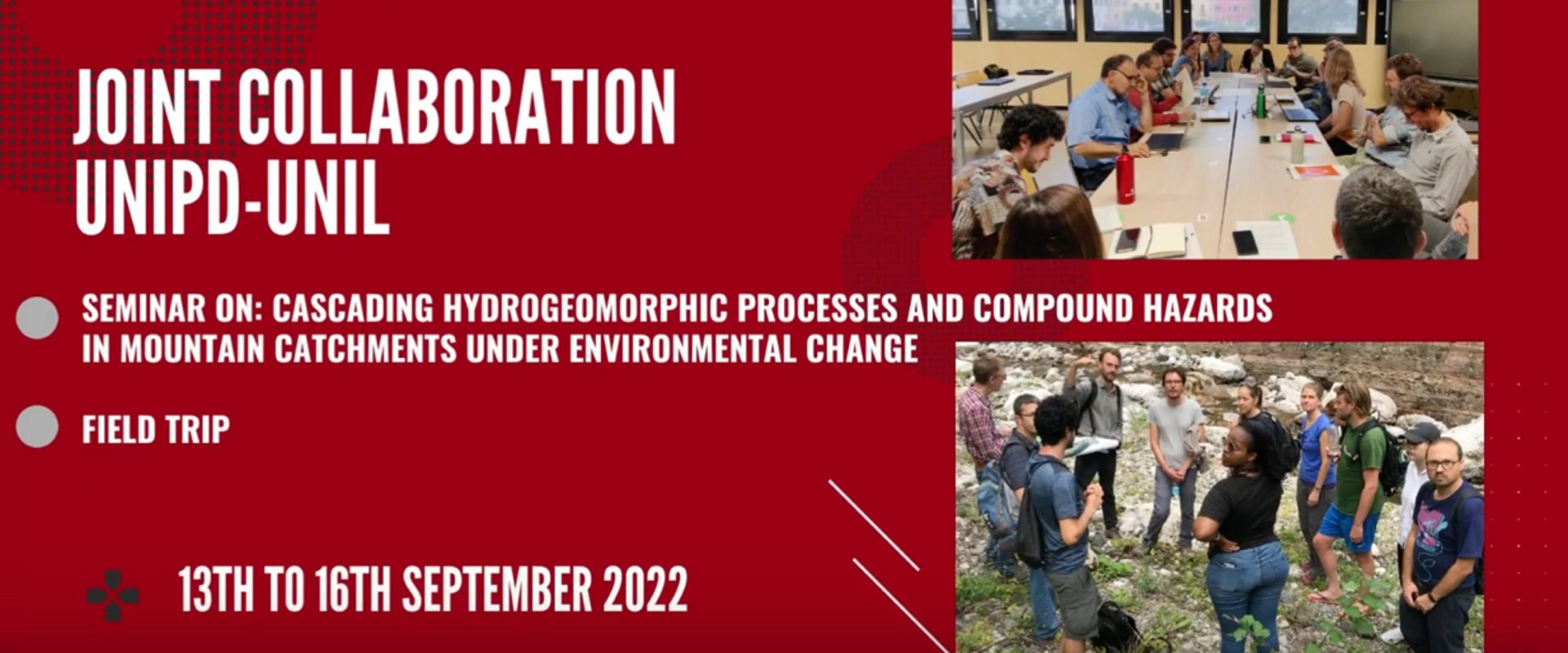
    The Seminar Cascading hydrogeomorphic processes and compound hazards in mountain catchments under environmental change took place at the University of Padova from September 13 to 16, 2022. This event, organized in the framework of the privileged partnership between UNIL and the University of Padova, had several objectives:

    • identify gaps in current knowledge concerning cascading hydrogeomorphological processes in watersheds ;
    • generate disciplinary synergies and new approaches in this field, particularly in relation to climate change. 

    Several members of the FGSE participated in this seminar organized by Virginia Ruiz-Villanueva (assistant professeur at UNIL) and Filippo Catani (professor at the University of Padova).

    Cascading risks in mountain catchments : a complex subject at the heart of current events

    Hydrogeomorphological hazards are complex processes that often cascade: they interact with each other in a kind of chain effect that can lead to significant damage. For example, a simple landslide can block the flow of a river, creating a lake that can overflow and flood an entire region. The study of such processes is currently often fragmented between different disciplines (geomorphology, geology, hydrology), which leads to a lack of understanding of these interdependent phenomena.

    Furthermore, watershed-related hazards have a significant social and economic impact and are likely to be exacerbated by climate and environmental changes. The United Nations Office for Disaster Risk Reduction noted in 2018, that globally, floods and landslides accounted for about 70% of economic losses from natural hazards during 1998-2017.

    An opportunity to create synergies of knowledge and skills

    Based on this observation, Virginia Ruiz-Villanueva (Institute of Earth Surface Dynamics, University of Lausanne) and Filippo Catani (Department of Geosciences, University of Padua) wanted to bring together scientists with complementary disciplinary expertise in various fields related to hydrogeomorphology. Benefiting from the support of the privileged partnership between UNIL and the University of Padova, Virginia and Filippo organized a seminar including lectures, field trips and workshops. Young and experienced scientists had the opportunity to exchange their knowledge and know-how and to interact with non-academic professionals, confronted with risks and their impacts in their professional activity.

    A brief overview of the seminar is presented in the video below produced by the Department of Geosciences of the University of Padua

    A very positive feed-back

    At the end of the seminar, the opinions were unanimous on the success of this approach, during which the main issues concerning the study of natural risks and hazards in mountain catchments were identified. Inter-institutional and multidisciplinary research projects could be initiated in order to address these issues, in particular by extending the current thinking to new paradigms for understanding the complex feedbacks and interactions between slopes and river processes. A more detailed understanding of how these processes occur and what hazards are associated with them will help improve prevention and minimize the consequences for the populations concerned. This is particularly important in the face of climate change. 

    More infos

  • Solution travel in porous media: from microscopic flow to macroscopic transport

    Solution travel in porous media: from microscopic flow to macroscopic transport

    An important study published in Nature Communications describes through modeling the physical influence of microstructures in porous media on the global transport of particles entrained by fluids.

    This fundamental advance in the field of fluid dynamics is anything but trivial in view of its numerous fields of application, from the environment to medicine, from scavenging in rivers to remineralization or decontamination of soils, to blood flow or to the transport of molecules in biological membranes and tissues.

    A few drops of serendipity

    How did Dr. Ankur D. Borodoloi and Dr. David Scheidweiler, two postdocs at the Institute for Earth Sciences (ISTE), successfully model fluid transport in porous media? 

    During their work in the Fluid Mechanics Laboratory, studying the transport of particles inside an artificial substrate that closely mimics the structures of porous media, these two young researchers found that their observations did not match the predictions of established models (based mainly on passive diffusion principles). In particular, they found that the particles (colloids) took significantly longer to pass through the medium than expected.

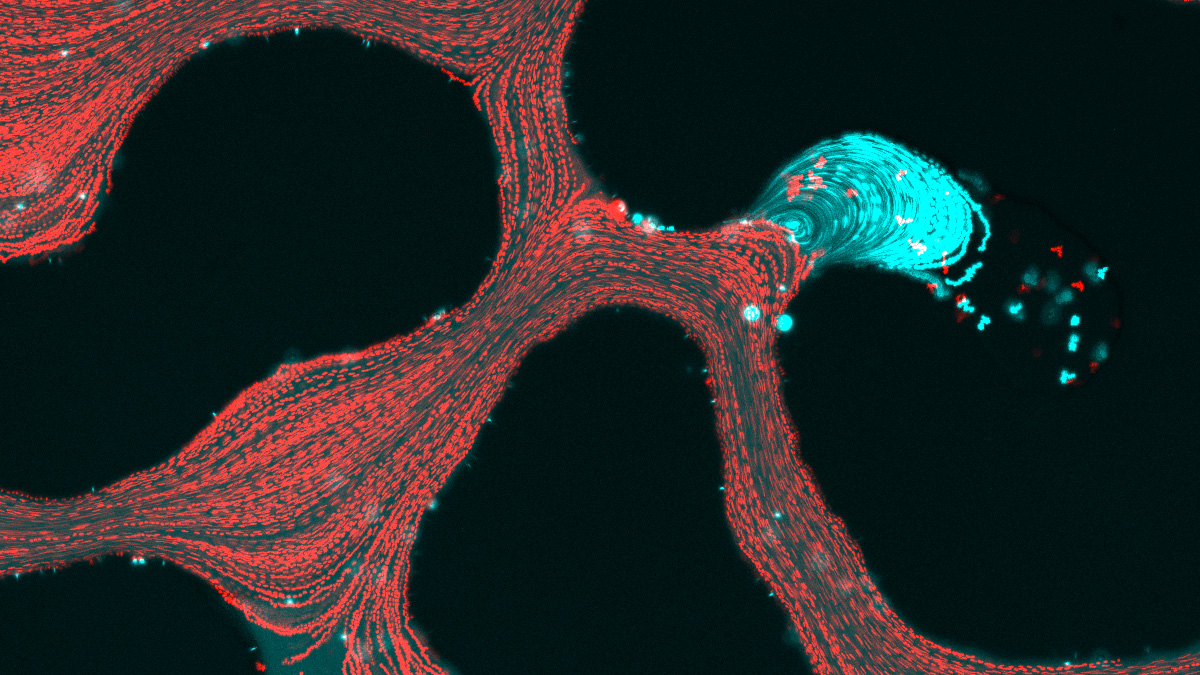
    They therefore extended their study by observing the flow of these colloids in the very heart of the microstructures constituting the substrate. By compiling thousands of fluorescence microscopy images, they were able to identify that convection currents were created inside “dead-end” pores, keeping some of the particles “trapped”. This result was unexpected, as it was not imagined that such currents could be created on such a small scale.

    A mathematical model was then established, in order to describe and predict the transport speed of microparticles and the time needed for them to cross a porous medium. The key factors of this model are the thickness of the medium and the distribution of the size of the pores it contains. A better understanding of these subtle mechanisms opens up many development perspectives. Pietro de Anna’s team is working on several projects related to this topic, including the growth dynamics of bacteria in such media. The understanding of these phenomena is particularly interesting, considering, for example, that the cells of the wall of the intestine or the kidney elaborate microvilli creating an environment similar to those studied here. Thus, the dynamics of absorption or diffusion of drug molecules in these organs could be approached under a new angle.

    The Fluid Mechanics Laboratory

    The Fluid Mechanics Laboratory works mainly on identifying the mechanisms that link phenomena that can be observed at the macroscopic level to processes that exist at the microscopic level.

    To go further with Prof. Pietro de Anna

    Why was the flow of fluids in a porous medium not better known until now?

    The flows through porous media are very slow (a few microns per second). Therefore, most scientists considered that liquids and microparticles passively pass through them without any particular dynamics and that it was sufficient to determine an average flow and diffusion velocity to describe their transport. The very complex structures of these media were also a hindrance to further studies. Indeed, no existing experimental device allowed to recreate this complexity or to obtain a fine observation of the flows within the microstructures.

    What were the key steps to successfully define this model?

    In the framework of our research, we have worked on the realization of a synthetic medium allowing us to recreate the complexity of a porous medium and to observe the flows within the microstructures. We have succeeded in realizing transparent polymer wafers (i.e. microfluidics) with an internal structure that we can shape to our needs. The microfluidics are in the form of thin slides in which we pass colloid suspensions.

    Schematic of the experiment performed: a. Microfluidic plate containing a solution of colloids. b. Zoom on the microstructures composing the microfluidic.

    Once this setup was in place, we performed several experiments measuring particle transport through the microfluidics to determine if the simple models used so far held true. We found anomalies with respect to the expected results with diffusion delays.

    Porous structures are networks of channels filled with particles or microorganisms in suspension which are interspersed with “dead-end” pores in which these flows are interrupted. These structures are present in soils, industrial filters, membranes or biological tissues. Microfluidics are designed to recreate the conditions of porous media with a homogeneous distribution of isolated channels and pores.  This method is described in more detail in the Geoblog article: Day of a researcher – Pietro de Anna

    We therefore designed an experiment that allows us to observe the transport mechanisms occurring at the microscopic level, in order to understand the unexpected effects observed at the macroscopic level.

    Prof. Pietro de Anna
    Particle flux observed at the exit of the microfluidics (blue dots) compared to the expected flux (green line). A longer time than expected is required for the colloids to pass through the medium.

    The microfluidics were filled with a suspension of colloids and a wash solution was injected into one end of the plate. The movement of the suspended colloids was determined by recording images at regular intervals using a fluorescence microscope. These images were then superimposed to evaluate the movement or stagnation of suspended colloids.

    Images of colloids in suspension at the beginning of the experiment and after 6h of treatment. The colloids present in the channels (green) are mostly washed out, while those in the pores (red) remain trapped.

    At the end of the experiment and the superposition of thousands of images, we were able to observe that a convective movement is created in the “dead-end” pores, which retains the particles inside. This is quite unexpected as it was not thought that such movements could be formed at such a small scale (about 20 microns).

    Picture of colloids swirling in a pore (in blue). This photo has been selected for the [Figure 1.A.] 2022 competition and will be exhibited at the Lausanne City Hall from September 21 to October 3, 2022.
    Schéma des courants de convection observés.

    From these observations we have developed a mathematical model to describe these vortex phenomena. This model allows to describe the transport of particles through a porous medium at any stage of the transport. The determining elements of this model are the length of the traversed material and the pore size distribution.

    Bibliographical reference

    • Bordoloi, A.D., Scheidweiler, D., Dentz, M. et al. Structure induced laminar vortices control anomalous dispersion in porous media. Nat Commun 13, 3820 (2022).
      doi.org/10.1038/s41467-022-31552-5
  • Twice as much water in the magmas of subduction zones: the secrets of the plutonic rocks of Kohistan (Pakistan) – and the Alps?

    Twice as much water in the magmas of subduction zones: the secrets of the plutonic rocks of Kohistan (Pakistan) – and the Alps?

    Othmar Müntener, Institute of Earth Sciences

    Scientists from MIT and Woods Hole Oceanographic Institution have published a article in the journal Nature Geosciences, in which it is shown that deep-seated magmas located in subduction zones contain up to twice as much water as previously measured. This discovery was made possible by the analysis of plutonic rock samples collected by Othmar Müntener (Full professor, Institute of Earth Sciences) and his team.

    Why is the water content of magmas interesting?

    Magmas with the highest water content are found in subduction zones, where oceanic water can be drawn to great depths and induce mantle melting. In these regions, violent volcanic eruptions are observed, because the more hydrated the magma, the more explosive the eruptions. The water contained in these magmas could also be at the origin of various metalliferous deposits (copper, gold or silver) enriching the elements initially in solution in the magmatic fluids. 

    The water content of magmas has been estimated so far at about 4% of the total weight. This percentage seems too low to explain these phenomena in a convincing way, and several models describing the formation of the Earth’s crust suggest that water should be more abundant. Urann and his colleagues hypothesized that the volcanic rocks studied so far to estimate the water content of magmas are too dehydrated (especially during the eruption phase), to be able to reliably reconstruct the composition of the magma in which they were formed.

    Plutonic rocks: key elements of the discovery

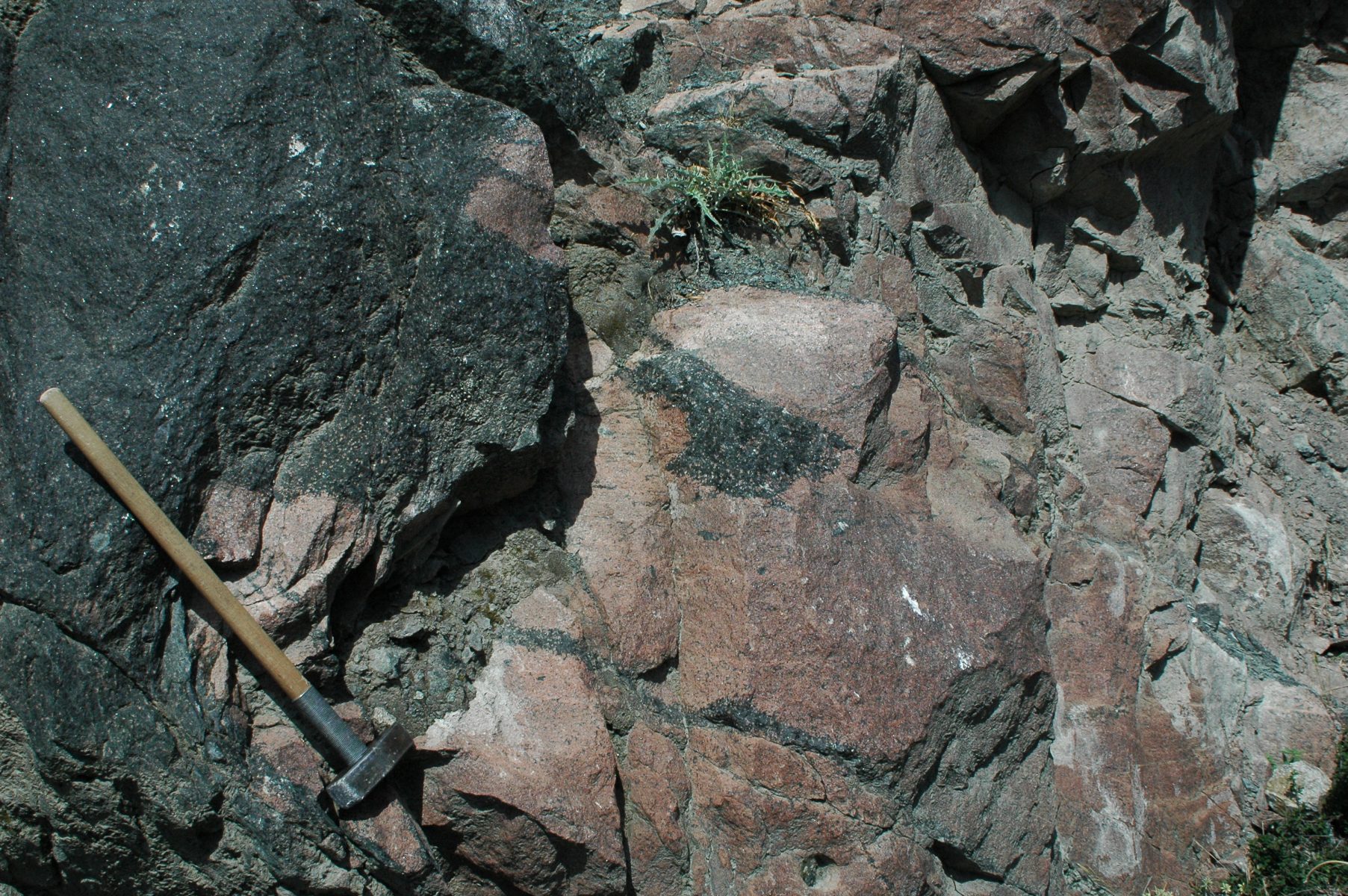
    The objective of this research was therefore to work on rocks that were not very denatured and had not undergone eruptive phenomena. Othmar Müntener and his team had already been interested in such rocks and had led an expedition in 2007 in the Kohistan region (Pakistan) to study and sample them. This remarkable site contains rocks that were formed at depth by slow crystallization and that came to the surface during the surrection of the Himalayas (so-called plutonic rocks). The minerals and their water component represent faithfully the composition of the deep magma in which they were formed. As the sites in Pakistan have become difficult to access for European or American researchers, the samples collected during the 2007 expedition were analyzed in this study. The principal authors of the Nature Geosciences article note the incredible freshness of these rocks, which show no obvious signs of disturbance in the crystals they contain.

    Plutonik rocks used in the study of Urann et al. : garnets (in red) and clinopyroxene and hornblende (in black)  (photo : O. Müntener)

    Results and perspectives

    The analysis of the plutonic rock samples was carried out by ion probe and their water content measured indirectly after the establishment of various standards. The results obtained indicate that the magmas in which these rocks were formed contain a water content twice as high as that estimated so far, i.e. 10 to 12% of the total weight. These results open new perspectives for the interpretation of the formation and composition of the Earth’s crust. We can imagine, for example, that degassing of magmas starts  deeper than commonly assumed. Similarly, some observations of magmatic rocks in the Alps can be explained by the presence of rocks with a high water content (see box).

    The plutonic rocks collected by O. Müntener are currently the subject of two other research projects.

    In a paper published in February 2021, O. Müntener and his colleagues had already hypothesized that superhydrous magmas should exist in Alpine subduction zones. Observations made on magmatic rocks of the Alps (notably in the Adamello region, Italy) indicate the predominance of plutonic rocks over volcanic rocks and thus a reduced volcanic activity at the time of the collision of the Adriatic and Eurasian plates. O.Müntener explains this limited volcanism in the Alpine chain by a low convergence rate hindering convection in the mantle corner. Consequently, the pulsed release of fluids in the subducting plate controlled the formation of superhydrous magmas.  The discovery of a water content of subduction zone magmas significantly higher than previously estimated, supports this hypothesis.

    Reference : O. Müntener, P. Ulmer, J. Blundy : Superhydrous Arc Magmas in the Alpine Context, Elements, Vol 17 – number 1, février 2021 [abstract]

    Référence bibliographique

    • B.M. Urann, V.  Le Roux, O.  Jagoutz, O. Müntener et al. High water content of arc magmas recorded in cumulates from subduction zone lower crust. Nat. Geosci. (2022).
      doi.org/10.1038/s41561-022-00947-w
  • Price of European Geosciences Union awarded to Mikhail Kanevski

    Price of European Geosciences Union awarded to Mikhail Kanevski

    Mikhail Kanevski, Institute of Earth Surface Dynamics

    The EGU Ian McHarg 2022 Medal was awarded to Mikhail Kanevski for his outstanding work in environmental data processing, integrating geostatistics, machine learning algorithms and other digital transformations.

    Mikhail Kanevski is Honorary Professor at IDYST in the Geosciences and Knowledge Discovery in Data research group

    His scientific interests cover a wide range of topics: geographic information science, environmental modeling, spatial statistics, time series forecasting, machine learning and data mining. The main applications are in natural hazards, pollution, and renewable energy analysis and assessment. On the occasion of the awarding of this medal, Mr. Kanevski tells us about his research field.

    You obtained a PhD in plasma physics. Why did you turn to geosciences afterwards?

    The triggering event was the accident at the Chernobyl nuclear power plant. Following this event, many questions were addressed to scientists in order to determine how to deal with the damage caused and the pollution that followed. I was thus led to model the environmental risks of pollution by radioactivity.

    Then the scientific curiosity and the very interdisciplinary aspect of the field of geosciences and environment encouraged me to remain in this field. Twelve years after my thesis, I obtained a habilitation in the field of environment and data analysis. 

    What has been your career path within the FGSE?

    Since 1993, I have collaborated a lot with Michel Maignan, (currently Honorary Professor at ISTE), with whom we have developed many projects related to environmental data and risk analysis. In 2004 I was hired at UNIL in the newly created FGSE. My FNS projects were oriented towards fundamental questions of data analysis and modeling using statistics, geostatistics and machine learning. The applications of the projects were: topo-climatic modeling and different types of natural hazards: avalanches, forest fires, landslides, pollution (air, soil, indoor radon). In particular, we have established risk maps that could be used as a reference for the decisions taken in the management bodies of the territory. Then the projects have evolved in parallel with the technologies and tools available to move towards the processing of more and more data and artificial intelligence.

    How has your field of research evolved over the last 10 years?

    The tools have of course evolved a lot: the amount of data available as well as their quality has greatly increased thanks to satellites and monitoring networks. In Switzerland in particular, the density and quality of data is very good. At the same time, computer tools and computing power have made it possible to process this data in an increasingly complex and detailed manner. During my career in FGSE, the field of data sciences has known different waves alternating enthusiasm and disappointment. Nowadays it has become a “basic” tool for many researchers.

    What are the limitations of data science?

    Whatever the analytical performance, the most important thing is the starting question and hypothesis. The problem must be clearly identified and the question correctly posed for the data processing to provide a valid answer. Next, it is important to ensure the quality and relevance of the data collected, and to know how to interpret the relationships obtained between the various parameters studied. Today, cause and effect relationships can be deduced automatically from the results obtained through data processing and advanced algorithms. In this sense it is important to be able to rely on a good knowledge of the rules and equations of geophysics, geochemistry or other, which define the mechanisms and allow a good interpretation of the results. Today interpretability and explicability of the data science results (how and why an algorithm takes a particular decision), especially obtained by machine learning, are one of the major challenge.

    What does this medal represent?

    This award is a recognition of the work of a whole team that has contributed a lot to the field. The many theses and projects I have supervised have continually advanced my research. I am excited to see the new generation of researchers who are now coming up with a very interesting background and complete training in both geosciences and data analysis. This will undoubtedly change the field and the way the issues are approached. Over the years, accompanying young researchers has been as much a pleasure as a job.

    General Assembly of the EGU

    Mikhail Kanevski will receive his medal on May 23, during the General Assembly of the EGU in Vienna.

  • The paleoenvironment of Chengjang Biota: a sedimentological study leads to an unexpected result

    The paleoenvironment of Chengjang Biota: a sedimentological study leads to an unexpected result

    Romain Vaucher, Institute of Earth Sciences

    The Chengjang Biota is a fossil assemblage of high importance, particularly with regard to its faunal richness and the quality of conservation of the species it contains. Romain Vaucher, a post-doctoral fellow at ISTE, contributed to research led by Farid Saleh (Yunnan University)  which determined that the paleoenvironment of this site was a delta.  This completely new result earned the research team a publication in the journal Nature Communications.

    The Chengjang Biota: a privileged witness of the Cambrian Explosion

    The Cambrian Explosion (or zoological big bang) occurred over 500 million years ago. During this key event in the evolution of species, many plant and animal forms differentiated in a relatively short period of time (a few tens of millions of years). Several fossil sites bear witness to this pivotal period, one of most famous being the Burgess Shale, discovered in 1909 in British Columbia (Canada).

    In 1984, another remarkable fossil site was discovered in what is now Yunnan Province in China. This site contains the fauna of the Chengjang Biota that also lived during the Cambrian Explosion. It is one of the oldest identified fossil deposits (~ 518 million years ago), containing more than 250 exceptionally well-preserved animal species.  This site of high scientific importance was classified as a UNESCO World Heritage Site in 2012.

    Numerous researches have provided precise information on the fossils of this site. However, the environment in which animal evolved is still not well defined. The weathered outcrops studied so far have been degraded by natural erosion preventing the detailed analyze of the sedimentary deposits. Interpretations of these outcrops indicate that the environment must correspond to a marine shore. Still, until now there has been no consensus on the nature of this shore and the living conditions prevailing there (influence of waves, tides, depth, etc.), nor the conditions that have promoted the exceptional preservation of the fossils.

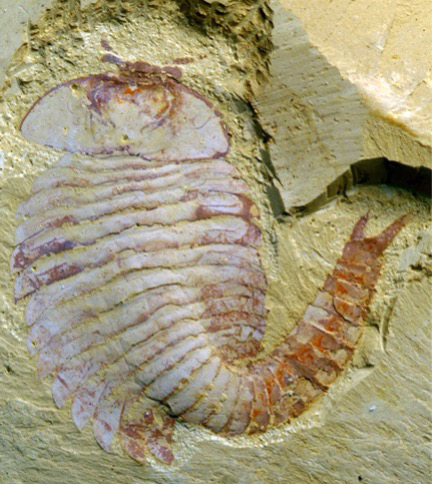
    Two examples of exceptionally well-preserved fossils at Chengjang Biota : on the left Cricocosmia (ver marin, embr.Priapulida) on the right Fuxianhuia (embr.Arthropodes) (pictures © Xiaoya Ma)
    The study of fine sediments to determine the paleo-environment 

    Given the importance of the Chengjang Biota site, and advances in sedimentology over the past 20 years have motivated the drilling of a 130 m-long core in the fine-grained rock hosting the Chengjiang Biota, to study the structure and dynamics of successive deposits and better understand its paleoenvironment.  An international research team including taphonomists, geochemists, paleontologists has studied these sediments.  Romain Vaucher played the role of expert for the interpretation of sedimentary structures.  During his PhD, some of his work was focused on the Fezouata Shalean Ordovician site of exceptional fossil preservation in Morocco.

    Analyses of the sedimentary layers of the core have revealed highly variable sedimentation conditions. The authors noted turbidity indicators that correspond to a coastal area influenced by waves and storms, and deposits corresponding to more or less intense mud influxes. The salinity level was also found to be variable between the different layers. This pattern of depositional succession could be attributed to the joint influence of river and marine processes, leading to the conclusion that the Cambrian Chengjang Biota inhabited a delta. The sedimentary structures observed along the core correspond to those that can be observed on present-day deltas.

    Idealized core intervals are shown for each type of deposit. Animals inhabited an oxygen-rich delta front and were transported by different types of flows to a more distal setting where preservation occurred under oxygen-depleted conditions. HCS hummocky cross-stratification.
    The unexpected result of this study: the Chengjang Biota evolved in a delta area apparently unsuitable for thedevelopment of life

    Rich and well-preserved fossil sites are generally described as having benefited from stable environmental conditions, such as deep marine shores. These conditions appear to have been favorable for the development of life in the Cambrian and to be the constant for exceptional conservation sites of fossils.

    The fact that animal life developed so prolifically in a delta area was quite unexpected. Indeed, this environment represents a high level of stress for living organisms, both in terms of variations in salinity or oxygenation of the water, as well as in terms of irregular and massive contributions of sediment carried by the river floods. These hard conditions are also reflected in the composition of the fossils on the site. For example, in some areas, there are many fossils of juvenile organisms, which were certainly buried by the brutal contribution of mud carried by the floods of the river and  the absence of echinoderm fossils reflects that the salinity of the water was too variable for these organisms. 

    The exceptional preservation of the fossils in such an unstable environment is also a new discovery. According to the observations made on the core, the zone in which the fossils were best preserved is that corresponding to the pro-delta (between the mouth of the river and the seabed). At this point the turbidity is relatively low and a regular sediment supply by the river favors the rapid burial of the carcasses. 

    At present the Chengjang Biota is the only site related to the Cambrian Explosion for which a delta-like environment is described. Further analysis of sediments from equivalent sites may reveal less stables living and fossilization conditions than those currently accepted. 

    Bibliographic reference

    Farid Saleh, Changshi Qi, Luis A. Buatois, M. Gabriela Mángano, Maximiliano Paz, Romain Vaucher, Quanfeng Zheng, Xian-Guang Hou, Sarah E. Gabbott & Xiaoya Ma (2022) The Chengjiang Biota inhabited a deltaic environment.  Nature Communications

    *Dr Farid Saleh is a post-doctoral fellow at Yunnan University in China. In 2020, he received his PhD from the University of Lyon 1 (France), for his contributions on the exceptional preservation of the Lower Ordovician of Morocco. Currently, he is studying the exceptional preservation of the Lower Cambrian in China.

  • Climate change in the fjords of southern Greenland

    Climate change in the fjords of southern Greenland

    A interdisciplinary research project will be launched in summer 2022

    Laine Chanteloup, Institute of Geography & Durability
    Samuel Jaccard, Institute of Earth Sciences

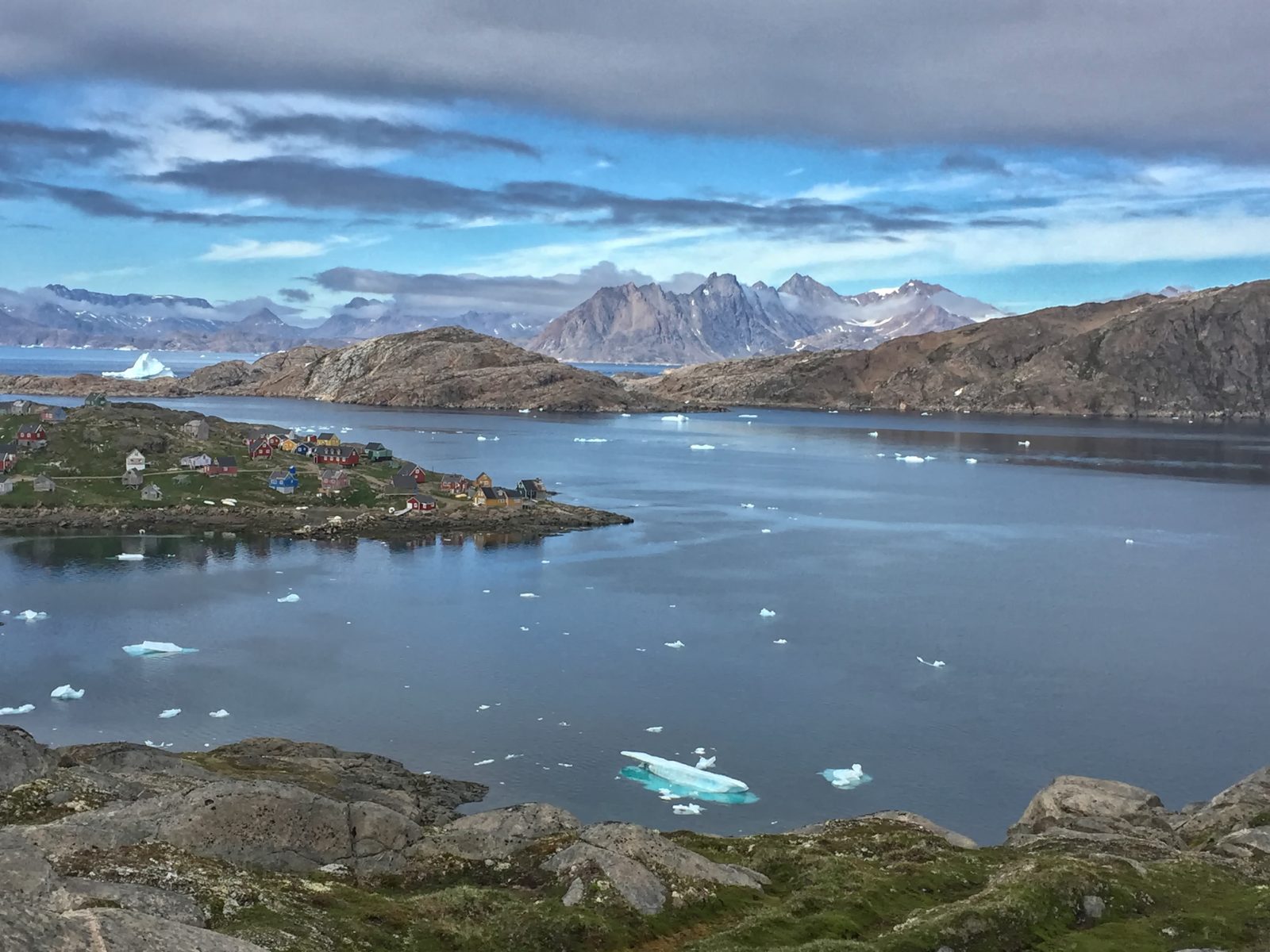
    In the framework of the Greenlandic Fjord ecosystems in a changing climate: Socio-cultural and environmental interactions project funded by the Swiss Polar Institute, Laine Chanteloup (Institute of Geography & Durability) and Samuel Jaccard (Institute of Earth Sciences) will be part of an interdisciplinary team of scientists, who aim to understand the ecosystem of Greenland’s fjords in the context of climate change. 

    © Biserko | Dreamstime.com

    What is the objective of this project?

    The aim of the project is to better understand the fragile ecosystem of the fjords of southwest Greenland, and its evolution in the context of climate change. It will also allow to refine models used to predict the evolution of this ecosystem and its climate, and to draw consequences for local communities. Multiple analyses will be carried out on the various components of the fjords, including the cryosphere, ocean, atmosphere, soil and biosphere.  

    The local populations will also be involved in the research, and interviews will be conducted to assess their relationship and dependence on the fjord ecosystem. This new knowledge aims to develop a integrated understanding of the consequences of melting glaciers on biodiversity, the challenges that different ecosystem transformations may  bear on local communities that live from fishing and agriculture, and to better quantify the transfer of carbon between the different natural reservoirs.

    How did this project start?

    This project was initiated following a call for projects by the Swiss Polar Institute SPI Flagship Initiatives, which is intended to fund large-scale interdisciplinary projects in both polar and mountainous regions.  This call inspired several researchers who had already worked together on expeditions in polar regions previously.  Once the research theme and location were identified, the team was formed as the project developed. The disciplinary diversity covered by the team members will allow a systemic and interdisciplinary research approach. 

    Why Southern Greenland in particular?

    Southern Greenland was selected for several reasons: i) it is a region where global warming is more pronounced than elsewhere on the globe (on average 2.5 to 3°C against 1.1°C on the whole planet) and where the impact of warming are particularly salient;  (ii) the north of Greenland has already been the subject of several studies, unlike the southern part;  iii) fjords represent interesting interfaces between terrestrial and oceanic environments, while being subject to the influence of glacier metling ; iv) the presence of inhabited areas makes it possible to integrate an additional dimension into this research, and to evaluate the impact climate change imposes on the livelihood of local communities and their perception of acceleated change on their environment.

    What will be your respective roles in the team?

    Laine Chanteloup : I have been working for several years with indigenous peoples in the Canadian Arctic, on the evolution of socio-cultural relationships to the environment. My role in this project will be first to better understand the ways in which Greenlanders think about their relationship with the fjord environment. Then I will look at their perceptions of the evolution of landscapes in the context of climate change, and how they experience these transformations. A considerable challenge in this approach will be to be able to dialogue with the inhabitants since the two most spoken languages in Greenland are the Kalaallisut and Danish. 

    Samuel Jaccard :  I will lead the “ocean” part of the research project and in particular the documentation of the carbon cycle in the fjords: the carbon cycle depends on many factors including the growth of microalgae that capture and synthetize CO2 from the atmosphere via photosynthesis. When glaciers melt terrestrial organic matter and nutrients are transferred to the fjord via runoff. The question is how the influx of freshwater influences the circulation in the fjords and to what extent nutrient input affects CO2 uptake. Two expeditions of 2 to 3 weeks each on a research vessel are planned in 2023 and 2024. During these expeditions, measurements of oceanic and atmospheric parameters will be carried out. The ice-reinforced research vessel will make it possible to penetrate far into the fjords and get as close as possible to the glacier tongues.

    What will be the challenges of this interdisciplinary work?

    As a first step, it will be necessary for the members of the team to develop a good understanding of each other’s disciplinary approaches.

    Logistical aspects will also be very important. The environment of Southern Greenland is isolated and remote, and climatic conditions can be changing rapidly, which requires careful organization of the logistics to guarantee a smooth implementation of the research. 

    One of the first activities to be carried out in the field this summer, will be to inform and obtain feedback from the local population on the content and objectives of the project. Greenland is subject to various research initiatives, some of which are related to mining and oil resources. These are not always well perceived by the inhabitants and sometimes create mistrust towards the scientific teams.  Contacts have already been established with the Greenlandic authorities in order to outline the project and to obtain the required research permits. 

    Finally, it will also be necessary to be careful to maintain a balance between the number of people on site and the local population. It will be opportune for several team members to meet in the field and share their experiences and carry out common activities, while trying to create relationships of trust with the inhabitants. 

    Activities should be concentrated in July and August for most of the members: at this period, the weather conditions are the most favorable for expeditions at sea or in the fjords. It is also at this time of the year that the ice melt is the most pronounced. For the studies in connection with the local population, it is sometimes preferable to go there outside the summer when people are very busy and do not necessarily have much time to share with researchers. 

    This first year of fieldwork will be very important to set up the project, to identify the interesting study areas, as well as to get in touch with the inhabitants and to dialogue about our approach.

    What is your state of mind a few months before the first step on the field?

    Laine Chanteloup : I am excited to start working with Greenlanders, discovering this island and the communities that live there. It’s always exciting to discover new people, and to interact with an Inuit society that is different from the Nunavimmiut partners (inhabitants of Nunavik, northern region of the province of Quebec) I am used to working with. The other challenge will be to integrate into a team with new Swiss colleagues in environmental and climate sciences, who are working on areas quite distant from my research community. It’s a motivating challenge and I’m looking forward to this experience.

    Samuel Jaccard : I am very excited about this new experience. I have already participated in several expeditions in the polar regions and it is always a privilege to be able to participate in such research. Southern Greenland is still relatively unstudied, which gives this project a discovery aspect. In addition, we will be a team with expertise in a variety of disciplines, which will allow us to conduct a very comprehensive research over all aspects of climate change in a given environment.  The fact that two FGSE members representing two different institutes are involved is a great example of collaboration and may be an inspirating experience for students or young researchers.

    The SPI Flagship Initiatives Greenlandic Fjord ecosystems in a changing climate: Socio-cultural and environmental interactions project  will start on April 4th 2022, with a first meeting of all team members. A communication program is planned over the duration of the project, with the presence of journalists on site and regular reports from researchers on a dedicated website.

    Swiss Polar Institute

    The Swiss Polar Institute is a foundation recognised by the Swiss Confederation.  Its objective is to facilitate research in polar and high-altitude environments (Andes, Himalaya, Alps), in order to observe and understand the mechanisms and effects of climate change in these sensitive areas. Various funds are regularly put out to tender to support mainly the logistical aspects of the projects, and a grant is also specifically dedicated to master and doctoral students.

  • The Origin of Gold: this precious metal has now its geoforensic passport

    The Origin of Gold: this precious metal has now its geoforensic passport

    Barbara Beck, Institute of Earth Sciences

    Within the framework of an Innosuisse, Dr Barbara Beck, researcher at the Institute of Earth Sciences and specialist in archaeometry, has developed an innovative, rapid and low-cost method to validate the origin of gold samples processed by refiners in Switzerland (project carried out in collaboration with the company Metalor).

    From the silver trade in Valais to gold refining

    As a specialist in archaeometry, B. Beck had developed during her thesis a method to determine the chemical signature of lead and silver ores from Valais mines. Thanks to this signature, she was able to retrace the commercial circuits established in this region from the Iron Age to the Middle Ages.

    After adapting her method to other metals such as copper, B. Beck oriented her research on gold, thus getting involved to more current issues. Indeed, between 50 and 60% of the world’s gold production is refined in Switzerland. The various stakeholders (State, refiners, control bodies) are concerned about being able to validate its origin, in order to guarantee that it comes from an ethical and environmentally controlled production (see also links at the end of the article).

    A collaboration between scientific research and private enterprise

    Initiated in 2016, and concretized in 2019, an Innosuisse project was conducted jointly by Dr. Barbara Beck and the company Metalor (one of the world’s largest gold refiners). The objective was to develop a fast and reliable method to confirm the origin of gold processed in refining lines. B. Beck was given access to gold samples from various sources as well as a database of chemical analyses of the company’s dorés(unrefined gold bars). For its part, Metalor has benefited from the development of a method for confirming the origin of its dorés.

    A fast and low-cost method

    The method used had to be quick and inexpensive (=integrated into the refining process). The dorés are analyzed by X-ray fluorescence (ED-XRF), which makes it possible to measure the proportion of about twenty elements in the sample. By comparing this chemical “signature” with those of the samples registered in the database, the origin of the dorés can be confirmed and its geoforensic passport established.

    In about 10% of the cases there is still a doubt about the origin of the sample. There may be variations in the composition of gold ores of the same origin, depending on the veins mined or the treatment of the samples after they leave the mine. In these cases, an isotopic analysis is performed for a more precise evaluation.

    Supplier’s geoforensic passport: three-dimensional projection of a principal component analysis (PCA) of the analyzed samples. The total statistical analysis includes about 15 axes. Each point corresponds to a doré of this supplier. The different colors refer to dorés from different veins.

    The method is based on complex statistical analyses taking into account the twenty or so factors describing the chemical composition of the samples. B. Beck designed the statistical model and developed a computer program that allows the almost instantaneous interpretation of the chemical composition of the dorés, confirming – or not – the origin of the sample.

    A multiple and international interest

    The results obtained confirm that this method is efficient in determining the origin of gold from industrial mines. It is fast and low cost and allows refiners to have some control over their suppliers. These results have been published in several international journals. Several refiners, jewelers and trade authorities showed interest in the method, including the London Bullion Market Association (LBMA – the trade association that manages the rules of the global gold market), which praises its contribution to confidence and transparency in the precious metals trade.

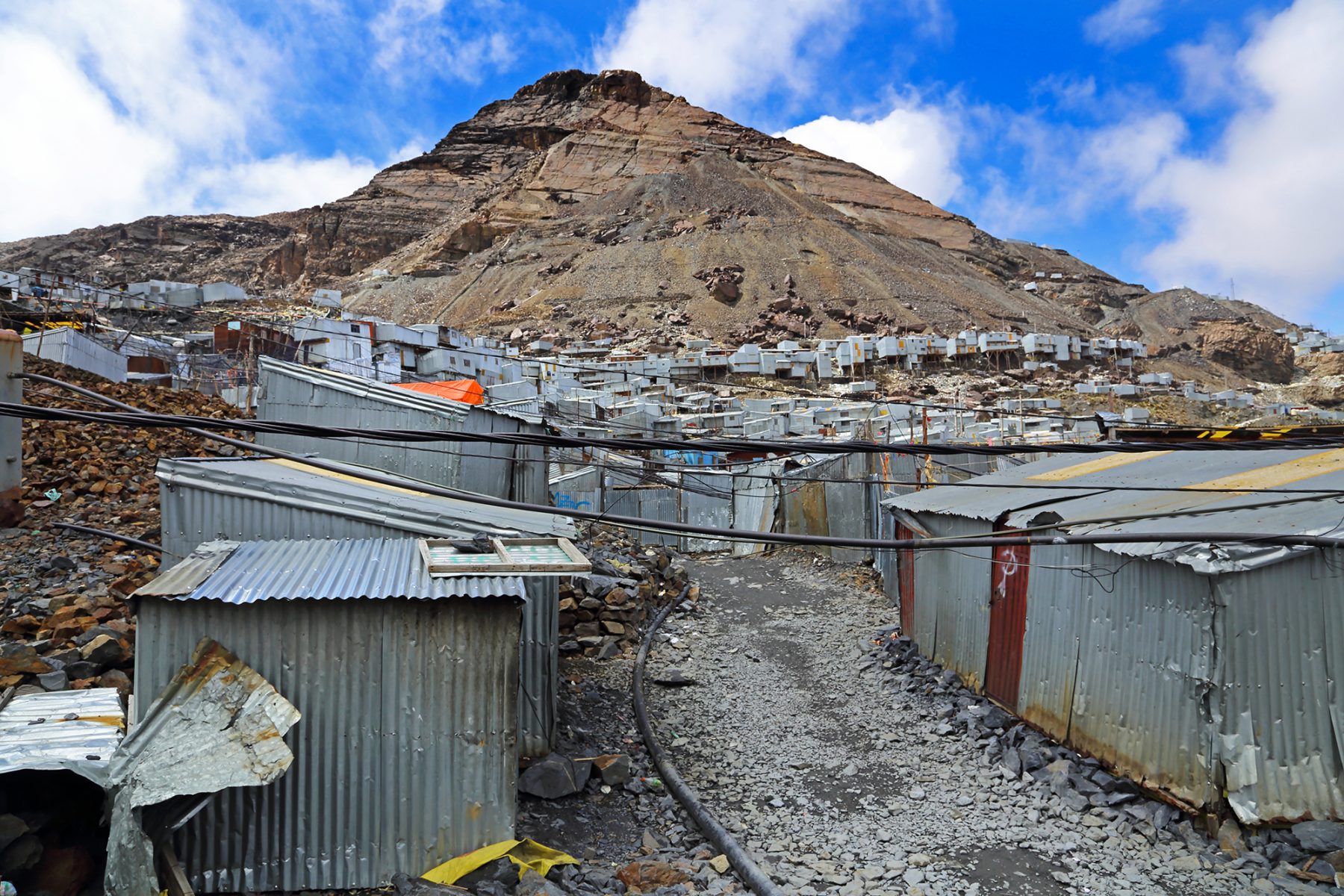
    Two women on mine spoil in La Rinconada, Peru (photo B. Beck)

    Beyond science and methodology, this experiment raises sociological and ethical issues, related to the exploitation of valuable resources such as gold in often very poor regions: to what extent does the local population benefit from industrial mining, often in the hands of foreign companies? What is the balance between the much-needed income from artisanal and small scale mining and the ecological balance of such operations

    The Field Experience – A Modern “Gold Rush

    B. Beck went to Peru to collect samples. She was supported by the Swiss Better Gold Association and the Swiss Embassy, which facilitated contact with the artisanal miners, who are often very suspicious of foreign journalists and researchers. The reason for this is the sometimes extremely difficult living conditions (high altitude, no running water, corrugated ironhouses), random state structures, and flourishing criminality, making them an easy target for outside criticism. However, these artisanal and small scale mines bring a modest but important income to the local economy, which evolves in total contrast with the very little developed societies of the nearby valleys. In spite of the sometimes very bad reputation of these mines, they bring financial perspectives to a population often forgotten by the State. This situation is becoming a real headache: a growing but neglected society, more or less managing in an illegal supply chain, sometimes unaware of environmental and social challenges.

    For the future, B. Beck would like to work more on gold from artisanal mines, and follow the evolution of its chemical composition at different stages from extraction to refining.  This would allow the integration of the artisanal sector into a legal supply chain, and thus provide the basis for environmentally and socially responsible mining. She would also like to develop her method on other “critical” resources such as rare earths. 

    Barbara Beck and her research projects

    Innosuisse is the Swiss innovation promotion agency. Its strategic objectives are defined by the Federal Council and aim in particular to accelerate the transfer of knowledge from research to the economy. Various promotion funds are offered to encourage the connection between companies and scientific research, as well as the application of research results. They are presented on the Georeka website.

    Since 2021 Innosuisse and the SNSF cooperate closely on funding instruments.

  • Realize a project to create a start-up?

    Realize a project to create a start-up?

    Meeting with two alumni of the FGSE (IDYST)

    Federico Amato and Fabian Guignard, former young Their project was supported by the UCreate3 accelerator program of the UNIL Entrepreneurship and Innovation HUB in autumn 2020. They share this experience with us. 

    How did your collaboration and the idea for your project come about?

    We met during our work at the IDYST research group: Geosciences and Knowledge Discovery in Data (GeoKDD) (Federico as a post-doc and Fabian as a PhD student). Our research covered multiple aspects of data analysis: spatial statistics and modeling techniques, machine learning, artificial intelligence, environmental risks and energy potentials modeling.

    We quickly realized that these approaches and our expertise had potential for interest outside the academic world. Indeed, private or public sector companies must adapt to climate and environmental issues. To do this, they often have to process complex data. However, these organizations do not always have sufficient financial or human resources to process these data.

    Our profile allows us to interact as competent interlocutors on both sustainability and environmental issues environment, as well as on data analysis requiring complex IT models and tools. By leveraging this dual background, we can take concrete actions in favor of the climate, helping companies to be more resilient to climate change or to optimize their activities in more sustainable models.

    What does Grinsight propose, what are the projects developed?

    Grinsight (a mix between green and insight) aims to offer support to companies, public services or NGOs that wish to assess the environmental impact of their activities or to reorient their operations or business model towards more sustainable solutions.

    The support focuses on three areas: 

    1. helping the organization to define the problem it wants to solve and identify the data useful to find solutions; possibly helping to collect these data,
    2. define a strategic development plan based on the analysis of the data collected; identify the impacts of climate change on the organization and/or the possibilities to reduce its carbon impact,
    3. develop a risk-management plan to prevent potential risks related to the organization’s future activities.

    The field of application is very broad and fits into various sectors of activity. Our service can range from the creation of socio-environmental models for public administrations and NGOs, to the use of satellite and meteorological data to evaluate the impact of global warming on the frequency of hail events in our region.

    However, the current objective is not to canvass all directions. Grinsight remains for the moment a secondary activity. Our main activity is in the areas of innovation, research and development in data science. One of Grinsight’s goals is to facilitate the transfer of this academic knowledge to concrete applications within society.

    What were the steps to set up the project and to participate in the UNIL Entrepreneurship and Innovation HUB?

    When the idea of setting up a start-up matured towards the end of our FGSE course, we looked for levers that would allow us to make it happen. Among several solutions (PACTT, HUB UNIL…) we opted for the UCreate 3 program (HUB UNIL) because it was the one that was the closest to a first step. We wrote our project idea on a few pages and submitted our application in September 2020. Our project was selected among 12 projects (out of more than 60 proposed) for the first round. We then participated in an interview that allowed us to be among the 7 projects finally supported.

    UCreate3 provided us with various types of support:

    • a sum of CHF 10’000.- which allowed us to develop the visual identity of Grinsight (logo, website etc.)
    • courses and personalized coaching follow-up that forced us to free up time to think about our project and to precisely define the business model (which we do not necessarily do spontaneously when we are busy with our daily work). The coach’s contribution throughout the project was very beneficial.
    • support of conducting a desirabilitystudy.  This consist of contacting potential clients to present the company and its services to them, to see if our proposal arouses any interest. This step was very useful: it taught us to dare to pick up the phone and to formalize our services. We were able to establish a first contact that finally materialized into two mandates the following year.

    During the development of the project, we had to explain our objectives to people who were not in the field. This required us to learn how to communicate to a business-oriented audience, which requires a different language than the academic world. We therefore had to popularize our discourse and focus on our services.

    What advice would you give to UNIL PhD students /post-doc fellows who are thinking of starting their own business?

    The UNIL Entrepreneurship and Innovation HUB, as well as PACTT, are accessible and offer concrete help. Innosuisse also offers a range of tools for all those who want to explore the possibility of transforming their research into an application that could lead to the creation of a company. Whatever the option chosen, if an idea seems interesting, one must go through with it. Even if in the end the company does not succeed or lasts only for a while, you learn a lot during the different steps: better communicating, formalizing ideas for a non-scientific audience, going outside your framework to contact companies etc… Moreover, this experience is enriching. It allowed us to discover facets of ourselves that we will be able to value on a CV.

    What is Machine Learning?

    “Machine learning” is a family of algorithms, belonging to the field of artificial intelligence that can learn automatically from experience, without the learning rule being explicitly programmed to do so. The basic algorithm does not change, but improves its results as the amount of data presented to the computer becomes larger and larger. 

    You can find all the calls for projects to support the transition and company creation on Georeka website  for FGSE researcher: InnosuisseBridge.

  • Interview with Gerta Keller

    Interview with Gerta Keller

    Gerta Keller, Princeton University

    Interview with Gerta Keller about her conference in Lausanne: Dinosaur wars: how Deccan volcanism trumped the meteorite.

    Prof. Gerta Keller gives us her thoughts on some current issues, on the scientific controversies that continue to agitate her field and on her own scientific approach.

    Are observations you made on climate and ecosystem changes at K-Pg transition time similar to those that are observed today? To which extend do you think there is a parallel between Cretaceous extinctions and today’s situation?

    Gerta Keller : Yes, the situation seems very similar, except that nowadays the climate change is really faster. During the Cretaceous, volcanoes released a large amount of CO2 into the atmosphere. This induced global climate warming and ocean acidification. That is exactly what is observed today around the world. During the KPB mass extinction, an increase of 2° Celsius in less than 1’000 years lead to the climate tipping point causing the mass extinction. Today, we are on the way to achieve 1.5-2° warming in 30-50 years. We have already lost an estimated 50% of the biodiversity. We don’t see it because it concerns mostly species that are not visible, such as bacteria, fungi, and other microorganisms plus much of the marine life in oceans and seas. We are on the way to the next major mass extinction, caused by mankind; it will mark the 6th mass extinction in Earth’s history and we may be the dinosaurs of this mass extinction.

    What do you think about the COP26 conference? 

    GK : I think that there was no progress made at this conference. That was disappointing because all the elements were there to show that something has to be done and quickly. People ae not ready to understand that we are at a critical point and the real consequences of global warming on the environment and society are very grave. I am very pessimistic about the future with risks of the rising sea level, submerging coastal cities, big loss of land for cultivation leading to starvation and consequently migrations fueled also by climate warming. As long as the few super-rich can influence the debate according to their own interest and well-being, it will be difficult to move things along and safe our planet.

    In the title of your seminar you used the term Dinosaur “wars”: why? and why is this controversy still debated so intensively today ? 

    GK : LeThe four decades long investigation of the end-Cretaceous mass extinction was indeed, and still is, long-term science warfare. Virtually all sciences have encountered such acrimonious warfare over the centuries. So, though rare, this is not unusual and each such long-term ‘warfare’ seems to follow the same blueprint (described by Thomas Kuhn, 1962, Structure of Scientific Revolutions; Lee Smolin, 2006, The Trouble with Physics). The war always concerns a popular topic and the dominant group fights for fame, glory and power corrupting evidence that doesn’t fit. Today, this war involves fossil fuel industry, big business, the billionaires that made their money in the fuel industry, politics and government. In the science it comes down to fighting truth with lies. The Dinosaur Wars follow the same patterns described by Kuhn and also Smolin. The reason the debate is still continuing today is the escalation of climate warming due to humans’ fossil fuel burning, our impending mass extinction caused by mankind, and the climate warming deniers. This climate warming catastrophe has been recognized since officially since 1980 and nothing has been done to rain in the greenhouse gas escalation (CO2) – not even the 2021 United Nations Glasgow Climate Conference could reach a solution that has teeth in to slow down, and better yet eliminate the rapid rise of climate warming that leads us into the next mass extinction well before the end of this century.

    Why did you doubt the impact theory so early and so firmly?

    GK : In the 1980’s, I was already conducting research on the dinosaur mass extinction. I was looking for evidences of climate and environmental changes that could explain extinctions. When I heard about the Alvarez’s impact theory, I wanted to find evidence that supported the proposed meteoritic impact. But found none. On the contrary, I found elements that were inconsistent with it. For example, I observed impact glass spherules, which originated from an impact, well before the mass extinction and also well above it separated by 100,000 to 300,000 years. The oldest and primary impact layer in the Cretaceous predated the mass extinction by 200-300 thousand years. Subsequent spherule layers were eroded from the primary deposit over time by currents and re-deposited still below the mass extinction and in other areas well after the mass extinction by the Gulf Stream current. It was clear that the impact was not the cause of the KPB mass extinction. There had to be another catastrophe. This impact spherule evidence didn’t fit the impact theory and was therefore dismissed.

    In the 1980s, another scientist, Dewey McLean, had already proposed that the massive extinction could be attributed to very high volcanic activity in the Deccan Volcanic province of India. This was more in agreement my research results. Over the past 15 years, my research focused on volcanism in India and its effects on climate, environmental changes and the mass extinction. 

    Do the evolution of methods and technics help bring about strong supporting evidence for your theory?

    GK : Yes, absolutely. For example, the Deccan traps major lava flows are linked to high volcanic activity but no age dating has been possible. To understand the environmental influence of volcanism and its relationship to the mass extinction, we needed to date the lava layers. One of my colleagues at Princeton, Blair Schoene, is expert in using Uranium-Lead dating based on zircon crystals commonly found in volcanic ash, but such ash layers were rare in Deccan volcanism. We searched for zircons in redbole clay layers between lava flows with success and were able to age dating the time line of volcanic eruptions and the position of the mass extinction in the 3400m high lava mountains. The next step was to link the catastrophic lava eruptions to the mass extinction worldwide using mercury fallout from the volcanic plumes that distributed Hg worldwide.  By measuring the mercury fallout in Tunisia, Israel, Mexico and many other localities we could link it back to the volcanic lava flows in the Deccan Traps based on the zircon dating and the biostratigraphy and orbital cyclicity age control of the sediments. The results yielded excellent age control worldwide linking the mass extinction catastrophe directly to the most massive pulse of Deccan volcanic eruptions in India. This left no doubt that the mass extinction was closely related to the massive Deccan volcanism, its high toxicity, rapid climate warming and ocean acidification.

    You say that the phenomenon of extinction took place gradually (over thousands of years). Why did so few species manage to adapt to this “slow” climate change? 

    GK : Thousands of years is not a long time when it comes to mass extinctions – indeed it’s rather fast on a geological time scale. When paleontologists talk about “gradual extinctions”, they mean it lasted over tens to hundreds of thousands or more years. The “gradual” change refers to long-term climate and environmental changes that left their imprint on species populations that decreased often terminally because they couldn’t adapt to the changes. Species can do small quick adaptations which correspond to “stress adaptation”, which allow species to survive short term. During the K-P mass extinction, frequent massive volcanic activity with its toxicity and extreme climate warming quickly led to the extinction of all specialized large species that had already successively decreased and weakened during the preceding 200,000 years. Only a small group of small environmentally adapted species survived the mass extinction for a short time interval, leaving just one survivor species, known as a disaster opportunist (Guembelitria cretacea) that thrived when other species couldn’t.

    Is there a further (or last) element that you wish to find to strengthen the evidence for your theory?

    GK : Yes, absolutely: 

    1. Prove the age of the Chicxulub impact predates the mass extinction by about 200,000 years.
    2. Determine the origin of the iridium anomaly at the KP boundary mass extinction: was it impact or volcanism?
    References
    • Kuhn, Thomas S. (1962). The Structure of Scientific Revolutions (1st ed.). University of Chicago Press.
    • Smolin, Lee. (2006). The Trouble With Physics: The Rise of String Theory, the Fall of a Science, and What Comes Next. Houghton Mifflin. 
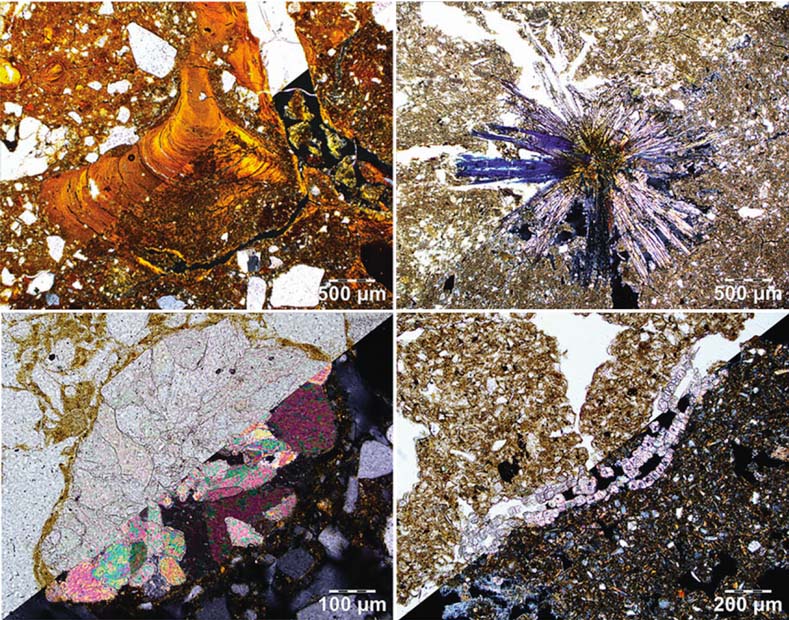
  • A Visual Atlas for Soil Micromorphologists

    A Visual Atlas for Soil Micromorphologists

    Eric Verrecchia, Institute of Earth Dynamics (IDYST)

    If you want to learn about the innermost nature of soils, discover the new Atlas of Soil Micromorphology that has just been published.

    This reference book has been published in Open access by Professor Eric Verrecchia (Institute of Earth Surface Dynamics) and his colleague Luca Trombino (University of Milan).

    Eric Verrecchia, at the beginning of the academic year you will publish with your colleague Prof. Luca Trombino, a visual atlas of micromorphology (at Springer-Nature). What is it about?

    The Visual Atlas for Soil Micromorphologists is based on the principle of natural science atlases, whether in petrology, histology, botany, etc. In this one, the idea is to present concepts, objects and characteristics that are commonly observed in soils at the microscopic scale. There were no such book existing until now, and it seemed appropriate to write this atlas, because we had noticed during our soil micromorphology classes that our students obviously lacked this information. This atlas is therefore useful as a learning support, but also as a quick reference when a specific question arises about a particular feature.

    You have chosen to publish in Open Access. This is quite rare for this kind of book, especially at Springer. Why did you do so?

    We did this work during our research activities, which means that during that time we were receiving a salary as professors. So not receiving royalties seemed legitimate since we are already paid to do this kind of work for the community. However, we had to pay the publisher to make the book available for free in digital format. In this case, we were fully supported by the SNSF (Swiss National Science Foundation) which we thank very much – the SNSF logo appears on the back cover so that people would know. During our numerous working sessions, the International Relations Departement of UNIL, the FGSE, as well as the Herbette Foundation made sure that the conditions of realization were as optimal as possible. In short, we were very well supported. Furthermore, we also thought of the numerous international students, in particular in developing countries, who will thus have free access to a basic work for the description of soils at the microscopic scale.

    SNSF financial support for the Gold Road

    The SNSF finances the publication of scientific books that are directly accessible, free of charge and without restriction in digital form (“gold road”).

    Monographs and refereed collective works are financed, whether or not they are the result of an SNSF-supported project. The SNSF reimburses editorial services for quality control, production and distribution of books in the form of a Book Processing Charge (BPC).

    Researchers can publish a printed book in parallel to the digital version in OA. 

    The Open Access website provides detailed information on the SNSF funding offer and on OA in general.

    Is this discipline so widespread?

    Actually, yes, micromorphology is one of the essential steps in the investigation of soils dynamics, these fragile interfaces that are so fundamental because they feed us, clean our water and contribute to the climate machinery, among other things. To understand the complex evolution of soils, it is necessary to observe their constituents and their interrelationships. This recent discipline, born in the 1930s, has not ceased to evolve and improve since then. We devote a small section to what it could be in the future. Finally, it is an essential discipline for deciphering the intimate transformations of our landscapes: taking a sample in the field and going directly to complicated laboratory analyses too often leads to biased functional interpretations. Addressing complexity requires multiscalar approaches, i.e. at different scales, each of which brings its own set of complementary information.

    Top left: clay deposit in a brown soil (Italy). Top right: vivianite crystals in a soil disturbed by human activity (Italy). Bottom left: calcite granules of earthworms in a calcareous soil (Switzerland). Bottom right: calcified plant cells in a brown soil on loess (China).

    So the need is real. It seems that it has already been a success…

    Yes, we were very surprised. After two days there were 30,000 downloads and by the fourth day over 45,000. Our publisher was also very positively surprised, because today we have more than 150,000 downloads. So there was obviously a gap in this area.

    Let’s go back to the content. Is this atlas intended for everyone?

    It is a technical work. Micromorphology makes it possible to observe soils at scales ranging from centimeters to tens of thousands of millimeters. It therefore calls for enlightened notions of mineralogy and soil science in order to identify objects and processes, and to make hypotheses on the dynamics of the observed soil. Nevertheless, it is clear that within the FGSE itself, this Atlas can serve as an illustrative basis for the pedology courses of my colleague Dr. Stéphanie Grand, as well as for bachelor’s degree work on soils and for some geologists interested in paleosols; but the most interested audience will undoubtedly be that of master’s degree students in Biogeosciences, where this discipline is taught and practiced during the realization of their theses. I would also like to point out that some of the images are so beautiful and surprising that I am sure that the Atlas could also inspire artists or simple people curious about what is under their feet during their walks in nature!

    Thank you Prof. Verrecchia and we wish long life and multiple reissues to this superb atlas.

    Thanks to you.

    Publisher Summary

    This open access atlas is an up-to-date visual resource on the features and structures observed in soil thin sections, i.e. soil micromorphology. The book addresses the growing interest in soil micromorphology in the fieldsof soil science, earth science, archaeology and forensic science, and serves as a reference tool for researchers and students for fast learning and intuitive feature and structure recognition. The book is divided into six parts and contains hundreds of images and photomicrographs. Part one is devoted to the way to sample properly soils, the method of preparation of thin sections, the main tool of soil micromorphology (the microscope), and the approach of soil micromorphology as a scientific method. Part two focuses on the organization of soil fragments and presents the concept of fabric. Part three addresses the basic components, e.g. rocks, minerals, organic compounds and anthropogenic features. Part four lists all the various types of pedogenic features observed in a soil, i.e.the imprint of pedogenesis. Part five gives interpretations of features associated with the main processes at work in soils and paleosols. Part six presents a view of what the future of soil micromorphology could be. Finally, the last part consists of the index and annexes, including the list of mineral formulas. This atlas will be of interest to researchers, academics, and students, who will find it a convenient tool for the self-teaching of soil micromorphology by using comparative photographs..

    Reference

    Verrecchia E.P. and Trombino L. (2021) A Visual Atlas for Soil Micromorphologists, Springer-Nature, New-York, 196 pp. doi:10.1007/978-3-030-67806-7

  • Interview with Céline Rozenblat about the Handbook of Cities and Networks

    Interview with Céline Rozenblat about the Handbook of Cities and Networks

    Céline Rozenblat, Institute of Geography and Durability (IGD)

    Céline Rozenblat (Institute of Geography and Sustainability, FGSE, University of Lausanne) and Zachary Neal (Michigan State University) edited the Handbook of Cities and Networks published in July 2021.

    This handbook provides a broad overview of contemporary research on how economic, social, and transportation networks affect the processes of city transformation.

    What is the origin of this guide?

    Following the coordination ten years ago of a special issue of the scientific journal Urban Studies devoted to cities and networks, the editor Edward Elgar suggested that I write a handbook on current research on the theme of cities and the networks that structure them. I wanted to involve Zachary Neal of Michigan State University, whom I knew for his scientific networks with sociologists and psychologists. During about four years, we contacted researchers from multiple disciplines who were conducting projects in this area. Numerous contributions were collected covering most of the fields concerned in most parts of the world (only gap in South America). Our great satisfaction is that most of the contributions were made by people of reference in their field.

    What is its scientific contribution?

    The aim of this book is to give an overview as exhaustive as possible of the vast range of the current research community devoted to the study of cities and the interconnections that develop within or between them. These studies are located in fields as diverse as the physics of networks and complex systems (stemming from crystallography) or sociology through economics, history or psychology. This multidisciplinarity is further enhanced by the fact that in each field, different levels of study (granularity of the basic elements) can be applied and this in more or less vast dimensions/spaces (scales). As an introduction, in the first chapter we have drawn up a grid of the different approaches and methods illustrated in this Handbook according to their level of study and the scale considered.

    Who is the target audience for this Handbook?

    This guide is intended for advanced researchers or postgraduate students, as the studies presented call for cross-cutting and specialized notions for which Bachelor’s or Master’s students do not have the necessary concepts and analytical tools.

    What kind of networks can be studied within a city?

    Networks are defined in terms of the units considered (nodes) and the relationships that are established between these nodes. The distribution of these relationships defines the structure of the network, which is analyzed using the concepts and methods of complex systems. Nodes can correspond to parts of cities (e.g., neighborhoods or streets for transportation networks), to specific elements of a city (e.g., seaports for trade networks), or to entire cities (e.g., intercity networks). They can also be considered at the level of an individual or group of individuals (e.g. social networks). Relationships can be studied in the context of a physical space (geographical distances, communication routes) but also in invisible spaces such as the economic or social networks, whether they are implemented face-to-face (there is a tradition of more than a century of research in this area, notably by the Chicago School) or through numerical social networks.

    Have technological/computational advances helped advance this research (evolution of data analysis potential, Big Data related methods)? Are the methods used analogous to other network study methods?

    There has clearly been an evolution of methodologies and approaches to network and city studies with the possibility of analyzing and interpreting many data simultaneously. The methods used in particular in social sciences and communication sciences for the study of social networks could be taken up and adapted from the study of other types of networks. For example, the studies carried out in the field of physics can be transposed to the context of cities: two renowned physicists in complex systems have contributed to this book, Luis Bettencourt and Marc Barthélémy.

    What aspects are currently emerging in this field of study?

    Most of the time, networks are studied in a “horizontal” dimension between individuals or between territories. There are still few studies of networks involving relations with the environment that involve a “vertical” approach. The implementation of practices related to sustainable development is revealed by new network approaches (changes in mobility in cities as developed by the University Observatory of Bicycles and Active Mobility of my colleagues Patrick Rérat and Bengt Kayser of the UNIL, or purchases favoring local commerce etc.). Social networks tend to increase the gaps between closed groups of people, by creating barriers/borders between different schools of thought. The “entre-soi” of like-minded people/groups is also an emerging issue. The impacts of COVID are also an emerging topic, even if they appear more as a gas pedal of already existing processes (such as teleworking, the effects of economic globalization, the closing of social networks…) than as the cause of new situations.

    To what extent does this book concern the FGSE more widely?

    The subject of cities is central to sustainable development, since we can see forms of urbanization as the cause of, but also as a possible solution to global warming. The study of cities is strongly anchored at the IGD with at least eight professors-researchers directly involved, but it is also present in an indirect way within the Faculty of Geosciences as well as in the other faculties of the UNIL. A project to identify researchers working on urban issues at UNIL is being prepared in collaboration with the Center of Competence in Sustainability. Several researchers from the IGD are contributing to build this emerging transversal research network, as well as people from the faculties of SSP, HEC, FBM or EPFL. The announcement of the constitution of this research network on cities will be made in the fall.

    At the individual level, it would be a city that responds to the aspirations of each and everyone. Each person creates “his or her city” with the uses he or she makes of the elements available and the relationships he or she surrounds himself or herself with.

    What would be an “ideal” city? 

    At the level of a community, an ideal city should allow for a maximum of exchange and mixing of all kinds (cultures, social levels, generations) in order to avoid creating sub-sets that have almost no connection between them. For example, the densification of cities increases the price of rents, reducing access to the centers for the most disadvantaged populations. Economies are transforming to be greener and cities lacking innovation and highly qualified people are suffering. In my opinion, it is above all these processes of fracture within and between cities that are currently at work and against which we must find regulations adapted to each society. It is obviously desirable to move towards more ecological cities, but without reinforcing social segregation, which has never grown so much on different scales.