Category: Thesis Defended

The dynamism of research is reflected in the numerous PhD theses undertaken and defended in the Faculty. Find the abstracts of doctoral theses in geography, earth sciences, environmental sciences and tourism studies in this section. The full text of some of them is usually available on IRIS platform.
  • Production, circulation and application of scientific knowledge: forest hydrology and policy-making in Chile

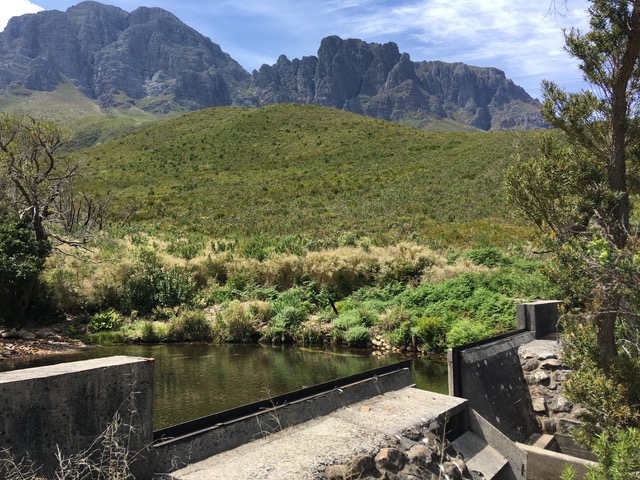
    Production, circulation and application of scientific knowledge: forest hydrology and policy-making in Chile

    Thesis defended by Astrid Oppliger Uribe – February 23th, 2023 – Institute of Geography & Durability (IGD)

    Forests and plant communities play a key role in regulating the hydrological cycle. During the last decades, forest plantations of Eucalyptus species – or Pinus and Acacias – have become predominant in the landscapes of many countries and raised concerns about their detrimental effects on water availability. The phenomenon has become a controversial subject. Such is the case in Chile, where, despite the existence of a wide range of international and national forest hydrology studies, the issue remains somehow contested. As scientific knowledge plays a key role in the development of societies, by providing, for example, the basis of knowledge for decision or policy-making, the science of forest hydrology – which studies how water flows through forests and vegetation communities – might help to understand such contestations of environmental knowledge.

    This investigation was initiated to understand the science of forest hydrology, and whether or not in its social production, circulation and application of knowledge it was possible to find reasons for these water and forest contestations. To address this, the investigation draws on three bodies of literature:

    1. forest hydrology science,
    2. science studies,
    3. political ecology.

    Empirically, this research is based on three field campaigns in Chile, South Africa and Australia. The research method is structured in three phases. First, it draws on a systematic literature review on Eucalyptus trees – from forest hydrology studies of these three countries. The second and third phases of the research focus on Chile. Inspired by works interconnecting science studies and political ecology, the research operationalises the “field theory” and the “advocacy coalition framework” as theoretical tools to analyse the social production, circulation and application of scientific knowledge of forest hydrology, its governance, and policy-making. In this regard, the forest hydrology science and policy of the Forest Plantation Protocol (FPP) in Chile are taken as a case study.

    Results are presented in three chapters.

    First, results demonstrate that most scientific studies confirm that Eucalyptus trees have higher water use rates than other land covers such as native forests or scrublands, agriculture, grassland, wetland vegetation, and other plantation tree species such as Pinus radiata or Acacias. These hydrological results hold irrespective of whether the Eucalyptus trees are present as native or non-native trees. The review suggests that variations and nuances in these findings may result from variations in the study design, notably on bio-environmental and forest management factors.

    Second, the investigation on the production and circulation of knowledge in the forest hydrology field reveals the presence of knowledge producers from academia, government and forestry companies. These actors contribute and contest knowledge in different ways. Some high-level governmental actors claim not be aware of the existence of forest hydrology research in the country. Other researchers for their part, acknowledge the existence of several forest hydrology studies and the effects of forestry plantations on water resources, but some challenge the legitimacy and scientific authority of these forest hydrology studies in different ways. The investigation shows the existence of two scientific trends or approaches within the forest hydrology field: the ecosystem approach and the forestry hydrogeology approach. It also demonstrates that external political-economic relations within which the field is embedded, shape the production and circulation of the forest hydrology knowledge, and some of its practices challenge its relative autonomy.

    Third, the research on the circulation and application of forest hydrology knowledge in the policy-making of the FPP demonstrates that the knowledge listened to is a combination of forestry hydrogeology and ecosystem science approaches. Both approaches correspond to two opposing coalitions on water and soil regulation issues in the FPP: forestry industry versus governmental actors, and each of their allies. Most of the invited academics supported the industrial coalition, as did some governmental actors. It is demonstrated that some academics deny knowledge and generate doubt on certain issues. Despite this, it is demonstrated that scientific knowledge played a role in the policy production through the circulation and the application of scientific articles to support the policy outputs. Paths to policy change, are a combination of external events (fires in 2017), some learning and a process of negotiation where socio-economic criteria are also applied. The research also shows that external events can relatively shift the balance of negotiation powers, as well as that previous policy or agreements can strategically establish negotiation margins of the policy outcomes.

    This theoretical and empirical investigation contributes to the literature in three ways. First, it contributes to understanding forest hydrology discussions. Second, it empirically and geographically furthers research in political ecology and sciences studies working on production, circulation and application of environmental knowledge. Third, it contributes to the work of political ecology and science studies by operationalizing the concepts of “the field theory” and the “advocacy coalition framework”, highlighting the role of scientific knowledge, its governance and role in policy-making.

  • Hydrologic processes analysis in a high Alpine catchment: the case of the Vallon de Nant

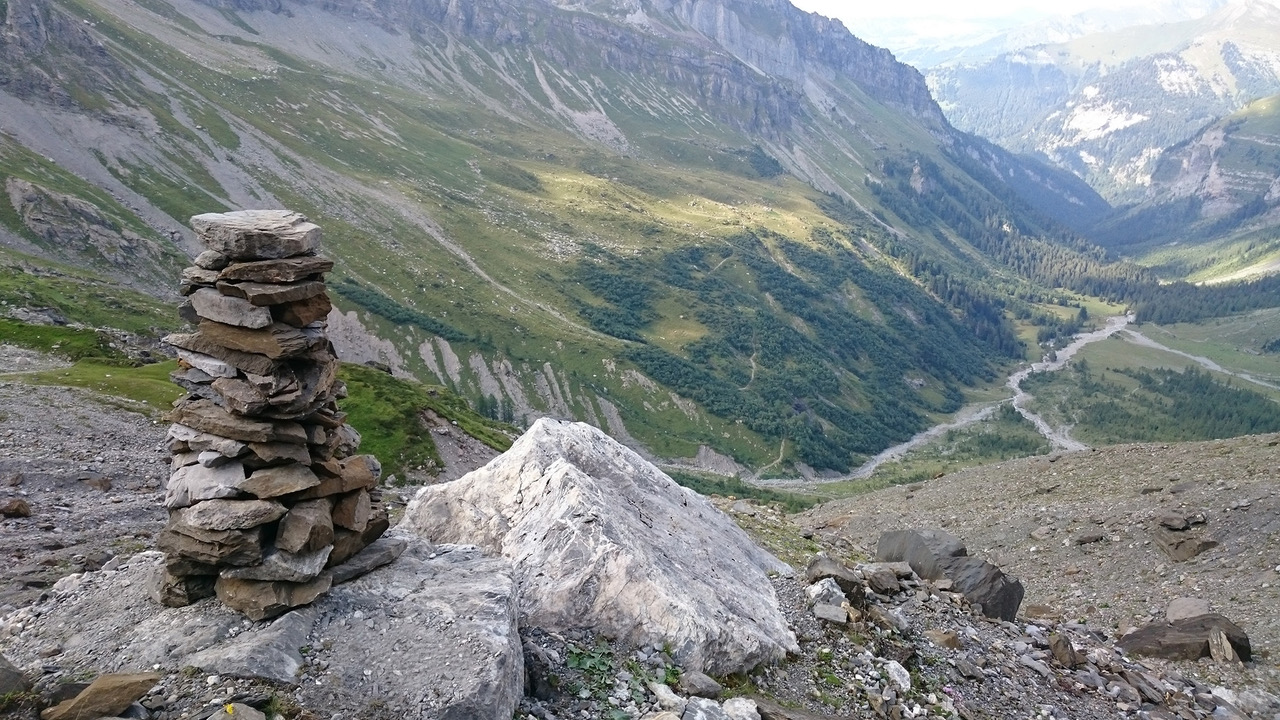
    Hydrologic processes analysis in a high Alpine catchment: the case of the Vallon de Nant

    Thesis defended by Anthony Michelon – January 26th 2022 – Institute of Geography & Durability (IGD)

    High elevation headwater catchments play a key role in the Alpine water cycle. However, the ongoing increase of mean temperatures induces a shift in precipitation phase, with more precipitation falling as rainfall, and less snowpack accumulation. The overall consequences on the hydrologic dynamic are a shift of the timing of annual maximum streamflow to earlier periods, impacting the water resources later in the year when they are the most required. This tendency is well known and already observed. Detailed hydrological studies on snowmelt flow paths are, however, still rare. Accordingly, the approaches developed to include snow in hydrological models suffer from a lack of knowledge about the flowpath processes at work at catchment scale. 

    In this thesis, we proposed to address the question of the flowpath dynamic in such an Alpine environment by studying a small (13.4 km²) snow-dominated headwater catchment of the Western Swiss Alps, the Vallon de Nant. This catchment is one of the few relatively undisturbed catchments (by human water use) in Switzerland and the focus of a wide range of geosciences research. Hydrological research was initiated here with the work on this thesis, i.e. almost everything remained to be done. Accordingly, a starting point was the detailed observation of meteorological processes relevant for hydrology. Although the study area is small, a first question to answer was the impact of the spatial heterogeneity of rainfall on the hydrological response of the catchment. A 12-station (temporary) raingauge network was deployed and measured 48 summer rainfall events. Thanks to the development of new streamflow response metrics, we found that spatial rainfall patterns might play a key role to explain the hydrologic response in small Alpine catchments because of the interplay of variable drainage density, the distance along the stream network to the outlet, and of spatially variable subsurface storage potential. Our conclusion is that a 3-station network (1 station per 0.22 km²) is necessary to capture most of the spatial heterogeneity of precipitation in this catchment. 

    In a second step, the water flowpaths were studied for different hydrological units defined within the studied catchment based on prior knowledge of geomorphology. This study was based on environmental tracers of water, by monitoring the temperature of various subsurface water sources in the catchment (in springs and piezometers) and by analyzing electroconductivity (EC) and the triple stable isotopes of water (δ2H, δ17O and δ18O) for 2861 water samples (mainly springs, stream, rainfall, snowpack). The combination of these tracers showed the predominance of subsurface flow contributions to streamflow throughout the year. Even during the peak of the melt season, when high inputs lead to a complete flushing of the system with recent snowmelt, the snowmelt reaches the stream essentially via subsurface flowpaths. We also detected some continuous inflow to the stream even during winter baseflow and could identify the activation of shallow flowpaths during rainfall events that occur during the melt season. 

    Beyond site-specific conclusions, our detailed analysis of the different tracers shows how they jointly convey information on the dominant processes. Spring water temperature conveys information on local flowpath depth and connectivity. EC data from springs and the main stream can be interpreted in terms of water age and thereby informs about subsurface flow path length. In addition to these two tracers that are impacted by local subsurface properties, stable water isotopes carry the history of the origin of precipitation before it entered the subsurface. They namely inform about the presence of recent snowmelt in streamflow and are thus complementary to temperature and EC. In addition, the rate of isotopic composition variation observed in subsurface water can give additional insights into reservoir size or flow rates. It is noteworthy that for this study, we used the δ-values directly; neither d-excess nor 17O-excess could be interpreted in terms of local-scale hydrological processes. Our hope is that the presented data might, in future research, contribute to understand their value for local-scale process analysis.

    To conclude this thesis and to capitalize on the extremely rich underlying field work, we propose a wide range of recommendations on the instrumentation and sampling of comparable catchments for future work. 

  • Private sector certification programmes and socio-ecological changes in the cocoa landscapes of Ghana: A political ecology study

    Private sector certification programmes and socio-ecological changes in the cocoa landscapes of Ghana: A political ecology study

    David Amuzu, December 17th 2021, Institute of Geography and Durability (IGD)

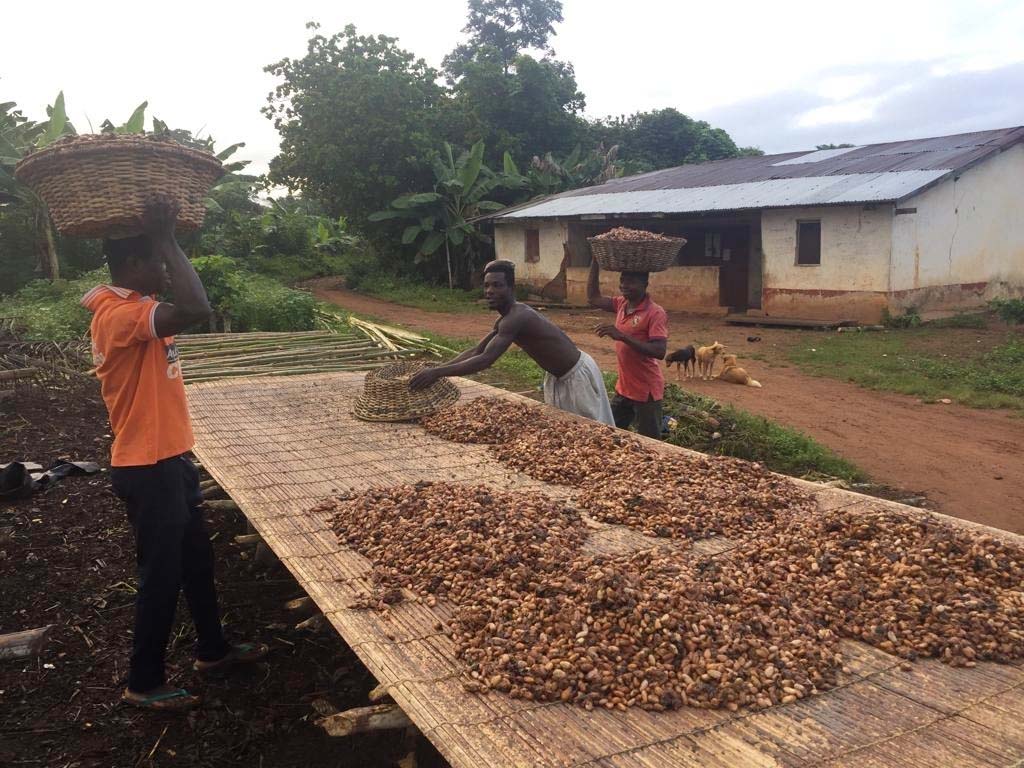
    In Ghana, private sector chocolate firms are operating alongside the state challenging decades of state-controlled cocoa sector. While this alternative market network enables chocolate firms to restore and maintain their market legitimacy in the global value chain, the influence of this new dynamic on local supply chain actors, the state’s strong hold on the sector and the complex rural agrarian communities in Ghana remain unknown. Through the lens of political ecology, this thesis evaluates the power relations between the state, private chocolate firms and smallholder farmers, and the extent to which those relations produce socio-environmental changes in rural cocoa communities of Ghana.

    The main findings are that firms co-opt local agrarian institutions at the initial stage, and then when the certification programme takes roots, they tend to transform and displace local institutions and practises. Also, private sector firm mobilises certification incentives to obfuscate the state’s poor and unsuccessful relations with farmers. At the same time, the incentivisation mechanisms produce altered and uneven distribution of benefits, production and bureaucratic costs, market leakages, environmental theft, unjust gendered labour relations, enhanced labour workloads and exploitation. Moreover, the thesis found and argues that while a firm governs local agrarian context and facilitates smallholders’ access to productive resources and benefits, certain unjust local realities (social practices and conditions) are left undiagnosed and untreated by the certification programme. Furthermore, the thesis shows that farmers’ conservation practises in cocoa farms are shaped by diverse local contextual factors, such as hybrid cocoa tree variety, continuous rehabilitation of cocoa farms, access rights in trees and labour relations, illegal logging, proliferation of small-scale sawmill and timber concessions policies of the Forestry Commission. The persistent influence of these drivers is a result of certain historical and ongoing political and economic forces.

    The thesis concludes that as long as those contradictions about the certification programmes exist, there is nothing sustainable and ethical about the cocoa a firm source from smallholders through this alternative market network. Hence, it is imperative to scale up the benefits, eliminate the burdens and curtail the constraints that mar the “sustainability” aspect of the certification programmes.

  • Elasto-plastic deformations within a material point framework on modern GPU architectures

    Elasto-plastic deformations within a material point framework on modern GPU architectures

    Emmanuel Wyser, December 17th 2021, Institute of Earth Sciences (ISTE)

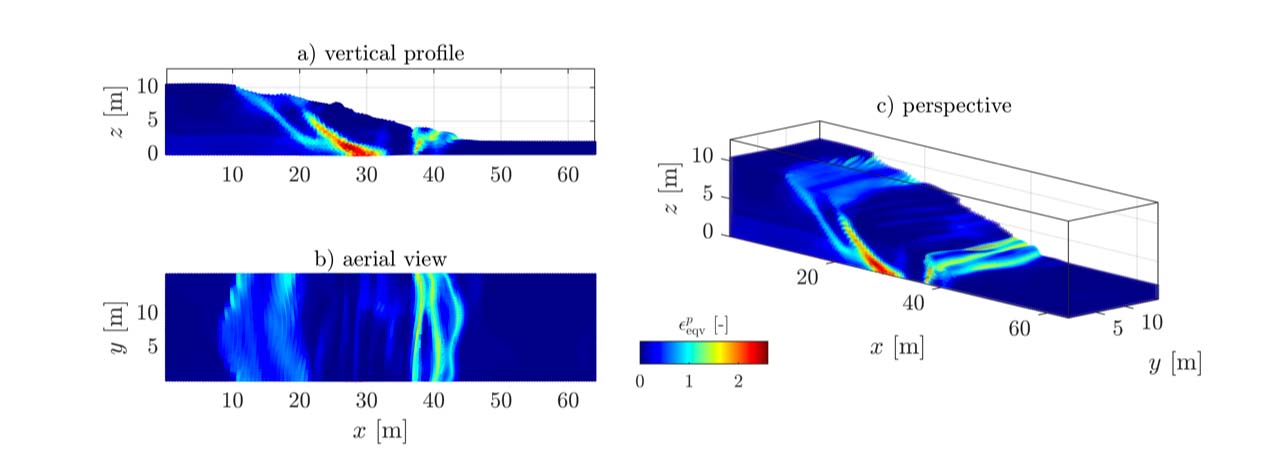
    Plastic strain localization is an important process on Earth. It strongly influences the mechanical behaviour of natural processes, such as fault mechanics, earthquakes or orogeny. At a smaller scale, a landslide is a fantastic example of elasto-plastic deformations. Such behaviour spans from pre-failure mech-anisms to post-failure propagation of the unstable material. To fully resolve the landslide mechanics, the selected numerical methods should be able to efficiently address a wide range of deformation magnitudes.

    Accurate and performant numerical modelling requires important compu-tational resources. Mesh-free numerical methods such as the material point method (MPM) or the smoothed-particle hydrodynamics (SPH) are particu-larly computationally expensive, when compared with mesh-based methods, such as the finite element method (FEM) or the finite difference method (FDM). Still, mesh-free methods are particularly well-suited to numerical problems involving large elasto-plastic deformations. But, the computational efficiency of these methods should be first improved in order to tackle complex three-dimensional problems, i.e., landslides.

    As such, this research work attempts to alleviate the computational cost of the material point method by using the most recent graphics processing unit (GPU) architectures available. GPUs are many-core processors originally designed to refresh screen pixels (e.g., for computer games) independently. This allows GPUs to delivers a massive parallelism when compared to central processing units (CPUs).

    To do so, this research work first investigates code prototyping in a high-level language, e.g., MATLAB. This allows to implement vectorized algorithms and benchmark numerical results of two-dimensional analysis with analytical solutions and/or experimental results in an affordable amount of time. After-wards, low-level language such as CUDA C is used to efficiently implement a GPU-based solver, i.e., ep2-3De v1.0, can resolve three-dimensional prob-lems in a decent amount of time. This part takes advantages of the massive parallelism of modern GPU architectures. In addition, a first attempt of GPU parallel computing, i.e., multi-GPU codes, is performed to increase even more the performance and to address the on-chip memory limitation. Finally, this GPU-based solver is used to investigate three-dimensional granular collapses and is compared with experimental evidences obtained in the laboratory.

    This research work demonstrates that the material point method is well suited to resolve small to large elasto-plastic deformations. Moreover, the computational efficiency of the method can be dramatically increased using modern GPU architectures. These allow fast, performant and accurate three-dimensional modelling of landslides, provided that the on-chip memory limitation is alleviated with an appropriate parallel strategy.

  • Deciphering the Tectono-Metamorphic Evolution of the Monte Rosa Nappe : a Combined Petrological, Structural and Numerical Modelling Study

    Deciphering the Tectono-Metamorphic Evolution of the Monte Rosa Nappe : a Combined Petrological, Structural and Numerical Modelling Study

    Joshua Vaughan-Hammon, 1st October 2021, Institute of Earth Sciences (ISTE)

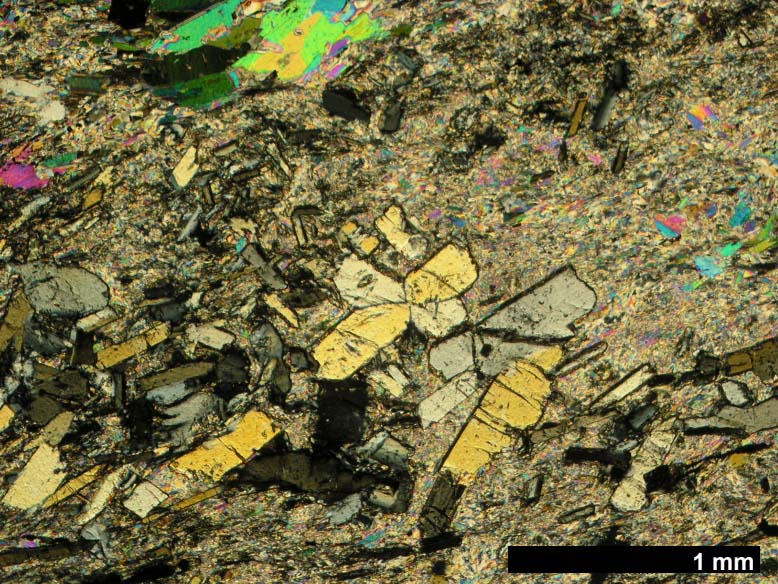
    Mountain building processes have shaped the present-day European Alps. Here, tectonic processes such as collision, subduction and exhumation of the Earth’s crust has resulted in changes in both the structure and chemistry of the rocks involved. Chemical changes in rocks are largely due to changes in temperature and pressure (metamorphism), whereby pressure is commonly assumed to be a function of the depth of burial, e.g. during subduction. Tectono-metamorphic observations from the Monte Rosa nappe (European Alps) have challenged the assumption that metamorphic pressure is solely due to depth of burial.

    Variable pressures are recorded in the Monte Rosa nappe (for the same metamorphic event), and we propose that these disparities are a consequence of local pressure variations during:

    1. periods of high differential stresses, and/or
    2. volumetric changes due to metamorphism.

    A multi-disciplinary approach is presented in this thesis, that combines chemical and structural analysis from portions of the Monte Rosa nappe that are now exposed due to recent climate change, as well as state-of-the-art numerical modelling that simulates the large-scale geological evolution of the European Alps.

    The results of these investigations continue to highlight that local pressure variations likely existed during the Alpine evolution within the Monte Rosa nappe, and that a better understanding of the interplay between metamorphic and tectonic processes is essential to ultimately unravel the tectono-metamorphic history of the Alps.

  • Challenging connectivity during nature-based tourism: (dis)connection at Banff National Park, Canada

    Challenging connectivity during nature-based tourism: (dis)connection at Banff National Park, Canada

    Morgane Müller-Roux, 27th September 2021, Institute of Geography and Durability (IGD)

    Tourism and more precisely tourism’s practices were defined between 1800 and 2000, or more than two centuries ago, as a break with everyday life where traveling and the practice of other places were essential. This distinction between the daily and the non-daily was maintained by the difficulty of maintaining communications and connections with relatives who remained at home. Henceforth, the ubiquity and generalization of the means of communication and information call into question this foundational discontinuity of tourism; this assertion will be discussed and analyzed throughout this thesis.

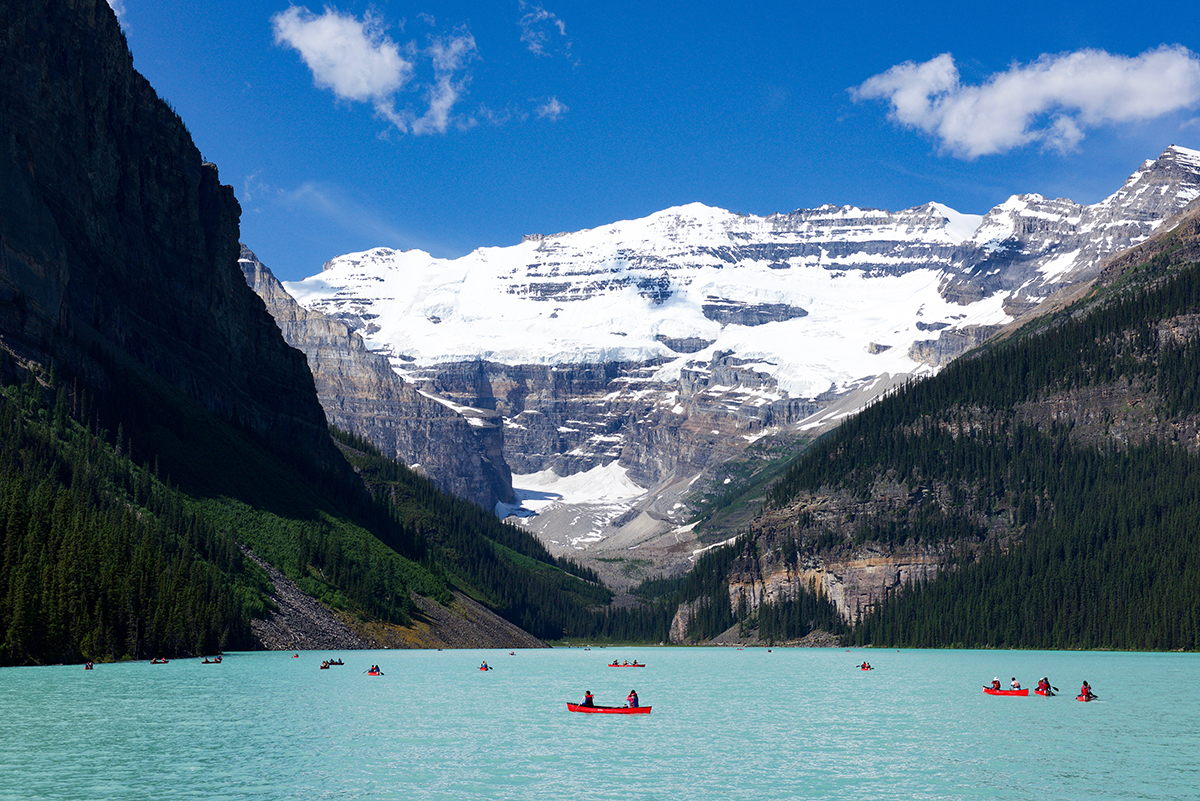
    Indeed, global mobility coupled with digital technologies raises new issues regarding human relations, which can now be continuously maintained even when people are separated by a great distance. In this context, a new form of tourist practice is emerging: disconnecting from all forms of information and communication technologies (ICT) in order to escape daily life. National parks seem to offer the perfect space for people to get “away from it all”, as the wilderness is becoming increasingly important within the tourism industry precisely because it symbolises a break from the stress of daily life.

    This study, carried out in Banff National Park (Canada) will attempt to illustrate these new ways of dealing with nature. This thesis also highlights the fact that strong tourist imaginaries of nature as well as the use of social networks implies new strategies to capture the materiality of the wilderness and, in the process, creates new ways of engaging with it. Photographic performances are then produced in a very particular way in order to be shared with the rest of the world while still conforming to the imaginary as produced by social media and simultaneously reproducing it. In sum, this work will underline the importance of understanding how the omnipresence of ICTs produces new nature tourism practices.

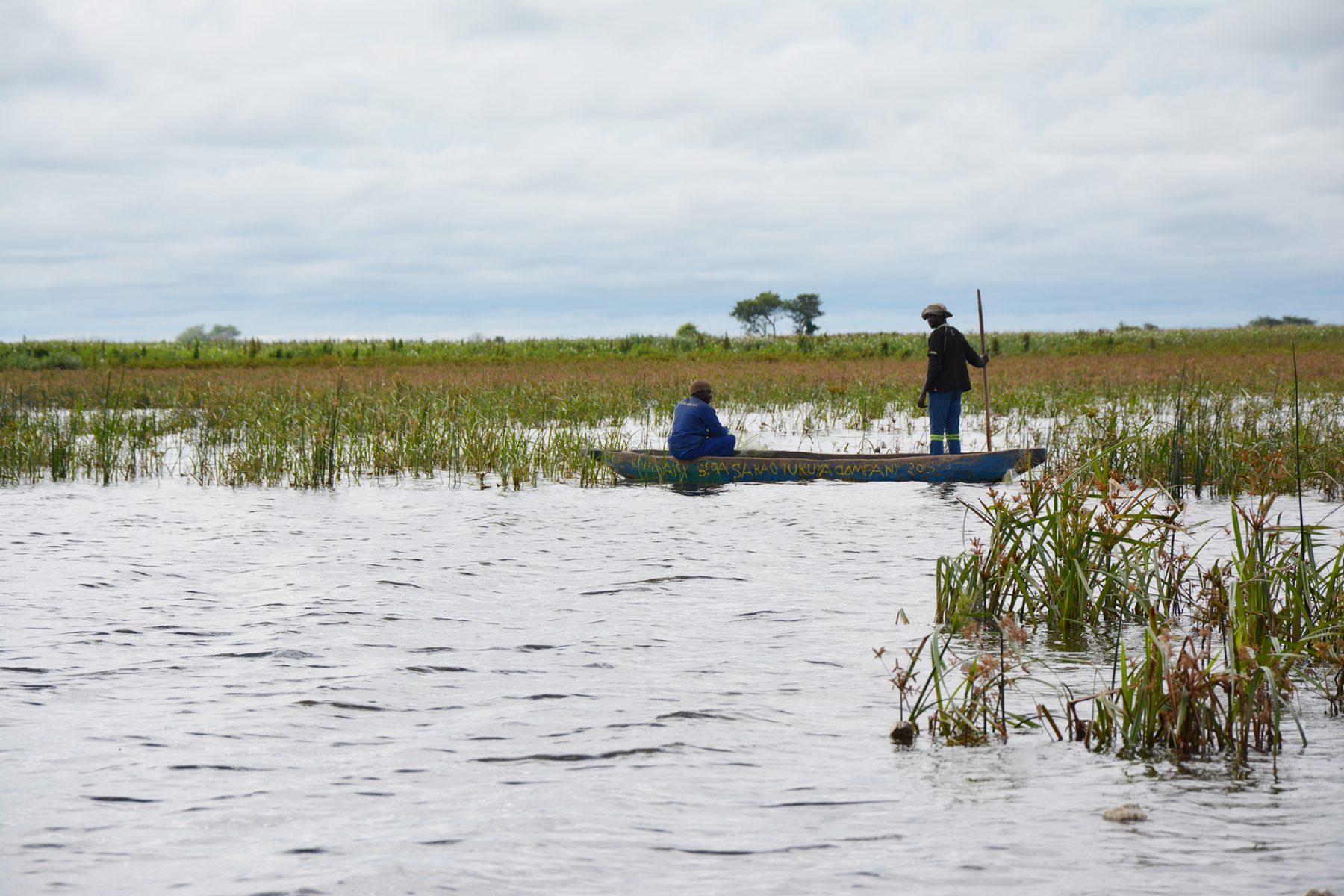
  • A multidisciplinary approach to unravel the environmental and climatic history of Lake Liambezi in the Caprivi, Namibia

    A multidisciplinary approach to unravel the environmental and climatic history of Lake Liambezi in the Caprivi, Namibia

    Anaël Lehmann, May 20th 2021, Institute of Earth Surface Dynamics (IDYST)

    Paleoecology is the study of the history of an ecosystem using sedimentary records. Analyses of the mineralogical, chemical, isotopic and biological composition of the sediment can provide clues on the past environmental conditions of a particular ecosystem. The topic is of particular importance today since many lakes, river deltas or marshlands are subjected to increasing anthropogenic influence related to population growth and a parallel increase in agricultural and industrial activity. In many cases, these ecosystems are of important social, ecological, and economic value to the population living within the watershed of this precious water resource. Wetlands in arid climates represent unique ecosystems and are of major importance for an often specialized flora and fauna. They represent a life-supporting water source in an otherwise inhospitable environment. These environments are, however, particularly fragile ecosystems as they respond sensitively to any climatic or environmental changes.

    The present study focuses on the regions of the Caprivi in Namibia and of northern Botswana. These regions hold the second largest endorheic delta system in the world. This specific landscape is the result of an active tectonic activity related to the East African Rift system and accommodating differential movements between different plates and rigid cratons. It results in a deformation zone called Okavango Graben that presents normal faults all along these two regions. These normal faults affect and control the course of the Okavango, Kwando and Zambezi Rivers and form a complex system of rivers and waterbodies. A minor change in tectonism and faulting can influence the morphology and hence the drainage pattern of the entire system. The Okavango Delta has been described through numerous studies already. In contrast, the region of the Linyanti-Chobe Basin with Lake Liambezi in its middle remains poorly studied or understood. Moreover, studies on the Quaternary climate evolution in northern Namibia and Botswana demonstrated the difficulty to find or target paleo-environmental archives with well-dated proxies and results might show inconsistencies or even contradictions. Therefore, the choice was made to focus on this extraordinary region, showing a high complexity of connection between the different rivers and waterbodies.

    Lake Liambezi has been investigated through a number of sediment cores using a multidisciplinary approach including mineralogy, geochemistry, organic matter composition and a novel use of bacterial DNA populations. A climatic and environmental evolution of the lake and its surroundings is proposed for the last 5400 years BP. This highlighted an alternation of relatively dry and wet periods, and changes in the hydrological lake regime. However, major evolutions and changes in shape and environmental settings of the lake can also be related to the tectonic activity linked to the Okavango Graben. This was supported by the marked presence of thermophilic bacteria. A first sediment record is estimated at about 5420 years BP and is described as the tectonic opening of Lake Liambezi’s north basin. An extension of this basin was likely developed at around 1650 years BP. The second basin of the lake was probably created during the last known tectonic event dated at around 1000 years BP. Successively, the resulting depressions are filled with lacustrine and fluvio-deltaic sediments. The watershed, the climate and the morphology of the site define the environmental conditions of the lake and therefore control the sediment types and content.

    To target paleo-environmental archives with well-dated proxies is challenging, certainly in tectonically active continental systems. The present work demonstrates the relevance of using a multidisciplinary approach in such complex systems. The integrated approach of using multidisciplinary methods does allow for an elaboration of a coherent age model for Lake Liambezi with a coherent environmental and climatic evolution. This approach also demonstrated the potential of using bacterial DNA (total and/or lysis-resistant) to identify changes and variability in the environmental conditions of such an environment. The multidisciplinary approach including characterization of bacterial DNA populations might therefore be developed for future projects in diverse types of environments.

  • Urban Resilience : Towards a Multi-Level Approach to Russian Metropolitan Areas Facing the Economic Crisis of 2014-2016

    Urban Resilience : Towards a Multi-Level Approach to Russian Metropolitan Areas Facing the Economic Crisis of 2014-2016

    Mikhail ROGOV, January 18, 2021 – Institute of geography and durability (IGD)

    Following the Russian involvement in the Ukrainian crisis in 2014, some countries in Europe, North America and Australia imposed economic sanctions towards Russia. These sanctions, along with the devaluation of the national currency and decline of oil prices facilitated internal structural economic problems that resulted in the comprehensive national economic crisis lasting until 2016. In this thesis I aim to understand how Russian cities reacted to this economic crisis and why they were affected differently. 

    Cities develop and maintain in interaction with other cities. Based on the evolutionary theory of urban systems (Pumain, 2006, 2009; Rozenblat, 2010), we argue that cities’ resilience is shaped by the synchronicities of different processes on three urban levels: macro that focuses on inter urban flows creating system of cities; micro focusing on the behavior of individual and collective urban actors; and meso, considering a city as an integrated system between micro and macro. Every level of urban processes has a different adaptation path following diverse shocks, and we argue that synchronicities of these multilevel adaptive dynamics create urban resilience (Rogov, Rozenblat, 2020). 

    Considering the economic shocks of 2014 of a top-down nature, the thesis starts with the construction of inter-urban networks of multinational firms. Using the ORBIS-BvD database on the 3,000 largest corporate networks, the inter-urban linkages were constructed. The firms, both headquarters and subsidiaries, were located in the delimited Large Urban Regions (LUR), encompassing over 80% of all the firms located in Russia. Using the datasets for 2010, 2013, 2016 and 2019 we wondered how a relative position of Russian cities in the global economic networks changed before, during and after the economic crisis of 2014-2016. 

    The analysis of the evolution of the inter-city networks reveals that throughout the last ten years there was a drastic decline of the number of linkages in Russian cities (both intra-urban and inter-urban). However, despite the general shrinkage of the system, we observed the increase of the international linkages and decrease of the intranational. Along with the growing diversity of cities’ connections, it shows stable internationalization of Russian cities and its growing embeddedness into the world economic networks. Visualizing the network of cities (only direct linkages), we demonstrated the increasing role of Western European and Northern American cities in the system, and that during the last ten years they became more embedded in the system by establishing new connections with different Russian cities. Also, we demonstrated the rapid growth of offshore cities, and in particular, Cyprus offshores Nicosia and Limassol. 

    With trajectories of cities, we illustrated that most of the Russian cities declined both strength (in and out weighted degree) and diversity (in and out unweighted degree) of connections, however the proportion of firms in different economic activities did not change for the last ten years. Nevertheless, the largest cities despite of the loss of strength demonstrated growth of diversity, and the proportion of multinational firms shifted towards finance and other service activities. The cities of the North with the very specialized local economy in mining and mineral extraction did not demonstrate a single trend: some of them lost firms of many unrelated sectors and thus became more specialized in terms of a share of mining multinationals in a city; however, others (fewer cities) became more service oriented and diversified.

  • Spatially Explicit Hydrological Modelling for Water Accounting under Climate Change in the Volta River Basin in West Africa

    Spatially Explicit Hydrological Modelling for Water Accounting under Climate Change in the Volta River Basin in West Africa

    Moctar DEMBELE, September 11,  2020 – Institute of Earth Surface Dynamics (IDYST)

    Competition for scarce water resources in the Volta River Basin (VRB) of West Africa will increase in the near future due to the combined effects of rapid population growth and climate change. Residents are dependent on subsistence, mainly rainfed agriculture that is sensitive to climate variabilities. Recurrent floods and droughts damage properties and take lives. Information on water resources and their future trends is fundamental for water actors, as the basis for proper management and implementation of adequate measures to bolster resilience to water scarcity and foster water security.

    This PhD thesis proposes a clear demonstration of combining the Water Accounting Plus (WA+) framework with hydrological modelling and climate change scenarios to report on the current and future states of water resources in the VRB. WA+ is a standardized framework that provides a comprehensive view of the water resources in terms of water availability and consumption uses with respect to different land uses.

    The adopted methodological framework addresses key challenges posed by large-scale hydrological modelling in data scarce environments such as the VRB. These challenges include the issue of missing data in of streamflow records, the reliability of satellite and reanalysis data for forcing or calibrating hydrological models as an alternative to in-situ measurements, and the accuracy of the spatial and temporal representation of hydrological processes with spatially explicit models. A novel multivariate model calibration strategy is proposed to improve the representation of hydrological flux and state variables simulated with the fully distributed mesoscale Hydrologic Model (mHM). The proposed calibration strategy relies on the use of multiple satellite and reanalysis datasets from various sources. Then, a large ensemble of climate models are used to assess the impacts of climate change on water resources under various scenarios. The outputs of the mHM model are used to feed the WA+ framework to comprehensively report on the current and future conditions of water resources in the VRB.

    The results show a clear increase in the projected exploitable water fraction while a decrease is expected in the available water fraction in the near future (2021-2050). Consequently, there is a clear need for adaptation measures to increase the water storage capacity in the VRB to facilitate a good exploitation of the projected increase in the net inflow, which would be beneficial for agriculture production and hydropower generation.

  • An automated data integration framework for stochastic downscaling of coarse-resolution digital elevation models

    An automated data integration framework for stochastic downscaling of coarse-resolution digital elevation models

    Thèse soutenue par Luiz Gustavo RASERA le 12 juin 2020, Institut des dynamiques de la surface terrestre (IDYST)

    Spaceborne remote sensing has enabled near-global mapping of the Earth’s topography. However, satellite-derived digital elevation models (DEMs) are unsuited for modeling fine-scale Earth surface processes due to their limited spatial resolution.

    To this day, fine-resolution DEMs remain sparsely distributed across the planet owing to the technical challenges and substantial costs for producing densely sampled data sets. Over the last decade, multispectral satellite imagery (MSI) has become widely available, providing abundant fine-resolution data for monitoring the Earth’s surface. Although rendering no elevation information, MSI has the potential to provide indirect fine-scale information about topography. Statistical downscaling enables prediction of attributes at scales finer than that of the input data. Multiple-point statistics (MPS) simulation is a powerful alternative for stochastic downscaling due to its ability to replicate complex spatial patterns and assess the uncertainty of the predictions.

    Conceptually, MPS simulation methods could be employed for downscaling of coarse-resolution DEMs by extracting spatial information from available fine-resolution DEMs and MSI of better-measured data sets. The application of MPS simulation for downscaling of DEMs is compelling, but there are many issues to be addressed. Trends in elevation pose a challenge for stochastic downscaling of mountainous terrain. MPS simulation algorithms are also notably difficult to parameterize, often requiring manual parameter calibration. As a result, the integration of disparate data sources, such as DEMs and MSI, into the downscaling becomes a daunting task.

    Addressing these challenges requires the development of an automated data integration approach. In this thesis, a MPS-driven data integration framework for stochastic downscaling of coarse-resolution DEMs is developed. The approach is composed of algorithms designed for three primary tasks: the statistical downscaling of data sets with trends, the automation of the downscaling process, and the integration of secondary data into the downscaling.

    The first contribution of this thesis is a novel MPS-driven downscaling algorithm with inbuilt capabilities for handling data sets with trends. Terrain elevation is modeled as a spatial signal expressed as the sum of a deterministic trend and a stochastic residual component. The approach enables accurate downscaling of coarse-resolution DEMs of either flat or steep terrain.

    The second contribution addresses the parametrization of the MPS-driven downscaling algorithm. An automation routine is used to infer optimal algorithm parameters by framing the parameter calibration task as an optimization problem. The framework provides an efficient alternative for automatic generation of statistically accurate fine-resolution DEMs.

    The third contribution builds upon the two aforementioned developments by integrating finer-resolution MSI-sourced data as secondary information into the downscaling process. Elevation and MSI data with varying spatial resolutions are integrated based on a probabilistic framework. The approach enables to enhance the structural accuracy of the fine-resolution simulated DEMs and to reduce the inherent uncertainty associated with the downscaling.

    Developments in this thesis provide an efficient, low-cost alternative for downscaling of coarse-resolution DEMs based on the integration of available finer-resolution terrain and imagery data. Future research should focus on evaluating potential applications of the downscaled DEMs for the study of Earth surface processes, the planning and design of infrastructures, and the risk assessment of natural hazards.