Category: Publishing

What is the significance of a discovery or a result? How do they emerge? Learn more about the publications of FGSE researchers.

FGSE publications are also deposited in SERVAL.

  • Twice as much water in the magmas of subduction zones: the secrets of the plutonic rocks of Kohistan (Pakistan) – and the Alps?

    Twice as much water in the magmas of subduction zones: the secrets of the plutonic rocks of Kohistan (Pakistan) – and the Alps?

    Othmar Müntener, Institute of Earth Sciences

    Scientists from MIT and Woods Hole Oceanographic Institution have published a article in the journal Nature Geosciences, in which it is shown that deep-seated magmas located in subduction zones contain up to twice as much water as previously measured. This discovery was made possible by the analysis of plutonic rock samples collected by Othmar Müntener (Full professor, Institute of Earth Sciences) and his team.

    Why is the water content of magmas interesting?

    Magmas with the highest water content are found in subduction zones, where oceanic water can be drawn to great depths and induce mantle melting. In these regions, violent volcanic eruptions are observed, because the more hydrated the magma, the more explosive the eruptions. The water contained in these magmas could also be at the origin of various metalliferous deposits (copper, gold or silver) enriching the elements initially in solution in the magmatic fluids. 

    The water content of magmas has been estimated so far at about 4% of the total weight. This percentage seems too low to explain these phenomena in a convincing way, and several models describing the formation of the Earth’s crust suggest that water should be more abundant. Urann and his colleagues hypothesized that the volcanic rocks studied so far to estimate the water content of magmas are too dehydrated (especially during the eruption phase), to be able to reliably reconstruct the composition of the magma in which they were formed.

    Plutonic rocks: key elements of the discovery

    The objective of this research was therefore to work on rocks that were not very denatured and had not undergone eruptive phenomena. Othmar Müntener and his team had already been interested in such rocks and had led an expedition in 2007 in the Kohistan region (Pakistan) to study and sample them. This remarkable site contains rocks that were formed at depth by slow crystallization and that came to the surface during the surrection of the Himalayas (so-called plutonic rocks). The minerals and their water component represent faithfully the composition of the deep magma in which they were formed. As the sites in Pakistan have become difficult to access for European or American researchers, the samples collected during the 2007 expedition were analyzed in this study. The principal authors of the Nature Geosciences article note the incredible freshness of these rocks, which show no obvious signs of disturbance in the crystals they contain.

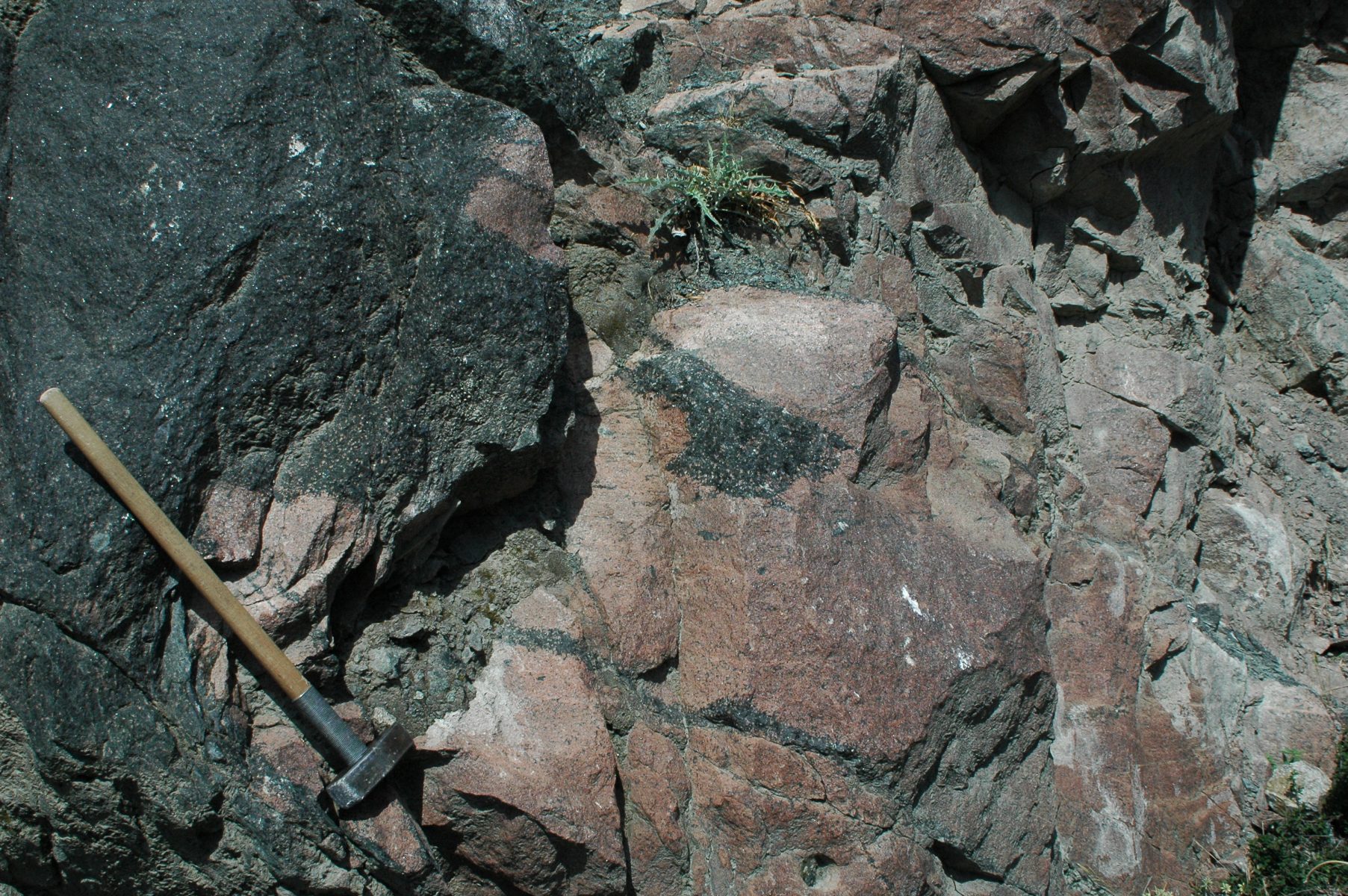
    Plutonik rocks used in the study of Urann et al. : garnets (in red) and clinopyroxene and hornblende (in black)  (photo : O. Müntener)

    Results and perspectives

    The analysis of the plutonic rock samples was carried out by ion probe and their water content measured indirectly after the establishment of various standards. The results obtained indicate that the magmas in which these rocks were formed contain a water content twice as high as that estimated so far, i.e. 10 to 12% of the total weight. These results open new perspectives for the interpretation of the formation and composition of the Earth’s crust. We can imagine, for example, that degassing of magmas starts  deeper than commonly assumed. Similarly, some observations of magmatic rocks in the Alps can be explained by the presence of rocks with a high water content (see box).

    The plutonic rocks collected by O. Müntener are currently the subject of two other research projects.

    In a paper published in February 2021, O. Müntener and his colleagues had already hypothesized that superhydrous magmas should exist in Alpine subduction zones. Observations made on magmatic rocks of the Alps (notably in the Adamello region, Italy) indicate the predominance of plutonic rocks over volcanic rocks and thus a reduced volcanic activity at the time of the collision of the Adriatic and Eurasian plates. O.Müntener explains this limited volcanism in the Alpine chain by a low convergence rate hindering convection in the mantle corner. Consequently, the pulsed release of fluids in the subducting plate controlled the formation of superhydrous magmas.  The discovery of a water content of subduction zone magmas significantly higher than previously estimated, supports this hypothesis.

    Reference : O. Müntener, P. Ulmer, J. Blundy : Superhydrous Arc Magmas in the Alpine Context, Elements, Vol 17 – number 1, février 2021 [abstract]

    Référence bibliographique

    • B.M. Urann, V.  Le Roux, O.  Jagoutz, O. Müntener et al. High water content of arc magmas recorded in cumulates from subduction zone lower crust. Nat. Geosci. (2022).
      doi.org/10.1038/s41561-022-00947-w
  • From space, the Alps turn green surprisingly fast

    From space, the Alps turn green surprisingly fast

    “From white to green…” an article published in Science on June 3, 2022, shows that the productivity of vegetation above the tree line has increased in almost 80% of the Alps in the last 40 years. Like the Arctic, the mountains are becoming greener, and impressively so. Grégoire Mariethoz and Antoine Guisan tell us about the work they carried out to arrive at this striking result, based on millions of satellite data.

    Do these findings change our vision of the Alps?

    Antoine Guisan : We didn’t imagine that the Alps’ greening would be so strong. This work is very factual, based on satellite data. The results are here and they are spectacular.

    Grégoire Mariethoz : We knew that the forest was gaining ground, but for the meadows, it wasn’t at all obvious to me that the greening was so important. We focused on the non-forest and non-glaciated areas: the increase in vegetation productivity is very clear. Snow cover is decreasing slightly, especially at lower elevations. At higher elevations, snow cover remains because of increased precipitation.

    Why are these results new?

    GM : 40 years of very high resolution satellite images (on 30 m x 30 m pixels), such a long and precise time series is unprecedented. The analysis of this series was only possible thanks to the current computing power. Many studies have done this type of work in the past, but at the kilometre scale. In the Alps, this doesn’t make sense: in 1 km2, snow and vegetation, top and bottom of the mountain are mixed up.

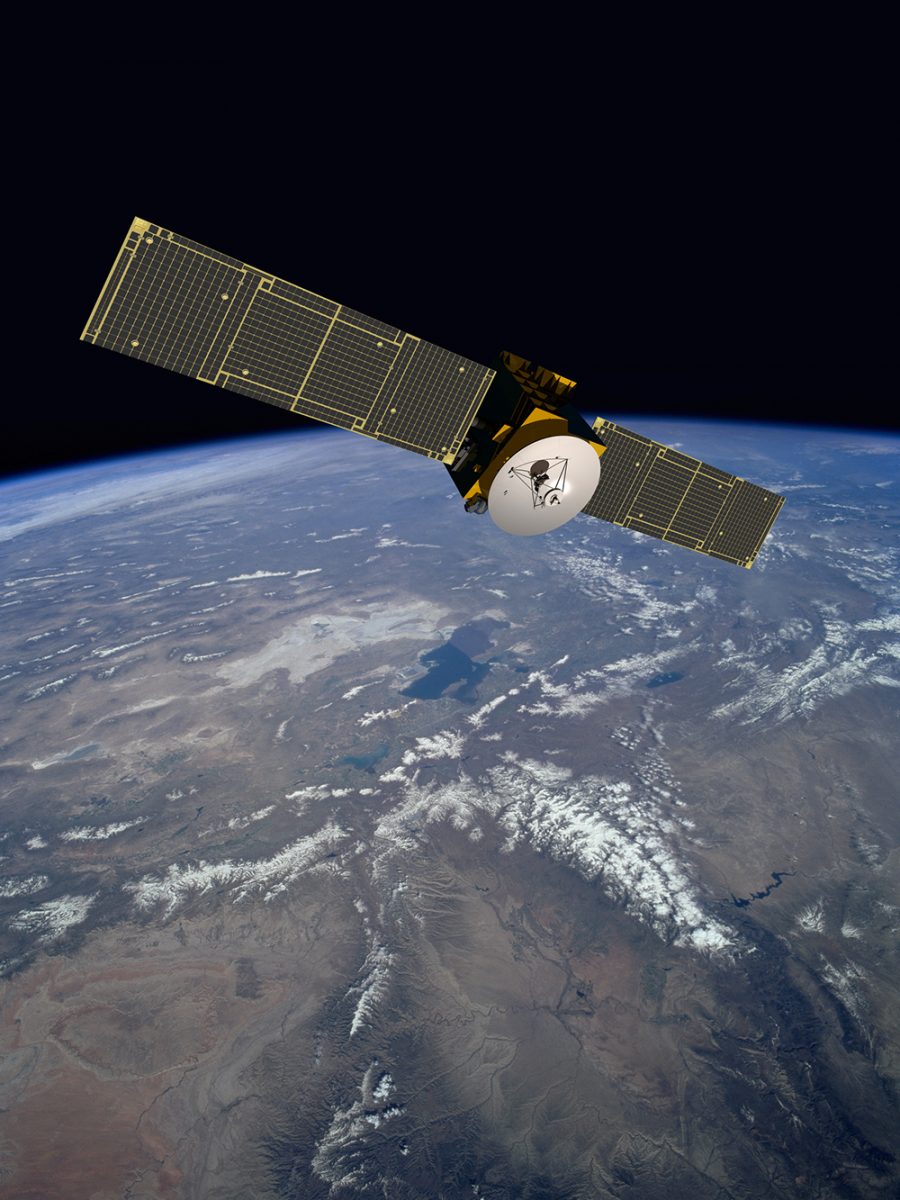
    (© Dennis Thompson | Dreamstime.com)

    How is it possible to measure plant productivity by satellite? What is measured in a satellite snapshot is the amount of red absorbed (compared to infrared). This red is not reflected because it is absorbed by plants and transformed into energy for photosynthesis. It is therefore an index of productivity and indirectly of biomass. 

    « It works very well. As soon as the plant wilts, we see that it absorbs less red. While in the growth phase, productivity is maximum. »

    Grégoire Mariethoz

    You come from different disciplines, how did you come to work together?

    AG : D’après nAccording to our reviewers, his article was long awaited. However, the project was not associated with any funding, it emerged floating between teams. After the paper on Arctic greening, we realized that not much was known about the other cold regions. But analysing Landsat satellite images means facing a huge mosaic of small images, a puzzle that is difficult to assemble! And between two passes of the satellite, huge data gaps, not to mention if it is cloudy. All of a sudden, the perspectives opened up by collaborating with Grégoire. Without him, Google Earth Engine – which allows the reconstruction of the puzzle – would have remained an unusable nebula.

    GM : And I wouldn’t have been focused on vegetation without Antoine’s input. At first, I simply proposed a bachelor’s thesis on the subject. Eventually, this project went on for a very long time, the teams changed, but our perseverance paid off.

    «The mosaic of satellite images is a headache that many biologists have not attempted.» AG

    This statement reflects how this project started. Antoine Guisan and Grégoire Mariethoz came together in an SNSF interdisciplinary project and launched this idea, which had nothing to do with the original topic. By putting groups together, the project was the catalyst, and brought to life something else.

    « If we plan, we’re going to do what we plan. You have to leave room for surprise. »

    Grégoire Mariethoz

    What was the main challenge?

    GM : One challenge is to harmonize the satellites with each other, to have a consistent series. Over 40 years, four different satellites have sent data. We had to make adjustments, or rather check that the NASA adjustments were really correct. This was requested by a Science reviewer, which allowed us to verify that NASA had done its job properly!

    The starting code, on the other hand, was written by Mathieu Gravey in 10 minutes at my office, but this is because he knows the tool very well! The longest part was to convert the time in seconds since the birth of JC…

     «Serendipity is a good way to describe how this work was born» AG

    Plus le vert est foncé, plus la productivité végétale a augmenté ces dernières décennies. Sur cette The darker the green, the more plant productivity has increased in recent decades. In this image, we can already see how much greening is happening over large areas. “In the long term, we do not know if this greening will continue. For now, the glaciers are melting, so they provide water regularly throughout the summer to the vegetation. It is possible that in 20 years it will be different” GM. (Photo: GM, the image here includes areas of forest that were excluded from the analysis)

    The changes are massive, what will be their impact?

    AG : As vegetation grows, it absorbs more carbon, which is positive. But even if the change is impressive, the biomass in the high mountains will never be huge. And above all, this small positive effect does not counterbalance all the negative effects of global warming! Landslides, melting of permafrost, loss of water in the long term, loss of a number of alpine species…

    GM : Another implication is economic. Winter tourism will be impacted, of course. But so will summer tourism. If the vegetation changes in the high mountains, what happens to the typical Swiss landscape?

    Can your method be replicated in other parts of the world?

    GM : Satellite coverage varies greatly around the world. Several decades ago, images were not systematically recorded, especially in certain regions. It is very good in North America, less good in Africa. Europe is not the best place: there is a 10-year gap over half of the Alps! It is only over the last 10 years that good coverage is achieved everywhere, at all resolutions. On the Himalayas, it would be interesting to do the same kind of work. It is a much larger region than the Alps, and it has the same issues.

    Original publication
    • Sabine Rumpf, Mathieu Gravey, Olivier Brönnimann, Miska Luoto, Carmen Cianfrani, Grégoire Mariethoz and Antoine Guisan. From white to green: Snow cover loss and increased vegetation productivity in the European Alps, Science (2022)
      doi: 10.1126/science.abn6697
  • The paleoenvironment of Chengjang Biota: a sedimentological study leads to an unexpected result

    The paleoenvironment of Chengjang Biota: a sedimentological study leads to an unexpected result

    Romain Vaucher, Institute of Earth Sciences

    The Chengjang Biota is a fossil assemblage of high importance, particularly with regard to its faunal richness and the quality of conservation of the species it contains. Romain Vaucher, a post-doctoral fellow at ISTE, contributed to research led by Farid Saleh (Yunnan University)  which determined that the paleoenvironment of this site was a delta.  This completely new result earned the research team a publication in the journal Nature Communications.

    The Chengjang Biota: a privileged witness of the Cambrian Explosion

    The Cambrian Explosion (or zoological big bang) occurred over 500 million years ago. During this key event in the evolution of species, many plant and animal forms differentiated in a relatively short period of time (a few tens of millions of years). Several fossil sites bear witness to this pivotal period, one of most famous being the Burgess Shale, discovered in 1909 in British Columbia (Canada).

    In 1984, another remarkable fossil site was discovered in what is now Yunnan Province in China. This site contains the fauna of the Chengjang Biota that also lived during the Cambrian Explosion. It is one of the oldest identified fossil deposits (~ 518 million years ago), containing more than 250 exceptionally well-preserved animal species.  This site of high scientific importance was classified as a UNESCO World Heritage Site in 2012.

    Numerous researches have provided precise information on the fossils of this site. However, the environment in which animal evolved is still not well defined. The weathered outcrops studied so far have been degraded by natural erosion preventing the detailed analyze of the sedimentary deposits. Interpretations of these outcrops indicate that the environment must correspond to a marine shore. Still, until now there has been no consensus on the nature of this shore and the living conditions prevailing there (influence of waves, tides, depth, etc.), nor the conditions that have promoted the exceptional preservation of the fossils.

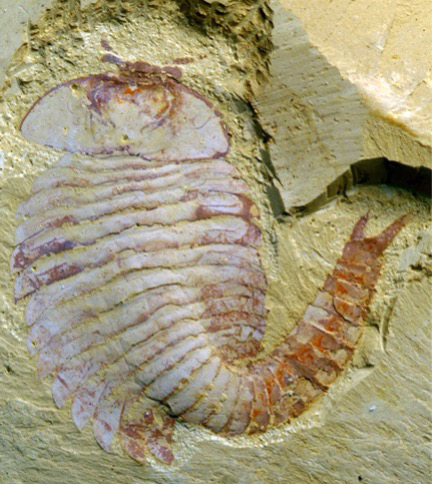
    Two examples of exceptionally well-preserved fossils at Chengjang Biota : on the left Cricocosmia (ver marin, embr.Priapulida) on the right Fuxianhuia (embr.Arthropodes) (pictures © Xiaoya Ma)
    The study of fine sediments to determine the paleo-environment 

    Given the importance of the Chengjang Biota site, and advances in sedimentology over the past 20 years have motivated the drilling of a 130 m-long core in the fine-grained rock hosting the Chengjiang Biota, to study the structure and dynamics of successive deposits and better understand its paleoenvironment.  An international research team including taphonomists, geochemists, paleontologists has studied these sediments.  Romain Vaucher played the role of expert for the interpretation of sedimentary structures.  During his PhD, some of his work was focused on the Fezouata Shalean Ordovician site of exceptional fossil preservation in Morocco.

    Analyses of the sedimentary layers of the core have revealed highly variable sedimentation conditions. The authors noted turbidity indicators that correspond to a coastal area influenced by waves and storms, and deposits corresponding to more or less intense mud influxes. The salinity level was also found to be variable between the different layers. This pattern of depositional succession could be attributed to the joint influence of river and marine processes, leading to the conclusion that the Cambrian Chengjang Biota inhabited a delta. The sedimentary structures observed along the core correspond to those that can be observed on present-day deltas.

    Idealized core intervals are shown for each type of deposit. Animals inhabited an oxygen-rich delta front and were transported by different types of flows to a more distal setting where preservation occurred under oxygen-depleted conditions. HCS hummocky cross-stratification.
    The unexpected result of this study: the Chengjang Biota evolved in a delta area apparently unsuitable for thedevelopment of life

    Rich and well-preserved fossil sites are generally described as having benefited from stable environmental conditions, such as deep marine shores. These conditions appear to have been favorable for the development of life in the Cambrian and to be the constant for exceptional conservation sites of fossils.

    The fact that animal life developed so prolifically in a delta area was quite unexpected. Indeed, this environment represents a high level of stress for living organisms, both in terms of variations in salinity or oxygenation of the water, as well as in terms of irregular and massive contributions of sediment carried by the river floods. These hard conditions are also reflected in the composition of the fossils on the site. For example, in some areas, there are many fossils of juvenile organisms, which were certainly buried by the brutal contribution of mud carried by the floods of the river and  the absence of echinoderm fossils reflects that the salinity of the water was too variable for these organisms. 

    The exceptional preservation of the fossils in such an unstable environment is also a new discovery. According to the observations made on the core, the zone in which the fossils were best preserved is that corresponding to the pro-delta (between the mouth of the river and the seabed). At this point the turbidity is relatively low and a regular sediment supply by the river favors the rapid burial of the carcasses. 

    At present the Chengjang Biota is the only site related to the Cambrian Explosion for which a delta-like environment is described. Further analysis of sediments from equivalent sites may reveal less stables living and fossilization conditions than those currently accepted. 

    Bibliographic reference

    Farid Saleh, Changshi Qi, Luis A. Buatois, M. Gabriela Mángano, Maximiliano Paz, Romain Vaucher, Quanfeng Zheng, Xian-Guang Hou, Sarah E. Gabbott & Xiaoya Ma (2022) The Chengjiang Biota inhabited a deltaic environment.  Nature Communications

    *Dr Farid Saleh is a post-doctoral fellow at Yunnan University in China. In 2020, he received his PhD from the University of Lyon 1 (France), for his contributions on the exceptional preservation of the Lower Ordovician of Morocco. Currently, he is studying the exceptional preservation of the Lower Cambrian in China.

  • Micropyrites: a signature of life

    Micropyrites: a signature of life

    An international team coordinated by Johanna Marin Carbonne (ISTE) has successfully measured micropyrites in modern microbial mats, in Cuba and Mexico. They present their results in a new publication of Geochemical perspective letters.

    The biological activity of microorganisms can trigger the formation of certain rocks, called microbialites1. Currently, microbialites occur in a wide variety of environments, in both fresh and salt water. The microbialites host very diverse microbial communities. These microorganisms impact biogeochemical cycles and induce the precipitation of particular mineral phases, such as pyrite, a mineral composed of iron and sulfur. Studying these minerals allows us to better understand the interactions between living organisms and the surface environments of our planet.

    An international team of researchers has analysed – on a very small scale – the pyrites in microbialites from an alkaline volcanic lake in Mexico and a marine hypersaline lagoon in Cuba on a small scale. A combination of state-of-the-art techniques (including CASA NanoSIMS) have permitted to observe these pyrites at very high magnification and determine their isotopic compositions (their light and heavy sulfur contents). The pyrites present in the two very different environments studied turned out to be remarkably similar isotopically: they have the same light sulfur contents. This composition is typical of a production by microorganisms.

     
    On the left, pyrites (FeS2) in a microbialite appear in white, thanks to scanning electron microscope images (Cayo Coco, Cuba). On the right, an image of S-isotopic composition acquired in NanoSIMS. Pyrites appear as blue and red gradients, as they have variable compositions. The isotope distribution is plotted in white. This composition is typical of the result of a bacterial metabolism (microbial sulfato reduction).  These pyrites have therefore recorded microbial biological activity and can be considered as biosignatures (Crédit : J. Marin-Carbonne).

    Pyrites formed by microbial activity are hence different from pyrites that form without the intervention of living organisms. The authors therefore propose to use these pyrites as biosignatures: their identification in very old rocks could allow to reveal the presence of microorganisms at very remote times. This would offer a new vision of the environments present on the surface of our planet a very long time ago. This result underlines in a corollary way the limits of the use of pyrites for reconstructions of global paleoenvironments, since pyrites resulting from a microbial activity are different from abiotic pyrites.

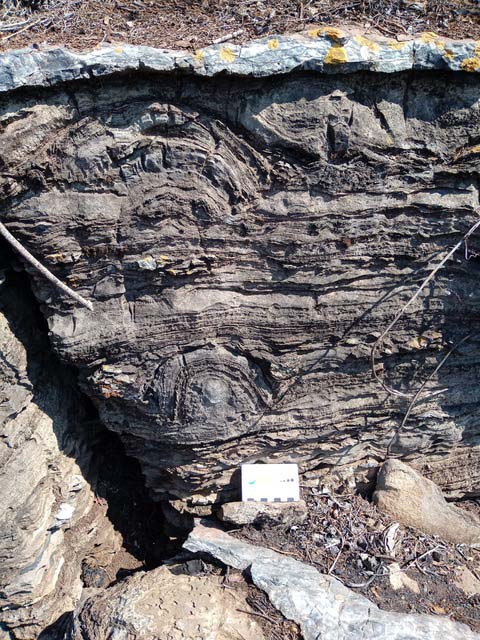
    Microbialites are sediments formed by a microbial mat. 2.4 billion years ago, these microbialites already flourished on earth. Stromatolites, one of the oldest traces of life on our planet, are an example. (2.5 Gy microbialite from the Malmani Campbellrand plateform, South Africa. Photo : J. Marin-Carbonne)

    This study was coordinated by Johanna Marin-Carbonne, assistant professor at the University of Lausanne, thanks to a European H2020 program (ERC Starting Grant STROMATA). It involves two PhD students (Marie Noëlle Decraene and Robin Havas) and several post-doctoral researchers (Julien Alleon, Virgil Pasquier, Nina Zeyen). Many partners have contributed to this work: different French laboratories (IMPMC, Paris, Biogéosciences, Dijon, Magma et Volcans, Clermont-Ferrand), the Weizmann Institute (Israel), the University of Alberta (Canada), the Laboratory for Biological Geochemistry of EPFL and the University of Lausanne. The analytical protocol was developed and calibrated on the NanoSIMS of MNHN (Paris) and the joint UNIL-EPFL Center for Surface Analysis (CASA).

    Bibliography

    J. Marin-Carbonne, M.-N. Decraene, R. Havas, L. Remusat, V. Pasquier, J. Alléon, N. Zeyen, A. Bouton, S. Bernard, S. Escrig, N. Olivier, E. Vennin, A. Meibom, K. Benzerara et Ch. Thomazo (2022) Early precipitated micropyrite in microbialites: A time capsule of microbial sulfur cycling. Geochemical perspective letters.

  • The multiple facets of SIMS in Switzerland

    The multiple facets of SIMS in Switzerland

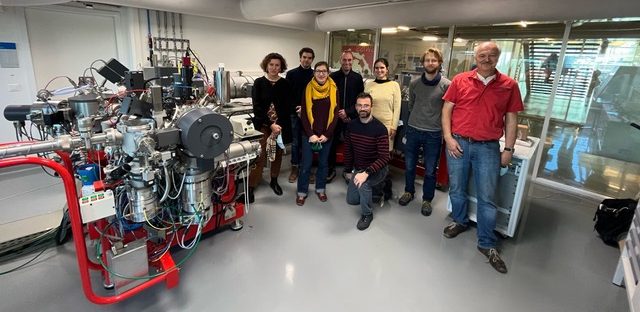
    Prof. Marin-Carbonne, Prof. Meibom, Prof. Rubatto, Prof. Baumgartner, Dr Bouvier, Dr Escrig, Dr Bovay, and M. Plane in front of the SwissSIMS in the Center for Advanced Surface analysis (CASA).

    A recent publication by Johanna Marin Carbonne et al. provides an overview of three Swiss SIMS laboratories and perspectives on their use.

    What is SIMS or Secondary Ion Mass Spectrometry? In a nutshell, it is a quasi non-destructive technique that reveals the properties of a solid surface. A finely focused primary ion beam (called primary) sputters the surface to be analyzed. The resulting mass spectrum of ionized particles (called secondary) provides information on the chemical, elemental or isotopic properties of the sample.

    In Switzerland, several large laboratories offer SIMS instruments. The article details the functioning of three of these instruments and their applications. A TOF-SIMS is located at the University of Geneva. The Center for Advanced Surface analysis (CASA), a joint UNIL-EPFL center, hosts a NanoSIMS and a dynamic SIMS. Optimized differently, these instruments have their own spatial resolution and sensitivity. They are therefore of complementary use. The range of their applications has greatly expanded in recent years.

    • TOF-SIMS meets a wide range of needs: from materials science, art restoration and research, forensics or earth sciences, to cosmochemistry (which addresses the origins and evolution of nuclides in the Universe). In the field of biomedical research, TOF-SIMS is also becoming increasingly useful.
    • The SwissSIMS ion microprobe can be used to determine isotope compositions or to reveal trace and volatile elements at very low concentrations. A new protocol has allowed, for example, to reveal a complex microbial ecosystem dating back 2.7 billion years. This was made possible by targeting the organic matter of ancient fossil rocks, the Precambrian stromatolites. 
    • NanoSIMS studies have provided unique insight into a variety of research topics such as brain metabolism, environmental microbiology, metabolic interactions in symbiotic organisms such as corals, paleoclimatology and dynamic processes in volcanic chambers.

    SwissSIMS is a national platform and was acquired through a consortium including UNIL, UNIGE, UNIBE and ETHZ as well as through the support of the SNSF. The instrument is thus open to all, after examination and review of research projects. The SwissSIMS and the NanoSIMS are part of the Center for Advanced Surface Analysis (CASA), created between EPFL and UNIL, which also hosts several electron microscopes, an electron probe and ICPMS mass spectrometers coupled to laser ablation. At the SwissSIMS, in the Geopolis building of the UNIL, a great diversity of projects  from Switzerland and elsewhere has emerged.

    For more information

    J. Marin Carbonne, A. Kiss, A.-S. Bouvier, A. Meibom, L. Baumgartner, T. Bovay, F. Plane, Stephane Escrig, D. Rubatto (2022). Surface Analysis by Secondary Ion Mass Spectrometry (SIMS): Principles and Applications from Swiss laboratories. Chimia 76 (2022) 26–33. doi:10.2533/chimia.2022.26 

  • A Visual Atlas for Soil Micromorphologists

    A Visual Atlas for Soil Micromorphologists

    Eric Verrecchia, Institute of Earth Dynamics (IDYST)

    If you want to learn about the innermost nature of soils, discover the new Atlas of Soil Micromorphology that has just been published.

    This reference book has been published in Open access by Professor Eric Verrecchia (Institute of Earth Surface Dynamics) and his colleague Luca Trombino (University of Milan).

    Eric Verrecchia, at the beginning of the academic year you will publish with your colleague Prof. Luca Trombino, a visual atlas of micromorphology (at Springer-Nature). What is it about?

    The Visual Atlas for Soil Micromorphologists is based on the principle of natural science atlases, whether in petrology, histology, botany, etc. In this one, the idea is to present concepts, objects and characteristics that are commonly observed in soils at the microscopic scale. There were no such book existing until now, and it seemed appropriate to write this atlas, because we had noticed during our soil micromorphology classes that our students obviously lacked this information. This atlas is therefore useful as a learning support, but also as a quick reference when a specific question arises about a particular feature.

    You have chosen to publish in Open Access. This is quite rare for this kind of book, especially at Springer. Why did you do so?

    We did this work during our research activities, which means that during that time we were receiving a salary as professors. So not receiving royalties seemed legitimate since we are already paid to do this kind of work for the community. However, we had to pay the publisher to make the book available for free in digital format. In this case, we were fully supported by the SNSF (Swiss National Science Foundation) which we thank very much – the SNSF logo appears on the back cover so that people would know. During our numerous working sessions, the International Relations Departement of UNIL, the FGSE, as well as the Herbette Foundation made sure that the conditions of realization were as optimal as possible. In short, we were very well supported. Furthermore, we also thought of the numerous international students, in particular in developing countries, who will thus have free access to a basic work for the description of soils at the microscopic scale.

    SNSF financial support for the Gold Road

    The SNSF finances the publication of scientific books that are directly accessible, free of charge and without restriction in digital form (“gold road”).

    Monographs and refereed collective works are financed, whether or not they are the result of an SNSF-supported project. The SNSF reimburses editorial services for quality control, production and distribution of books in the form of a Book Processing Charge (BPC).

    Researchers can publish a printed book in parallel to the digital version in OA. 

    The Open Access website provides detailed information on the SNSF funding offer and on OA in general.

    Is this discipline so widespread?

    Actually, yes, micromorphology is one of the essential steps in the investigation of soils dynamics, these fragile interfaces that are so fundamental because they feed us, clean our water and contribute to the climate machinery, among other things. To understand the complex evolution of soils, it is necessary to observe their constituents and their interrelationships. This recent discipline, born in the 1930s, has not ceased to evolve and improve since then. We devote a small section to what it could be in the future. Finally, it is an essential discipline for deciphering the intimate transformations of our landscapes: taking a sample in the field and going directly to complicated laboratory analyses too often leads to biased functional interpretations. Addressing complexity requires multiscalar approaches, i.e. at different scales, each of which brings its own set of complementary information.

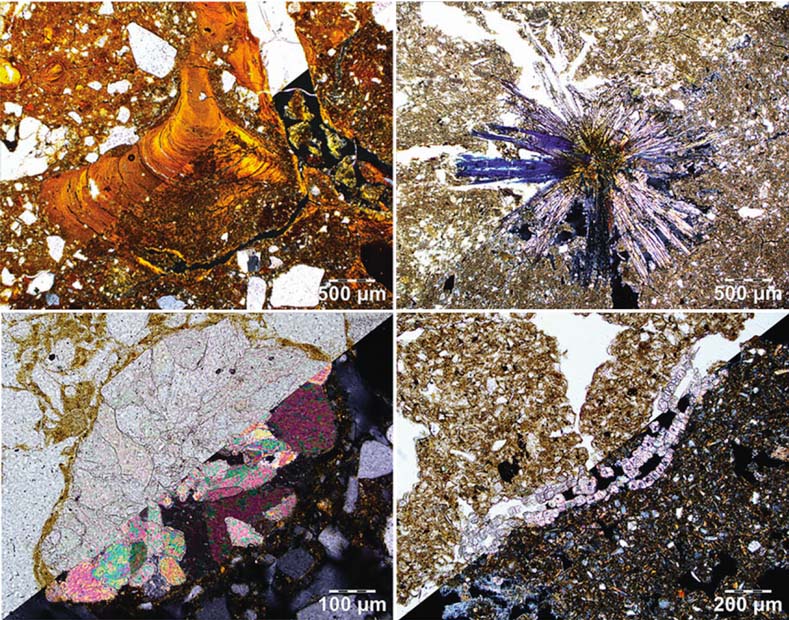
    Top left: clay deposit in a brown soil (Italy). Top right: vivianite crystals in a soil disturbed by human activity (Italy). Bottom left: calcite granules of earthworms in a calcareous soil (Switzerland). Bottom right: calcified plant cells in a brown soil on loess (China).

    So the need is real. It seems that it has already been a success…

    Yes, we were very surprised. After two days there were 30,000 downloads and by the fourth day over 45,000. Our publisher was also very positively surprised, because today we have more than 150,000 downloads. So there was obviously a gap in this area.

    Let’s go back to the content. Is this atlas intended for everyone?

    It is a technical work. Micromorphology makes it possible to observe soils at scales ranging from centimeters to tens of thousands of millimeters. It therefore calls for enlightened notions of mineralogy and soil science in order to identify objects and processes, and to make hypotheses on the dynamics of the observed soil. Nevertheless, it is clear that within the FGSE itself, this Atlas can serve as an illustrative basis for the pedology courses of my colleague Dr. Stéphanie Grand, as well as for bachelor’s degree work on soils and for some geologists interested in paleosols; but the most interested audience will undoubtedly be that of master’s degree students in Biogeosciences, where this discipline is taught and practiced during the realization of their theses. I would also like to point out that some of the images are so beautiful and surprising that I am sure that the Atlas could also inspire artists or simple people curious about what is under their feet during their walks in nature!

    Thank you Prof. Verrecchia and we wish long life and multiple reissues to this superb atlas.

    Thanks to you.

    Publisher Summary

    This open access atlas is an up-to-date visual resource on the features and structures observed in soil thin sections, i.e. soil micromorphology. The book addresses the growing interest in soil micromorphology in the fieldsof soil science, earth science, archaeology and forensic science, and serves as a reference tool for researchers and students for fast learning and intuitive feature and structure recognition. The book is divided into six parts and contains hundreds of images and photomicrographs. Part one is devoted to the way to sample properly soils, the method of preparation of thin sections, the main tool of soil micromorphology (the microscope), and the approach of soil micromorphology as a scientific method. Part two focuses on the organization of soil fragments and presents the concept of fabric. Part three addresses the basic components, e.g. rocks, minerals, organic compounds and anthropogenic features. Part four lists all the various types of pedogenic features observed in a soil, i.e.the imprint of pedogenesis. Part five gives interpretations of features associated with the main processes at work in soils and paleosols. Part six presents a view of what the future of soil micromorphology could be. Finally, the last part consists of the index and annexes, including the list of mineral formulas. This atlas will be of interest to researchers, academics, and students, who will find it a convenient tool for the self-teaching of soil micromorphology by using comparative photographs..

    Reference

    Verrecchia E.P. and Trombino L. (2021) A Visual Atlas for Soil Micromorphologists, Springer-Nature, New-York, 196 pp. doi:10.1007/978-3-030-67806-7

  • Interview with Céline Rozenblat about the Handbook of Cities and Networks

    Interview with Céline Rozenblat about the Handbook of Cities and Networks

    Céline Rozenblat, Institute of Geography and Durability (IGD)

    Céline Rozenblat (Institute of Geography and Sustainability, FGSE, University of Lausanne) and Zachary Neal (Michigan State University) edited the Handbook of Cities and Networks published in July 2021.

    This handbook provides a broad overview of contemporary research on how economic, social, and transportation networks affect the processes of city transformation.

    What is the origin of this guide?

    Following the coordination ten years ago of a special issue of the scientific journal Urban Studies devoted to cities and networks, the editor Edward Elgar suggested that I write a handbook on current research on the theme of cities and the networks that structure them. I wanted to involve Zachary Neal of Michigan State University, whom I knew for his scientific networks with sociologists and psychologists. During about four years, we contacted researchers from multiple disciplines who were conducting projects in this area. Numerous contributions were collected covering most of the fields concerned in most parts of the world (only gap in South America). Our great satisfaction is that most of the contributions were made by people of reference in their field.

    What is its scientific contribution?

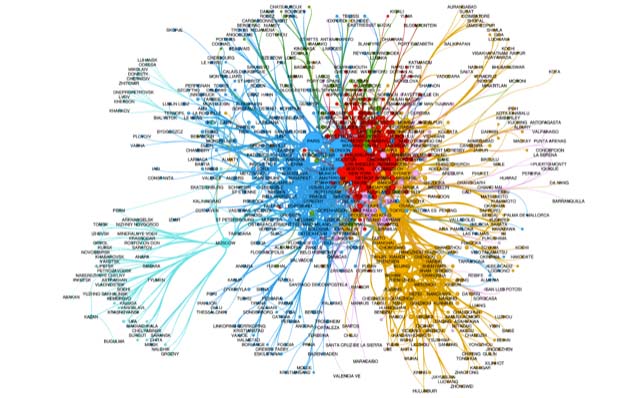
    The aim of this book is to give an overview as exhaustive as possible of the vast range of the current research community devoted to the study of cities and the interconnections that develop within or between them. These studies are located in fields as diverse as the physics of networks and complex systems (stemming from crystallography) or sociology through economics, history or psychology. This multidisciplinarity is further enhanced by the fact that in each field, different levels of study (granularity of the basic elements) can be applied and this in more or less vast dimensions/spaces (scales). As an introduction, in the first chapter we have drawn up a grid of the different approaches and methods illustrated in this Handbook according to their level of study and the scale considered.

    Who is the target audience for this Handbook?

    This guide is intended for advanced researchers or postgraduate students, as the studies presented call for cross-cutting and specialized notions for which Bachelor’s or Master’s students do not have the necessary concepts and analytical tools.

    What kind of networks can be studied within a city?

    Networks are defined in terms of the units considered (nodes) and the relationships that are established between these nodes. The distribution of these relationships defines the structure of the network, which is analyzed using the concepts and methods of complex systems. Nodes can correspond to parts of cities (e.g., neighborhoods or streets for transportation networks), to specific elements of a city (e.g., seaports for trade networks), or to entire cities (e.g., intercity networks). They can also be considered at the level of an individual or group of individuals (e.g. social networks). Relationships can be studied in the context of a physical space (geographical distances, communication routes) but also in invisible spaces such as the economic or social networks, whether they are implemented face-to-face (there is a tradition of more than a century of research in this area, notably by the Chicago School) or through numerical social networks.

    Have technological/computational advances helped advance this research (evolution of data analysis potential, Big Data related methods)? Are the methods used analogous to other network study methods?

    There has clearly been an evolution of methodologies and approaches to network and city studies with the possibility of analyzing and interpreting many data simultaneously. The methods used in particular in social sciences and communication sciences for the study of social networks could be taken up and adapted from the study of other types of networks. For example, the studies carried out in the field of physics can be transposed to the context of cities: two renowned physicists in complex systems have contributed to this book, Luis Bettencourt and Marc Barthélémy.

    What aspects are currently emerging in this field of study?

    Most of the time, networks are studied in a “horizontal” dimension between individuals or between territories. There are still few studies of networks involving relations with the environment that involve a “vertical” approach. The implementation of practices related to sustainable development is revealed by new network approaches (changes in mobility in cities as developed by the University Observatory of Bicycles and Active Mobility of my colleagues Patrick Rérat and Bengt Kayser of the UNIL, or purchases favoring local commerce etc.). Social networks tend to increase the gaps between closed groups of people, by creating barriers/borders between different schools of thought. The “entre-soi” of like-minded people/groups is also an emerging issue. The impacts of COVID are also an emerging topic, even if they appear more as a gas pedal of already existing processes (such as teleworking, the effects of economic globalization, the closing of social networks…) than as the cause of new situations.

    To what extent does this book concern the FGSE more widely?

    The subject of cities is central to sustainable development, since we can see forms of urbanization as the cause of, but also as a possible solution to global warming. The study of cities is strongly anchored at the IGD with at least eight professors-researchers directly involved, but it is also present in an indirect way within the Faculty of Geosciences as well as in the other faculties of the UNIL. A project to identify researchers working on urban issues at UNIL is being prepared in collaboration with the Center of Competence in Sustainability. Several researchers from the IGD are contributing to build this emerging transversal research network, as well as people from the faculties of SSP, HEC, FBM or EPFL. The announcement of the constitution of this research network on cities will be made in the fall.

    At the individual level, it would be a city that responds to the aspirations of each and everyone. Each person creates “his or her city” with the uses he or she makes of the elements available and the relationships he or she surrounds himself or herself with.

    What would be an “ideal” city? 

    At the level of a community, an ideal city should allow for a maximum of exchange and mixing of all kinds (cultures, social levels, generations) in order to avoid creating sub-sets that have almost no connection between them. For example, the densification of cities increases the price of rents, reducing access to the centers for the most disadvantaged populations. Economies are transforming to be greener and cities lacking innovation and highly qualified people are suffering. In my opinion, it is above all these processes of fracture within and between cities that are currently at work and against which we must find regulations adapted to each society. It is obviously desirable to move towards more ecological cities, but without reinforcing social segregation, which has never grown so much on different scales.

  • New measurements of Titanium diffusion in quartz: a new magma chronology

    New measurements of Titanium diffusion in quartz: a new magma chronology

    In a recent publication, Michael Jollands, Elias Bloch and Othmar Müntener present new measurements of Titanium diffusion in quartz. Their results differ from previous studies by more than two orders of magnitude. These new findings allow a re-evaluation of the chronology and contributed to the award of the EGU 2021 Prize to its first author.

    Rewriting the story of a giant eruption

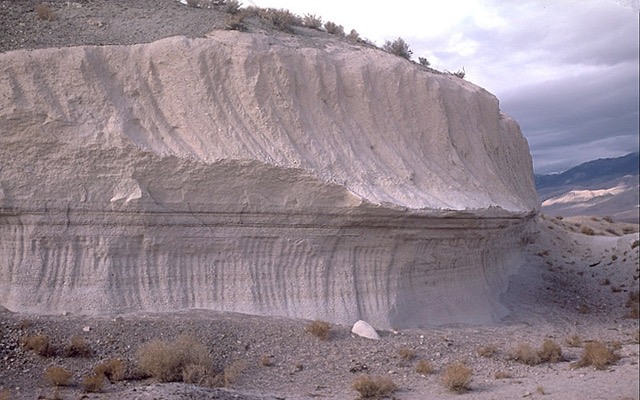
    The impressive Bishop Tuff geological formation in California is the result of a colossal silicic eruption about 800,000 years ago. The resulting flow spreads over 1000 km2 and is 150 m thick.

    Understanding big silicic volcanic eruptions, their origin, their potential impact on society and the environment is not easy. And for good reason: such eruptions have rarely been observed in modern times. The deposits of eruptions preserved in the geological record are therefore our best allies in describing the past and predicting the future. The Bishop Tuff is a prime testing ground in this regard.

    Michael C. Jollands,  Elias Bloch, Othmar Müntener
    New Ti-in-quartz diffusivities reconcile natural Ti zoning with time scales and temperatures of upper crustal magma reservoirs
    Geology (2020) 48 (7): 654–657

    Through the study of quartz, the mineral that typically forms in silicic magmatic systems and fuels these eruptions, geologists attempt to retrace the history of Earth’s dynamics. Quartz contains the records processes from their initial crystallization, their growth, to their final cooling at the Earth’s surface. Quartz has the ability to reveal the thermal, chemical and temporal evolution of magmatic systems.

    Calibrating this tool as well as possible is therefore essential. This is why this new study is a fundamental step.

    Titanium: slower than expected!

    Titanium (Ti) is one of the many trace elements – in minute quantities – that substitute for silicon in quartz. The diffusioncapacity in the mineral, which is strongly dependent on temperature, is thus used by geologists as a geochronometer.

    Ti concentration profiles, generally interpreted as resulting partly from crystallization and partly from diffusion, are now commonly analysed to understand a wide range of geological phenomena. This technique has allowed, for instance, to estimate the time required for the formation of porphyry ore deposits (which provide, among others, the “ancient marbles”) and to date metamorphic events. It also makes it possible to determine how long and at what temperatures quartz crystallized before a volcanic eruption, during its stay in the magma of the shallow crust.

    Jollands and colleagues’ results are striking: the diffusion of Ti would be two to three times slower than previously reported. These new Ti-in-quartz measurements may seem surprising, but they do reconcile the time scales deduced from Ti diffusion with those determined using radioisotopes and other diffusion timers. By revisiting this technique, the authors have thus helped to establish a theory consistent with all existing studies.

    An awarded work that redraws our time scale

    This groundbreaking study has been hotly debated  (See Comment and Reply) and earned its first author, Michael Jollands, the EGU 2021 Award Outstanding Early Career Scientist of the Geochemistry, Mineralogy, Petrology and Volcanology Division.

    Along with other studies by Dr. Jollands, this latter work provides the community with an arsenal of tools to constrain the time scale of geological processes: from mantle convection and melting to magma migration and cooling, through metamorphic reactions and orogenesis. This work has a direct impact on decoding the thermal history of quartz-rich magmas, in particular the pre-eruptive history of major explosive silicic eruptions.

    After his stay at ISTE in Othmar Müntener’s team, Michael Jollands is now pursuing his work on the chemistry and physics of crystals and their application to our understanding of time scales at Columbia University (New York), supported by a grant from the Swiss National Science Foundation (SNSF).