Category: Research at work

  • From space, the Alps turn green surprisingly fast

    From space, the Alps turn green surprisingly fast

    “From white to green…” an article published in Science on June 3, 2022, shows that the productivity of vegetation above the tree line has increased in almost 80% of the Alps in the last 40 years. Like the Arctic, the mountains are becoming greener, and impressively so. Grégoire Mariethoz and Antoine Guisan tell us about the work they carried out to arrive at this striking result, based on millions of satellite data.

    Do these findings change our vision of the Alps?

    Antoine Guisan : We didn’t imagine that the Alps’ greening would be so strong. This work is very factual, based on satellite data. The results are here and they are spectacular.

    Grégoire Mariethoz : We knew that the forest was gaining ground, but for the meadows, it wasn’t at all obvious to me that the greening was so important. We focused on the non-forest and non-glaciated areas: the increase in vegetation productivity is very clear. Snow cover is decreasing slightly, especially at lower elevations. At higher elevations, snow cover remains because of increased precipitation.

    Why are these results new?

    GM : 40 years of very high resolution satellite images (on 30 m x 30 m pixels), such a long and precise time series is unprecedented. The analysis of this series was only possible thanks to the current computing power. Many studies have done this type of work in the past, but at the kilometre scale. In the Alps, this doesn’t make sense: in 1 km2, snow and vegetation, top and bottom of the mountain are mixed up.

    (© Dennis Thompson | Dreamstime.com)

    How is it possible to measure plant productivity by satellite? What is measured in a satellite snapshot is the amount of red absorbed (compared to infrared). This red is not reflected because it is absorbed by plants and transformed into energy for photosynthesis. It is therefore an index of productivity and indirectly of biomass. 

    « It works very well. As soon as the plant wilts, we see that it absorbs less red. While in the growth phase, productivity is maximum. »

    Grégoire Mariethoz

    You come from different disciplines, how did you come to work together?

    AG : D’après nAccording to our reviewers, his article was long awaited. However, the project was not associated with any funding, it emerged floating between teams. After the paper on Arctic greening, we realized that not much was known about the other cold regions. But analysing Landsat satellite images means facing a huge mosaic of small images, a puzzle that is difficult to assemble! And between two passes of the satellite, huge data gaps, not to mention if it is cloudy. All of a sudden, the perspectives opened up by collaborating with Grégoire. Without him, Google Earth Engine – which allows the reconstruction of the puzzle – would have remained an unusable nebula.

    GM : And I wouldn’t have been focused on vegetation without Antoine’s input. At first, I simply proposed a bachelor’s thesis on the subject. Eventually, this project went on for a very long time, the teams changed, but our perseverance paid off.

    «The mosaic of satellite images is a headache that many biologists have not attempted.» AG

    This statement reflects how this project started. Antoine Guisan and Grégoire Mariethoz came together in an SNSF interdisciplinary project and launched this idea, which had nothing to do with the original topic. By putting groups together, the project was the catalyst, and brought to life something else.

    « If we plan, we’re going to do what we plan. You have to leave room for surprise. »

    Grégoire Mariethoz

    What was the main challenge?

    GM : One challenge is to harmonize the satellites with each other, to have a consistent series. Over 40 years, four different satellites have sent data. We had to make adjustments, or rather check that the NASA adjustments were really correct. This was requested by a Science reviewer, which allowed us to verify that NASA had done its job properly!

    The starting code, on the other hand, was written by Mathieu Gravey in 10 minutes at my office, but this is because he knows the tool very well! The longest part was to convert the time in seconds since the birth of JC…

     «Serendipity is a good way to describe how this work was born» AG

    Plus le vert est foncé, plus la productivité végétale a augmenté ces dernières décennies. Sur cette The darker the green, the more plant productivity has increased in recent decades. In this image, we can already see how much greening is happening over large areas. “In the long term, we do not know if this greening will continue. For now, the glaciers are melting, so they provide water regularly throughout the summer to the vegetation. It is possible that in 20 years it will be different” GM. (Photo: GM, the image here includes areas of forest that were excluded from the analysis)

    The changes are massive, what will be their impact?

    AG : As vegetation grows, it absorbs more carbon, which is positive. But even if the change is impressive, the biomass in the high mountains will never be huge. And above all, this small positive effect does not counterbalance all the negative effects of global warming! Landslides, melting of permafrost, loss of water in the long term, loss of a number of alpine species…

    GM : Another implication is economic. Winter tourism will be impacted, of course. But so will summer tourism. If the vegetation changes in the high mountains, what happens to the typical Swiss landscape?

    Can your method be replicated in other parts of the world?

    GM : Satellite coverage varies greatly around the world. Several decades ago, images were not systematically recorded, especially in certain regions. It is very good in North America, less good in Africa. Europe is not the best place: there is a 10-year gap over half of the Alps! It is only over the last 10 years that good coverage is achieved everywhere, at all resolutions. On the Himalayas, it would be interesting to do the same kind of work. It is a much larger region than the Alps, and it has the same issues.

    Original publication
    • Sabine Rumpf, Mathieu Gravey, Olivier Brönnimann, Miska Luoto, Carmen Cianfrani, Grégoire Mariethoz and Antoine Guisan. From white to green: Snow cover loss and increased vegetation productivity in the European Alps, Science (2022)
      doi: 10.1126/science.abn6697
  • Price of European Geosciences Union awarded to Mikhail Kanevski

    Price of European Geosciences Union awarded to Mikhail Kanevski

    Mikhail Kanevski, Institute of Earth Surface Dynamics

    The EGU Ian McHarg 2022 Medal was awarded to Mikhail Kanevski for his outstanding work in environmental data processing, integrating geostatistics, machine learning algorithms and other digital transformations.

    Mikhail Kanevski is Honorary Professor at IDYST in the Geosciences and Knowledge Discovery in Data research group

    His scientific interests cover a wide range of topics: geographic information science, environmental modeling, spatial statistics, time series forecasting, machine learning and data mining. The main applications are in natural hazards, pollution, and renewable energy analysis and assessment. On the occasion of the awarding of this medal, Mr. Kanevski tells us about his research field.

    You obtained a PhD in plasma physics. Why did you turn to geosciences afterwards?

    The triggering event was the accident at the Chernobyl nuclear power plant. Following this event, many questions were addressed to scientists in order to determine how to deal with the damage caused and the pollution that followed. I was thus led to model the environmental risks of pollution by radioactivity.

    Then the scientific curiosity and the very interdisciplinary aspect of the field of geosciences and environment encouraged me to remain in this field. Twelve years after my thesis, I obtained a habilitation in the field of environment and data analysis. 

    What has been your career path within the FGSE?

    Since 1993, I have collaborated a lot with Michel Maignan, (currently Honorary Professor at ISTE), with whom we have developed many projects related to environmental data and risk analysis. In 2004 I was hired at UNIL in the newly created FGSE. My FNS projects were oriented towards fundamental questions of data analysis and modeling using statistics, geostatistics and machine learning. The applications of the projects were: topo-climatic modeling and different types of natural hazards: avalanches, forest fires, landslides, pollution (air, soil, indoor radon). In particular, we have established risk maps that could be used as a reference for the decisions taken in the management bodies of the territory. Then the projects have evolved in parallel with the technologies and tools available to move towards the processing of more and more data and artificial intelligence.

    How has your field of research evolved over the last 10 years?

    The tools have of course evolved a lot: the amount of data available as well as their quality has greatly increased thanks to satellites and monitoring networks. In Switzerland in particular, the density and quality of data is very good. At the same time, computer tools and computing power have made it possible to process this data in an increasingly complex and detailed manner. During my career in FGSE, the field of data sciences has known different waves alternating enthusiasm and disappointment. Nowadays it has become a “basic” tool for many researchers.

    What are the limitations of data science?

    Whatever the analytical performance, the most important thing is the starting question and hypothesis. The problem must be clearly identified and the question correctly posed for the data processing to provide a valid answer. Next, it is important to ensure the quality and relevance of the data collected, and to know how to interpret the relationships obtained between the various parameters studied. Today, cause and effect relationships can be deduced automatically from the results obtained through data processing and advanced algorithms. In this sense it is important to be able to rely on a good knowledge of the rules and equations of geophysics, geochemistry or other, which define the mechanisms and allow a good interpretation of the results. Today interpretability and explicability of the data science results (how and why an algorithm takes a particular decision), especially obtained by machine learning, are one of the major challenge.

    What does this medal represent?

    This award is a recognition of the work of a whole team that has contributed a lot to the field. The many theses and projects I have supervised have continually advanced my research. I am excited to see the new generation of researchers who are now coming up with a very interesting background and complete training in both geosciences and data analysis. This will undoubtedly change the field and the way the issues are approached. Over the years, accompanying young researchers has been as much a pleasure as a job.

    General Assembly of the EGU

    Mikhail Kanevski will receive his medal on May 23, during the General Assembly of the EGU in Vienna.

  • The paleoenvironment of Chengjang Biota: a sedimentological study leads to an unexpected result

    The paleoenvironment of Chengjang Biota: a sedimentological study leads to an unexpected result

    Romain Vaucher, Institute of Earth Sciences

    The Chengjang Biota is a fossil assemblage of high importance, particularly with regard to its faunal richness and the quality of conservation of the species it contains. Romain Vaucher, a post-doctoral fellow at ISTE, contributed to research led by Farid Saleh (Yunnan University)  which determined that the paleoenvironment of this site was a delta.  This completely new result earned the research team a publication in the journal Nature Communications.

    The Chengjang Biota: a privileged witness of the Cambrian Explosion

    The Cambrian Explosion (or zoological big bang) occurred over 500 million years ago. During this key event in the evolution of species, many plant and animal forms differentiated in a relatively short period of time (a few tens of millions of years). Several fossil sites bear witness to this pivotal period, one of most famous being the Burgess Shale, discovered in 1909 in British Columbia (Canada).

    In 1984, another remarkable fossil site was discovered in what is now Yunnan Province in China. This site contains the fauna of the Chengjang Biota that also lived during the Cambrian Explosion. It is one of the oldest identified fossil deposits (~ 518 million years ago), containing more than 250 exceptionally well-preserved animal species.  This site of high scientific importance was classified as a UNESCO World Heritage Site in 2012.

    Numerous researches have provided precise information on the fossils of this site. However, the environment in which animal evolved is still not well defined. The weathered outcrops studied so far have been degraded by natural erosion preventing the detailed analyze of the sedimentary deposits. Interpretations of these outcrops indicate that the environment must correspond to a marine shore. Still, until now there has been no consensus on the nature of this shore and the living conditions prevailing there (influence of waves, tides, depth, etc.), nor the conditions that have promoted the exceptional preservation of the fossils.

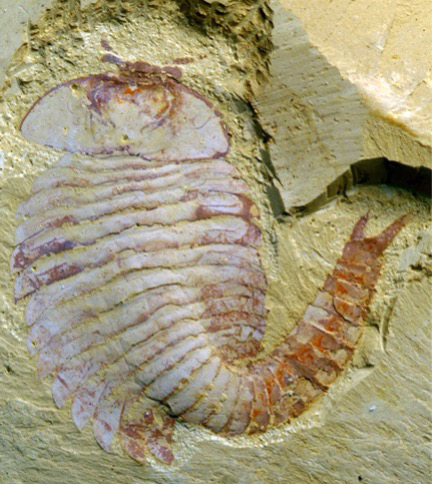
    Two examples of exceptionally well-preserved fossils at Chengjang Biota : on the left Cricocosmia (ver marin, embr.Priapulida) on the right Fuxianhuia (embr.Arthropodes) (pictures © Xiaoya Ma)
    The study of fine sediments to determine the paleo-environment 

    Given the importance of the Chengjang Biota site, and advances in sedimentology over the past 20 years have motivated the drilling of a 130 m-long core in the fine-grained rock hosting the Chengjiang Biota, to study the structure and dynamics of successive deposits and better understand its paleoenvironment.  An international research team including taphonomists, geochemists, paleontologists has studied these sediments.  Romain Vaucher played the role of expert for the interpretation of sedimentary structures.  During his PhD, some of his work was focused on the Fezouata Shalean Ordovician site of exceptional fossil preservation in Morocco.

    Analyses of the sedimentary layers of the core have revealed highly variable sedimentation conditions. The authors noted turbidity indicators that correspond to a coastal area influenced by waves and storms, and deposits corresponding to more or less intense mud influxes. The salinity level was also found to be variable between the different layers. This pattern of depositional succession could be attributed to the joint influence of river and marine processes, leading to the conclusion that the Cambrian Chengjang Biota inhabited a delta. The sedimentary structures observed along the core correspond to those that can be observed on present-day deltas.

    Idealized core intervals are shown for each type of deposit. Animals inhabited an oxygen-rich delta front and were transported by different types of flows to a more distal setting where preservation occurred under oxygen-depleted conditions. HCS hummocky cross-stratification.
    The unexpected result of this study: the Chengjang Biota evolved in a delta area apparently unsuitable for thedevelopment of life

    Rich and well-preserved fossil sites are generally described as having benefited from stable environmental conditions, such as deep marine shores. These conditions appear to have been favorable for the development of life in the Cambrian and to be the constant for exceptional conservation sites of fossils.

    The fact that animal life developed so prolifically in a delta area was quite unexpected. Indeed, this environment represents a high level of stress for living organisms, both in terms of variations in salinity or oxygenation of the water, as well as in terms of irregular and massive contributions of sediment carried by the river floods. These hard conditions are also reflected in the composition of the fossils on the site. For example, in some areas, there are many fossils of juvenile organisms, which were certainly buried by the brutal contribution of mud carried by the floods of the river and  the absence of echinoderm fossils reflects that the salinity of the water was too variable for these organisms. 

    The exceptional preservation of the fossils in such an unstable environment is also a new discovery. According to the observations made on the core, the zone in which the fossils were best preserved is that corresponding to the pro-delta (between the mouth of the river and the seabed). At this point the turbidity is relatively low and a regular sediment supply by the river favors the rapid burial of the carcasses. 

    At present the Chengjang Biota is the only site related to the Cambrian Explosion for which a delta-like environment is described. Further analysis of sediments from equivalent sites may reveal less stables living and fossilization conditions than those currently accepted. 

    Bibliographic reference

    Farid Saleh, Changshi Qi, Luis A. Buatois, M. Gabriela Mángano, Maximiliano Paz, Romain Vaucher, Quanfeng Zheng, Xian-Guang Hou, Sarah E. Gabbott & Xiaoya Ma (2022) The Chengjiang Biota inhabited a deltaic environment.  Nature Communications

    *Dr Farid Saleh is a post-doctoral fellow at Yunnan University in China. In 2020, he received his PhD from the University of Lyon 1 (France), for his contributions on the exceptional preservation of the Lower Ordovician of Morocco. Currently, he is studying the exceptional preservation of the Lower Cambrian in China.

  • Climate change in the fjords of southern Greenland

    Climate change in the fjords of southern Greenland

    A interdisciplinary research project will be launched in summer 2022

    Laine Chanteloup, Institute of Geography & Durability
    Samuel Jaccard, Institute of Earth Sciences

    In the framework of the Greenlandic Fjord ecosystems in a changing climate: Socio-cultural and environmental interactions project funded by the Swiss Polar Institute, Laine Chanteloup (Institute of Geography & Durability) and Samuel Jaccard (Institute of Earth Sciences) will be part of an interdisciplinary team of scientists, who aim to understand the ecosystem of Greenland’s fjords in the context of climate change. 

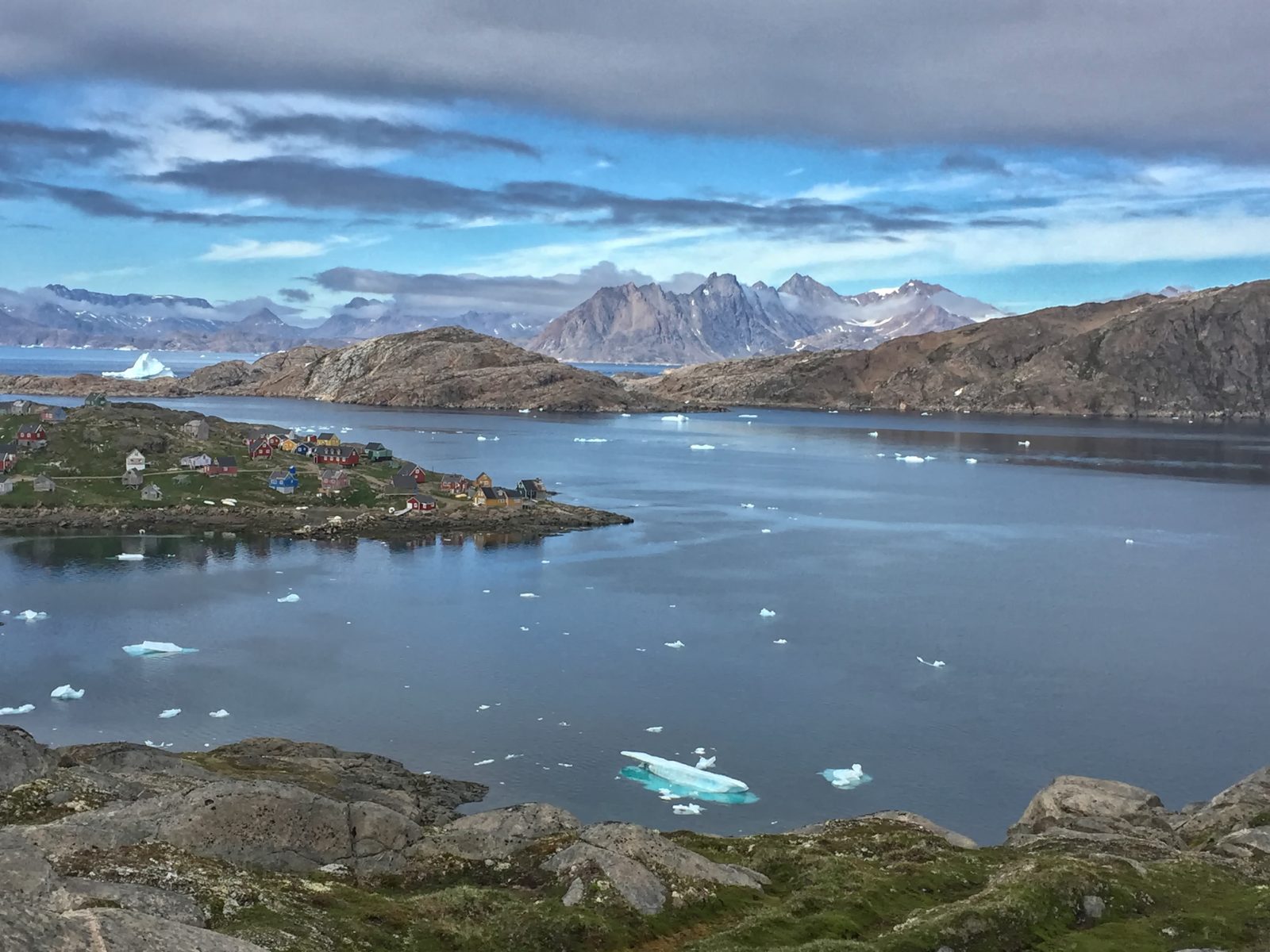
    © Biserko | Dreamstime.com

    What is the objective of this project?

    The aim of the project is to better understand the fragile ecosystem of the fjords of southwest Greenland, and its evolution in the context of climate change. It will also allow to refine models used to predict the evolution of this ecosystem and its climate, and to draw consequences for local communities. Multiple analyses will be carried out on the various components of the fjords, including the cryosphere, ocean, atmosphere, soil and biosphere.  

    The local populations will also be involved in the research, and interviews will be conducted to assess their relationship and dependence on the fjord ecosystem. This new knowledge aims to develop a integrated understanding of the consequences of melting glaciers on biodiversity, the challenges that different ecosystem transformations may  bear on local communities that live from fishing and agriculture, and to better quantify the transfer of carbon between the different natural reservoirs.

    How did this project start?

    This project was initiated following a call for projects by the Swiss Polar Institute SPI Flagship Initiatives, which is intended to fund large-scale interdisciplinary projects in both polar and mountainous regions.  This call inspired several researchers who had already worked together on expeditions in polar regions previously.  Once the research theme and location were identified, the team was formed as the project developed. The disciplinary diversity covered by the team members will allow a systemic and interdisciplinary research approach. 

    Why Southern Greenland in particular?

    Southern Greenland was selected for several reasons: i) it is a region where global warming is more pronounced than elsewhere on the globe (on average 2.5 to 3°C against 1.1°C on the whole planet) and where the impact of warming are particularly salient;  (ii) the north of Greenland has already been the subject of several studies, unlike the southern part;  iii) fjords represent interesting interfaces between terrestrial and oceanic environments, while being subject to the influence of glacier metling ; iv) the presence of inhabited areas makes it possible to integrate an additional dimension into this research, and to evaluate the impact climate change imposes on the livelihood of local communities and their perception of acceleated change on their environment.

    What will be your respective roles in the team?

    Laine Chanteloup : I have been working for several years with indigenous peoples in the Canadian Arctic, on the evolution of socio-cultural relationships to the environment. My role in this project will be first to better understand the ways in which Greenlanders think about their relationship with the fjord environment. Then I will look at their perceptions of the evolution of landscapes in the context of climate change, and how they experience these transformations. A considerable challenge in this approach will be to be able to dialogue with the inhabitants since the two most spoken languages in Greenland are the Kalaallisut and Danish. 

    Samuel Jaccard :  I will lead the “ocean” part of the research project and in particular the documentation of the carbon cycle in the fjords: the carbon cycle depends on many factors including the growth of microalgae that capture and synthetize CO2 from the atmosphere via photosynthesis. When glaciers melt terrestrial organic matter and nutrients are transferred to the fjord via runoff. The question is how the influx of freshwater influences the circulation in the fjords and to what extent nutrient input affects CO2 uptake. Two expeditions of 2 to 3 weeks each on a research vessel are planned in 2023 and 2024. During these expeditions, measurements of oceanic and atmospheric parameters will be carried out. The ice-reinforced research vessel will make it possible to penetrate far into the fjords and get as close as possible to the glacier tongues.

    What will be the challenges of this interdisciplinary work?

    As a first step, it will be necessary for the members of the team to develop a good understanding of each other’s disciplinary approaches.

    Logistical aspects will also be very important. The environment of Southern Greenland is isolated and remote, and climatic conditions can be changing rapidly, which requires careful organization of the logistics to guarantee a smooth implementation of the research. 

    One of the first activities to be carried out in the field this summer, will be to inform and obtain feedback from the local population on the content and objectives of the project. Greenland is subject to various research initiatives, some of which are related to mining and oil resources. These are not always well perceived by the inhabitants and sometimes create mistrust towards the scientific teams.  Contacts have already been established with the Greenlandic authorities in order to outline the project and to obtain the required research permits. 

    Finally, it will also be necessary to be careful to maintain a balance between the number of people on site and the local population. It will be opportune for several team members to meet in the field and share their experiences and carry out common activities, while trying to create relationships of trust with the inhabitants. 

    Activities should be concentrated in July and August for most of the members: at this period, the weather conditions are the most favorable for expeditions at sea or in the fjords. It is also at this time of the year that the ice melt is the most pronounced. For the studies in connection with the local population, it is sometimes preferable to go there outside the summer when people are very busy and do not necessarily have much time to share with researchers. 

    This first year of fieldwork will be very important to set up the project, to identify the interesting study areas, as well as to get in touch with the inhabitants and to dialogue about our approach.

    What is your state of mind a few months before the first step on the field?

    Laine Chanteloup : I am excited to start working with Greenlanders, discovering this island and the communities that live there. It’s always exciting to discover new people, and to interact with an Inuit society that is different from the Nunavimmiut partners (inhabitants of Nunavik, northern region of the province of Quebec) I am used to working with. The other challenge will be to integrate into a team with new Swiss colleagues in environmental and climate sciences, who are working on areas quite distant from my research community. It’s a motivating challenge and I’m looking forward to this experience.

    Samuel Jaccard : I am very excited about this new experience. I have already participated in several expeditions in the polar regions and it is always a privilege to be able to participate in such research. Southern Greenland is still relatively unstudied, which gives this project a discovery aspect. In addition, we will be a team with expertise in a variety of disciplines, which will allow us to conduct a very comprehensive research over all aspects of climate change in a given environment.  The fact that two FGSE members representing two different institutes are involved is a great example of collaboration and may be an inspirating experience for students or young researchers.

    The SPI Flagship Initiatives Greenlandic Fjord ecosystems in a changing climate: Socio-cultural and environmental interactions project  will start on April 4th 2022, with a first meeting of all team members. A communication program is planned over the duration of the project, with the presence of journalists on site and regular reports from researchers on a dedicated website.

    Swiss Polar Institute

    The Swiss Polar Institute is a foundation recognised by the Swiss Confederation.  Its objective is to facilitate research in polar and high-altitude environments (Andes, Himalaya, Alps), in order to observe and understand the mechanisms and effects of climate change in these sensitive areas. Various funds are regularly put out to tender to support mainly the logistical aspects of the projects, and a grant is also specifically dedicated to master and doctoral students.

  • Micropyrites: a signature of life

    Micropyrites: a signature of life

    An international team coordinated by Johanna Marin Carbonne (ISTE) has successfully measured micropyrites in modern microbial mats, in Cuba and Mexico. They present their results in a new publication of Geochemical perspective letters.

    The biological activity of microorganisms can trigger the formation of certain rocks, called microbialites1. Currently, microbialites occur in a wide variety of environments, in both fresh and salt water. The microbialites host very diverse microbial communities. These microorganisms impact biogeochemical cycles and induce the precipitation of particular mineral phases, such as pyrite, a mineral composed of iron and sulfur. Studying these minerals allows us to better understand the interactions between living organisms and the surface environments of our planet.

    An international team of researchers has analysed – on a very small scale – the pyrites in microbialites from an alkaline volcanic lake in Mexico and a marine hypersaline lagoon in Cuba on a small scale. A combination of state-of-the-art techniques (including CASA NanoSIMS) have permitted to observe these pyrites at very high magnification and determine their isotopic compositions (their light and heavy sulfur contents). The pyrites present in the two very different environments studied turned out to be remarkably similar isotopically: they have the same light sulfur contents. This composition is typical of a production by microorganisms.

     
    On the left, pyrites (FeS2) in a microbialite appear in white, thanks to scanning electron microscope images (Cayo Coco, Cuba). On the right, an image of S-isotopic composition acquired in NanoSIMS. Pyrites appear as blue and red gradients, as they have variable compositions. The isotope distribution is plotted in white. This composition is typical of the result of a bacterial metabolism (microbial sulfato reduction).  These pyrites have therefore recorded microbial biological activity and can be considered as biosignatures (Crédit : J. Marin-Carbonne).

    Pyrites formed by microbial activity are hence different from pyrites that form without the intervention of living organisms. The authors therefore propose to use these pyrites as biosignatures: their identification in very old rocks could allow to reveal the presence of microorganisms at very remote times. This would offer a new vision of the environments present on the surface of our planet a very long time ago. This result underlines in a corollary way the limits of the use of pyrites for reconstructions of global paleoenvironments, since pyrites resulting from a microbial activity are different from abiotic pyrites.

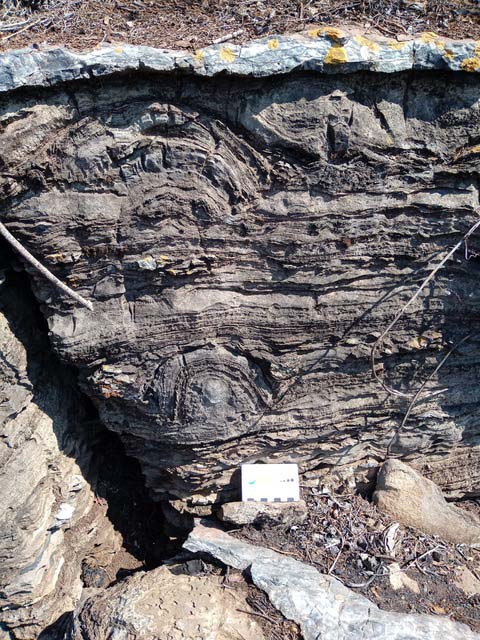
    Microbialites are sediments formed by a microbial mat. 2.4 billion years ago, these microbialites already flourished on earth. Stromatolites, one of the oldest traces of life on our planet, are an example. (2.5 Gy microbialite from the Malmani Campbellrand plateform, South Africa. Photo : J. Marin-Carbonne)

    This study was coordinated by Johanna Marin-Carbonne, assistant professor at the University of Lausanne, thanks to a European H2020 program (ERC Starting Grant STROMATA). It involves two PhD students (Marie Noëlle Decraene and Robin Havas) and several post-doctoral researchers (Julien Alleon, Virgil Pasquier, Nina Zeyen). Many partners have contributed to this work: different French laboratories (IMPMC, Paris, Biogéosciences, Dijon, Magma et Volcans, Clermont-Ferrand), the Weizmann Institute (Israel), the University of Alberta (Canada), the Laboratory for Biological Geochemistry of EPFL and the University of Lausanne. The analytical protocol was developed and calibrated on the NanoSIMS of MNHN (Paris) and the joint UNIL-EPFL Center for Surface Analysis (CASA).

    Bibliography

    J. Marin-Carbonne, M.-N. Decraene, R. Havas, L. Remusat, V. Pasquier, J. Alléon, N. Zeyen, A. Bouton, S. Bernard, S. Escrig, N. Olivier, E. Vennin, A. Meibom, K. Benzerara et Ch. Thomazo (2022) Early precipitated micropyrite in microbialites: A time capsule of microbial sulfur cycling. Geochemical perspective letters.

  • Biodiversity restoration: local projects under scrutiny

    Biodiversity restoration: local projects under scrutiny

    Gretchen Walters, Institute of Geography and Durability

    What can we learn from actions led by Indigenous peoples and local communities? Using ecological as well as social methods, Gretchen Walters (IGD), Olivier Hymas (CIRM) and Jenny Kelleher (IUCN) are launching “NARROW: Narratives on Restored Water” in the spring of 2022, a transdisciplinary and trans-sectorial project. It will examine how locally-led restoration works.

    NARROW is funded by an ERA-NET COFUND action, implemented by two European networks: BiodivERsA and Water JPI. These networks aim at building a sustainable collaboration and a common vision to tackle the challenges of biodiversity and aquatic systems.

    What is the main goal of your project?

    GW: We will examine the success of biodiversity conservation and restoration led by Indigenous peoples and local communities and see how they may qualify as “Other Effective area-based Conservation Measures” (OECMs) which are now recognised by the Convention on Biological Diversity.

    Using the cases of Finland and Sweden, and working with different sectors of society (local communities such as the Sámi, academics, administrative actors, etc.), we ask a critical question: what are the ecological, cultural, social and spiritual values that inspire local communities to restore and protect their inland water-land systems? How are such values determined and reflected in national and international policy contexts?

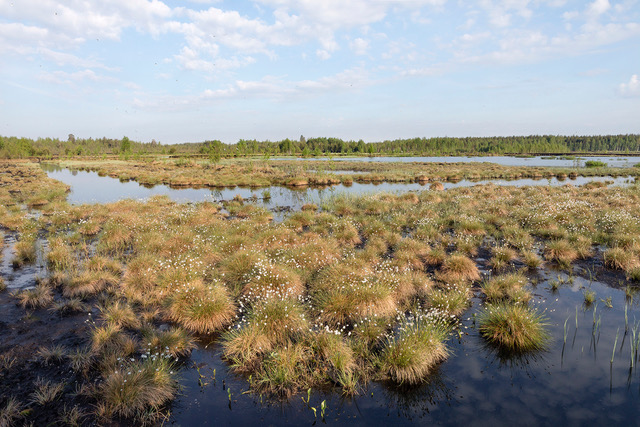
    This wetland ecosystem in Salojenneva (Finland) has been rewilded by project partner SnowChange Cooperative. (credit: Mika Honkalinna, Snowchange Cooperative)

    Do people and local communities have a role to play in climate change mitigation?

    GW: Of course, especially when we are talking about restoration occurring on communal or Indigenous lands and waters. At one point, a group of people makes a decision to restore their lands. When this happens, they are directly contributing to mitigating climate change through their action, but this action also connects them back to the lands and waters they are restoring. In this project, we will explore the significance of “cultural keystone species” in restoration. These species have deep cultural value to people, tying them to ecosystems and places.

    You will use “narratives”. What does it mean?

    GW: In NARROW, we consider narratives to be stories that people use to communicate the meaning of critical ideas and places. How have people viewed their connections to the places they restore over time? Alongside the project’s social and biological data, we will identify key narratives of restored nature manifesting in the local places. These stories will shed light on the role that cultural keystone species play, and how local people express new relationships and values that emerge through restoration.

    Rather than being a top-down creation of a park, local projects may qualify as OECMs (Other Effective area-based Conservation Measures). They permit bottom-up approaches from communities, municipalities, the private sector, and more. Here you can see the Trunsta restoration project (Sweden). (Credit: Håkan Tunón, Swedish University of Agricultural Sciences).

    How did the idea of this project emerge?

    GW: This project emerged through the UNIL partnership with the International Union for Conservation of Nature It was clear from the call for proposals, that the best way to address the research questions, which had an applied environmental policy perspective, was to work together.

    We bring together a team of interdisciplinary scientists and practitioners from the University of Lausanne, the Swedish University of Agricultural Sciences, the Snowchange Cooperative (Finland), and the International Union for Conservation of Nature (IUCN, Switzerland). This collaboration brings local to international perspectives together.

    Why is this work important for the restoration of biodiversity?

    GW: Despite calls to include cultural viewpoints and methods into restoration, it actually rarely happens. Through NARROW, we bring these strands together: we will shed light on why and how people decide at some point to restore a place, and why it matters to them. But also, whether the restoration has a concrete positive impact on greenhouse gas flux and carbon storage. By bringing both cultural and biological values of restoration to the forefront, we anchor global environmental policy objectives in issues that matter to people and their places

    Our findings will advance how OECMs are considered in international and national policy circles, as well as improving how they are implemented. By working directly with IUCN who influences global work on OECMs, the findings of NARROW will gain relevance in international conservation policy and practice.

    Many countries will pledge in 2022 to increase the area under conservation to 30%. This increase requires a change in the way conservation is done. OECMs now form part of many governmental strategies on how to increase the conservation of nature, including the EU 2030 Biodiversity Strategy and the post-2020 CBD biodiversity targets. But to be beneficial to biodiversity, OECMs must demonstrate effective governance. Hence the importance of our project.

    What is the main challenge?

    GW : Our team is interdisciplinary and one challenge is understanding the methods across the social and biological sciences, and bringing them together into a cohesive whole. 

    Fortunately, several people on the team are cross-trained. Another challenge is the remoteness between the fieldwork – occurring in Sweden and Finland – and the international policy work occurring – in Switzerland. This distance could lead to a gap in bringing local contexts and value to international fora. We will overcome this by joint field visits in each country, and in inviting community members to participate in key international policy events.

  • The multiple facets of SIMS in Switzerland

    The multiple facets of SIMS in Switzerland

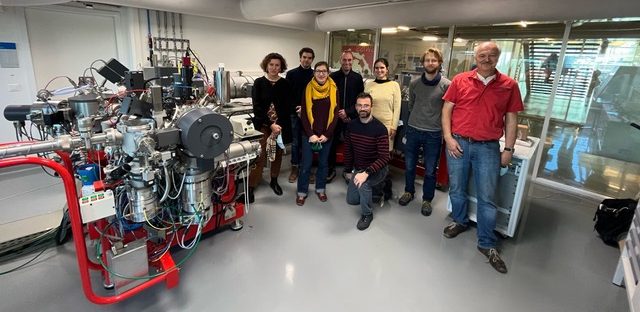
    Prof. Marin-Carbonne, Prof. Meibom, Prof. Rubatto, Prof. Baumgartner, Dr Bouvier, Dr Escrig, Dr Bovay, and M. Plane in front of the SwissSIMS in the Center for Advanced Surface analysis (CASA).

    A recent publication by Johanna Marin Carbonne et al. provides an overview of three Swiss SIMS laboratories and perspectives on their use.

    What is SIMS or Secondary Ion Mass Spectrometry? In a nutshell, it is a quasi non-destructive technique that reveals the properties of a solid surface. A finely focused primary ion beam (called primary) sputters the surface to be analyzed. The resulting mass spectrum of ionized particles (called secondary) provides information on the chemical, elemental or isotopic properties of the sample.

    In Switzerland, several large laboratories offer SIMS instruments. The article details the functioning of three of these instruments and their applications. A TOF-SIMS is located at the University of Geneva. The Center for Advanced Surface analysis (CASA), a joint UNIL-EPFL center, hosts a NanoSIMS and a dynamic SIMS. Optimized differently, these instruments have their own spatial resolution and sensitivity. They are therefore of complementary use. The range of their applications has greatly expanded in recent years.

    • TOF-SIMS meets a wide range of needs: from materials science, art restoration and research, forensics or earth sciences, to cosmochemistry (which addresses the origins and evolution of nuclides in the Universe). In the field of biomedical research, TOF-SIMS is also becoming increasingly useful.
    • The SwissSIMS ion microprobe can be used to determine isotope compositions or to reveal trace and volatile elements at very low concentrations. A new protocol has allowed, for example, to reveal a complex microbial ecosystem dating back 2.7 billion years. This was made possible by targeting the organic matter of ancient fossil rocks, the Precambrian stromatolites. 
    • NanoSIMS studies have provided unique insight into a variety of research topics such as brain metabolism, environmental microbiology, metabolic interactions in symbiotic organisms such as corals, paleoclimatology and dynamic processes in volcanic chambers.

    SwissSIMS is a national platform and was acquired through a consortium including UNIL, UNIGE, UNIBE and ETHZ as well as through the support of the SNSF. The instrument is thus open to all, after examination and review of research projects. The SwissSIMS and the NanoSIMS are part of the Center for Advanced Surface Analysis (CASA), created between EPFL and UNIL, which also hosts several electron microscopes, an electron probe and ICPMS mass spectrometers coupled to laser ablation. At the SwissSIMS, in the Geopolis building of the UNIL, a great diversity of projects  from Switzerland and elsewhere has emerged.

    For more information

    J. Marin Carbonne, A. Kiss, A.-S. Bouvier, A. Meibom, L. Baumgartner, T. Bovay, F. Plane, Stephane Escrig, D. Rubatto (2022). Surface Analysis by Secondary Ion Mass Spectrometry (SIMS): Principles and Applications from Swiss laboratories. Chimia 76 (2022) 26–33. doi:10.2533/chimia.2022.26 

  • The Origin of Gold: this precious metal has now its geoforensic passport

    The Origin of Gold: this precious metal has now its geoforensic passport

    Barbara Beck, Institute of Earth Sciences

    Within the framework of an Innosuisse, Dr Barbara Beck, researcher at the Institute of Earth Sciences and specialist in archaeometry, has developed an innovative, rapid and low-cost method to validate the origin of gold samples processed by refiners in Switzerland (project carried out in collaboration with the company Metalor).

    From the silver trade in Valais to gold refining

    As a specialist in archaeometry, B. Beck had developed during her thesis a method to determine the chemical signature of lead and silver ores from Valais mines. Thanks to this signature, she was able to retrace the commercial circuits established in this region from the Iron Age to the Middle Ages.

    After adapting her method to other metals such as copper, B. Beck oriented her research on gold, thus getting involved to more current issues. Indeed, between 50 and 60% of the world’s gold production is refined in Switzerland. The various stakeholders (State, refiners, control bodies) are concerned about being able to validate its origin, in order to guarantee that it comes from an ethical and environmentally controlled production (see also links at the end of the article).

    A collaboration between scientific research and private enterprise

    Initiated in 2016, and concretized in 2019, an Innosuisse project was conducted jointly by Dr. Barbara Beck and the company Metalor (one of the world’s largest gold refiners). The objective was to develop a fast and reliable method to confirm the origin of gold processed in refining lines. B. Beck was given access to gold samples from various sources as well as a database of chemical analyses of the company’s dorés(unrefined gold bars). For its part, Metalor has benefited from the development of a method for confirming the origin of its dorés.

    A fast and low-cost method

    The method used had to be quick and inexpensive (=integrated into the refining process). The dorés are analyzed by X-ray fluorescence (ED-XRF), which makes it possible to measure the proportion of about twenty elements in the sample. By comparing this chemical “signature” with those of the samples registered in the database, the origin of the dorés can be confirmed and its geoforensic passport established.

    In about 10% of the cases there is still a doubt about the origin of the sample. There may be variations in the composition of gold ores of the same origin, depending on the veins mined or the treatment of the samples after they leave the mine. In these cases, an isotopic analysis is performed for a more precise evaluation.

    Supplier’s geoforensic passport: three-dimensional projection of a principal component analysis (PCA) of the analyzed samples. The total statistical analysis includes about 15 axes. Each point corresponds to a doré of this supplier. The different colors refer to dorés from different veins.

    The method is based on complex statistical analyses taking into account the twenty or so factors describing the chemical composition of the samples. B. Beck designed the statistical model and developed a computer program that allows the almost instantaneous interpretation of the chemical composition of the dorés, confirming – or not – the origin of the sample.

    A multiple and international interest

    The results obtained confirm that this method is efficient in determining the origin of gold from industrial mines. It is fast and low cost and allows refiners to have some control over their suppliers. These results have been published in several international journals. Several refiners, jewelers and trade authorities showed interest in the method, including the London Bullion Market Association (LBMA – the trade association that manages the rules of the global gold market), which praises its contribution to confidence and transparency in the precious metals trade.

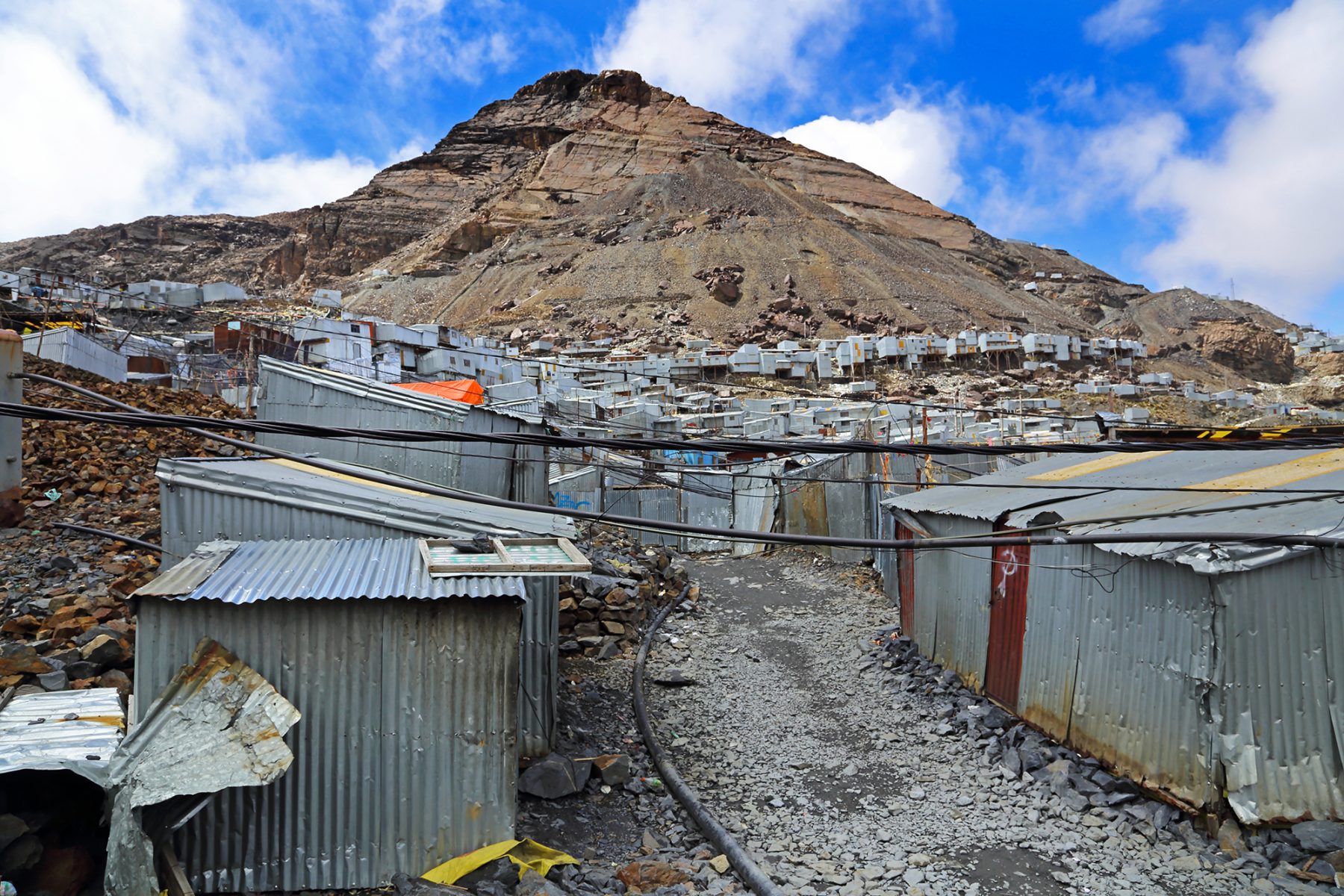
    Two women on mine spoil in La Rinconada, Peru (photo B. Beck)

    Beyond science and methodology, this experiment raises sociological and ethical issues, related to the exploitation of valuable resources such as gold in often very poor regions: to what extent does the local population benefit from industrial mining, often in the hands of foreign companies? What is the balance between the much-needed income from artisanal and small scale mining and the ecological balance of such operations

    The Field Experience – A Modern “Gold Rush

    B. Beck went to Peru to collect samples. She was supported by the Swiss Better Gold Association and the Swiss Embassy, which facilitated contact with the artisanal miners, who are often very suspicious of foreign journalists and researchers. The reason for this is the sometimes extremely difficult living conditions (high altitude, no running water, corrugated ironhouses), random state structures, and flourishing criminality, making them an easy target for outside criticism. However, these artisanal and small scale mines bring a modest but important income to the local economy, which evolves in total contrast with the very little developed societies of the nearby valleys. In spite of the sometimes very bad reputation of these mines, they bring financial perspectives to a population often forgotten by the State. This situation is becoming a real headache: a growing but neglected society, more or less managing in an illegal supply chain, sometimes unaware of environmental and social challenges.

    For the future, B. Beck would like to work more on gold from artisanal mines, and follow the evolution of its chemical composition at different stages from extraction to refining.  This would allow the integration of the artisanal sector into a legal supply chain, and thus provide the basis for environmentally and socially responsible mining. She would also like to develop her method on other “critical” resources such as rare earths. 

    Barbara Beck and her research projects

    Innosuisse is the Swiss innovation promotion agency. Its strategic objectives are defined by the Federal Council and aim in particular to accelerate the transfer of knowledge from research to the economy. Various promotion funds are offered to encourage the connection between companies and scientific research, as well as the application of research results. They are presented on the Georeka website.

    Since 2021 Innosuisse and the SNSF cooperate closely on funding instruments.

  • Realize a project to create a start-up?

    Realize a project to create a start-up?

    Meeting with two alumni of the FGSE (IDYST)

    Federico Amato and Fabian Guignard, former young Their project was supported by the UCreate3 accelerator program of the UNIL Entrepreneurship and Innovation HUB in autumn 2020. They share this experience with us. 

    How did your collaboration and the idea for your project come about?

    We met during our work at the IDYST research group: Geosciences and Knowledge Discovery in Data (GeoKDD) (Federico as a post-doc and Fabian as a PhD student). Our research covered multiple aspects of data analysis: spatial statistics and modeling techniques, machine learning, artificial intelligence, environmental risks and energy potentials modeling.

    We quickly realized that these approaches and our expertise had potential for interest outside the academic world. Indeed, private or public sector companies must adapt to climate and environmental issues. To do this, they often have to process complex data. However, these organizations do not always have sufficient financial or human resources to process these data.

    Our profile allows us to interact as competent interlocutors on both sustainability and environmental issues environment, as well as on data analysis requiring complex IT models and tools. By leveraging this dual background, we can take concrete actions in favor of the climate, helping companies to be more resilient to climate change or to optimize their activities in more sustainable models.

    What does Grinsight propose, what are the projects developed?

    Grinsight (a mix between green and insight) aims to offer support to companies, public services or NGOs that wish to assess the environmental impact of their activities or to reorient their operations or business model towards more sustainable solutions.

    The support focuses on three areas: 

    1. helping the organization to define the problem it wants to solve and identify the data useful to find solutions; possibly helping to collect these data,
    2. define a strategic development plan based on the analysis of the data collected; identify the impacts of climate change on the organization and/or the possibilities to reduce its carbon impact,
    3. develop a risk-management plan to prevent potential risks related to the organization’s future activities.

    The field of application is very broad and fits into various sectors of activity. Our service can range from the creation of socio-environmental models for public administrations and NGOs, to the use of satellite and meteorological data to evaluate the impact of global warming on the frequency of hail events in our region.

    However, the current objective is not to canvass all directions. Grinsight remains for the moment a secondary activity. Our main activity is in the areas of innovation, research and development in data science. One of Grinsight’s goals is to facilitate the transfer of this academic knowledge to concrete applications within society.

    What were the steps to set up the project and to participate in the UNIL Entrepreneurship and Innovation HUB?

    When the idea of setting up a start-up matured towards the end of our FGSE course, we looked for levers that would allow us to make it happen. Among several solutions (PACTT, HUB UNIL…) we opted for the UCreate 3 program (HUB UNIL) because it was the one that was the closest to a first step. We wrote our project idea on a few pages and submitted our application in September 2020. Our project was selected among 12 projects (out of more than 60 proposed) for the first round. We then participated in an interview that allowed us to be among the 7 projects finally supported.

    UCreate3 provided us with various types of support:

    • a sum of CHF 10’000.- which allowed us to develop the visual identity of Grinsight (logo, website etc.)
    • courses and personalized coaching follow-up that forced us to free up time to think about our project and to precisely define the business model (which we do not necessarily do spontaneously when we are busy with our daily work). The coach’s contribution throughout the project was very beneficial.
    • support of conducting a desirabilitystudy.  This consist of contacting potential clients to present the company and its services to them, to see if our proposal arouses any interest. This step was very useful: it taught us to dare to pick up the phone and to formalize our services. We were able to establish a first contact that finally materialized into two mandates the following year.

    During the development of the project, we had to explain our objectives to people who were not in the field. This required us to learn how to communicate to a business-oriented audience, which requires a different language than the academic world. We therefore had to popularize our discourse and focus on our services.

    What advice would you give to UNIL PhD students /post-doc fellows who are thinking of starting their own business?

    The UNIL Entrepreneurship and Innovation HUB, as well as PACTT, are accessible and offer concrete help. Innosuisse also offers a range of tools for all those who want to explore the possibility of transforming their research into an application that could lead to the creation of a company. Whatever the option chosen, if an idea seems interesting, one must go through with it. Even if in the end the company does not succeed or lasts only for a while, you learn a lot during the different steps: better communicating, formalizing ideas for a non-scientific audience, going outside your framework to contact companies etc… Moreover, this experience is enriching. It allowed us to discover facets of ourselves that we will be able to value on a CV.

    What is Machine Learning?

    “Machine learning” is a family of algorithms, belonging to the field of artificial intelligence that can learn automatically from experience, without the learning rule being explicitly programmed to do so. The basic algorithm does not change, but improves its results as the amount of data presented to the computer becomes larger and larger. 

    You can find all the calls for projects to support the transition and company creation on Georeka website  for FGSE researcher: InnosuisseBridge.

  • Waste management in South Asia: what impact of the COVID-19 pandemic?

    Waste management in South Asia: what impact of the COVID-19 pandemic?

    René Véron, Institute of Geography & Durability

    How did waste management change during the current pandemic ? René Véron and Swetha Rao Dhananka work together since more than ten years in South Asia. Now they initiate an SNSF-SPIRIT project in Nepal and Sri Lanka to evaluate COVID impact on urban resilience, sustainability, decent work conditions and gender equality.

    What is your goal in this project?

    Swetha Rao Dhananka: We submitted the first version in spring 2020, it was the first wave of COVID and at that time nobody anticipated that it was going to prolong, going to take so many different forms. We want to understand what happened during the COVID pandemic in terms of waste management and what will happen after it, to apprehend the longer-term impacts on governmental and municipal waste policies. 

    René Véron: Changes can take place at the household level, because waste services are less available – people start segregating waste more, look for some ways of stocking waste in their home.

    The changes can also happen at the level of waste collection. We want to look at how the situation of waste workers – both formal and informal, both men and women – have changed during the pandemic and what the ramifications are after the pandemic.

    And finally, we are interested in the policy level. From a previous project, we know quite a bit about the waste discourses at the policy level, about laws around it, guidelines on how to deal with waste. Now we want to figure out whether this crisis has an impact on laws, on policies, even on how policy makers talk about the waste problem.

    “We think that crisis moments change something: they change practices, and they might also change policies in the longer run. Our project is trying to look at these changes.”

    René Véron
    Why are you interested in waste management as a research topic?

    René Véron: First, it is an environmental issue. It is important in the Global South particularly, because improper waste management is polluting soil, water, even air. It clocks drainage canals and can even lead to methane emissions from unsanitary dumps.

    It is also a social issue. Lots of livelihoods are linked to scavenging, waste picking, often under risky and unhealthy conditions.

    “Most studies in waste management are done by engineers and are of very technical nature. Technologies exist but they are difficult to put into place, because there is no political will, or because it replaces or dislocates labour – particularly in the informal sector. All these issues must be taken into consideration.” 

    René Véron

    The third point is more methodological and practical. Talking about waste, which appears to be such a technological, technical issue, allows us to easily start a conversation with policy-makers and NGO representatives. It appears to be a neutral topic that one is quite ready to talk about. It acts as a good entry point for discussion and to access particular stakeholders.

    Most people see the relevance of waste management, but most people see it as a purely technical issue. I have been approached by people who come with technical solutions, for plastic waste for instance. I always have to hold them back: “yes, on paper, in your lab, with your trial this can work very well. However, in a different cultural, social, and political context, particular solutions might not work at all.” Before recommending particular technical solutions, one needs to engage with stakeholders, asking how they see the problem, how they see solutions, whether they have already tried particular technical solutions, what they have learnt from success, but also from failure. Our job as social scientists is to engage in those questions.

    “Waste tell us so much about the society and about the polity. It is quite obvious that the amount and types of waste are reflective of our consumer society. Perhaps less obvious is that the way we treat waste, how we manage it, tells us a lot about social inequalities. Who, what type of population is exposed to waste? And what population are protected from contact with waste?”

    René Véron
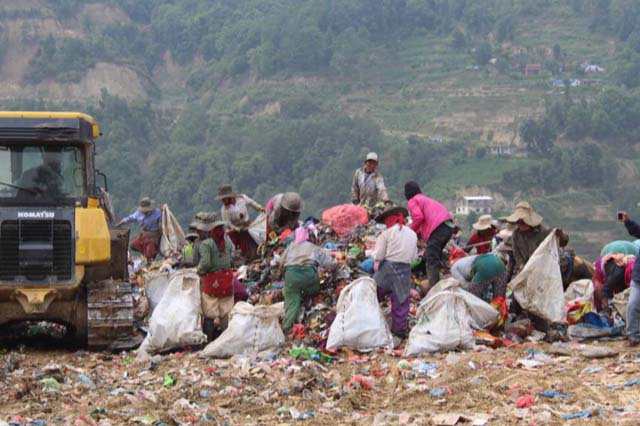
    Informal recyclers risking their lives to find the last waste treasures (Credit: Yash Man Karmacharya)
    How did you start working together with René Véron?

    Swetha Rao Dhananka:  I was a bit isolated on my thesis topic – housing for the urban poor in India – when I worked as an assistant and PhD student at the UNIL Institute of Political Studies in the Faculty of SSP. I learned that Prof René Véron was engaged at FGSE, so one fine day I knocked on his door! 

    Since 2019 we co-lead the cluster of collaboration Knowledge2Action in South Asia – a project financed by swissuniversities. The idea of this cluster is to bridge scientific output to action relevant engagements. Among other activities, we have conceived “small grants” in order to produce creative means of science communication and community action: it can be a comic, a film or a form of community engagement. It is an avenue where research results can be transformed into something usable and pertinent for the concerned communities. 

    We have been working together in one or another way for the last 10 years. Now we have the chance to be formally in the same project. It will be a great experience.

    The SPIRIT instrument puts an emphasis on gender awareness. Is this an important aspect of your project?

    René Véron: Waste doesn’t really seem related to gender, but it is. Already in the household, in South Asia, waste practices are the responsibility of women, to a very large extent. So in a crisis like COVID, where waste services are less accessible, women are the ones who invest more time in segregating waste and bringing waste away. This can have an impact on gender relations within the household. We hope, thanks to this project, that we will have some answers to these guesses.

    At the policy level, waste measures are very gender blind. We want to figure out how we can convince policy-makers to include the gender dimension. Just a small example. If we promote waste segregation at the source, which is the basis of all good solid waste management, we have to be careful not to put an additional work burden on women.

    In Nepal, most informal recyclers are women. These women were particularly affected during the lockdown. Many of them lost their livelihood. (Credit: Extract from film by Yash Man Karmacharya)
    How do you identify, contact and interview key people in such a project?

    ReRené Véron: Our team is in a unique position, because we already have worked in that field in the two locations (the Kathmandu Valley in Nepal and Greater Colombo in Sri Lanka). We know how people managed the waste before the crisis. Our local research partners are in constant touch with the stakeholders involved in waste management: politicians, bureaucrats, private enterprises, cooperatives of the informal sector, unions. With this SPIRIT project, we “merely” have to recontact people we already know.

    “Negotiating access in the local situation of lockdown or limited mobility is going to be a challenge. But we believe that with very good and experienced local partners that we have, we will probably find some creative ways. Adaptability is the greatest imperative for researchers at this time.”

    Swetha Rao Dhananka
    How will you collaborate with the teams in Nepal and Sri Lanka? How do you work together?

    René Véron: Such a project is very difficult – and maybe even unethical – to carry out when you are sitting in the global North or send people to do some field work there. It is increasingly acknowledged that one has to seek research partnership in the South. We have been doing so for quite some time. For this project we are lucky to have already an existing team in Nepal and Sri Lanka.

    What is important is to meet up regularly. That is not always possible in person – particularly during the COVID time. However, project meetings in person are key, because during those times we can discuss joint methodologies, think about conceptualisations that are important for the research, make sure that everybody has the same understanding of the topic. We can also co-create new topics, new concepts together.

    “During in-person meetings, we see the other as more than a researcher or a colleague, but also as a human being. Coffee breaks, dinners together are very important. In the current project, we had a night out in Kathmandu, where everybody started dancing and singing. This brought us together as a team, in a way that has a positive impact on the research!” (Credit: Senashia Ekanayake).
    What can Switzerland learn from South Asia?

    Swetha Rao Dhananka: Informality is often looked upon as something bad. But the informal sector can be seen as an inclusive and sanctuary place for poor people coming into cities. They get livelihood opportunities. Southern cities are drivers for what is called frugal innovation, adaptation to new places with the resources that are available. With the increasingly urbanising world, increasingly mobile world, this is relevant all over the world.

    In Europe we also increasingly face issues, like undocumented migrants. There may be some answers to seek about how to give them decent livelihood opportunities.

    René Véron: One often hears that waste management is particularly a problem for the country of the Global South, that they do not have proper technology, proper systems in place, and that here in Switzerland things are well organised, no need to research on waste or to have examples from elsewhere. I would contradict this view.

    The amount of waste we produce is huge. In comparison with Nepal, we can learn a lot from how they reuse, recycle particular products. Just one example, very small things are recycled: zippers are taken out of the general garbage and put back to use in their full form. Not melted as metal, decomposed in elements, but as a full zipper. Of course, that involves the exploitation of labour, the conditions are not hygienic, and that would not be possible in our context, with our salary costs. However, this system gives us pause for thought.

    You have extensive experience in international collaboration with countries in the global South. What advice would you give to young researchers who would like to embark on such projects?

    Swetha Rao Dhananka: I am very fortunate because I have a South Asian background. I am very admirative of young researchers who are willing to immerse themselves in a new culture. As a piece of advice, I would say a lot of patience, a good portion of humour. We are so used to working online now… However, a good face-to-face exchange, a good laugh, knowing the person more holistically, beyond the role of researcher, has a big impact on the quality of the relationship one can develop. One issue that we have to be sensitive to is the lived social hierarchy, in universities in South Asia, which might be a bit different from here. Especially younger researchers are faced with different types of pressures. Understanding the underlying tensions are very important to have a smooth collaboration.

    René Véron: One very important thing is to stay very modest, definitely not trying to make recommendations very quickly. However, I think we bring another perspective. Not a better one, but a different one. For young researchers, it is good to connect to other young researchers of the region, to exchange and share things. There are lots of commonalities, generational similarities, everybody is on social media: there are many things people can connect with. In a globalised world, the category global North and global South do actually no longer make much sense.

  • What happens to biodiversity when glaciers disappear?

    What happens to biodiversity when glaciers disappear?

    Gianalberto Losapio, Institute of Earth Surface Dynamics (IDYST)

    Biodiversity Change is the label of a new research group at the University of Lausanne that is attempting to answer this question.

    Global environmental change, in particular rising temperatures, is causing alpine glaciers to retreat and disappear. The consequences of glacier retreat on ecosystems are still poorly known and difficult to predict.

    With his Ambizione project IceNet – Forecasting the impact of glacier retreat on network dynamics and ecosystem functions, Gianalberto Losapio aims to provide an empirical contribution to the understanding of these phenomena.

    What are your objectives with IceNet?

    Gianalberto Losapio : Since the end of the Little Ice Age (1500-1850), alpine glaciers are retreating and shrinking, sometimes to the point of getting extinct. The disappearance of glaciers is followed by a total upheaval, with the colonization of pioneer plants, insects, and microorganisms. How is the network of interactions between these organisms intertwined? And what role do ecological networks play in the response of species to environmental change? This remains to be discovered.

    The IceNet project will unveil ecological networks in front of disappearing glaciers, which are formed among colonising microorganisms, plants, predatory insects, herbivores, and pollinators. I want to shed light on a biodiversity that is still little known – and that we are in danger of losing forever. But also to understand how an ecosystem evolves “from scratch”.

    How to approach an ecosystem scientifically?

    GL : First, we will reconstruct the ecological interactions between the various communities. The next phase will focus on describing how these networks evolve, are held together, and what influence they have on ecosystem functioning. We will develop models to understand how organisms respond to the changing environment. I do hope the results of our research will help to better predict and anticipate the consequences of glacier extinction on alpine biodiversity.

    Ranunculus glacialis, the glacier buttercup is an iconic alpine plant inhabiting glacier forelands – the areas in front of retreating glaciers. It has a not-so-certain future. On the right, a bee (Apis mellifera) is visiting a cushion plant (Arenaria tetraquetra) at 3,200 m elevation in the Spanish Sierra Nevada. This mountain region that has already lost its glaciers (Pictures: G. Losapio).

    What is the impact of your project on ecology and society?

    GL : The project is developed in a multidisciplinary research context, combining methods typical of Earth sciences (like geochronology, geomorphology and soil biogeochemestry) with computational innovations in ecology and recent developments in molecular biology (environmental DNA sequencing and metabarcoding). Finally, we will pay particular attention to environmental education and cultural aspects. I find it essential to place the results of scientific research within the broader social, political and economic context associated with the climate and ecological crisis. Please visit  our dissemination page to stay tuned !

    Why tackle the issue of biodiversity in the face of disappearing glaciers?

    GL : Having grown up at the Alpine foothills and being a climber and mountaineer, I like and respect nature, and particularly mountains. My personal motivation is to support and protect biodiversity. This project simply combines two of my favorites: biodiversity and high mountain environments. I wish to actively contribute to the mitigation of the current climate and ecological crisis by doing my small part in this social “fight”.

    Mutualistic interactions are crucial for sustaining biodiversity and to understand the risk of extinction cascades. Here a bumblebee is visiting creeping avens (Geum reptans) in front of a retreating glacier. On the right, the glacier foreland of Amola (Italy) G. Losapio studied during his master thesis. The big moraines indicate the height (and volume) the glacier reached only a bunch of decades ago (Pictures : G. Losapio).

    Why have you chosen IDYST to carry out your project?

    GL : IDYST is a hotspot for alpine research! Indeed, it hosts different research groups with whom I can close collaborate. We have a great match and complementarity of research focus and expertise. Furthermore, I really like the broader scientific and educational goals of FGSE, which align with my own values, and I am really honored to contribute to its societal endeavor.

    Dr Losapio’s biography in a nutshell

    My career path started at University of Milan with a BSc and Msc in natural sciences with a specialization in botany. During that time, I conceived my own thesis project looking at the effects of glacier retreat on plant and pollinator communities! Then, I moved to Zurich for a PhD in Ecology (my supervisor Christian Schöb was himself an Ambizione grantee!), studying still ecological networks in high-altitude ecosystems. Then, my first postdoc was on environmental change and biocommunication at ETH, before going to Stanford for a second post in conservation biology.

    Biodiversity Change, group page

  • How climate change affects extreme rainfall ? A new Eccellenza professor at FGSE addresses this issue

    How climate change affects extreme rainfall ? A new Eccellenza professor at FGSE addresses this issue

    Nadav Peleg, Institut des dynamiques de la surface terrestre

    How climate change impacts hydrology? And how can we better prepare for the future challenges of hydrological hazards and risks? The desire to find answers to these burning questions motivates the research of Nadav Peleg, recently appointed FNS Eccelenza Professor at the FGSE.

    By training, Prof. Peleg is a hydrometeorologist. So far, his research has focused on analysing the interactions between climate and hydrological systems and exploring the impacts of climate change. For example, he and his colleagues recently studied how climate change affects the area, intensity, and frequency of extreme rainfall and flood occurrence (Peleg et col. 2020).

    What is your main research question for the next few years at the FGSE?

    Nadav Peleg : Recent years have seen an increase in urbanization, and we expect the majority of the world’s population to live in cities by the end of the century. By becoming larger and denser, cities will become warmer and drier. As a result, extreme rainfall will intensify, leading to an increase in the frequency of urban flooding.

    We plan to investigate how cities modify extreme rainfall events and the physical reasons behind the modifications. We plan to use this knowledge to investigate different scenarios of urban growth and climate change. We will project the expected changes in flood regimes based on the city form.

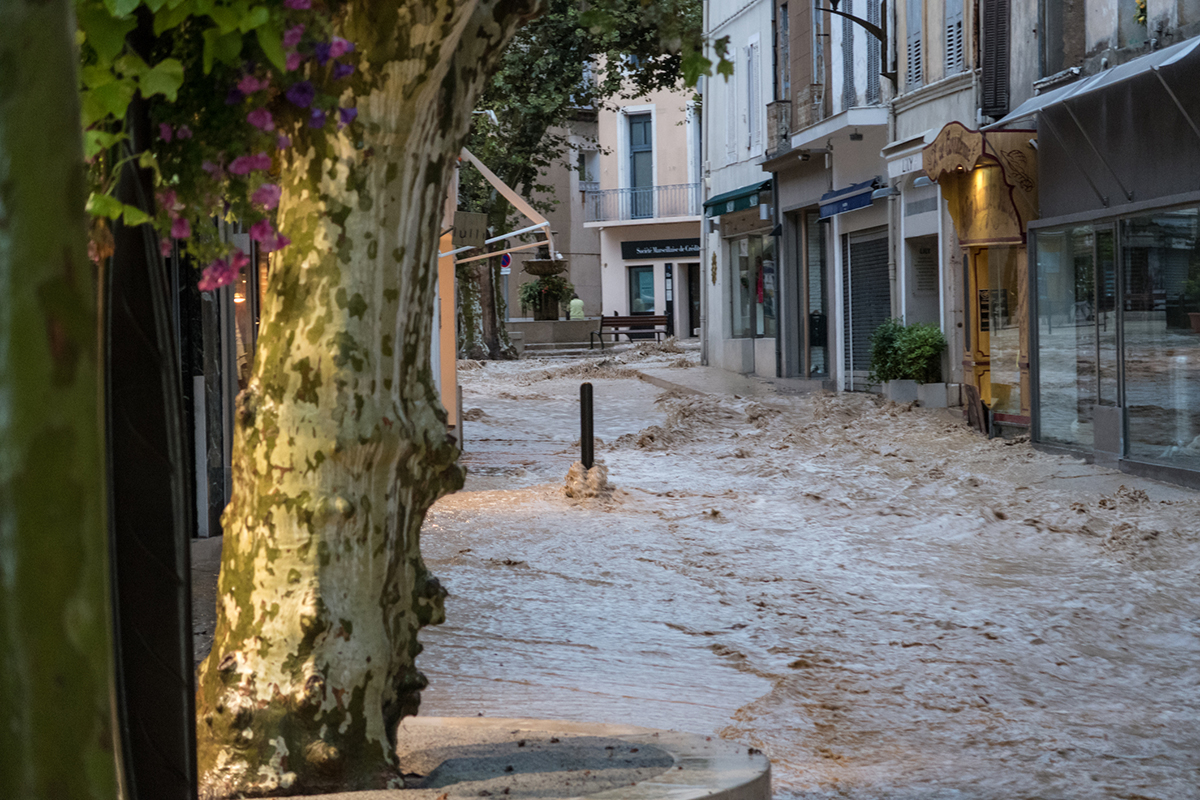
    A flood at Cassis close to Marseille, in the morning of September 13. 2015 (© Dreamstime.com)

    Why is this question important to you?

    NP : I believe that we can prepare better for dealing with urban flooding if we ask this question. To reduce the damages from future urban floods, we should start designing drainage systems and taking other mitigation steps today. This project will bring us closer to this goal.

    Why have you chosen the FGSE for your Eccellenza project?

    NP: The FGSE appealed to me because I anticipated many internal collaborations with my colleagues in the three institutes. In particular on topics related to climate change and climate extremes, natural system modelling, and urban research. I think this project will be a good fit with the faculty’s ongoing research.

    Hydrometeorology and Surface Processes, Research group of prof. Peleg

    You have set up an international network: how will you work together?

    NP : There will be several cities involved in this project, such as Milano, Beijing, and Sydney. We will have collaborators in each city who will assist with data collection, fieldwork, and setting up the hydro-climatic models. Working with our collaborators requires us to travel a bit to the different cities, which is challenging with some of the countries’ current restrictions on travel, but still manageable.

    It is well known that the air temperature and humidity influence the structure of precipitation. In rural areas, it has been recently shown that the structure of precipitation can be modified due to temperature increase in two ways (A and B). A: the storm intensifies and grows because temperature increases and humidity source is external to the storm. B: the internal redistribution of the humidity within the storm leads to an intensification at the high rainfall zone and to weakening at the low rainfall zone. Yet, the urban heat island produces unstable atmospheric conditions that make it difficult to predict the fate of a hypothetical storm in the vicinity. The precipitation changes over the urban area are still not clear. (© Nadav Peleg)
  • A Visual Atlas for Soil Micromorphologists

    A Visual Atlas for Soil Micromorphologists

    Eric Verrecchia, Institute of Earth Dynamics (IDYST)

    If you want to learn about the innermost nature of soils, discover the new Atlas of Soil Micromorphology that has just been published.

    This reference book has been published in Open access by Professor Eric Verrecchia (Institute of Earth Surface Dynamics) and his colleague Luca Trombino (University of Milan).

    Eric Verrecchia, at the beginning of the academic year you will publish with your colleague Prof. Luca Trombino, a visual atlas of micromorphology (at Springer-Nature). What is it about?

    The Visual Atlas for Soil Micromorphologists is based on the principle of natural science atlases, whether in petrology, histology, botany, etc. In this one, the idea is to present concepts, objects and characteristics that are commonly observed in soils at the microscopic scale. There were no such book existing until now, and it seemed appropriate to write this atlas, because we had noticed during our soil micromorphology classes that our students obviously lacked this information. This atlas is therefore useful as a learning support, but also as a quick reference when a specific question arises about a particular feature.

    You have chosen to publish in Open Access. This is quite rare for this kind of book, especially at Springer. Why did you do so?

    We did this work during our research activities, which means that during that time we were receiving a salary as professors. So not receiving royalties seemed legitimate since we are already paid to do this kind of work for the community. However, we had to pay the publisher to make the book available for free in digital format. In this case, we were fully supported by the SNSF (Swiss National Science Foundation) which we thank very much – the SNSF logo appears on the back cover so that people would know. During our numerous working sessions, the International Relations Departement of UNIL, the FGSE, as well as the Herbette Foundation made sure that the conditions of realization were as optimal as possible. In short, we were very well supported. Furthermore, we also thought of the numerous international students, in particular in developing countries, who will thus have free access to a basic work for the description of soils at the microscopic scale.

    SNSF financial support for the Gold Road

    The SNSF finances the publication of scientific books that are directly accessible, free of charge and without restriction in digital form (“gold road”).

    Monographs and refereed collective works are financed, whether or not they are the result of an SNSF-supported project. The SNSF reimburses editorial services for quality control, production and distribution of books in the form of a Book Processing Charge (BPC).

    Researchers can publish a printed book in parallel to the digital version in OA. 

    The Open Access website provides detailed information on the SNSF funding offer and on OA in general.

    Is this discipline so widespread?

    Actually, yes, micromorphology is one of the essential steps in the investigation of soils dynamics, these fragile interfaces that are so fundamental because they feed us, clean our water and contribute to the climate machinery, among other things. To understand the complex evolution of soils, it is necessary to observe their constituents and their interrelationships. This recent discipline, born in the 1930s, has not ceased to evolve and improve since then. We devote a small section to what it could be in the future. Finally, it is an essential discipline for deciphering the intimate transformations of our landscapes: taking a sample in the field and going directly to complicated laboratory analyses too often leads to biased functional interpretations. Addressing complexity requires multiscalar approaches, i.e. at different scales, each of which brings its own set of complementary information.

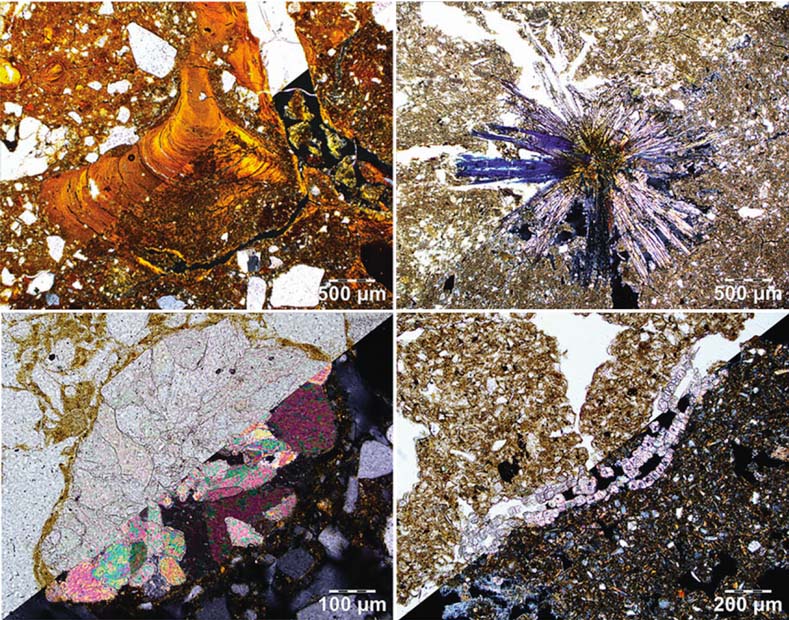
    Top left: clay deposit in a brown soil (Italy). Top right: vivianite crystals in a soil disturbed by human activity (Italy). Bottom left: calcite granules of earthworms in a calcareous soil (Switzerland). Bottom right: calcified plant cells in a brown soil on loess (China).

    So the need is real. It seems that it has already been a success…

    Yes, we were very surprised. After two days there were 30,000 downloads and by the fourth day over 45,000. Our publisher was also very positively surprised, because today we have more than 150,000 downloads. So there was obviously a gap in this area.

    Let’s go back to the content. Is this atlas intended for everyone?

    It is a technical work. Micromorphology makes it possible to observe soils at scales ranging from centimeters to tens of thousands of millimeters. It therefore calls for enlightened notions of mineralogy and soil science in order to identify objects and processes, and to make hypotheses on the dynamics of the observed soil. Nevertheless, it is clear that within the FGSE itself, this Atlas can serve as an illustrative basis for the pedology courses of my colleague Dr. Stéphanie Grand, as well as for bachelor’s degree work on soils and for some geologists interested in paleosols; but the most interested audience will undoubtedly be that of master’s degree students in Biogeosciences, where this discipline is taught and practiced during the realization of their theses. I would also like to point out that some of the images are so beautiful and surprising that I am sure that the Atlas could also inspire artists or simple people curious about what is under their feet during their walks in nature!

    Thank you Prof. Verrecchia and we wish long life and multiple reissues to this superb atlas.

    Thanks to you.

    Publisher Summary

    This open access atlas is an up-to-date visual resource on the features and structures observed in soil thin sections, i.e. soil micromorphology. The book addresses the growing interest in soil micromorphology in the fieldsof soil science, earth science, archaeology and forensic science, and serves as a reference tool for researchers and students for fast learning and intuitive feature and structure recognition. The book is divided into six parts and contains hundreds of images and photomicrographs. Part one is devoted to the way to sample properly soils, the method of preparation of thin sections, the main tool of soil micromorphology (the microscope), and the approach of soil micromorphology as a scientific method. Part two focuses on the organization of soil fragments and presents the concept of fabric. Part three addresses the basic components, e.g. rocks, minerals, organic compounds and anthropogenic features. Part four lists all the various types of pedogenic features observed in a soil, i.e.the imprint of pedogenesis. Part five gives interpretations of features associated with the main processes at work in soils and paleosols. Part six presents a view of what the future of soil micromorphology could be. Finally, the last part consists of the index and annexes, including the list of mineral formulas. This atlas will be of interest to researchers, academics, and students, who will find it a convenient tool for the self-teaching of soil micromorphology by using comparative photographs..

    Reference

    Verrecchia E.P. and Trombino L. (2021) A Visual Atlas for Soil Micromorphologists, Springer-Nature, New-York, 196 pp. doi:10.1007/978-3-030-67806-7

  • Interview with Céline Rozenblat about the Handbook of Cities and Networks

    Interview with Céline Rozenblat about the Handbook of Cities and Networks

    Céline Rozenblat, Institute of Geography and Durability (IGD)

    Céline Rozenblat (Institute of Geography and Sustainability, FGSE, University of Lausanne) and Zachary Neal (Michigan State University) edited the Handbook of Cities and Networks published in July 2021.

    This handbook provides a broad overview of contemporary research on how economic, social, and transportation networks affect the processes of city transformation.

    What is the origin of this guide?

    Following the coordination ten years ago of a special issue of the scientific journal Urban Studies devoted to cities and networks, the editor Edward Elgar suggested that I write a handbook on current research on the theme of cities and the networks that structure them. I wanted to involve Zachary Neal of Michigan State University, whom I knew for his scientific networks with sociologists and psychologists. During about four years, we contacted researchers from multiple disciplines who were conducting projects in this area. Numerous contributions were collected covering most of the fields concerned in most parts of the world (only gap in South America). Our great satisfaction is that most of the contributions were made by people of reference in their field.

    What is its scientific contribution?

    The aim of this book is to give an overview as exhaustive as possible of the vast range of the current research community devoted to the study of cities and the interconnections that develop within or between them. These studies are located in fields as diverse as the physics of networks and complex systems (stemming from crystallography) or sociology through economics, history or psychology. This multidisciplinarity is further enhanced by the fact that in each field, different levels of study (granularity of the basic elements) can be applied and this in more or less vast dimensions/spaces (scales). As an introduction, in the first chapter we have drawn up a grid of the different approaches and methods illustrated in this Handbook according to their level of study and the scale considered.

    Who is the target audience for this Handbook?

    This guide is intended for advanced researchers or postgraduate students, as the studies presented call for cross-cutting and specialized notions for which Bachelor’s or Master’s students do not have the necessary concepts and analytical tools.

    What kind of networks can be studied within a city?

    Networks are defined in terms of the units considered (nodes) and the relationships that are established between these nodes. The distribution of these relationships defines the structure of the network, which is analyzed using the concepts and methods of complex systems. Nodes can correspond to parts of cities (e.g., neighborhoods or streets for transportation networks), to specific elements of a city (e.g., seaports for trade networks), or to entire cities (e.g., intercity networks). They can also be considered at the level of an individual or group of individuals (e.g. social networks). Relationships can be studied in the context of a physical space (geographical distances, communication routes) but also in invisible spaces such as the economic or social networks, whether they are implemented face-to-face (there is a tradition of more than a century of research in this area, notably by the Chicago School) or through numerical social networks.

    Have technological/computational advances helped advance this research (evolution of data analysis potential, Big Data related methods)? Are the methods used analogous to other network study methods?

    There has clearly been an evolution of methodologies and approaches to network and city studies with the possibility of analyzing and interpreting many data simultaneously. The methods used in particular in social sciences and communication sciences for the study of social networks could be taken up and adapted from the study of other types of networks. For example, the studies carried out in the field of physics can be transposed to the context of cities: two renowned physicists in complex systems have contributed to this book, Luis Bettencourt and Marc Barthélémy.

    What aspects are currently emerging in this field of study?

    Most of the time, networks are studied in a “horizontal” dimension between individuals or between territories. There are still few studies of networks involving relations with the environment that involve a “vertical” approach. The implementation of practices related to sustainable development is revealed by new network approaches (changes in mobility in cities as developed by the University Observatory of Bicycles and Active Mobility of my colleagues Patrick Rérat and Bengt Kayser of the UNIL, or purchases favoring local commerce etc.). Social networks tend to increase the gaps between closed groups of people, by creating barriers/borders between different schools of thought. The “entre-soi” of like-minded people/groups is also an emerging issue. The impacts of COVID are also an emerging topic, even if they appear more as a gas pedal of already existing processes (such as teleworking, the effects of economic globalization, the closing of social networks…) than as the cause of new situations.

    To what extent does this book concern the FGSE more widely?

    The subject of cities is central to sustainable development, since we can see forms of urbanization as the cause of, but also as a possible solution to global warming. The study of cities is strongly anchored at the IGD with at least eight professors-researchers directly involved, but it is also present in an indirect way within the Faculty of Geosciences as well as in the other faculties of the UNIL. A project to identify researchers working on urban issues at UNIL is being prepared in collaboration with the Center of Competence in Sustainability. Several researchers from the IGD are contributing to build this emerging transversal research network, as well as people from the faculties of SSP, HEC, FBM or EPFL. The announcement of the constitution of this research network on cities will be made in the fall.

    At the individual level, it would be a city that responds to the aspirations of each and everyone. Each person creates “his or her city” with the uses he or she makes of the elements available and the relationships he or she surrounds himself or herself with.

    What would be an “ideal” city? 

    At the level of a community, an ideal city should allow for a maximum of exchange and mixing of all kinds (cultures, social levels, generations) in order to avoid creating sub-sets that have almost no connection between them. For example, the densification of cities increases the price of rents, reducing access to the centers for the most disadvantaged populations. Economies are transforming to be greener and cities lacking innovation and highly qualified people are suffering. In my opinion, it is above all these processes of fracture within and between cities that are currently at work and against which we must find regulations adapted to each society. It is obviously desirable to move towards more ecological cities, but without reinforcing social segregation, which has never grown so much on different scales.

  • Moulting: the behaviour that tells the long history of arthropods

    Moulting: the behaviour that tells the long history of arthropods

    A new Sinergia collaborative project was launched, with Allison Daley, specialist at ISTE of fossils and animal evolution in Cambrien, Marc Robinson-Rechavi and Robert Waterhouse (from the Department of Ecology and Evolution at UNIL) and Ariel Chipman (from the Hebrew University of Jerusalem): “An interdisciplinary study of arthropod moulting”.

    How did this project arise? How will a team that brings together specialists in palaeontology, evolutionary genomics, bioinformatics, evolution and development work?

    Prof. Allison Daley tells us, and explains what this project means to her.

    Let’s find out more about this project.

    Arthropods, a global success story

    How can we explain the evolutionary success of arthropods? No other animal group on Earth has so many species (6.8 million!) or such a diversity of forms. They are present in virtually all terrestrial environments and in all the ecosystem functions, and this since their origin 500 million years ago!

    This fossil immortalises a moulting trilobite Acidaspis coronata. Collected in the UK, it was studied by Professor Allison Daley. At the top of the image you can see the two lateral parts of the cephalon (the free cheeks on the left and right) separating from the head. ©Harriet Drage. Spécimen OUMNH C.17494

    To understand the evolution of life on Earth, a good starting point is to elucidate what makes this animal group successful. Could the segmented body of arthropods, which gives them ‘modularity’, be the reason for their immense diversification? Their body is protected by a segmented exoskeleton that must be replaced periodically in order to grow.

    The project addresses this aspect of arthropod life: moulting. In addition to being a key stage for each arthropod, moulting is one of the only behaviours whose history can be traced back to its origin. It is therefore a fascinating gateway to the evolution of animals. A rare opportunity to follow a complex behaviour over time.

    Studying moults in extinct species: mission impossible?

    Allison Daley dreams of travelling back in a time machine to look at arthropods of the past – although some of the sea scorpions over 2 metres tall must have been pretty terrifying. But how do you go about it when you’re studying the fossil record?

    A modern cicada of the Magicicada genus, in full moult: a striking spectacle. Photo : Dan Keck (licensed under CC0 1.0)

    An arthropod moults several times during its life, but it only dies once. If everything is preserved, we would find several moults of increasing size as the animal grows, and a single carcass at the end. In fossil sites where soft tissue is preserved, it’s a no-brainer: if soft internal organs are present, it’s a carcass; if not, you can be sure it’s a moult.

    Unfortunately, 99% of fossil sites do not preserve soft tissues. One must then look for evidence that the exoskeleton opened up and the animal came out. But sometimes teams describe fossils that they think are moults according to a list of criteria, considering the context of deposition, while other teams dispute this. This gives rise to much debate!

    What do extinct arthropods tell us about the world today?

    To understand the diversity before us, we need to look into the past. For example, over 300 million years ago, trilobites had an amazing moult: the same species could moult in several different ways, depending on the situation! Today, arthropods have only one mode of moulting. If it fails, the individual dies. There is no backup. Moulting behaviour has become more specific, less flexible. Why did this specialisation arise? What advantages and pressures have driven evolution in this direction? Can we go so far as to say that certain groups – like the trilobites – became extinct because of their moulting behaviour? 

    Allison Daley and her colleagues hope to answer some of these questions. This project will shed some light on the impressive diversification of modern arthropods, but also on the susceptibility of certain groups to extinction.

    Land invasion: different paths to the same goal

    Terrestrialisation is a major evolutionary event, the moment when plant and animal life (macroscopic life) conquered dry land. All the major arthropod groups (crustaceans, insects, chelicerates and myriapods) have adapted to terrestrial life at some point. Did this conquest of land occur several times? Was it four times (i.e. once in each lineage)? Or did some lineages switch back and forth between terrestrial and aquatic forms? These are all questions that remain open.

    One thing is certain: in order to move from water to the open air, arthropods had to change the way they moulted. But how such a complex behaviour can change so drastically (and probably several times in the history of arthropods!) also remains enigmatic. The interdisciplinary team set up for this project brings together specialists in fossils, but also in genes and their expression, and bioinformatics. This should lead to major advances in the understanding of these upheavals.

    Further reading
    • ANOM Lab, the website of Allison Daley’s research group

    Publications on the topic by Allison Daley: