
Categories
Mobility Networks SCIENCE Society World

À contresens- the wrong way- Are electric cars not so green?

Electric cars are increasingly regarded as an interesting option to lower greenhouse emissions and curb pollution, especially in cities. There is often criticism, however, around a number of critical issues that would make electric vehicles not such a “green” option.

1- Some critics say that electric cars contain a number of rare earth metals whose extraction and processing are intensive in terms of energy demanded and use of chemicals. Furthermore, rare earth elements are mostly provided by China, making it a sensitive geopolitical topic. Other main ingredients in the electric car recipe include lithium, and cobalt, whose extraction also give concerns in terms of their environmental and social impact.

2- Related to the previous point, some critics say that batteries – the main component of electric cars- is not recycled and therefore we would be contributing to generating a large volume of polluting high tech wastes.

3- Where does the electricity for recharging electric cars come from? In countries that still rely on fossil fuels (such as Germany with coal) an important question is wether it is really a greener option to use electricity instead of gasoline?

A Swiss documentary addresses the way these topics are being framed by media and in the public opinion. What they found is that these criticisms are largely unwarranted or at least exaggerated. The team fully dismantled an electric car along with a conventional one, and found no traces of rare earth in the electric ones while they did find them in the catalyzer of the fuel one. Besides, they went to Congo to find that accusations of child labour in cobalt mines are only a marginal part of the story, whereas in Chile they discovered that Lithium production is not so polluting as portrayed. Eventually, the documentary makes the viewer ask the question of: why do I know what I know? Why do conventional and social media give so much attention to negative stories in order to throw bad light on electric cars without questioning conventional ones?

You can watch their trailer below (french only for the moment), and you can find here a list of their sources.


Categories
Economy Environment Geography Mobility World event

What does the future of air transport look like after Covid-19?

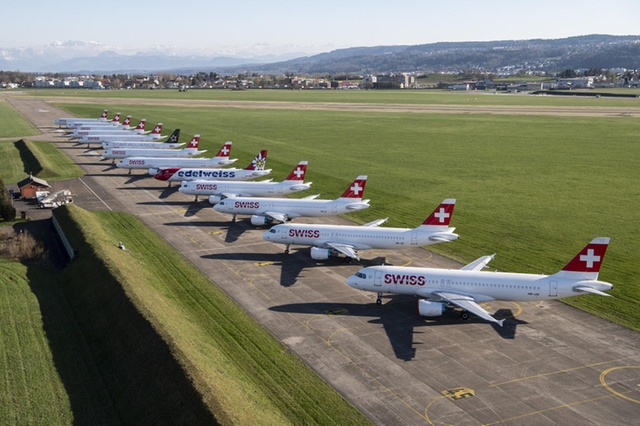
The global pandemic caused by the spread of Covid-19 disease has implied a dramatic reduction of air travel all over the world. Companies have been forced to shrink their operations to the bone, while images of grounded airplanes became the norm. This forced stop will likely have long term consequences and bring to a general restructuring of air transportation. In this contribution three academic experts discuss some of the main issues in this debate:

  • With most airline companies struggling to survive, some governments have already announced loan or bailout plans, while others have (re)nationalized them or are planning to do so. Yet another approach to the matter is to leave it in the hands of the market and allow these companies to fail. This debate is important because, after the bailout of banks in the aftermath of the financial crisis of 2008, the public opinion might question the opportunity of adopting a “too big to fail” strategy implying a huge allocation of public resources to private companies.
  • The high contribution to CO2 emissions by aviation has been a recurring target of environmental movements in the past years. After months – and possibly years- of public spending to support economies damaged by the global lockdown, the public opinion might be favorable to introduce higher taxes and restrictions to airplane travel.
  • On the demand side, will the disposition to fly ever come back to pre-coronavirus levels? The tourism industry is unlikely to recover soon, and people might think twice before boarding a busy airplane again. Business travelers, on the other hand, might find it preferable to hold meetings online, consolidating habits that have developed during lockdown.

This article contributes to these issues and stimulates further reflection on the future of air transportation. Have a good read.

Categories
Geography MAPS Mobility Networks

Tracking public transport in real-time

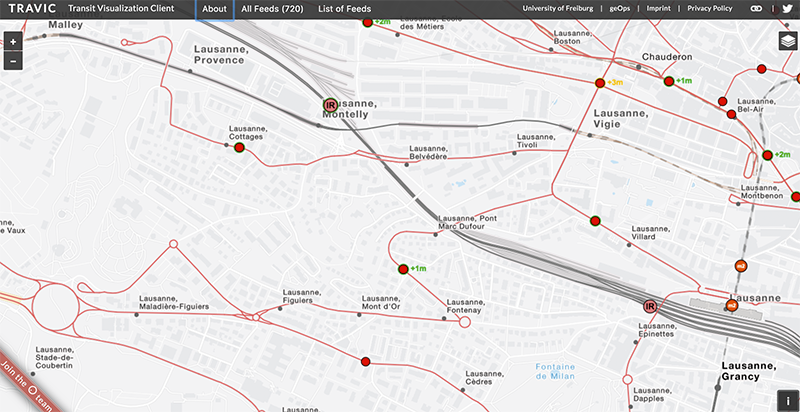
TRAVIC is a real-time tracker of public transport that allows the user to visualize the movement of trains, buses, trams and boats all over the world. It is based on a master thesis project by Patrick Brosi in a collaboration between the Swiss based geoinformatics company Geops with the University of Freiburg, Germany. For background information on how TRAVIC is done you may check their blog.

This tracker provides movement visualization of transit data published by transit agencies and operators from all over the world. The movements are mostly based on static schedule data but for some countries, such as for example the Netherlands, real-time data is available and included in the visualization.

Enjoy the visualization, and let us know how you used this tool and what its applications could be.


Categories
Geography MAPS Mobility Networks Social network Social science World

River maps: coloring the world’s circulatory system

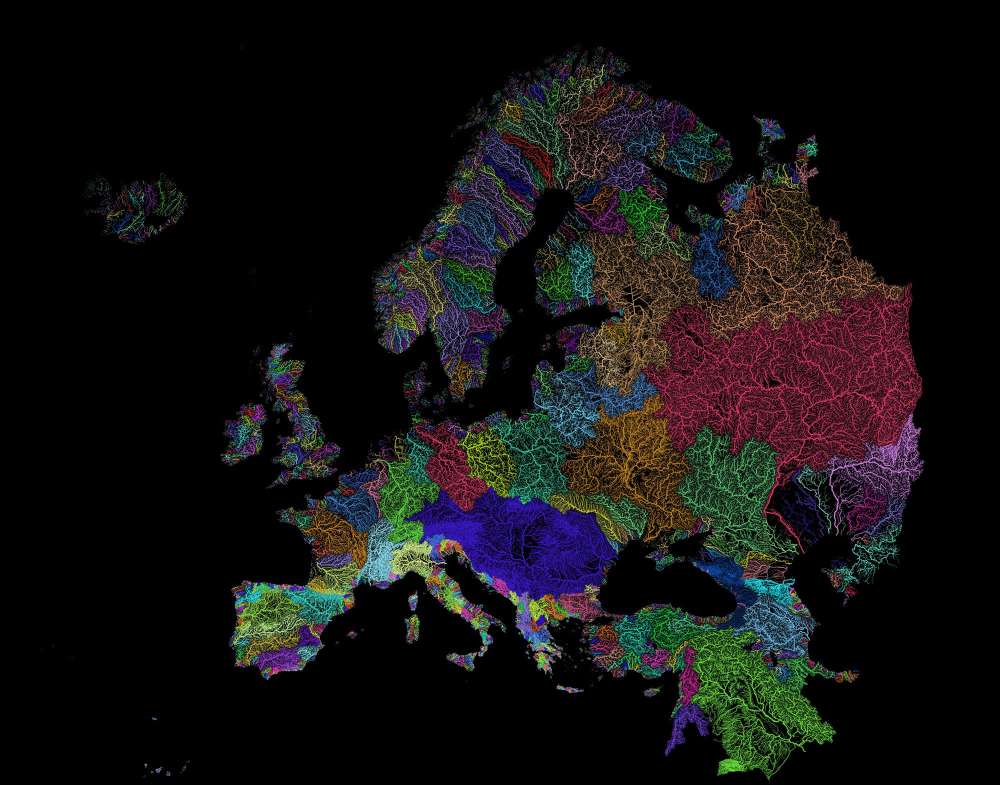
Rivers are fundamentals in creating the right conditions for life: that is why most cities since ancient civilizations were built along their banks. Rivers form intricate networks linking the main branches and their smaller tributaries. These river webs have been mapped by geographer Szűcs Róbert, dividing our planet’s watersheds into colorful catchment areas, and providing an informative look at how water flows across continents.

Check out the full article on visual capitalist, and take a look at Robert’s wonderful maps!

Watershed Map of the United States & Cascadia – by Szűcs Róbert


Categories
Geography Mobility Networks SCIENCE Simulation Social network

Google mobility reports: big data to help fight Covid pandemic

Last week Google has published the “COVID-19 Community Mobility report”. In the context of strict confinement measures, and while some governments (China above all but also Italy, France and Spain) have resorted to mobile phone data to assess whether citizens are respecting the lockdown, Google has published anonymized mobility data from a number of countries showing the effect of limitations on individual movements.

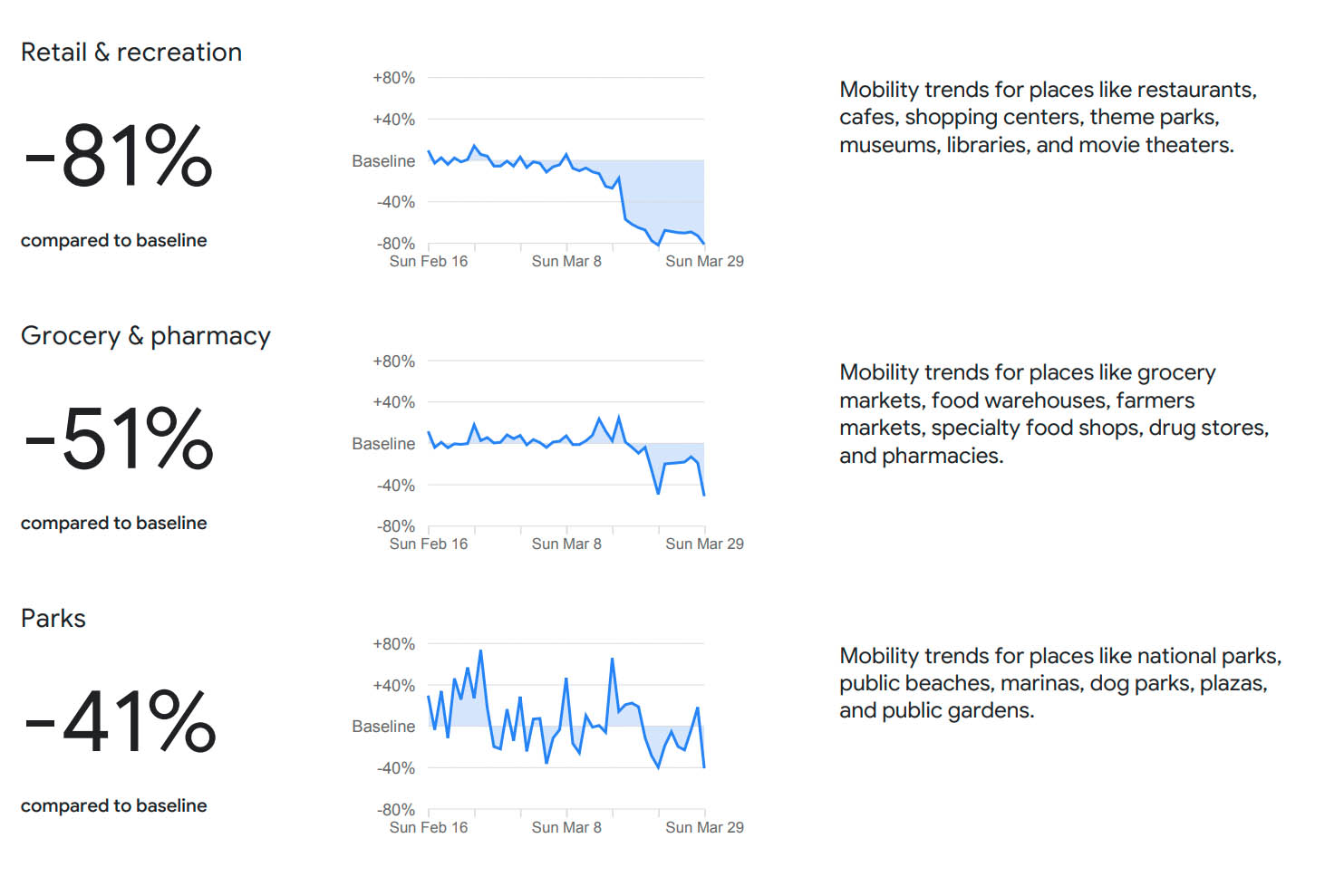
The reports use aggregated, anonymized data to chart movement trends over time by geography, across different high-level categories of places such as retail and recreation, groceries and pharmacies, parks, transit stations, workplaces, and residential. We’ll show trends over several weeks, with the most recent information representing 48-to-72 hours prior. While Google displays a percentage point increase or decrease in visits, they do not share the absolute number of visits. To protect people’s privacy, no personally identifiable information, like an individual’s location, contacts or movement, is made available at any point.

In Switzerland, for example, data are available on a national and canton basis, and they show a clear decrease in mobility patterns since the beginning of the lockdown on March 16.

What about your country or local area?

You can access all reports at https://www.google.com/covid19/mobility/


Categories
Mobility Networks Social network Social science Vizualization World

The global flow of people

Explore new estimates of migration flows between and within regions for five-year periods, 1990 to 2010. Click on a region to discover flows country-by-country.
Capture d’écran 2015-08-07 à 23.35.37