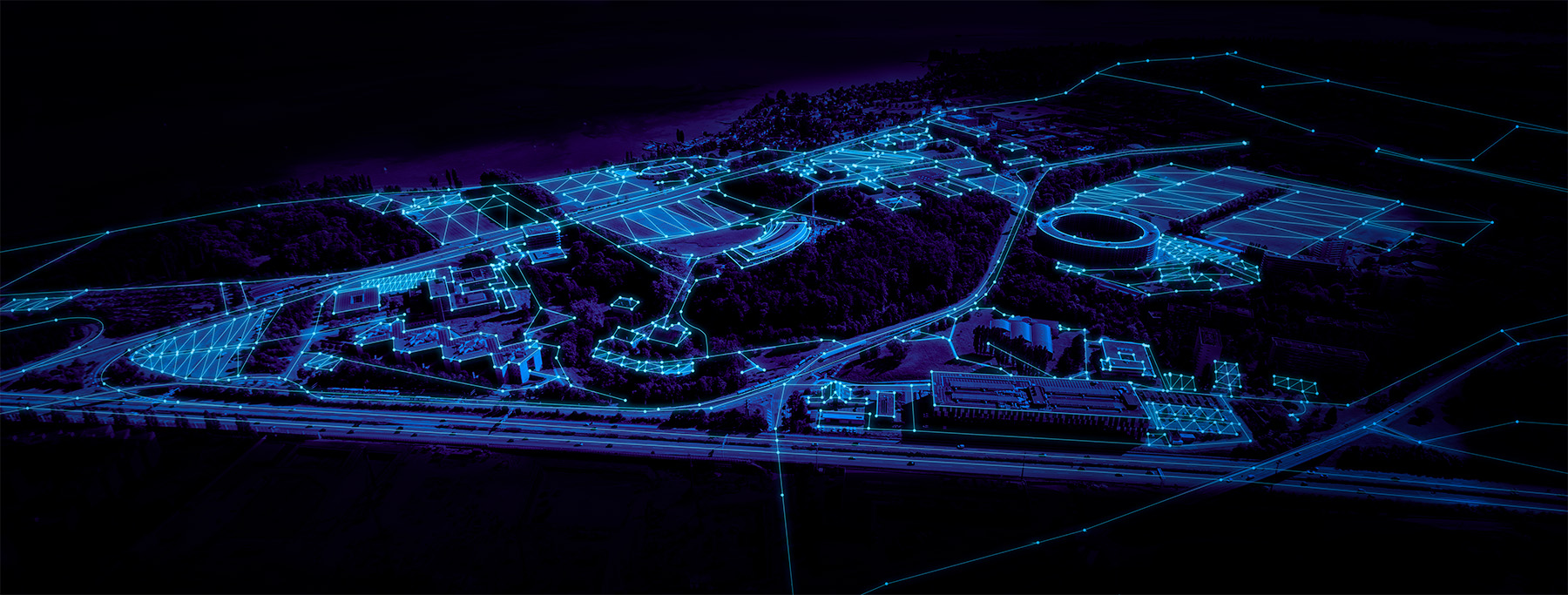

At UNIL, AI research is carried out in numerous laboratories and institutes, bringing together diverse and complementary skills. Whether modelling biological systems or analysing text corpora, our researchers are constantly exploring new approaches. Their work, often cross-disciplinary, encourages the emergence of novel solutions and contributes to the advancement of scientific knowledge at an international level.
-

Predicting the unpredictable: Artificial Intelligence to understand CEO decisions
Researchers use Artificial Intelligence to analyze leaders’ decisions, revealing motivations beyond profit and paving the way for more transparent governance.
-

Artificial Intelligence and literature reviews: can AI really improve scientific research?
At a time when AI promises to revolutionize the analysis of scientific knowledge, one question arises: can it improve the literature review without diminishing its theoretical and critical rigor?
-
When Artificial Intelligence amplifies fake news: How to fight against that danger
In the age of social media, misinformation poses a growing threat to corporate reputation. This article examines its impact on reputation judgments and decisions.
-
Artificial Intelligence as a new innovative and powerful tool for Human skill development
What if artificial intelligence became the ally of our most human skills? This article explores how technology is reshaping empathy, leadership, and communication.
-
When artificial intelligence sheds light on language, cultural memory and emotion
Between digital humanities and artificial intelligence: an exploration of language, emotion, and cultural memory, from philosophical manuscripts to musical archives.
-

Combining AI and traditional eye image features improves disease and gene detection
Pairing AI with classical retinal image features enhances disease prediction, uncovers novel genetic associations, and refines diagnostic accuracy in large-scale datasets.
-
Artificial Intelligence research at UNIL: explore our scholars’ work via IRIS
Explore AI publications from UNIL researchers via IRIS: learning, language, perception, ethics, society… An interdisciplinary body of research built around 150 keywords.
-
When Artificial Intelligence traces Evolution: A revolution in molecular phylogeny
Thanks to artificial intelligence, researchers from UNIL and ETH Zurich are transforming how we reconstruct the evolutionary history of species, bypassing traditional methods.
-
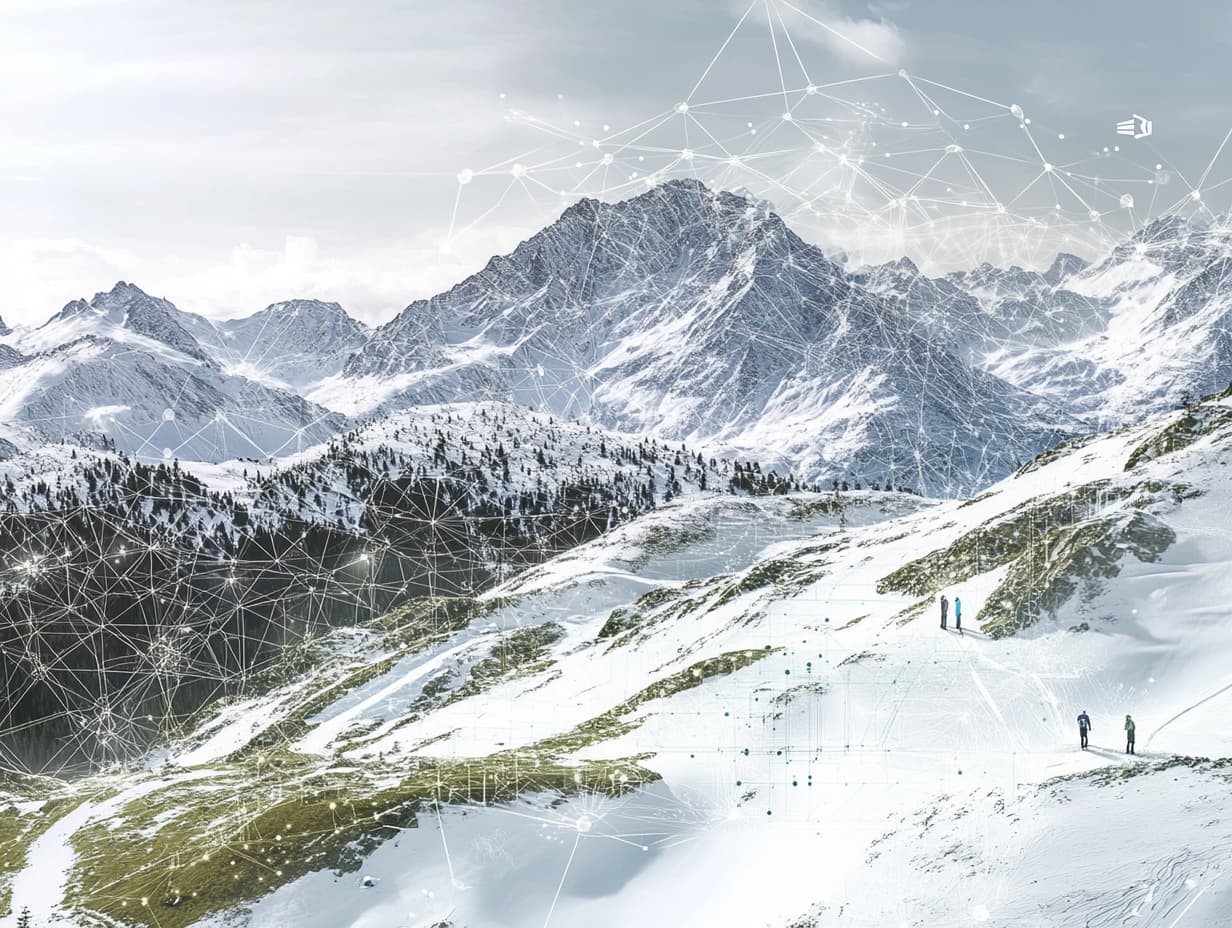
Reconstructing the invisible: when AI fills in missing environmental data
What if we could reconstruct the evolution of Alpine snow cover despite incomplete satellite imagery? Grégoire Mariéthoz achieves this by combining statistics, physics, and artificial intelligence.
-
Artificial Intelligence deciphers websites to map public health priorities around the world
Can we read between the lines of institutional websites to uncover public health priorities? Céline Rozenblat uses AI to map both actions and silences on a global scale.
-

Beneath our feet, AI is mapping the subsurface and opening up new avenues in geoscience.
Thanks to artificial intelligence, Niklas Linde and his team are developing realistic geological models of the subsurface, opening up new possibilities for hydrogeology and environmental protection.
-
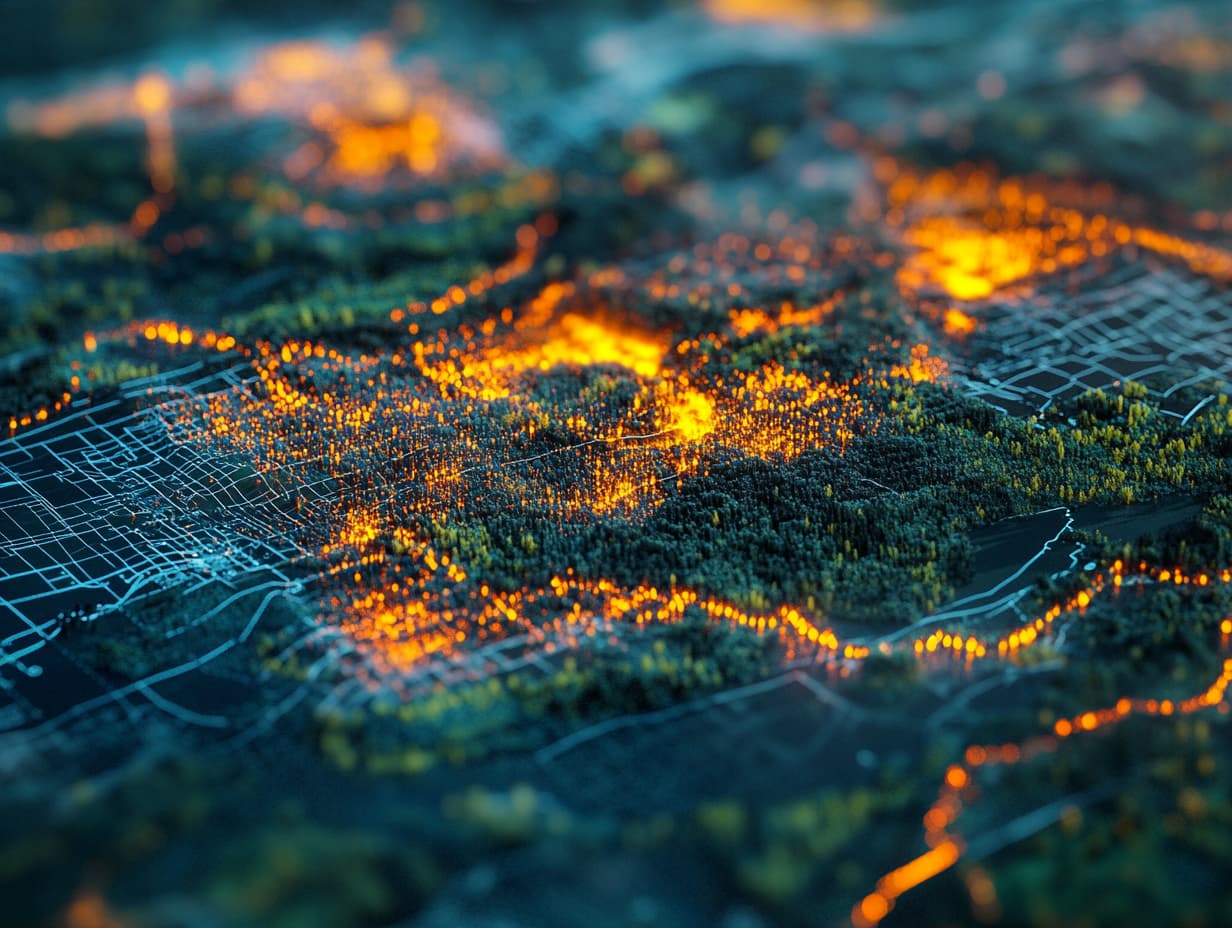
Natural disasters : when AI became a key tool to anticipate and prevent risks
Marj Tonini uses AI to refine risk maps and anticipate wildfires or landslides, thereby strengthening disaster prevention and decision-making support.
-
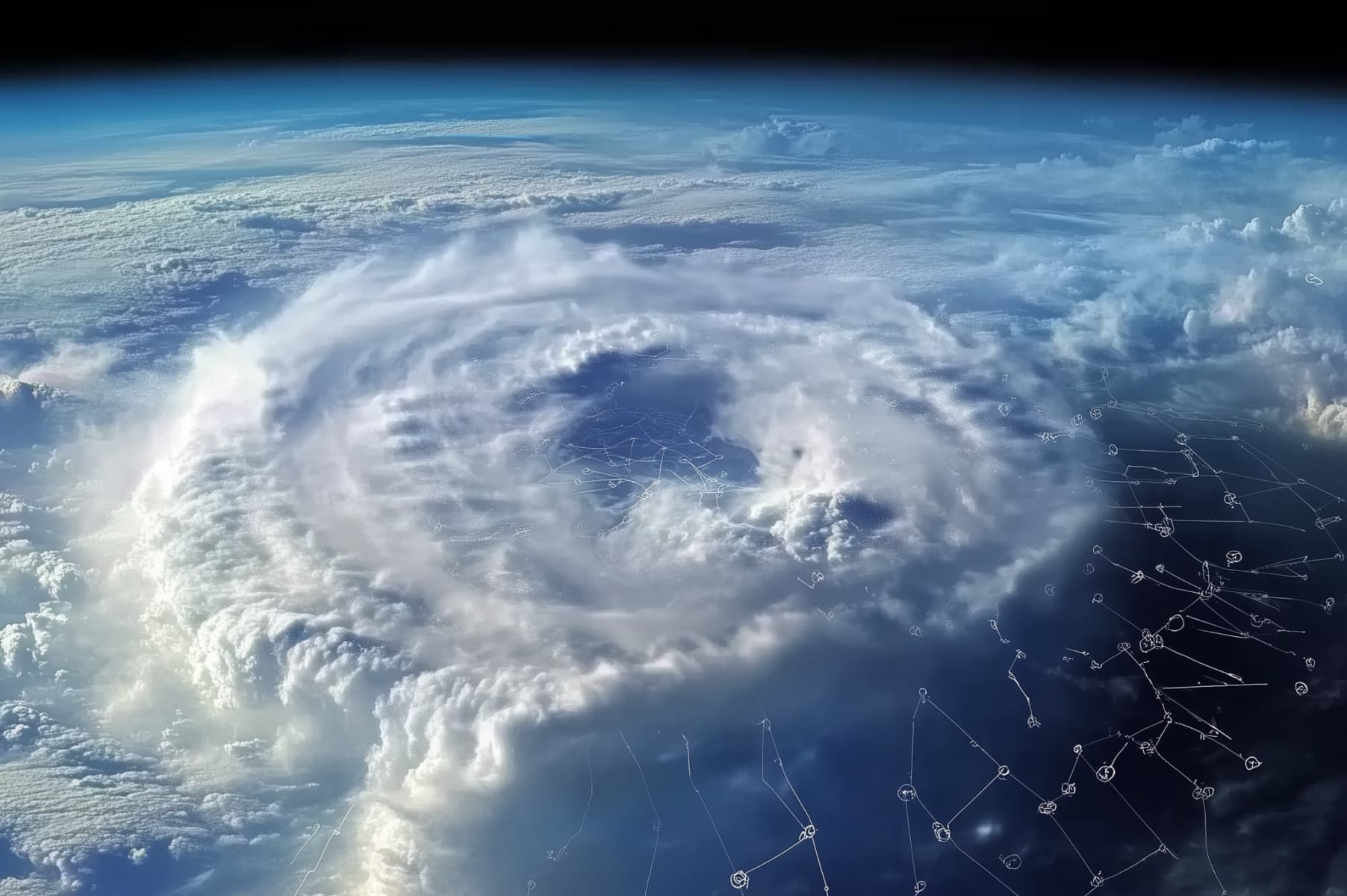
Climate and cyclones: harnessing AI for physics to better predict extreme weather conditions
Tom Beucler incorporates Artificial Intelligence into climate modelling to better anticipate cyclones while respecting physic laws to ensure scientific rigor and precision.
-

Untangling urban traffic: when AI observes traffic flows, understands mobility patterns and anticipates
Identifying cyclists, tracking pedestrians, analyzing intersections—Christian Kaiser leverages deep learning to map mobility patterns while safeguarding privacy.
-
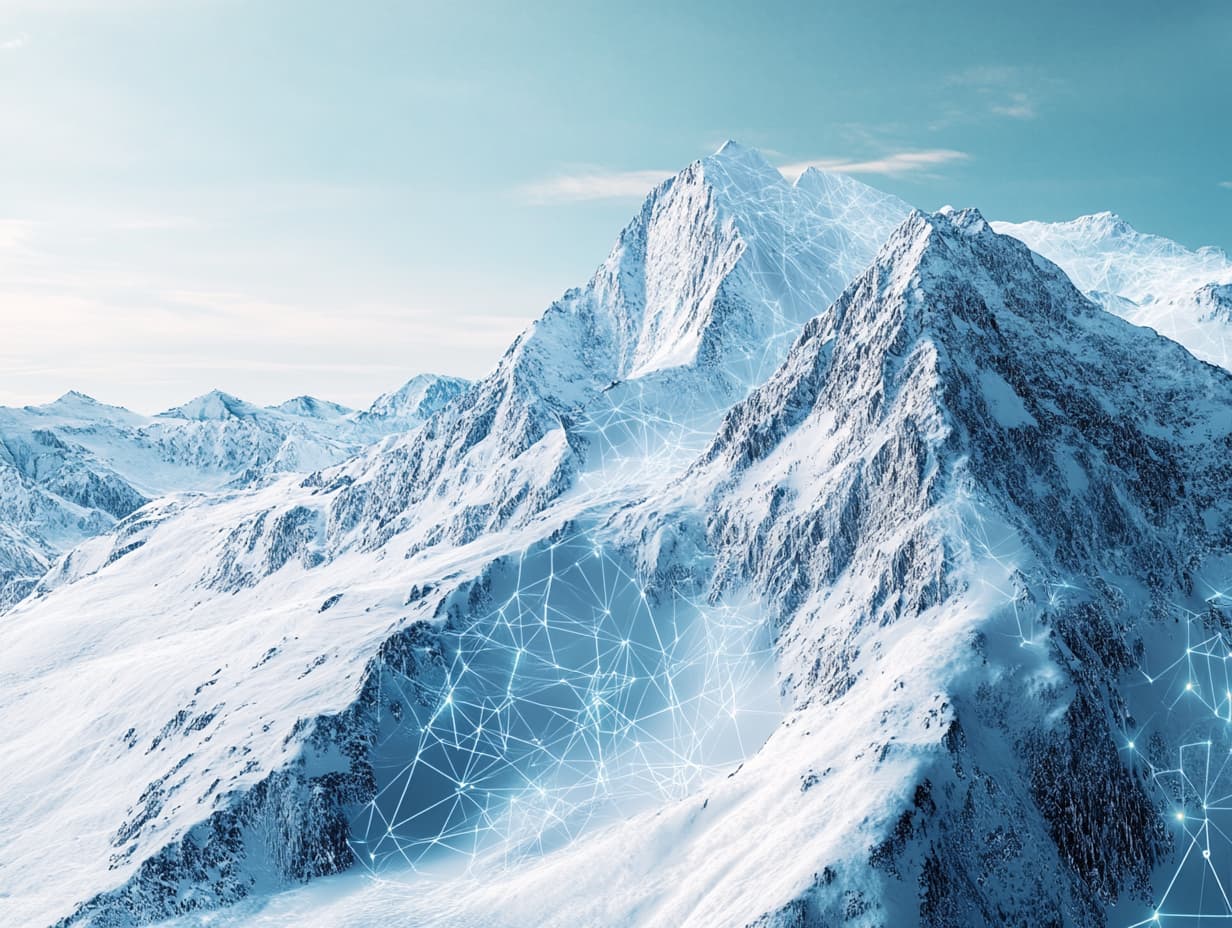
Glaciers in motion: how AI reconstructs their past and forecasts their future
Guillaume Jouvet combines mathematics, glaciology, and AI to model glacier evolution with unprecedented precision, producing visualizations that make both past and future changes accessible.
-
Assessing risks, modeling glaciers, decoding cities: AI is reshaping geosciences.
From glaciers to cyclones, wildfires to urban flows, AI is revolutionizing geosciences. Eight researchers explain how it enhances their models—while also introducing new challenges.