Category: Research at work

  • Where rocks transform: a geological immersion in eastern Canada

    Where rocks transform: a geological immersion in eastern Canada

    design sans titre 6
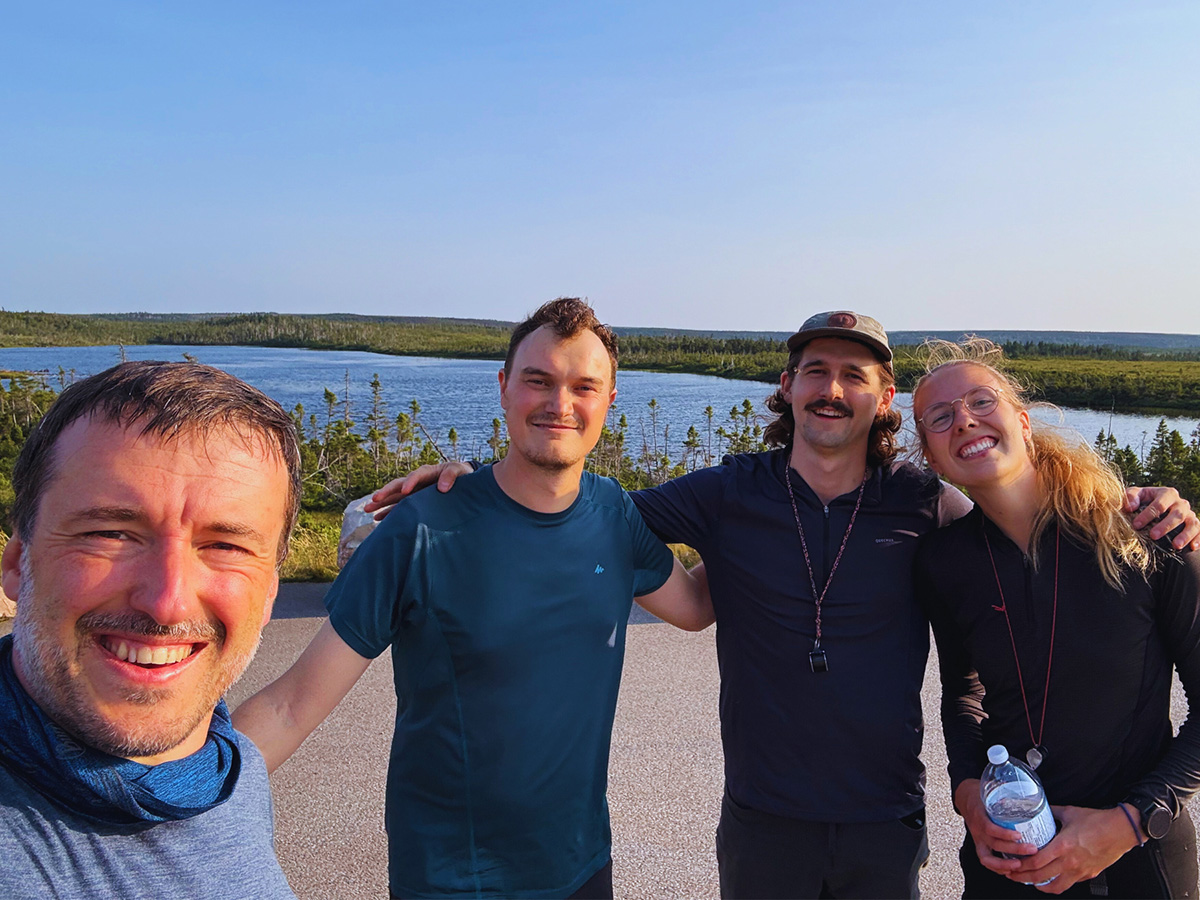
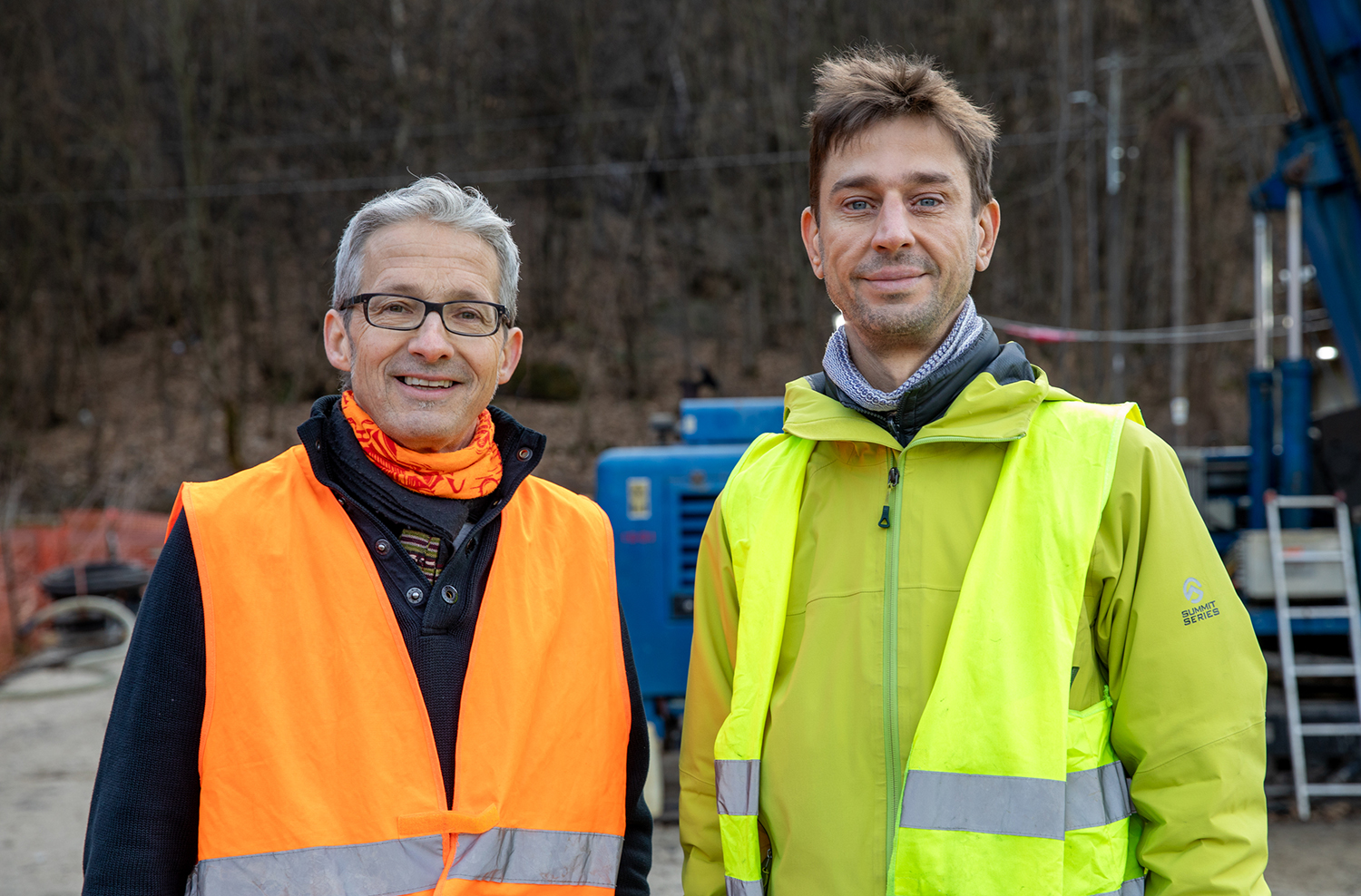
     (from left to right) Pierre Lanari, supervisor and professor, Jonas, postdoctoral researcher, Philip and Noralinde, doctoral students

    Nora and Philip, two doctoral students from the Faculty of Geosciences and Environment at UNIL, take us on a field trip to Canada, where they went to study metamorphic rocks.

    Goedendag ! Salut ! We are Nora and Philip, two PhD students in Metamorphic Petrology at the University of Lausanne (UNIL). As part of the research group for metamorphic processes we work on a multi-year research project trying to deepen our understanding about the extent and mechanisms of rock metamorphosis, i.e. the transformation of rocks by burial and heating in the Earth’s crust.

    This transformation occurs when rocks are buried deep underground—for example, during mountain formation—and subjected to high temperatures and pressures, which alter their composition and structure.

    In the summer of 2025, we travelled across eastern Canada for a three-week field campaign to collect rocks that were once mud and clay sediments. These sediments were buried deep in the Earth and transformed by heat and pressure, and we studied how that transformation happened. Our fieldwork took us first to the Cape Breton Highlands National Park in the Canadian Appalachians, and then north to Labrador City, within the Grenville Province — both regions offering unique windows into the deep roots of the ancient Appalachian and Grenvillian mountain belts.

    Our project aims to improve thermodynamic models of metamorphism by characterizing the mineralogy and chemical composition of metapelites across a wide pressure–temperature range, from low-grade metamorphism (~300 °C) to the onset of partial melting (~900 °C). Understanding this evolution is critical for reconstructing the tectonic history of continental crust and deciphering how fluids and volatiles, such as water, behave and move during mountain-building processes.

    Cape Breton — Exploring a Metamorphic Gradient in Steep Forested Valleys

    Our first stop was Cape Breton Highlands National Park in Nova Scotia, a region of steep forested valleys, streams, and waterfalls. Here, outcrops of metamorphic rocks are beautifully exposed by the on-going erosion in the steep brooks. This erosion exposes rocks from deeper levels within a former mountain range the further inland we walk from the coast, as previous studies have shown. This systematic increase of the metamorphic conditions is called a metamorphic field gradient. During our fieldwork we follow these gradients in metamorphic conditions to sample rocks with minerals that formed at ever increasing temperatures and depths, i.e. metamorphic grades.

    terrain canada 1
    Cap Breton, outcrops of metapelitic rocks next to the road.

    Each day, we ventured into the forest in pairs, mapping rock layers and structures, noting the minerals visible in the field, and collecting samples spanning a range of metamorphic grades. The rocks along the coast are still fine-grained and made almost entirely of micas, which are flaky minerals that develop when clay particles are heated and compressed, turning soft mud into harder, layered rock. When we hiked further up the brooks we found a typical sequence of garnet, staurolite and kyanite appearing on after another in the rocks changing their appearance from a slate into a beautiful micaschist.

    Working in such dense forest required careful planning and an awareness of local wildlife. Bear spray and bells – allowing us to warn the bear of our presence – accompanied us on every hike, though the only bear we saw remained safely in the distance, visible from our car.

    Labrador City — High-Pressure Rocks in the Grenville Province

    After a week in Cape Breton, we headed north to Labrador City, in the heart of the Grenville Province, in the heart of the Grenville Province—a classic metamorphic terrane, meaning a large area made of rocks that share the same ancient history. Here, the landscape conceals ancient roots of the Grenvillian orogen, a massive mountain belt formed more than a billion years ago during the assembly of the supercontinent Rodinia.

    terrain canada 7
    View of the Canadian forests and lakes.

    Using the same systematic sampling strategy, we collected metapelites across a metamorphic gradient. In the Grenville province the metamorphic rocks preserve evidence of unusually deep burial and, in places, conditions approaching partial melting. Despite long days and the challenge of navigating remote terrain, the reward was a diverse and scientifically valuable sample set.

    Fieldwork in Labrador required more logistical planning. Outcrops were scattered and often hidden beneath dense boreal forest, so we relied on geological maps, satellite imagery, and forestry tracks to locate suitable sites. Our sampling focused on the metamorphic sediments, that preserve evidence of deep burial and the earliest stages of partial melting. In the beautiful forest floor of Labrador, mosquitoes and midges presented a constant challenge, prompting the use of protective head nets while we worked.

    Beyond collecting rocks, we also visited a nearby iron mine, where ancient, banded iron formations are still being extracted, a striking reminder of the long history recorded in these landscapes.

    terrain canada 10
    Iron mine next to Labrador City

    From Field to Laboratory — What Comes Next

    Back at the University of Lausanne, the fieldwork transitions into the next phase of research. The samples we collected will be prepared as thin sections for microscopic study, analyzed for mineral composition and zoning patterns, and measured for their whole-rock chemistry. These data allow us to reconstruct the pressure and temperature conditions the rocks experienced, refining thermodynamic models of metamorphism. In particular, this work sheds light on how fluids and volatiles are released or sequestered during mountain building, an important aspect of the deep Earth’s volatile cycles.

    terrain canada 11
    Large garnet minerals (red) in a metamorphic rock.

    Lessons from the Field

    This field campaign reminded us that geological research is as much about people and planning as it is about rocks. It demanded careful organization, adaptability, teamwork, and attention to safety, all while navigating remote and beautiful landscapes. More importantly, it provided an exceptional set of samples and observations that will fuel our research for years to come. After three weeks immersed in Canada’s wilderness, we returned inspired by the landscapes, the geology, and the stories these ancient rocks are ready to tell.

    Partial melting and granite formation

    Partial melting during metamorphism occurs when temperature and pressure conditions exceed the melting point, causing small amounts of magma to form within solid rock. In metapelites, partial melting generally occurs at high temperatures (> 650–700 °C), often in the presence of fluids. Typical reactions involve the dehydration of micas and the formation of magma accompanied by residues rich in quartz, feldspar and garnet. The process of partial melting plays a major role in element mobility and crustal differentiation, as it produces magmas that can migrate and form granitic plutons.

  • A transdisciplinary field school for understanding how past human activities are still shaping the biodiversity of Gabon’s ecosystems

    A transdisciplinary field school for understanding how past human activities are still shaping the biodiversity of Gabon’s ecosystems

    Gretchen Walters, Institute of Geography and Durability

    Prof. Gretchen Walters recently joined Gabonese colleagues and international partners in Doumé to study and teach with them how past human activities are still influencing biodiversity in Gabon’s areas that may appear “natural”. This research aims to better manage and protect biodiversity, taking cultural and historical practices into account.

    By Gretchen Walters

    Viewing the forest and savannas from a plane or drone, the expansive ecosystems look almost uniform, and natural. But if one knows how to read the landscape, it’s a completely different story: the ecosystem bears the marks of its history in its flora, fauna, soil, and its people. 

    Studying biodiversity is at its best when it brings together different disciplines and stakeholders to understand the issues. In June and July 2025, Professor Gretchen Walters taught in the Ecole de Terrain “ECOTROP” in Gabon to students and professionals from the national parks agency, in collaboration with teachers from Gabon, France, the UK, the US, Swaziland, and Greece. The goal was to conduct research with students and teach tools and methodologies that would allow to understand the biodiversity of Gabon’s ancient villages which are scattered throughout the forest.

    27 participants1  and several professors from the Université Omar Bongo (UOB, with which UNIL has an agreement), Université des sciences et techniques de Masuku (USTM), the Gabon national parks agency, and five American universities, set out together to find out.

    plan village gabon
    Drone image of the village of Doumé. Photo : D. Mouketou-Tarazewicz.

    Over the course of three weeks, we studied the biodiversity of former village sites in Gabon around the village of Doumé in collaboration with members of the Kota, Adouma, Bongo, and Awandji ethnic groups, who have lived in this forest-savanna mosaic at the edge of the Ogooué River for several hundred years.

    Prof. Gretchen Walters
    image
    Doumé village, Gabon

    Gabon’s forests were previously extensively settled with villages and their associated territories occupying vast areas. However, during the colonization by France, villages were forced to move to the roadsides, in what is called the “Regroupement”, a process that occurred from 1919 to the 1970s. This far-reaching colonial policy displaced villages, but did not displace land use. People regularly return to these former villages and they still are part of village hunting territories and remain important for cultural reasons. However, most research does not account for these parts of the ecosystem, tending to focus on places which appear to have less human influence. Thus, this field school and the related FNS forest history project aims to fill these important gaps, and to account for how people have shaped the ecosystem over time.

    In ECOTROP, participants become members of a one of the following thematic “ateliers”: archaeology, pedology, botany, zoology (birds and mammals), and participatory cartography. Each atelier is led by a researcher, and the results of each atelier contribute to answer our research questions about understanding the role of people in modifying soil and biodiversity. Using a variety of methods, each atelier documents the biodiversity, social history, and soils of a former village and a neighboring comparative site which has never had a village or an agricultural field.  UNIL’s contribution to the field school is to bring an environmental anthropology approach using transdisciplinary methods, which collaborate with experts from the four ethnic groups of Doumé. While the field school is funded in part by an National Science Foundation grant from the US, UNIL’s participation is from a sister project, funded by the FNS, which also focuses on understanding the legacies of the past forest land use.

    This year, we focused on the former villages of Mabouli and Manenga while the archaeology team worked in the nearby Youmbidi cave. Each team works with community members, but in the participatory historic cartography one, these community members become experts that we work with, since we are documenting their village histories.

    During our fieldwork, our work was documented by  Victor Amman, a graduate of UNIL who creates science documentaries. We look forward to seeing his film early next year!

    When we are finished with our research, we present our findings back to the community members in Doumé and in the nearby cite of Lastoursville. This is an important step for participants to learn how to communicate their findings to the general public and most importantly, for the host communities to understand what we did. We look forward to working with them again next year.

    ECOTROP is a field-based research class that has been held in Gabon and Cameroon since 2011.

    The Consortium is led by the Gabon National Parks Agency in partnership with the USTM and UOB, along with numerous other universities outside of Gabon, but notably the University of New Orleans and the Institute of research and development of France. The field school is largely financed by a grant the United States National Science Foundation to the University of New Orleans and TOTAL. UNIL became a partner of the ECOTROP Consortium in 2025,  and participates in ECOTROP as part of a wider FNS project on a related subject in Gabon. 

    entretien doume
    Interview in Doumé village, participatory historical mapping workshop. Photo: B. Ngonda Makita.

    1. Participants are called “apprenants” because they may be university students or professionals from the national parks agency. ↩︎
  • Why did some ancient animals fossilize while others vanished?

    Why did some ancient animals fossilize while others vanished?

    crevette
    Cretaceous fossil shrimp from Jbel Oum Tkout, Morocco registered at the Museum d’histoire naturelle de Marrakech (© Sinéad Lynch – UNIL).

    Why do some ancient animals become fossils while others disappear without a trace? A new study from the University of Lausanne, published in Nature Communications, reveals that part of the answer lies in the body itself. The research shows that an animal’s size and chemical makeup can play an important role in determining whether it’s preserved for millions of years—or lost to time.

    Fossils are more than just bones; some of the most remarkable finds include traces of soft tissues like muscles, guts, and even brains. These rare fossils offer vivid glimpses into the past, but scientists have long puzzled over why such preservation happens only for certain animals and organs but not others.

    To dig into this mystery, a team of scientists from the University of Lausanne (UNIL) in Switzerland turned to the lab. They conducted state-of-the-art decay experiments, allowing a range of animals including shrimps, snails, starfish, and planarians (worms) to decompose under precisely controlled conditions. As the bodies broke down, the researchers used micro-sensors to monitor the surrounding chemical environment, particularly the balance between oxygen-rich (oxidizing) and oxygen-poor (reducing) conditions.

    The results were striking and have now been published in Nature Communications . The researchers discovered that larger animals and those with a higher protein content tend to create reducing (oxygen-poor) conditions more rapidly. These conditions are crucial for fossilization because they slow down decay and trigger chemical reactions such as mineralization or tissue replacement by more durable minerals.

    “This means that, in nature, two animals buried side by side could have vastly different fates as fossils, simply because of differences in size or body chemistry,” affirms Nora Corthésy, PhD student at UNIL and lead author of the study. “One might vanish entirely, while the other could be immortalized in stone” adds Farid Saleh, Swiss National Science Foundation Ambizione Fellow at UNIL, and Senior author of the paper. According to this study, animals such as large arthropods are more likely to be preserved than small planarians or other aquatic worms. “This could explain why fossil communities dating from the Cambrian and Ordovician periods (around 500 million years ago) are dominated by arthropods,” states Nora Corthésy.

    These findings not only help explain the patchy nature of the fossil record but also offer valuable insight into the chemical processes that shape what ancient life we can reconstruct today. Pinpointing the factors that drive soft-tissue fossilization, brings us closer to understanding how exceptional fossils form—and why we only see fragments of the past.

    Source

    N. Corthésy, J. B. Antcliffe, and F. Saleh, Taxon-specific redox conditions control fossilisation pathways, Nature Communications, 2025

    Research fundings

    SNF Ambizione Grant (PZ00P2_209102)


    Questions to Nora Corthésy,
    principal author of the study at UNIL

    Why did you choose shrimps, snails and starfish to conduct your study?

    These present-day animals were the best representatives of extinct animals we had in the lab. From a phylogenetic (relationship between species) and compositional point of view, they are close to certain animals of the past. The composition of the cuticles and appendages of modern shrimps, for example, is more or less similar to that of ancient arthropods.

    How can we know that animals lived, then disappeared without a trace, if we have no evidence of this?

    When studying preservation in the laboratory, it becomes possible to distinguish between ecological and preservational absences in the fossil record. If an animal decays rapidly, its absence is likely due to poor preservation. If it decays slowly, its absence is more likely to be ecological, that is, a true absence from the original ecosystem.  Our study shows that larger, protein-rich organisms are more likely to be preserved and turned into fossils. We can therefore hypothesize that smaller, less protein-rich organisms, which have very little chance of dropping their redox potential, may not have been fossilized due to preservational reasons. It is therefore possible that some organisms could never have been preserved, and that we may never, or only with great difficulty, be able to observe them. Nevertheless, all of this remains hypothetical, as we are unable to travel back in time millions of years to confirm exactly what lived in these ancient ecosystems.

    What about the external conditions in which fossils are formed, such as climate?

    The effect of these conditions is very complicated to understand since it is nearly impossible to replicate ancient climatic conditions in the laboratory. Nevertheless, we know that certain sediments can facilitate the preservation of organic matter, giving clues as to which deposits are the most favorable for finding fossils. We also know that factors such as  salinity and temperature, also play a role in preservation. For example, high salinity can increase an organism’s preservation potential, as large amounts of salt slow down decay in a similar way to low temperatures. Our study here focuses solely on the effect of organic matter and organism size on redox conditions around a carcass. It is therefore one indicator among others, and there is still a lot that needs to be done to understand the impact of various natural conditions on fossil preservation.

  • A classification of drugs based on their environmental impact

    A classification of drugs based on their environmental impact

    Scientists at UNIL and Unisanté classified 35 commonly used drugs in Switzerland based on their impact on the aquatic biodiversity. The aim of this research is to provide medical staff with a tool for considering the environmental risks associated with certain common drugs when prescribing them. The proposed list is subject to change when new data become available, their rarity being a limiting factor for classification.

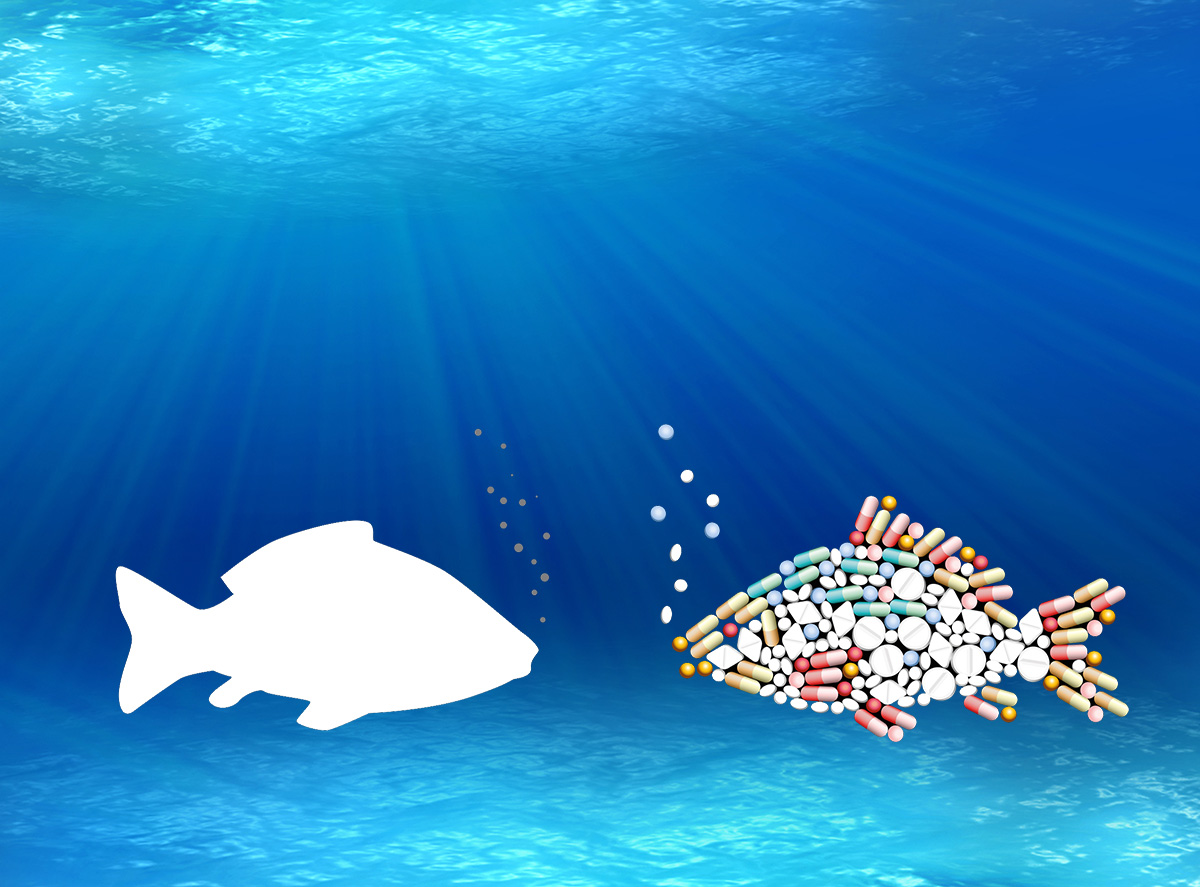
    Every day in Western countries, thousands of drugs are consumed, whether to relieve pain, regulate blood pressure or treat infections. But what happens after ingesting these products? Evacuated via urine, many substances end up in wastewater. They are only partially eliminated by these systems, and end up in lakes, rivers and streams, posing a risk to aquatic ecosystems. This risk is now recognized, but it is difficult for doctors to know how to integrate it into their practice.

    At the University of Lausanne (UNIL), scientists from the Faculty of Biology and Medicine (FBM) and the Faculty of Geosciences and Environment (FGSE) have carried out an unprecedented classification of widely-used drugs according to their ecotoxicity, i.e. their danger to the aquatic ecosystem. Published in the International Journal of Environmental Research and Public Health , the study reveals that drugs commonly prescribed in general medicine – to combat inflammation or infection, for example – have significant consequences for the health of fish, algae and bacteria essential to aquatic biodiversity. 

    Painkillers and antibiotics among the most problematic

    The researchers classified 35 drugs commonly consumed in Switzerland into categories ranging from low to high toxicity for aquatic ecosystems. To do this, they cross-referenced three pieces of information: the 50 most widely sold drugs in Switzerland (by weight), those for which ecotoxicity thresholds exist, and the concentration of those found in the rivers of Vaud and Lake Geneva (in the form of active ingredient).

    Among the most problematic drugs are common painkillers and anti-inflammatories such as diclofenac, which is toxic to fish liver and can lead to fish death. There are also antibiotics such as ciprofloxacin, which can eliminate bacteria useful to the ecosystem’s balance, and encourage the emergence of antibiotic-resistant bacteria. Mefenamic acid and paracetamol, on the other hand, are in the category with the lowest environmental risks. 

    One health: for people and the planet

    “This classification is far from complete, because of the lack of data. It does, however, give some initial indications for practitioners,” comments Nathalie Chèvre, ecotoxicologist at the FGSE and co-director of the study. “Of the 2000 or so drugs on the European market, we have only classified 35. This is a good start, but more ecotoxic thresholds need to be established and accepted to enable us to continue this kind of analysis”, adds Tiphaine Charmillot, a researcher at the FBM and Unisanté, and first author of the article.

    In Switzerland, new treatments are being introduced at WWTPs, with promising results. “However, they are costly both economically and ecologically,” says Nathalie Chèvre. “Nor does it solve the problem of poor connections and wet-weather discharges. So it’s always preferable to fight at source.”

    In the meantime, the scientists hope that this approach, which represents a first step, will encourage the integration of environmental considerations into therapeutic choices, as is already advocated within the framework of various initiatives such as “smarter medicine – Choosing Wisely Switzerland ”. The idea is to control the environmental impact of healthcare professionals’ practices, while offering the best possible quality of care.

    In practice, this could mean using this classification to prioritize the least harmful option when prescribing medication, in cases where two treatments have the same therapeutic efficacy – for example, favoring the use of mefenamic acid over diclofenac for the treatment of pain; avoiding unnecessary prescriptions, such as antibiotics for non-bacterial infections (e.g., colds); and finally, proposing non-pharmacological approaches where possible (treatment of chronic pain by physiotherapy or behavioral therapy; treatment of mild depression by phytotherapy, etc.). 

    “The concept of health should encompass human health, the health of all living things and the health of the natural environment. Eco-responsible medicine also benefits patients directly, by avoiding over-medication, but also indirectly, by promoting a healthier environment, which is essential for well-being”.

    Nicolas Senn, researcher at FBM and Unisanté, and co-director of the study.

    Source

    T. Charmillot, N. Chèvre, N. Senn, Developing an Ecotoxicological Classification for Frequently Used Drugs in Primary Care , International Journal of Environmental Research and Public Health, 2025.

    Drug classification1

    High to very high-risk level for aquatic life and ecosystems

    • Antibiotics (clarithromycin, azithromycin, ciprofloxacin, sulfamethoxazole)
    • Painkiller, anti-inflammatory (diclofenac, ibuprofen)
    • Antiepileptic, mood stabilizer (Carbamazepine)
    • Iodinated contrass agent (iopromide, iomeprol)

    Moderate environmental for aquatic life and ecosystems

    • Antibiotics (clindamycin, erythromycin, metronidazole, trimethoprim)
    • Antidepressant (venlafaxine)
    • Painkiller, anti-inflammatory (ketoprofen, mefenamic acid, naproxen)
    • Beta-blocker (metoprolol, propranolol, sotalol)

    Low to Very Low Environmental Risk for aquatic life and ecosystems

    • Antibiotics (ofloxacin, sulfadiazine)
    • Antidepressant (amisulpride, citalopram, mirtazapine)
    • Antidiabetic (metformine)
    • Painkiller (paracetamol, tramadol)
    • Antiepileptic (gabapentin, lamotrigin, primidone)
    • Anti-hypertensive (candesartan, irbesartan)
    • Betablocker (atenolol)
    • Diuretic (hydrochlorothiazid)
    1. The word “drug” is used here to refer to the active ingredients of the drug. ↩︎
  • AI enables a major innovation in glacier modelling and offers groundbreaking simulation of the last Alpine glaciation

    AI enables a major innovation in glacier modelling and offers groundbreaking simulation of the last Alpine glaciation

    Tancrède Leger, Institut des dynamiques de la surface terrestre

    Scientists at the University of Lausanne (UNIL) have used AI for the first time to massively speed up computer calculations and simulate the last ice cover in the Alps. Much more in line with field observations, the new results show that the ice was thinner than in previous models.

    This innovative method opens the door to countless new simulations and predictions linked to climate upheavals. The research is published in Nature Communications.

    25,000 years ago, the Alps were covered by a layer of ice up to 2 kilometers thick. For almost 15 years, this glaciation has been put into perspective by 3D digital models, based on climate reconstructions, thermodynamics and ice physics. However, these models have sparked debate in the scientific community, as until now there has not been a full  correspondence between these simulations and the physical traces – rocks, moraines, etc. – found in the field, particularly erosion lines, which bear witness to past ice thicknesses.

    A team of scientists from the University of Lausanne (UNIL) have just solved this persistent problem. For the first time, they have used artificial intelligence to massively boost their new glacial evolution model, generating a large series of simulations of unprecedented accuracy: they correspond much more closely to the physical traces left on the ground. Their results show an average ice cover 35-50% thinner than in previous reference simulations. Model resolution has been increased from two kilometers to 300 meters, and it is only thanks to this precision that it is possible to describe the complex topography of the Alps numerically.

    In line with the current state of scientific knowledge, based on field observations, it shows, for example, that certain peaks such as the Matterhorn and Grand Muveran were clearly protruding from the ice. This breakthrough is published in Nature Communications.

    The research is significant in more ways than one. Firstly, the ability to correctly model the glacial past is essential to understanding our environment.  For over 2 million years, the Earth has experienced alternating glacial and warm cycles, which have profoundly shaped the landscape in which we live. The new models now corresponds much more closely to the evidence left on the ground following the retreat of the glaciers, and make it possible to better quantify many natural phenomena, such as glacial erosion, which has largely contributed to sculpting the relief of the Alps.

    On the other hand, the innovative methodology used in this research marks a new era in numerical modelling. “By using recent technology, and applying it to the last major glaciation in the Alps, we can finalize a 17,000-year simulation at very high resolution (300 m) in 2.5 days, whereas such spatial resolution would have taken 2.5 years to calculate using traditional methods, which are also extremely costly and energy-intensive”, explains Tancrède Leger, researcher at UNIL’s Faculty of Geosciences and Environment (FGSE), and first author of the study.

    With this approach, the model first learns about the physics of ice flow, using Deep Learning methods. It then receives data on the climate of the period (temperature, precipitation, etc.), to calculate ice supply and melt.

    Deep learning calculations are then performed not by the traditional central processing unit (CPU), but via a GPU (or graphics processing unit), which enables numerous operations to be performed in parallel, boosting the computer’s computing power phenomenally.

    “It’s as if we once had six Ferraris at our disposal, and now we have ten thousand small cars. We’ve gone from very large machine clusters to a simple 30 cm graphics card. We’re not doing anything new, but we’re doing it a thousand times faster, making it possible to achieve resolutions that were not even considered before”.

    Guillaume Jouvet, FGSE prof. behind the AI model and co-first author of the study.

    This progress will enable new research to be launched. In particular, a new SNSF-funded project is about to get underway to use this revolutionary method to better predict the impact of the melting Greenland and Antarctic ice sheets on global sea level rise.


    Sources

  • First traces of water on Mars date back 4.45 billion years

    First traces of water on Mars date back 4.45 billion years

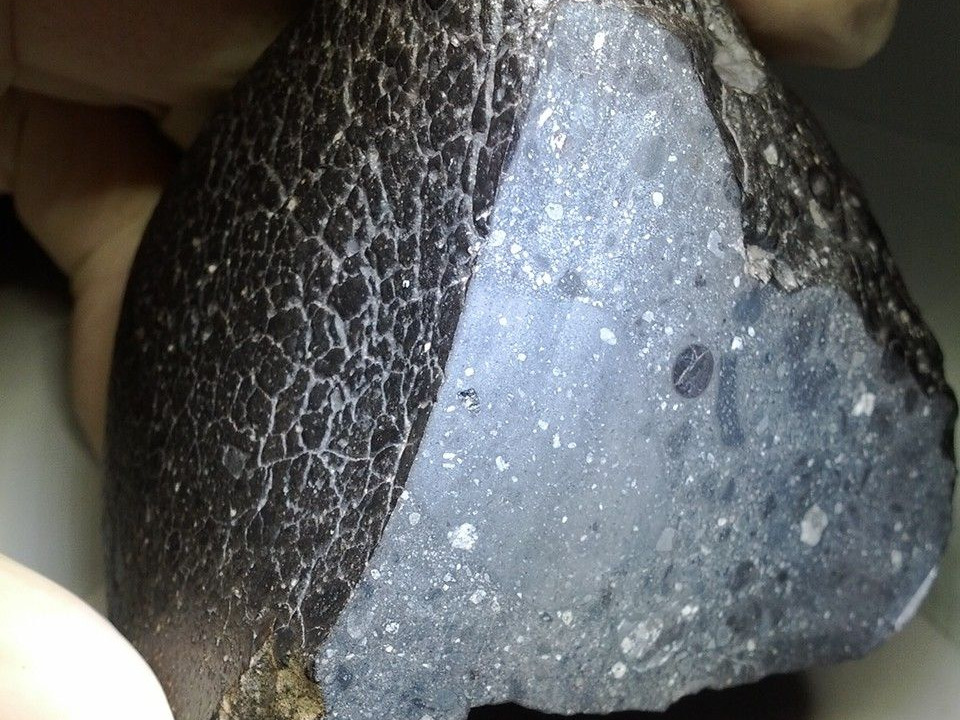
    Designated Northwest Africa (NWA) 7034, and nicknamed Black Beauty, this Martian meteorite weighs approximately 320 g – © NASA
    Jack Gillespie, Institute of Earth Sciences

    By analyzing a Martian meteorite, scientists from the University of Lausanne and Curtin University have discovered traces of water in the crust of Mars dating back 4.45 billion years, i.e. to near the very beginning of the planet’s formation.

    This new information strengthens the hypothesis that the planet may have been habitable at some point in its history.

    Thanks to observations from Mars rovers and spacecraft, we’ve known for decades that the planet Mars was once home to water, and probably had rivers and lakes. However, many questions remain. When did this precious liquid first appear in the history of Mars, and did the Red Planet, in the course of its evolution, create the conditions necessary for the emergence of life?

    By analyzing the composition of a mineral (zircon) found in a Martian meteorite, scientists from the University of Lausanne, Curtin University and the University of Adelaide have succeeded in dating traces of water in the crust of Mars. According to the study, published in Science Advances, hydrothermal activity dates back 4.45 billion years, just 100 million years after the planet’s formation.  

    “Our data suggests the presence of water in the crust of Mars at a comparable time to the earliest evidence for water on Earth’s surface, around 4.4 billion years ago,” comments Jack Gillespie, first author of the study and researcher at the University of Lausanne’s Faculty of Geosciences and Environment. “This discovery provides new evidence for understanding the planetary evolution of Mars, the processes that took place on it and its potential to have harboured life”.

    A Martian meteorite found in the desert

    The scientists worked on a small piece of the meteorite NWA 7034 “Black Beauty”, which was discovered in the Sahara Desert in 2011. “Black Beauty” originates from the Martian surface and was thrown to Earth following an impact on Mars around 5-10 million years ago. Analysis focused on zircon; a mineral contained in the meteorite. Highly resistant, zircon crystals are key tools for dating geological processes: they contain chemical elements that make it possible to reconstruct the date and conditions under which they crystallized (temperature, interaction with fluids, etc.). “Zircon contains traces of uranium, an element that acts as a natural clock,” explains Jack Gillespie. “This element decays to lead over time at a precisely known rate. By comparing the ratio of uranium to lead, we can calculate the age of crystal formation.”

    Through nano-scale spectroscopy, the team identified element patterns in this unique zircon, including unusual amounts of iron, aluminium, and sodium. These elements were incorporated as the zircon formed 4.45 billion years ago, suggesting water was present during early Martian magmatic activity.

    These new findings further support the hypothesis that the Red Planet may have once offered conditions favorable to life at some point in its history.

    “Hydrothermal systems were essential for the development of life on Earth, and our findings suggest Mars also had water, a key ingredient for habitable environment, during the earliest history of crust formation”

    Aaron Cavosie from Curtin’s School of Earth and Planetary Sciences, co-author

    Lead author Dr Jack Gillespie from the University of Lausanne was a Postdoctoral Research Associate at Curtin’s School of Earth and Planetary Sciences when work began on the study, which was co-authored by researchers from Curtin’s Space Science and Technology Centre , the John de Laeter Centre  and the University of Adelaide, with funding from the Australian Research Council, Curtin University, and the Swiss National Science Foundation.

    Source

    J. Gillespie, A. J. Cavosie, D. Fougerouse, C. L. Ciobanu, W. D. A. Rickard, D. W. Saxey, G. K. Benedix, and P. A. Bland, Zircon trace element evidence for early hydrothermal activity on Mars, Science Advances, 2024 (DOI 10.1126/sciadv.adq3694)

  • Why does Lake Geneva emit large quantities of CO2? UNIL scientists provide the answer and solve a scientific enigma

    Why does Lake Geneva emit large quantities of CO2? UNIL scientists provide the answer and solve a scientific enigma

    Marie-Elodie Perga, Institut des dynamiques de la surface terrestre

    Unlike oceans, lakes are significant emitters of CO₂. But why is this the case, and what mechanisms are at play?

    For the first time, UNIL scientists have successfully explained the complete carbon cycle in Lake Geneva, creating a model that can be applied to several of the world’s largest lakes.

    Like most lakes in the world, Lake Geneva is an emitter of greenhouse gases, particularly carbon dioxide (CO2). Annually, it produces as much CO2 as the automobile transport of the city of Lausanne (≃ 150,000 inhabitants). This phenomenon – the production of COby lakes – has been known for years. There is, however, widespread debate as to the mechanisms at work.

    Traditional scientific theories suggest that lake CO2 emissions are primarily due to the influx of organic matter from surrounding soils. This material, originating from the decomposition of plant and animal residues, is carried into the lake by rainfall, where it is broken down by microorganisms, leading to the release of CO2. This process is known as respiration. While this theory accounts for the behavior of some lakes, it doesn’t apply to Lake Geneva, which receives very little organic matter from its shores. In theory, its annual carbon balance should be neutral, with winter CO2 production (from organic matter decomposition and water mixing) balanced by summer CO2 absorption (due to algae photosynthesis). So why does Lake Geneva still emit large amounts of CO2?

    A mechanism finally identified

    A team of UNIL scientists has just deciphered the mechanisms involved. Most of the emissions actually come from the natural erosion of rocks in the lake’s upstream basin. When rainwater hits the rocks, it releases bicarbonate and calcium ions, which then find their way into the lake. In summer, under the effect of heat and the growth of algae – which change the PH of the water and act as a catalyst – the ions form microparticles of limestone. This is known as calcite precipitation. This chemical reaction releases CO2, giving the lake its milky blue-green appearance in the warm season. Algae continue to absorb CO2, but this is not enough to compensate for the massive production resulting from rock erosion. The additional emissions are therefore the result of a geological process, not just a biological one, as previously thought.

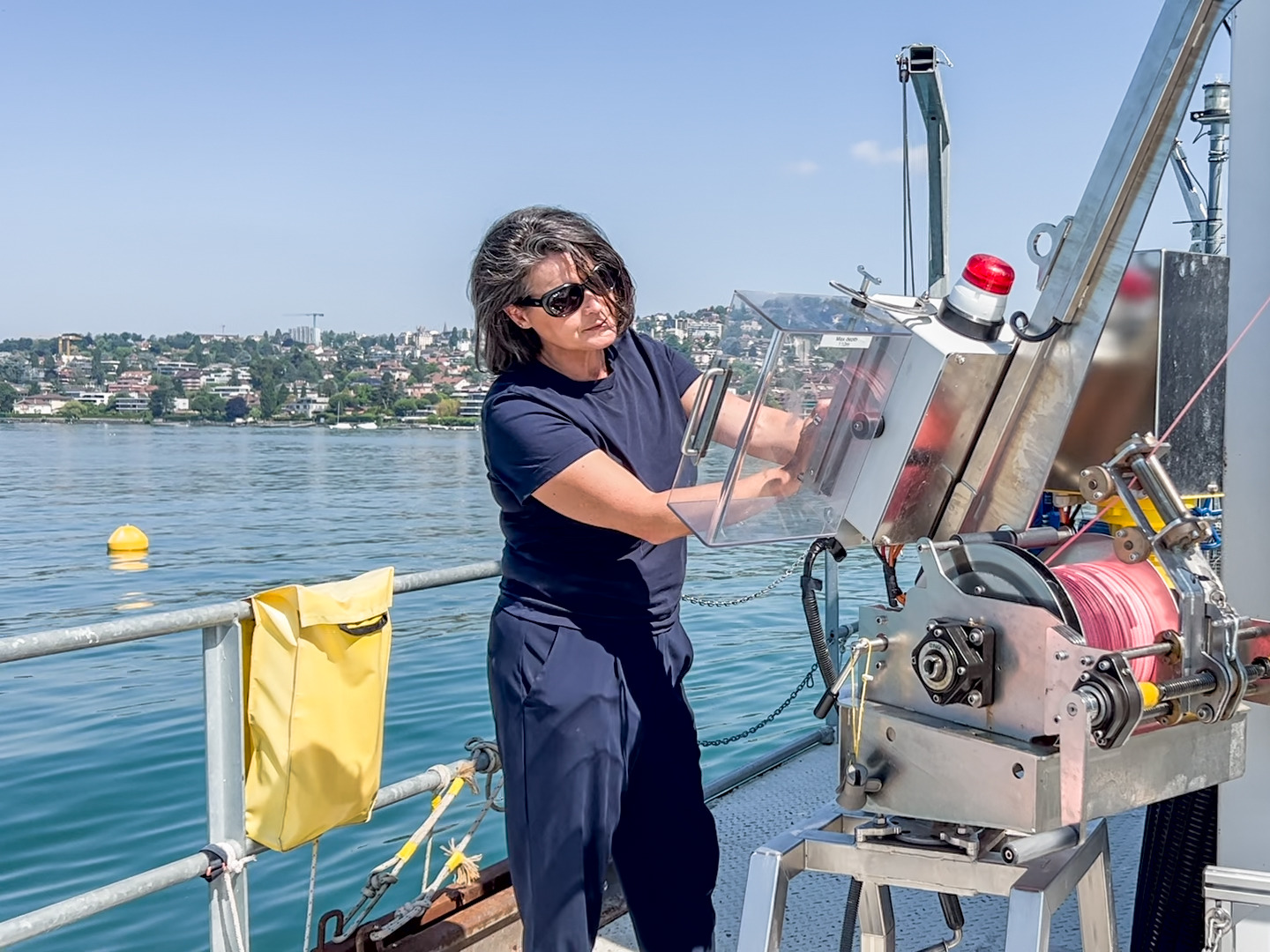
    This discovery was published in Science Advances. “Our results not only explain the carbon cycle in Lake Geneva, they also reveal a universal process that applies to several of the world’s great lakes,” explains Marie-Elodie Perga, professor of limnology at UNIL’s Faculty of Geosciences and Environment and co-author of the study. “This issue had been nagging at me since my thesis,” she explains. “Using a scientific infrastructure that is unique in the world – the LéXPLORE platform – we were able to observe, model and equate these processes on a very fine scale, providing the missing piece to traditional carbon cycle modeling.” Laid out on Lake Geneva, the floating laboratory made it possible to monitor various parameters linked to the carbon cycle, continuously and at high frequency.

    The right way to combat global warming

    In addition to the purely scientific interest of this discovery, this new data is central to the fight against global warming. “Assessments are carried out every year to identify the emitters (sources) and storages (sinks) of carbon on our planet,” explains Marie-Elodie Perga. “It’s very important to have in-depth knowledge of how CO2 is naturally transported, stored and transformed between continents, water and the atmosphere. Only a global vision will enable us to take effective action to combat global warming.”

    Source
    • G. Many, N. Escoffier, P. Perolo, F. Bärenbold, D. Bouffard, M-E. Perga, Calcite precipitation: the forgotten piece of lakes’ carbon cycle, Science Advances, 2024

    The LéXPLORE platform

    LéXPLORE is a 10 m x 10 m scientific research platform located on Lake Geneva in Switzerland, almost 600 m from the shore. It is equipped with high-tech instrumentation (109 sensors) and provides continuous measurements, day and night, in all weather conditions. LéXPLORE brings together five institutions (EPFL, EAWAG, INRAE, UNIL, UNIGE) conducting cutting-edge, multidisciplinary research on the lake and its atmosphere. It is also used as a training and teaching facility, and as a popularization tool for the general public.

  • “The acceptance of the Electricity Law has given us the starting signal we were waiting for”

    “The acceptance of the Electricity Law has given us the starting signal we were waiting for”

    Selin Yilmaz, Institute of Geography and Sustainability

    UNIL researcher Selin Yilmaz is collaborating on the implementation of a pilot project for local electricity communities (LECs).

    In various test in municipalities in Switzerland, citizens will join forces to produce, sell, and consume local renewable energy, using the public distribution network.The acceptance of the Electricity Law in Switzerland on June 9th has allowed the project to take off.

    In order to move away from fossil fuels and drastically reduce its dependence on foreign energy supplies, Switzerland will massively increase its production of renewable electricity. This was approved by the public on June 9th, during the vote on the Electricity Law. In addition to the development of solar, wind, and hydroelectric installations, the law specifically includes the creation of local electricity communities (LECs).

    LECs offer each citizen within a municipality the opportunity to produce, sell, and consume renewable electricity at an attractive price to their neighbours, in a local and autonomous manner. For the first time, they will be able to use the public distribution network for this purpose.

    This system will soon be tested in several municipalities in French-speaking Switzerland. This action is a sub-project of the Sweet-Lantern program, funded by the Federal Office of Energy (SFOE), which aims to establish a network of living labs throughout Switzerland.

    Efficiency and Sobriety

    Specialising in the governance of energy transformations at UNIL, Selin Yilmaz is involved in these operations. She will take care of the sociological aspect of the experiment. This will involve conducting co-creation and support workshops, analyzing and measuring the societal impacts of the approach, and promoting participants’ engagement in the project. “There is currently a gap between the available technologies and the low rate of acceptance and use of these devices. Integrating citizens into the energy market, informing them of the benefits, social and technological developments, is very important for building a sustainable future,” explains the scientist.

    Thanks to smart meters and interfaces that allow the real-time tracking of energy flows and billing, members of the LEC will be able to optimize their resource use and profits by favouring consumption periods as well as overall sufficiency. “Solar energy, for example, is inherently intermittent, causing peaks and troughs in production. Creating dynamic online pricing encourages consumption at the most opportune times and helps to limit these fluctuations,” explains the researcher.

    At the end of these pilot studies, a guide should be developed to transpose these structures to other localities. “Just as we favor local foods and products, we could imagine a future where we prioritize local production and consumption, with attractive rates and control over the entire production chain,” says Selin Yilmaz. “Recent events in Ukraine and Russia have shown us that Switzerland is currently too easily destabilized. Local production and the development of energy strategies are essential for the country’s independence.”

    Sweet-Lantern

    Sweet (SWiss Energy research for the Energy Transition) – Lantern (Living Labs Interfaces for Energy Transition)

    The Sweet-Lantern project is a funding program by the Federal Office of Energy (SFOE). Its goal is to accelerate innovations that are essential for the implementation of Switzerland’s Energy Strategy 2050 and the achievement of the country’s climate objectives. Coordinated by HES-SO Valais-Wallis, it brings together a broad consortium of universities, universities of applied sciences, municipalities, and companies.

    With a budget of 10 million francs, the program will run for 8 years (2022-2030). At UNIL, Selin Yilmaz is tasked with establishing, through pilot projects, implementation processes for energy cooperation networks that can be applied to various localities. She will also study human-technology interactions, user resilience, for example, and their impact on data collection and network optimization.

  • Discovery of the first ancestors of scorpions, spiders and horseshoe crabs

    Discovery of the first ancestors of scorpions, spiders and horseshoe crabs

    Lorenzo Lustri, Institute of Earth Sciences

    Who were the earliest ancestors of scorpions, spiders and horseshoe crabs?

    A PhD student from the University of Lausanne (Switzerland), with the support of a CNRS researcher , has identified a fossil that fills the gap between modern species and those from the Cambrian period (505 million years ago), solving a long paleontological mystery.

    Modern scorpions, spiders and horseshoe crabs belong to the vast lineage of arthropods, which appeared on earth nearly 540 million years ago. More precisely, they belong to a subphylum that includes organisms equipped with pincers used notably for biting, grasping prey, or injecting venom – the chelicerae, hence their name chelicerates. But what are the ancestors of this very specific group?

    This question has puzzled paleontologists ever since the study of ancient fossils began. It was impossible to identify with certainty any forms among early arthropods that shared enough similarities with modern species to be considered ancestors. The mystery was further compounded by the lack of fossils available for the key period between -505 and -430 million years ago, which would have facilitated genealogical investigation.

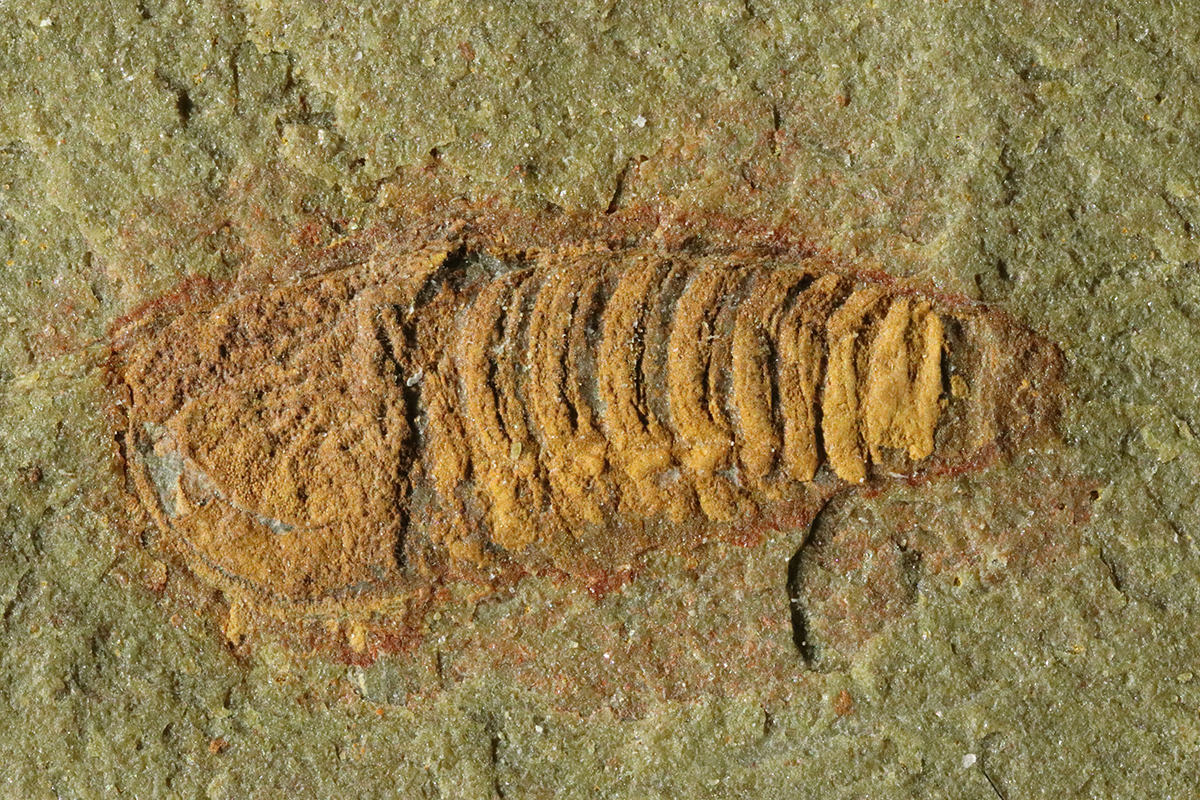
    One of the Setapedites abundantis fossils that have been used to trace the origins of spiders, scorpions and horseshoe crabs. © UNIL

    Lorenzo Lustri, then a PhD student at the University of Lausanne (UNIL)’s Faculty of Geosciences and Environment, provided the missing piece of the puzzle. Together with his supervisors, he studied a hundred fossils dating back 478 million years from the Fezouata Shale of Morocco and identified the candidate that links modern organisms to those of the Cambrian (505 million years ago). The study was published in Nature Communications.

    Fossils from the Fezouata Shale were discovered in the early 2000s and have undergone extensive analysis. However, the fossil illustrated in the publication, one of the most abundant in the deposit, had never been described before. Measuring between 5 and 10 millimeters in size, it has been named Setapedites abundantis. This animal makes it possible, for the first time, to trace the entire lineage of chelicerates, from the appearance of the earliest arthropods to modern spiders, scorpions and horseshoe crabs.

    “Initially, we only intended to describe and name this fossil. We had absolutely no idea that it would hold so many secrets,” confides Lorenzo Lustri, the paper’s first author, who defended his PhD in March 2023. “It was therefore an exhilarating surprise to realize, after careful observations and analysis, that it also filled an important gap in the evolutionary tree of life.”

    Still, the fossil has yet to reveal all its secrets. In fact, some of its anatomical features allow for a deeper understanding of the early evolution of the chelicerate group, and perhaps even link to this group other fossil forms whose affinities remain highly debated.

    A temporary exhibition on the Fezouata biota, in collaboration with UNIL, will soon be held at the Palais de Rumine in Lausanne, Switzerland.

    Source

    Method

    Reconstruction of Setapedites abundantis ©Elissa Sorojsrisom

    To obtain these results, the scientists studied a hundred fossils and used an X-ray scanner to reconstruct their anatomy in detail and in 3D. They were then able to draw comparisons with numerous fossil chelicerates from other sites, as well as with their more ancient relatives. Finally, the importance of the Fezouata fossil became clear with the help of phylogenetic analyses, which mathematically reconstruct the family tree of different species based on the “coding” of all their anatomical traits.  

  • A dive into the dawn of Earth’s history

    A dive into the dawn of Earth’s history

    Jack Gillespie, Institute of Earth Sciences

    How did the Earth’s continental crust form and transform over geological time?

    This question about the beginnings of our planet’s fundamental dynamics remains hotly debated. Jack Gillespie, who has just taken up his post as Ambizione fellow1 at the Faculty of Geosciences and Environment (FGSE), is keen to unravel this mystery.

    How do you infer a history of over 4.5 billion years?

    Jack Gillespie: I am an isotope geochemist. Using the isotopic composition of rocks, I try to understand what they have experienced – the geological processes they have gone through over the course of their long history. Thanks to these “tracers”, I’m working to resolve a question that keeps nagging at me: was the early Earth similar to the one we live on? Or was the early tectonic environment profoundly different from today’s Earth?

    “We know so little about the origin of the planet we live on.”

    Jack Gillespie

    Why are you interested in early Earth history?

    J. G.: The scale of our ignorance is immense. We know so little about such a vast period! That’s what I find so compelling. And the further we go back in time, the greater the challenge, as our archives are increasingly small and fragmented. The most ancient rocks we have are 4 billion years old. For the first 500 million years, we simply don’t have any intact rock.

    Now, how can you meet the challenge of jumping into the distant past?

    J. G.: Today, we can “do more with less”. We’ve improved both our conceptual understanding and our technical abilities. So we can examine a very small volume of material and extract more information out of it. Just a few decades ago, geologists had to reduce and dissolve down large chunks of rock to derive geochemical insights. 

    My project synthesizes and brings together a bunch of powerful advances to develop new tools that can meet this challenge.

    “The conditions that prevailed during the formation of a rock leave different signatures in the minerals. We’re deciphering them to try and reconstruct these conditions.”

    Jack Gillespie
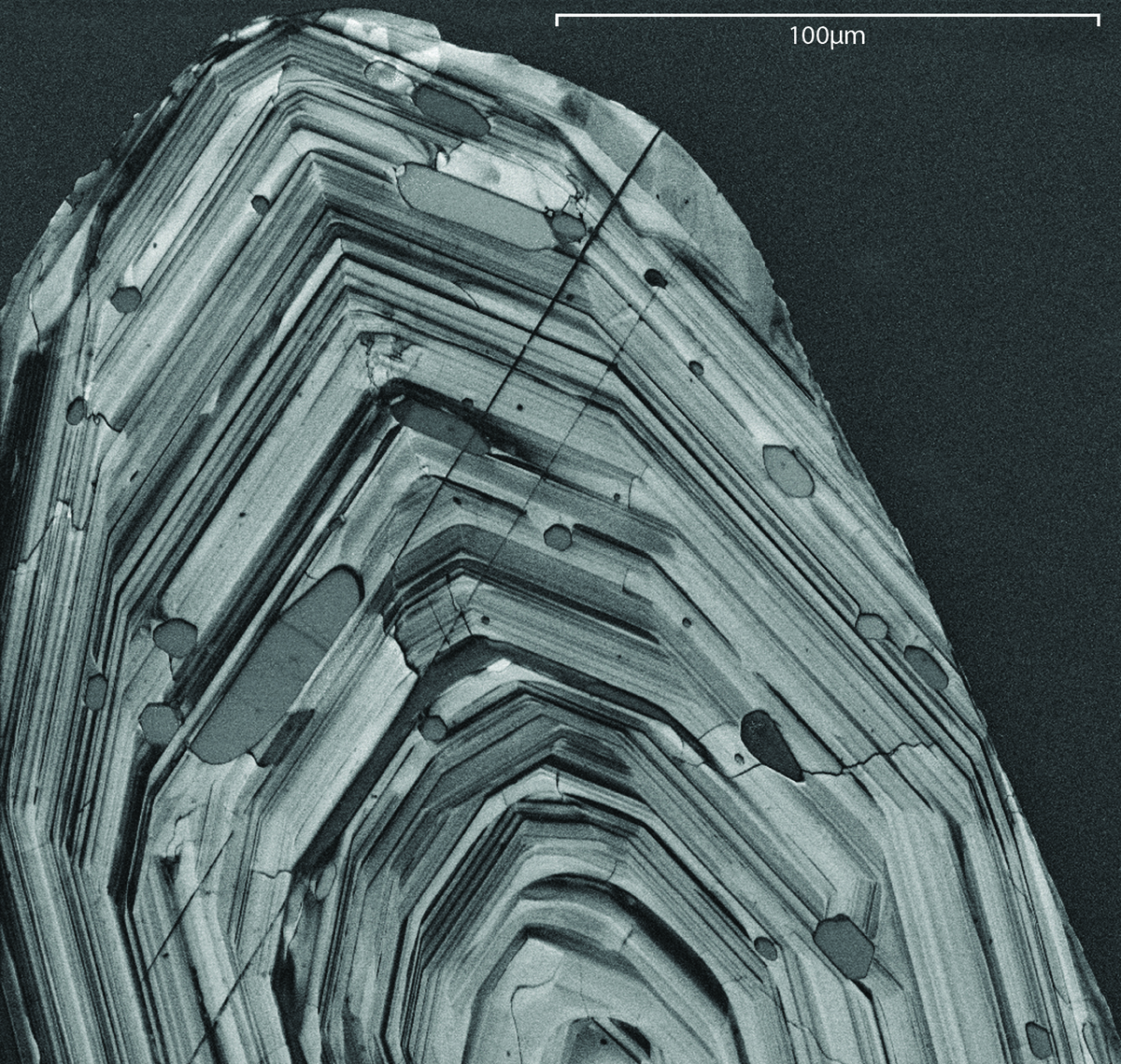
    The mineral zircon is one of the major tools used by geochemists: it’s robust, hard to break, and found as tiny grains in many rocks. In this electron micrograph, we can also see inclusions of another mineral inside: Apatite. More easily destroyed, it nevertheless contains a wealth of complementary information to zircon about our past. Jack Gillespie aims to access and make sense of this information in a way we couldn’t before. In particular, he is trying to understand when and how these minerals formed, in order to deduce far-reaching earth processes. (© Jack Gillespie)

    What did early Earth look like?

    Was it a hellish period, as the name “Hadean” suggests, in reference to the god of the underworld, Hades? This is a somewhat outdated idea, and we’ve known for some time that this wasn’t precisely the case. But the nature of the primary landscapes and the forces that governed them during the Hadean and the Archean remain uncertain. Some emphasise a violent and eventful history for the early Earth, such as is illustrated on the left, with burning skies and meteorites crashing everywhere.

    Others would argue the more peaceful vision on the right, with its placid volcanoes and bodies of water is more faithful to reality. This scenario is compelling, with the hot pools at the edge of the land identified as a good place for the first hatching of life.

    Why did you choose the FGSE for your Ambizione?

    J. G.: Several groups at the Institute of Earth Sciences (ISTE) are raising questions about early Earth, and our approaches will enrich each other. Johanna Marin Carbonne is working on the link between the atmosphere, the oceans and primitive continents, and the processes that led to life and oxygenation of the atmosphere. Othmar Müntener is interested in the creation of the earth’s crust.

    The SwissSIMS ion probe is ideal for what I want to do: measuring tiny features and extracting information from it.


    1. Ambizione est une bourse carrière du Fonds National Suisse, à destination des jeunes chercheuses et chercheurs (dans les quatre ans suivant l’obtention du doctorat) qui ambitionnent réaliser et diriger un projet de manière autonome. Les subsides sont octroyés pour une période de quatre ans. ↩︎
  • A Journey to the center of the Earth with scientists from the University of Lausanne

    A Journey to the center of the Earth with scientists from the University of Lausanne

    Othmar Müntener and György Hetényi. (Fabrice Ducrest © UNIL)

    Experts from UNIL are co-directing a scientific drilling project almost a kilometer deep, aimed at reaching and documenting, for the first time, the base of the continental crust and the transition to the Earth’s mantle. This international project is taking place in Piedmont, Italy, in an area where usually deep-seated rocks are accessible thanks to a natural shortcut.

    What constitutes the interior of our planet? How was the Earth’s crust formed, and how deep can Life be found? For years, these fundamental questions have remained partly unanswered due to technical and financial obstacles. Despite several attempts, humans have never succeeded in continuously exploring the rocks beyond the Earth’s crust to reach the next layer: the mantle, usually some thirty kilometers below the surface.

    Scientists from the University of Lausanne’s Faculty of Geosciences and Environment are coordinating an international project that could change the game. Project DIVE (for Drilling the Ivrea-Verbano zonE) carries out scientific drilling in the geological area in the Alps known as Ivrea-Verbano (Piedmont, Italy), the uniqueness of which should make it possible, as a world first, to cross the crust and reach the Earth’s upper mantle.

    A region with virtually unique features in the world

    “Since around 35 million years ago, the African (Adria) and European continental plates have been moving towards each other. When they collided, in this segment Adria stayed above Europe, contributing to the formation of the Alps,” explains György Hetényi, professor at UNIL and co-leader of the project. “This phenomenon, accompanied by surface erosion, brought up rocks that were usually at depths of tens of kilometers. In this way, over some fifty kilometers on the surface, the Alps form a “shortcut” to the Earth’s mantle  which is then practically within reach.   Another particular feature of this region is that the continental crust is exceptionally well preserved and intact, with little fragmentation.

    In the village of Megolo di Mezzo, a borehole (the second in the DIVE project) was therefore initiated in November 2023 and will be completed in April 2024. From a current depth of 870 metres, the hole is expected to reach almost one kilometer, and will document the beginning of the transition between the continental crust and the mantle. In the field, specialists are already analyzing the cores extracted by the drillers, using two scientific containers, one dedicated to geological studies, the other to biology and gas analysis (such as hydrogen and other rare gases). A team of microbiologists is investigating whether there are organisms capable of surviving in extreme pressure conditions at depth.

    The precious cores will then be transferred to the various universities, depending on their area of expertise. “At the University of Lausanne, we are studying in particular the chemistry and isotopic composition of rocks, as well as their thermal and seismic properties,” explains Othmar Müntener, professor at the UNIL, initiator and co-leader of the project. “These analyses will give us unprecedented information about the formation and composition of the Earth’s crust.”

    The bulk of the work remains to be done, but the first results, notably from the first borehole – which reached a depth of 578 m – are starting to come out, and they are already bringing some surprises.  “There is more sulphur, carbon, fractures and above all a surprising spatial variability compared to what we expected in the lower crust”, observes György Hetényi. “We are also discovering the presence of minerals in unexpected amounts, such as graphite.”

    The next step is to complete this second borehole and continue the scientific analyses. A third borehole is planned, dedicated to analyzing and fully crossing the entire crust–mantle transition.

    DIVE Project

    DIVE project on the ICDP website

    DIVE is an international project funded by the International Continental Scientific Drilling Program (ICDP), which brings together multidisciplinary teams from seven countries and some twenty universities. Initiated by the University of Lausanne, this program aims to carry out scientific drilling to penetrate the lower continental crust, reach the upper mantle, and analyze the deep rocks of our planet. It is divided into two main phases. The first is currently underway with two boreholes, and the second is in preparation for a third borehole in a few years. The analyses carried out on these hitherto not studied rocks cover various fields such as geophysics, geochemistry, geodynamics, petrology, rheology (the way rocks deform) and microbiology.

  • A new professor shares her experience of a life-changing leadership expedition

    A new professor shares her experience of a life-changing leadership expedition

    Anindita Samsu, Institute of Earth Sciences

    Prof. Anindita Samsu embarked on a global program for women and non-binary people in STEMM (science, technology, engineering, math and medicine).

    This 12-month leadership program aims to foster inclusiveness, innovation and ecological and social sustainability. Prof. Samsu renewed her commitment to act for the climate and embody her own style of leadership.

    Anindita Samsu was motivated from the very first time she heard about the Homeward Bound initiative. The program’s mission is to build a global network of women and non-binary leaderscapable of addressing the world’s pressing challenges. Homeward Bound’s ambition is to increase their influence, in the belief that gender balance in leadership will serve everyone. The program also values new ways of leading: more collaborative, more inclusive and more focused on the concept of a “global home”.

    It took Anindita five years to sign up for the program, which she entered in 2022 after a competitive selection process. Back from this unique experience, she explains to us how she changed and strengthened her vision as a researcher, team leader and teacher.

    The participants of Homeward Bound followed sessions on leadership, visibility, and strategy, well-being and Antartic science. The program  consist in 24 workshops during one year. For Anindita, one of the most interesting components the LSI (Life Styles Inventory). “Conceived as a diagnostic tool for understanding our thinking styles and how our colleagues view us, it revealed insights on our effectiveness as leaders and the barriers that we place on ourselves.” (photo: A. Samsu).

    What have you learned about your leadership style?

    This experience helped me validate my approach. I realised that even though my way of leading is rather unconventional, it does not make it less valid or effective in academia. I am convinced that each person with their unique background, skillset and life experience can contribute to the success of an institution like UNIL. 

    I would consider my leadership style as consultative, adaptive, and gentle. This does not mean that I go along with what everyone wants, but I like to sit back and listen, taking stock of what is being said (directly and indirectly), before contributing my opinion or making a decision. With my research group, I can lead from the front, middle, or behind – depending on my familiarity with the topic or where I feel I can contribute most meaningfully. I am certainly not confrontational, but I try to persuade others with reasoning or enthusiasm, and I can stand my ground when challenged. I just feel that I can work most constructively with someone when we have mutual respect and trust.

    “I think it’s important to promote and welcome diversity in leadership styles”.

    Anindita Samsu
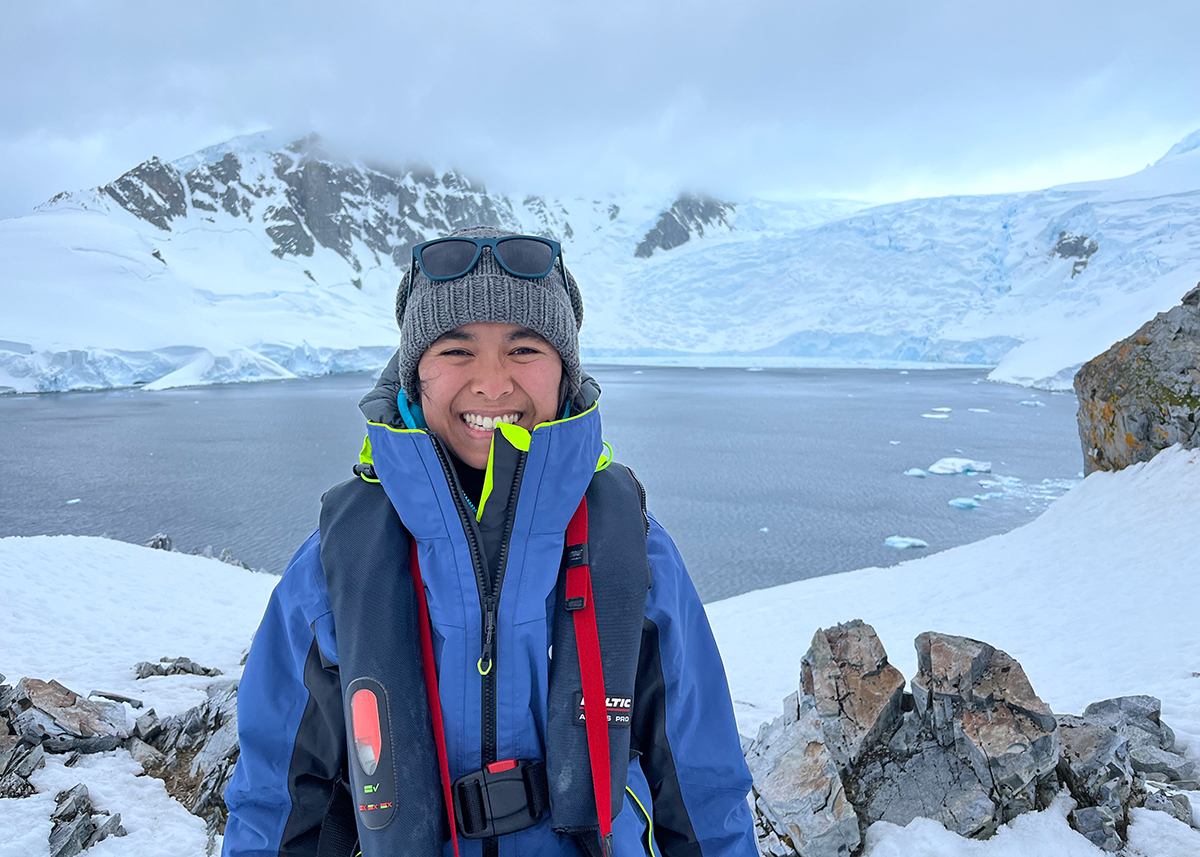
    Anindita Samsu was part of the 7th cohort of Homeward Bound. The program provides an immersive environment for participants to reflect on sustainable solutions for the future. It ended with a 19-day voyage to the southernmost continent, with the awe-inspiring backdrop of a region profoundly impacted by climate change, a destination that was the subject of intense debate among participants (photo: A. Samsu).

    Will this experience change your professional life?

    As a young professor, I face new challenges and I am constantly learning. The voyage has endowed me with a clearer vision and strategy to implement in my research: which projects to conduct, how to choose a team and interact with it. 

    I trust that as long as I have in view the most important outcomes, I will make the right decision. I feel more confident in the way I work and the way I want to take my team along for the ride. It’s important for me to make sure that my group and I are working towards shared and overlapping goals, and that we support and elevate each other. I am quite excited to move forwards and carry this conviction through.

    “I am confident that being supportive is an effective way to interact with my team and collaborators.”

    Anindita Samsu
    One of Prof. Samsu’s most enduring memories is a serene moment on the ship’s deck. She was standing outside by herself, looking at the islands and icebergs while the sea was calm. She felt secure and at peace, even though she was on this little vessel in the middle of the ocean surrounded by harsh wilderness, far from the nearest civilisation and hospital. This awe-inspiring moment reaffirmed the choices she wants to make as a leader and a human being to contribute to a safe and sustainable future for everyone (photo: A. Samsu).

    Has this experience changed your commitment and your vision?

    The program provides a dynamic and supportive environment to reflect on, discuss, and collaborate on how we can contribute as STEMM leaders towards a sustainable future – all against the backdrop of Antarctica, where the impacts of climate change are strongly felt despite its remote location.

    The final event is a voyage to Antarctica,  where the impacts of climate change are strongly felt despite its remote location. The trip provided a exceptional setting for discussion and collaboration. Given the carbon footprint of an expedition to Antarctica, however, we have constantly reflect about our impact on climate and wildlife, and how to make this program more sustainable in the future. 

    At the end of the day, we all took so much from this experience. We changed the way we viewed a lot of things, regarding our activities at work but also our personal lives. We have a new commitment to helping promote, facilitate and lead initiatives that benefit society and the environment. I also hope that by sharing what we learned, we will move others to act.

  • Toward inclusive fieldwork: A handbook in the making

    Toward inclusive fieldwork: A handbook in the making

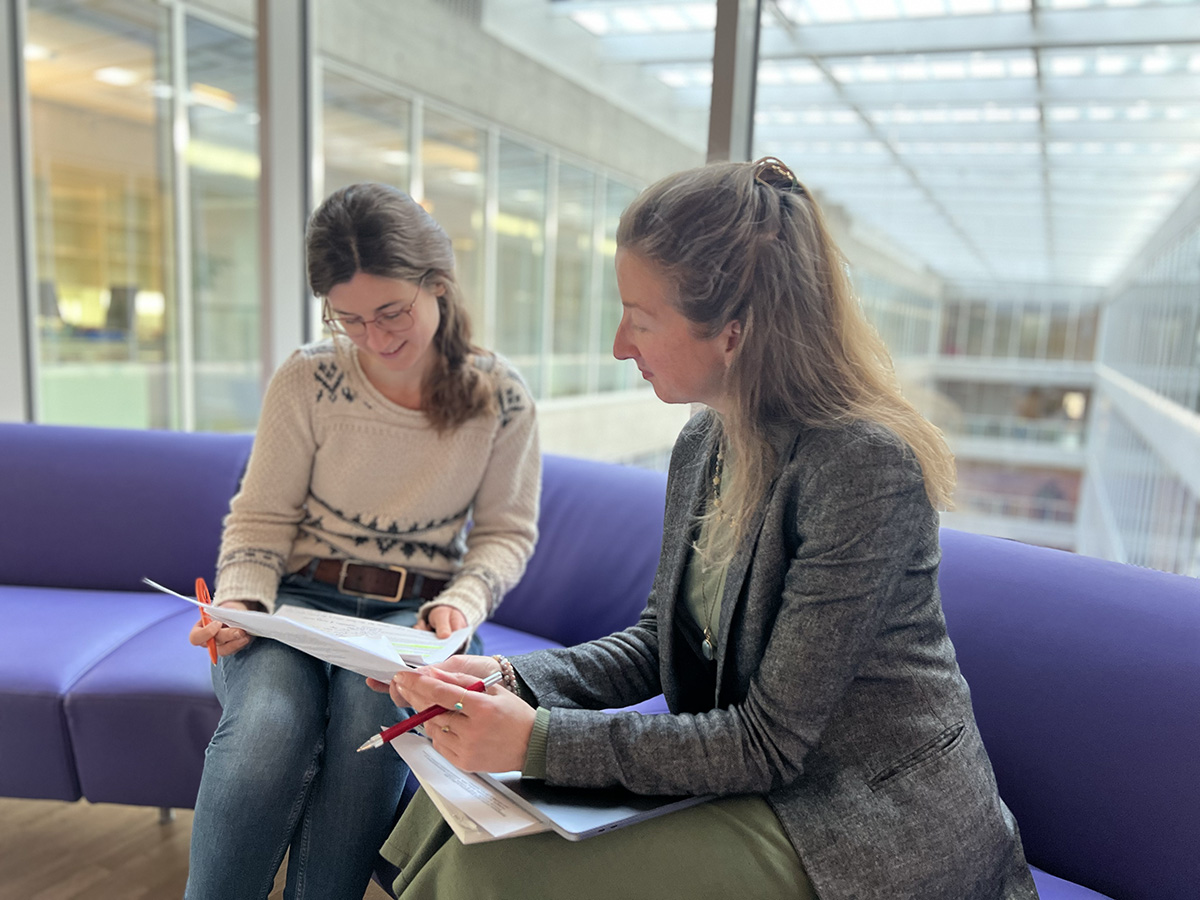
    Floreana Miesen is a field technician, involved in a variety of field projects at the Institute of Earth Surface Dynamics (IDYST). Natalie Emch is Equity, Diversity and Inclusion (EDI) officer at the Faculty of Geoscience and the Environment. Through their involvement in this working group, both would like to ensure fieldwork would be a positive learning and professional experience for all. Three other people are actively working in the group: Prof. Georgina King, Dr Ian Delaney and Léa Rodari.

    Fieldwork constitutes a crucial element in teaching and research within Geography and the Earth and Environmental Sciences. It has a pivotal role in shaping a student’s career trajectory and for accomplishing research objectives. Recognizing its significance has raised the following concern: how can we make fieldwork as inclusive and accessible as possible? In a collaborative effort to address this issue, Floreana Miesen and Natalie Emch are actively engaged in a working group tasked with crafting a toolkit to help make fieldwork more accessible. The aim is to come up with solutions that respond to the various needs, by involving the entire student and research community in the reflection process.

    Can you say more about this working group “A good practice guide for fieldwork”?

    N.E : The working group endeavors to collect input and advice from members of the FGSE across different perspectives and institutes. Our aim is to produce a Handbook of Good practice – a useful resource for both teaching staff and students. It will be a support document for preparing and organising any type of field camp, whether for teaching or research purposes. Unlike a set of rigid rules or directives, the Handbook aims to inspire and guide. It will cover aspects such as communication, sanitary installations, accessibility to material to give some examples. We would like the community to know there is a support structure at the faculty to address these challenges related to fieldwork.

    What will be the content of this handbook?

    F.M. :  The document is structured around simple questions for teaching staff and participants. They encompass safety and well-being issues. For examples: “Have the participants been informed about the daily schedule, the mobile phone network coverage, local customs…?” – “Have participants been informed of the equipment to bring and how to obtain it?” – “As a participant, am I uneasy about an issue I wish to raise with the organisers? Is there any constraints I could to share with the organisers, such as family care responsibilities?”

    The important point is to foster timely communication and open dialog between organisers and participants. This initiative seeks to raise awareness about the fact that students may not dare to express significant concerns, such as safety and personal needs. It’s central to avoid assuming that everyone has a sleeping bag, has been to the mountain tops or is free of family duty.

    “The aim of the document is to remove barriers that can hinder or prevent participation and learning, and to create safe and pleasant conditions for everyone.”


    Floreana Miesen

    Work in progress – your input is welcome!

    You are a student, a teacher, a researcher at the FGSE and wish to share your experience on the field? Or do you simply want to know more? Feel free to contact the working group ce-fgse@unil.ch.

    We are still collecting input from different perspectives and across the three FSGE institutes. For instance, we welcome suggestions about:

    • What type of support is needed to organise a successful field camp? (Training in conflict management, in how to deal with anxiety…?)
    • As a participant, what information do you need to prepare a field camp with confidence?

    Why this project for a good practice guide?

    N.E. : UNIL is committed to improve the well-being of its members and the inclusion of people, regardless of their gender, ethnic or migratory background, disability… This work is hence a contribution to UNIL’s ambition to fight inequality. Issues of safety and personal integrity in the field are part of UNIL’s action plan for equality, diversity and inclusion, and our working group is part of this commitment.

    “When people feel safe, respected, valued, supported, they are able to actively contribute.”

    Natalie Emch

    Natalie Emch, why is this project important to you?

    N. E. : When I arrived in 2022, a workshop had just taken place at FGSE with Ann Rowan (University of Bergen, Norway) (March 2022), which addressed the question of inclusivity in fieldwork.  Feedback from the students highlighted that fieldwork was highly valued, as it enabled them to acquire scientific and practical know-how that was distinct from that of the classroom.

    However, some students highlighted their anxieties, their specific needs and lack of clarity around responsibility and field conditions which can interfere with their learning. We observe that due to hierarchical structures and the fact that students are evaluated they can feel shy to speak up.

    This led to the decision to create a working group to address this issue and develop a handbook for good practices. As the EDI officer of FGSE, I have embraced this project and I hope this work will attract more diversity in the field.

    For Floreana, field work is an opportunity to see and feel the study landscape. (Photo: Nikola Schulte-Kellinghaus)

    Floreana Miesen, why is this project important to you?

    F. M.: I enjoy everything related to fieldwork. During my studies in Geography in Germany, I had the opportunity to participate in a lot of field courses and field research. I felt it really was one of the best ways to learn. Fieldwork was my motivation to apply for this position at IDYST. I still appreciate the variety of projects and approaches in the field.  However, I have noticed that students sometimes face challenges. For example, they can feel overwhelmed by the gap between their experience of hiking with friends and the demands of working in mountainous terrain.

    I am convinced that to focus on the learning objectives, students should not be preoccupied with managing challenges related to personal needs exacerbated by a field course. By addressing issues – like physical fitness requirements, personal constraints or financial limitations – this handbook proposes strategies to lower entry barriers. 

    “I would like to convey my enthusiasm for field work, and ensure that more people can enjoy fully this experience.”

    Floreana Miesen

    Links

    A multi-pronged FGSE approach of welfare and security

    The FGSE is committed to protecting its students and employees and to improving study and research conditions from all points of view, through various bodies (Health and Safety Committee, Equality Commission, Ethics Commission, internal support for employees), and through more informal steps such as the production of this Handbook.

    This Handbook of Good Practices for Fieldwork in the making is primarily designed as a list of recommendations, and does not have a binding scope like the two Décanat Directives for fieldwork (Directive à l’intention des membres de la FGSE sur la sécurité et les mesures de protection pour le travail de terrain) and off-campus activities (Directive FGSE pour les travaux de recherche impliquant des déplacements à l’étranger).

    The Fieldwork Directive requires each person involved in fieldwork to carry out an adequate risk assessment beforehand, in an autonomous and personal way. It is more focused – although not only – on physical safety in field camps, while the Handbook of Good Practice focuses on the emotional safety and personal integrity of people participating in camps or excursions, so as to make them more accessible. 

    The future Handbook also develops, deepens and thus very usefully complements the concepts that appear briefly in the second directive, devoted to the elements to be taken into account in general when planning off-campus activities.

  • Unveiling the sustainability landscape in cultural organizations: A global benchmark

    Unveiling the sustainability landscape in cultural organizations: A global benchmark

    Julie Grieshaber and Martin Müller, Institute of Geography and Sustainability, authors of the study (© UNIL)

    Are museums, theaters, and opera houses truly walking the talk when it comes to social and environmental sustainability? The University of Lausanne delved into this pressing question, conducting an international survey with over 200 major cultural organizations. The verdict? While there’s significant room for improvement across the spectrum, Anglophone countries lead the charge.

    Cultural organizations, with their wide-reaching influence and power to shape narratives and imaginations, are poised to be trailblazers in championing sustainability causes. Recognizing this pivotal role, researchers from UNIL’s Institute of Geography and Sustainability initiated a comprehensive international survey to assess progress in the realms of social and environmental sustainability.

    This global benchmark survey was answered by 206 leading museums, theaters, and opera houses on every continent. Respondents answered questions on diverse criteria, ranging from the inclusiveness and well-being of employees (social aspects) to waste management, energy consumption, catering practices, and carbon impact (environmental considerations).

    Published in Sustainability: Science, Practice and Policy, a leading global journal for sustainability, the results underscore a collective need for improvement, with 60% of respondents integrating sustainability into their strategies only in the last five years or less. On average, cultural organizations obtained only 37 out of 100 possible points in the sustainability score, doing better on social sustainability than on environmental sustainability. UNIL professor Martin Müller, spearheading the research, notes a gap between declarations and implementation.

    Sustainability champions: a global strategy, a dedicated team and cross-functionality

    However, amidst the challenges, the study unveils sustainability champions, 14 in all. A correlation emerges between social and environmental sustainability, emphasizing that those excelling in one area tend also to shine in the other. The top 14 cultural organizations features notable Anglophone organizations like the National Galleries of Scotland and the Sydney Opera House. The study guaranteed the anonymity of the participating institutions, so only the top performers who gave their explicit consent are mentioned: See results.

    What sets the top-ranking organizations apart is their integration of sustainability into overall strategy and the establishment of dedicated internal groups, so-called green teams, that drive coordinated actions. National contexts and political decisions further influence these endeavors.

    In England, for instance, publicly funded organizations must report on sustainability, adding an extra layer of accountability.

    Julie Grieshaber, co-author.

    “We’re incredibly proud”, says Anne Lyden, Director General of the National Galleries of Scotland, the most sustainable museum in the study. “We actively support Scotland’s aim to reach net-zero before 2045, cutting our carbon footprint by 60% between 2008 and 2022”, she adds. “We understand how important it is to play our part in making a more sustainable future, not just for Scotland but the world.”

    Louise Herron, CEO of the Sydney Opera House (first-ranked organisation in the study), says: “Sustainability has been part of the Opera House’s DNA since the beginning and over recent years, we’ve been focused on bringing together our efforts to drive social and environmental change, embedding sustainability into our organisational strategy and making it part of everyone’s daily lives. These are urgent challenges that we’re facing, which can only be tackled through coordinated action and as cultural organisations we have a tremendous opportunity to inspire others and bring about change together.”

    Establishing a model to follow

    Looking ahead, the UNIL researchers aim to extend their impact. Plans include forging a global alliance of cultural organizations committed to sustainability and introducing a label to structure these efforts effectively. Professor Martin Müller, securing substantial funding for a program to promote practical innovation based on scientific research, is poised to be at the forefront of this transformative journey. The future promises not just academic analysis but a concrete path towards a sustainable cultural landscape.

    Survey methodology

    IA generated (copilot)

    Questionnaires were completed by 206 organizations from all continents. The data was analysed according to a model comprising three areas: governance (commitment, strategy, implementation, transparency); social (integrity, partnerships, urban integration, community, access, diversity & inclusion, employee well-being, learning & inspiration); and environmental (climate, biodiversity, water, waste, energy, mobility & transport, food & beverage, supply chain).

    The organizations included in the survey were selected according to criteria such as their importance to the sector (based on a body of literature), their attractiveness (number of visitors) and the costs invested in their development. The idea was to select deliberately large organizations as the major players in the field.

  • New fossil site of worldwide importance uncovered in southern France

    New fossil site of worldwide importance uncovered in southern France

    Artistic reconstruction of the Cabrières biota (© Christian McCall)

    Farid Saleh, Institute of Earth Sciences

    Nearly 400 exceptionally well-preserved fossils dating back 470 million years have been discovered in the south of France by two amateur paleontologists. This new fossil site of worldwide importance has been analyzed by scientists from the University of Lausanne, in collaboration with the CNRS and international teams. This extraordinary discovery provides unprecedented information on the polar ecosystems of the Ordovician period.

    Paleontology enthusiasts have unearthed one of the world’s richest and most diverse fossil sites from the Lower Ordovician period (around 470 million years ago). Located in Montagne Noire, in the Hérault department of France, this deposit of over 400 fossils is distinguished by an exceptionally well-pre- served fauna. In addition to shelly components, it contains extremely rare soft elements, such as digestive systems and cuticles, in a remarkable state of preservation. Moreover, this biota was once located very close to the South Pole, revealing the composition of Ordovician southernmost ecosystems.

    At the Faculty of Geosciences and Environment at the University of Lausanne (UNIL), scientists have collaborated with the CNRS and international teams to carry out the first analyses of this deposit, known as the Cabrières biota. The results are published in Nature Ecology & Evolution.

    Ordovician climate refugia

    Analyses of the new biota reveal the presence of arthropods (a group that includes millipedes and shrimps) and cnidarians (a group that includes jellyfish and corals), as well as a large number of algae and sponges. The site’s high biodiversity suggests that this area served as a refuge for species that had escaped the high temperatures prevailing further north at the time.

    “At this time of intense global warming, animals were indeed living in high latitude refugia, escaping extreme equatorial temperatures,” points out Farid Saleh, researcher at the University of Lausanne, and first author of the study. “The distant past gives us a glimpse of our possible near future,” adds Jonathan Antcliffe, researcher at the University of Lausanne and co-author of the study.

    For their part, Eric Monceret and Sylvie Monceret-Goujon, the amateurs who discovered the site, add with enthusiasm: “We’ve been prospecting and searching for fossils since the age of twenty,” says Eric Monceret. “When we came across this amazing biota, we understood the importance of the discovery and went from amazement to excitement,” adds Sylvie Monceret-Goujon.

    This first publication marks the start of a long research program involving large-scale excavations and in-depth fossil analyses. Using innovative methods and techniques, the aim is to reveal the internal and external anatomy of the organisms, as well as to deduce their phylogenetic relationships and modes of life.

    Reference

    F. Saleh, L. Lustri, P. Gueriau, G. J.-M. Potin, F. Pérez-Peris, L. Laibl, V. Jamart, A. Vite, J. B. Antcliffe, A. C. Daley, M. Nohejlová, C. Dupichaud, S. Schöder, E. Bérard, S. Lynch, H. B. Drage, R. Vaucher, M. Vidal, E. Monceret, S. Monceret and B. Lefebvre, The Cabrières Biota (France) provides insights into Ordovician polar ecosystemsNature Ecology & Evolution, 2024