Author: Laure-Anne Pessina

  • Why did some ancient animals fossilize while others vanished?

    Why did some ancient animals fossilize while others vanished?

    crevette
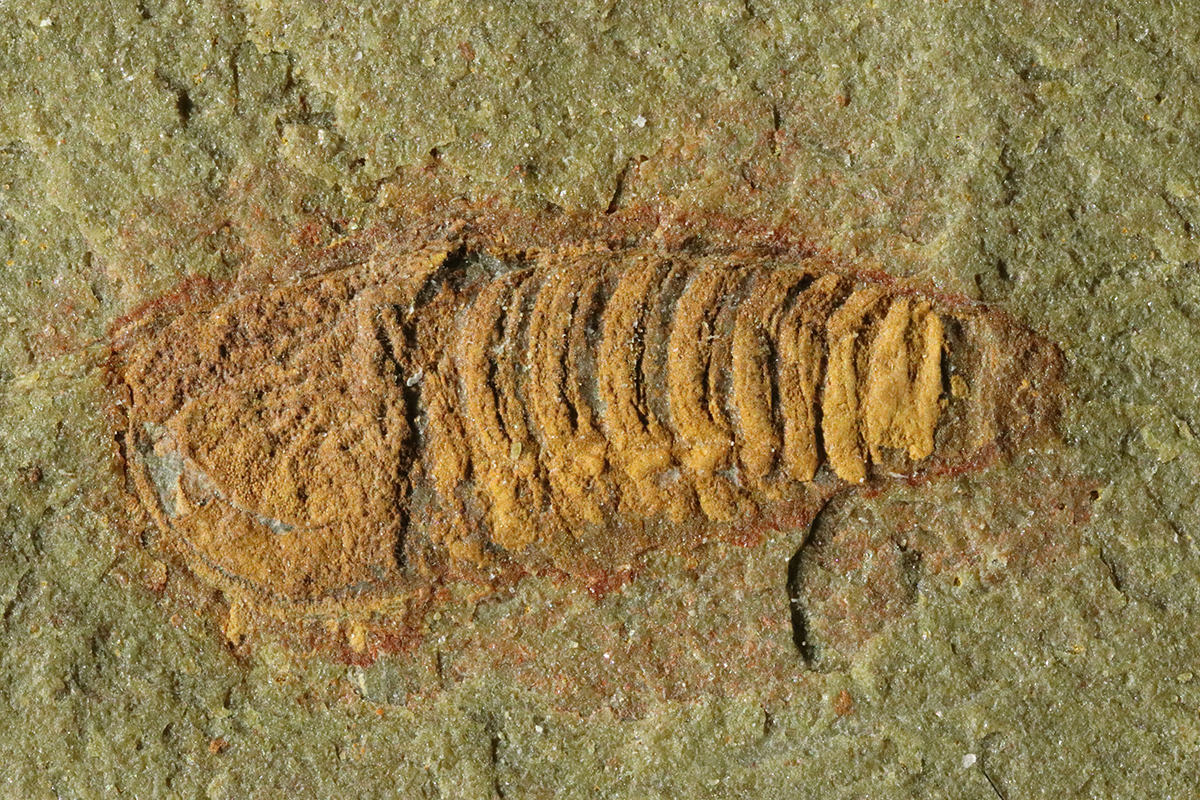
    Cretaceous fossil shrimp from Jbel Oum Tkout, Morocco registered at the Museum d’histoire naturelle de Marrakech (© Sinéad Lynch – UNIL).

    Why do some ancient animals become fossils while others disappear without a trace? A new study from the University of Lausanne, published in Nature Communications, reveals that part of the answer lies in the body itself. The research shows that an animal’s size and chemical makeup can play an important role in determining whether it’s preserved for millions of years—or lost to time.

    Fossils are more than just bones; some of the most remarkable finds include traces of soft tissues like muscles, guts, and even brains. These rare fossils offer vivid glimpses into the past, but scientists have long puzzled over why such preservation happens only for certain animals and organs but not others.

    To dig into this mystery, a team of scientists from the University of Lausanne (UNIL) in Switzerland turned to the lab. They conducted state-of-the-art decay experiments, allowing a range of animals including shrimps, snails, starfish, and planarians (worms) to decompose under precisely controlled conditions. As the bodies broke down, the researchers used micro-sensors to monitor the surrounding chemical environment, particularly the balance between oxygen-rich (oxidizing) and oxygen-poor (reducing) conditions.

    The results were striking and have now been published in Nature Communications . The researchers discovered that larger animals and those with a higher protein content tend to create reducing (oxygen-poor) conditions more rapidly. These conditions are crucial for fossilization because they slow down decay and trigger chemical reactions such as mineralization or tissue replacement by more durable minerals.

    “This means that, in nature, two animals buried side by side could have vastly different fates as fossils, simply because of differences in size or body chemistry,” affirms Nora Corthésy, PhD student at UNIL and lead author of the study. “One might vanish entirely, while the other could be immortalized in stone” adds Farid Saleh, Swiss National Science Foundation Ambizione Fellow at UNIL, and Senior author of the paper. According to this study, animals such as large arthropods are more likely to be preserved than small planarians or other aquatic worms. “This could explain why fossil communities dating from the Cambrian and Ordovician periods (around 500 million years ago) are dominated by arthropods,” states Nora Corthésy.

    These findings not only help explain the patchy nature of the fossil record but also offer valuable insight into the chemical processes that shape what ancient life we can reconstruct today. Pinpointing the factors that drive soft-tissue fossilization, brings us closer to understanding how exceptional fossils form—and why we only see fragments of the past.

    Source

    N. Corthésy, J. B. Antcliffe, and F. Saleh, Taxon-specific redox conditions control fossilisation pathways, Nature Communications, 2025

    Research fundings

    SNF Ambizione Grant (PZ00P2_209102)


    Questions to Nora Corthésy,
    principal author of the study at UNIL

    Why did you choose shrimps, snails and starfish to conduct your study?

    These present-day animals were the best representatives of extinct animals we had in the lab. From a phylogenetic (relationship between species) and compositional point of view, they are close to certain animals of the past. The composition of the cuticles and appendages of modern shrimps, for example, is more or less similar to that of ancient arthropods.

    How can we know that animals lived, then disappeared without a trace, if we have no evidence of this?

    When studying preservation in the laboratory, it becomes possible to distinguish between ecological and preservational absences in the fossil record. If an animal decays rapidly, its absence is likely due to poor preservation. If it decays slowly, its absence is more likely to be ecological, that is, a true absence from the original ecosystem.  Our study shows that larger, protein-rich organisms are more likely to be preserved and turned into fossils. We can therefore hypothesize that smaller, less protein-rich organisms, which have very little chance of dropping their redox potential, may not have been fossilized due to preservational reasons. It is therefore possible that some organisms could never have been preserved, and that we may never, or only with great difficulty, be able to observe them. Nevertheless, all of this remains hypothetical, as we are unable to travel back in time millions of years to confirm exactly what lived in these ancient ecosystems.

    What about the external conditions in which fossils are formed, such as climate?

    The effect of these conditions is very complicated to understand since it is nearly impossible to replicate ancient climatic conditions in the laboratory. Nevertheless, we know that certain sediments can facilitate the preservation of organic matter, giving clues as to which deposits are the most favorable for finding fossils. We also know that factors such as  salinity and temperature, also play a role in preservation. For example, high salinity can increase an organism’s preservation potential, as large amounts of salt slow down decay in a similar way to low temperatures. Our study here focuses solely on the effect of organic matter and organism size on redox conditions around a carcass. It is therefore one indicator among others, and there is still a lot that needs to be done to understand the impact of various natural conditions on fossil preservation.

  • A classification of drugs based on their environmental impact

    A classification of drugs based on their environmental impact

    Scientists at UNIL and Unisanté classified 35 commonly used drugs in Switzerland based on their impact on the aquatic biodiversity. The aim of this research is to provide medical staff with a tool for considering the environmental risks associated with certain common drugs when prescribing them. The proposed list is subject to change when new data become available, their rarity being a limiting factor for classification.

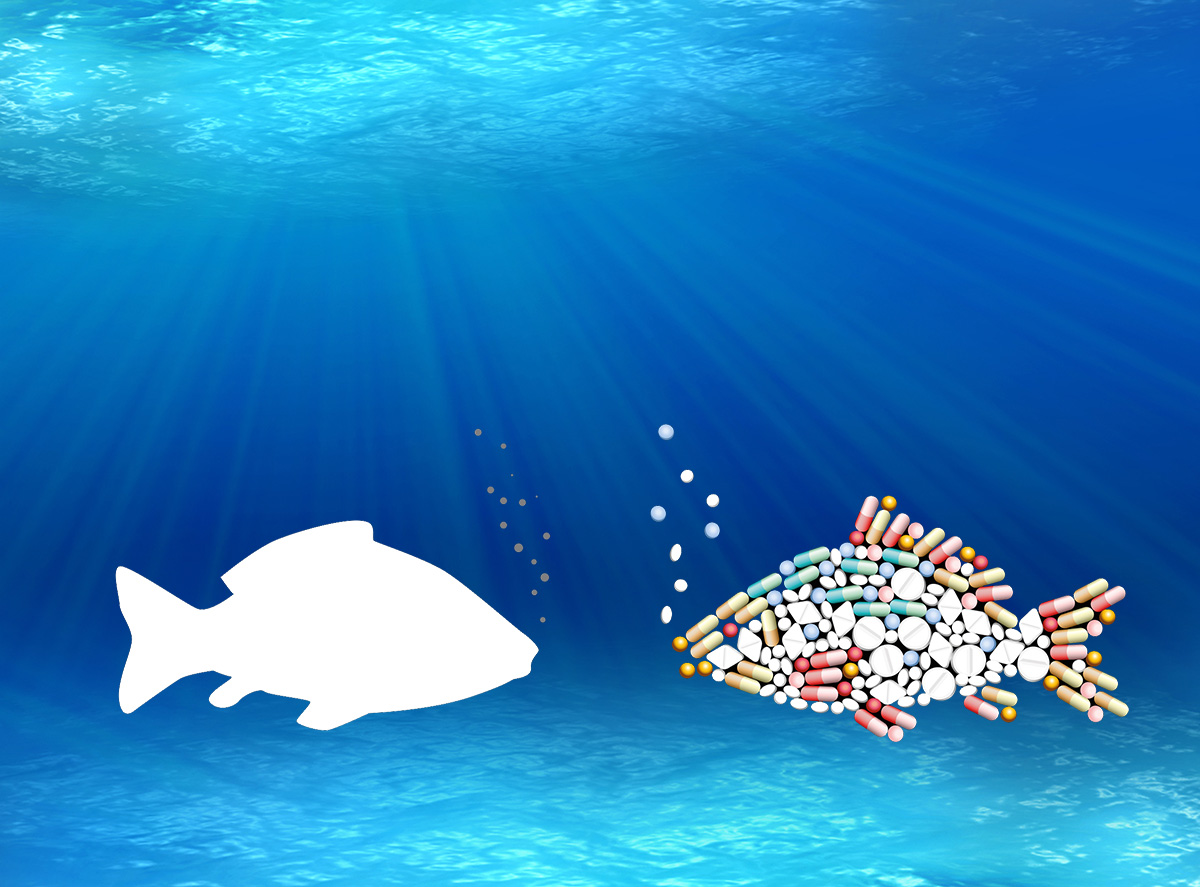
    Every day in Western countries, thousands of drugs are consumed, whether to relieve pain, regulate blood pressure or treat infections. But what happens after ingesting these products? Evacuated via urine, many substances end up in wastewater. They are only partially eliminated by these systems, and end up in lakes, rivers and streams, posing a risk to aquatic ecosystems. This risk is now recognized, but it is difficult for doctors to know how to integrate it into their practice.

    At the University of Lausanne (UNIL), scientists from the Faculty of Biology and Medicine (FBM) and the Faculty of Geosciences and Environment (FGSE) have carried out an unprecedented classification of widely-used drugs according to their ecotoxicity, i.e. their danger to the aquatic ecosystem. Published in the International Journal of Environmental Research and Public Health , the study reveals that drugs commonly prescribed in general medicine – to combat inflammation or infection, for example – have significant consequences for the health of fish, algae and bacteria essential to aquatic biodiversity. 

    Painkillers and antibiotics among the most problematic

    The researchers classified 35 drugs commonly consumed in Switzerland into categories ranging from low to high toxicity for aquatic ecosystems. To do this, they cross-referenced three pieces of information: the 50 most widely sold drugs in Switzerland (by weight), those for which ecotoxicity thresholds exist, and the concentration of those found in the rivers of Vaud and Lake Geneva (in the form of active ingredient).

    Among the most problematic drugs are common painkillers and anti-inflammatories such as diclofenac, which is toxic to fish liver and can lead to fish death. There are also antibiotics such as ciprofloxacin, which can eliminate bacteria useful to the ecosystem’s balance, and encourage the emergence of antibiotic-resistant bacteria. Mefenamic acid and paracetamol, on the other hand, are in the category with the lowest environmental risks. 

    One health: for people and the planet

    “This classification is far from complete, because of the lack of data. It does, however, give some initial indications for practitioners,” comments Nathalie Chèvre, ecotoxicologist at the FGSE and co-director of the study. “Of the 2000 or so drugs on the European market, we have only classified 35. This is a good start, but more ecotoxic thresholds need to be established and accepted to enable us to continue this kind of analysis”, adds Tiphaine Charmillot, a researcher at the FBM and Unisanté, and first author of the article.

    In Switzerland, new treatments are being introduced at WWTPs, with promising results. “However, they are costly both economically and ecologically,” says Nathalie Chèvre. “Nor does it solve the problem of poor connections and wet-weather discharges. So it’s always preferable to fight at source.”

    In the meantime, the scientists hope that this approach, which represents a first step, will encourage the integration of environmental considerations into therapeutic choices, as is already advocated within the framework of various initiatives such as “smarter medicine – Choosing Wisely Switzerland ”. The idea is to control the environmental impact of healthcare professionals’ practices, while offering the best possible quality of care.

    In practice, this could mean using this classification to prioritize the least harmful option when prescribing medication, in cases where two treatments have the same therapeutic efficacy – for example, favoring the use of mefenamic acid over diclofenac for the treatment of pain; avoiding unnecessary prescriptions, such as antibiotics for non-bacterial infections (e.g., colds); and finally, proposing non-pharmacological approaches where possible (treatment of chronic pain by physiotherapy or behavioral therapy; treatment of mild depression by phytotherapy, etc.). 

    “The concept of health should encompass human health, the health of all living things and the health of the natural environment. Eco-responsible medicine also benefits patients directly, by avoiding over-medication, but also indirectly, by promoting a healthier environment, which is essential for well-being”.

    Nicolas Senn, researcher at FBM and Unisanté, and co-director of the study.

    Source

    T. Charmillot, N. Chèvre, N. Senn, Developing an Ecotoxicological Classification for Frequently Used Drugs in Primary Care , International Journal of Environmental Research and Public Health, 2025.

    Drug classification1

    High to very high-risk level for aquatic life and ecosystems

    • Antibiotics (clarithromycin, azithromycin, ciprofloxacin, sulfamethoxazole)
    • Painkiller, anti-inflammatory (diclofenac, ibuprofen)
    • Antiepileptic, mood stabilizer (Carbamazepine)
    • Iodinated contrass agent (iopromide, iomeprol)

    Moderate environmental for aquatic life and ecosystems

    • Antibiotics (clindamycin, erythromycin, metronidazole, trimethoprim)
    • Antidepressant (venlafaxine)
    • Painkiller, anti-inflammatory (ketoprofen, mefenamic acid, naproxen)
    • Beta-blocker (metoprolol, propranolol, sotalol)

    Low to Very Low Environmental Risk for aquatic life and ecosystems

    • Antibiotics (ofloxacin, sulfadiazine)
    • Antidepressant (amisulpride, citalopram, mirtazapine)
    • Antidiabetic (metformine)
    • Painkiller (paracetamol, tramadol)
    • Antiepileptic (gabapentin, lamotrigin, primidone)
    • Anti-hypertensive (candesartan, irbesartan)
    • Betablocker (atenolol)
    • Diuretic (hydrochlorothiazid)
    1. The word “drug” is used here to refer to the active ingredients of the drug. ↩︎
  • AI enables a major innovation in glacier modelling and offers groundbreaking simulation of the last Alpine glaciation

    AI enables a major innovation in glacier modelling and offers groundbreaking simulation of the last Alpine glaciation

    Tancrède Leger, Institut des dynamiques de la surface terrestre

    Scientists at the University of Lausanne (UNIL) have used AI for the first time to massively speed up computer calculations and simulate the last ice cover in the Alps. Much more in line with field observations, the new results show that the ice was thinner than in previous models.

    This innovative method opens the door to countless new simulations and predictions linked to climate upheavals. The research is published in Nature Communications.

    25,000 years ago, the Alps were covered by a layer of ice up to 2 kilometers thick. For almost 15 years, this glaciation has been put into perspective by 3D digital models, based on climate reconstructions, thermodynamics and ice physics. However, these models have sparked debate in the scientific community, as until now there has not been a full  correspondence between these simulations and the physical traces – rocks, moraines, etc. – found in the field, particularly erosion lines, which bear witness to past ice thicknesses.

    A team of scientists from the University of Lausanne (UNIL) have just solved this persistent problem. For the first time, they have used artificial intelligence to massively boost their new glacial evolution model, generating a large series of simulations of unprecedented accuracy: they correspond much more closely to the physical traces left on the ground. Their results show an average ice cover 35-50% thinner than in previous reference simulations. Model resolution has been increased from two kilometers to 300 meters, and it is only thanks to this precision that it is possible to describe the complex topography of the Alps numerically.

    In line with the current state of scientific knowledge, based on field observations, it shows, for example, that certain peaks such as the Matterhorn and Grand Muveran were clearly protruding from the ice. This breakthrough is published in Nature Communications.

    The research is significant in more ways than one. Firstly, the ability to correctly model the glacial past is essential to understanding our environment.  For over 2 million years, the Earth has experienced alternating glacial and warm cycles, which have profoundly shaped the landscape in which we live. The new models now corresponds much more closely to the evidence left on the ground following the retreat of the glaciers, and make it possible to better quantify many natural phenomena, such as glacial erosion, which has largely contributed to sculpting the relief of the Alps.

    On the other hand, the innovative methodology used in this research marks a new era in numerical modelling. “By using recent technology, and applying it to the last major glaciation in the Alps, we can finalize a 17,000-year simulation at very high resolution (300 m) in 2.5 days, whereas such spatial resolution would have taken 2.5 years to calculate using traditional methods, which are also extremely costly and energy-intensive”, explains Tancrède Leger, researcher at UNIL’s Faculty of Geosciences and Environment (FGSE), and first author of the study.

    With this approach, the model first learns about the physics of ice flow, using Deep Learning methods. It then receives data on the climate of the period (temperature, precipitation, etc.), to calculate ice supply and melt.

    Deep learning calculations are then performed not by the traditional central processing unit (CPU), but via a GPU (or graphics processing unit), which enables numerous operations to be performed in parallel, boosting the computer’s computing power phenomenally.

    “It’s as if we once had six Ferraris at our disposal, and now we have ten thousand small cars. We’ve gone from very large machine clusters to a simple 30 cm graphics card. We’re not doing anything new, but we’re doing it a thousand times faster, making it possible to achieve resolutions that were not even considered before”.

    Guillaume Jouvet, FGSE prof. behind the AI model and co-first author of the study.

    This progress will enable new research to be launched. In particular, a new SNSF-funded project is about to get underway to use this revolutionary method to better predict the impact of the melting Greenland and Antarctic ice sheets on global sea level rise.


    Sources

  • First traces of water on Mars date back 4.45 billion years

    First traces of water on Mars date back 4.45 billion years

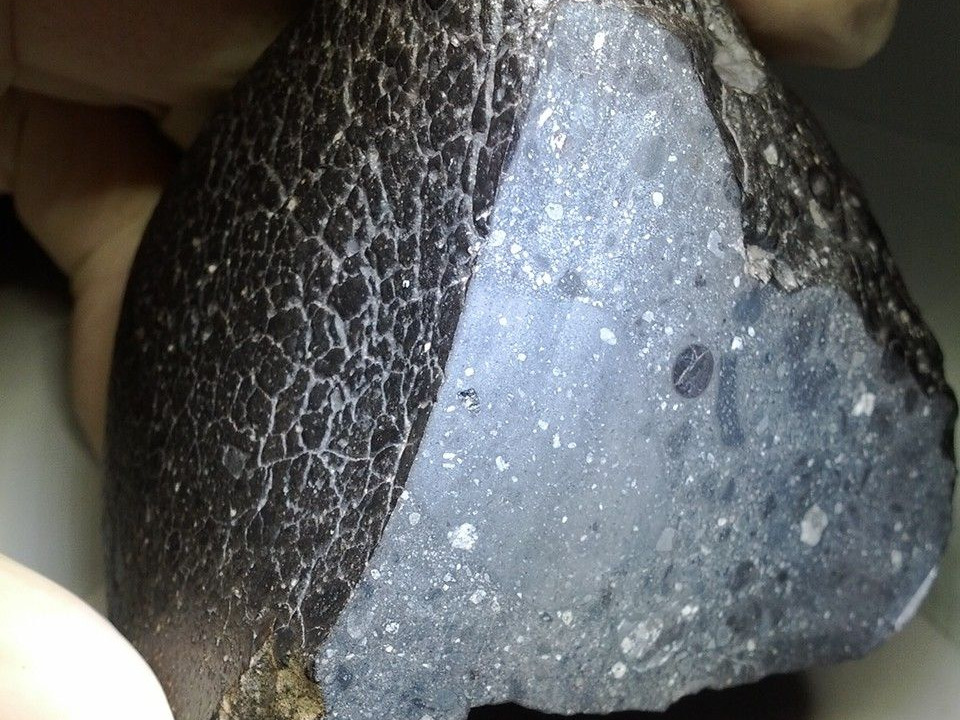
    Designated Northwest Africa (NWA) 7034, and nicknamed Black Beauty, this Martian meteorite weighs approximately 320 g – © NASA
    Jack Gillespie, Institute of Earth Sciences

    By analyzing a Martian meteorite, scientists from the University of Lausanne and Curtin University have discovered traces of water in the crust of Mars dating back 4.45 billion years, i.e. to near the very beginning of the planet’s formation.

    This new information strengthens the hypothesis that the planet may have been habitable at some point in its history.

    Thanks to observations from Mars rovers and spacecraft, we’ve known for decades that the planet Mars was once home to water, and probably had rivers and lakes. However, many questions remain. When did this precious liquid first appear in the history of Mars, and did the Red Planet, in the course of its evolution, create the conditions necessary for the emergence of life?

    By analyzing the composition of a mineral (zircon) found in a Martian meteorite, scientists from the University of Lausanne, Curtin University and the University of Adelaide have succeeded in dating traces of water in the crust of Mars. According to the study, published in Science Advances, hydrothermal activity dates back 4.45 billion years, just 100 million years after the planet’s formation.  

    “Our data suggests the presence of water in the crust of Mars at a comparable time to the earliest evidence for water on Earth’s surface, around 4.4 billion years ago,” comments Jack Gillespie, first author of the study and researcher at the University of Lausanne’s Faculty of Geosciences and Environment. “This discovery provides new evidence for understanding the planetary evolution of Mars, the processes that took place on it and its potential to have harboured life”.

    A Martian meteorite found in the desert

    The scientists worked on a small piece of the meteorite NWA 7034 “Black Beauty”, which was discovered in the Sahara Desert in 2011. “Black Beauty” originates from the Martian surface and was thrown to Earth following an impact on Mars around 5-10 million years ago. Analysis focused on zircon; a mineral contained in the meteorite. Highly resistant, zircon crystals are key tools for dating geological processes: they contain chemical elements that make it possible to reconstruct the date and conditions under which they crystallized (temperature, interaction with fluids, etc.). “Zircon contains traces of uranium, an element that acts as a natural clock,” explains Jack Gillespie. “This element decays to lead over time at a precisely known rate. By comparing the ratio of uranium to lead, we can calculate the age of crystal formation.”

    Through nano-scale spectroscopy, the team identified element patterns in this unique zircon, including unusual amounts of iron, aluminium, and sodium. These elements were incorporated as the zircon formed 4.45 billion years ago, suggesting water was present during early Martian magmatic activity.

    These new findings further support the hypothesis that the Red Planet may have once offered conditions favorable to life at some point in its history.

    “Hydrothermal systems were essential for the development of life on Earth, and our findings suggest Mars also had water, a key ingredient for habitable environment, during the earliest history of crust formation”

    Aaron Cavosie from Curtin’s School of Earth and Planetary Sciences, co-author

    Lead author Dr Jack Gillespie from the University of Lausanne was a Postdoctoral Research Associate at Curtin’s School of Earth and Planetary Sciences when work began on the study, which was co-authored by researchers from Curtin’s Space Science and Technology Centre , the John de Laeter Centre  and the University of Adelaide, with funding from the Australian Research Council, Curtin University, and the Swiss National Science Foundation.

    Source

    J. Gillespie, A. J. Cavosie, D. Fougerouse, C. L. Ciobanu, W. D. A. Rickard, D. W. Saxey, G. K. Benedix, and P. A. Bland, Zircon trace element evidence for early hydrothermal activity on Mars, Science Advances, 2024 (DOI 10.1126/sciadv.adq3694)

  • “The acceptance of the Electricity Law has given us the starting signal we were waiting for”

    “The acceptance of the Electricity Law has given us the starting signal we were waiting for”

    Selin Yilmaz, Institute of Geography and Sustainability

    UNIL researcher Selin Yilmaz is collaborating on the implementation of a pilot project for local electricity communities (LECs).

    In various test in municipalities in Switzerland, citizens will join forces to produce, sell, and consume local renewable energy, using the public distribution network.The acceptance of the Electricity Law in Switzerland on June 9th has allowed the project to take off.

    In order to move away from fossil fuels and drastically reduce its dependence on foreign energy supplies, Switzerland will massively increase its production of renewable electricity. This was approved by the public on June 9th, during the vote on the Electricity Law. In addition to the development of solar, wind, and hydroelectric installations, the law specifically includes the creation of local electricity communities (LECs).

    LECs offer each citizen within a municipality the opportunity to produce, sell, and consume renewable electricity at an attractive price to their neighbours, in a local and autonomous manner. For the first time, they will be able to use the public distribution network for this purpose.

    This system will soon be tested in several municipalities in French-speaking Switzerland. This action is a sub-project of the Sweet-Lantern program, funded by the Federal Office of Energy (SFOE), which aims to establish a network of living labs throughout Switzerland.

    Efficiency and Sobriety

    Specialising in the governance of energy transformations at UNIL, Selin Yilmaz is involved in these operations. She will take care of the sociological aspect of the experiment. This will involve conducting co-creation and support workshops, analyzing and measuring the societal impacts of the approach, and promoting participants’ engagement in the project. “There is currently a gap between the available technologies and the low rate of acceptance and use of these devices. Integrating citizens into the energy market, informing them of the benefits, social and technological developments, is very important for building a sustainable future,” explains the scientist.

    Thanks to smart meters and interfaces that allow the real-time tracking of energy flows and billing, members of the LEC will be able to optimize their resource use and profits by favouring consumption periods as well as overall sufficiency. “Solar energy, for example, is inherently intermittent, causing peaks and troughs in production. Creating dynamic online pricing encourages consumption at the most opportune times and helps to limit these fluctuations,” explains the researcher.

    At the end of these pilot studies, a guide should be developed to transpose these structures to other localities. “Just as we favor local foods and products, we could imagine a future where we prioritize local production and consumption, with attractive rates and control over the entire production chain,” says Selin Yilmaz. “Recent events in Ukraine and Russia have shown us that Switzerland is currently too easily destabilized. Local production and the development of energy strategies are essential for the country’s independence.”

    Sweet-Lantern

    Sweet (SWiss Energy research for the Energy Transition) – Lantern (Living Labs Interfaces for Energy Transition)

    The Sweet-Lantern project is a funding program by the Federal Office of Energy (SFOE). Its goal is to accelerate innovations that are essential for the implementation of Switzerland’s Energy Strategy 2050 and the achievement of the country’s climate objectives. Coordinated by HES-SO Valais-Wallis, it brings together a broad consortium of universities, universities of applied sciences, municipalities, and companies.

    With a budget of 10 million francs, the program will run for 8 years (2022-2030). At UNIL, Selin Yilmaz is tasked with establishing, through pilot projects, implementation processes for energy cooperation networks that can be applied to various localities. She will also study human-technology interactions, user resilience, for example, and their impact on data collection and network optimization.

  • Discovery of the first ancestors of scorpions, spiders and horseshoe crabs

    Discovery of the first ancestors of scorpions, spiders and horseshoe crabs

    Lorenzo Lustri, Institute of Earth Sciences

    Who were the earliest ancestors of scorpions, spiders and horseshoe crabs?

    A PhD student from the University of Lausanne (Switzerland), with the support of a CNRS researcher , has identified a fossil that fills the gap between modern species and those from the Cambrian period (505 million years ago), solving a long paleontological mystery.

    Modern scorpions, spiders and horseshoe crabs belong to the vast lineage of arthropods, which appeared on earth nearly 540 million years ago. More precisely, they belong to a subphylum that includes organisms equipped with pincers used notably for biting, grasping prey, or injecting venom – the chelicerae, hence their name chelicerates. But what are the ancestors of this very specific group?

    This question has puzzled paleontologists ever since the study of ancient fossils began. It was impossible to identify with certainty any forms among early arthropods that shared enough similarities with modern species to be considered ancestors. The mystery was further compounded by the lack of fossils available for the key period between -505 and -430 million years ago, which would have facilitated genealogical investigation.

    One of the Setapedites abundantis fossils that have been used to trace the origins of spiders, scorpions and horseshoe crabs. © UNIL

    Lorenzo Lustri, then a PhD student at the University of Lausanne (UNIL)’s Faculty of Geosciences and Environment, provided the missing piece of the puzzle. Together with his supervisors, he studied a hundred fossils dating back 478 million years from the Fezouata Shale of Morocco and identified the candidate that links modern organisms to those of the Cambrian (505 million years ago). The study was published in Nature Communications.

    Fossils from the Fezouata Shale were discovered in the early 2000s and have undergone extensive analysis. However, the fossil illustrated in the publication, one of the most abundant in the deposit, had never been described before. Measuring between 5 and 10 millimeters in size, it has been named Setapedites abundantis. This animal makes it possible, for the first time, to trace the entire lineage of chelicerates, from the appearance of the earliest arthropods to modern spiders, scorpions and horseshoe crabs.

    “Initially, we only intended to describe and name this fossil. We had absolutely no idea that it would hold so many secrets,” confides Lorenzo Lustri, the paper’s first author, who defended his PhD in March 2023. “It was therefore an exhilarating surprise to realize, after careful observations and analysis, that it also filled an important gap in the evolutionary tree of life.”

    Still, the fossil has yet to reveal all its secrets. In fact, some of its anatomical features allow for a deeper understanding of the early evolution of the chelicerate group, and perhaps even link to this group other fossil forms whose affinities remain highly debated.

    A temporary exhibition on the Fezouata biota, in collaboration with UNIL, will soon be held at the Palais de Rumine in Lausanne, Switzerland.

    Source

    Method

    Reconstruction of Setapedites abundantis ©Elissa Sorojsrisom

    To obtain these results, the scientists studied a hundred fossils and used an X-ray scanner to reconstruct their anatomy in detail and in 3D. They were then able to draw comparisons with numerous fossil chelicerates from other sites, as well as with their more ancient relatives. Finally, the importance of the Fezouata fossil became clear with the help of phylogenetic analyses, which mathematically reconstruct the family tree of different species based on the “coding” of all their anatomical traits.  

  • A Journey to the center of the Earth with scientists from the University of Lausanne

    A Journey to the center of the Earth with scientists from the University of Lausanne

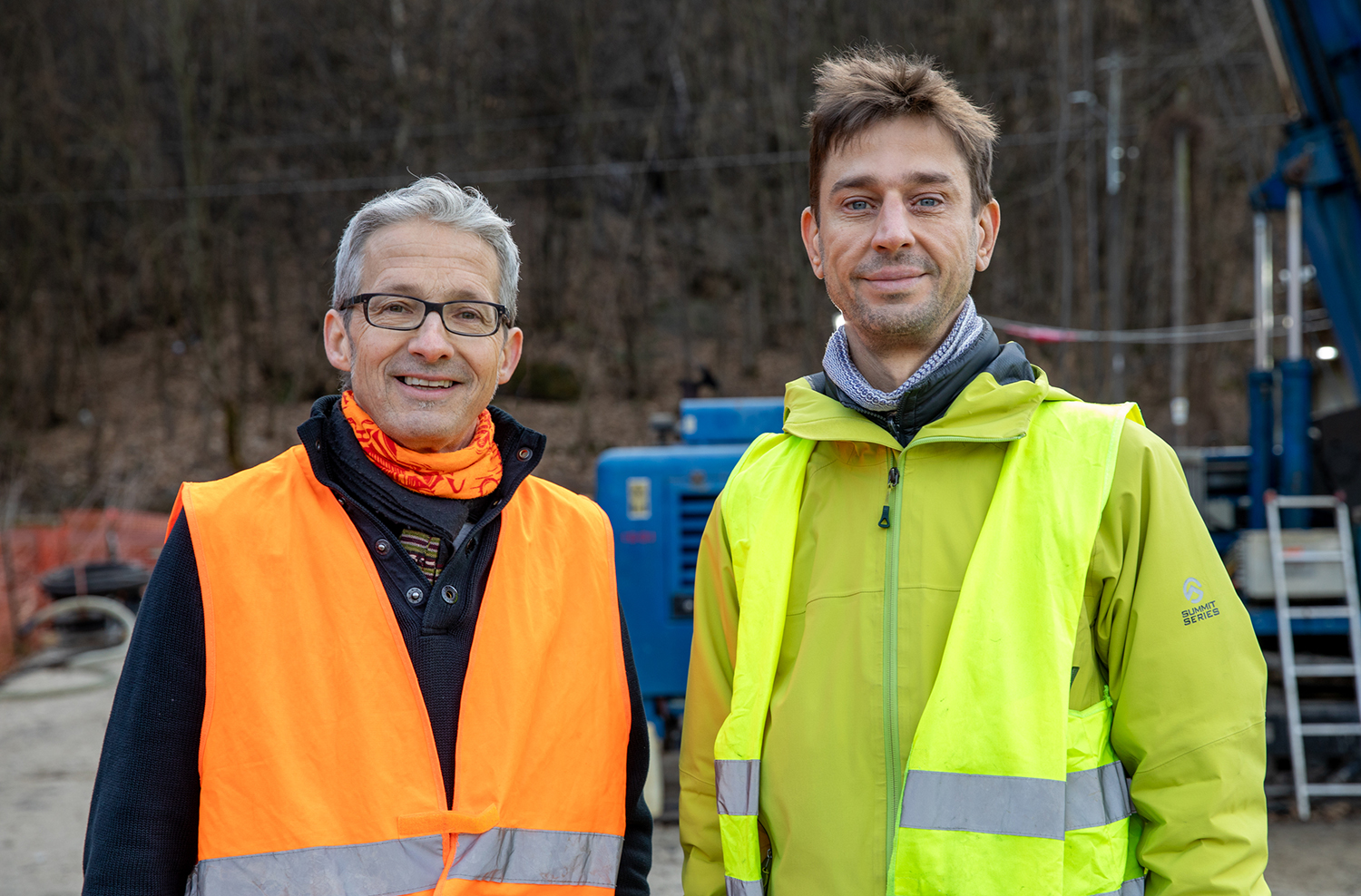
    Othmar Müntener and György Hetényi. (Fabrice Ducrest © UNIL)

    Experts from UNIL are co-directing a scientific drilling project almost a kilometer deep, aimed at reaching and documenting, for the first time, the base of the continental crust and the transition to the Earth’s mantle. This international project is taking place in Piedmont, Italy, in an area where usually deep-seated rocks are accessible thanks to a natural shortcut.

    What constitutes the interior of our planet? How was the Earth’s crust formed, and how deep can Life be found? For years, these fundamental questions have remained partly unanswered due to technical and financial obstacles. Despite several attempts, humans have never succeeded in continuously exploring the rocks beyond the Earth’s crust to reach the next layer: the mantle, usually some thirty kilometers below the surface.

    Scientists from the University of Lausanne’s Faculty of Geosciences and Environment are coordinating an international project that could change the game. Project DIVE (for Drilling the Ivrea-Verbano zonE) carries out scientific drilling in the geological area in the Alps known as Ivrea-Verbano (Piedmont, Italy), the uniqueness of which should make it possible, as a world first, to cross the crust and reach the Earth’s upper mantle.

    A region with virtually unique features in the world

    “Since around 35 million years ago, the African (Adria) and European continental plates have been moving towards each other. When they collided, in this segment Adria stayed above Europe, contributing to the formation of the Alps,” explains György Hetényi, professor at UNIL and co-leader of the project. “This phenomenon, accompanied by surface erosion, brought up rocks that were usually at depths of tens of kilometers. In this way, over some fifty kilometers on the surface, the Alps form a “shortcut” to the Earth’s mantle  which is then practically within reach.   Another particular feature of this region is that the continental crust is exceptionally well preserved and intact, with little fragmentation.

    In the village of Megolo di Mezzo, a borehole (the second in the DIVE project) was therefore initiated in November 2023 and will be completed in April 2024. From a current depth of 870 metres, the hole is expected to reach almost one kilometer, and will document the beginning of the transition between the continental crust and the mantle. In the field, specialists are already analyzing the cores extracted by the drillers, using two scientific containers, one dedicated to geological studies, the other to biology and gas analysis (such as hydrogen and other rare gases). A team of microbiologists is investigating whether there are organisms capable of surviving in extreme pressure conditions at depth.

    The precious cores will then be transferred to the various universities, depending on their area of expertise. “At the University of Lausanne, we are studying in particular the chemistry and isotopic composition of rocks, as well as their thermal and seismic properties,” explains Othmar Müntener, professor at the UNIL, initiator and co-leader of the project. “These analyses will give us unprecedented information about the formation and composition of the Earth’s crust.”

    The bulk of the work remains to be done, but the first results, notably from the first borehole – which reached a depth of 578 m – are starting to come out, and they are already bringing some surprises.  “There is more sulphur, carbon, fractures and above all a surprising spatial variability compared to what we expected in the lower crust”, observes György Hetényi. “We are also discovering the presence of minerals in unexpected amounts, such as graphite.”

    The next step is to complete this second borehole and continue the scientific analyses. A third borehole is planned, dedicated to analyzing and fully crossing the entire crust–mantle transition.

    DIVE Project

    DIVE project on the ICDP website

    DIVE is an international project funded by the International Continental Scientific Drilling Program (ICDP), which brings together multidisciplinary teams from seven countries and some twenty universities. Initiated by the University of Lausanne, this program aims to carry out scientific drilling to penetrate the lower continental crust, reach the upper mantle, and analyze the deep rocks of our planet. It is divided into two main phases. The first is currently underway with two boreholes, and the second is in preparation for a third borehole in a few years. The analyses carried out on these hitherto not studied rocks cover various fields such as geophysics, geochemistry, geodynamics, petrology, rheology (the way rocks deform) and microbiology.

  • Unveiling the sustainability landscape in cultural organizations: A global benchmark

    Unveiling the sustainability landscape in cultural organizations: A global benchmark

    Julie Grieshaber and Martin Müller, Institute of Geography and Sustainability, authors of the study (© UNIL)

    Are museums, theaters, and opera houses truly walking the talk when it comes to social and environmental sustainability? The University of Lausanne delved into this pressing question, conducting an international survey with over 200 major cultural organizations. The verdict? While there’s significant room for improvement across the spectrum, Anglophone countries lead the charge.

    Cultural organizations, with their wide-reaching influence and power to shape narratives and imaginations, are poised to be trailblazers in championing sustainability causes. Recognizing this pivotal role, researchers from UNIL’s Institute of Geography and Sustainability initiated a comprehensive international survey to assess progress in the realms of social and environmental sustainability.

    This global benchmark survey was answered by 206 leading museums, theaters, and opera houses on every continent. Respondents answered questions on diverse criteria, ranging from the inclusiveness and well-being of employees (social aspects) to waste management, energy consumption, catering practices, and carbon impact (environmental considerations).

    Published in Sustainability: Science, Practice and Policy, a leading global journal for sustainability, the results underscore a collective need for improvement, with 60% of respondents integrating sustainability into their strategies only in the last five years or less. On average, cultural organizations obtained only 37 out of 100 possible points in the sustainability score, doing better on social sustainability than on environmental sustainability. UNIL professor Martin Müller, spearheading the research, notes a gap between declarations and implementation.

    Sustainability champions: a global strategy, a dedicated team and cross-functionality

    However, amidst the challenges, the study unveils sustainability champions, 14 in all. A correlation emerges between social and environmental sustainability, emphasizing that those excelling in one area tend also to shine in the other. The top 14 cultural organizations features notable Anglophone organizations like the National Galleries of Scotland and the Sydney Opera House. The study guaranteed the anonymity of the participating institutions, so only the top performers who gave their explicit consent are mentioned: See results.

    What sets the top-ranking organizations apart is their integration of sustainability into overall strategy and the establishment of dedicated internal groups, so-called green teams, that drive coordinated actions. National contexts and political decisions further influence these endeavors.

    In England, for instance, publicly funded organizations must report on sustainability, adding an extra layer of accountability.

    Julie Grieshaber, co-author.

    “We’re incredibly proud”, says Anne Lyden, Director General of the National Galleries of Scotland, the most sustainable museum in the study. “We actively support Scotland’s aim to reach net-zero before 2045, cutting our carbon footprint by 60% between 2008 and 2022”, she adds. “We understand how important it is to play our part in making a more sustainable future, not just for Scotland but the world.”

    Louise Herron, CEO of the Sydney Opera House (first-ranked organisation in the study), says: “Sustainability has been part of the Opera House’s DNA since the beginning and over recent years, we’ve been focused on bringing together our efforts to drive social and environmental change, embedding sustainability into our organisational strategy and making it part of everyone’s daily lives. These are urgent challenges that we’re facing, which can only be tackled through coordinated action and as cultural organisations we have a tremendous opportunity to inspire others and bring about change together.”

    Establishing a model to follow

    Looking ahead, the UNIL researchers aim to extend their impact. Plans include forging a global alliance of cultural organizations committed to sustainability and introducing a label to structure these efforts effectively. Professor Martin Müller, securing substantial funding for a program to promote practical innovation based on scientific research, is poised to be at the forefront of this transformative journey. The future promises not just academic analysis but a concrete path towards a sustainable cultural landscape.

    Survey methodology

    IA generated (copilot)

    Questionnaires were completed by 206 organizations from all continents. The data was analysed according to a model comprising three areas: governance (commitment, strategy, implementation, transparency); social (integrity, partnerships, urban integration, community, access, diversity & inclusion, employee well-being, learning & inspiration); and environmental (climate, biodiversity, water, waste, energy, mobility & transport, food & beverage, supply chain).

    The organizations included in the survey were selected according to criteria such as their importance to the sector (based on a body of literature), their attractiveness (number of visitors) and the costs invested in their development. The idea was to select deliberately large organizations as the major players in the field.

  • New fossil site of worldwide importance uncovered in southern France

    New fossil site of worldwide importance uncovered in southern France

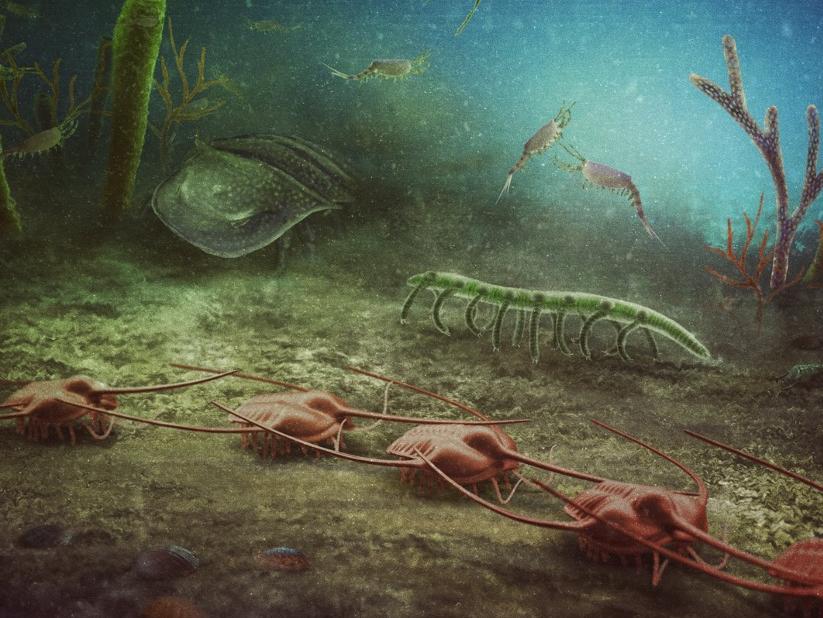
    Artistic reconstruction of the Cabrières biota (© Christian McCall)

    Farid Saleh, Institute of Earth Sciences

    Nearly 400 exceptionally well-preserved fossils dating back 470 million years have been discovered in the south of France by two amateur paleontologists. This new fossil site of worldwide importance has been analyzed by scientists from the University of Lausanne, in collaboration with the CNRS and international teams. This extraordinary discovery provides unprecedented information on the polar ecosystems of the Ordovician period.

    Paleontology enthusiasts have unearthed one of the world’s richest and most diverse fossil sites from the Lower Ordovician period (around 470 million years ago). Located in Montagne Noire, in the Hérault department of France, this deposit of over 400 fossils is distinguished by an exceptionally well-pre- served fauna. In addition to shelly components, it contains extremely rare soft elements, such as digestive systems and cuticles, in a remarkable state of preservation. Moreover, this biota was once located very close to the South Pole, revealing the composition of Ordovician southernmost ecosystems.

    At the Faculty of Geosciences and Environment at the University of Lausanne (UNIL), scientists have collaborated with the CNRS and international teams to carry out the first analyses of this deposit, known as the Cabrières biota. The results are published in Nature Ecology & Evolution.

    Ordovician climate refugia

    Analyses of the new biota reveal the presence of arthropods (a group that includes millipedes and shrimps) and cnidarians (a group that includes jellyfish and corals), as well as a large number of algae and sponges. The site’s high biodiversity suggests that this area served as a refuge for species that had escaped the high temperatures prevailing further north at the time.

    “At this time of intense global warming, animals were indeed living in high latitude refugia, escaping extreme equatorial temperatures,” points out Farid Saleh, researcher at the University of Lausanne, and first author of the study. “The distant past gives us a glimpse of our possible near future,” adds Jonathan Antcliffe, researcher at the University of Lausanne and co-author of the study.

    For their part, Eric Monceret and Sylvie Monceret-Goujon, the amateurs who discovered the site, add with enthusiasm: “We’ve been prospecting and searching for fossils since the age of twenty,” says Eric Monceret. “When we came across this amazing biota, we understood the importance of the discovery and went from amazement to excitement,” adds Sylvie Monceret-Goujon.

    This first publication marks the start of a long research program involving large-scale excavations and in-depth fossil analyses. Using innovative methods and techniques, the aim is to reveal the internal and external anatomy of the organisms, as well as to deduce their phylogenetic relationships and modes of life.

    Reference

    F. Saleh, L. Lustri, P. Gueriau, G. J.-M. Potin, F. Pérez-Peris, L. Laibl, V. Jamart, A. Vite, J. B. Antcliffe, A. C. Daley, M. Nohejlová, C. Dupichaud, S. Schöder, E. Bérard, S. Lynch, H. B. Drage, R. Vaucher, M. Vidal, E. Monceret, S. Monceret and B. Lefebvre, The Cabrières Biota (France) provides insights into Ordovician polar ecosystemsNature Ecology & Evolution, 2024

  • Alpine glaciers will lose at least a third of their volume by 2050, whatever happens

    Alpine glaciers will lose at least a third of their volume by 2050, whatever happens

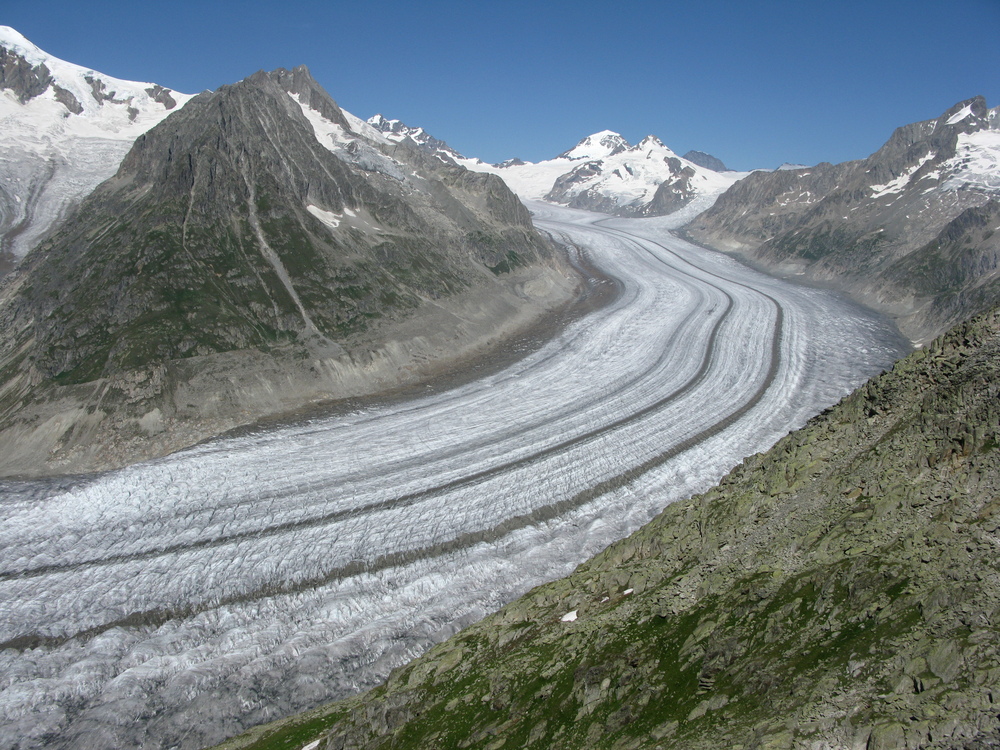
    The Aletsch glacier in 2009 {© UNIL, Guillaume Jouvet)

    Even if greenhouse gas emissions were to cease altogether, the volume of ice in the European Alps would fall by 34% by 2050. If the trend observed over the last 20 years continues at the same rate, however, almost half the volume of ice will be lost as has been demonstrated by scientists from UNIL in a new international study.

    By 2050, i.e. in 26 years’ time, we will have lost at least 34% of the volume of ice in the European Alps, even if global warming were to stop completely and immediately. This is the prediction of a new computer model developed by scientists from the Faculty of Geosciences and Environment at the University of Lausanne (UNIL), in collaboration with the University of Grenoble, ETHZ and the University of Zurich. In this scenario, developed using machine-learning algorithms and climate data, warming is stopped in 2022, but glaciers continue to suffer losses due to inertia in the climate system. This most optimistic of predictions is far from a realistic future scenario, however, as greenhouse gas emissions continue to rise worldwide.

    In reality, more than half the volume of ice will disappear

    Another more realistic projection from the study shows that, without drastic changes or measures, if the melting trend of the last 20 years continues, almost half (46%) of the Alps’ ice volume will actually have disappeared by 2050. This figure could even rise to 65%, if we extrapolate the data from the last ten years alone.

    2050: the near future

    Unlike traditional models, which project estimates for the end of the century, the new study, published in Geophysical Research Letters, considers the shorter term, making it easier to see the relevance in our own lifetimes and thus encouraging action. How old will our children be in 2050? Will there still be snow in 2038, when Switzerland may host the Olympic Games? These estimates are all the more important as the disappearance of kilometers of ice will have marked consequences for the population, infrastructure and water reserves. “The data used to build the scenarios stop in 2022, a year that was followed by an exceptionally hot summer. It is therefore likely that the situation will be even worse than the one we present”, states Samuel Cook, researcher at UNIL and first author of the study.

    Artificial intelligence boosts models

    Guillaume Jouvet, Institute of Earth Surface Dynamics

    The simulations were carried out using artificial-intelligence algorithms. The scientists used deep-learning methods to train their model to understand physical concepts, and fed it real climate and glaciological data. “Machine learning is revolutionizing the integration of complex data into our models. This essential step, previously notoriously complicated and computationally expensive, is now becoming more accurate and efficient”, explains Guillaume Jouvet, prof. at the FGSE and co-author of the study.

    The modelling was performed with the IGM model developed in UNIL ICEgroup.

    Source
  • How can we protect biodiversity? By improving monitoring of global genetic diversity

    How can we protect biodiversity? By improving monitoring of global genetic diversity

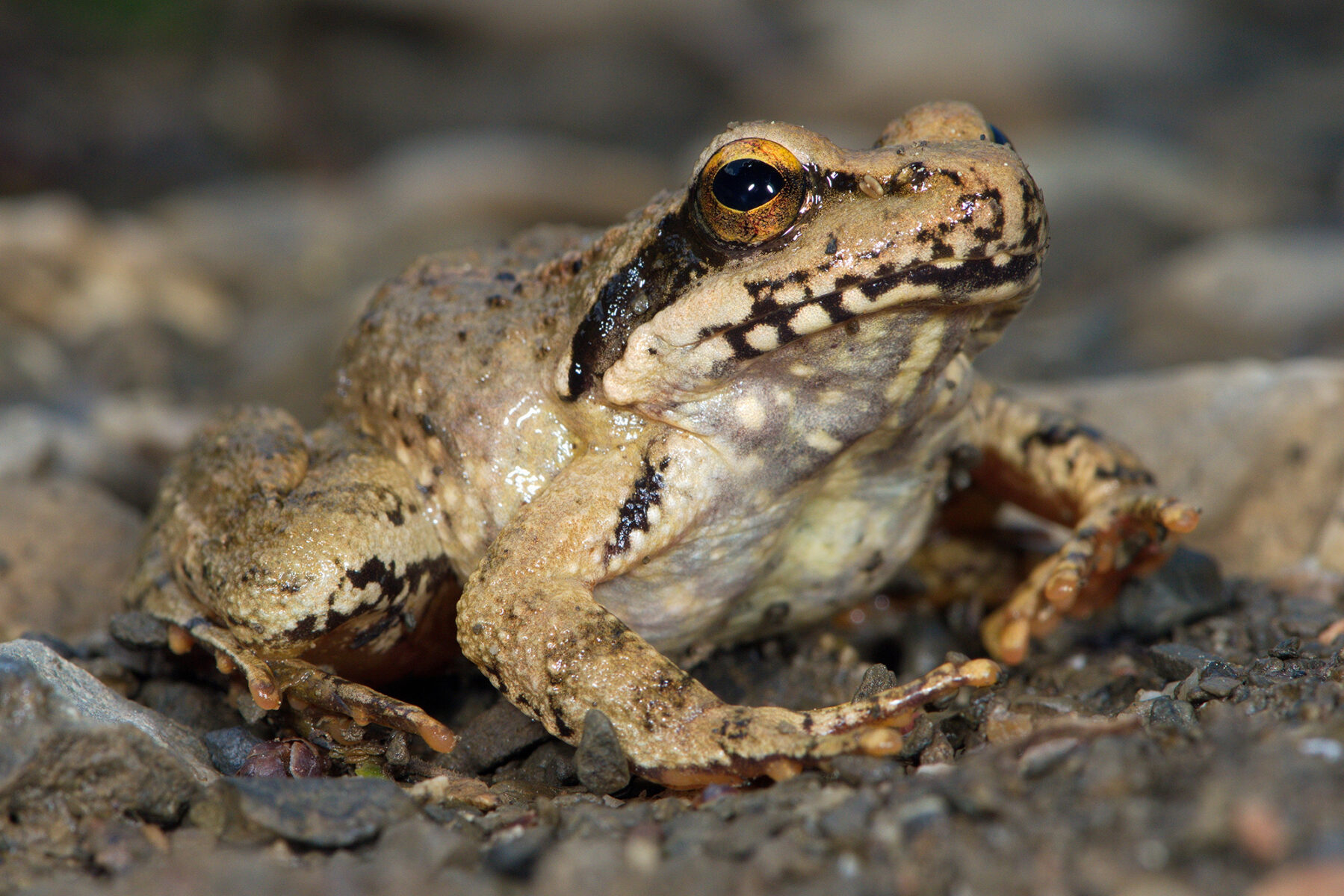
    The “Greek frog”, Rana graeca, is one of the species included in the analysis. Photo credit: Andreas Meyer

    Genetic diversity is crucial if species are to adapt to climate change. An international study co-conducted by UNIL researchers shows that current efforts to monitor genetic diversity in Europe are incomplete and insufficient. It proposes a novel approach for identifying and pinpointing important geographical areas on which to focus.

    • The genetic diversity of animals and plants is essential for their adaptation to climate change.
    • Current monitoring of this diversity is inadequate and could lead to the loss of important genetic variants.
    • A study co-directed by UNIL provides information on where to monitor genetic diversity in Europe.
    • It confirms that better monitoring of species and their genetic diversity is urgently needed internationally.

    Every living thing on our planet is distinguished from its fellow creatures by small differences in its hereditary material. So, when the environment changes and becomes unfavorable to populations of species (plants and animals), this genetic variability can enable them to adapt to the new conditions, rather than becoming extinct or having to migrate to other habitats. In simple terms, then, gene diversity is one of the keys to species survival. In 2022, the International Convention on Biological Diversity (CBD) placed increased emphasis on the need to protect the genetic diversity found in wild species, a fundamental component of biological diversity and one that has been generally neglected previously.

    Global warming is already putting a great deal of pressure on many species in Europe, particularly those having populations at the climatic limits of their range. The ability of species to resist greater heat or drought, as well as new species colonizing their environment, therefore determines their survival. It is in these borderline situations that it is most urgent to measure genetic diversity, in order to assess the ability of the species in question to persist.

    An international study co-directed by UNIL and published in Nature Ecology & Evolution has examined the monitoring of genetic diversity in Europe. Olivier Broennimann and Antoine Guisan, from the Faculty of Biology and Medicine and the Faculty of Geosciences and Environment, have made an essential contribution, developing a novel tool to identify geographical areas where genetic monitoring should be a priority. Their results show that efforts to monitor genetic diversity in Europe are incomplete and need to be supplemented.

    By analyzing all genetic monitoring programs in Europe, the study showed the geographic areas in which greater monitoring efforts are needed, mainly in southeastern Europe (Turkey and the Balkans). “Without better European monitoring of genetic diversity, we risk losing important genetic variants,” says Peter Pearman, lead author of the study and a former UNIL collaborator. Improved monitoring would make it possible to detect areas favorable to these variants, and to protect them in order to maintain the genetic diversity that is essential to the long-term survival of species. Some of these threatened species also provide invaluable services to humans, such as crop pollination, pest control, water purification and climate regulation.

    The study incorporated the efforts of 52 scientists who represent 60 universities and research institutes from 31 countries. The results suggest that European genetic diversity monitoring programs should be adapted systematically to span full environmental gradients, and to include all sensitive and high-biodiversity regions. In view of recent agreements to halt the decline in biodiversity, to which Switzerland is a signatory country, the study also points out that better monitoring of species in general, and their genetic diversity in particular, is urgently needed at an international level. This will enable better land-use planning, and better support for ecosystem conservation and restoration actions, which help to ensure the persistence of species and the services they provide.

    Source

    • Peter Pearman, Olivier Broennimann, [+ 48 authors] & Antoine Guisan, Mike Brufford. Monitoring species genetic diversity in Europe varies greatly and overlooks potential climate change impacts, Nature Ecology & Evolution, 2023.
  • They decode colonization methods through the communication of E. coli bacteria

    They decode colonization methods through the communication of E. coli bacteria

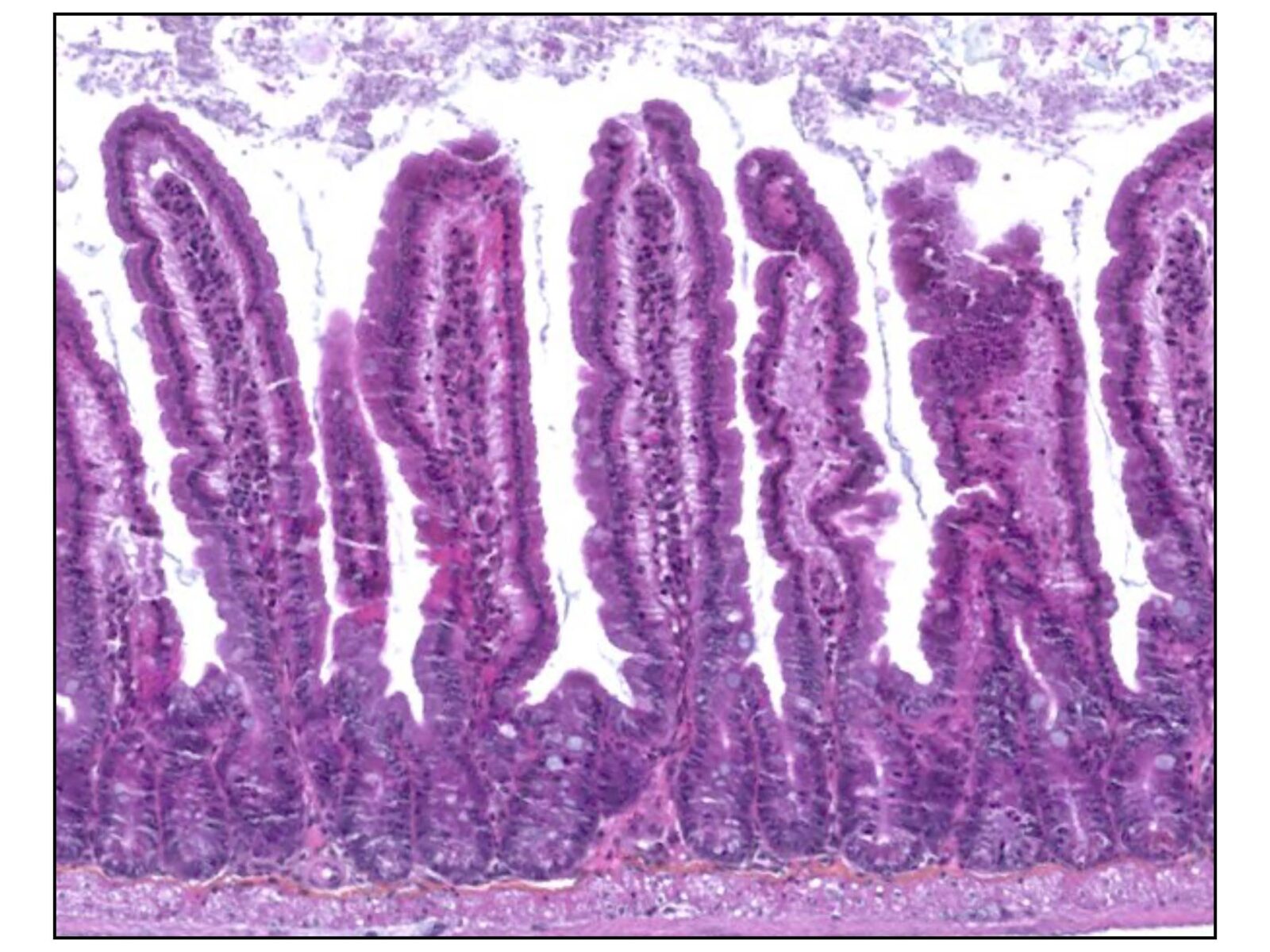
    Researchers have reproduced an intestine-like structure on a silicone chip. Here, a real mouse intestine, image credit: HistoPathology Core Facility, Institut Pasteur.
    Pietro de Anna, Institute of Earth Sciences

    Naturally present in our digestive tract, E. coli bacteria have very specific ways of communicating and colonizing complex environments. Scientists at UNIL have reproduced the complex structure of an intestine on a microchip, and unraveled these mechanisms for the first time. The study, published in Nature communications, represents a step towards a better understanding of host-microbe interactions.

    On average, a human intestine contains around 2 kilos of bacteria, or almost 10,000 billion individuals, belonging to 1,000 different species. Among them are the Escherichia coli bacteria, which are usually harmless and beneficial, but some minority strains are pathogenic. However, we don’t really understand the mechanisms that govern their behavior. How do they communicate with each other?  How do they colonize complex environments such as the human digestive tract?

    At UNIL, a team from the Faculty of Geosciences and Environment (FGSE), in collaboration with a team from the Faculty of Biology and Medicine (FBM), has unraveled the processes by which these bacteria colonize a sinuous environment. Two mechanisms were studied: their movement in response to chemical stimuli (chemotaxis), and their ability to estimate the number of similar bacteria in the vicinity (quorum sensing), and to react if there are too many. The research was published in Nature Communication. It opens the door to a better understanding of the relationship between microbes and their hosts, and the consequences for the latter’s health.

    An intestine on a chip

    To carry out their research, the scientists reproduced the structure of an intestine on a microfluidic chip, into which they injected nutrients (glucose) and E.coli bacteria. Bacteria spread in this confined environment, then accumulate in the cavities to take part in a small feast. They consume oxygen and absorb available glucose, releasing substances produced by their metabolic activity (such as AI-2). “This signal acts as a chemical stimulus, attracting other bacteria swimming nearby. As a result, the cavity fills up more and more, until it becomes crowded,” explains Pietro De Anna, professor at the FGSE and co-author of the study.

    A second phenomenon then occurs. When all the nutrients have been consumed, the bacteria activate a kind of sensor, enabling them to estimate the density of the crowd around them. “By estimating the quantity of signals, the bacteria suddenly notice that the place, which is a dead end, is full to bursting: their survival is at stake”, explains the professor. The bacteria then produce biomass faster than usual. They multiply as much as possible, to grow enough to get out of the cavity. 

    “Understanding how bacteria colonize complex, heterogeneous environments such as the gut is essential for understanding natural phenomena, and those that lead to their functioning or to pathology,” comments Pietro De Anna. “Furthermore, as AI-2 is a mode of interspecies communication, our research could provide valuable insights for other bacterial species.”

    Source
  • A simulation to visualize the evolution of Alpine ice cover over the last 120,000 years

    A simulation to visualize the evolution of Alpine ice cover over the last 120,000 years

    Guillaume Jouvet, Institute of Earth Surface Dynamics

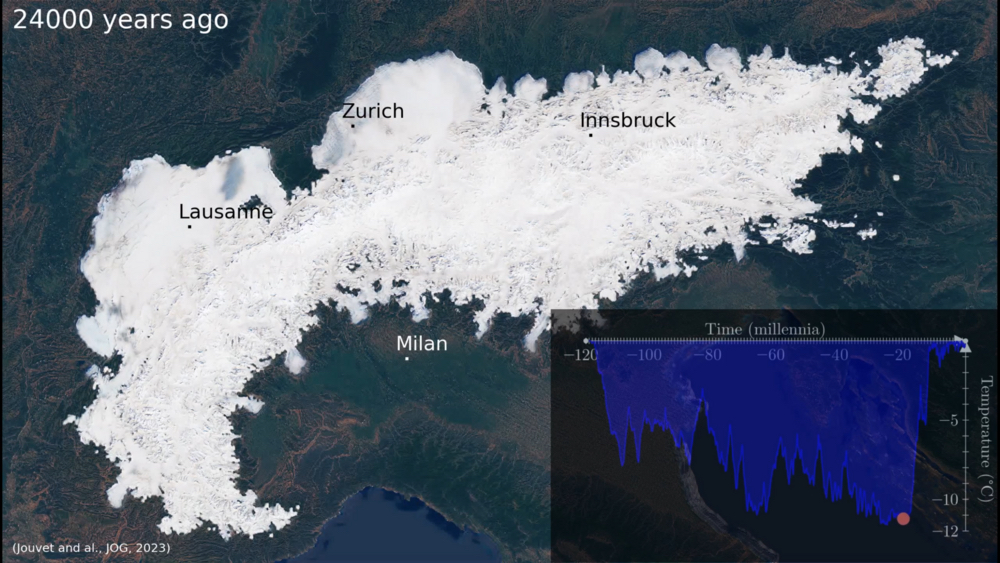
    Scientists from the Universities of Lausanne (UNIL), Zurich (UZH) and Bern (UNIBE) have developed an unprecedented simulation which, in just 80 seconds, shows the evolution of glaciers in the Alps over the last 120,000 years.

    This complex computer model is the fruit of several years of research and intensive collaboration between climatologists, glaciologists, and geologists.

    The last glacial period began around 115,000 years ago, and was punctuated by cold and warmer cycles, resulting in the advance and retreat of glaciers that shaped the landscape of the European Alps and their surroundings, carving out valleys. A new computer model makes it possible to reconstruct this evolution with unprecedented precision. It provides a direct visualization of the phenomena, making them accessible to a wide audience. The fruit of an extensive collaboration by glaciologists, climatologists and geologists from the universities of Lausanne, Bern and Zürich, the research was published in the Journal of Glaciology.

    Climatology and glaciology meet

    The new numerical model is unique in that, for the first time, it incorporates complex modelling of past climate, carried out by climatologists at the University of Bern.

    Glaciologists then used these climatological simulations to inform an ice-flow model, modelling ice accumulation, dynamics and melting, resulting in the most accurate simulation to date. Its unprecedented complexity makes it possible to understand the past distribution of snowfall in Alpine valleys, as well as the evolution of glaciers. “There are geomorphological clues in the field, such as moraines and erratic boulders, which bear witness to the past imprint of glaciers on the lowlands,” explained Guillaume Jouvet, a glaciologist at UNIL’s Faculty of Geosciences and Environment, and first author of the study. “We used these traces to validate our simulation, and everything matched,” he further enthused. “Because of the complexity of the modeling, it took us 6 years to correctly set up our climate and glaciological models, and finally get the right climate and glaciers that match what we observe in reality.”

    The limits of modeling

    However, the traces left in the field, which act as a gauge, do not allow the model to be verified beyond 24,000 years, the period when glaciers were at their maximum. “This glacial maximum destroyed all previous evidence. Our model is therefore difficult to verify beyond 24,000 years,” explains Guillaume Jouvet.

    Putting global warming into perspective

    The new simulation will enable us to better understand the past interaction between climate and glacier, and how our landscape was formed. As well as being of scientific interest, it provides a context for global warming. “The image of the different glacial cycles is quite telling”, comments Guillaume Jouvet, “24,000 years ago, we can see that cities such as Lausanne were covered by more than one kilometer of ice. It’s obvious that past cycles, caused by orbital variations of the Earth, are nothing like what’s happening now, where greenhouse gases play an active role in glacier melt”.

    What is most striking is the speed of current climate change (barely a few decades) compared with the infinitely long time span of the ice ages.

    Guillaume Jouvet

    Scientists will be working to further improve the resolution of their model. The current resolution is not sufficiently fine to reproduce the complex topography of high mountains, and this causes a probable overestimation of the ice cover. “We have just started a new project using artificial intelligence, which will be used to speed up our models and reach a necessary resolution of 200m,” explains Guillaume Jouvet.

    Reference
  • Studying the impact of glacier retreat on biodiversity

    Studying the impact of glacier retreat on biodiversity

    Gianalberto Losapio, Institute of Earth Surface Dynamics (IDYST)


    Glaciers are the guardians of an entire ecosystem, and their disappearance caused by global warming will lead to a dramatic decline in biodiversity.

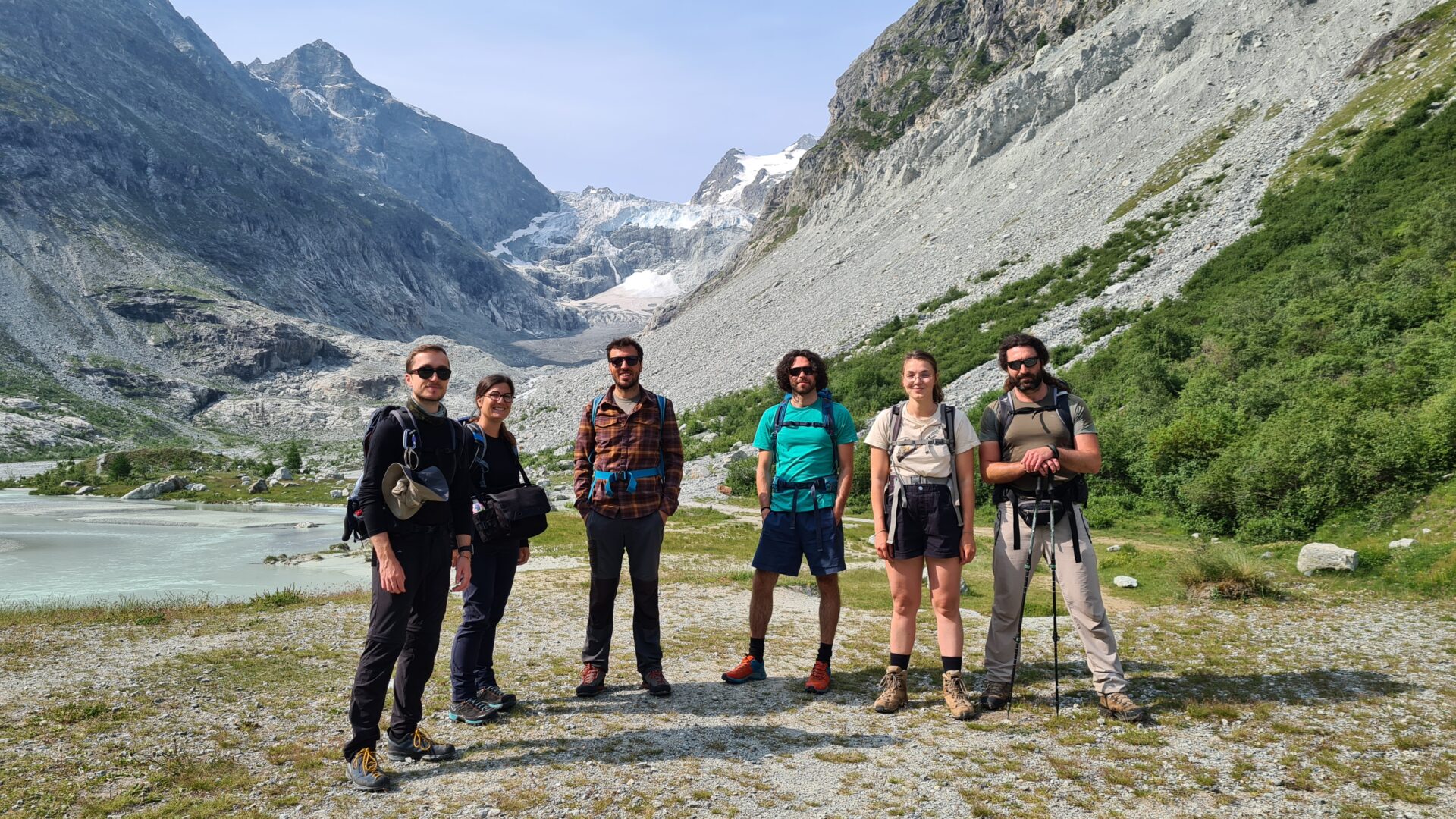
    In the field, the members of the Biodiversity Change Group are studying and documenting the impact of glacier retreat on biodiversity and ecosystem. Meet the group.


    “It may seem counter-intuitive, but glaciers and their surroundings provide very favourable conditions for biodiversity,” explains Gianalberto Losapio, PI at the Institute of Earth Surface Dynamics from the Faculty of Geosciences and the Environment (FGSE). “With the disappearance of glaciers, we are losing plant species, some of which may have strong medicinal potential, but also the fauna such as pollinators and predators associated with them”.

    With his Biodiversity Change research group, Gianalberto Losapio is spending part of the summer in the field at Ferpècle in Valais, documenting and studying the impact of glacier retreat on biodiversity and ecosystem functions. For several weeks, Bachelor and Master students, doctoral candidates and scientists from various countries are carrying out insect and plant surveys, analyzing soil and gas emissions, and parametrizing models to predict the distribution of species and conserve biodiversity.

    “Overall, we know that melting glaciers initially lead to an increase in biodiversity, with the arrival of pioneer plants and the colonization of insects. But over time, only few competitive species gain the upper hand such as larches and rhododendrons which ultimately dominate the scene”, explains Losapio. “This mechanism is already clearly visible to the nake eye. One of the missions of our group is to study ways of preserving this biodiversity”.


    This is the case of Luca Eiholzer, who is doing a master’s degree in environmental sciences at the FGSE. Equipped with a square meter and a GPS, he lists the presence/absence of targeted species – i.e. bioindicator species such as trees, moss, etc.– in around a hundred randomly distributed points in the proglacial margin. This data is then used to draw up an assessment of the current situation and projections for the distribution of species, with the help of machine-learning algorithms. “We hope that this information will be useful for the authorities, helping them, for example, to define areas to be protected. At the same time, being out in the field allows me to come face to face with the difficulties of collecting data. It’s very instructive.

    ”Eléa Pierre, a Master student specializing in geosciences, ecology and the environment, is interested in the influence that the presence of livestock can have on glacier margins. “I’m carrying out plant surveys around the Zinal, Arolla and Ferpècle glaciers,” she explains. “The idea is to compare changes in biodiversity depending on whether or not there is grazing around the glacier.
    There is a lot of uncertainty around the effects of livestock in these novel ecosystems.

    But according to our knowledge, large herbivores shape their environment, and not the other way round, through their diet, their dropping, trampling and their general behavior. These data could therefore be used to develop different conservation scenarios for sustainable management as these pastures are currently used by local population”.”


    Preparing for professional life

    Data collection generally lasts all day and is carried out by around fifteen people. The members of the group then meet up in a refuge, where they have their meals and spend the night. “Fieldwork is a great experience because, even though everyone is working on a specific project, we can talk to other researchers, help each other and work together,” says Eléa Pierre. Gianalberto Losapio adds: “We want the projects to be carried out independently, from start to finish. The idea is to prepare students for professional life.”

    Art meets science

    The work and research carried out at Ferpècle also include an artistic component. Gianalberto Losapio is collaborating with visual artist and artistic researcher Maëlle Cornut, who is following the group in the field. Funded by Pro Helvetia and the Swiss Polar Institute, the art-science project, which will run for almost two years, focuses on the consequences of the extinction of glaciers on ecosystems, but also addresses broader concepts such as ecofeminism, ecology decolonization and climate justice. It will include videos superimposing micro images of plants and insects and landscape images to show the interconnections between the various scales. “So far, we’ve done a lot of research and shared our practices and ideas. I’ve now started the production phase, installed several cameras traps, and the concrete part of the project is about to begin”, she explains.

  • The University of Lausanne and the Natural History Museum of Geneva receive samples of the famous asteroid Ryugu for their scientific research

    The University of Lausanne and the Natural History Museum of Geneva receive samples of the famous asteroid Ryugu for their scientific research

    Johanna Marin Carbonne (FGSE) and Nicolas Greber (MHNG)

    Scientists from the University of Lausanne (UNIL) and the Museum of Natural History of Geneva (MHNG) have been selected by the Japanese Aerospace Exploration Agency (JAXA) to work on two samples of the asteroid Ryugu, one of the most primitive objects in the solar system.

    The specialists have one year to analyze the chemical composition of these samples, which arrived in Lausanne recently. Their study aims at a better understanding of the water and sulfur cycle in the early solar system.

    • Ryugu is a witness of the time when the solar system and the planets were formed.
    • The samples, taken directly from the surface of the asteroid, are in a unique state ofpreservation.
    • Ryugu is a mine of information and it could help to lift the veil on fundamental questions suchas the formation of the solar system and the origin of life on Earth.
    • The UNIL and the MHGN will study the evolution of sulfur and the nature of water on Ryugu.They will contribute to the question of the origin of water on our planet.

    In 2020, the Japanese space probe Hayabusa 2 brought back to Earth 5.4 grams of the asteroid Ryugu, located at nearly 300 million kilometers from Earth. This exceptional celestial object, rich in carbon and with a diameter of 900 meters, is one of the most primitive in the solar system.

    Echantillon Ryugu (photo credit: Jaxa)

    Many studies are underway around the world to analyze the composition of Ryugu and to trace its evolution. The first studies have already delivered groundbreaking results, and scientists are going from discovery to discovery. The last one revealed that on Ryugu, the necessary building blocks for life are available. The future research should allow to lift the veil on fundamental questions concerning the constitutive elements of the solar system – which also make up the earth – or the appearance of life.

    At the University of Lausanne (UNIL), specialists from the Faculty of Geosciences and Environment, in collaboration with the Natural History Museum of Geneva, will contribute to the study of two asteroid samples entrusted by the Japanese Aerospace Exploration Agency. The scientists will analyze small mineral grains, about 50 to 500 micrometers in size. For comparison, the thickness of a human hair is about 80 microns.

    The measurements will be performed with the SwissSIMS ion probe, a very powerful analysis instrument unique in Switzerland and installed at UNIL as part of the Advanced Center for Surface Analysis (CASA).

    Did asteroids bring water to Earth?

    “Originally, Ryugu was formed by condensation of dust and ice,” explains Johanna Marin Carbonne, co- director of the research, and professor at the Faculty of Geosciences and Environment of UNIL. “Then the ice melted, and fluids started to flow on the surface of the asteroid. With our team, we will study the composition of the rocky part of Ryugu, and how it was altered by the passage of the fluids.”

    Scientists will focus on the analysis of two minerals: sulfides and apatites, which are rich in volatile components (elements with a low boiling point) such as chlorine, sulfur or fluorine. These analyses should give valuable information on the initial composition of sulfur on Ryugu, and by extension, that of other elements in the solar system, as well as on the nature of the fluid that passed through Ryugu.

    “We will try to reconstruct the composition of the oldest water on Ryugu and to see if the chemical signature of this water is comparable to that found on our planet,” says Nicolas Greber, co-initiator of the project and researcher at the Museum of Natural History in Geneva. “One of the major underlying questions is whether or not the asteroids brought the water to Earth,” he says.

    Two Swiss projects selected

    In Switzerland, two projects have received Ryugu grains for this round of sample allocation. The joint project UNIL & MHNG, and the one of ETHZ, led by Professor Henner Busemann. “It is an invaluable chance to be able to study these samples”, rejoices Johanna Marin Carbonne from UNIL. “There are meteorites on Earth of the same family as Ryugu, but they have been altered by time and by the passage through Earth’s atmosphere during their fall. In this sense, the Ryugu samples are unique”.