Author: Géoblog

  • Evaluating Environmental Drivers of Late Permian to Early Triassic Marine Biotic Events Using Multiple Geochemical and Isotopic Proxies

    Evaluating Environmental Drivers of Late Permian to Early Triassic Marine Biotic Events Using Multiple Geochemical and Isotopic Proxies

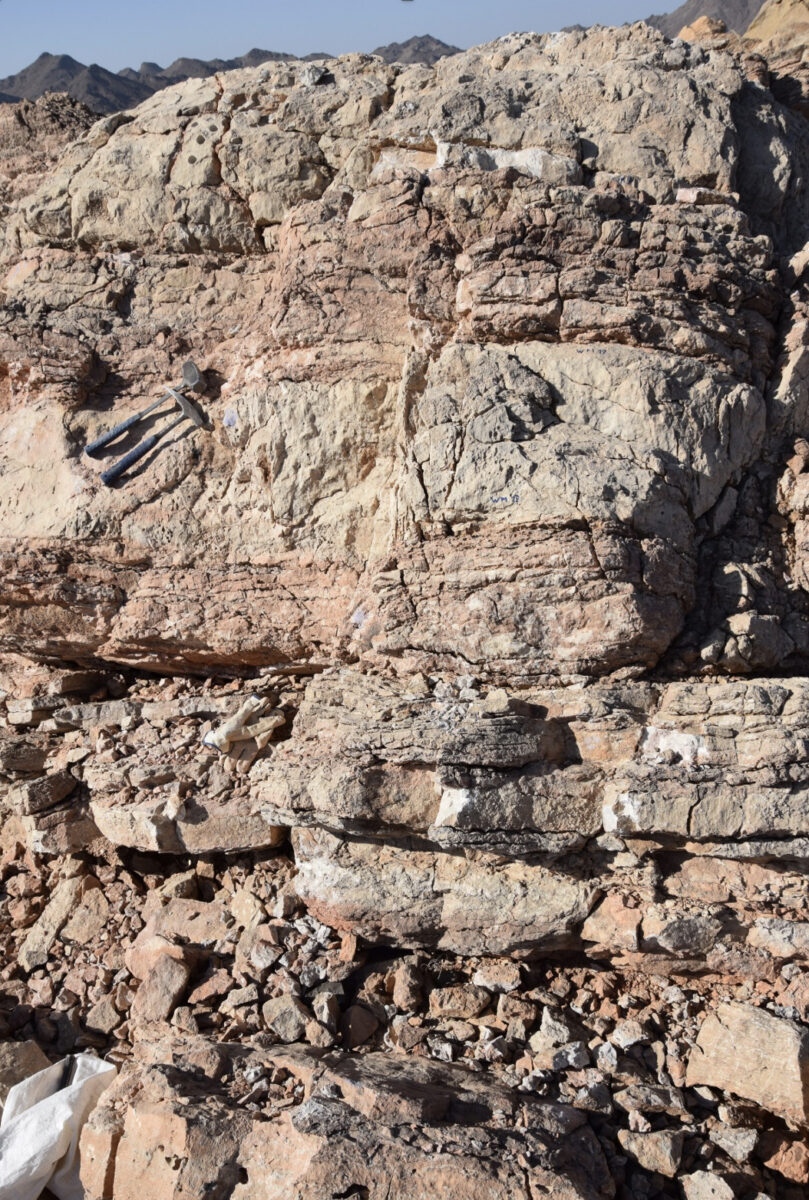
    Picture showing the Wadi Musjah, Oman sedimentary section where some of the samples studied in this thesis were collected. 

    Thesis defended by Oluwaseun Edward, November 29, 2023 – Institute of Earth Surface Dynamics (IGD).

    Studying historical marine environmental and climate changes is important for predicting future changes and improving our understanding of how quickly they would occur, as well as their spatial distribution. This thesis focuses on marine environmental changes connected to the mass extinction of animals in the oceans between the end of the Permian Period 252 million years ago (Ma), and during the Early Triassic Period (251.2 Ma – 247.2 Ma). Although still being discussed by scientists, changes in the environment and climate during this time are often linked to massive volcanic activity during the formation of the Siberian Traps Large Igneous Province (STLIP).

    The aim of this research is to further the understanding of what caused the changes in the marine environment, when exactly the changes happened, and how these changes affected life in the oceans. This thesis approaches this aim by discussing the following 3 points:

    1. the timing and origin of volcanic activity during the end of the Permian and beginning of the Triassic,
    2. how oxygen availability in the oceans changed during the Early Triassic,
    3. how ocean temperatures varied during the Early Triassic.

    For this research, records of different elements found in sedimentary rocks that were deposited in the oceans between 252 Ma and 247.2 Ma, but which can be found today in South China and Oman are used. We can use these records because the abundance and isotopic composition of chemical elements usually change due to different physical, chemical, or biological processes in the environment. Therefore, because we know which processes will change these elemental and isotopic records, and what direction this change will take (i.e., increase or decrease), we can use the changes to interpret what processes were happening in the oceans at the time that the rocks were formed. For example, the abundance and isotopic composition of mercury (Hg) measured in sedimentary rocks can be used to trace the occurrence and source of volcanic activity. Also, sulfur (S) and oxygen (O) isotope compositions of sulfate found in carbonate rocks can be used to trace the availability of oxygen in ancient oceans.

    The results from this thesis show that frequent and long periods of volcanic activity at the end of the Permian Period occurred only after the mass extinction of animals in the oceans and that these volcanic eruptions were from volcanoes that were more nearby than the Siberian Traps. Also, the results show that there is no reliable evidence that STLIP volcanism was the reason for changes in the oceans during the period of the Early Triassic that was studied. In addition, oxygen contents in the oceans kept decreasing in the Early Triassic between 250.4 Ma and 249.3 Ma. However, during this time, the diversity of animals in the oceans decreased sometimes but increased at other times. Also, seawater temperatures both increased and decreased over this period.

    From these results, it is concluded that volcanic activity from more nearby volcanoes in the studied area was more influential in causing marine environmental changes during the time interval studied than was previously thought. Furthermore, the variations in the diversity of marine animals were probably not only controlled by oxygen content of the oceans and changes in the temperature of seawater. Therefore, more research needs to be conducted to determine the main factor that controlled the abundance and diversification of marine animals during the Early Triassic.

  • Unravelling the heat budget of the Lepontine Dome: Interdisciplinary geological, petrological, thermodynamic and geochronological study of shear zones

    Unravelling the heat budget of the Lepontine Dome: Interdisciplinary geological, petrological, thermodynamic and geochronological study of shear zones

    Thesis defended by Alessia Tagliaferri, December 6th, 2023 – Institute of Earth Sciences (ISTE).

    The Lepontine area constitutes the core of the Central European Alps. It has a dome structure and it is internally formed by rock units which register pressure and temperature conditions typical of collisional orogens. The temperatures recorded by minerals are high (around 600-650 °C) and the origin of the heat that affected the Lepontine units is still unclear. 

    In this thesis we implemented multiple branches of geology to study the contribution of different sources of heat to the overall heat budget of the Lepontine dome. Our study revealed the age of the Alpine events which juxtaposed the Lepontine units, their provenance and their evolution.

    We simulated the piling up of rock units with numerical models. These models show that heat was mainly transported by the movement of rocks and conduction acted simultaneously.

    In the field, we performed extensive geological mapping to define lithologies and structures of rocks. Fieldwork permitted us to discover new rock units and better characterize the transition between the large-scale units constituting the Lepontine dome. From 13 samples, we extracted 1158 zircon crystals that we analyzed and dated using U-Pb technique. We propose a geodynamic scenario involving a major Alpine large-scale unit which moved over a shear zone during rocks exhumation. The emplacement of this unit generated the main heating event at 31-33 Ma, which is widespread and resulted in peak temperature conditions. Locally in the south we document magmatic/fluid injections at 22-24 Ma, that sourced from still-hot regions in the roots of the orogen.

    The thermal evolution after the main heating event was regionally complex and spatially heterogeneous. We studied the cooling history at conditions close to the peak (around 31 Ma) in 6 samples. The rocks cooled very fast (above 100 °C/Myr) within the main shear zone and cooled slowly (2 °C/Myr) in the core of the Lepontine dome. The high cooling rates within the shear zone are indicative of a short-term heat production during peak, which we associate with heat produced due to friction during the emplacement of the main Alpine unit.In conclusion, the movement of the major large-scale unit caused heat transported with it and local heat production due to friction at its base, which contributed to the Lepontine heat budget together with conduction.

  • Using rock surface luminescence dating to understand the dynamics of a glacier: a new approach initiated this summer at the Mer de Glace

    Using rock surface luminescence dating to understand the dynamics of a glacier: a new approach initiated this summer at the Mer de Glace

    This summer, three young scientists including Léa Rodari (student of the master in Environmental Science) went to the Mer de Glace (Chamonix, France) to extract icebound rocks.

    Their aim is to measure the time during which these rocks have passed through the glacier, using rock surface luminescence dating. This fieldwork marks the first step in a novel approach to directly quantifying the movement of ice and the objects it contains.

    Glaciers are not inert objects. Their mass is constantly moving from top to bottom, under the effect of gravity. With melting due to global warming, we are currently finding all kinds of debris, material – even human remains – at the end of the glacier tongue. Most often these objects were buried well upstream and were transported down with their surrounding ice. But how long did it take for these particles to make their journey and remain buried in the ice? Currently the evaluation of glacial dynamics (= speed of movement of the glacier) is mainly based on theoretical data and numerical models. Prof. Georgina King and her team are seeking direct observations of the glacier’s movement. To do this, she intends to determine the duration of burial of rocks that have been buried within the glacier, until their re-appearance in the open air. This new approach to the study of glacial dynamics is based on applying the luminescence dating technique to minerals contained in rocks. 

    The idea for the project comes from the fact that, although we know a lot about glaciers, we don’t know how long it takes to transport fragments within them, and that is because there were no methods available that you could use to really measure that.

    Glacier movements can have consequences for the downstream water regime (e.g. flash floods) or for the stability of glacier margins, for example. It is therefore important to understand glacier dynamics in order to better anticipate these risks.

    The first stage of this research took place this summer at the Mer de Glace above Chamonix (France). Léa Rodari student of the Master in Environmental Sciences and Audrey Margirier (post-doctoral fellow at the Institute of Earth Surface Dynamics – IDYST) shared their field experiences in this landscape that is both magnificent and physically and technically demanding.

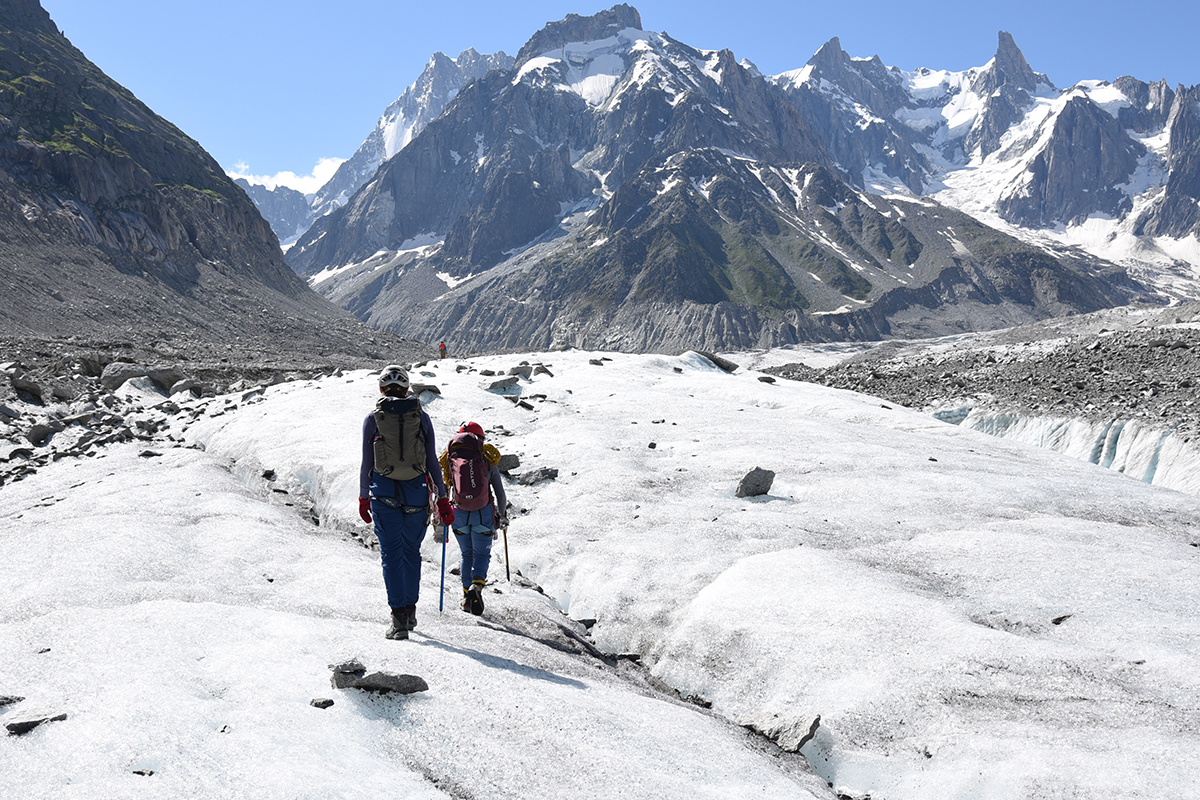
    The first challenge of this expedition was to find interesting sites in the middle of the immensity of the glacier tongue, covered with rocky debris. The young scientists walked for two days to spot potential samples. One of the main difficulties was to distinguish the recently fallen rock debris from the summits from those that had stayed within the ice. In order to circumvent this pitfall, they took the option of concentrating their research on steep slopes (bordering crevasses or the supraglacial river,) which are free of debris that had fallen from the summits (i.e. where it was certain that the debris were englacial). The second challenge was to access these samples trapped in the ice cliffs.

    Sometimes we spotted an interesting rock on an ice slope in front of us, but we didn’t see it at all once we got to the top of the cliff, the wall being too vertical. Several times we had to rappel “blind”.

    Audrey Margirier

    The rocks extracted from their surrounding ice were directly packed in opaque black bags to protect them from daylight, which interferes with the luminescence analysis. These samples were then prepared in the laboratory: cores were cut from the surface of the rocks, then sliced into thin 1mm discs. These operations were carried out in red light so as not to disturb the luminescence signals of the minerals in the rock.

    Prof. Georgina King explains what luminescence in rocks is

    Luminescence is the emission of light by minerals contained in rocks. The reason for this light emission is that these minerals, over time, have been exposed to radiation emitted by surrounding minerals, causing electrons to shift and become trapped in defects within the mineral. Exposing these samples to light of a certain frequency or color in the laboratory (in this case, blue or infra-red light), causes these electrons to return to their original orbit. This movement is accompanied by the emission of light of a different color, which can be measured. The amount of light emitted corresponds to the time during which the samples remained buried in the glacier, and therefore to the time it took the glacier to transport these rocks into the ice.

    It now remains to perform the luminescence analyses. This work will determine the duration of burial of the rock (time during which it was plunged into darkness within the glacier). The team is excited to get the first results to compare them with the values used so far. Georgina King concludes :

    We hope that the values we obtain will agree with the values predicted from numerical models. Otherwise, we will have some interesting discussions with the glaciologists to identify where the differences lie.

    Georgina King
    View of the Mer de Glace glacier with the Mont-Blanc massif in the background

    Going into the field involves risks

    They are quite high in this particular case, and required appropriate measures that were effectively put in place to ensure smooth operation. The FGSE has drawn up a guideline and a process to enable scientists going into the field to prepare their outing and assess the risks involved (preliminary risk assesment). External resources for information on the nature of the terrain are also mentioned (e.g. WSL-natural hazards for excursions in Switzerland).

    In the case of this research involving work on a glacier, people going out on site must undergo an appropriate prior training especially if they have no or weak previous practical experience on this field and its constraints (snow cover, crevasses locating, wheather analysis and monitoring etc.) use of equipment (proper use of crampons, ropes etc.) In this particular case, lone working is outlawed: as a precaution, activity on the glacier must involve the simultaneous presence of at several people, as this team of three scientists. 

    So even though the images may reflect an idyllic landscape, and “fun” activities, this fieldwork, like all others, required a very meticulous preparation and prior training to ensure that risks are minimized in terrain conditions which, as the images show, are very demanding for participants. Risk is always present, even for experienced and well-equipped people, and must be a constant concern, both for others and for ourselves.

    Directive FGSE sur la sécurité du travail de terrain

  • Deciphering Complexities of the Organic Carbon Cycle in the Smithian and Spathian Substages of the Early Triassic

    Deciphering Complexities of the Organic Carbon Cycle in the Smithian and Spathian Substages of the Early Triassic

    Thesis defended by Franziska Blattman – September 19th, 2023 – Institute of Earth Surface Dynamics (IDYST).

    This thesis focuses on gaining a better understanding of organic carbon cycle perturbations following the Permian-Triassic mass extinction (PTME). The PTME took place roughly 252 million years ago and is considered the largest extinction in Earth’s history due to its incredibly high loss of fauna. The Early Triassic is the epoch following the PTME and it is marked by delayed biotic recovery and major carbon cycle perturbations.

    The carbon cycle is the amalgamation of a multitude of processes by which carbon moves through the Earth system. It involves the transfer of carbon between living organisms, the atmosphere, soil, ocean, and geosphere, which are also referred to as carbon pools. Carbon can exist in different forms, including carbon dioxide, organic matter, and inorganic carbon. The transfer of carbon between different pools is essential for regulating the Earth’s climate and supporting life on our planet. When the carbon cycle is disrupted, it can lead to significant changes in the Earth’s climate and ecosystems. By studying past carbon cycle perturbations, particularly in occurrence with mass extinctions, one can gain insight into how the Earth’s climate and ecosystems responded to such disruptions. This is relevant as it can help predict and potentially mitigate the effects of ongoing and future climate change.

    Carbon cycle perturbations are evidenced today as well as in the geological past through carbon isotope fluctuations. Isotopes are defined by the different numbers of neutrons in the nuclei of an element. The stable carbon isotopes are 12C and 13C. 12C is the most common and the lighter isotope of carbon, while 13C is rarer and heavier as it contains one more neutron. This difference in weight will result in preferential incorporation of 12C over 13C in chemical reactions such as photosynthesis. During photosynthesis, when living organisms take up carbon dioxide (CO2) from the atmosphere to form sugars (i.e., organic carbon), the lighter 12C is more likely incorporated. This creates a signature 13C to 12C ratio, which is referred to as δ13C. This preferential uptake is called fractionation and this process allows carbon isotopes to be used to trace origin, fluxes and relationships between the various carbon pools within the carbon cycle.

    My thesis focuses on the Smithian and Spathian substages of the Early Triassic approximately 2 million years (My) after the PTME and spanning a time interval of about 2.5 My. Past work has shown that the transition from Smithian to the Spathian is marked by a global δ13C positive excursion, a change from a hot house to a cold house world, biological radiation and extinction pulses of marine organisms, and a shift in terrestrial vegetation. The results of my thesis further our knowledge by showing that carbon sequestration from the atmosphere to slower cycling pools, such as the deep ocean, was happening earlier and more rapidly than previously thought. Marine and terrestrial systems seem to have contributed differently to the global carbon cycle via emission and sequestration of atmospheric carbon at separate times during the studied interval. This is indicated in differences between δ13C values of terrestrial and marine pools. These differences can be linked to various mechanisms influencing the production, preservation, and destruction of organic carbon. These include primary productivity, which is coupled with the nutrient cycle, biotic and abiotic factors controlling organic matter preservation in sediments and soils as well as physical factors such as oceanic circulation, which are linked to temperature. The terrestrial carbon cycle varied likely due to the change in dominant vegetation, the increased storage of carbon in soils via the hypothesized formation of permafrost soils, and the decrease of soil organic matter decomposition. In the marine system the efficiency of the biological carbon pump determined carbon sequestration in the deep ocean and marine sediments. The biological carbon pump refers to the process by which marine organisms facilitate the transfer of carbon from the surface to the deep ocean.

    To summarize, the findings of this work reflect an irreversible change of the carbon cycle across the studied time interval in both marine and terrestrial environments. The observed changes of the carbon cycle are intertwined and have positive feedback mechanisms with other biogeochemical cycles and temperature. As with most research more work needs to be conducted to better constrain the global change. 

  • In search of other environments: permaculture through the prism of mesology in Switzerland and Japan

    In search of other environments: permaculture through the prism of mesology in Switzerland and Japan

    Thesis defended by Leila Chakroun – September 20th, 2023 – Institute of Geography et Durability (IGD).

    Although increasingly contested, modern dualisms still permeate our ways of living, organizing ourselves collectively, planning our territories and producing our food. What new approaches could help dislodge these dualisms from their dominant position, and the role they play in the ecological and human threats brought about by the Anthropocene? This research proposes a dialogue between mesology and permaculture, both of which call for a transformation of the sense of human relations to the Earth, each with use specific tools. Through the prism of the conceptual framework of mesology, this thesis examines the modes of existence and the modalities of engagement that permaculture initiates in Switzerland and Japan. Those countries represent an interesting constrast, as, while each having very different philosophy of nature and territorial history, are both facing the ecological limits of the globalized conventional agricultural system.

    Mesology, the approach of human milieu developed by the geographer Augustin Berque, attempts to go beyond the modern paradigm and unfolds through radically relational concepts: milieu, trajectivity, mediance. As for permaculture, it stems from a citizen’s impulse to experiment with ecological, even ecosystemic, cultivation practices, and prefigures nurturing landscapes that are openly at odds with the principles of modern agronomy and the values of the capitalist system. In order to articulate their respective quests for other milieus to thrive, and to shed a light on their existential underpinnings within this system, I draw upon the critique of capitalist axioms developed by the heterodox economist Christian Arnsperger and his concepts of existential lucidity, critical acceptance and existential activism.

    The aim of this thesis is threefold:

    1. to explore and conceptualize a attitude of the self that handles the tension between reconnection to the milieu and disconnection from the system, in other words, that demonstrates trajectivity and critical acceptance;
    2. to highlight what, in permaculture, is akin to this attitude of the self, and how the latter reveals itself to be a driving force behind the transformation of milieus;
    3. to capture the varying meanings of permaculture and highlight the diversity of landscapes it hence inspires.

    The methodological approach is a mesography – a mesological ethnography – in the two national contexts of Switzerland and Japan. It consists of a qualitative study combining long periods of immersion and participant observation on about thirty sites and within various associations, with semi-structured interviews with fifty pioneers and/or project leaders.

    The main contributions of this research are,

    1. to narrate permaculture in a new way, thanks to “stories of milieus” that make it possible to jointly capture – in a mesographic way – both life trajectories and place trajectories;
    2. to narrate, through “stories of landscaping frictions”, the opportunities and obstacles that each cultural context brings to the (re)development of territories;
    3. to locate the emergence of “mesological self” in the interplay between the existential critique of the dominant system and the reconnection to the living. 

    This thesis shows that the quest for other milieus through permaculture motivates existential transitions and, trajectively, the emergence of “other” places – or heterotopias – through landscape transformations.

  • Production, circulation and application of scientific knowledge: forest hydrology and policy-making in Chile

    Production, circulation and application of scientific knowledge: forest hydrology and policy-making in Chile

    Thesis defended by Astrid Oppliger Uribe – February 23th, 2023 – Institute of Geography & Durability (IGD)

    Forests and plant communities play a key role in regulating the hydrological cycle. During the last decades, forest plantations of Eucalyptus species – or Pinus and Acacias – have become predominant in the landscapes of many countries and raised concerns about their detrimental effects on water availability. The phenomenon has become a controversial subject. Such is the case in Chile, where, despite the existence of a wide range of international and national forest hydrology studies, the issue remains somehow contested. As scientific knowledge plays a key role in the development of societies, by providing, for example, the basis of knowledge for decision or policy-making, the science of forest hydrology – which studies how water flows through forests and vegetation communities – might help to understand such contestations of environmental knowledge.

    This investigation was initiated to understand the science of forest hydrology, and whether or not in its social production, circulation and application of knowledge it was possible to find reasons for these water and forest contestations. To address this, the investigation draws on three bodies of literature:

    1. forest hydrology science,
    2. science studies,
    3. political ecology.

    Empirically, this research is based on three field campaigns in Chile, South Africa and Australia. The research method is structured in three phases. First, it draws on a systematic literature review on Eucalyptus trees – from forest hydrology studies of these three countries. The second and third phases of the research focus on Chile. Inspired by works interconnecting science studies and political ecology, the research operationalises the “field theory” and the “advocacy coalition framework” as theoretical tools to analyse the social production, circulation and application of scientific knowledge of forest hydrology, its governance, and policy-making. In this regard, the forest hydrology science and policy of the Forest Plantation Protocol (FPP) in Chile are taken as a case study.

    Results are presented in three chapters.

    First, results demonstrate that most scientific studies confirm that Eucalyptus trees have higher water use rates than other land covers such as native forests or scrublands, agriculture, grassland, wetland vegetation, and other plantation tree species such as Pinus radiata or Acacias. These hydrological results hold irrespective of whether the Eucalyptus trees are present as native or non-native trees. The review suggests that variations and nuances in these findings may result from variations in the study design, notably on bio-environmental and forest management factors.

    Second, the investigation on the production and circulation of knowledge in the forest hydrology field reveals the presence of knowledge producers from academia, government and forestry companies. These actors contribute and contest knowledge in different ways. Some high-level governmental actors claim not be aware of the existence of forest hydrology research in the country. Other researchers for their part, acknowledge the existence of several forest hydrology studies and the effects of forestry plantations on water resources, but some challenge the legitimacy and scientific authority of these forest hydrology studies in different ways. The investigation shows the existence of two scientific trends or approaches within the forest hydrology field: the ecosystem approach and the forestry hydrogeology approach. It also demonstrates that external political-economic relations within which the field is embedded, shape the production and circulation of the forest hydrology knowledge, and some of its practices challenge its relative autonomy.

    Third, the research on the circulation and application of forest hydrology knowledge in the policy-making of the FPP demonstrates that the knowledge listened to is a combination of forestry hydrogeology and ecosystem science approaches. Both approaches correspond to two opposing coalitions on water and soil regulation issues in the FPP: forestry industry versus governmental actors, and each of their allies. Most of the invited academics supported the industrial coalition, as did some governmental actors. It is demonstrated that some academics deny knowledge and generate doubt on certain issues. Despite this, it is demonstrated that scientific knowledge played a role in the policy production through the circulation and the application of scientific articles to support the policy outputs. Paths to policy change, are a combination of external events (fires in 2017), some learning and a process of negotiation where socio-economic criteria are also applied. The research also shows that external events can relatively shift the balance of negotiation powers, as well as that previous policy or agreements can strategically establish negotiation margins of the policy outcomes.

    This theoretical and empirical investigation contributes to the literature in three ways. First, it contributes to understanding forest hydrology discussions. Second, it empirically and geographically furthers research in political ecology and sciences studies working on production, circulation and application of environmental knowledge. Third, it contributes to the work of political ecology and science studies by operationalizing the concepts of “the field theory” and the “advocacy coalition framework”, highlighting the role of scientific knowledge, its governance and role in policy-making.

  • Hydrologic processes analysis in a high Alpine catchment: the case of the Vallon de Nant

    Hydrologic processes analysis in a high Alpine catchment: the case of the Vallon de Nant

    Thesis defended by Anthony Michelon – January 26th 2022 – Institute of Geography & Durability (IGD)

    High elevation headwater catchments play a key role in the Alpine water cycle. However, the ongoing increase of mean temperatures induces a shift in precipitation phase, with more precipitation falling as rainfall, and less snowpack accumulation. The overall consequences on the hydrologic dynamic are a shift of the timing of annual maximum streamflow to earlier periods, impacting the water resources later in the year when they are the most required. This tendency is well known and already observed. Detailed hydrological studies on snowmelt flow paths are, however, still rare. Accordingly, the approaches developed to include snow in hydrological models suffer from a lack of knowledge about the flowpath processes at work at catchment scale. 

    In this thesis, we proposed to address the question of the flowpath dynamic in such an Alpine environment by studying a small (13.4 km²) snow-dominated headwater catchment of the Western Swiss Alps, the Vallon de Nant. This catchment is one of the few relatively undisturbed catchments (by human water use) in Switzerland and the focus of a wide range of geosciences research. Hydrological research was initiated here with the work on this thesis, i.e. almost everything remained to be done. Accordingly, a starting point was the detailed observation of meteorological processes relevant for hydrology. Although the study area is small, a first question to answer was the impact of the spatial heterogeneity of rainfall on the hydrological response of the catchment. A 12-station (temporary) raingauge network was deployed and measured 48 summer rainfall events. Thanks to the development of new streamflow response metrics, we found that spatial rainfall patterns might play a key role to explain the hydrologic response in small Alpine catchments because of the interplay of variable drainage density, the distance along the stream network to the outlet, and of spatially variable subsurface storage potential. Our conclusion is that a 3-station network (1 station per 0.22 km²) is necessary to capture most of the spatial heterogeneity of precipitation in this catchment. 

    In a second step, the water flowpaths were studied for different hydrological units defined within the studied catchment based on prior knowledge of geomorphology. This study was based on environmental tracers of water, by monitoring the temperature of various subsurface water sources in the catchment (in springs and piezometers) and by analyzing electroconductivity (EC) and the triple stable isotopes of water (δ2H, δ17O and δ18O) for 2861 water samples (mainly springs, stream, rainfall, snowpack). The combination of these tracers showed the predominance of subsurface flow contributions to streamflow throughout the year. Even during the peak of the melt season, when high inputs lead to a complete flushing of the system with recent snowmelt, the snowmelt reaches the stream essentially via subsurface flowpaths. We also detected some continuous inflow to the stream even during winter baseflow and could identify the activation of shallow flowpaths during rainfall events that occur during the melt season. 

    Beyond site-specific conclusions, our detailed analysis of the different tracers shows how they jointly convey information on the dominant processes. Spring water temperature conveys information on local flowpath depth and connectivity. EC data from springs and the main stream can be interpreted in terms of water age and thereby informs about subsurface flow path length. In addition to these two tracers that are impacted by local subsurface properties, stable water isotopes carry the history of the origin of precipitation before it entered the subsurface. They namely inform about the presence of recent snowmelt in streamflow and are thus complementary to temperature and EC. In addition, the rate of isotopic composition variation observed in subsurface water can give additional insights into reservoir size or flow rates. It is noteworthy that for this study, we used the δ-values directly; neither d-excess nor 17O-excess could be interpreted in terms of local-scale hydrological processes. Our hope is that the presented data might, in future research, contribute to understand their value for local-scale process analysis.

    To conclude this thesis and to capitalize on the extremely rich underlying field work, we propose a wide range of recommendations on the instrumentation and sampling of comparable catchments for future work. 

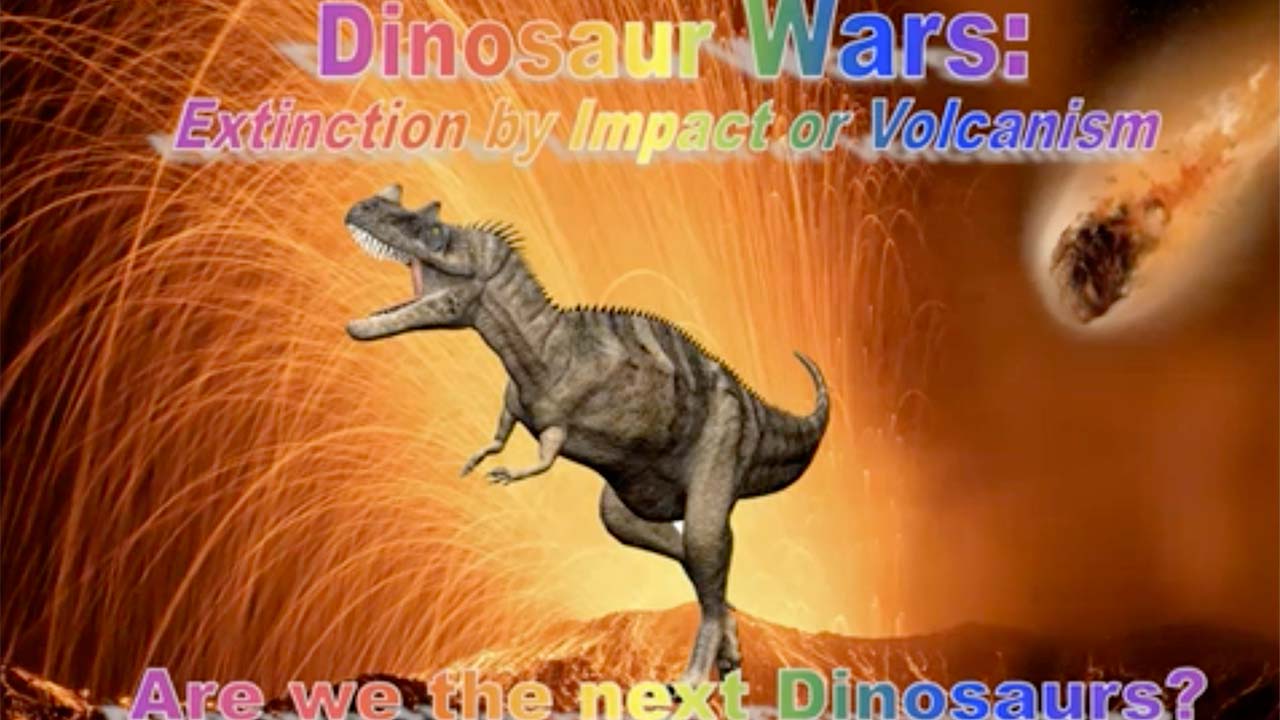
  • Dinosaur wars: Extinction by Asteroid or Volcanism? Are we the Dinosaurs of the 6th Mass Extinction?

    Dinosaur wars: Extinction by Asteroid or Volcanism? Are we the Dinosaurs of the 6th Mass Extinction?

    Gerta Keller, Professor of Paleontology and Geology, Princeton University

    Prof. Gerta Keller’s major research and discoveries ranged from climatic change and its effects on ocean anoxic events, polar warming, Deccan volcanism, comet showers, extraterrestrial impacts. the dinosaur mass extinction the age of Chixculub impact and the 6th mass extinction. Her research frequently challenged accepted scientific dogma and placed her at the center of acrimonious debates fighting for survival of truth-based evidence. All but the cause of the Chixculub impact were soon accepted by scientists and integrated into new research. After four decades, impact proponents stil fiercely defend the impact theory, deny contrary evidence and at best incorporate volcanism as ad hoc revision, proclaiming the impact triggered volcanism that caused the mass extinction.

    Abstract

    For the past 40 years the demise of the dinosaurs has been attributes to an asteroid impact on Yucatan, a theory that is imaginative, popular and even sexy. From the very beginning scientists who doubted this theory were threatened into silence or their careers destroyed by the main theory proponents. Thus began the Dinosaur wars in 1980 – and still continuing.

    As in any war, there are two sides to the Dinosaur wars. The majority believes an asteroid hit Yucatan and instantaneously wiped out 75% of all life including the dinosaurs in a global firestorm and nuclear type winter. A small minority tested this theory and founf contrary evidence that supported Deccan volcanism in India that caused a rapid climate warming due to greenhouse gases (CO2) environmental stress acid rain and ocean acidification culminating in the mass extinctions. This lecture highlights the four decades of the Dinosaur wars, the increasing acceptance of volcanism’s catastrophic effects and likely cause of the mass extinction and the resulting ad hoc revision to accommodate the impact theory.

  • Private sector certification programmes and socio-ecological changes in the cocoa landscapes of Ghana: A political ecology study

    Private sector certification programmes and socio-ecological changes in the cocoa landscapes of Ghana: A political ecology study

    David Amuzu, December 17th 2021, Institute of Geography and Durability (IGD)

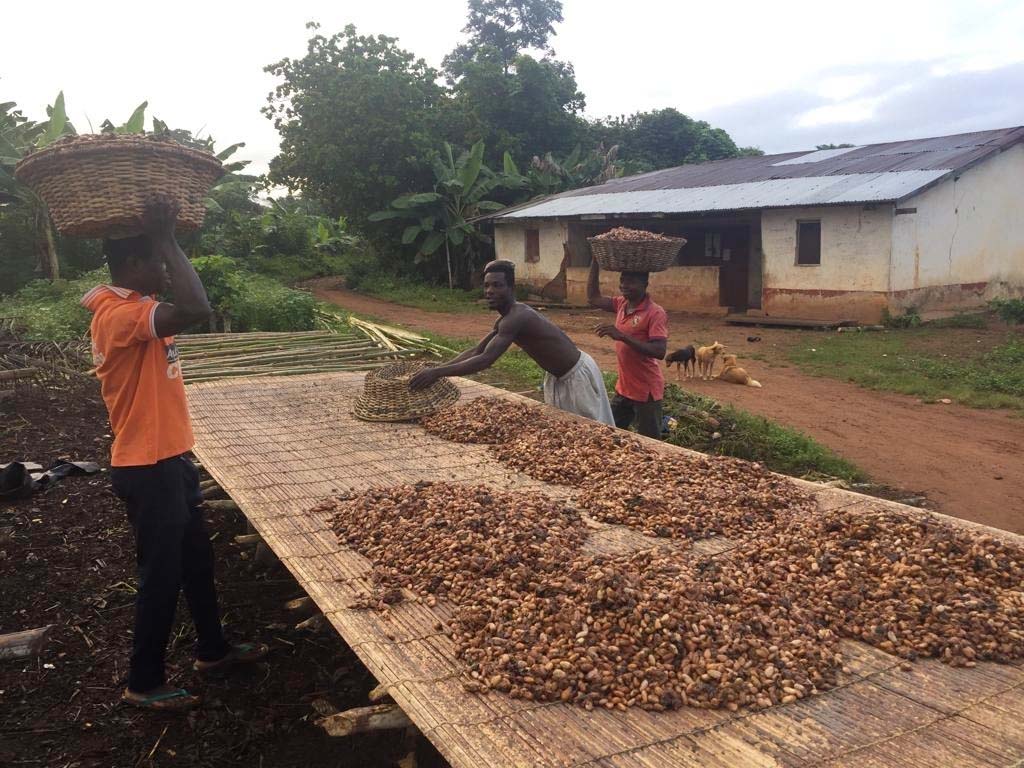
    In Ghana, private sector chocolate firms are operating alongside the state challenging decades of state-controlled cocoa sector. While this alternative market network enables chocolate firms to restore and maintain their market legitimacy in the global value chain, the influence of this new dynamic on local supply chain actors, the state’s strong hold on the sector and the complex rural agrarian communities in Ghana remain unknown. Through the lens of political ecology, this thesis evaluates the power relations between the state, private chocolate firms and smallholder farmers, and the extent to which those relations produce socio-environmental changes in rural cocoa communities of Ghana.

    The main findings are that firms co-opt local agrarian institutions at the initial stage, and then when the certification programme takes roots, they tend to transform and displace local institutions and practises. Also, private sector firm mobilises certification incentives to obfuscate the state’s poor and unsuccessful relations with farmers. At the same time, the incentivisation mechanisms produce altered and uneven distribution of benefits, production and bureaucratic costs, market leakages, environmental theft, unjust gendered labour relations, enhanced labour workloads and exploitation. Moreover, the thesis found and argues that while a firm governs local agrarian context and facilitates smallholders’ access to productive resources and benefits, certain unjust local realities (social practices and conditions) are left undiagnosed and untreated by the certification programme. Furthermore, the thesis shows that farmers’ conservation practises in cocoa farms are shaped by diverse local contextual factors, such as hybrid cocoa tree variety, continuous rehabilitation of cocoa farms, access rights in trees and labour relations, illegal logging, proliferation of small-scale sawmill and timber concessions policies of the Forestry Commission. The persistent influence of these drivers is a result of certain historical and ongoing political and economic forces.

    The thesis concludes that as long as those contradictions about the certification programmes exist, there is nothing sustainable and ethical about the cocoa a firm source from smallholders through this alternative market network. Hence, it is imperative to scale up the benefits, eliminate the burdens and curtail the constraints that mar the “sustainability” aspect of the certification programmes.

  • Elasto-plastic deformations within a material point framework on modern GPU architectures

    Elasto-plastic deformations within a material point framework on modern GPU architectures

    Emmanuel Wyser, December 17th 2021, Institute of Earth Sciences (ISTE)

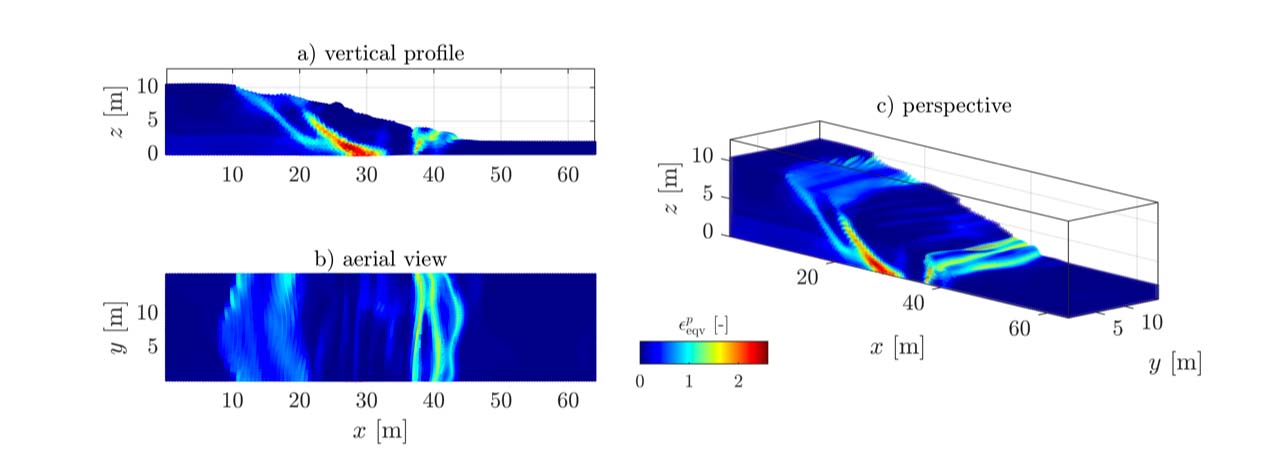
    Plastic strain localization is an important process on Earth. It strongly influences the mechanical behaviour of natural processes, such as fault mechanics, earthquakes or orogeny. At a smaller scale, a landslide is a fantastic example of elasto-plastic deformations. Such behaviour spans from pre-failure mech-anisms to post-failure propagation of the unstable material. To fully resolve the landslide mechanics, the selected numerical methods should be able to efficiently address a wide range of deformation magnitudes.

    Accurate and performant numerical modelling requires important compu-tational resources. Mesh-free numerical methods such as the material point method (MPM) or the smoothed-particle hydrodynamics (SPH) are particu-larly computationally expensive, when compared with mesh-based methods, such as the finite element method (FEM) or the finite difference method (FDM). Still, mesh-free methods are particularly well-suited to numerical problems involving large elasto-plastic deformations. But, the computational efficiency of these methods should be first improved in order to tackle complex three-dimensional problems, i.e., landslides.

    As such, this research work attempts to alleviate the computational cost of the material point method by using the most recent graphics processing unit (GPU) architectures available. GPUs are many-core processors originally designed to refresh screen pixels (e.g., for computer games) independently. This allows GPUs to delivers a massive parallelism when compared to central processing units (CPUs).

    To do so, this research work first investigates code prototyping in a high-level language, e.g., MATLAB. This allows to implement vectorized algorithms and benchmark numerical results of two-dimensional analysis with analytical solutions and/or experimental results in an affordable amount of time. After-wards, low-level language such as CUDA C is used to efficiently implement a GPU-based solver, i.e., ep2-3De v1.0, can resolve three-dimensional prob-lems in a decent amount of time. This part takes advantages of the massive parallelism of modern GPU architectures. In addition, a first attempt of GPU parallel computing, i.e., multi-GPU codes, is performed to increase even more the performance and to address the on-chip memory limitation. Finally, this GPU-based solver is used to investigate three-dimensional granular collapses and is compared with experimental evidences obtained in the laboratory.

    This research work demonstrates that the material point method is well suited to resolve small to large elasto-plastic deformations. Moreover, the computational efficiency of the method can be dramatically increased using modern GPU architectures. These allow fast, performant and accurate three-dimensional modelling of landslides, provided that the on-chip memory limitation is alleviated with an appropriate parallel strategy.

  • Deciphering the Tectono-Metamorphic Evolution of the Monte Rosa Nappe : a Combined Petrological, Structural and Numerical Modelling Study

    Deciphering the Tectono-Metamorphic Evolution of the Monte Rosa Nappe : a Combined Petrological, Structural and Numerical Modelling Study

    Joshua Vaughan-Hammon, 1st October 2021, Institute of Earth Sciences (ISTE)

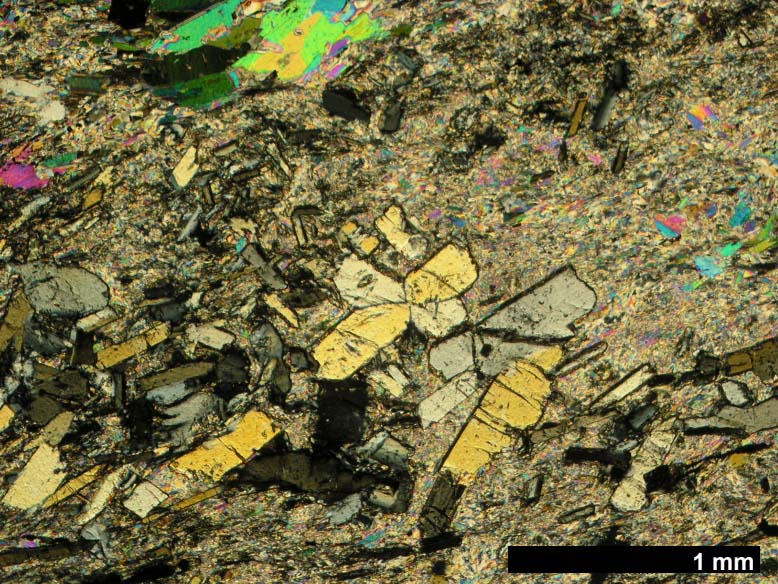
    Mountain building processes have shaped the present-day European Alps. Here, tectonic processes such as collision, subduction and exhumation of the Earth’s crust has resulted in changes in both the structure and chemistry of the rocks involved. Chemical changes in rocks are largely due to changes in temperature and pressure (metamorphism), whereby pressure is commonly assumed to be a function of the depth of burial, e.g. during subduction. Tectono-metamorphic observations from the Monte Rosa nappe (European Alps) have challenged the assumption that metamorphic pressure is solely due to depth of burial.

    Variable pressures are recorded in the Monte Rosa nappe (for the same metamorphic event), and we propose that these disparities are a consequence of local pressure variations during:

    1. periods of high differential stresses, and/or
    2. volumetric changes due to metamorphism.

    A multi-disciplinary approach is presented in this thesis, that combines chemical and structural analysis from portions of the Monte Rosa nappe that are now exposed due to recent climate change, as well as state-of-the-art numerical modelling that simulates the large-scale geological evolution of the European Alps.

    The results of these investigations continue to highlight that local pressure variations likely existed during the Alpine evolution within the Monte Rosa nappe, and that a better understanding of the interplay between metamorphic and tectonic processes is essential to ultimately unravel the tectono-metamorphic history of the Alps.

  • Challenging connectivity during nature-based tourism: (dis)connection at Banff National Park, Canada

    Challenging connectivity during nature-based tourism: (dis)connection at Banff National Park, Canada

    Morgane Müller-Roux, 27th September 2021, Institute of Geography and Durability (IGD)

    Tourism and more precisely tourism’s practices were defined between 1800 and 2000, or more than two centuries ago, as a break with everyday life where traveling and the practice of other places were essential. This distinction between the daily and the non-daily was maintained by the difficulty of maintaining communications and connections with relatives who remained at home. Henceforth, the ubiquity and generalization of the means of communication and information call into question this foundational discontinuity of tourism; this assertion will be discussed and analyzed throughout this thesis.

    Indeed, global mobility coupled with digital technologies raises new issues regarding human relations, which can now be continuously maintained even when people are separated by a great distance. In this context, a new form of tourist practice is emerging: disconnecting from all forms of information and communication technologies (ICT) in order to escape daily life. National parks seem to offer the perfect space for people to get “away from it all”, as the wilderness is becoming increasingly important within the tourism industry precisely because it symbolises a break from the stress of daily life.

    This study, carried out in Banff National Park (Canada) will attempt to illustrate these new ways of dealing with nature. This thesis also highlights the fact that strong tourist imaginaries of nature as well as the use of social networks implies new strategies to capture the materiality of the wilderness and, in the process, creates new ways of engaging with it. Photographic performances are then produced in a very particular way in order to be shared with the rest of the world while still conforming to the imaginary as produced by social media and simultaneously reproducing it. In sum, this work will underline the importance of understanding how the omnipresence of ICTs produces new nature tourism practices.

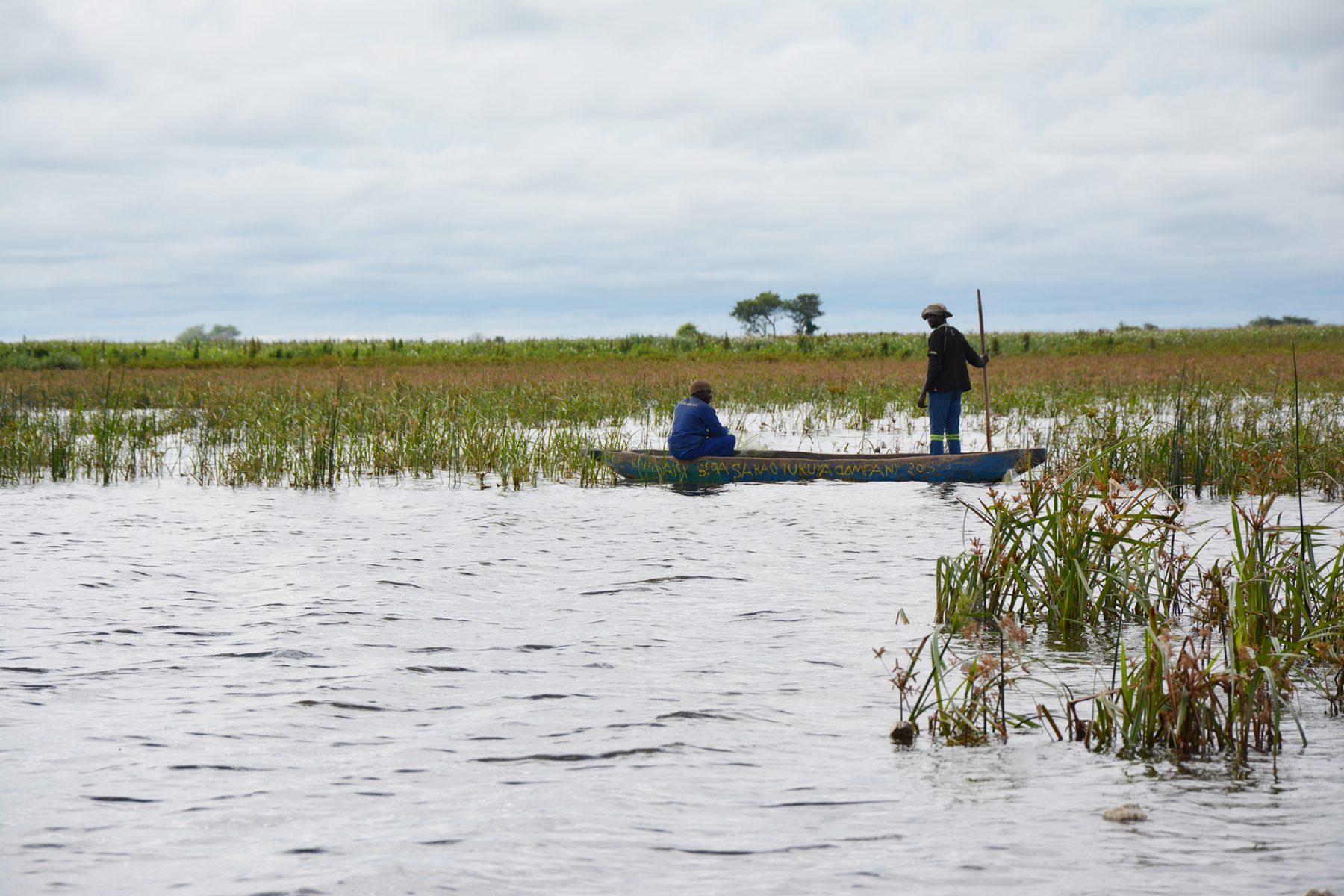
  • A multidisciplinary approach to unravel the environmental and climatic history of Lake Liambezi in the Caprivi, Namibia

    A multidisciplinary approach to unravel the environmental and climatic history of Lake Liambezi in the Caprivi, Namibia

    Anaël Lehmann, May 20th 2021, Institute of Earth Surface Dynamics (IDYST)

    Paleoecology is the study of the history of an ecosystem using sedimentary records. Analyses of the mineralogical, chemical, isotopic and biological composition of the sediment can provide clues on the past environmental conditions of a particular ecosystem. The topic is of particular importance today since many lakes, river deltas or marshlands are subjected to increasing anthropogenic influence related to population growth and a parallel increase in agricultural and industrial activity. In many cases, these ecosystems are of important social, ecological, and economic value to the population living within the watershed of this precious water resource. Wetlands in arid climates represent unique ecosystems and are of major importance for an often specialized flora and fauna. They represent a life-supporting water source in an otherwise inhospitable environment. These environments are, however, particularly fragile ecosystems as they respond sensitively to any climatic or environmental changes.

    The present study focuses on the regions of the Caprivi in Namibia and of northern Botswana. These regions hold the second largest endorheic delta system in the world. This specific landscape is the result of an active tectonic activity related to the East African Rift system and accommodating differential movements between different plates and rigid cratons. It results in a deformation zone called Okavango Graben that presents normal faults all along these two regions. These normal faults affect and control the course of the Okavango, Kwando and Zambezi Rivers and form a complex system of rivers and waterbodies. A minor change in tectonism and faulting can influence the morphology and hence the drainage pattern of the entire system. The Okavango Delta has been described through numerous studies already. In contrast, the region of the Linyanti-Chobe Basin with Lake Liambezi in its middle remains poorly studied or understood. Moreover, studies on the Quaternary climate evolution in northern Namibia and Botswana demonstrated the difficulty to find or target paleo-environmental archives with well-dated proxies and results might show inconsistencies or even contradictions. Therefore, the choice was made to focus on this extraordinary region, showing a high complexity of connection between the different rivers and waterbodies.

    Lake Liambezi has been investigated through a number of sediment cores using a multidisciplinary approach including mineralogy, geochemistry, organic matter composition and a novel use of bacterial DNA populations. A climatic and environmental evolution of the lake and its surroundings is proposed for the last 5400 years BP. This highlighted an alternation of relatively dry and wet periods, and changes in the hydrological lake regime. However, major evolutions and changes in shape and environmental settings of the lake can also be related to the tectonic activity linked to the Okavango Graben. This was supported by the marked presence of thermophilic bacteria. A first sediment record is estimated at about 5420 years BP and is described as the tectonic opening of Lake Liambezi’s north basin. An extension of this basin was likely developed at around 1650 years BP. The second basin of the lake was probably created during the last known tectonic event dated at around 1000 years BP. Successively, the resulting depressions are filled with lacustrine and fluvio-deltaic sediments. The watershed, the climate and the morphology of the site define the environmental conditions of the lake and therefore control the sediment types and content.

    To target paleo-environmental archives with well-dated proxies is challenging, certainly in tectonically active continental systems. The present work demonstrates the relevance of using a multidisciplinary approach in such complex systems. The integrated approach of using multidisciplinary methods does allow for an elaboration of a coherent age model for Lake Liambezi with a coherent environmental and climatic evolution. This approach also demonstrated the potential of using bacterial DNA (total and/or lysis-resistant) to identify changes and variability in the environmental conditions of such an environment. The multidisciplinary approach including characterization of bacterial DNA populations might therefore be developed for future projects in diverse types of environments.

  • Urban Resilience : Towards a Multi-Level Approach to Russian Metropolitan Areas Facing the Economic Crisis of 2014-2016

    Urban Resilience : Towards a Multi-Level Approach to Russian Metropolitan Areas Facing the Economic Crisis of 2014-2016

    Mikhail ROGOV, January 18, 2021 – Institute of geography and durability (IGD)

    Following the Russian involvement in the Ukrainian crisis in 2014, some countries in Europe, North America and Australia imposed economic sanctions towards Russia. These sanctions, along with the devaluation of the national currency and decline of oil prices facilitated internal structural economic problems that resulted in the comprehensive national economic crisis lasting until 2016. In this thesis I aim to understand how Russian cities reacted to this economic crisis and why they were affected differently. 

    Cities develop and maintain in interaction with other cities. Based on the evolutionary theory of urban systems (Pumain, 2006, 2009; Rozenblat, 2010), we argue that cities’ resilience is shaped by the synchronicities of different processes on three urban levels: macro that focuses on inter urban flows creating system of cities; micro focusing on the behavior of individual and collective urban actors; and meso, considering a city as an integrated system between micro and macro. Every level of urban processes has a different adaptation path following diverse shocks, and we argue that synchronicities of these multilevel adaptive dynamics create urban resilience (Rogov, Rozenblat, 2020). 

    Considering the economic shocks of 2014 of a top-down nature, the thesis starts with the construction of inter-urban networks of multinational firms. Using the ORBIS-BvD database on the 3,000 largest corporate networks, the inter-urban linkages were constructed. The firms, both headquarters and subsidiaries, were located in the delimited Large Urban Regions (LUR), encompassing over 80% of all the firms located in Russia. Using the datasets for 2010, 2013, 2016 and 2019 we wondered how a relative position of Russian cities in the global economic networks changed before, during and after the economic crisis of 2014-2016. 

    The analysis of the evolution of the inter-city networks reveals that throughout the last ten years there was a drastic decline of the number of linkages in Russian cities (both intra-urban and inter-urban). However, despite the general shrinkage of the system, we observed the increase of the international linkages and decrease of the intranational. Along with the growing diversity of cities’ connections, it shows stable internationalization of Russian cities and its growing embeddedness into the world economic networks. Visualizing the network of cities (only direct linkages), we demonstrated the increasing role of Western European and Northern American cities in the system, and that during the last ten years they became more embedded in the system by establishing new connections with different Russian cities. Also, we demonstrated the rapid growth of offshore cities, and in particular, Cyprus offshores Nicosia and Limassol. 

    With trajectories of cities, we illustrated that most of the Russian cities declined both strength (in and out weighted degree) and diversity (in and out unweighted degree) of connections, however the proportion of firms in different economic activities did not change for the last ten years. Nevertheless, the largest cities despite of the loss of strength demonstrated growth of diversity, and the proportion of multinational firms shifted towards finance and other service activities. The cities of the North with the very specialized local economy in mining and mineral extraction did not demonstrate a single trend: some of them lost firms of many unrelated sectors and thus became more specialized in terms of a share of mining multinationals in a city; however, others (fewer cities) became more service oriented and diversified.

  • Rediscovered at the bottom of a drawer, a fossil sheds light on how millipede predecessors gained ground

    Rediscovered at the bottom of a drawer, a fossil sheds light on how millipede predecessors gained ground

    The invasion of land by animals, followed by the establishment of complex continental ecosystems, is a critical event in the history of life on our planet. Nonetheless, little is known about most of the pivotal morphological and physiological adaptations imposed by the water-to-land transition, and particularly air-breathing, because the fossil record for early terrestrial animals is extremely scarce. This is particularly true for myriapods, a large group of terrestrial arthropods including centipedes and millipedes, for which almost no record exists of their aquatic to terrestrial evolution. 

    In an article published in the Royal Society Open Science journal, Pierre Gueriau, post-doctoral fellow at ISTE, and his international team enlighten us on this subject by describing a unique fossil dating from the Upper Devonian (370 million years ago). Discovered in the 1970s in Belgium by Professor Édouard Poty during a field camp, and named Ericixerxes potii, or “Poty’s hedgehog king” in honor of its discoverer and in reference to its long and large spines (‘ericius’ designating the hedgehog in Latin), this fossil recently rediscovered at the bottom of a drawer is a strange arthropod belonging to the group of euthycarcinoids.

    Reconstruction of Ericixerxes potii by Christian McCall. 

    Euthycarcinoids are rare fossil arthropods that disappeared during the Triassic, some 250 million years ago. They are as fascinating as they are enigmatic: fascinating because they are considered to be the first animals capable of (at least brief) incursions on land, as early as the Cambrian some 500 million years ago! And enigmatic because for a long time palaeontologists had no idea of their precise position in the family tree of arthropods… until they were finally identified this year as the aquatic ancestors of myriapods.

    With only a single specimen of this new fossil at its disposal, the team used innovative major-to-trace elemental X-ray fluorescence mapping at the Stanford synchrotron to extract as much information as possible from this arthropod about 10 cm long. The distribution of certain metals and sulphur revealed hitherto invisible morphological details: arsenic and copper uncover a pair of chambers most likely involved in subaerial respiration that clearly differs from the tracheal system of modern myriapods, and sulphur unveil shallow-water evaporation structures.

    Photograph of the fossil and maps of arsenic (As), revealing a pair of chambers on the second post-abdominal segment, and sulfur (S), unveiling shallow-water evaporation stains. The colour scale goes from white (low abundance) to black (high abundance).

    This new information provides strong support for an amphibious lifestyle in euthycarcinoids and indicates that different respiratory strategies have been used during the marine-to-terrestrial transition in the myriapod lineage, later replaced by tracheal systems.

    Pierre Gueriau and his colleagues also emphasize the significance of the novel methodological approach used in this work. While X-ray micro-computed tomography is now regularly used to virtually extract hidden internal information in 3D-preserved fossils, it often fails to reveal hidden anatomies in flat fossils such as their specimen of Ericixerxes potii. This study demonstrates, for the first time, the potential of synchrotron X-ray fluorescence mapping for the visualization of new characters in fossil arthropods. This method, so far essentially applied to fossil vertebrates, has potential applications in all fields of palaeontology and provides a new way of extracting anatomical information from a wide range of compressed fossils.

    Reference

    Funder other than UNIL: Part of this research was funded by the France – Stanford Center for Interdisciplinary Studies program.