Author: Géoblog

  • Materialities of Bigness Encountering the Urban Politics of Iconicity with the European Solidarity Centre

    Materialities of Bigness Encountering the Urban Politics of Iconicity with the European Solidarity Centre

    Thesis defended by Clotilde Trivin, February 13, 2026 – Institute of geography and durability (IGD).

    Summary for a wider audience: 

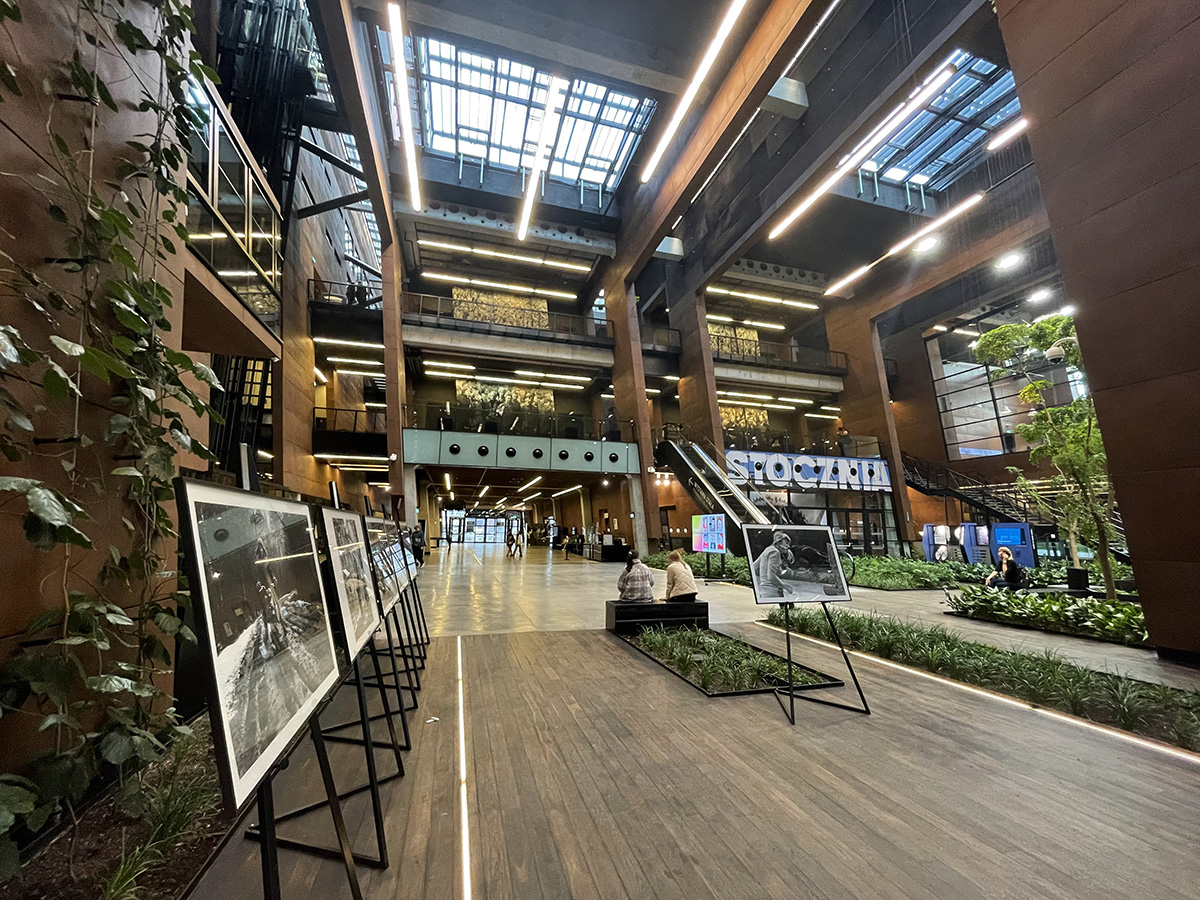
    Across many Western cities, former industrial areas have been redeveloped through striking cultural buildings – museums, galleries and performance spaces designed to symbolise renewal. These projects, inspired by the much-publicised ‘Bilbao effect’, aim to boost local economies and urban identities through architectural spectacle. Yet behind their iconic forms and global visibility lie complex, everyday relationships between people, materials and places. This thesis explores those relationships through the case of the European Solidarity Centre (ECS) in Gdańsk, Poland, an iconic cultural centre sustaining the heritage of the Polish Solidarity movement and built on the grounds of the former Lenin Shipyard where the movement started. 

    The research investigates how the ECS becomes iconic not only through design or reputation but through the practices, emotions and material encounters that sustain it in everyday life. Rather than treating iconic buildings as fixed symbols of success, the thesis examines how they are constantly made and remade through the relations between humans, materials and their urban surroundings. To explore this, I develop the concept of ‘bigness’. ‘Bigness’ refers to the ways iconic cultural buildings expand beyond their physical structure, taking on social, political and emotional weight that connects them to broader urban, national and global processes. It describes how such buildings overflow – how their meanings, affects and material presences extend into the city and everyday life. Yet ‘bigness’ is also fragile: it must be continually maintained through work, attention and affective engagement. 

    The thesis builds on seven months of ethnographic research conducted between 2022 and 2023 at the ECS and the surrounding shipyard. I walked with employees, guides, artists, local residents and stakeholders in the redevelopment of the shipyard area; I joined events and daily routines, observed interactions with the building, and recorded sensory and emotional impressions through mapping, photography and autoethnographic notes. These methods made it possible to trace how people experience the ECS through touch, sound, movement and atmosphere – and how these experiences contribute to its bigness. Empirically, the study reveals three intertwined dynamics. First, it shows that bigness is produced through everyday practices that connect the ECS to multiple scales – local, national, European and global. People enact these scales through gestures and stories: people link the building to European ideals of freedom; situate it within memories of the shipyard’s industrial decline; navigate between local histories and international expectations. These scaling practices continually reshape the ECS’s iconicity, revealing that its ‘big’ status is not given but made through ongoing negotiation. Second, the thesis explores the sensory and affective dimensions of ‘bigness’. Participants describe feeling awe, pride, discomfort or melancholy when encountering the building’s monumental steel walls, echoing halls or views over the shipyard. Through these encounters, the ECS’s materialities become active participants in experience: they evoke emotion, memory and imagination. This demonstrates how iconicity is not only visual or symbolic but deeply embodied, arising through affective relations between bodies and materials. Third, the research examines how ‘bigness’ interacts with processes of creation and ruination in Gdańsk’s post-industrial landscape. These contrasts reveal the paradoxes of culture-led regeneration: the same projects that promise revitalisation also produce absences and exclusions. By paying attention to what decays, disappears or remains unfinished, the thesis shows how ‘bigness’ depends on the coexistence of presence and absence, creation and destruction. 

    The building’s iconicity is therefore not stable but continually negotiated within a terrain of loss, transformation and uneven urban development. Through these analyses, this research invites a more grounded understanding of iconic architecture. It shows that buildings like the ECS are not just symbols of urban success or instruments of regeneration but living entities that shape and are shaped by the people and environments around them. By tracing how ‘bigness is felt, sustained and sometimes undone in everyday life, the thesis reveals how cities remember their pasts, negotiate their presents, and imagine their futures through iconic cultural buildings.

  • Where rocks transform: a geological immersion in eastern Canada

    Where rocks transform: a geological immersion in eastern Canada

    design sans titre 6
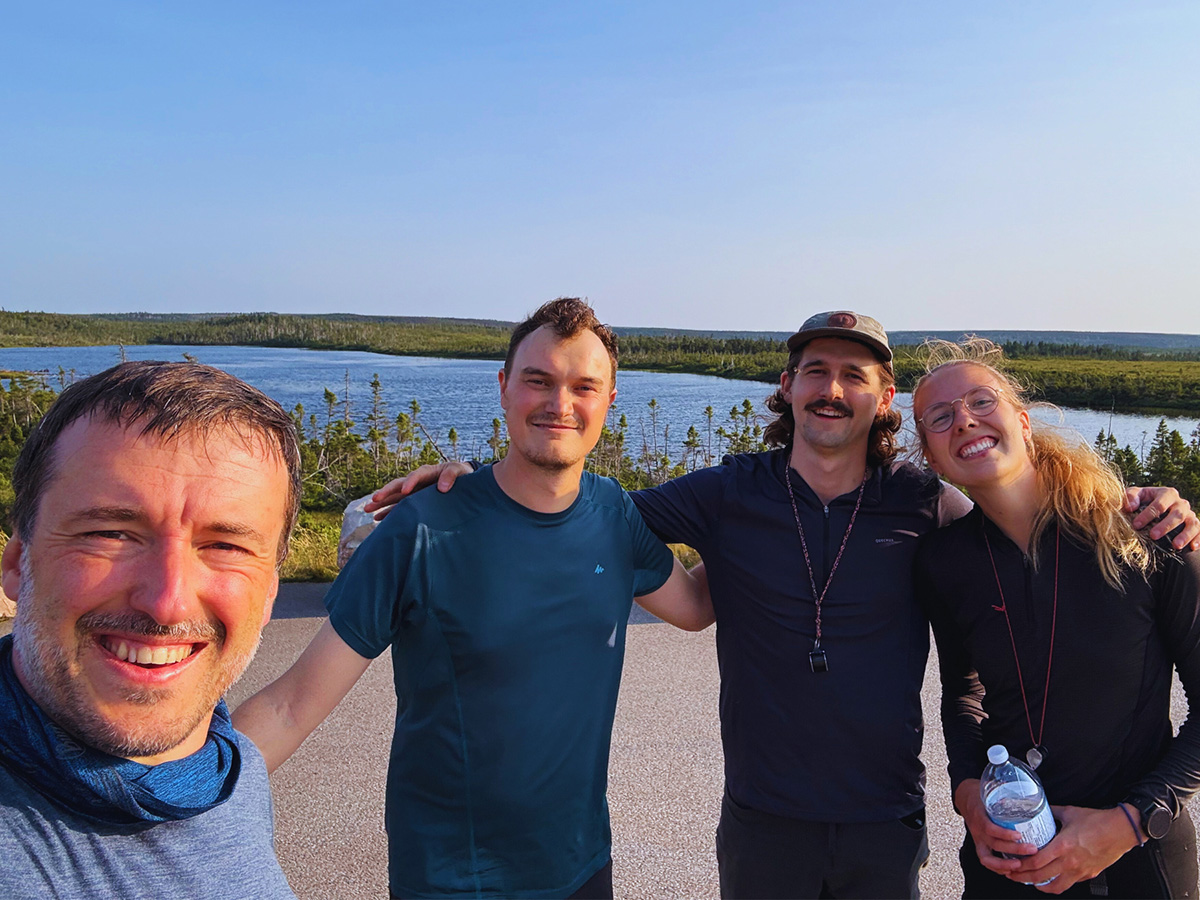
     (from left to right) Pierre Lanari, supervisor and professor, Jonas, postdoctoral researcher, Philip and Noralinde, doctoral students

    Nora and Philip, two doctoral students from the Faculty of Geosciences and Environment at UNIL, take us on a field trip to Canada, where they went to study metamorphic rocks.

    Goedendag ! Salut ! We are Nora and Philip, two PhD students in Metamorphic Petrology at the University of Lausanne (UNIL). As part of the research group for metamorphic processes we work on a multi-year research project trying to deepen our understanding about the extent and mechanisms of rock metamorphosis, i.e. the transformation of rocks by burial and heating in the Earth’s crust.

    This transformation occurs when rocks are buried deep underground—for example, during mountain formation—and subjected to high temperatures and pressures, which alter their composition and structure.

    In the summer of 2025, we travelled across eastern Canada for a three-week field campaign to collect rocks that were once mud and clay sediments. These sediments were buried deep in the Earth and transformed by heat and pressure, and we studied how that transformation happened. Our fieldwork took us first to the Cape Breton Highlands National Park in the Canadian Appalachians, and then north to Labrador City, within the Grenville Province — both regions offering unique windows into the deep roots of the ancient Appalachian and Grenvillian mountain belts.

    Our project aims to improve thermodynamic models of metamorphism by characterizing the mineralogy and chemical composition of metapelites across a wide pressure–temperature range, from low-grade metamorphism (~300 °C) to the onset of partial melting (~900 °C). Understanding this evolution is critical for reconstructing the tectonic history of continental crust and deciphering how fluids and volatiles, such as water, behave and move during mountain-building processes.

    Cape Breton — Exploring a Metamorphic Gradient in Steep Forested Valleys

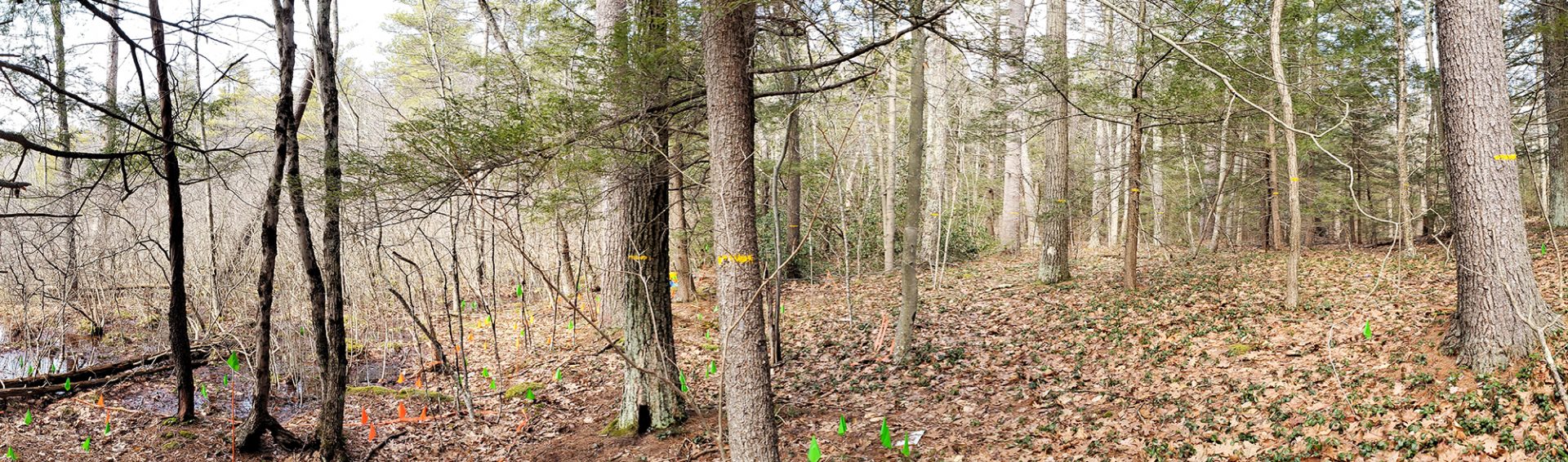
    Our first stop was Cape Breton Highlands National Park in Nova Scotia, a region of steep forested valleys, streams, and waterfalls. Here, outcrops of metamorphic rocks are beautifully exposed by the on-going erosion in the steep brooks. This erosion exposes rocks from deeper levels within a former mountain range the further inland we walk from the coast, as previous studies have shown. This systematic increase of the metamorphic conditions is called a metamorphic field gradient. During our fieldwork we follow these gradients in metamorphic conditions to sample rocks with minerals that formed at ever increasing temperatures and depths, i.e. metamorphic grades.

    terrain canada 1
    Cap Breton, outcrops of metapelitic rocks next to the road.

    Each day, we ventured into the forest in pairs, mapping rock layers and structures, noting the minerals visible in the field, and collecting samples spanning a range of metamorphic grades. The rocks along the coast are still fine-grained and made almost entirely of micas, which are flaky minerals that develop when clay particles are heated and compressed, turning soft mud into harder, layered rock. When we hiked further up the brooks we found a typical sequence of garnet, staurolite and kyanite appearing on after another in the rocks changing their appearance from a slate into a beautiful micaschist.

    Working in such dense forest required careful planning and an awareness of local wildlife. Bear spray and bells – allowing us to warn the bear of our presence – accompanied us on every hike, though the only bear we saw remained safely in the distance, visible from our car.

    Labrador City — High-Pressure Rocks in the Grenville Province

    After a week in Cape Breton, we headed north to Labrador City, in the heart of the Grenville Province, in the heart of the Grenville Province—a classic metamorphic terrane, meaning a large area made of rocks that share the same ancient history. Here, the landscape conceals ancient roots of the Grenvillian orogen, a massive mountain belt formed more than a billion years ago during the assembly of the supercontinent Rodinia.

    terrain canada 7
    View of the Canadian forests and lakes.

    Using the same systematic sampling strategy, we collected metapelites across a metamorphic gradient. In the Grenville province the metamorphic rocks preserve evidence of unusually deep burial and, in places, conditions approaching partial melting. Despite long days and the challenge of navigating remote terrain, the reward was a diverse and scientifically valuable sample set.

    Fieldwork in Labrador required more logistical planning. Outcrops were scattered and often hidden beneath dense boreal forest, so we relied on geological maps, satellite imagery, and forestry tracks to locate suitable sites. Our sampling focused on the metamorphic sediments, that preserve evidence of deep burial and the earliest stages of partial melting. In the beautiful forest floor of Labrador, mosquitoes and midges presented a constant challenge, prompting the use of protective head nets while we worked.

    Beyond collecting rocks, we also visited a nearby iron mine, where ancient, banded iron formations are still being extracted, a striking reminder of the long history recorded in these landscapes.

    terrain canada 10
    Iron mine next to Labrador City

    From Field to Laboratory — What Comes Next

    Back at the University of Lausanne, the fieldwork transitions into the next phase of research. The samples we collected will be prepared as thin sections for microscopic study, analyzed for mineral composition and zoning patterns, and measured for their whole-rock chemistry. These data allow us to reconstruct the pressure and temperature conditions the rocks experienced, refining thermodynamic models of metamorphism. In particular, this work sheds light on how fluids and volatiles are released or sequestered during mountain building, an important aspect of the deep Earth’s volatile cycles.

    terrain canada 11
    Large garnet minerals (red) in a metamorphic rock.

    Lessons from the Field

    This field campaign reminded us that geological research is as much about people and planning as it is about rocks. It demanded careful organization, adaptability, teamwork, and attention to safety, all while navigating remote and beautiful landscapes. More importantly, it provided an exceptional set of samples and observations that will fuel our research for years to come. After three weeks immersed in Canada’s wilderness, we returned inspired by the landscapes, the geology, and the stories these ancient rocks are ready to tell.

    Partial melting and granite formation

    Partial melting during metamorphism occurs when temperature and pressure conditions exceed the melting point, causing small amounts of magma to form within solid rock. In metapelites, partial melting generally occurs at high temperatures (> 650–700 °C), often in the presence of fluids. Typical reactions involve the dehydration of micas and the formation of magma accompanied by residues rich in quartz, feldspar and garnet. The process of partial melting plays a major role in element mobility and crustal differentiation, as it produces magmas that can migrate and form granitic plutons.

  • Rockfall hazard: From observations to improved runout predictions utilizing detailed terrain models

    Rockfall hazard: From observations to improved runout predictions utilizing detailed terrain models

    Thesis defended by François Noël, January 8, 2026 – Institute of Earth Sciences (ISTE).

    Gravitational natural hazards can lead to fatalities and economic consequences. To reduce these effects, they must be managed in a way that minimizes potential losses and optimizes the associated management costs. This involves proactively limiting building zones to avoid areas excessively affected by hazardous natural phenomena such as rockfalls. To achieve this, it’s crucial to understand the potential propagation extent of falling rock fragments.

    When infrastructures like tunnel portals cannot avoid dangerous locations, it is beneficial to assess the level of hazard they face. This requires estimating not only spatial aspects, i.e., the phenomenon’s reach, but also its frequency. If the risk is too high, stabilization and protection measures can be considered. For that, beyond the spatial and temporal aspects of the phenomenon, identifying the primary hazardous rock cliffs likely to have rockfalls reaching exposed infrastructures is essential. This helps concentrate stabilization efforts on problematic source areas.

    Additionally, to halt the propagation of falling blocks, it’s necessary to understand the energy levels and their bounce heights reached along their trajectory. For all these prerequisites, practitioners generally rely on modelling tools to complement their expertise. The more accurately a tool can locally reproduce propagation velocities and bounce heights, the more realistic its predictions of propagation distances will be.

    This doctoral research focused on better understanding the dynamics controlling these factors, evaluating the current abilities of existing tools at predicting them, and suggesting improvements. First, a method to consider the detailed geometry of impacted terrains was developed. This method was then used in rockfall experiments to collect rockfall impact data with precise geometries. Data from various sites were analyzed to better understand the dynamics of rockfall bounces and propose a model to simulate them.

    In addition to improving understanding of rebound dynamics, these observational data allowed for the validation of existing tools against real-world conditions. Their strengths and weaknesses were highlighted, complemented by usage recommendations and instructions for obtaining quantified, objective, and thus verifiable land-use zoning estimates. Furthermore, the acquired knowledge was shared with open access and integrated into distributed simulation tools, whose significantly improved precision was validated through extensive field observations.

    Finally, these concepts were applied across Norway to demonstrate how indicative rockfall hazard maps can be produced and how to quantitatively assess the associated risks.

  • A transdisciplinary field school for understanding how past human activities are still shaping the biodiversity of Gabon’s ecosystems

    A transdisciplinary field school for understanding how past human activities are still shaping the biodiversity of Gabon’s ecosystems

    Gretchen Walters, Institute of Geography and Durability

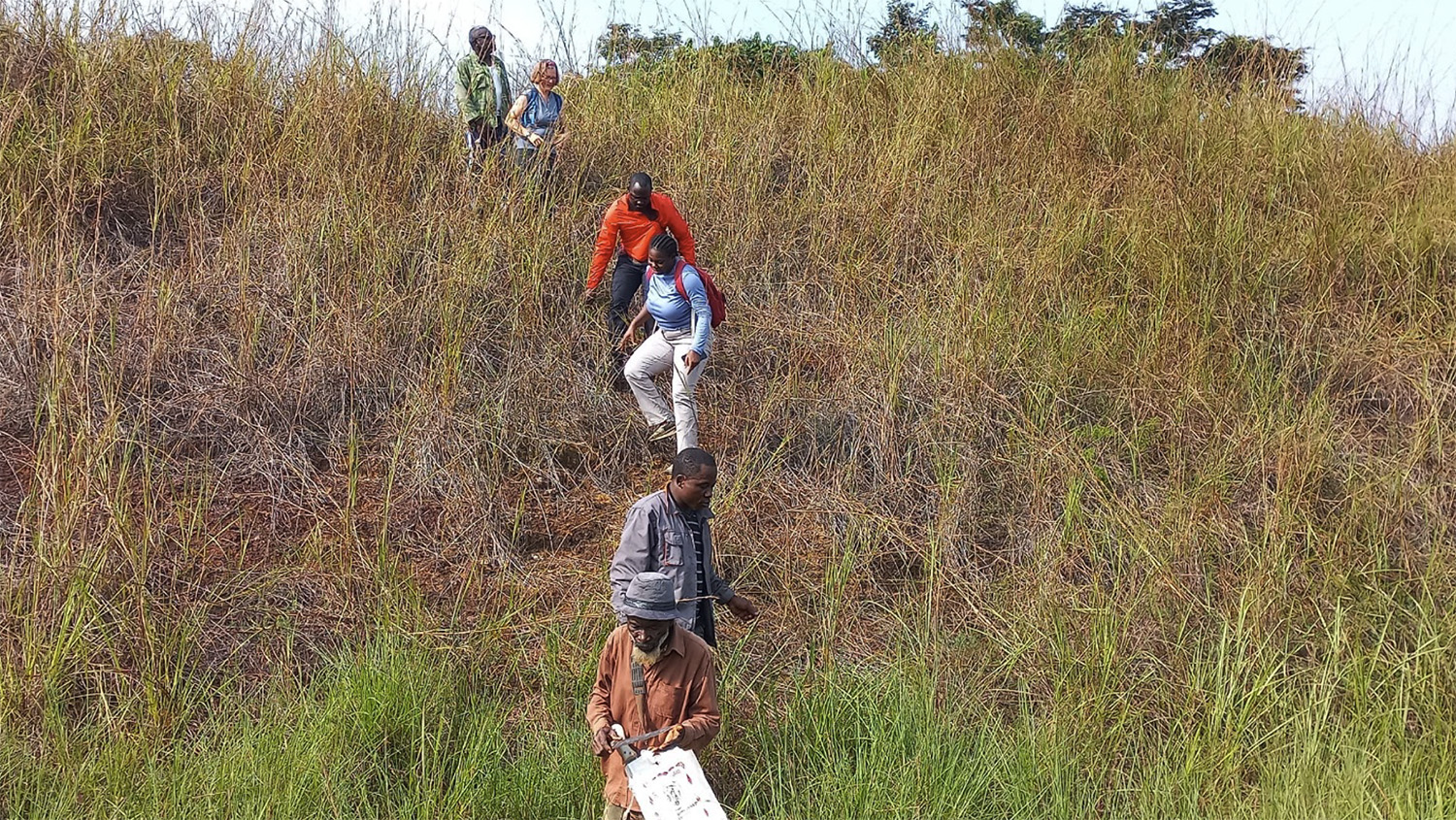
    Prof. Gretchen Walters recently joined Gabonese colleagues and international partners in Doumé to study and teach with them how past human activities are still influencing biodiversity in Gabon’s areas that may appear “natural”. This research aims to better manage and protect biodiversity, taking cultural and historical practices into account.

    By Gretchen Walters

    Viewing the forest and savannas from a plane or drone, the expansive ecosystems look almost uniform, and natural. But if one knows how to read the landscape, it’s a completely different story: the ecosystem bears the marks of its history in its flora, fauna, soil, and its people. 

    Studying biodiversity is at its best when it brings together different disciplines and stakeholders to understand the issues. In June and July 2025, Professor Gretchen Walters taught in the Ecole de Terrain “ECOTROP” in Gabon to students and professionals from the national parks agency, in collaboration with teachers from Gabon, France, the UK, the US, Swaziland, and Greece. The goal was to conduct research with students and teach tools and methodologies that would allow to understand the biodiversity of Gabon’s ancient villages which are scattered throughout the forest.

    27 participants1  and several professors from the Université Omar Bongo (UOB, with which UNIL has an agreement), Université des sciences et techniques de Masuku (USTM), the Gabon national parks agency, and five American universities, set out together to find out.

    plan village gabon
    Drone image of the village of Doumé. Photo : D. Mouketou-Tarazewicz.

    Over the course of three weeks, we studied the biodiversity of former village sites in Gabon around the village of Doumé in collaboration with members of the Kota, Adouma, Bongo, and Awandji ethnic groups, who have lived in this forest-savanna mosaic at the edge of the Ogooué River for several hundred years.

    Prof. Gretchen Walters
    image
    Doumé village, Gabon

    Gabon’s forests were previously extensively settled with villages and their associated territories occupying vast areas. However, during the colonization by France, villages were forced to move to the roadsides, in what is called the “Regroupement”, a process that occurred from 1919 to the 1970s. This far-reaching colonial policy displaced villages, but did not displace land use. People regularly return to these former villages and they still are part of village hunting territories and remain important for cultural reasons. However, most research does not account for these parts of the ecosystem, tending to focus on places which appear to have less human influence. Thus, this field school and the related FNS forest history project aims to fill these important gaps, and to account for how people have shaped the ecosystem over time.

    In ECOTROP, participants become members of a one of the following thematic “ateliers”: archaeology, pedology, botany, zoology (birds and mammals), and participatory cartography. Each atelier is led by a researcher, and the results of each atelier contribute to answer our research questions about understanding the role of people in modifying soil and biodiversity. Using a variety of methods, each atelier documents the biodiversity, social history, and soils of a former village and a neighboring comparative site which has never had a village or an agricultural field.  UNIL’s contribution to the field school is to bring an environmental anthropology approach using transdisciplinary methods, which collaborate with experts from the four ethnic groups of Doumé. While the field school is funded in part by an National Science Foundation grant from the US, UNIL’s participation is from a sister project, funded by the FNS, which also focuses on understanding the legacies of the past forest land use.

    This year, we focused on the former villages of Mabouli and Manenga while the archaeology team worked in the nearby Youmbidi cave. Each team works with community members, but in the participatory historic cartography one, these community members become experts that we work with, since we are documenting their village histories.

    During our fieldwork, our work was documented by  Victor Amman, a graduate of UNIL who creates science documentaries. We look forward to seeing his film early next year!

    When we are finished with our research, we present our findings back to the community members in Doumé and in the nearby cite of Lastoursville. This is an important step for participants to learn how to communicate their findings to the general public and most importantly, for the host communities to understand what we did. We look forward to working with them again next year.

    ECOTROP is a field-based research class that has been held in Gabon and Cameroon since 2011.

    The Consortium is led by the Gabon National Parks Agency in partnership with the USTM and UOB, along with numerous other universities outside of Gabon, but notably the University of New Orleans and the Institute of research and development of France. The field school is largely financed by a grant the United States National Science Foundation to the University of New Orleans and TOTAL. UNIL became a partner of the ECOTROP Consortium in 2025,  and participates in ECOTROP as part of a wider FNS project on a related subject in Gabon. 

    entretien doume
    Interview in Doumé village, participatory historical mapping workshop. Photo: B. Ngonda Makita.

    1. Participants are called “apprenants” because they may be university students or professionals from the national parks agency. ↩︎
  • Building entanglements: Hagia Sophia and the everyday politics of urban landmarks

    Building entanglements: Hagia Sophia and the everyday politics of urban landmarks

    Thesis defended by Violante Torre, October 11, 2025 – Institute of geography and durability (IGD).

    Cities are known by their landmarks—iconic buildings that dominate postcards, tours, and skylines. Often overshadowing their urban surroundings, landmarks are designed to encapsulate a city’s essence.

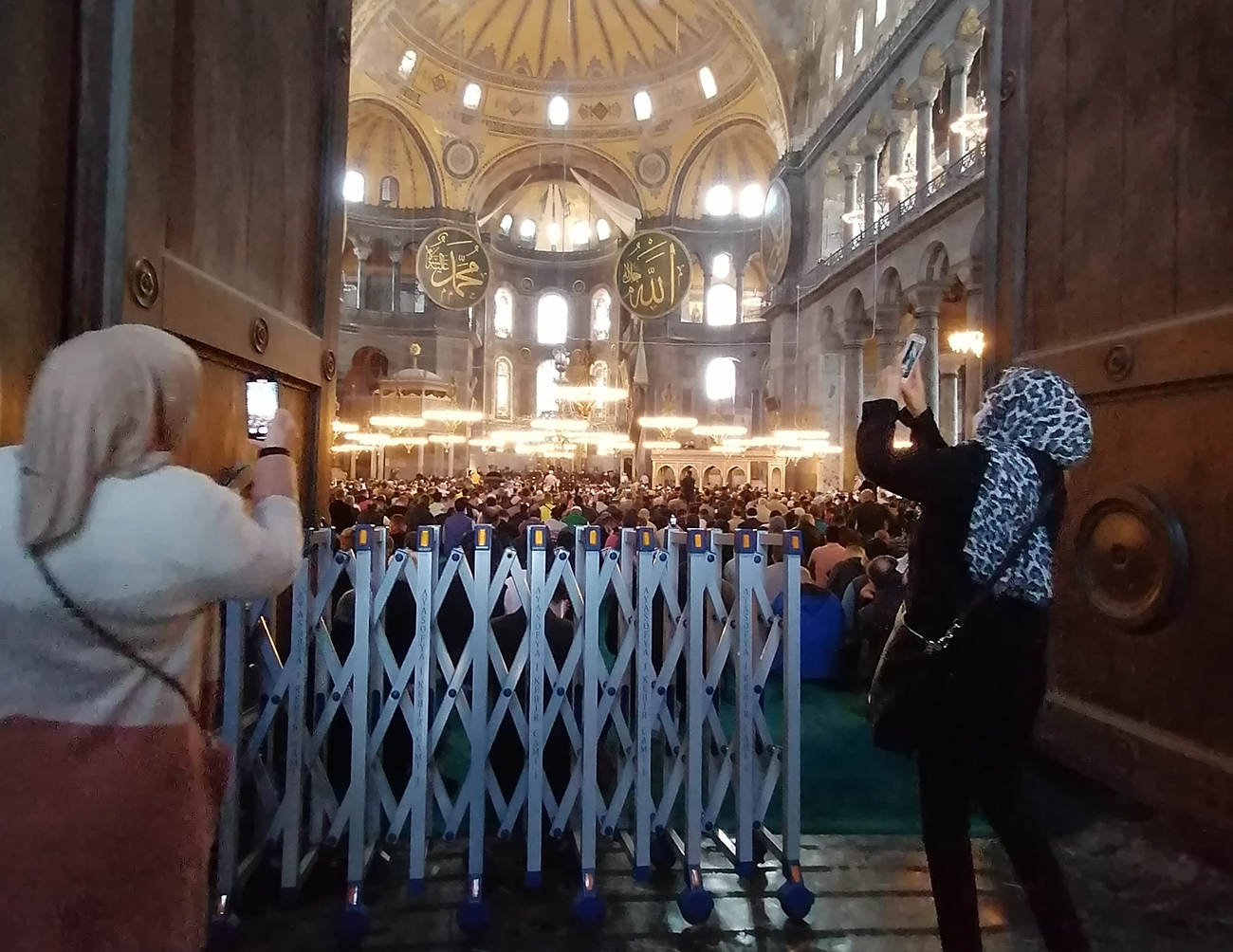
    Hagia Sophia in Istanbul is one such place. Famous for its grand dome and centuries-old history, it has been a church, a mosque, a museum, and, since 2020, a mosque once again. But what is it like to live and work around such a monument every day? And what does it mean when that place changes? Since its reconversion in 2020, Hagia Sophia has become more than a symbol. It is a place where daily life, politics, and emotion collide. While many view landmarks as timeless icons of a city’s identity, this research shows they are constantly in the making. Hagia Sophia is not just an architectural marvel, but a living space where history, politics, and religion intersect with everyday routines.

    The study approaches it as an entangled building—a space shaped by those who use and care for it. It follows the people who keep Hagia Sophia running: mosque guides, tourist guides, shopkeepers, and cleaners. They speak with visitors, care for the space, and navigate long shifts, new rules, and mixed emotions of pride, stress, and fatigue. Some commute from distant districts; others grew up in the neighbourhood. Their gestures, routines, and feelings reveal how landmark buildings shape urban life, not only through grand narratives but through daily labour and acts of care. By focusing on ordinary practices—praying, giving tours, feeding cats, cleaning carpets—the research highlights how buildings are continually remade by those who move through, rest in, and work within them. These acts, though often overlooked, reflect broader tensions between past and present, heritage and change. Hagia Sophia’s physical features—its worn marble floors, shifting light, and new barriers separating tourists from worshippers—influence how people move and feel. The building is not merely a backdrop; it affects behaviour and belonging. People adapt: resting in quiet corners, avoiding certain zones, or helping each other navigate the space. These subtle actions form what the research calls entanglements—the invisible ties between people, materials, and emotions that shape experience.

    Changes in the building affect different people in different ways. Women now face more restricted access compared to when it was a museum, revealing shifting gender norms. Some forms of labour, such as cleaning and guarding, remain invisible yet essential. Conflicts arise over what Hagia Sophia should represent: a national symbol, a global heritage site, or a holy space? Even odours matter. At times, unpleasant smells spark tension, challenging the building’s spiritual image. These sensory details often reflect deeper inequalities linked to class, race, and responsibility for maintenance.

    This study shows that even the most iconic landmarks can lose their symbolic polish, as daily frictions and politics quietly reshape their meanings. Ultimately, it invites us to rethink landmarks—not as static monuments of the past, but as relational, lived-in spaces where a city’s future is negotiated every day. 

  • The Weddell Sea: predator or prey ? A paleo-investigation of ice-ocean interactions in the Weddell Sea through marine geology and radiogenic isotopes

    The Weddell Sea: predator or prey ? A paleo-investigation of ice-ocean interactions in the Weddell Sea through marine geology and radiogenic isotopes

    Thesis defended by Michael Bollen, August 29, 2025 – Institute of Earth sciences (ISTE).

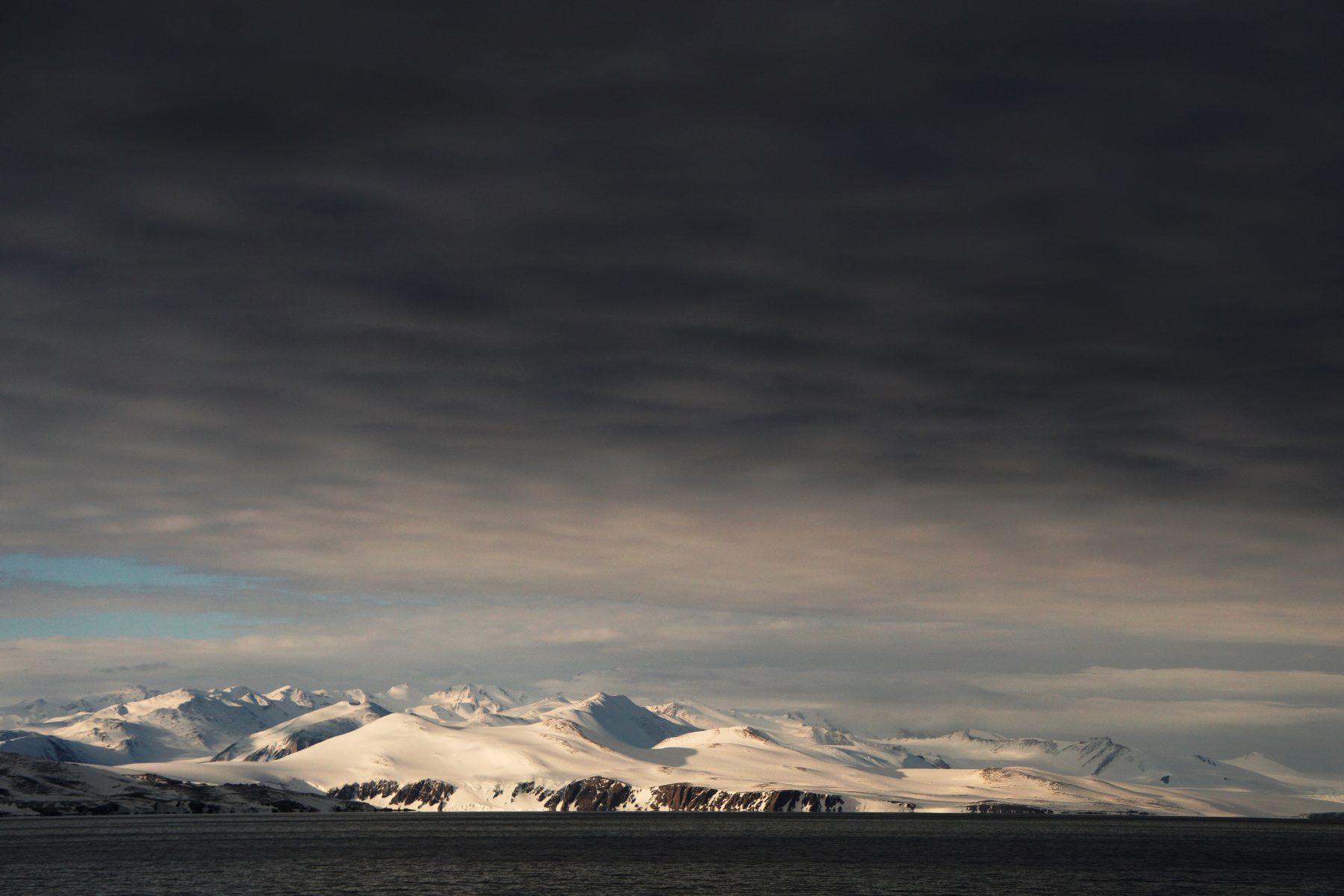
    This thesis investigates how the Antarctic Ice Sheet and Southern Ocean have interacted over the past 30,000 years—a period marked by Earth’s transition from a glacial world with vast ice sheets, low atmospheric CO₂, and sea levels 120 m lower than today, to our current interglacial climate. The Antarctic Ice Sheet is divided into two distinct sectors: East Antarctica, grounded mostly above sea level on ancient bedrock, and West Antarctica, grounded largely below sea level on younger, more vulnerable terrain. Because West Antarctica sits below sea level, it is particularly sensitive to ocean temperature changes, especially where warm water reaches the ice base via ocean currents. The Southern Ocean plays a dual role in this system. It not only transports heat toward Antarctica, influencing ice sheet stability, but also helps regulate Earth’s climate by storing or releasing carbon dioxide, depending on the relative intensity of water masses mixing, upwelling, and bottom water formation. 

    This research focuses on the Weddell Sea, a key drainage outlet for the Antarctic Ice Sheet and a major source of Antarctic Bottom Water, the cold, dense water that spreads through the global ocean. Using high-resolution seafloor mapping, sediment core analysis, and geochemical fingerprinting with neodymium and lead isotopes, we reconstruct how ice and ocean conditions changed since the last ice age. These records show that ice retreat in the Weddell Sea may have commenced relatively early in the deglaciation, with a warm, deep water current inflowing across the continental shelf to the ice margin that prevailed across the deglaciation. The formation and export of bottom water also persisted across periods of rapid climate change, hinting at a regional stability in oceanographic circulation in the Weddell Sea Embayment. We also identified a major shift during the Younger Dryas interval (12.5 – 11.5 ka), when inflows of warm water and increased glacial melt disrupted deep water formation. This event coincided with ice sheet thinning in East and West Antarctica, suggesting a feedback loop between ocean warming and ice loss. Ultimately, our findings show that the Weddell Sea is not just a passive responder to global climate, but it actively shapes it. Understanding these dynamics is essential for predicting future Antarctic ice sheet behavior, global carbon cycling, and global sea-level rise.

  • Influence of climate change on water resources in Alpine and Himalayan river basins using tree rings and stable isotope analyses

    Influence of climate change on water resources in Alpine and Himalayan river basins using tree rings and stable isotope analyses

    Thesis defended by Nazimul Islam, February 17, 2025 – Institute of Earth Surface Dynamics (IDYST).

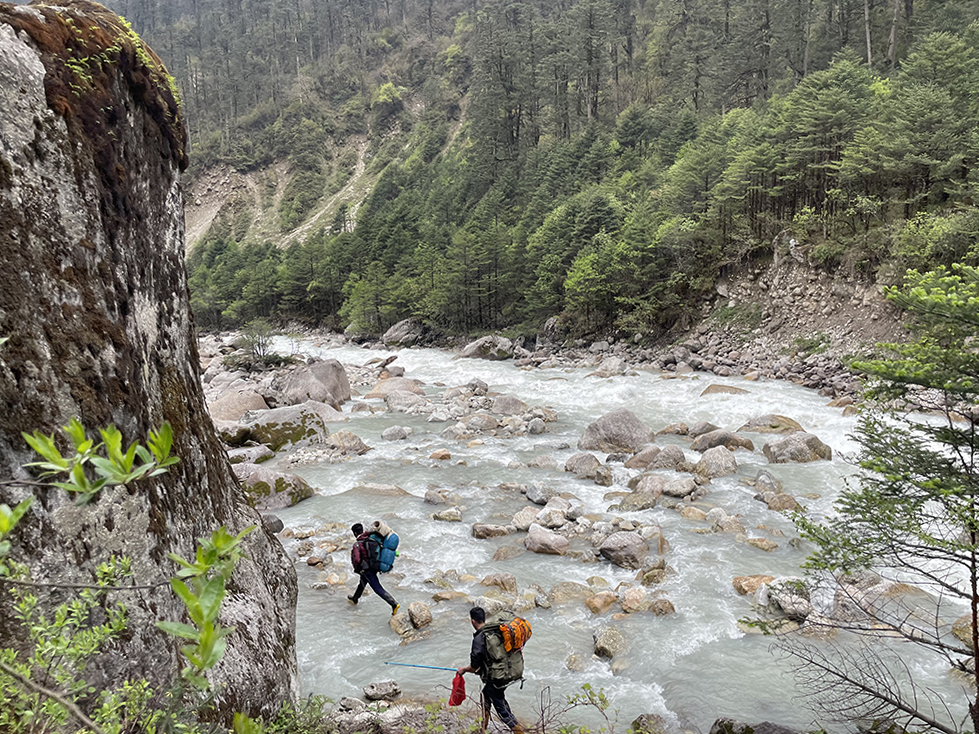
    Mountains are the ‘water towers’ that deliver freshwater to millions of people living downstream. Despite their importance, mountain regions are data-poor with complex terrain that makes space-time transferability of knowledge related to climate change impacts on water resources difficult. As a result, we know very little about past environmental variabilities in the high-altitude mountain basins. Therefore, to plug this data gap, my PhD focused on tree growth-climate relationships and hydrological reconstructions for better understanding of how climate change affects water resources in the Alpine and Himalayan river basins. This thesis addressed the following research questions:

    Q1. How does climate warming influence the relationship between temperature, precipitation and tree growth in Alpine environments? Is it possible to identify an altitude dependent breakpoint in climate forcing of tree growth in the Turtmann River basin?

    Q2. Can we use intra-annual information (earlywood and latewood) including isotope variations in tree rings to understand seasonal changes in the growth of trees and the relationship to water use in Alpine environments?

    Q3. Can the anatomical analysis of tree rings be used to reconstruct past history of river flow in a poorly gauged/ ungauged river in the Eastern Himalaya?

    Q4. Is it possible to detect the changing water sources for tree growth using annually resolved tree ring stable isotope compositions in poorly gauged mountain river basins?

    This thesis investigated at what elevation climatic signal switches temperature-limited to precipitation-limited growth for the European Larch (Larix decidua) in the Turtmann river basin. A transition zone (i.e., an elevational breakpoint) was identified between 900 m and 1800 m above mean sea level (m.s.l.) where this climatic signal switches, and this elevation breakpoint appears to be rising with time due to increasingly warmer annual average temperatures in this Alpine basin. This thesis also developed 75 years (1946-2020) of stable oxygen (δ18O) and hydrogen (δ2H) isotope records from tree rings from Turtmann basin. Isotopic compositions of both δ18O and δ2H of trees close to the river fed by glacial meltwater are lower that reflected ice melt signals, whereas trees distal to the river reflected summer precipitation and snowmelt signals but are not influenced by the glacial meltwater draining from the headwater basin and/or released by the dam. This study provided novel scientific understanding that trees at the proximity to the river can benefit from accessing glacial meltwater for their growth compared to trees that do not have access to glacial meltwater under changing climate.

    In the Himalayan river basins, following a systematic literature review on the state of the art and future directions of tree-ring hydrological studies, 182-years (1840-2021) long pre-monsoon streamflow record of Zemu River was reconstructed in the Upper Teesta River basin. This reconstruction was carried out based on a strong negative relationship between a century long tree-ring chronology of Bhutan fir (Abies densa) species and observed streamflow record. This counterintuitive, inverse relationship is likely due to the additional contribution of temperature warming induced glacial meltwater supply. Streamflow reconstruction record of this poorly gauged river identified 30 high-flow years (including the documented 1968 Sikkim flood and the 1998 Assam flood), and 33 low-flow years. This study also highlighted a positive association between reconstructed pre-monsoon streamflow record and the global climate forcing (e.g., ENSO), which may reduce penetration of the Indian Summer Monsoon during ENSO years, leads to a decrease in precipitation but maintains higher glacier melt due to long warmer and drier conditions in this basin. Furthermore, 72 years (1950-2021) of annually resolved stable isotope record developed from tree rings of A. densa species showed an increase in δ18O and δ2H isotopic compositions over the analysis period. Results suggested that in the Zemu River (i.e., the headwater catchment in the Upper Teesta basin), snowmelt and monsoon precipitation are the major contributions to the streamflow.

    Overall, the results of this thesis show that climate change has significant consequences on tree growth and streamflow variabilities in the high-altitude glacier-fed river basins. These findings have important implications for sustainable management of freshwater resources in the Alpine and Himalayan river basins.

  • Biogeochemical Drivers of Manganese-Mediated Litter Decomposition 

    Biogeochemical Drivers of Manganese-Mediated Litter Decomposition 

    Thesis defended by Nathan Chin, January 29, 2025 – Institute of Earth Surface Dynamics (IDYST).

    Soils across the globe contain a significant amount of carbon and nutrients, which are often derived from dead plants and plant litter. The breakdown of this plant material, known as decomposition, not only releases the nutrients required by plants and microbes living in the soil, but also releases carbon in the form of CO2, transferring carbon from the soil to the atmosphere. Therefore, factors that affect the decomposition of plant litter have huge implications for both nutrient cycling, and soil CO2 emissions, which in turn affect ecosystem health and climate change. 

    One significant factor that affects decomposition is the breakdown of highly complex compounds in plant litter, which require electron transfer reactions called oxidation that cleave chemical bonds and makes it easier for microbial enzymes to decompose litter. In soils this can be done by a small specific group of microbial enzymes, and more recently noted, the presence of elements that are highly reactive and facilitate these oxidation reactions. Specifically, the presence of one such metal, manganese (Mn), has been shown to correlate with decreasing soil carbon stocks and increasing rates of decomposition. However, Mn is most reactive when it is in the Mn(III) oxidation state, which is primarily facilitated through microbially-mediated transformation. Mn is also sensitive to oxygen concentrations in soils, influenced by soil moisture and precipitation, affecting its ability to be transformed into Mn(III), with recent evidence suggesting that Mn(III) may form preferentially at water interfaces or transition zones. Despite the demonstrated relationships between Mn(III) and litter decomposition, many studies on decomposition do not take into account the spatial and temporal fluctuations of oxygen that exist naturally in soils. Ignoring the importance of oxygen gradients in decomposition studies creates a poor understanding of how microbes, oxygen gradients, and Mn availability form Mn(III) and affect decomposition. 

    The objective of this thesis is to determine the microbial and geochemical drivers of Mn(III) formation across oxygen gradients in soils, and ultimately how that controls litter decomposition. We do this using a combination of laboratory soil incubation with fixed oxygen gradients and measurements across a soil forest transect with natural transitions in soil oxygen conditions. We found adding more Mn increases the microbial production of enzymes that directly and indirectly transform Mn(II) to Mn(III) specifically at the oxygen transition zone. In turn, this enhanced formation of reactive Mn(III) enhanced decomposition and created more CO2. The field experiment helped us verify that even across large-scale soil transects, increased formation of Mn(III), led in part by increases in fungi, also results in greater litter decomposition.

    Although this research specifically highlights the role of Mn cycling in soils, it also demonstrates future work focusing on decomposition must account for how heterogeneity of oxygen conditions, and its impact on oxygen-sensitive elements that are critical in breaking down plant litter, can be a significant control on decomposition. This is especially true in the face of climate change, which will alter precipitation patterns across different ecosystems, with potential implications for decomposition across soils globally.

  • Why does Lake Geneva emit large quantities of CO2? UNIL scientists provide the answer and solve a scientific enigma

    Why does Lake Geneva emit large quantities of CO2? UNIL scientists provide the answer and solve a scientific enigma

    Marie-Elodie Perga, Institut des dynamiques de la surface terrestre

    Unlike oceans, lakes are significant emitters of CO₂. But why is this the case, and what mechanisms are at play?

    For the first time, UNIL scientists have successfully explained the complete carbon cycle in Lake Geneva, creating a model that can be applied to several of the world’s largest lakes.

    Like most lakes in the world, Lake Geneva is an emitter of greenhouse gases, particularly carbon dioxide (CO2). Annually, it produces as much CO2 as the automobile transport of the city of Lausanne (≃ 150,000 inhabitants). This phenomenon – the production of COby lakes – has been known for years. There is, however, widespread debate as to the mechanisms at work.

    Traditional scientific theories suggest that lake CO2 emissions are primarily due to the influx of organic matter from surrounding soils. This material, originating from the decomposition of plant and animal residues, is carried into the lake by rainfall, where it is broken down by microorganisms, leading to the release of CO2. This process is known as respiration. While this theory accounts for the behavior of some lakes, it doesn’t apply to Lake Geneva, which receives very little organic matter from its shores. In theory, its annual carbon balance should be neutral, with winter CO2 production (from organic matter decomposition and water mixing) balanced by summer CO2 absorption (due to algae photosynthesis). So why does Lake Geneva still emit large amounts of CO2?

    A mechanism finally identified

    A team of UNIL scientists has just deciphered the mechanisms involved. Most of the emissions actually come from the natural erosion of rocks in the lake’s upstream basin. When rainwater hits the rocks, it releases bicarbonate and calcium ions, which then find their way into the lake. In summer, under the effect of heat and the growth of algae – which change the PH of the water and act as a catalyst – the ions form microparticles of limestone. This is known as calcite precipitation. This chemical reaction releases CO2, giving the lake its milky blue-green appearance in the warm season. Algae continue to absorb CO2, but this is not enough to compensate for the massive production resulting from rock erosion. The additional emissions are therefore the result of a geological process, not just a biological one, as previously thought.

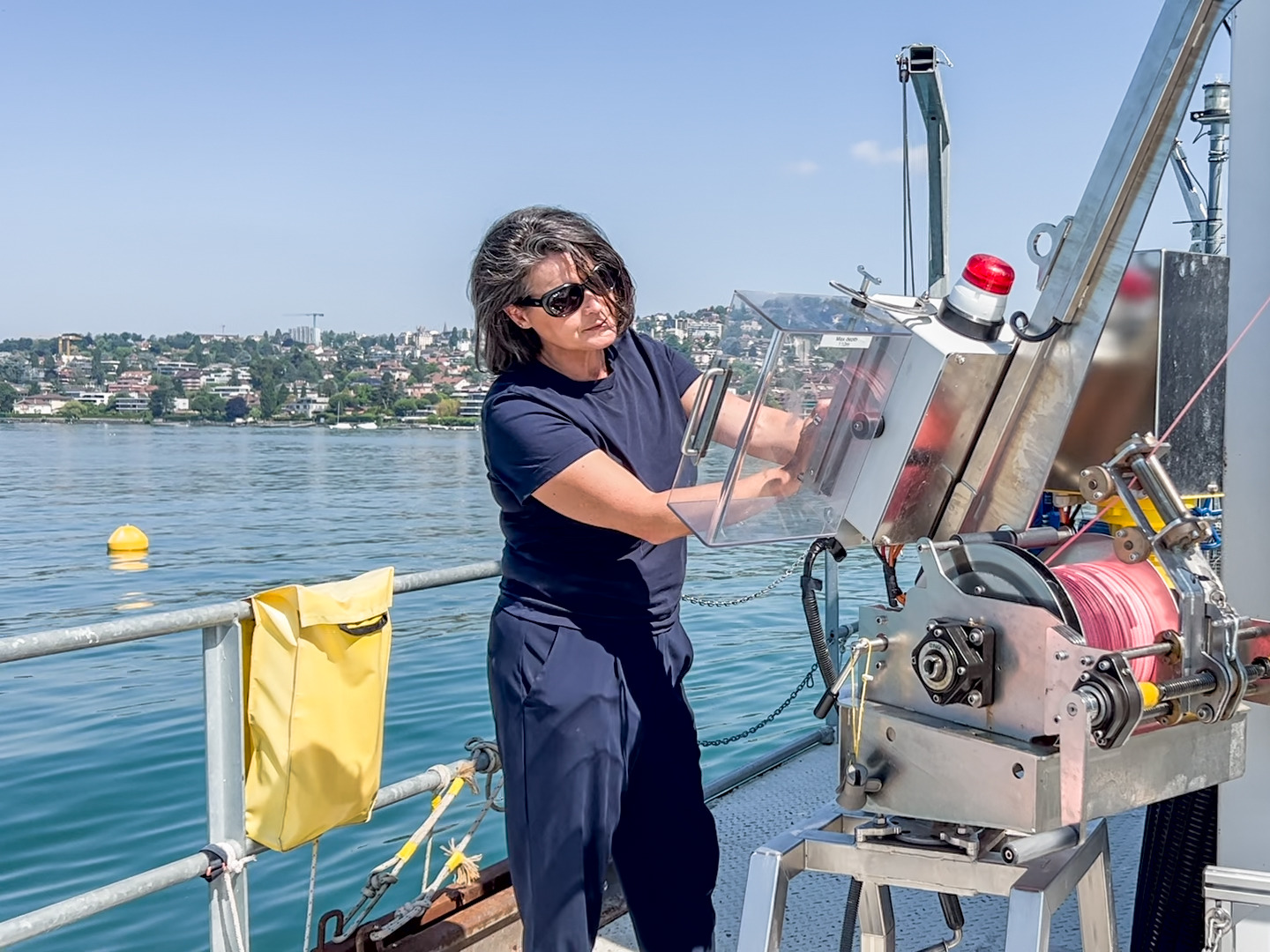
    This discovery was published in Science Advances. “Our results not only explain the carbon cycle in Lake Geneva, they also reveal a universal process that applies to several of the world’s great lakes,” explains Marie-Elodie Perga, professor of limnology at UNIL’s Faculty of Geosciences and Environment and co-author of the study. “This issue had been nagging at me since my thesis,” she explains. “Using a scientific infrastructure that is unique in the world – the LéXPLORE platform – we were able to observe, model and equate these processes on a very fine scale, providing the missing piece to traditional carbon cycle modeling.” Laid out on Lake Geneva, the floating laboratory made it possible to monitor various parameters linked to the carbon cycle, continuously and at high frequency.

    The right way to combat global warming

    In addition to the purely scientific interest of this discovery, this new data is central to the fight against global warming. “Assessments are carried out every year to identify the emitters (sources) and storages (sinks) of carbon on our planet,” explains Marie-Elodie Perga. “It’s very important to have in-depth knowledge of how CO2 is naturally transported, stored and transformed between continents, water and the atmosphere. Only a global vision will enable us to take effective action to combat global warming.”

    Source
    • G. Many, N. Escoffier, P. Perolo, F. Bärenbold, D. Bouffard, M-E. Perga, Calcite precipitation: the forgotten piece of lakes’ carbon cycle, Science Advances, 2024

    The LéXPLORE platform

    LéXPLORE is a 10 m x 10 m scientific research platform located on Lake Geneva in Switzerland, almost 600 m from the shore. It is equipped with high-tech instrumentation (109 sensors) and provides continuous measurements, day and night, in all weather conditions. LéXPLORE brings together five institutions (EPFL, EAWAG, INRAE, UNIL, UNIGE) conducting cutting-edge, multidisciplinary research on the lake and its atmosphere. It is also used as a training and teaching facility, and as a popularization tool for the general public.

  • Encounters with Difference: Exploring the Diversity of Everyday Life in Urban Public Squares

    Encounters with Difference: Exploring the Diversity of Everyday Life in Urban Public Squares

    Thesis defended by Hannah Widmer, July 3, 2024 – Institute of geography and durability (IGD).

    City dwellers experience diversity in public space every day. In urban spaces, we encounter countless strangers in our everyday lives. As cities are characterized by a diversity of cultural and socio-economic ways of life, these strangers are unknown, on the one hand, and on the other, they are ‘strange’ because they often have a completely different background to us.

    In cities, public space plays an important role as a place for leisure, physical activities, mobility, and recreation. It also serves as a space where cultural identity and feelings of belonging to a neighbourhood or another community are created and experienced, for example in the context of celebrations. What should be emphasized specifically is the function of public space as a place of encounter. However, the fact that people are mobile can mean that certain population groups never encounter each other in public space, although they live in a socially mixed neighbourhood. Moreover, encounters with strangers, even if they are only fleeting, are ambivalent: they can be scary or uncanny, on the one hand, but also exciting and inspiring on the other.

    This thesis therefore set out to explore the extent of diversity in public squares on the neighbourhood scale, the perception and experience of diversity by users, and the role that the design plays in this. It proposes a conceptual toolkit and an innovative methodology for analysing the use of public squares. Using a mixed-methods approach, the squares Lindenplatz, Hallwylplatz and Idaplatz in Zurich (Switzerland) were analysed. Counting, observations and a survey (n=1,474) were combined with qualitative interviews (n=63) with people who use these three squares in different ways.

    The results show that users of the three neighbourhood squares are fairly diverse in terms of cultural backgrounds, social class, ages, level of educational and employment status. The gender balance is even. The design of the squares plays a crucial role for optional activities (meeting family and friends, relaxing, eating, drinking, etc., as opposed to ‘necessary activities’ such as passing through or shopping): the more seating there is in the squares the higher the proportion of people who stay and do not merely cross the squares.

    If the diversity of square users is compared to that of the neighbourhood population, it is evident that there is a diversity gap. Diversity in the squares is lower than in the neighbourhood when country of origin, income and education are considered. The mainstream society, i.e. people without migrant background, with an average income, and a tertiary degree are overrepresented in the squares.

    People who use the three squares perceive that in the squares, they are surrounded by people who differ from themselves in many respects. However, this is usually experienced as unproblematic and rarely causes them to change their behaviour. If people or certain behaviours are perceived as objectionable, design elements that facilitate freely choosing one’s distance from others (e.g. movable chairs or benches that are positioned in different places and with different orientations) make it easier to live together in the squares.

    To encourage encounters between strangers and across difference, the planning of public squares could provide affordances that work for different population groups, e.g. through a variety of ground floor uses, and elements such as water features that are universally appealing. Through appropriate design, these spaces could also offer possibilities to flexibly adapt the distance to other square users and thus promote coexistence in public spaces – regardless of the distance at which it occurs.

  • Algorithms made more “robust” by 13 Swiss and U.S. scientists to anticipate the future of the climate using AI     

    Algorithms made more “robust” by 13 Swiss and U.S. scientists to anticipate the future of the climate using AI     

    Machine learning algorithms, which are increasingly used in climate applications, are currently faced with a major problem: their difficulty in correctly predicting climate regimes for which they are not trained, thus generating uncertainties in projections. In a study published in the journal Science Advances, a team of researchers from the University of Lausanne and several American universities have revealed that, by transforming the data submitted to the algorithms using well-established physics principles, they can make them more “robust” for solving climate problems. This method has been successfully tested on three different atmospheric models. The implications of this finding go beyond climate science.

    Climate change projection is a generalization based on extrapolation from the recent past using physical models for past, present and future climates. However, current climate models face challenges related to the need to represent processes at scales smaller than the model grid size, thus generating uncertainties in projections. Although recent machine learning algorithms offer advantages for improving these process representations, they show a tendency to extrapolate poorly to climate regimes for which they are not trained.

    To overcome these limitations, the research team has proposed an innovative approach called “Climate-invariant Machine Learning”. This approach seeks to merge the physical understanding of climate models with the capabilities of machine learning algorithms to improve consistency, data efficiency, and generalization across diverse climate regimes. The results suggest that this integration of physical knowledge could strengthen the reliability of data-driven climate process models in the future.

    Seven points to better understand the key aspects of the study: 

    1. What climate applications are machine learning algorithms used for?

    Machine learning (ML) algorithms play a key role in enhancing climate models by simulating intricate processes such as storm dynamics, oceanic eddies, and cloud formation, which are costly with traditional methods. They’re pivotal in remote sensing for cloud detection and classification, and for downscaling global climate models to produce detailed local projections that better align with our observational record.

    2. Why have machine learning algorithms struggled with predicting climate change effects?

    Machine learning models, particularly neural networks, excel within the scope of their training data but can falter significantly with data that differ markedly from what they’ve seen before. This discrepancy arises because these models make implicit assumptions that may not hold true under novel climate conditions, leading to potential inaccuracies in projections outside their training regimes.

    3. What atmospheric models did the study focus on?

    The initial focus was on an “ocean world” model, a simplified representation of Earth’s climate system without continents, which helped identify and understand errors in extrapolation. The researchers progressed to more sophisticated, realistic atmospheric models that simulate the Earth’s climate dynamics. Integrating machine learning into these models is a promising venture to improve their realism, particularly for long-term climate projections, thereby contributing significantly to climate change adaptation and mitigation strategies.

    4. What does this mean beyond climate science?

    Beyond climate science, the methodology of the study offers a blueprint for incorporating physical principles into machine learning across various disciplines. By transforming the data using known physical invariances, the researchers can train ML models that work across various physical regimes despite only having been trained in a couple of them. This could work in any scientific domain with known invariances, e.g., in planetary science to create models generalizing across planets or in fluid dynamics to create models generalizing across flow regimes.

    5. How could this change climate science research?

    The study’s approach has the potential to advance climate science by enabling more accurate and generalizable process modeling. For example, machine learning models that have been trained on current climate data could, with appropriate physical adjustments, offer reliable projections for future climates. This breakthrough in generalization could lead to advancements in both weather forecasting and long-term climate projections.

    6. What are the next steps for this research?

    The groups which participated in this collaboration are exploring diverse avenues, including enhancing the generalizability of state-of-the-art data-driven weather forecasting models to future climates and incorporating these robust, climate-invariant modules into existing climate models. The goal is to keep pushing these data-driven models beyond their current limits, fostering a culture of rigorous and vigorous testing that could unearth new physical principles that extend beyond current observational capabilities.

    7. What’s the long-term impact of these findings and the potential of AI in climate science?

    The authors of the study anticipate these findings will foster deeper collaborations between the climate science and artificial intelligence communities. By encouraging the climate science community to view data-driven models not as a replacement but as an augmentation to traditional methodologies, and by promoting the development of AI techniques that are not just data-informed but also domain-aware, they anticipate a future where AI contributes significantly to advancing our understanding of climate processes, thereby enhancing collective ability to respond to the challenges posed by climate change.

    Additional information

    Tom Beucler, Pierre Gentine, Janni Yuval, Ankitesh Gupta, Liran Peng, Jerry Lin, Sungduk Yu, Stephan Rasp, Fiaz Ahmed, Paul A. O’Gorman, J. David Neelin, Nicholas J. Lutsko, Michael Pritchard, “Climate-Invariant Machine Learning”, Science Advances, 2024. [full text PDF]

  • Quaternary evolution of an African High Plateau: The Chobe Enclave (Northen Botswana) 

    Quaternary evolution of an African High Plateau: The Chobe Enclave (Northen Botswana) 

    Thesis defended by Thuto Mokatse, February 21, 2024 – Institute of Earth Surface Dynamics (IDYST).

    The study focuses on the Chobe Enclave in northern Botswana, where the impact of tectonics is often obscured by sedimentary material, making detailed paleo-environmental reconstruction challenging. A combination of near-surface geophysical surveys, sedimentological analyses, and optically stimulated luminescence dating were used to investigate the relationships between landscape development and tectonic activity.

    The Chobe Enclave forms part of a Chobe-Linyanti sub-basin, a structural depression bounded by fault systems, crucial to its evolutionary setup. The study revealed a transition from a fluvial/aeolian environments to a lacustrine/palustrine ones, with the formation of carbonates and diatomites. Tectonic events led to burial of fluvial channels, syndepositional uplift of sand ridges, and the formation of fluvial watergaps. Hydrogeochemical changes during Late Pleistocene to Holocene are linked to the formation of authigenic sepiolite (a fibrous clay mineral) in an evaporitic system.

    The study further explored mineralogical relationships and quartz microtextures, revealing a complex history of a paleo-alluvial fan influenced by hydrological changes with evidence of aeolian, fluvial, palustrine, and weathering phases.

  • Towards a post-growth economic culture: existential transition blocks and levers from an ecopsychological perspective

    Towards a post-growth economic culture: existential transition blocks and levers from an ecopsychological perspective

    Thesis defended by Sarah Koller, December 22, 2023 – Institute of geography and durability (IGD).

    Debates on economic growth are underpinned by strongly polarized ideological positions. On the one hand, belief in the possibility of unlimited growth, now backed by its “green” label, is presented as an essential condition for the proper development of economies and the resolution of current ecological problems. On the other hand, calls for a post-growtheconomy have been emerging for several decades, presented as inevitable, whether it be imposed or chosen through a political project of degrowth. These calls do not yet seem to have shaken faith in the necessity of continuing to pursue growth. How are we to understand the hegemony of economic growth, and the absence of any real large-scale political reflection on the subject?

    In recent years, the institutional answers to these questions have been supplemented by research that highlights the psychological forces at play at the boundary between the individual and the collective, sometimes operating in an unconscious way. This work feeds into an existential economic anthropology that seeks to reveal the deep-rooted motivations behind our participation in the economic system. The present work is part of this project, while questioning our anthropocentric relationship with our terrestrial habitat, from an ecopsychological perspective.

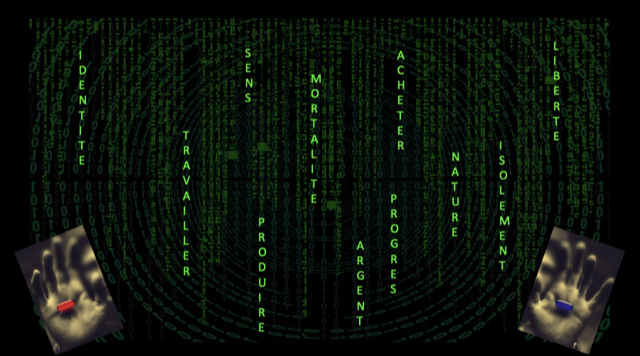
    Using both a theoretical and empirical approach, this work sheds light on the existential motivations behind adherence to two socio-economic paradigms that circumscribe clear-cut positions in favor or against economic growth in the current ecological context: the Dominant Social Paradigm (DSP) and the New Ecological Paradigm (NEP). To this end, a field survey was carried out with some twenty people adhering to one or other of these paradigms. In order to explore the existential experience of these people, a theoretical framework – called existential self-regulation, was developed sui generis from a literature in experimental existential psychology. This framework simultaneously integrates five major existential issues : mortality, identity, meaning, isolation and freedom. The experience of these issues is apprehended according to two major trends: one defensive, characterized by an attitude of flight, and the other reflexive, favoring an attitude of confrontation. The hypothesis explored is that of a double association between, on the one hand, a defensive existential experience tendency and a more favorable adherence to the DSP; and, on the other hand, a reflexive existential experience tendency and a more favorable adherence to the NEP.

    The concept of existential interest is proposed to account for adherence to one or other paradigm according to the existential experiences explored. In addition, the development of a strong ecological identity and cultural reflexivity are conceptualized as key factors that can explain adherence to the NEP. Finally, the thesis identifies practical avenues of support, by then proposing two more concrete action-research projects: the creation of a show and the holding of cultural reflexivity workshops. Finally, the work looks ahead to possible future research aimed at expanding our understanding of the existential blocks and levers of paradigmatic transition.

  • The Multispecies City: Becoming with Rats in Zurich

    The Multispecies City: Becoming with Rats in Zurich

    Thesis defended by Nadja Imhof, December 4, 2023 – Institute of geography and durability (IGD).

    This research project examines how humans enact their relationship with rats in the urban environment of Zurich. It investigates the interconnected relationship between humans and other-than-human beings, specifically focusing on Norway rats (rattus norvegicus). As generalists, rats quickly adapt to various environments, provided their fundamental needs of water, food, and shelter are met, all of which are readily available in urban environments. Their shared history with humankind and their ubiquity as urban animals has given rats a reputation as pesky pests and a branded them as generally unwelcomed co-inhabitants of what are considered human spaces in the city.

    Taking its cue from the question “How can we rethink the rat-human relationship in a multispecies city?” this thesis argues for a reconsideration of the rat-human relationship in terms of a more-than-human co-becoming. Turning attention to other-than-human beings, this thesis proposes alternative ways of living with urban animals, especially those considered pests, and subsequently widens the understanding of how humans and rats are affected by each other. By challenging notions of anthropocentrism and dualist perspectives in the way rats are placed, killed and managed in their relationship to humans, this thesis explores harmonious multispecies co-existences in the urban environment. In doing so, this thesis advances understanding of the co-constituted relations between humans and other-than-human beings by developing a theoretical and conceptual framework that allows for a generous and non-discriminatory study of rats and other urban animals.

    I use a combination of theoretical approaches from the fields of urban political ecology (UPE) and animal geography to address the challenges of studying rats in urban environments within a more-than-human research agenda. The first challenge lies in confronting dualist ideas and binary thinking concerning the dichotomies of city wilderness, nature-society, and culture-environment that have shaped attitudes towards urban animals considered ‘out of place’ or not belonging. More-than-human and relational approaches encourage a shift from an anthropocentric perspective to a more inclusive view such that urban animals can be acknowledged and studied regardless of their utility to humans. The field of UPE has been instrumental in critiquing these dichotomies and providing ways to conceptualise nature in order to navigate the complexity of urban environments. With UPE’s influence, this thesis also addresses a second challenge: understanding how the spaces inhabited by rats are produced through urban processes and human behaviour, underscoring the interconnectedness of human and other-than-human entities. The third challenge is addressing the role of other-than-human agency and subjectivity through an expansion of UPE’s conceptual framework. This is achieved by drawing upon literature from animal geographies, and transitioning from anthropocentric to more-than-human perspectives.

    By confronting these three challenges, the thesis progresses towards a more-than-human conceptual framework founded on a multispecies approach. Consequently, this approach allows for the study of urban rats in their multiple roles, emphasizing their co-constitutive nature in shaping the urban environment and human-rat relations. Noting the many pitfalls of anthropocentric approaches, this thesis proposes an alternative and innovative methodology to study multispecies entanglements. As such, it contributes to more-than-human research approaches by highlighting the methodological consequences of the epistemological challenges of conducting animal research. As animals complicate human epistemologies, one critical methodological question surrounding more-than-human research is: how can the voices of those who cannot speak for themselves be conceptualised? The field of animal geography provides a valuable approach in this respect, recognizing animals as active agents who exert influence as well as being influenced.

    By following a mixed-methods approach grounded in a multispecies ethnography, the empirical data for this thesis was collected over the course of two years in the city of Zurich. The main methods used were participant observation, formal and informal interviews with urban pest advisors, pest control managers, laboratory workers, university staff, animal welfare activists, and inhabitants of the city of Zurich, among others, complemented by field notes and photography. The selected methods aim to acknowledge and respect the unheard voices and traces of other-than-human beings and make space for their stories to emerge. Through this data I analyse the ‘becoming with’ (Haraway, 2008) of rats, humans, and other-than-human beings and explore the ramifications thereof in regards to the ethical considerations of a multispecies-coexistence.

    Overall, by examining the making, killing and ‘becoming with’ rats in Zurich, this thesis advances understanding of the rat-human relationship and, in particular, how this relationship has been shaped through socio-cultural and spatial interactions. By critically questioning and challenging the fixed boundaries and categories of how rats are perceived and where they should be, this thesis works toward a more just multispecies co-existence between rats, humans, and other-than-human species.

  • Urban disposabilities : garbage and the relational politics of place-making in Cartagena, Colombia

    Urban disposabilities : garbage and the relational politics of place-making in Cartagena, Colombia

    Thesis defended by Laura Neville, December 7, 2023 – Institute of geography and durability (IGD).

    From littered plastic bottles clogging canals, to heaps of construction waste forming land over water, failed dumpsite closures, or waste pickers displaced from recycling routes, urban disposabilities are manifestations of the multifaceted socio-material relations surrounding waste. The thesis examines these socio-material relations, as they unfold across urban scales, spaces and temporalities, and how they come to matter for shaping relational politics of place-making in the city. Treating waste and wasting processes as socially, culturally, economically, and politically situated, the thesis argues that urban disposabilities are shaped by historical continuities of structures of power, urban inequalities and are porous to complex forms of violence. By focusing on Cartagena’s inhabitants’ quotidian and mundane practices with garbage, it centres on the bodily process in and through which urban disposabilites are produced along dimensions of social class, race, and gender. Through bodily processes, relational politics of place-making are continuously enacted, contested and reshaped in and through waste. Waste is thus understood as constitutive of urban belonging and of relational politics of place-making.  The openness of urban disposabilities suggests that garbage-based practices can underpin the social production of place-making, and foreshadow urban futures.

    Drawing on ethnographic research in Cartagena de Indias, Colombia, the thesis traces the circulation, (im-)mobility and containment of household waste in low-, lower middle-, and high-income neighbourhoods, to explore residents’ coping mechanisms in the absence of waste infrastructures in a self-built settlement; inhabitants’ social imaginaries of waste management in a lower middle-income neighbourhood; residents’ aspirations of household recycling in elite spaces; and waste pickers’ everyday arrangements over waste materials across the city. The diverse practices examined, despite not being overtly conflictual, are all means of making subtle claims and producing place with waste.

    The juxtaposition of the inhabitants’ garbage-based everyday practices reveals the reconfiguration of gendered, race and class relations and subjectivities, and the contradictions inherent to relational politics place-making. Firstly, it shows the class-based discourses, meanings, symbolism, socio-material and political relations surrounding waste practices – through which urban inequalities are reproduced in the city. Secondly, it sheds light on the body, as an intimate site of political possibilities and, of the reproduction of urban inequalities. It highlights the processes reproducing the racialisation of Afro-Colombian bodies and subjectivities through gendered infrastructural household waste labour. It argues that embodied relational politics of place-making unfold with more-than-human materialites, and racialisation represents shared experiences of continued proximity with waste materials and toxins. Thirdly, it shows everyday encounters with the state, unfolding through waste practices – revealing the state’s ambivalent presence – and drawing intimate relations between the inhabitants and wider structures of power, which, in subtle ways, shape urban belonging and the possibility to make claims on the city.

    The thesis presents a contribution at the intersections of feminist urban political ecology, Black Geographies, postcolonial urban studies and decolonial Latin American debates, proposing novel ways of reading the inherent plurality of relational politics of place-making as inhabitants in urban contexts contend with ever-evolving waste challenges.