

International Conference
University of Lausanne, 9–11 September 2026
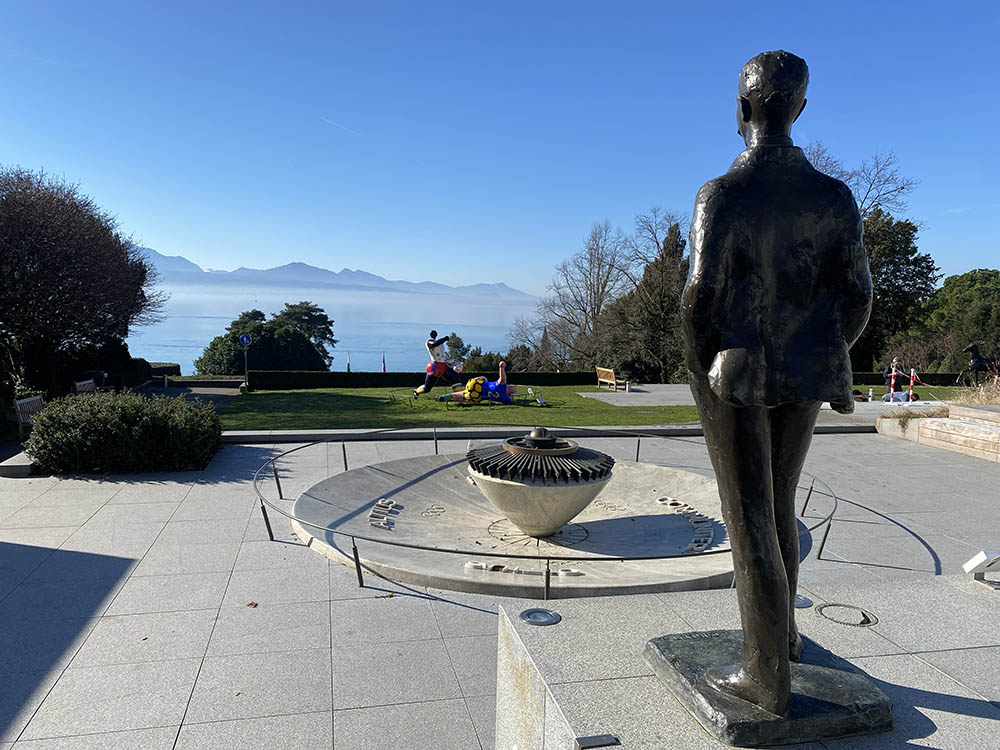
Since the 2000s, a growing number of states have been mobilizing their diplomats on sporting issues and sport for diplomatic purposes, to the extent that the concept of ‘sports diplomacy’ has become established in a prescriptive, if not forward-looking, sense in the international public sphere. Media, governments, supranational organizations, international NGOs, consulting firms, and think tanks invoke it to suggest that sport possesses a unique capacity to transcend differences, foster peace and reconciliation, and advance human rights. Many of these practitioners or experts believe that sport does more to cultivate solidarity among nations than the hierarchies of podiums and of records do to fuel nationalism. The idea that sport could promote international has its roots in ‘Olympism’, theorized in the early twentieth century by the Frenchman Pierre de Coubertin and subsequently promoted by the International Olympic Committee (IOC) to legitimize the so-called ‘Olympic movement’. It is closely linked to another postulate, also attributed to Coubertin, which posits that sport constitutes a neutral space and that sporting organizations are apolitical actors. However, empirical evidence capable of proving that sport contributes to world peace and human progress remains scarce. Is sports diplomacy, as a transformative force, merely a mantra? Does it exert any influence on public opinion? Is employing sports to improve states’ image truly effective? These are among the numerous questions that this international conference – open to all academic disciplines – aims to address.
Contact: diplomatie.sport.2026@unil.ch

