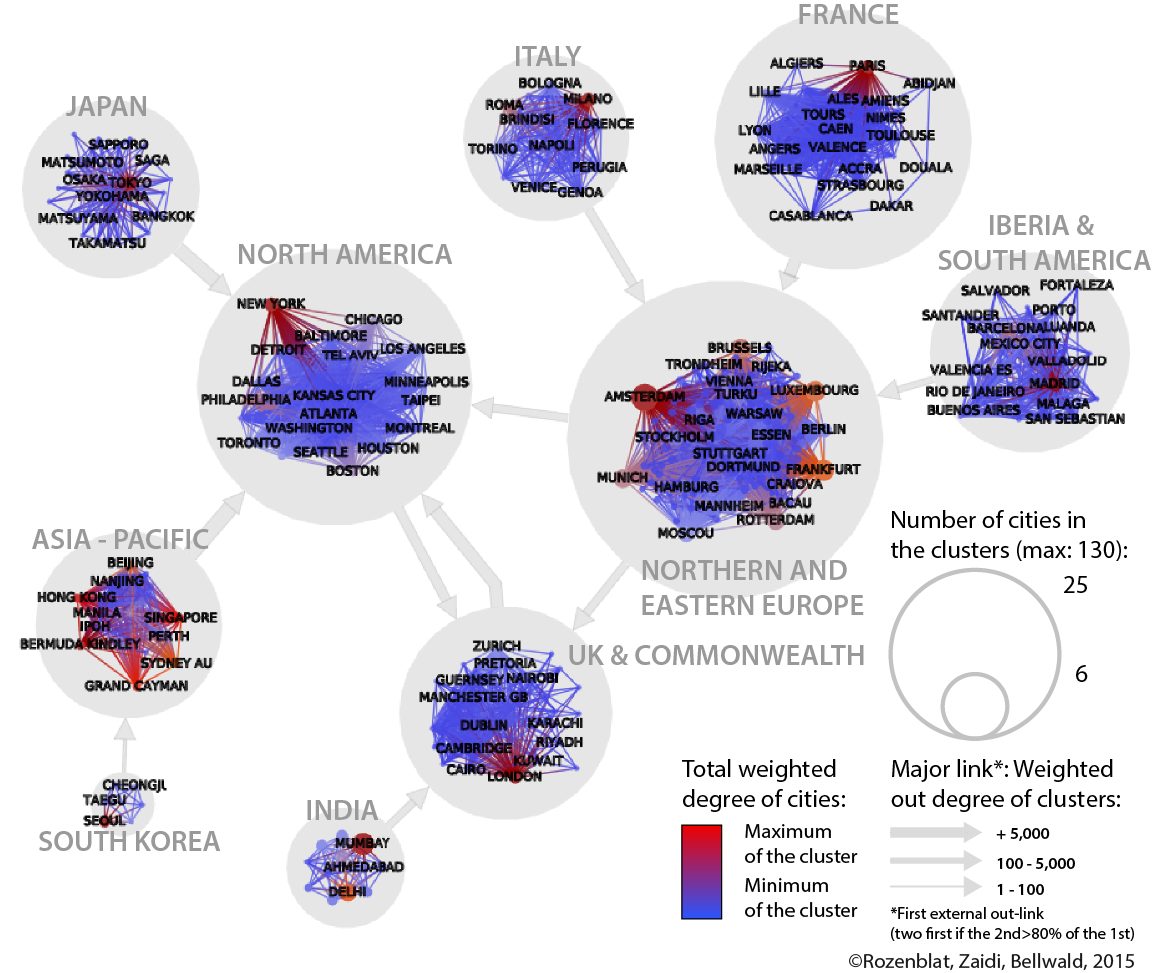
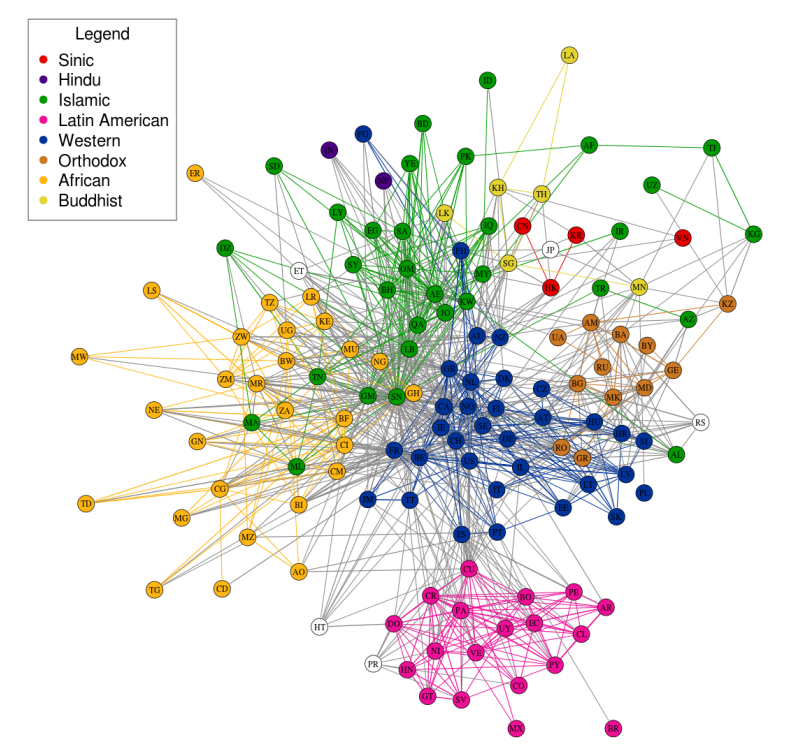
Rozenblat, C., Zaidi, F., & Bellwald, A. (2017). The multipolar regionalization of cities in multinational firms’ networks. Global Networks, 17(2), 171-194.
 CITADYNE
Rozenblat, C., Zaidi, F., & Bellwald, A. (2017). The multipolar regionalization of cities in multinational firms’ networks. Global Networks, 17(2), 171-194.

For those who missed the session Territorial Intelligence for Multi-level Equity and Sustainability, you can visualize online individually each presentation :
Denise Pumain, University Paris 1. ERC GeodiverCity (Keynote Speaker – Conference CS-DC)
Panos Argyrakis, University of Thessaloniki
Comparison of single and multiplex patent networks
Celine Rozenblat, Antoine Bellwald, University of Lausanne
Elfie Swerts, ERC GeodiverCity
Scaling laws in Chinese urban system in light of harmonized data
Olivier Finance, University Paris 1 – CNRS
Scaling laws to explore innovative behavior of transnational investment
Paul Chapron, ERC GeodiverCity
Building and exploring systems of cities models via high performance computing.
Denise Pumain, University Paris 1. ERC GeodiverCity
Scaling laws in urban evolution: A construction in territorial intelligence
The entire program of the TRACK “From Fields to territories to the Planet” is available here:

Interestingly…. they prefere parks and river sides :-(((( What a new information!!!!



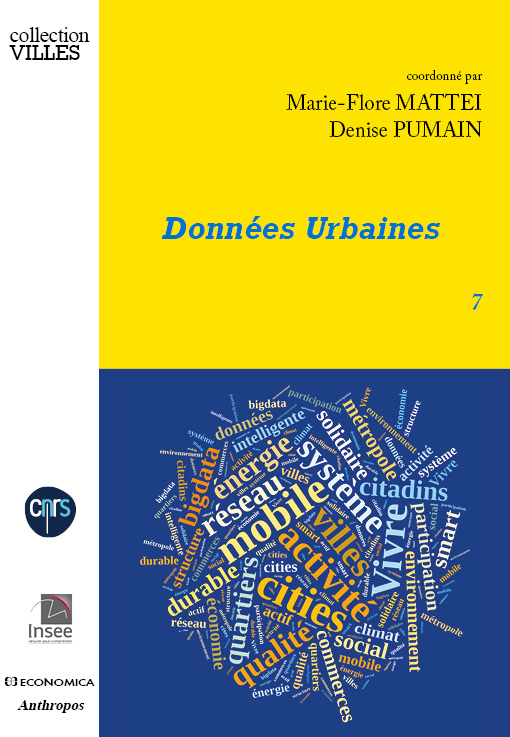
Decrypting new diverse and massive urban data, this book shows how cities, their governments their inhabitants, their businesses , adapt deeply to all these transformations. The book is divided into six main chapters, each grouping of items within the reach of the great public by experts on urban policies, urban life, space and social structures, the economy, the functioning of cities in systems and the urban environment. The continuity of these themes with previous volumes in the series can measure the importance of the transformations that highlight how adaptation to change is more than ever the driving force for dynamics cities. Teachers, students, policy makers, urban practitioners and ordinary citizens will find keys to understanding these developments and knowingly take part in.


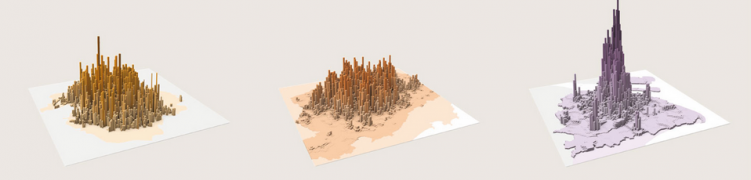
Source: London school of economics, 2015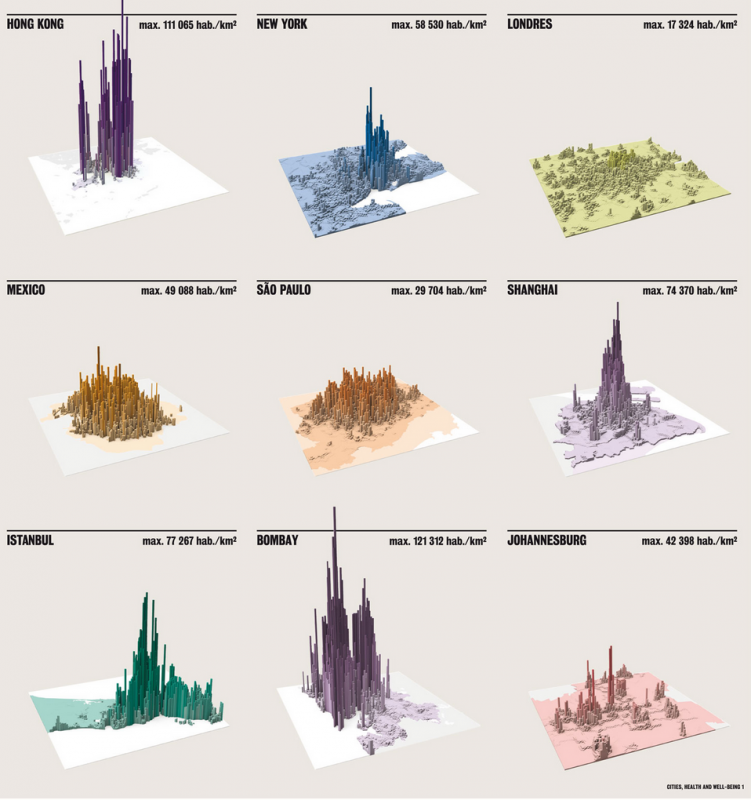

By Jaume Serra published in the “Courrier international” of January 2nd 2014


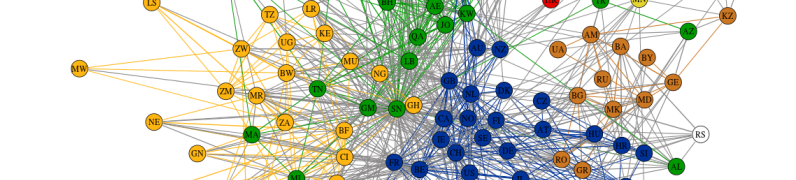
The Internet was supposed to let us bridge continents and cultures like never before. But after analyzing more than 10 million e-mails from Yahoo! mail, a team of computer researchers noticed an interesting phenomenon: E-mails tend to flow much more frequently between countries with certain economic and cultural similarities.
see the paper in Washington Post
original paper: State et al. 2013 World internet

The system calculates the distance from a city to another one, according to faster path, or lower cost.
Go to “Mapping ORBIS”, It draws the path and create many different maps and graphs (in “Map gallery”). It’s a pity that the Emperors did not have this system 🙂


A website showing the proximities between sciences, between fields, maps of ontologies:
https://www.science-metrix.com/OntologyExplorer/#app=cde1&8f8c-selectedIndex=2

https://www.science-metrix.com/OntologyExplorer/#app=cde1&8f8c-selectedIndex=1

Three years ago, a friend of mine who is a genius artist (Catherine Bolle), asked me to do geography on her biography. She told me many things about her life, during some few sundays afternoon in the Beaurivage Hotel in front of the lake in Lausanne. It took one year to build the data and think about the pictures to produce. Then to build them and interpret with a nice text.


A conversation with scientist and inventor of the World Wide Web Tim Berners-Lee on what is wrong with social networking
Sir Tim berners Lee in DAVOS 2013


https://www.bbc.com/future/story/20130102-tomorrows-world


Everything is mappable.
The letters written by Jean-Jacques Rousseau are classified by place and time. So you can enter into the Space-time of the author.
https://www.rousseauonline.ch/maps/maps.php


The magazine Science underline the huge advance made in network analysis. Networks interact, create cascading effects……


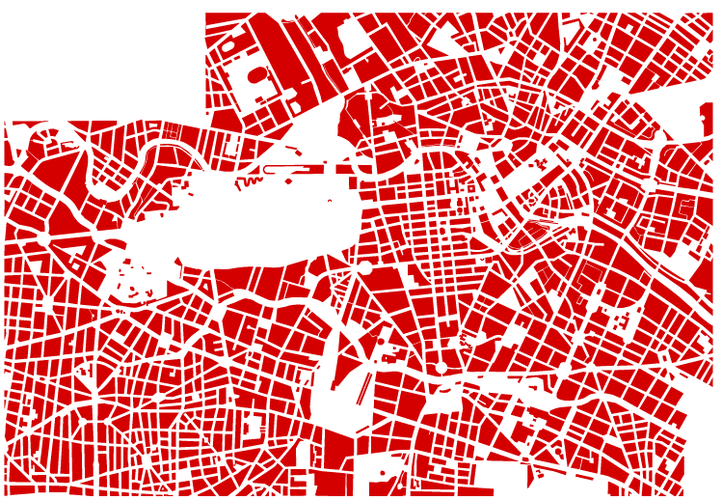
I don’t know what we can learn from the physical dissection of cities: maybe some fractal analysis could work?
Berlin:
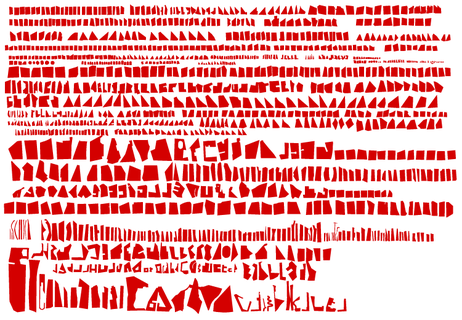
New York City:
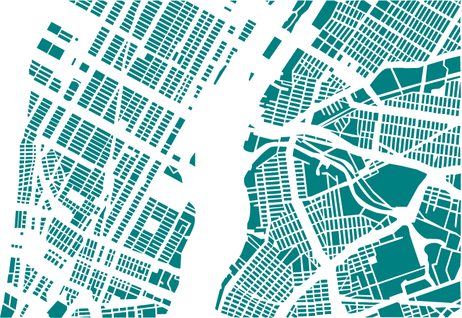
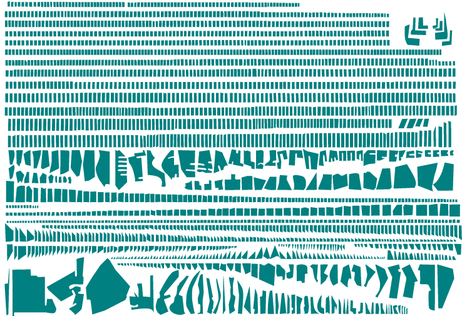
and other cities in the website (made by Armelle Caron)

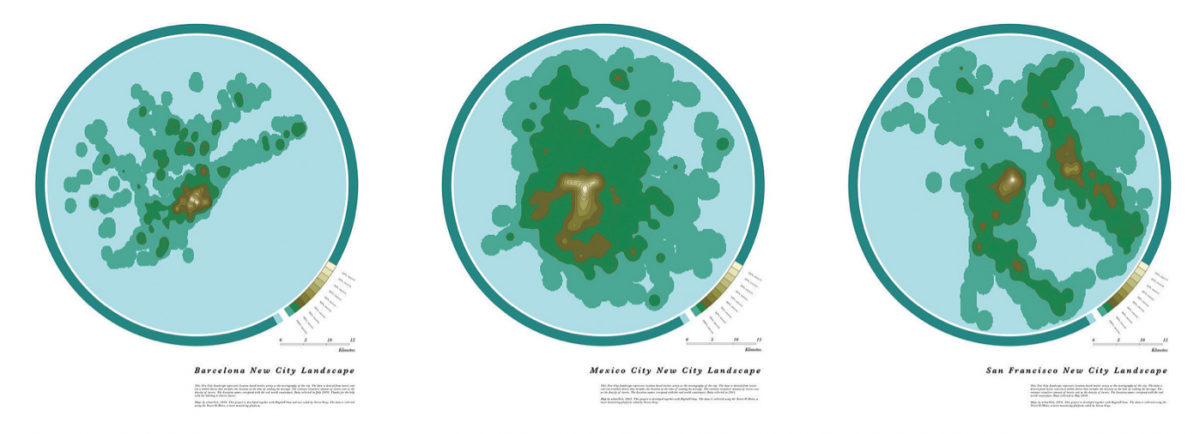
The density of twitter users shows the location of people in London during the Olympic games…. impressive……
See the website:
https://urbantick.blogspot.co.uk/2012/09/virtual-landscape-and-peak-for-london.html
London during Olympic games:

Other cities:

Looking back through the decades, these snapshots from space — created exclusively for CNN by NASA’s Landsat department in collaboration with the U.S. Geological Survey — reveal the impact of the vast population shift on cities around the world.
https://edition.cnn.com/SPECIALS/world/road-to-rio/satellite-photos-urban-sprawl/index.html
example of LAS VEGAS:

