Categories
Complexity Digital twins Simulation Urban

The Rise of Digital Twins

Last March, Nature Computational Science published an issue dedicated to digital twins. From the simulators used by NASA in the Apollo missions to today’s applications in urban planning, the concept of digital twins is more alive than ever. 

Since that first application, digital twins have been nurtured by significant advances in computing power, data generation and the emergence of a wide range of methods and tools for building the ‘living models’. These developments have extended the possibilities of digital twins from industry and engineering to other fields such as social sciences, biomedicine, climate science and others, which bring their own challenges, requirements and discussions.

This issue of Nature Computational Science highlights the most recent developments in this flourishing field, bringing together expert point of views on the needs, gaps and opportunities for implementing digital twins in different subjects. In the context of urban planning, Michael Batty presents an article that begins with a discussion of the definition of digital twins and argues that the gap between real and digital is not the same for physical assets than for social and organizational systems. Batty claim, as well as the need to integrate humans in the loop design and use of digital twins, reminding as cities could be inherently unpredictable.

If you are interested in this issue, follow this link:

https://www.nature.com/collections/feicjiideh

Follow this link to read Michael Batty article:

https://www.nature.com/articles/s43588-024-00606-7

Source: Busakorn Pongparnit / Moment / Getty Images
Categories
Artificial Intelligence Cities Complexity Digital twins Geography Local digital twin MAPS Urban Vizualization

Digital twins for Amazon sustainability

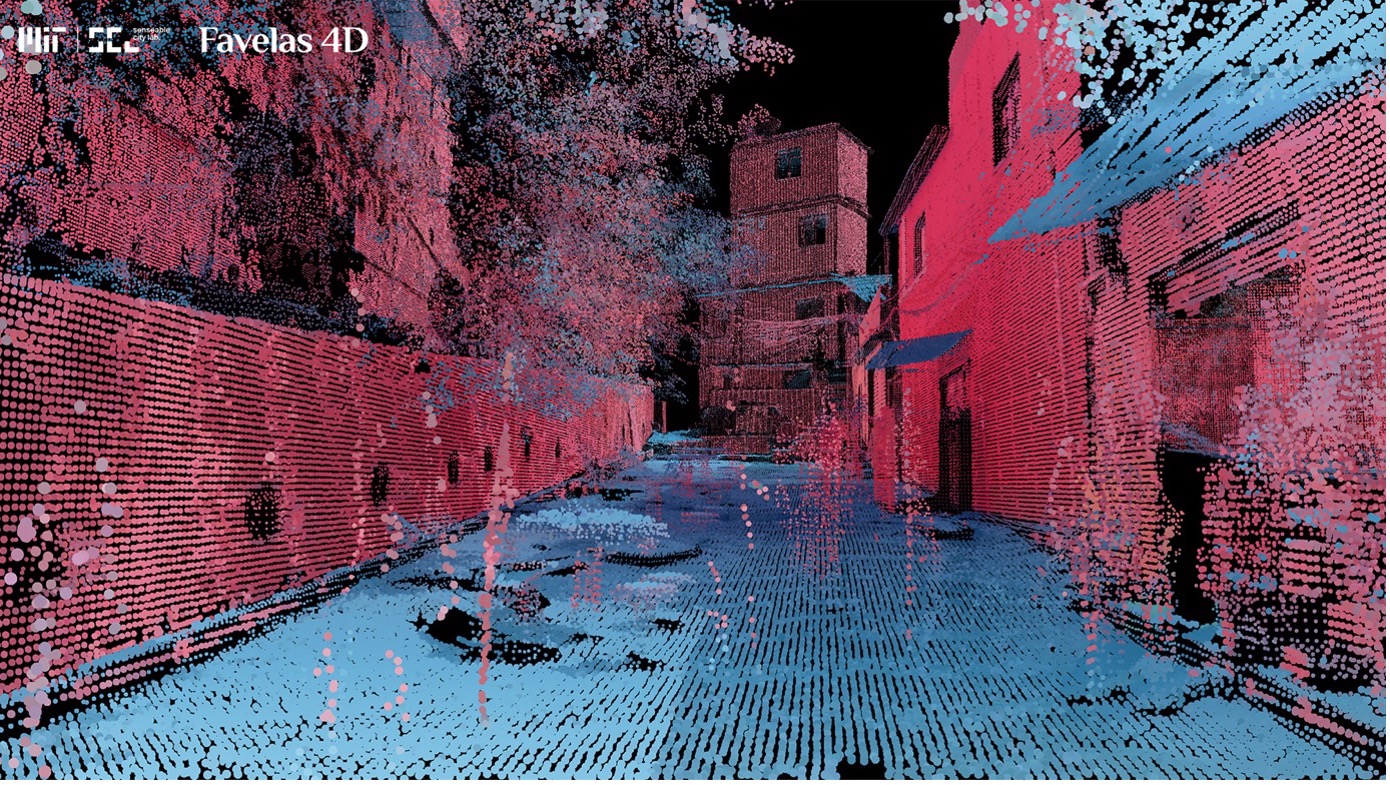
Carlo Ratti, director of MIT’s Senseable City Lab, and Robert Muggah, co-founder of the Igarapé Institute, recently argued in a Mongabay op-ed how digital twins could support policies to protect and conserve the Amazon while improving people’s well-being by encouraging them to expand green bio-economic activities.

They pointed out that digital maps can help understand the forest ecosystem in more detail than ever before. Using LIDAR and AI technologies, it may soon be possible not only to map and digitalize each individual tree from crown to root, but also to understand and scan how different species are connected to the surrounding topography and how each part of the ecosystem relates to the land around it – i.e. a complex approach-.

Digital twins can therefore help to clarify the relationships between rainforest ecosystems and the cities embedded within them. This includes complex and informal neighborhoods that remain unmapped. Based on this new amount of data and knowledge about the Amazon rainforest, it could be possible to help protect the ecosystem from environmental crime and unsustainable development by promoting and encouraging green alternatives.

Follow this link to read the full article:

https://news.mongabay.com/2023/11/can-digital-twins-help-save-the-amazon-commentary/

If you are interested in the activities of MIT’s Senseable City Lab, follow this link:

https://senseable.mit.edu/

And for the Igarapé Institute:

https://shorturl.at/FMO26


Image source: MIT Senseable City Lab.

Categories
Cities Complexity Digital twins Geography

The role of complexity for digital twins of cities

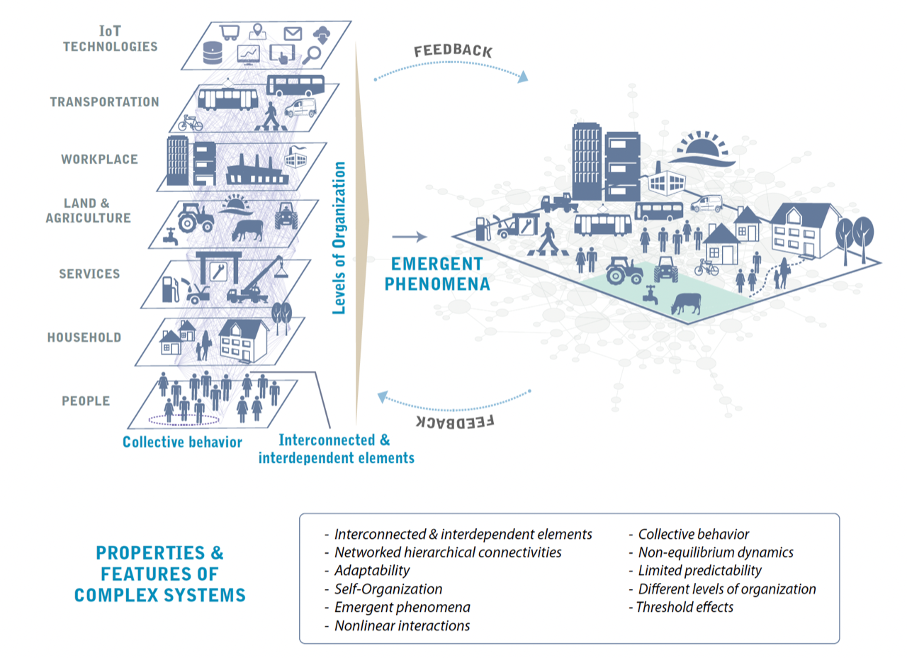
Caldarelli et al. (2023) published this month in Nature Computational Science:  “The role of complexity for digital twins of cities”. They argue that complexity science has the potential to integrate and support digital twins of cities. The huge amount of data produced by digital twins requires a theoretical and methodological background that can cope with the multiple and simultaneous interactions that occur in cities.

According to the authors, complexity could address these issues by combining data-based and hypothesis-based approaches. They also argue that twin cities need to face ethical norms and quality standards, for which “the concept of a digital twin needs to be extended to the social and environmental domain in a value-sensitive way, respecting privacy and human rights”. 

To access the publication, please follow this link:

https://shorturl.at/flmJK