On 30 October 2025, the Sport Future Rendez-Vous once again gathered experts, practitioners, and academics to explore the future of sport, focusing on the impact and legacy of UEFA Women’s EURO 2025, hosted across Switzerland earlier this year.
Organised by the CIRS (Centre interdisciplinaire de recherche sur le sport) at the University of Lausanne (UNIL), together with IDHEAP (Institut de hautes études en administration publique), ISSUL (Institut des sciences du sport de l’Université de Lausanne), and the Global Observatory for Gender Equality & Sport,
the event examined how major tournaments can act as catalysts for change, strengthening the structures of women’s football, accelerating equality, and leaving a lasting legacy for future generations.
The discussion addressed key questions: How can such a mega-event reinforce the foundations of women’s football? Can it accelerate progress toward equality? And how can Switzerland ensure that the enthusiasm of UEFA Women’s EURO 2025 translates into long-term impact?
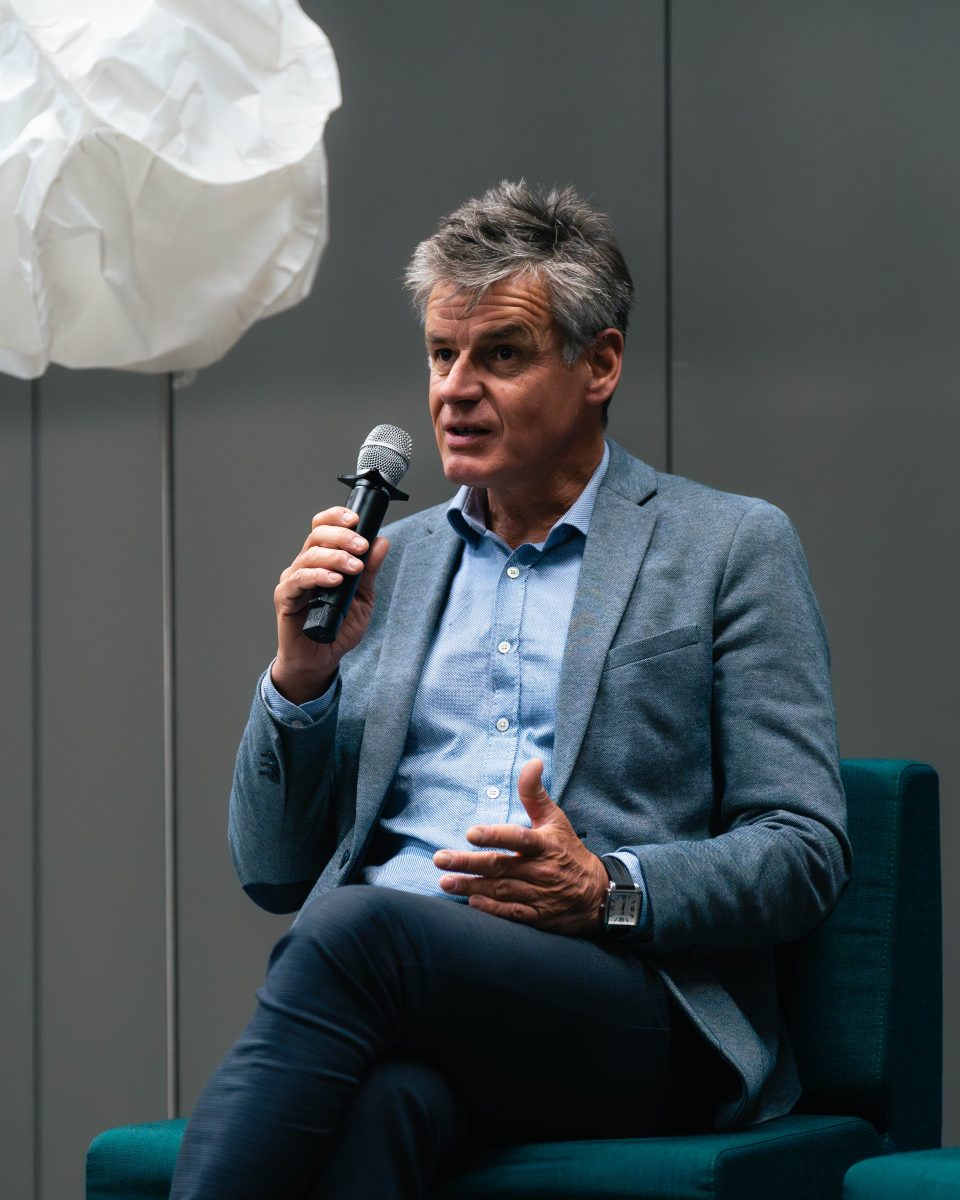
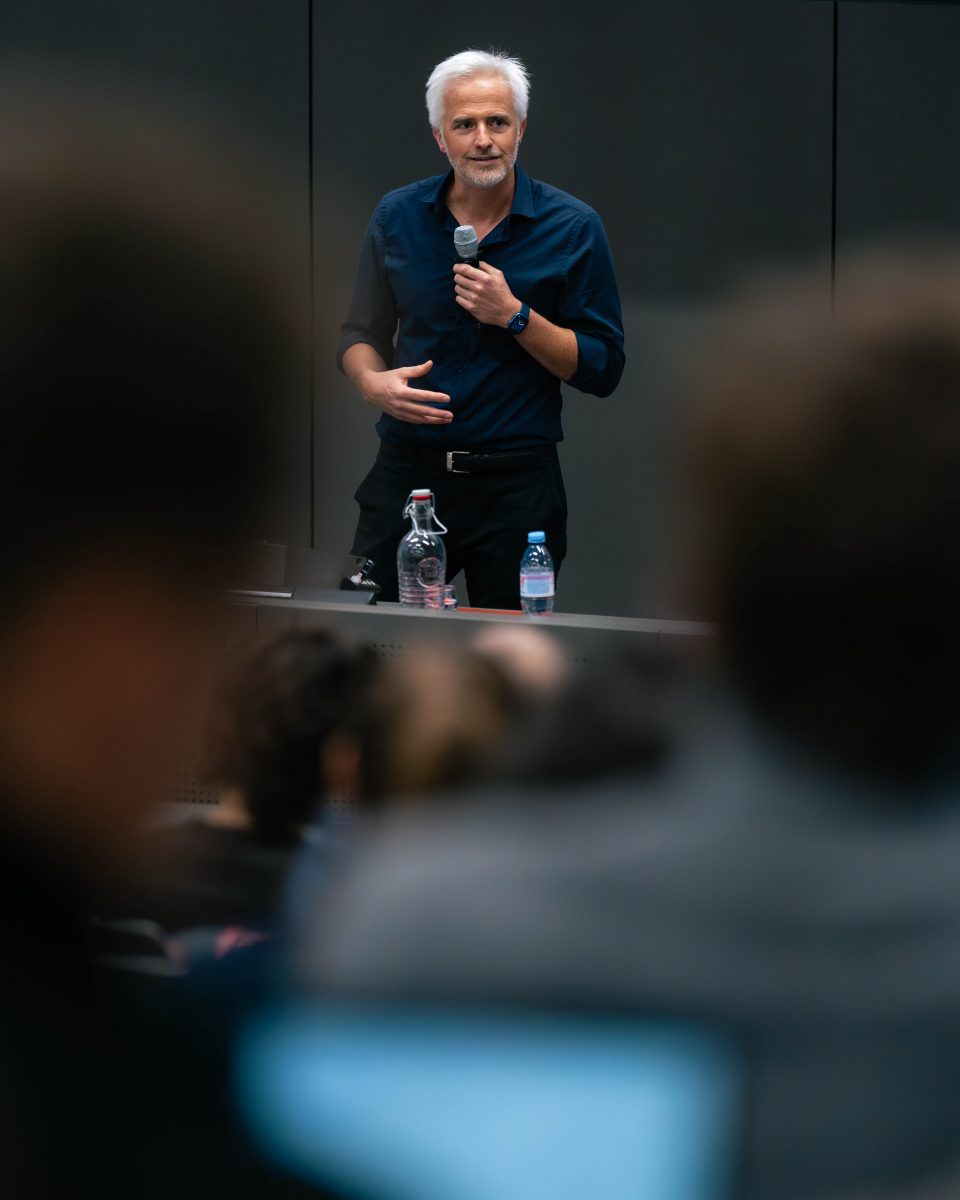
The evening opened with a keynote by Guillaume Poisson, Chief of Operations for UEFA Women’s EURO 2025, who shared his “View from the Top,” celebrating what he described as a “fantastic success for all involved.”
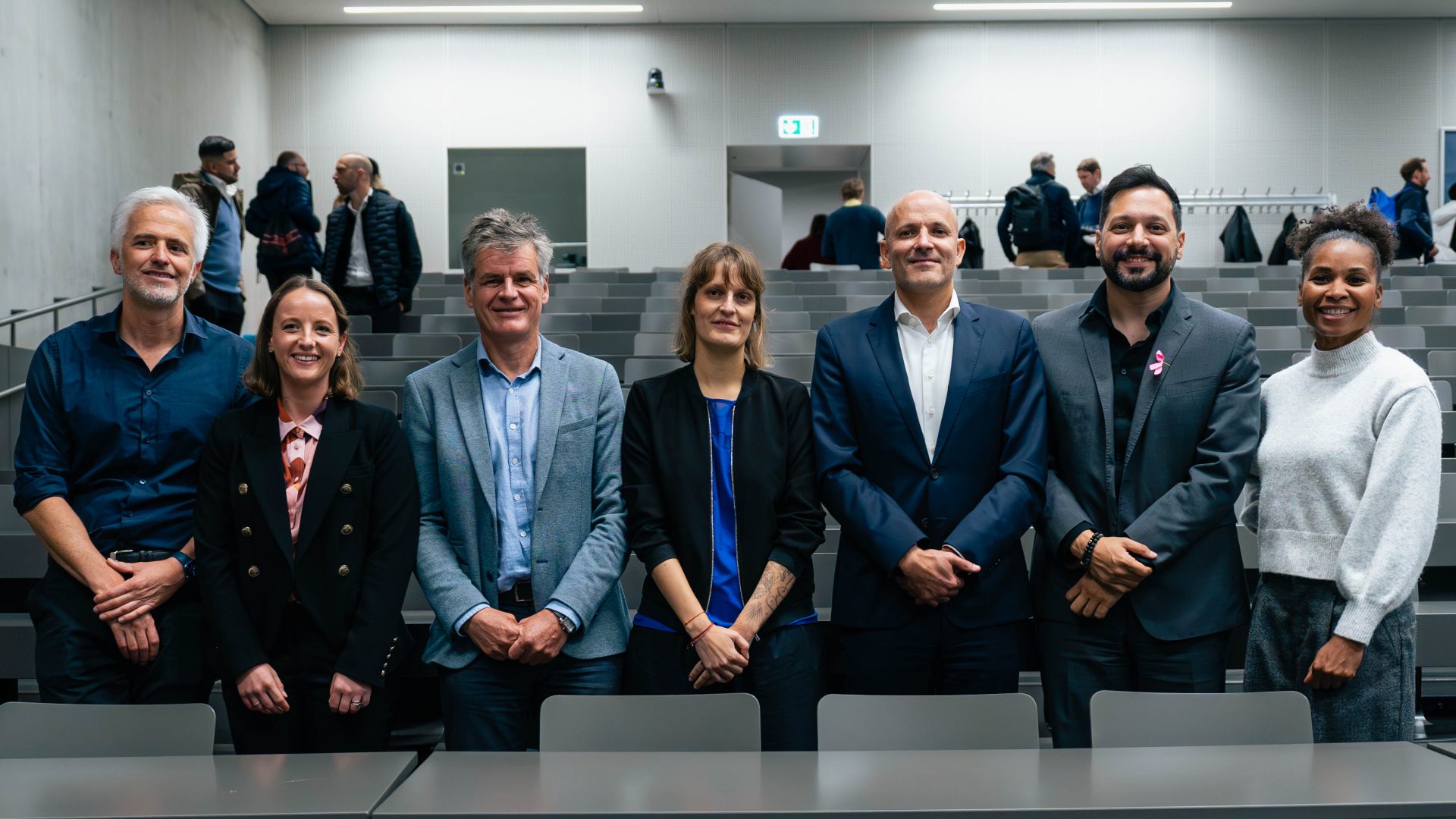
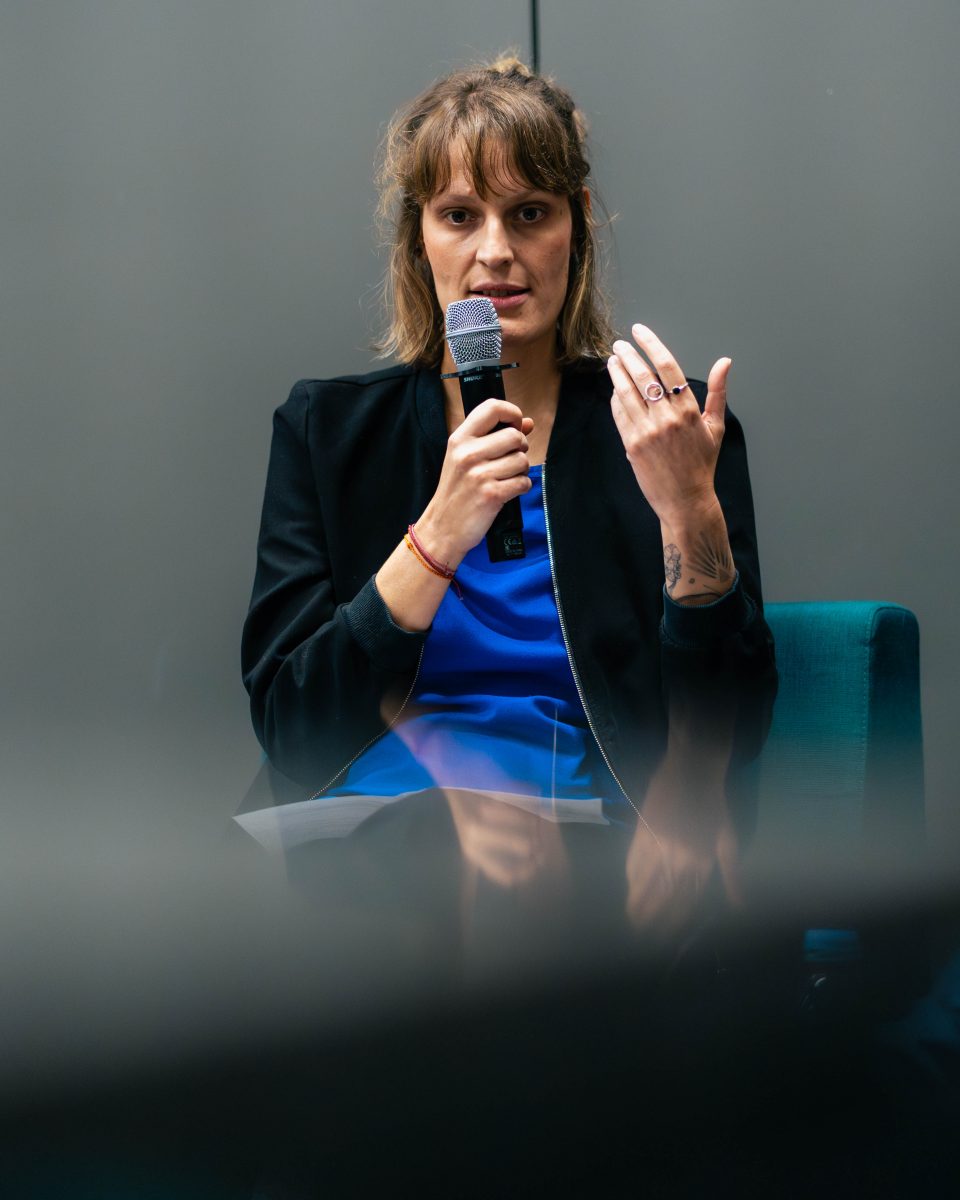
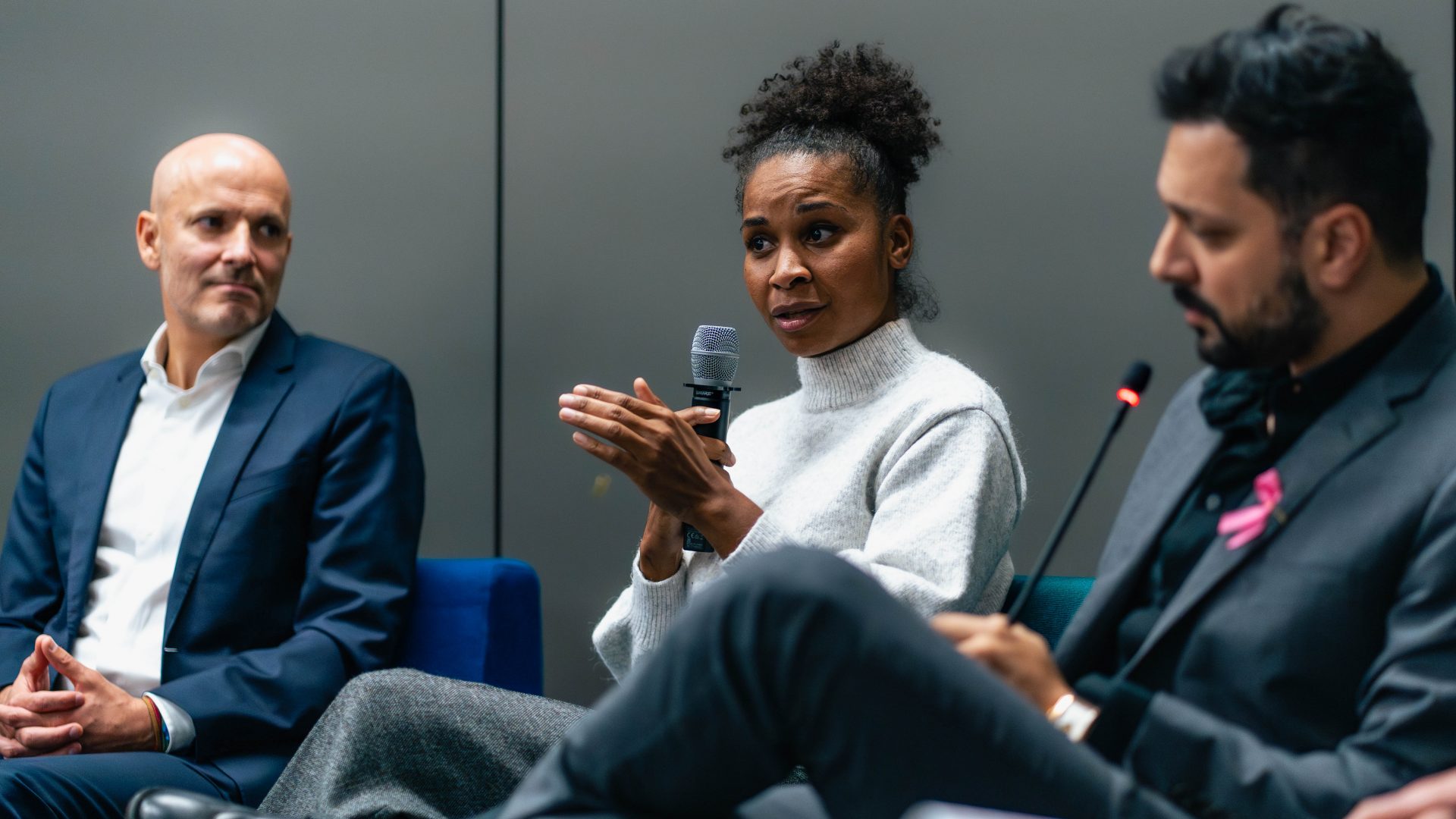
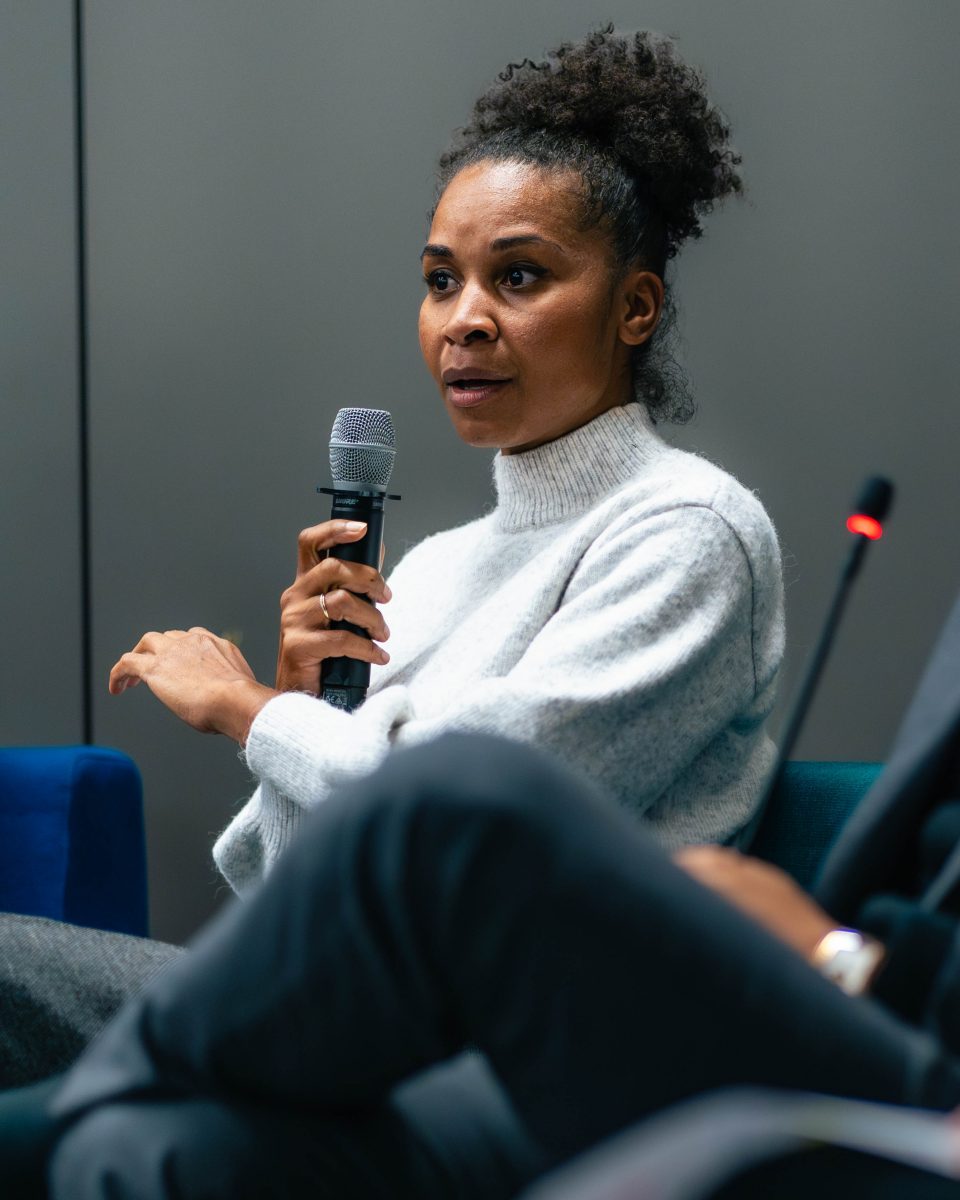
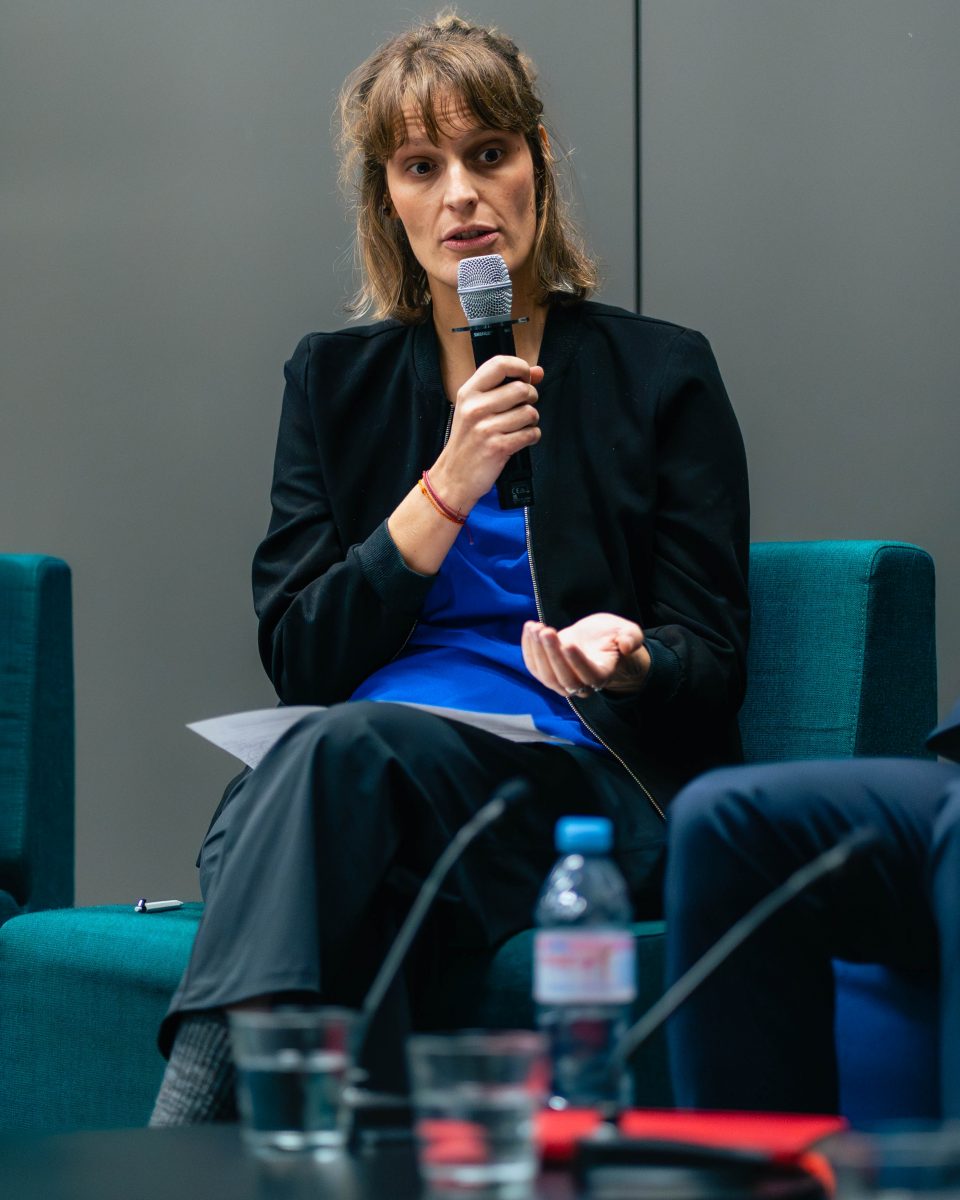
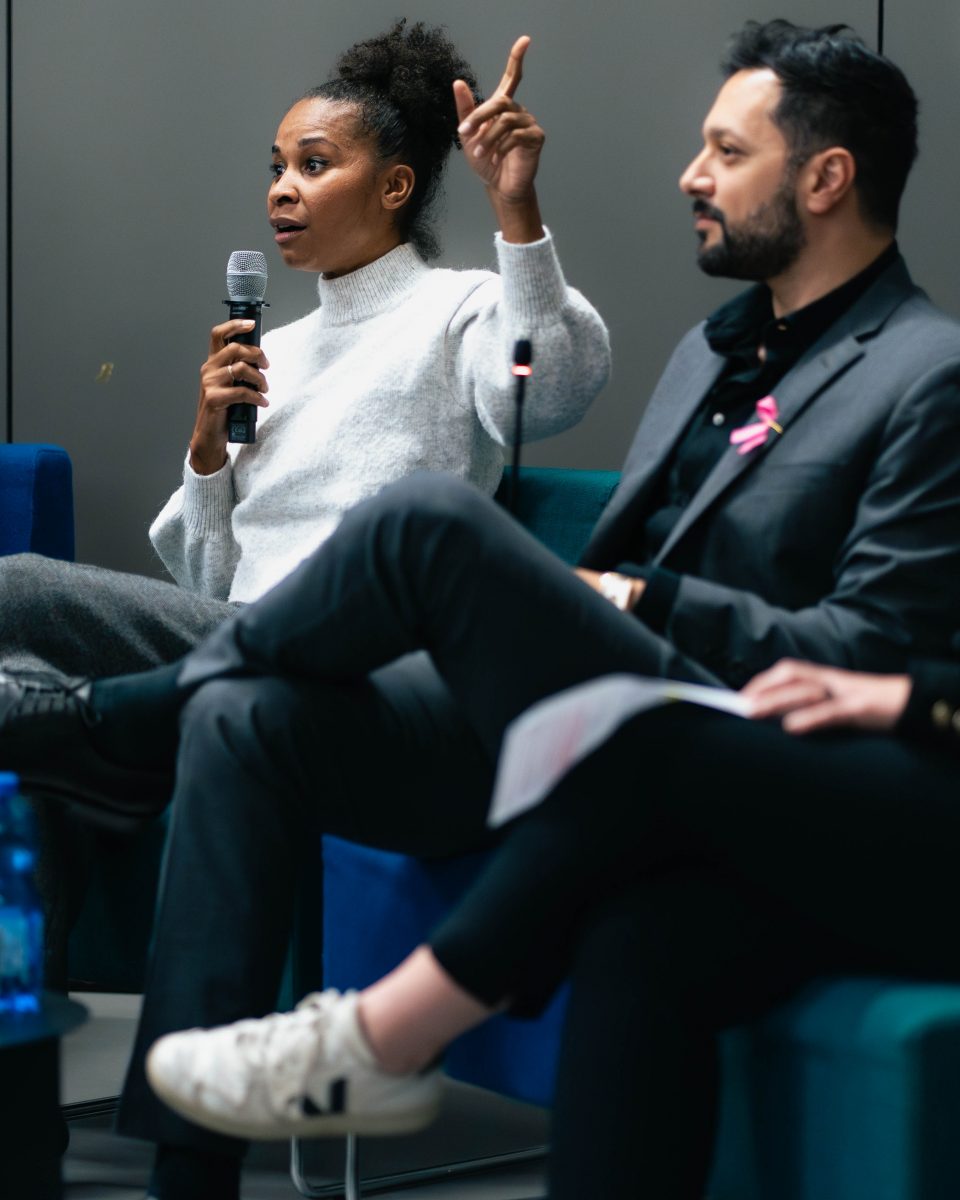
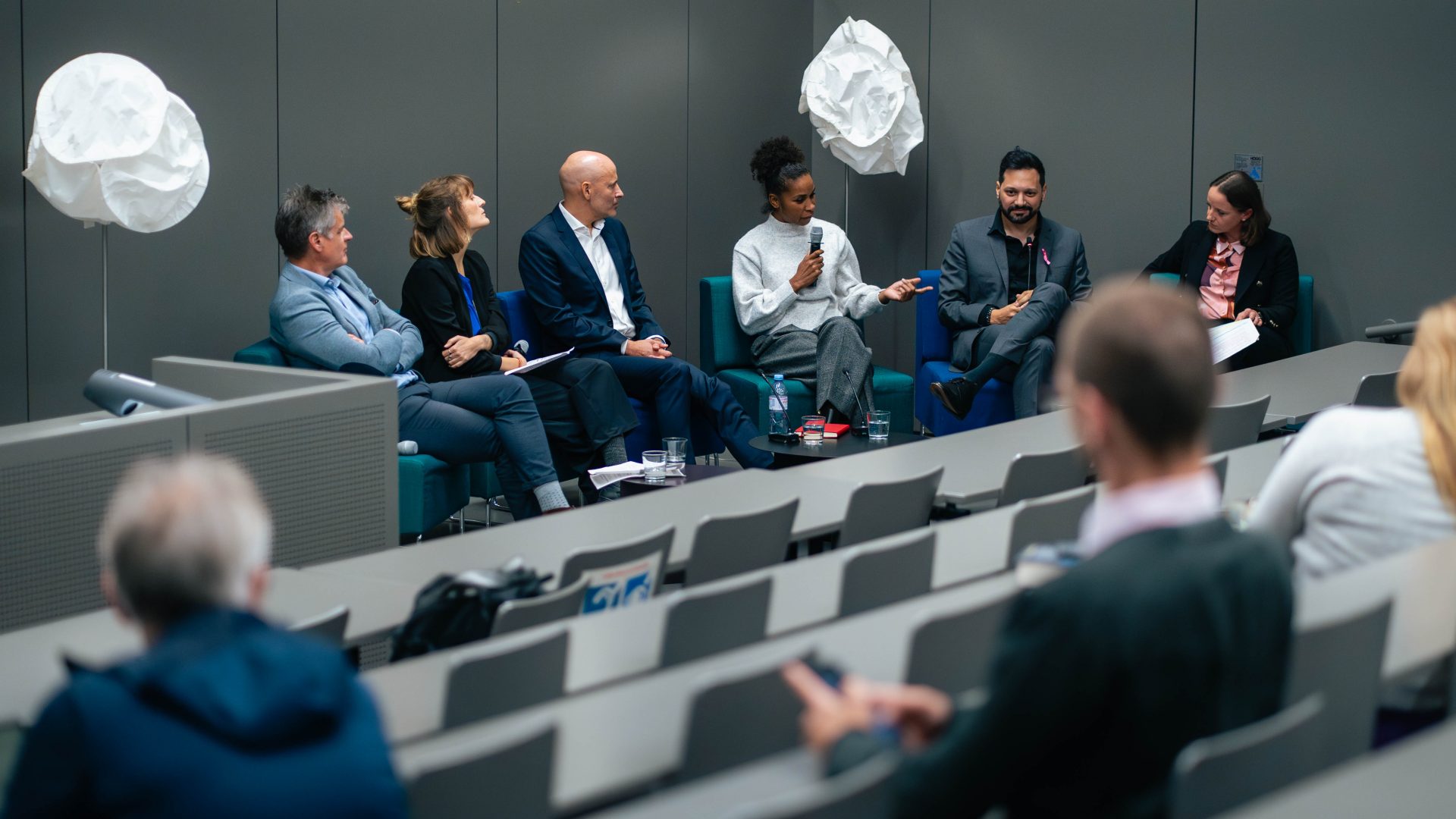
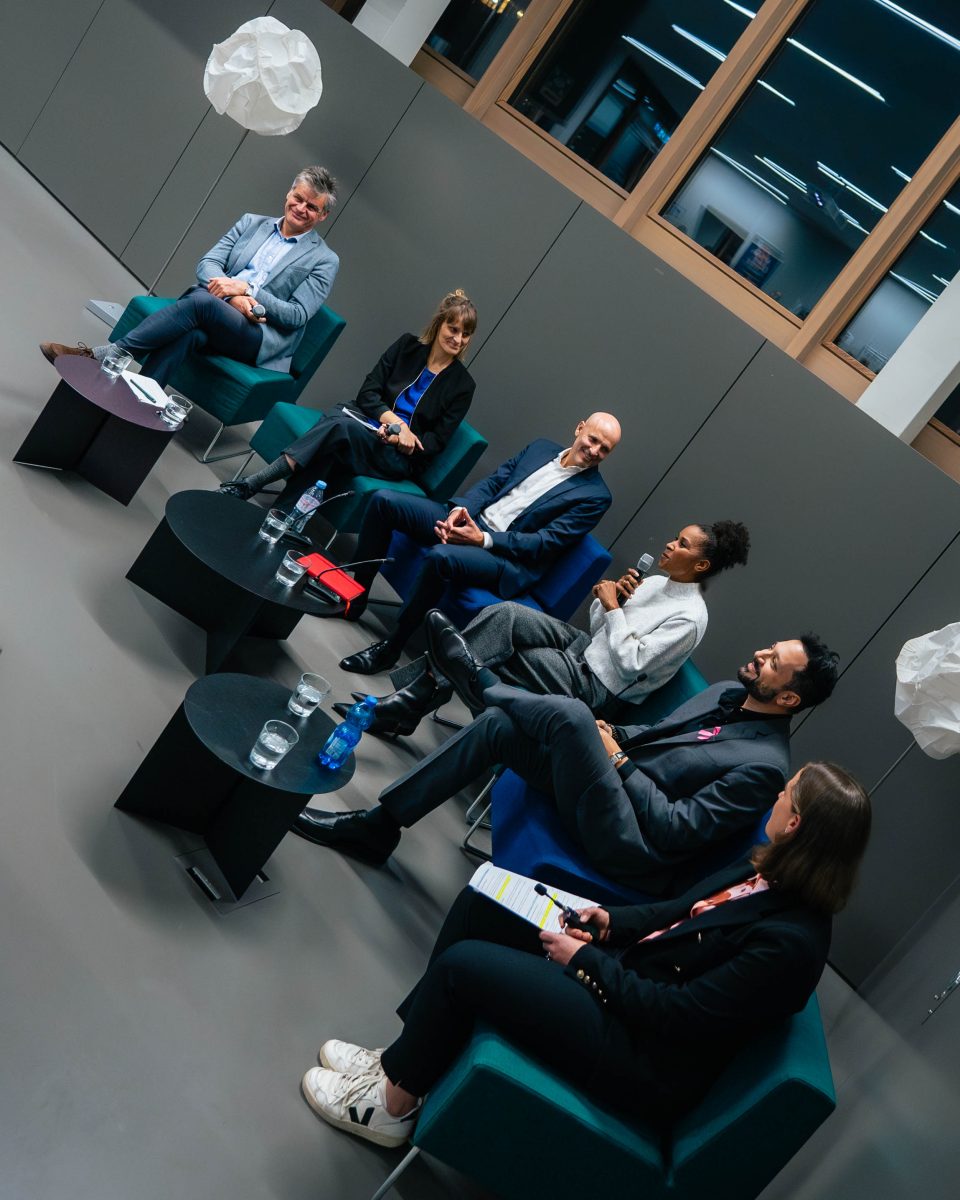
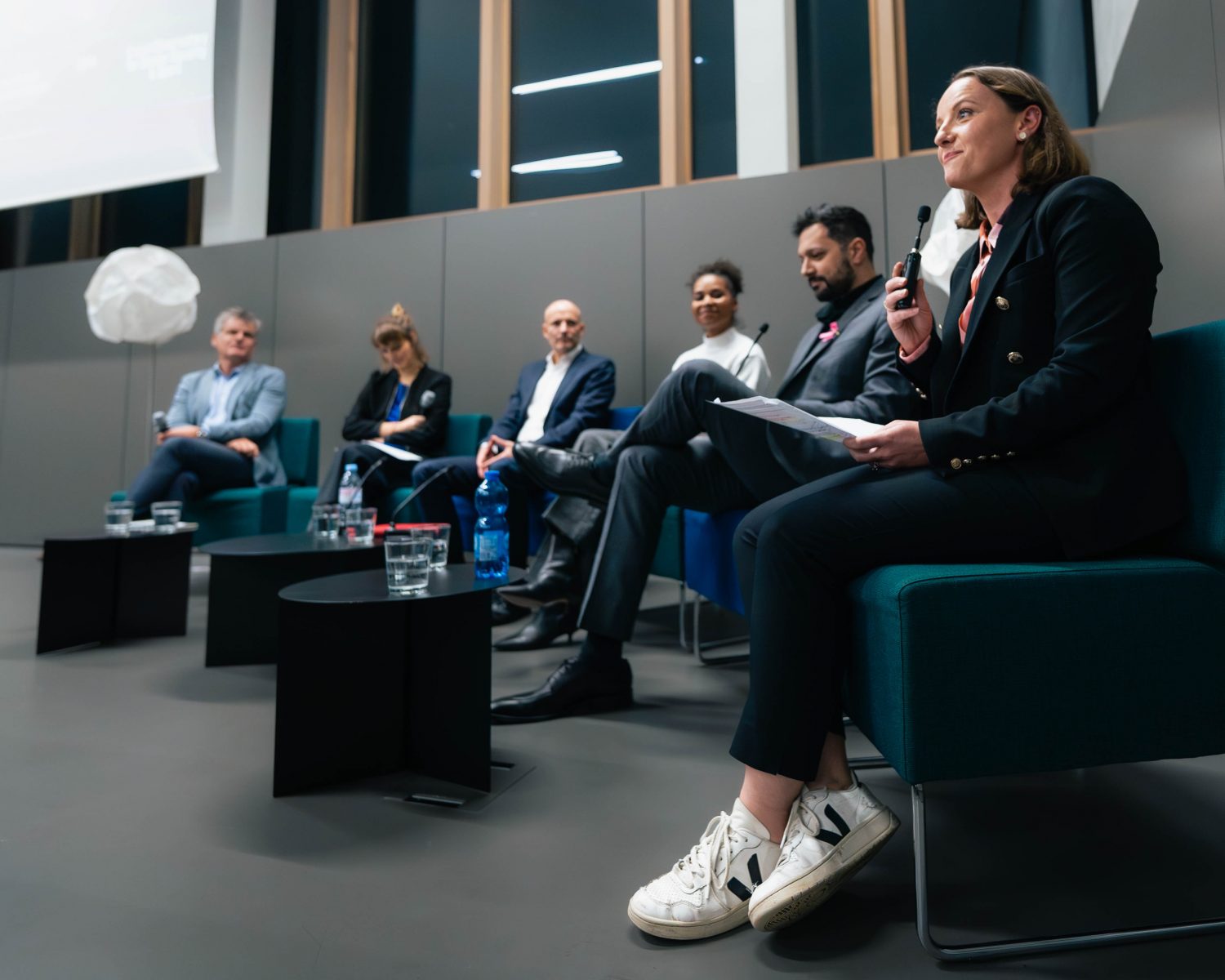
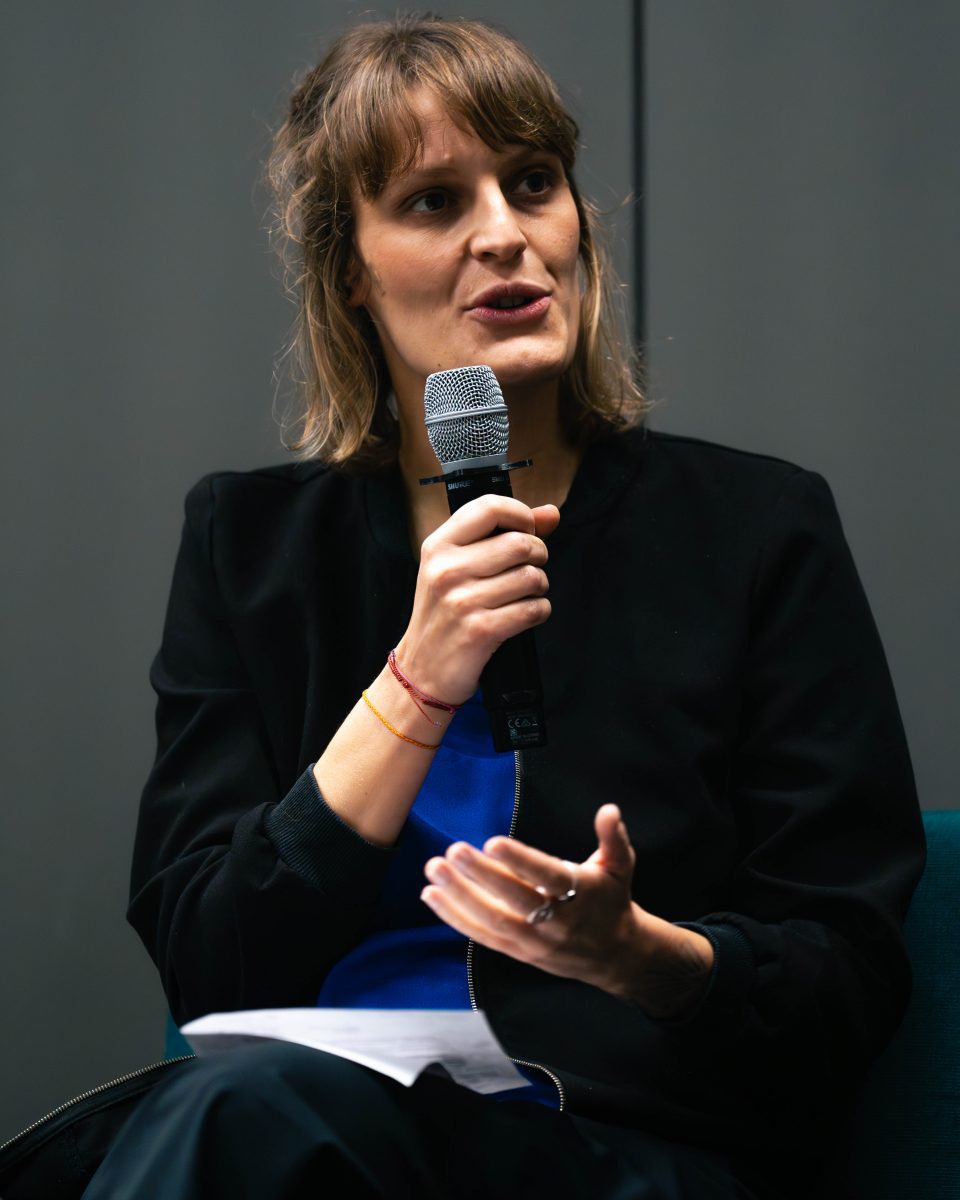
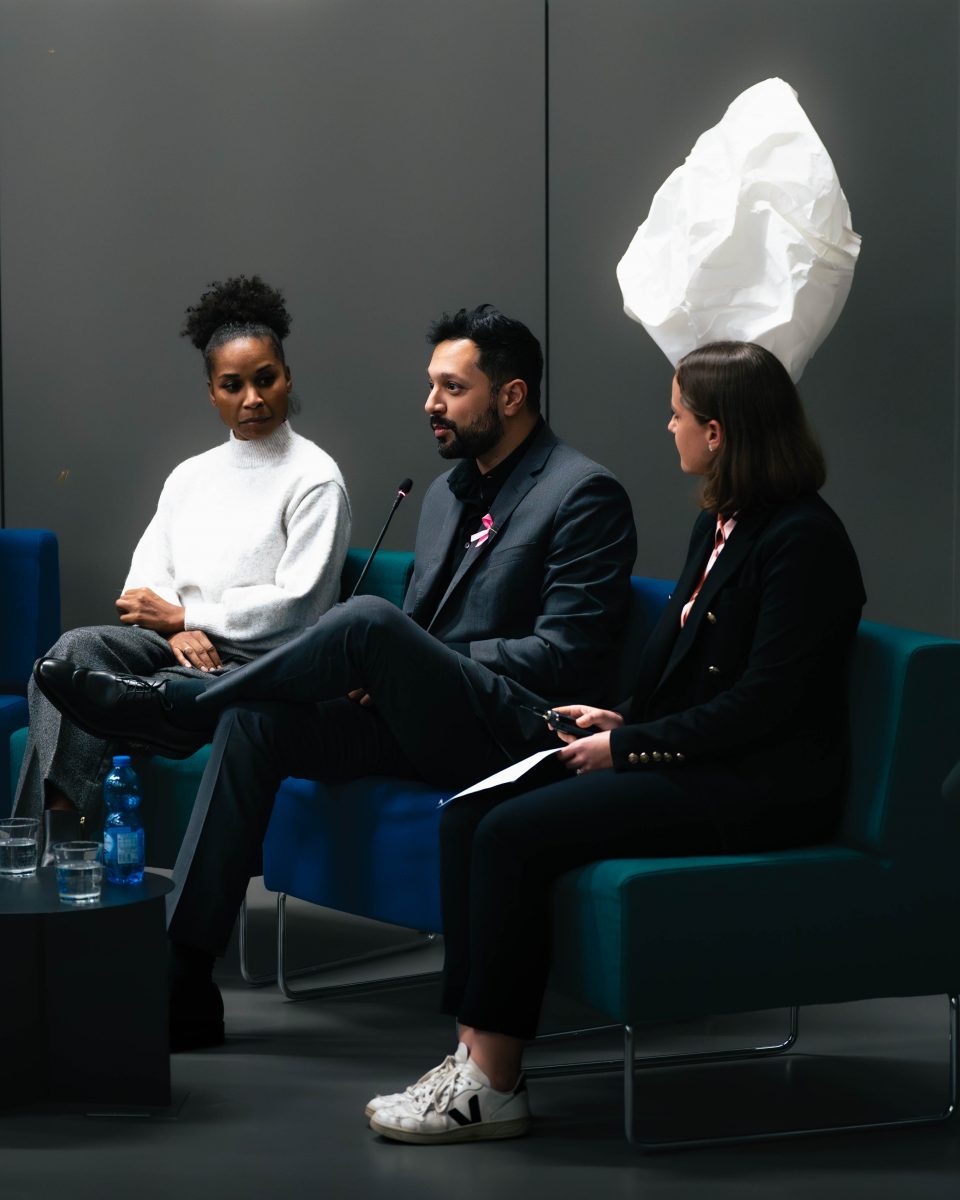
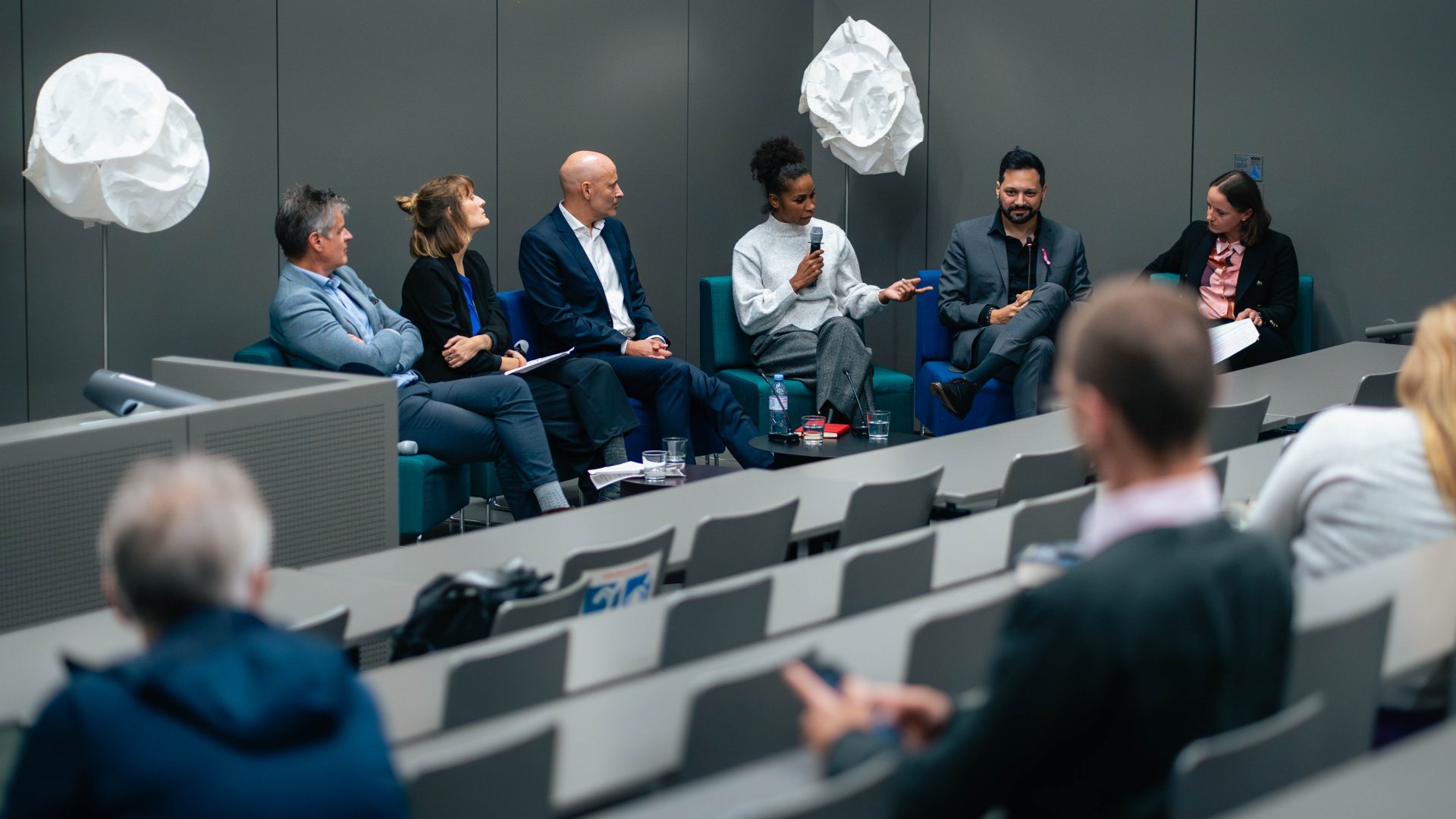
It was followed by a roundtable discussion moderated by Hayley Truskewycz, PhD, from the Global Observatory for Gender Equality & Sport, featuring:
- Yoann Brigante, President, Servette FC Chênois Féminin
- Michel Desbordes, Professor at the University of Lausanne, expert in sport management
- Solène Froidevaux, PhD, University of Lausanne, expert in sport and gender studies
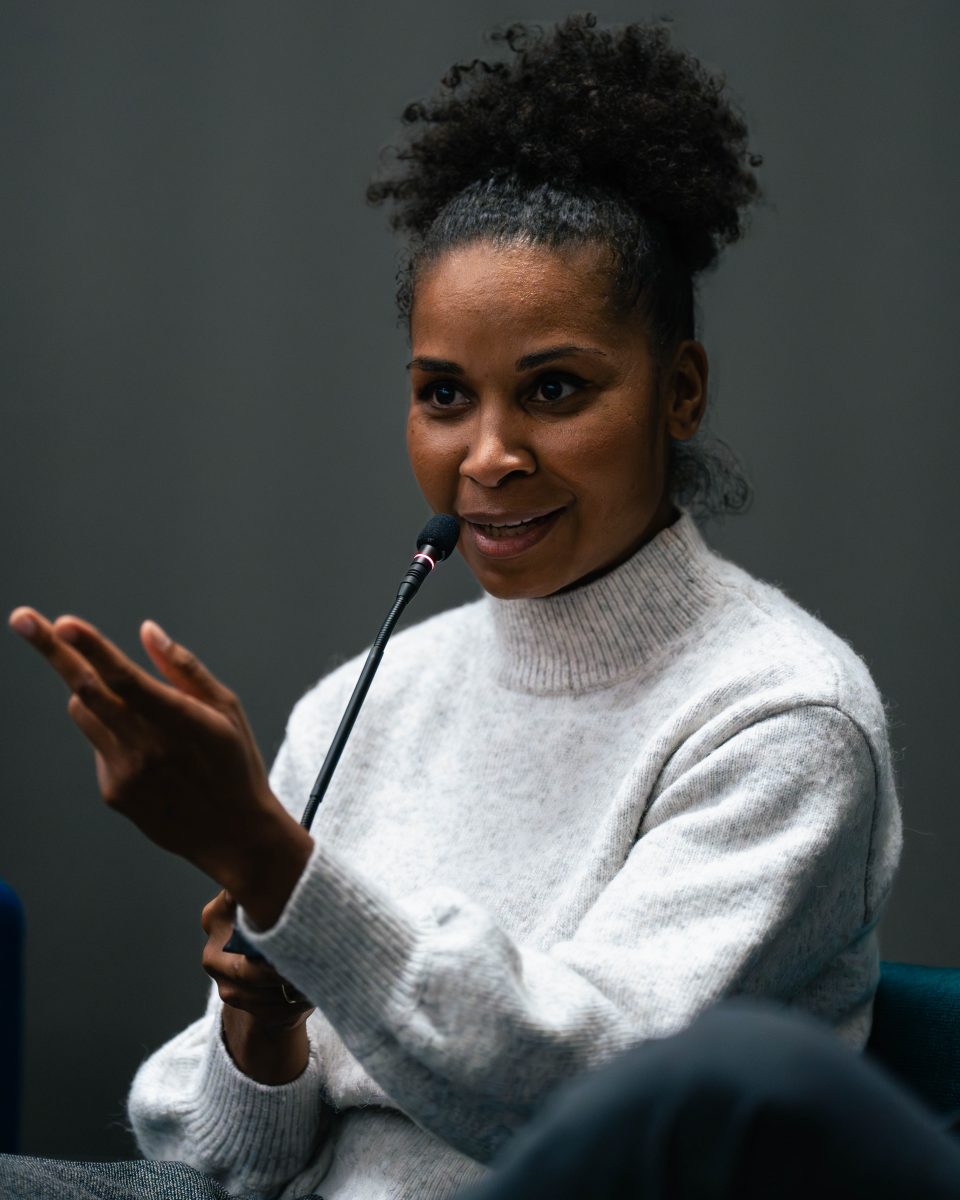
- Laura Georges, former French international footballer (188 caps)
- Guillaume Poisson, Chief of Operations, UEFA Women’s EURO 2025
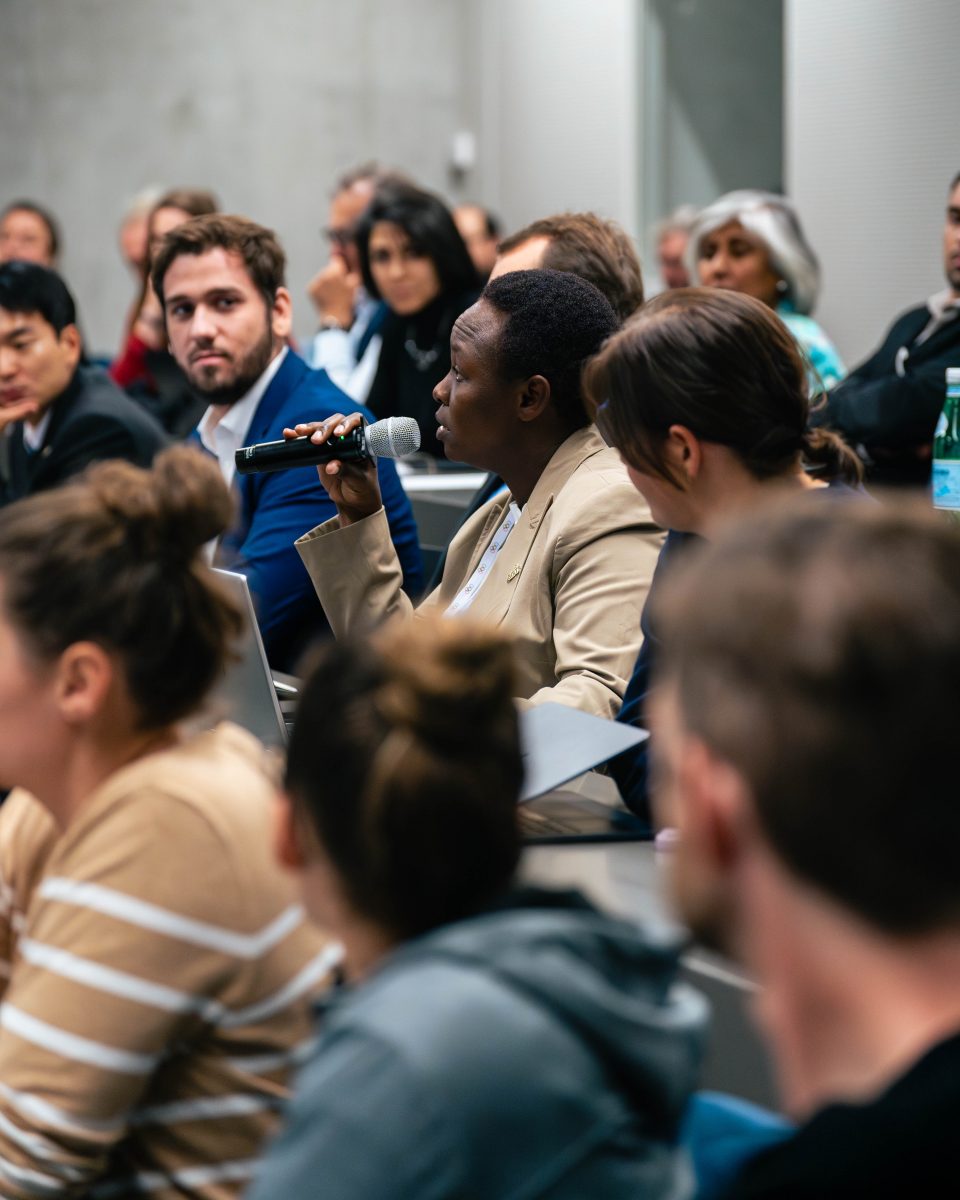
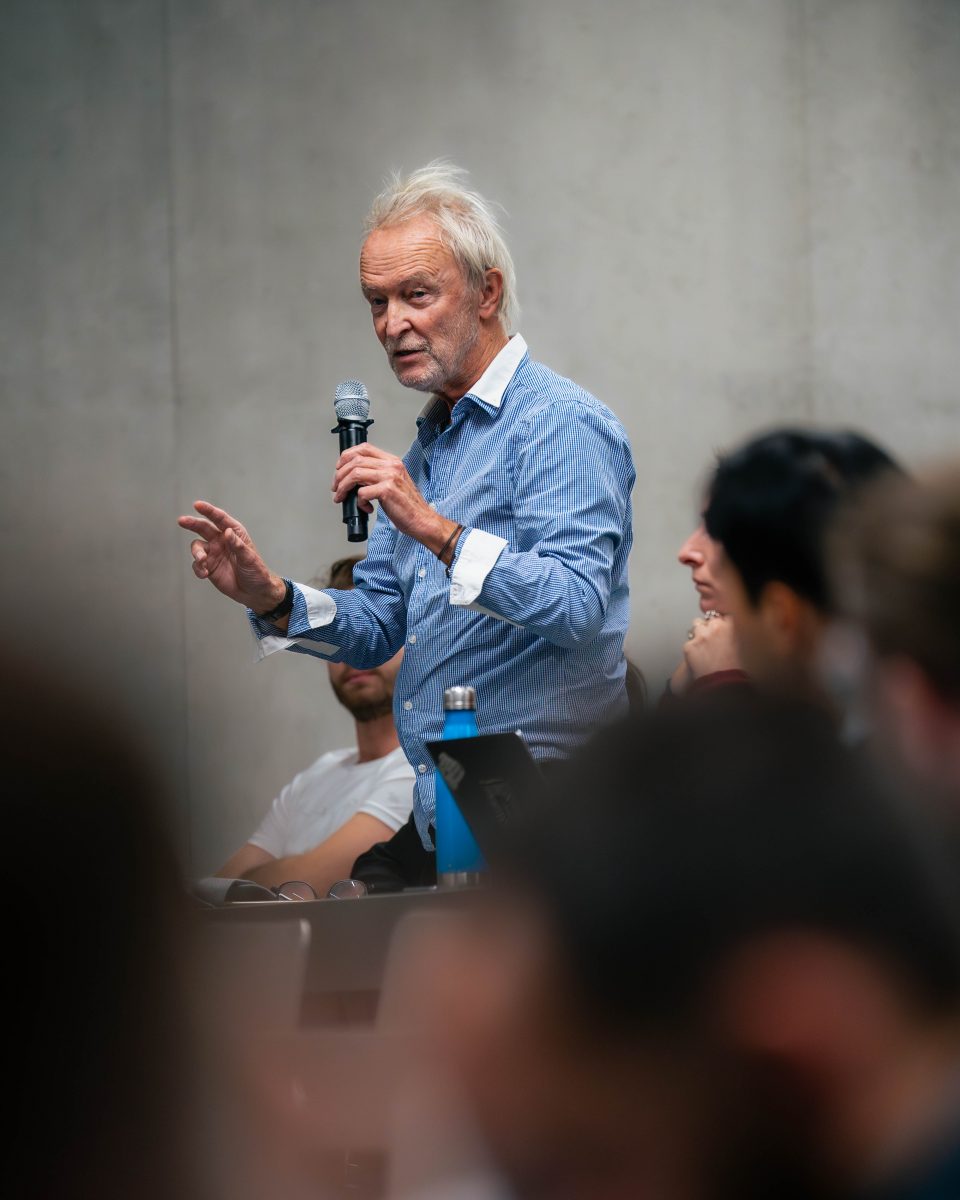
The engaging conversation was followed by a lively Q&A session and an apéro at UNIL’s Synathlon building, giving participants a chance to continue exchanging ideas in an informal setting.
Changing Perceptions and Creating a Legacy
For Guillaume Poisson, the biggest legacy of UEFA Women’s EURO 2025 lies in reshaping perceptions of women’s football and of women in society at large.
“The biggest legacy is to change the perception of women’s football, women’s sports, and women in society,” he said. “The fan walks and celebrations showed people feeling safe, joyful, and proud to take part together. That positive image of fans celebrating in stadiums and fan zones should be the lasting legacy for the tournament in Switzerland.”
He added that the success of previous editions confirmed the public’s genuine appetite for women’s sport, urging organisers and federations to sustain this energy well beyond the event itself.
“People are interested; they buy tickets, they come, they share the values of sport. We now need to serve this positive wave and make the most of the potential on every front.”
Rethinking Spaces and Social Dynamics
Adding a sociocultural dimension, Solène Froidevaux invited participants to reflect on how the success of UEFA Women’s EURO 2025 can be translated into structural and cultural change.
“We need to invest, develop, and reflect on the effects this EURO has had. It was a great success, but it takes many people working on the ground, on the pitch, to build the infrastructure and ensure a fair redistribution of this success,” she said.
Froidevaux underlined that the challenge goes beyond sport.
“We must consider how to share access to playing fields with women’s sport, create new social dynamics, and reorganise how we think about and use shared spaces. A major challenge is recognising our own stereotypes and biases toward women’s sport, and questioning how we train both genders to move beyond traditional models often marked by a certain level of legitimised aggression. This EURO showed us that there can be less violence, perhaps signalling the learning of a new generation.”
Her comments highlighted the importance of rethinking physical and social environments, promoting inclusivity not only in sport participation but also in coaching culture and community spaces.
Visibility as the Cornerstone for Growth
Echoing this broader vision, Yoann Brigante emphasised that visibility remains the foundation of progress.
“If I had to use one word, it would be visibility. It brings sponsorship, attendance, and media coverage, but also attracts qualified coaches and professionals. To grow the game, it must be visible. I can only wish that for the girls.”
Brigante also warned against the risk of a disconnect between major events and grassroots realities.
“The risk is having two types of realities: big events that shine and everyday football that struggles. Our challenge is to keep people committed to developing the game when it’s less glamorous, but where it truly needs investment.”
His long-term vision for women’s football is ambitious yet tangible: full stadiums, professional careers, and equal opportunities.
“I’d love to see full stadiums and every player in professional leagues earning a decent living. Girls aged 8 to 18 should see a clear pathway to professionalism, to know they can make a living from this, not just treat it as a passion.”
An Engaged Audience and a Shared Mission
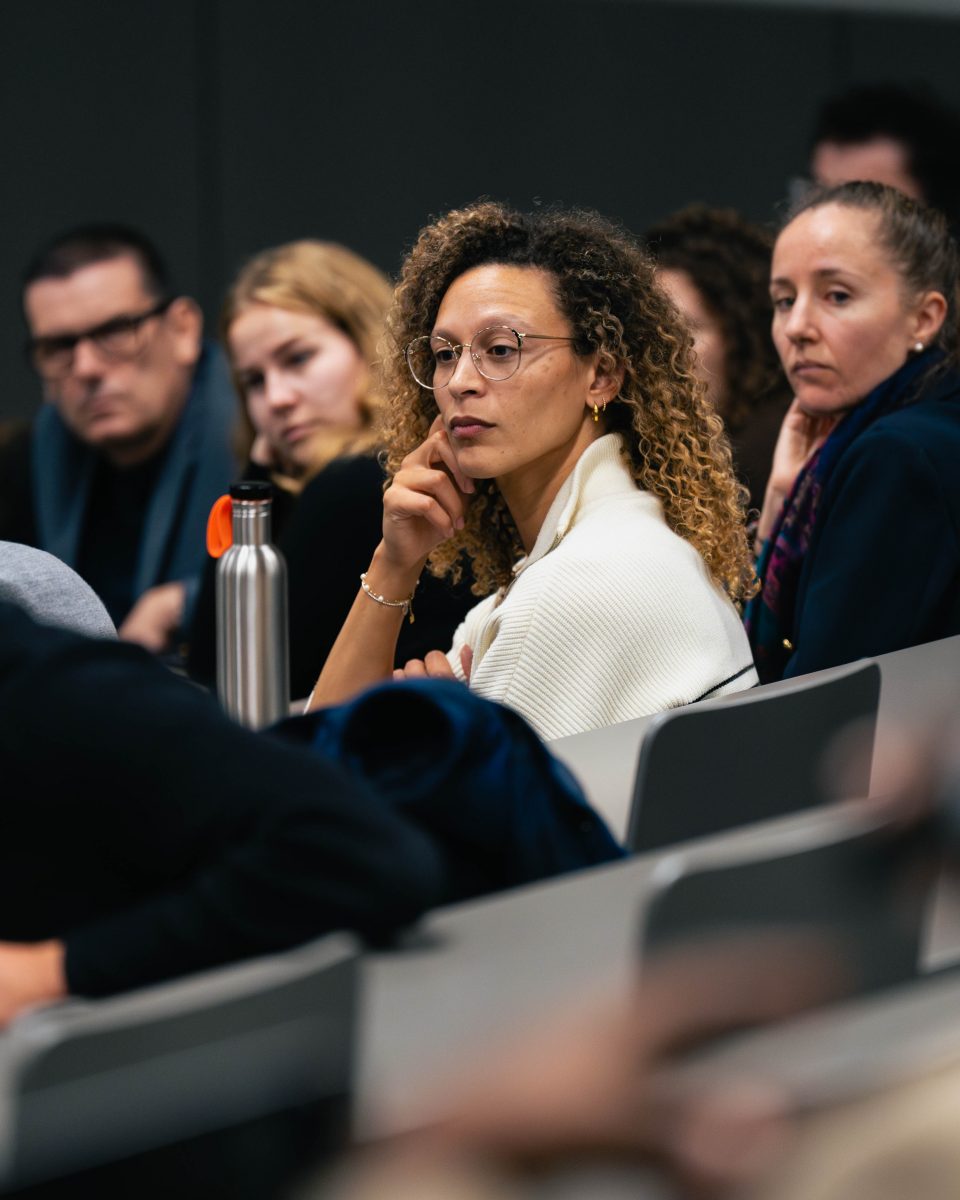
Speakers were struck by the energy and engagement in the room, a sign, they agreed, that the conversation is far from over.
“It was a full room, 45 minutes over time, and nobody left,” noted Poisson. “It shows that women’s football and women’s sport are close to people’s hearts, for both men and women alike.”
Brigante echoed the sentiment.
“We had so many questions. That’s a very good sign. When people are interested and committed to understanding challenges, they work to find solutions.”
Building the Future Together
As the discussion drew to a close, one message stood out: major events like UEFA Women’s EURO 2025 can ignite progress, but lasting change depends on collaboration from federations to clubs to communities.
Through initiatives like Sport Future Rendez-Vous, UNIL and its partners continue to provide a platform for forward-looking discussions on sport’s social, cultural, and economic impact, ensuring that the legacy of such events extends well beyond the pitch.