|
|
Please note an update in the Publications section. ⬇️
|
|
|
|
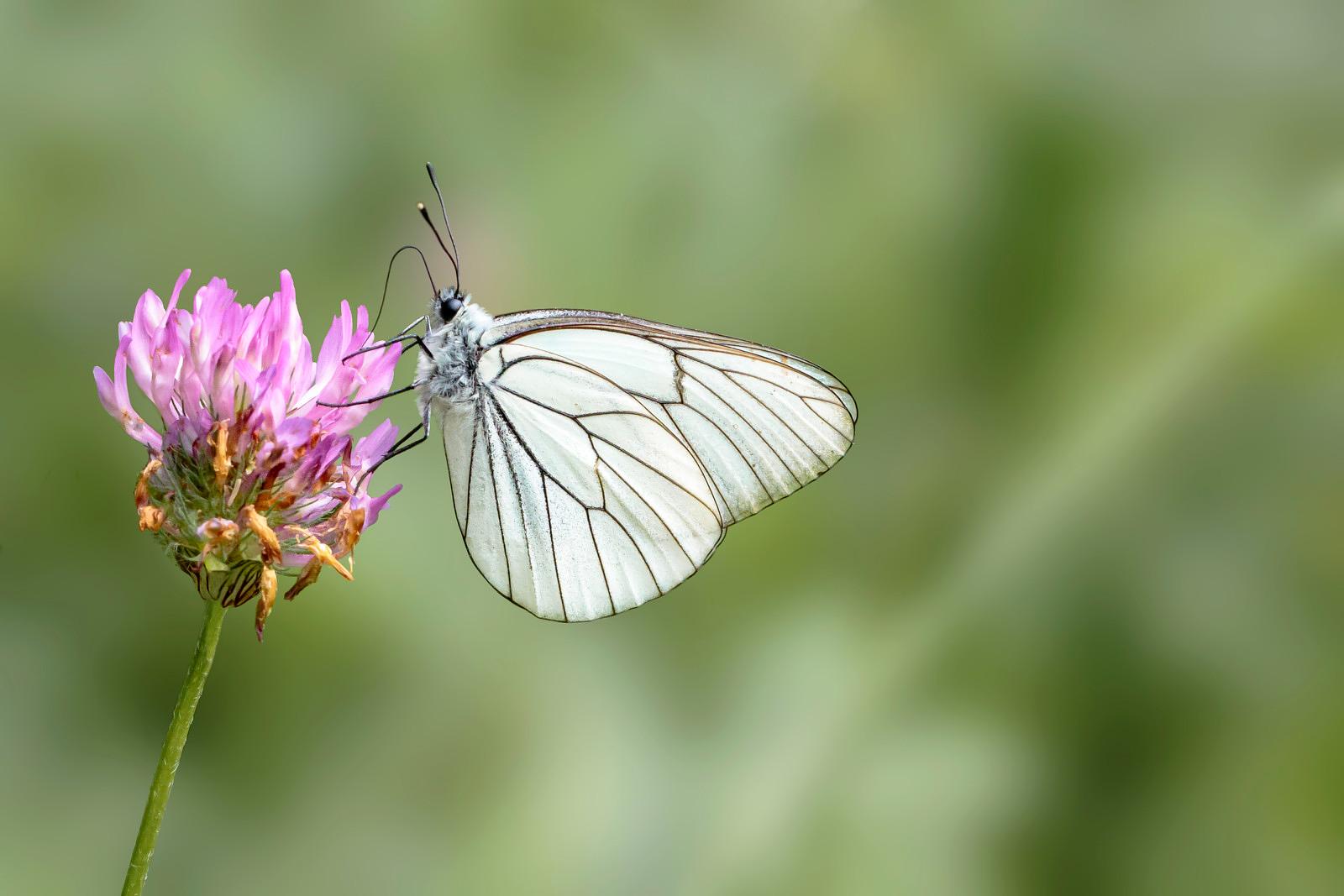
Photo © Bart Zijlstra
|
|
Info DEE # 51 - June 2023
|
|
|
|
|
|
A WARM WELCOME TO OUR NEW COLLEAGUES
|
|
|
|
|
Mr Anthime BRETAUDEAU has joined the group of Prof. Chapuisat as an Intern.
|
|
Ms Sara CARSANARO has joined the group of Prof. Robinson-Rechavi as an Bioinformatician. Sara is located in office 3220, phone 42.21. Sara.Carsanaro@unil.ch
|
|
|
|
|
|
|
Ms Cédrine SIEK has joined the group of Prof. Roulin as man Intern.
|
|
|
Mr Alexandre SIFINGER has joined the group of Prof. Wedekind for his civilian service.
|
|
|
|
|
|
We are also glad to count on the help of our new student assistants:
|
|
BAUMGARTNER David, Christe Group
|
|
HOANG Anouk, Christe Group
|
|
KERDLI Ismaël, Pannell Group
|
|
OPRENI Fabio, Pannell Group
|
|
RUEDA RAMIREZ Juan Pablo, Sanders Group
|
|
|
|
|
|
MESSAGE FROM THE DEE DIRECTION
On 24 November 2022 and then on 6 February 2023, we had meetings of all DEE members about the atmosphere at DEE, at which we stated our commitment to values of equality, diversity, and integration. Commitment is good, and acts are better. We are now writing to update you on how we are advancing in this direction, and which measures have already been taken or are ongoing.
|
|
As many issues related to atmosphere at work are a combination of small things, many of the solutions can also seem small, yet we hope that you will agree that they add up to contribute to a shift for the better in our department. Among the small things, you will have noticed the monthly Welcome Coffee, which allows us to meet in an informal atmosphere and to welcome newcomers to DEE. We are also meeting every month with the assistant and with the PAT representatives to discuss in an atmosphere of respect and openness; this allows diverse small issues which might not have warranted a formal meeting to be discussed, solutions to be explored, and communication to remain open. We take the opportunity to thank the outgoing and the new representatives for their key contribution to the department.
|
Many issues concern specific situations or people rather than interactions across the entire department. We are working closely with human resources and the equality office of UNIL to solve these diverse issues as soon as they are brought to our attention, in the best possible way.
|
The introduction to DEE on our webpage and in our future ads for hiring professors includes the following statement: “The DEE covers the breadth of ecology and evolution, and aims to cultivate an atmosphere of scientific excellence which is respectful of people.” We will do our best to make this statement a central evaluation point in future hires.
|
At the DEE level, we now have a code of conduct which applies to our day-to-day activities, seminars, and social events. It is available on the intranet. We are also planning the first DEE retreat on 4-5 of September. We take the opportunity to thank the PIs, PAT and assistants for their work on the code and on the retreat program.
|
Finally, we PIs have a special responsibility in the department. We have recently met with a moderator to discuss our perceptions of the dismissal of Laurent Keller and reflect on the best ways to move forward. Following this, we are organizing with the support of UNIL a bystander training for all PIs of DEE.
|
We look forward to continuing to work with all of you to make the DEE a great department and a great place to be!
|
|
Tanja Schwander and Marc Robinson-Rechavi
|
|
|
|
|
|
|
|
|
|
|
|
Congratulations to Rachel Harrison, recipient of a Tremplin 2022 grant.
|
|
|
|
|
|
Cleo Bertelsmeier was featured in a 24 Heures article on a round-table discussion regarding climate change and health.
|
|
|
|
|
|
|
|
|
|
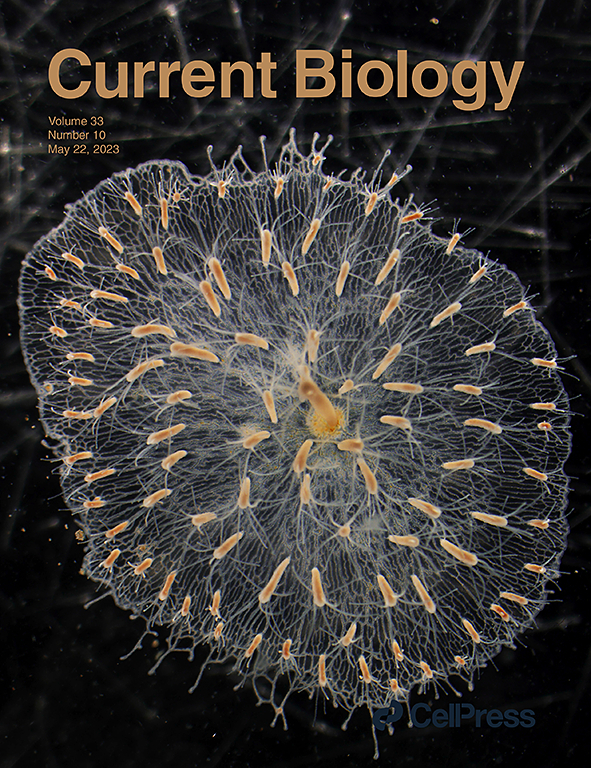
Cleo Bertelsmeier has published a Dispatch article in Current Biology on the «Secret domination of alien ants». She highlights how globalization has contributed to the spread of thousands of species, while only a few harmful ones have attracted most attention. Her dispatch summarizes new evidence showing that introduced ants are a particularly important group of global invaders that can dominate native insect communities.
|
|
|
|
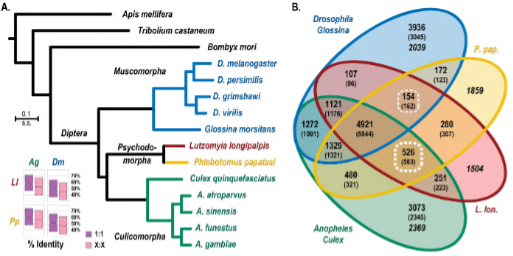
As part of a consortium of sand fly researchers, Prof. Waterhouse published the results of their comprehensive genomic analysis of two phlebotomine sand fly vectors of Leishmania from the New and Old World, in the journal PLOS Neglected Tropical Diseases. To better understand the biology of sand flies, including the mechanisms involved in their vectorial capacity, insecticide resistance, and population structures the consortium sequenced the genomes of two geographically widespread and important sand fly vector species: Phlebotomus papatasi, a vector of Leishmania parasites that cause cutaneous leishmaniasis, (distributed in Europe, the Middle East and North Africa) and Lutzomyia longipalpis, a vector of Leishmania parasites that cause visceral leishmaniasis (distributed across Central and South America).
|
|
|
|
Flavien Collart and Antoine Guisan have published a paper in Ecological Informatics entitled "Small to train, small to test: dealing with low sample size in model evaluation”.
|
Rare species represent central components of biodiversity, and modelling their distribution is often key to ensure their conservation. Solutions were already proposed to train models with such small sample sizes, but the problem of evaluating models with few data remained. In this paper, we propose two complementary solutions to evaluate model predictions for rare species.
|
|
|
|
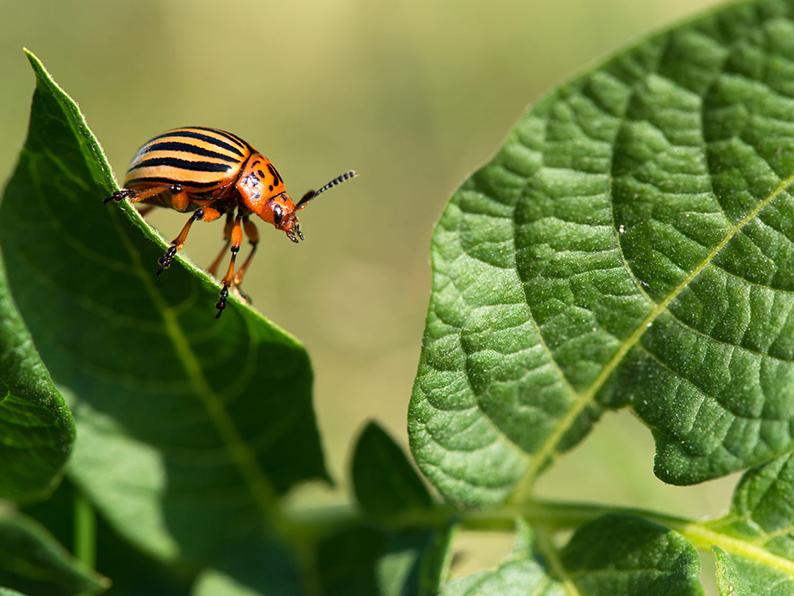
Aymeric Bonnamour and Cleo Bertelsmeier have published a study in PNAS on historical plant invasions predicting current insect invasions. Invasive insects severely impair ecosystem functioning and impact human societies. It is therefore urgent to better predict and prevent future invasions. Using statistical models, they show that nonnative plant introductions are a major driver of insect invasions, and that insect invasions lag behind plant invasions. In the near future, new insect invasions are estimated to increase by 35% worldwide based on recent nonnative plant introductions. The Afrotropics, the Neotropics, and Indomalaya are the regions most at risk of future invasions. These results highlight that limiting the introduction and spread of nonnative plants will be key to preventing future insect invasions.
|
|
|
|
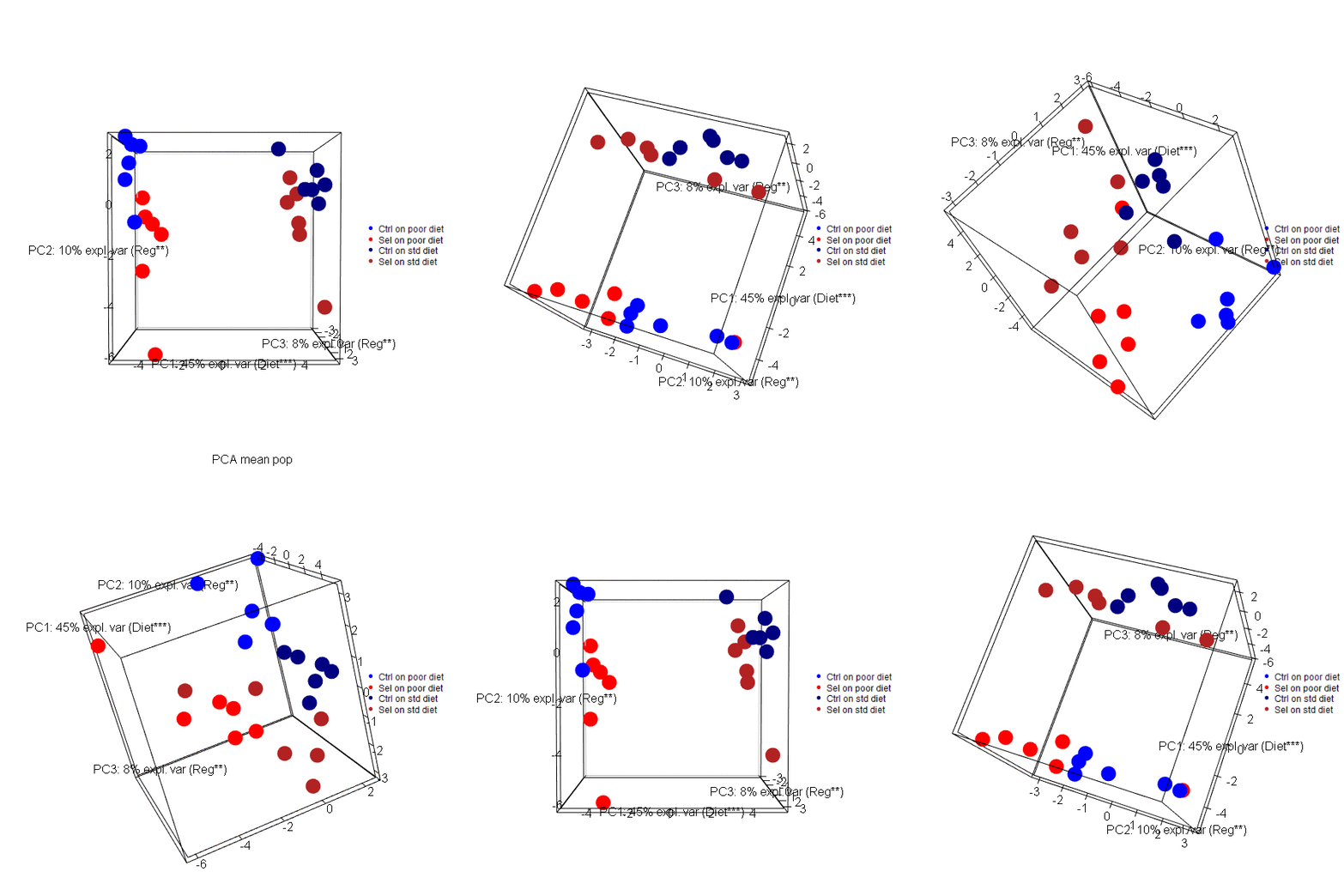
In a new paper the Kawecki Group describe how >200 generations of experimental evolution under chronic malnutrition modified the metabolism of Drosophila larvae. Surprisingly, larvae from malnutrition-adapted populations show a reduced level of free amino acids in their system. This is consistent with a better organismal "logistics", where the amino acids are used more efficiently to make proteins. However, even though amino acids are a macronutrient limiting for their growth, the malnutrition-adapted larvae also "burn" a greater fraction of amino acids for energy (ATP) generation. This may be a consequence of an apparent trade-off in the acquisition of the two main types of macronutrients from the poor diet – while the malnutrition-adapted larvae became more efficient in extracting dietary amino acids, they are less good at extracting carbohydrates. Thus, not only they may be able to afford to "waste" the scarce amino acids for energy; they may also be compelled to do so by their poor assimilation of carbohydrates – they still need to accumulate energy stores to fuel the energetically costly process of metamorphosis.
|
|
|
|
|
|
|
While you are encouraged to place your publications into Serval, please make sure that your PI has validated the deposition first. Not all documents should be included in Serval, and they are complicated to remove.
|
|
|
|
|
|
|
|
|
|
|