|
This is an updated version of the newsletter, fixing some broken/incorrect links in the retreat workshops.
|
|
|
|
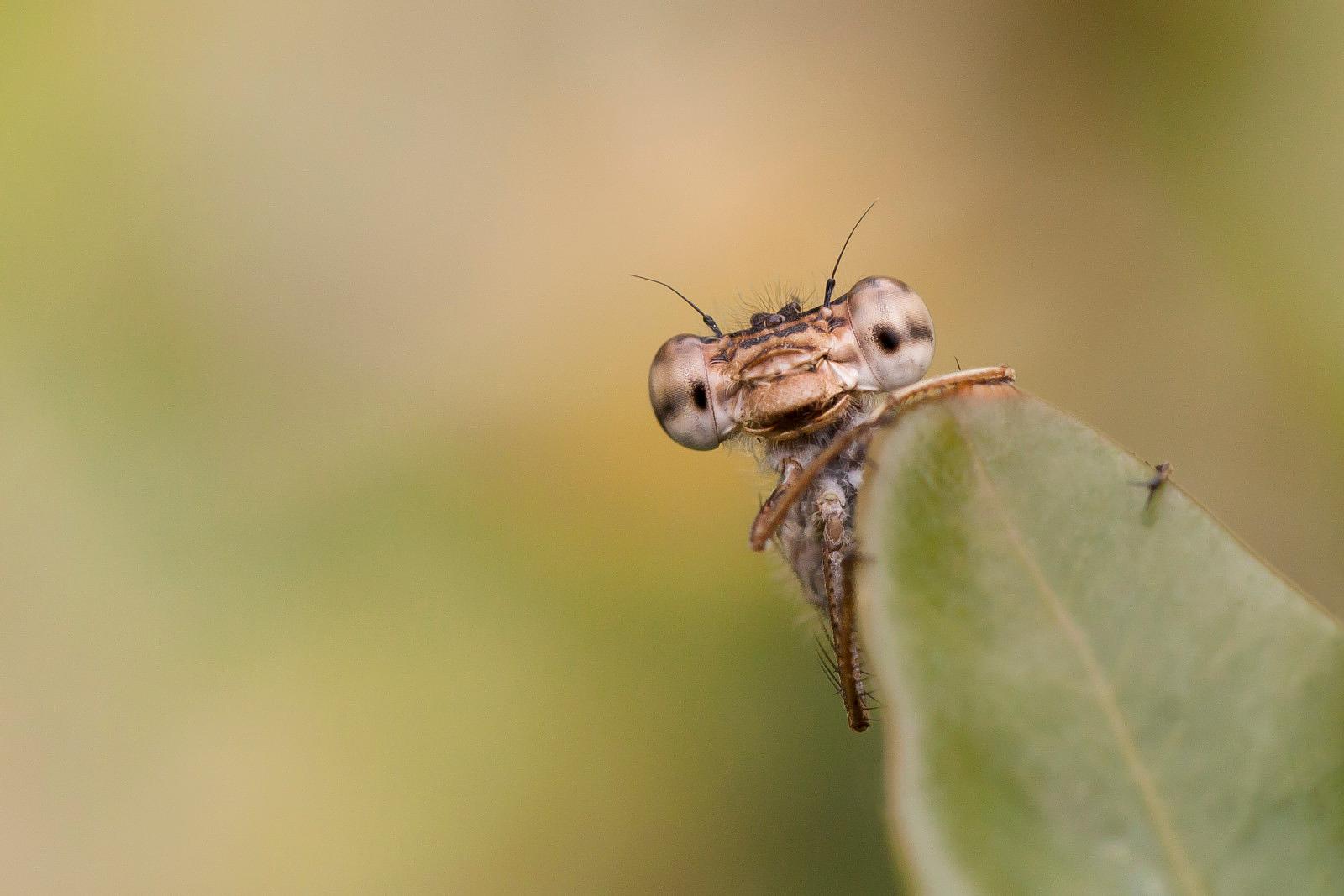
Photo © Bart Zijlstra
|
|
Info DEE No. 54 - September 2023
|
|
|
|
|
|
A WARM WELCOME TO OUR NEW COLLEAGUES
|
|
|
|
|
|
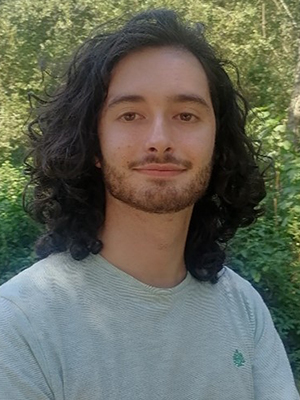
Mr. João Souto has joined the group of Prof. Goudet as a Research Assistant. Joao is located in office 4304, phone 42.79. Joao.Souto@unil.ch
|
|
|
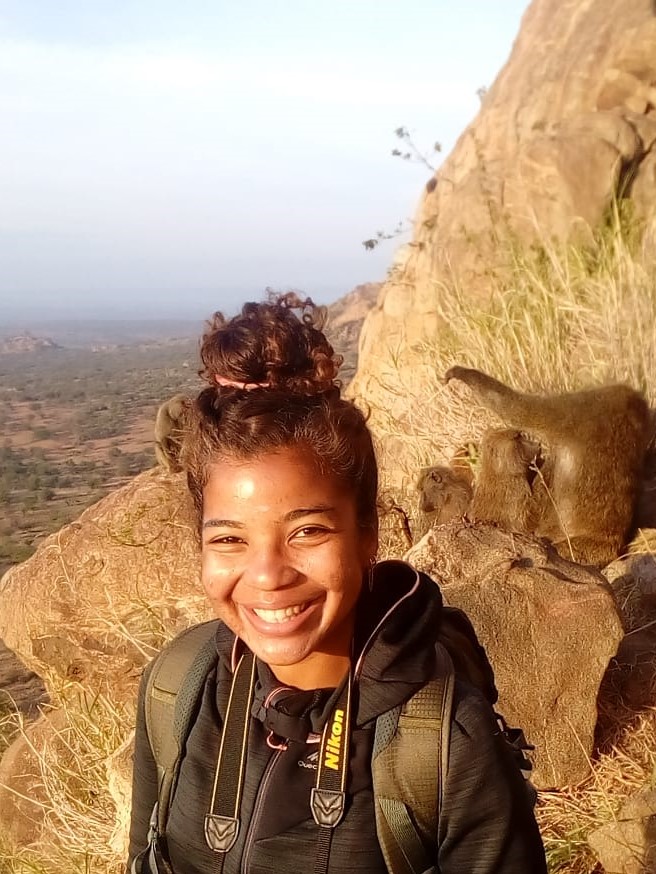
Ms. Mawa Dafreville has joined the group of Prof. Van de Waal as an external scientific collaborator.
|
|
|
|
|
|
We are also glad to count on the help of our new student assistants:
|
|
|
|
CARLIEZ Robin (Pannell Group)
|
|
PIRES QUINTAS Filipa (Pannell Group)
|
|
ROCHAT Kim (Kawecki Group)
|
|
|
|
|
|
|
|
|
|
HIGHLIGHTS
|
|
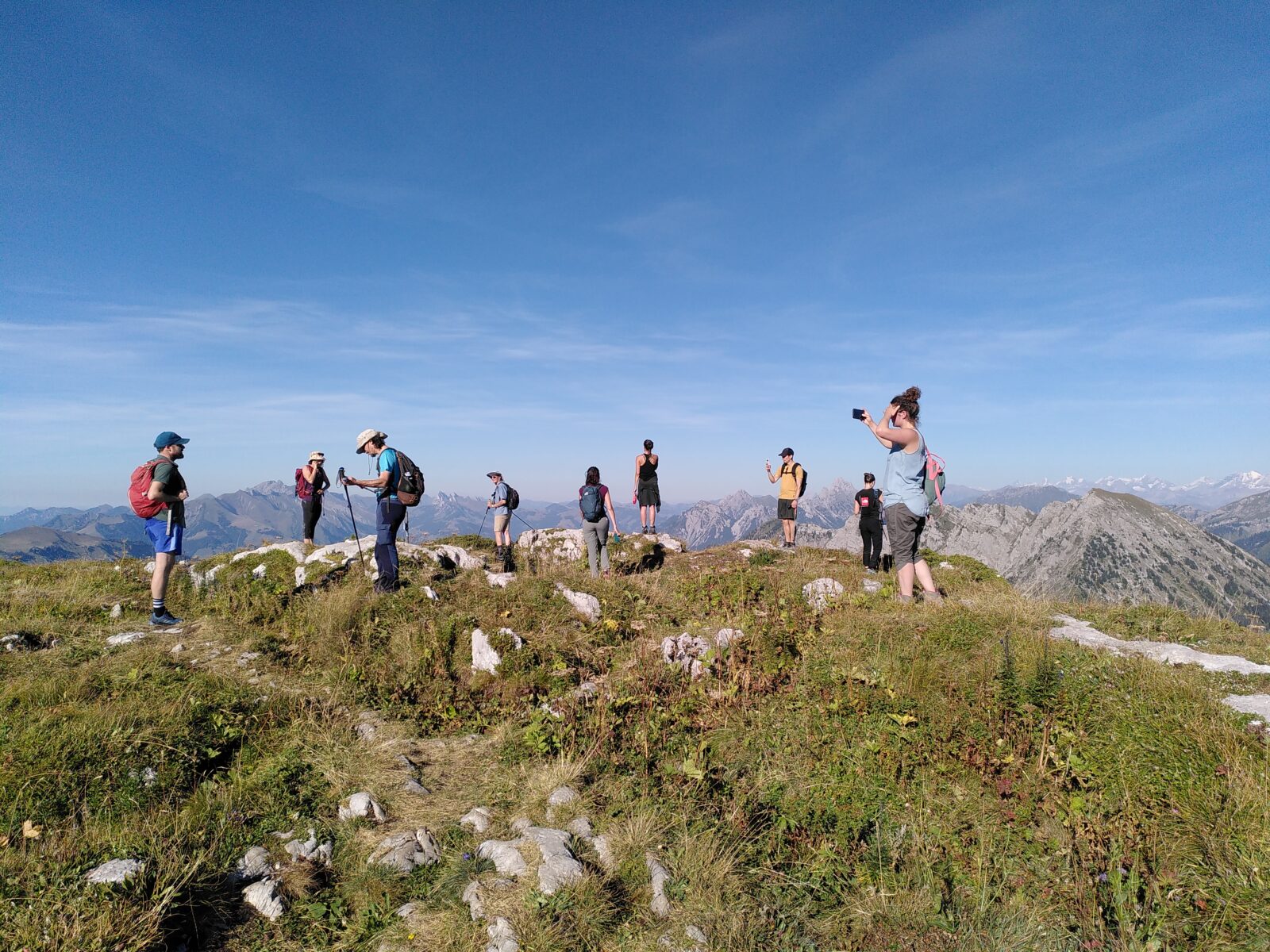
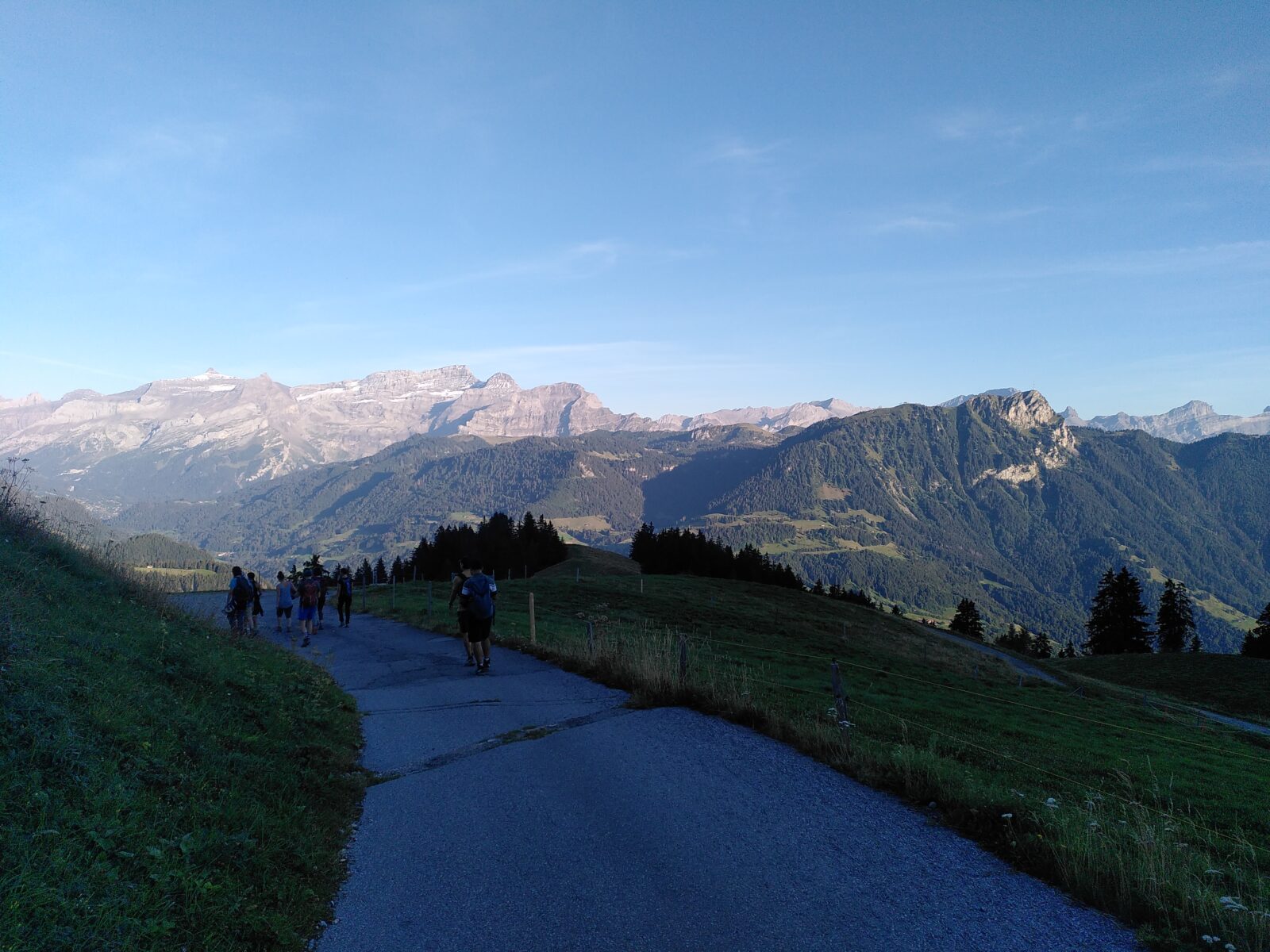
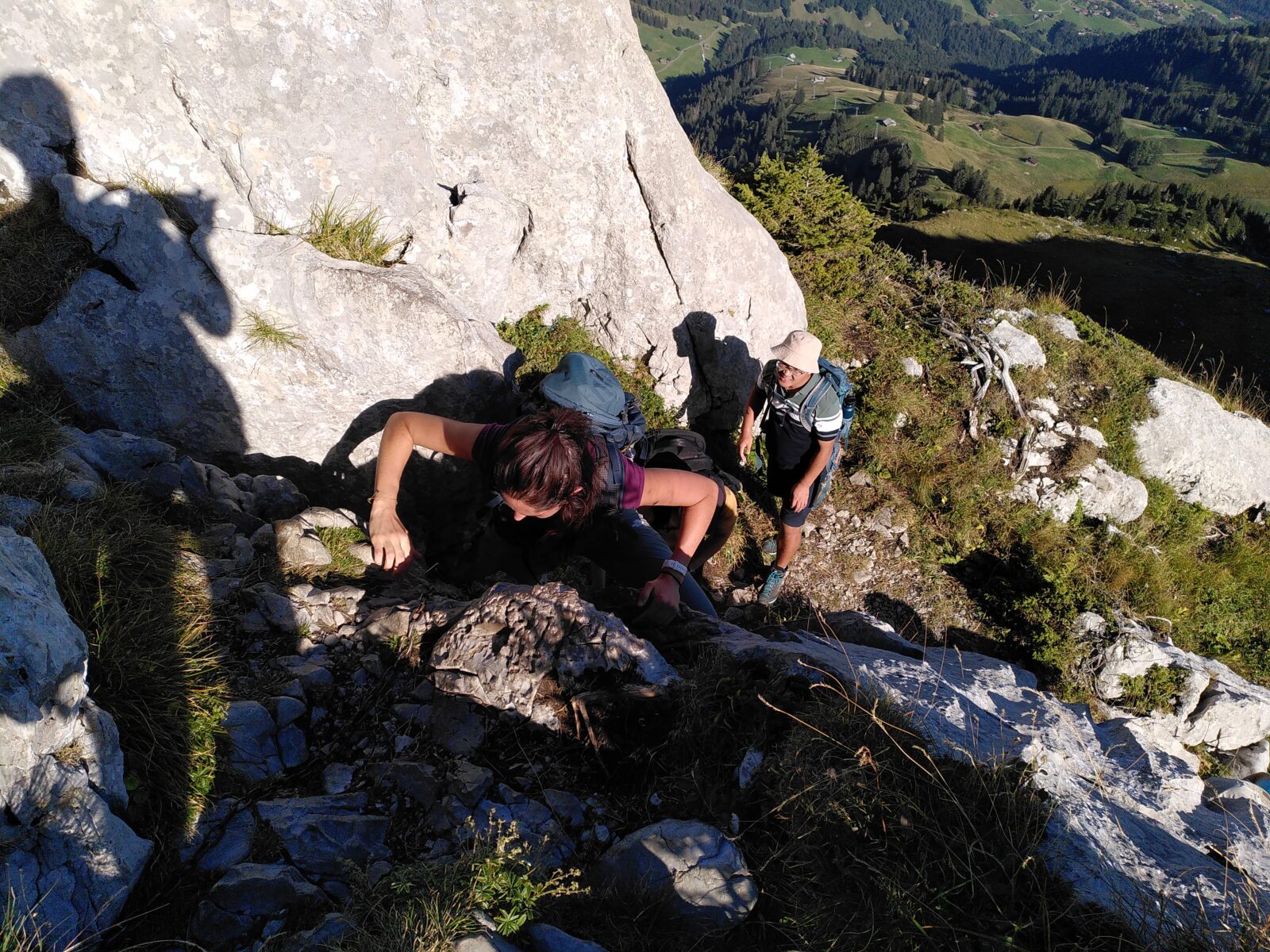
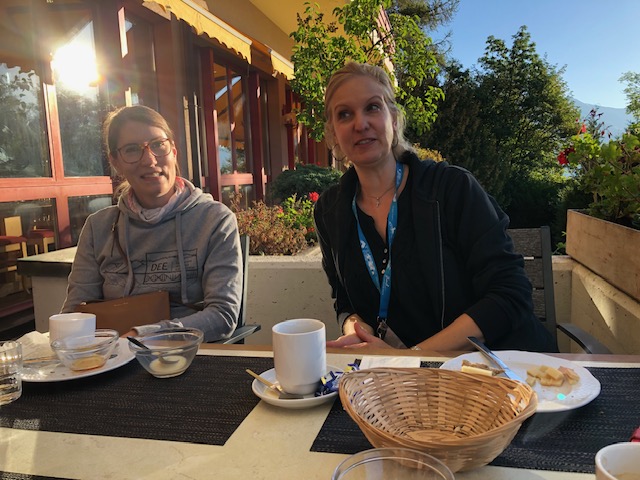
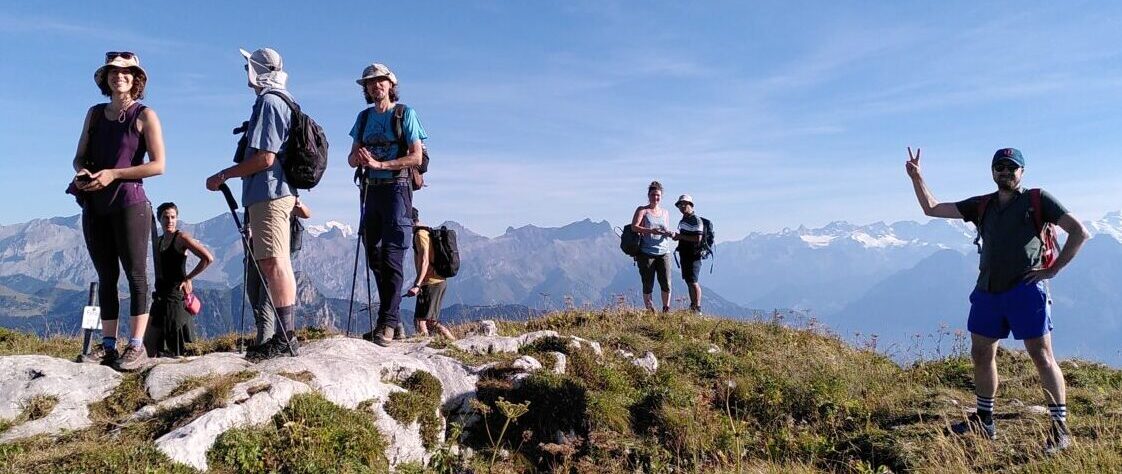
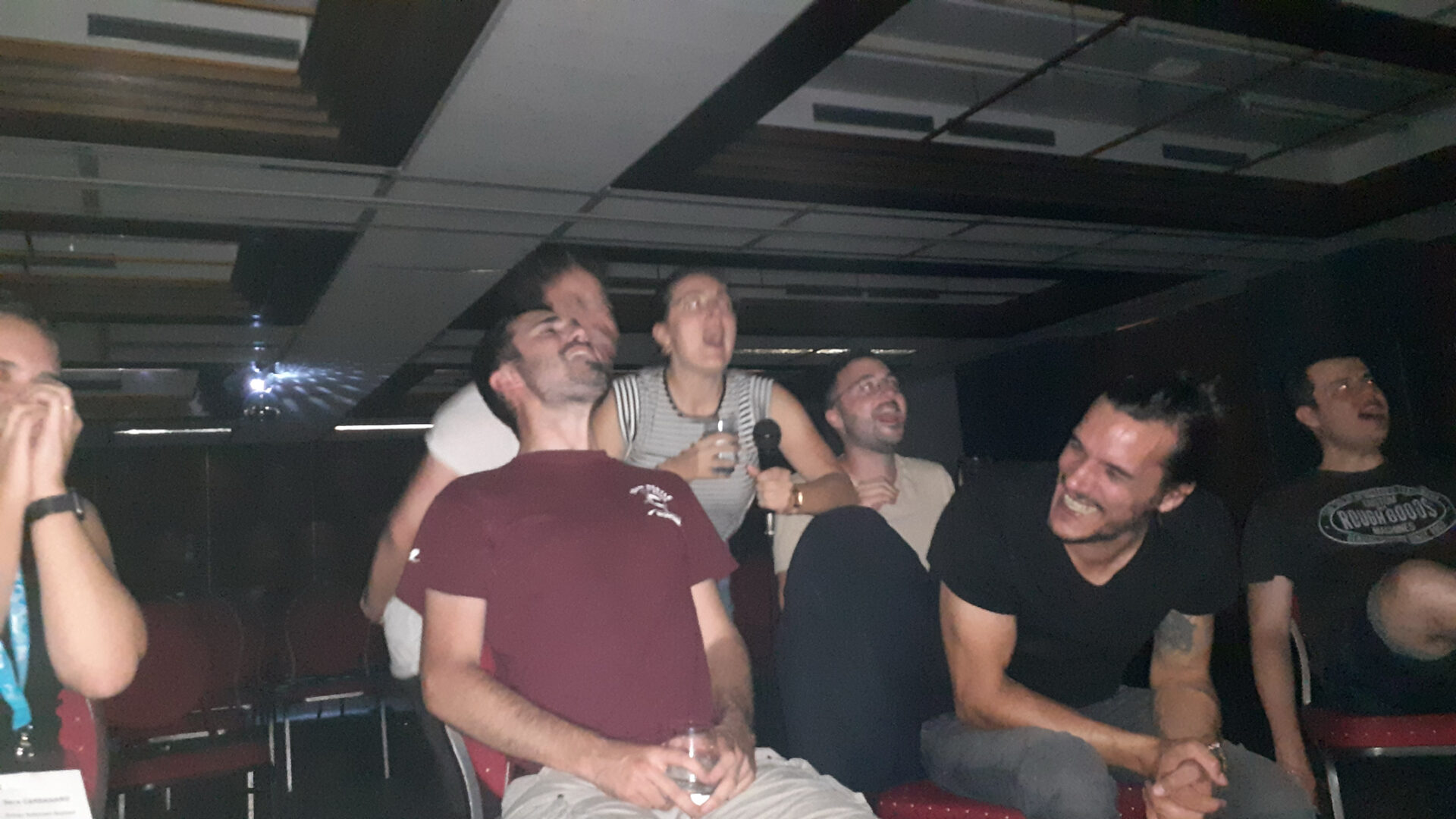
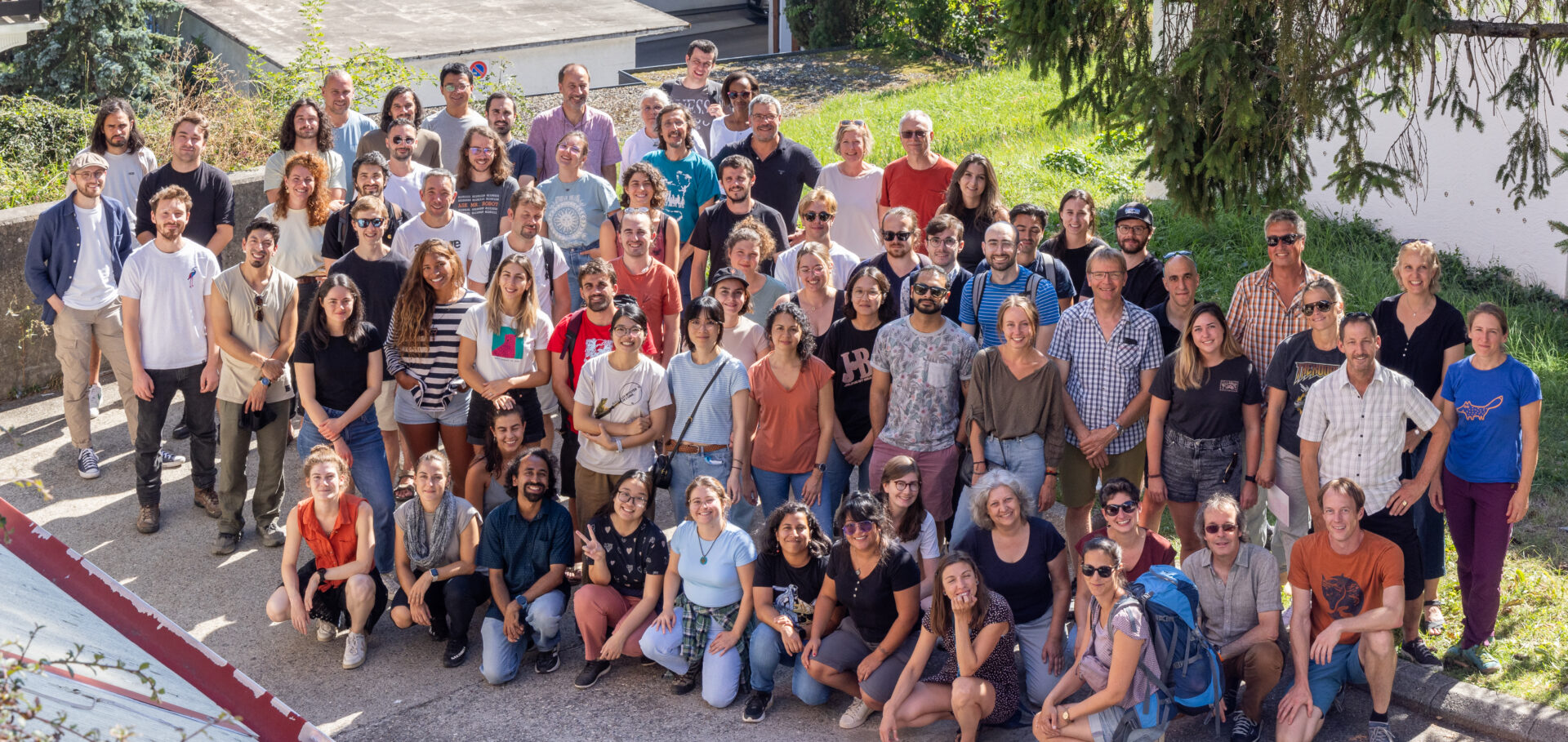
Below are a few snaps from the DEE Retreat in Leysin, September 4-5. Click on the images for a larger version. A big thank you to everyone involved!
|
|
|
|
|
|
|
|
|
|
|
A number of workshops were held during the DEE Retreat earlier this month, providing ample discussion and a wealth of information. Below you will find a few links related to some of the above:
|
|
|
|
|
|
|
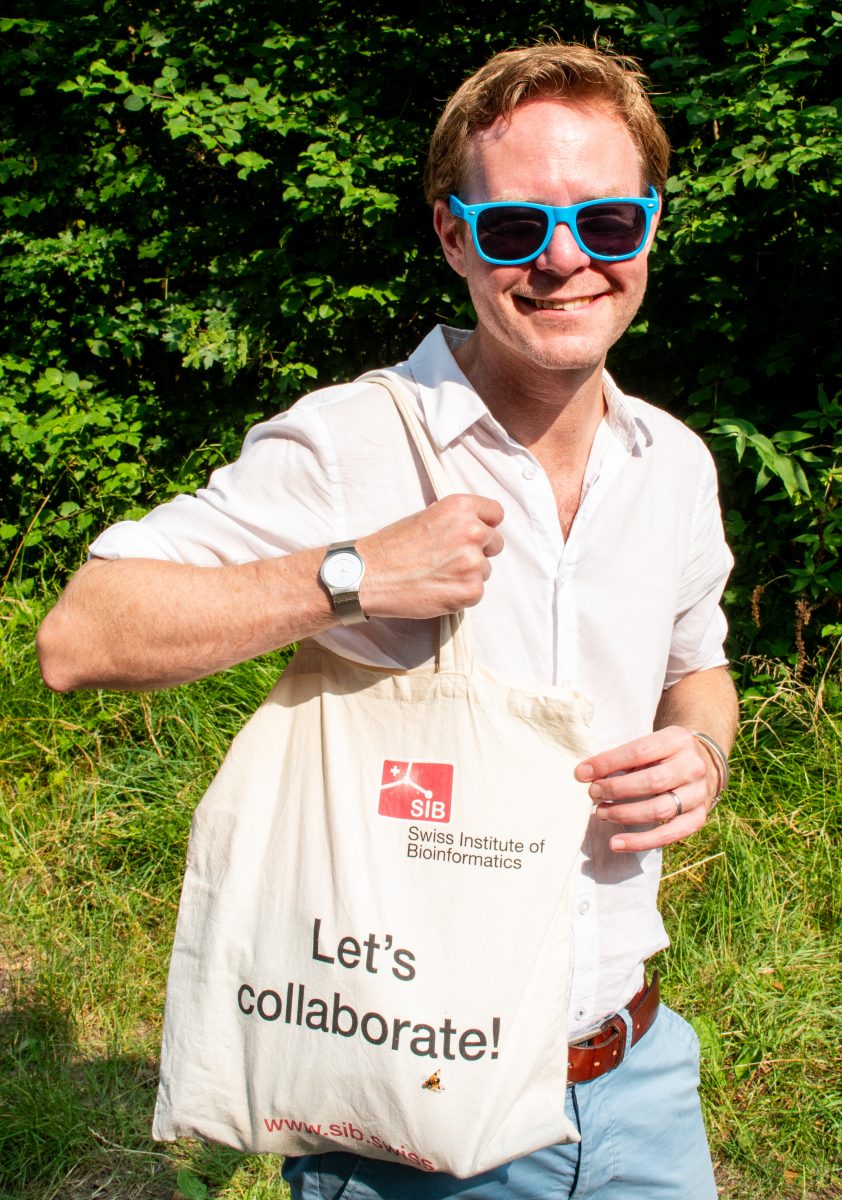
After six fruitful years, Prof. Waterhouse is leaving the DEE to take on a new role as the Director of the newly launched Environmental Bioinformatics Group at the SIB Swiss Institute of Bioinformatics. He will maintain close links with the DEE, notably through the Sinergia Project on arthropod moulting together with members of the group of Prof. Robinson-Rechavi. Waterhouse Group members Harald Detering, Antonin Thiebaut, Giulia Campli, and Sagane Joye, are continuing to work on their projects while hosted in the Robinson-Rechavi Group, while Christian de Guttry is accompanying Prof. Waterhouse in the move to the SIB. Prof. Waterhouse thanks all members of the DEE for the shared experiences over the years and is looking forward to future collaborations.
|
|
|
|
|
|
Biodiversa+ is launching a new call for projects on nature-based solutions. Swiss-based researchers can participate.
|
|
|
|
|
|
|
|
Erica van de Waal and her colleague Thibaud Gruber from the University of Geneva published a joint special issue in Methods in Ecology and Evolutionand the Journal of Animal Ecology entitled: Contemporary methods for studying animal sociality in the wild. The aim of this special issue is to showcase contemporary methods for studying sociality in the wild, from the renewed use of old methods (such as tagging or field experiments) to an increasing use of technology-assisted paradigms as well as increasingly large-scale laboratory methods. Overall, the present Feature demonstrates a current drive to introduce holistic approaches for making sense of the social world. Such approaches also require the use of combined integrative and statistical methods. Nevertheless, beyond introducing such methods by leading researchers in the field, this Special Feature is also important in raising the ethical issues that can surround the use of these innovative methods in the field, and as such, will need to be taken into account in a human world that is increasingly aware of its impact on its surrounding wildlife.
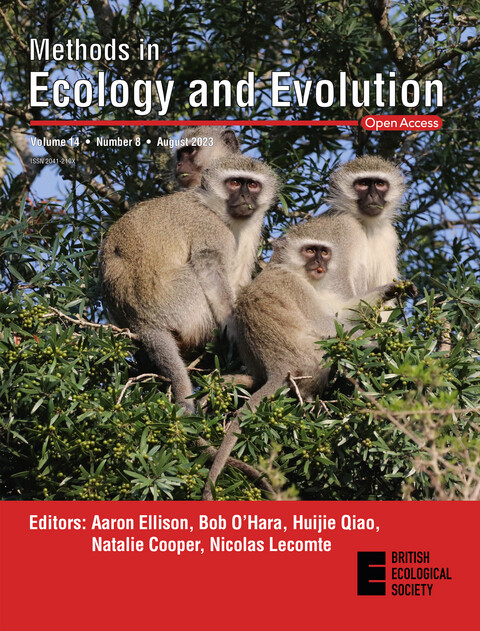
The cover page of Methods in Ecology and Evolution is a picture of wild vervet monkeys aken by Erica van de Waal. It illustrates the study from the Fumagalli and van de Waal groups on the effect of the social group on the plant part of their diet, i.e. intergroup variation. For this, they analysed faecal samples of four neighbouring groups using environmental DNA (eDNA) techniques to analyses the variety of plant species eaten. Furthermore, they considered the utility of this non-invasive tool to assess more broadly the influence of social factors on diet of wild animals.
https://besjournals.onlinelibrary.wiley.com/doi/full/10.1111/2041-210X.14178
https://besjournals.onlinelibrary.wiley.com/doi/10.1111/2041-210X.14078
|
|
|
|
|
|
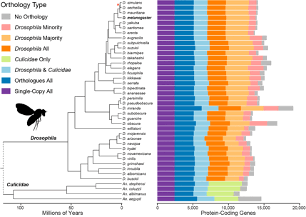
The Waterhouse Group published in the journal F1000 Research, the Drosophila Orthologous Matrix browser, DrosOMA presents the results of orthology delineation for 36 drosophilids from across the genus. It enables querying and browsing of the orthology data through a feature-rich web interface, with gene-view, orthologous group-view, and genome-view pages, including comprehensive gene name and identifier cross-references together with available functional annotations and protein domain architectures, as well as tools to visualise local and global synteny conservation.
|
|
|
|
|
|
|
While you are encouraged to place your publications into Serval, please make sure that your PI has validated the deposition first. Not all documents should be included in Serval, and they are complicated to remove.
|
|
|
|
|
|
|
|
|
|