Switzerland has relatively modest CO₂ emissions within its borders. But if we follow the trail of money it invests abroad, the picture becomes bleaker.
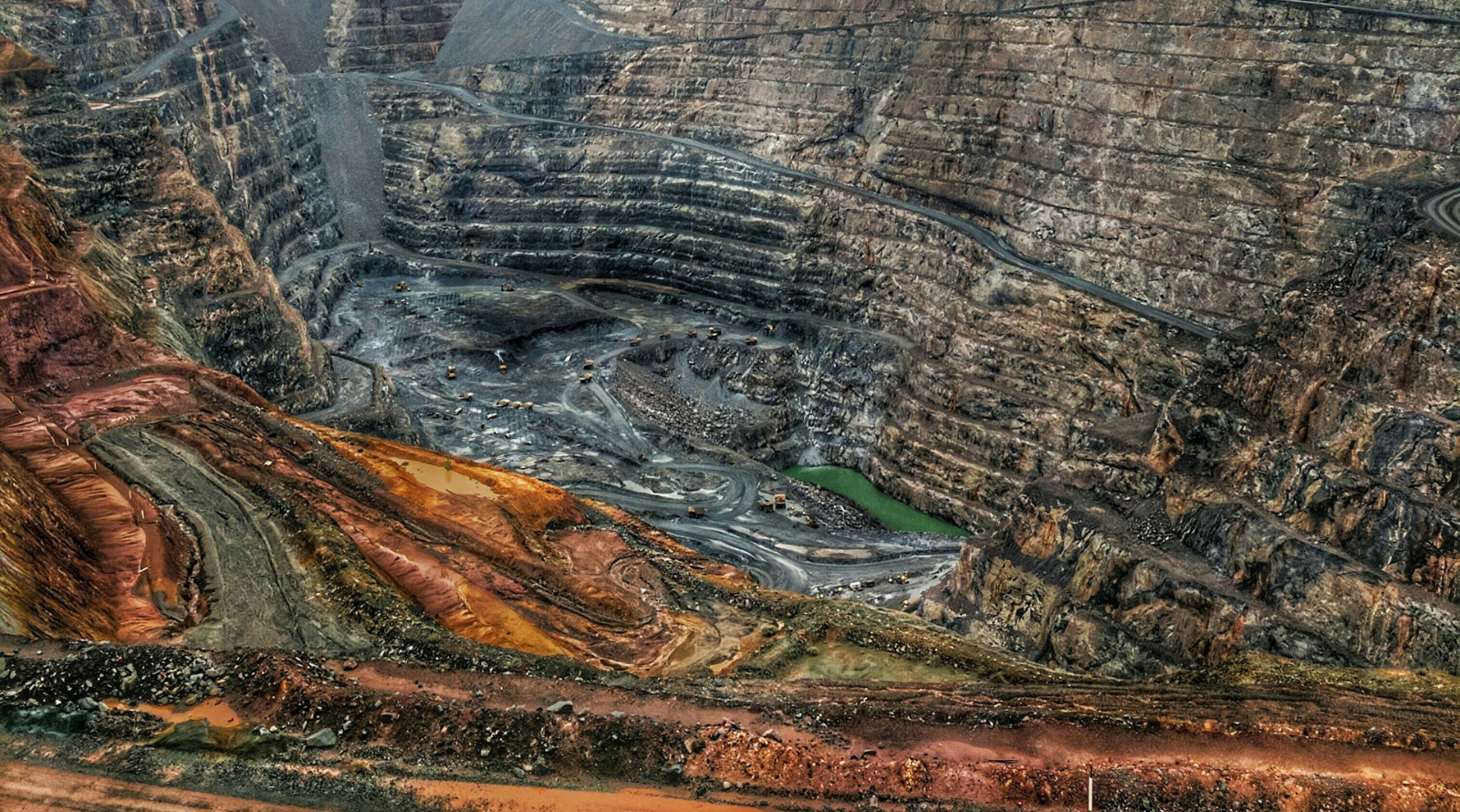
Every day, Swiss banks, insurance companies and investors finance companies operating around the world. These companies mine, produce energy, manufacture goods and transport commodities. Their activities generate CO₂ emissions, consume water and use land and natural resources. These environmental pressures occur outside Switzerland – but they are made possible by financial decisions taken here.
Why it matters
In general, climate statistics only account for emissions within a country’s borders. CO₂ emissions and other environmental pressures generated abroad by companies financed from Switzerland remain largely invisible. It is precisely this indirect environmental footprint of finance that the study now seeks to measure.
What do the studies conducted at HEC Lausanne reveal?
In a recent working paper, Eric Jondeau, professor of finance at HEC Lausanne, and Lou-Salomé Vallée, post-doctoral researcher, develop a method for measuring the environmental footprint of national financial systems – in other words, the environmental pressures generated abroad by the activities that these systems finance.
Applied to Switzerland, this method yields a striking result: in 2022, CO₂ emissions financed by the Swiss financial system were nearly three times higher than those emitted domestically, and comparable to the carbon footprint of Swiss consumption (including direct and imported emissions necessary to meet the country’s overall demand). Switzerland is the first case study due to the significant weight of its financial centre at the international level. However, the analytical framework is designed to be generalisable and will eventually allow for international comparisons between financial systems.
To achieve these results, the study combines national financial accounts with models linking economic sectors and environmental pressures. This approach makes it possible to track financial flows through financial intermediation chains while avoiding double counting – a key challenge in this type of analysis.
“The challenge is not only to measure more, but to measure better,” the authors emphasise.
Beyond climate, the study also highlights significant pressures on land use, water consumption and raw material extraction, at levels similar to the environmental footprint associated with goods and services consumed in Switzerland.
At a time when sustainable finance is set to play a central role in the transformation of the economy, robust and comparable measures are essential for effectively guiding public policy and financial decisions.
Jondeau, E. & Vallée, L.-S. (2026). The Environmental Footprint and Risk Exposure of a National Financial System. Working paper, HEC Lausanne / Swiss Finance Institute.