Category: Thesis Defended

The dynamism of research is reflected in the numerous PhD theses undertaken and defended in the Faculty. Find the abstracts of doctoral theses in geography, earth sciences, environmental sciences and tourism studies in this section. The full text of some of them is usually available on IRIS platform.
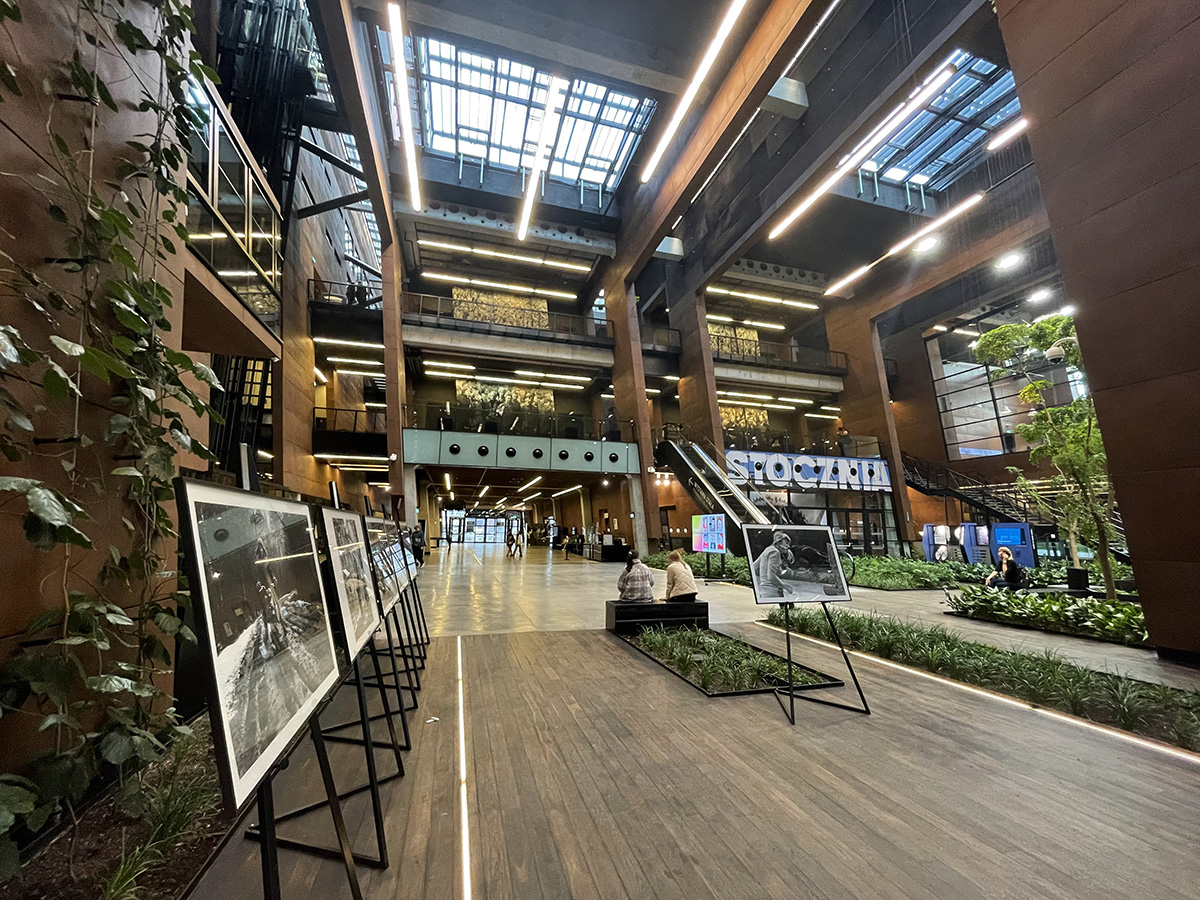
  • Materialities of Bigness Encountering the Urban Politics of Iconicity with the European Solidarity Centre

    Materialities of Bigness Encountering the Urban Politics of Iconicity with the European Solidarity Centre

    Thesis defended by Clotilde Trivin, February 13, 2026 – Institute of geography and durability (IGD).

    Summary for a wider audience: 

    Across many Western cities, former industrial areas have been redeveloped through striking cultural buildings – museums, galleries and performance spaces designed to symbolise renewal. These projects, inspired by the much-publicised ‘Bilbao effect’, aim to boost local economies and urban identities through architectural spectacle. Yet behind their iconic forms and global visibility lie complex, everyday relationships between people, materials and places. This thesis explores those relationships through the case of the European Solidarity Centre (ECS) in Gdańsk, Poland, an iconic cultural centre sustaining the heritage of the Polish Solidarity movement and built on the grounds of the former Lenin Shipyard where the movement started. 

    The research investigates how the ECS becomes iconic not only through design or reputation but through the practices, emotions and material encounters that sustain it in everyday life. Rather than treating iconic buildings as fixed symbols of success, the thesis examines how they are constantly made and remade through the relations between humans, materials and their urban surroundings. To explore this, I develop the concept of ‘bigness’. ‘Bigness’ refers to the ways iconic cultural buildings expand beyond their physical structure, taking on social, political and emotional weight that connects them to broader urban, national and global processes. It describes how such buildings overflow – how their meanings, affects and material presences extend into the city and everyday life. Yet ‘bigness’ is also fragile: it must be continually maintained through work, attention and affective engagement. 

    The thesis builds on seven months of ethnographic research conducted between 2022 and 2023 at the ECS and the surrounding shipyard. I walked with employees, guides, artists, local residents and stakeholders in the redevelopment of the shipyard area; I joined events and daily routines, observed interactions with the building, and recorded sensory and emotional impressions through mapping, photography and autoethnographic notes. These methods made it possible to trace how people experience the ECS through touch, sound, movement and atmosphere – and how these experiences contribute to its bigness. Empirically, the study reveals three intertwined dynamics. First, it shows that bigness is produced through everyday practices that connect the ECS to multiple scales – local, national, European and global. People enact these scales through gestures and stories: people link the building to European ideals of freedom; situate it within memories of the shipyard’s industrial decline; navigate between local histories and international expectations. These scaling practices continually reshape the ECS’s iconicity, revealing that its ‘big’ status is not given but made through ongoing negotiation. Second, the thesis explores the sensory and affective dimensions of ‘bigness’. Participants describe feeling awe, pride, discomfort or melancholy when encountering the building’s monumental steel walls, echoing halls or views over the shipyard. Through these encounters, the ECS’s materialities become active participants in experience: they evoke emotion, memory and imagination. This demonstrates how iconicity is not only visual or symbolic but deeply embodied, arising through affective relations between bodies and materials. Third, the research examines how ‘bigness’ interacts with processes of creation and ruination in Gdańsk’s post-industrial landscape. These contrasts reveal the paradoxes of culture-led regeneration: the same projects that promise revitalisation also produce absences and exclusions. By paying attention to what decays, disappears or remains unfinished, the thesis shows how ‘bigness’ depends on the coexistence of presence and absence, creation and destruction. 

    The building’s iconicity is therefore not stable but continually negotiated within a terrain of loss, transformation and uneven urban development. Through these analyses, this research invites a more grounded understanding of iconic architecture. It shows that buildings like the ECS are not just symbols of urban success or instruments of regeneration but living entities that shape and are shaped by the people and environments around them. By tracing how ‘bigness is felt, sustained and sometimes undone in everyday life, the thesis reveals how cities remember their pasts, negotiate their presents, and imagine their futures through iconic cultural buildings.

  • Rockfall hazard: From observations to improved runout predictions utilizing detailed terrain models

    Rockfall hazard: From observations to improved runout predictions utilizing detailed terrain models

    Thesis defended by François Noël, January 8, 2026 – Institute of Earth Sciences (ISTE).

    Gravitational natural hazards can lead to fatalities and economic consequences. To reduce these effects, they must be managed in a way that minimizes potential losses and optimizes the associated management costs. This involves proactively limiting building zones to avoid areas excessively affected by hazardous natural phenomena such as rockfalls. To achieve this, it’s crucial to understand the potential propagation extent of falling rock fragments.

    When infrastructures like tunnel portals cannot avoid dangerous locations, it is beneficial to assess the level of hazard they face. This requires estimating not only spatial aspects, i.e., the phenomenon’s reach, but also its frequency. If the risk is too high, stabilization and protection measures can be considered. For that, beyond the spatial and temporal aspects of the phenomenon, identifying the primary hazardous rock cliffs likely to have rockfalls reaching exposed infrastructures is essential. This helps concentrate stabilization efforts on problematic source areas.

    Additionally, to halt the propagation of falling blocks, it’s necessary to understand the energy levels and their bounce heights reached along their trajectory. For all these prerequisites, practitioners generally rely on modelling tools to complement their expertise. The more accurately a tool can locally reproduce propagation velocities and bounce heights, the more realistic its predictions of propagation distances will be.

    This doctoral research focused on better understanding the dynamics controlling these factors, evaluating the current abilities of existing tools at predicting them, and suggesting improvements. First, a method to consider the detailed geometry of impacted terrains was developed. This method was then used in rockfall experiments to collect rockfall impact data with precise geometries. Data from various sites were analyzed to better understand the dynamics of rockfall bounces and propose a model to simulate them.

    In addition to improving understanding of rebound dynamics, these observational data allowed for the validation of existing tools against real-world conditions. Their strengths and weaknesses were highlighted, complemented by usage recommendations and instructions for obtaining quantified, objective, and thus verifiable land-use zoning estimates. Furthermore, the acquired knowledge was shared with open access and integrated into distributed simulation tools, whose significantly improved precision was validated through extensive field observations.

    Finally, these concepts were applied across Norway to demonstrate how indicative rockfall hazard maps can be produced and how to quantitatively assess the associated risks.

  • Building entanglements: Hagia Sophia and the everyday politics of urban landmarks

    Building entanglements: Hagia Sophia and the everyday politics of urban landmarks

    Thesis defended by Violante Torre, October 11, 2025 – Institute of geography and durability (IGD).

    Cities are known by their landmarks—iconic buildings that dominate postcards, tours, and skylines. Often overshadowing their urban surroundings, landmarks are designed to encapsulate a city’s essence.

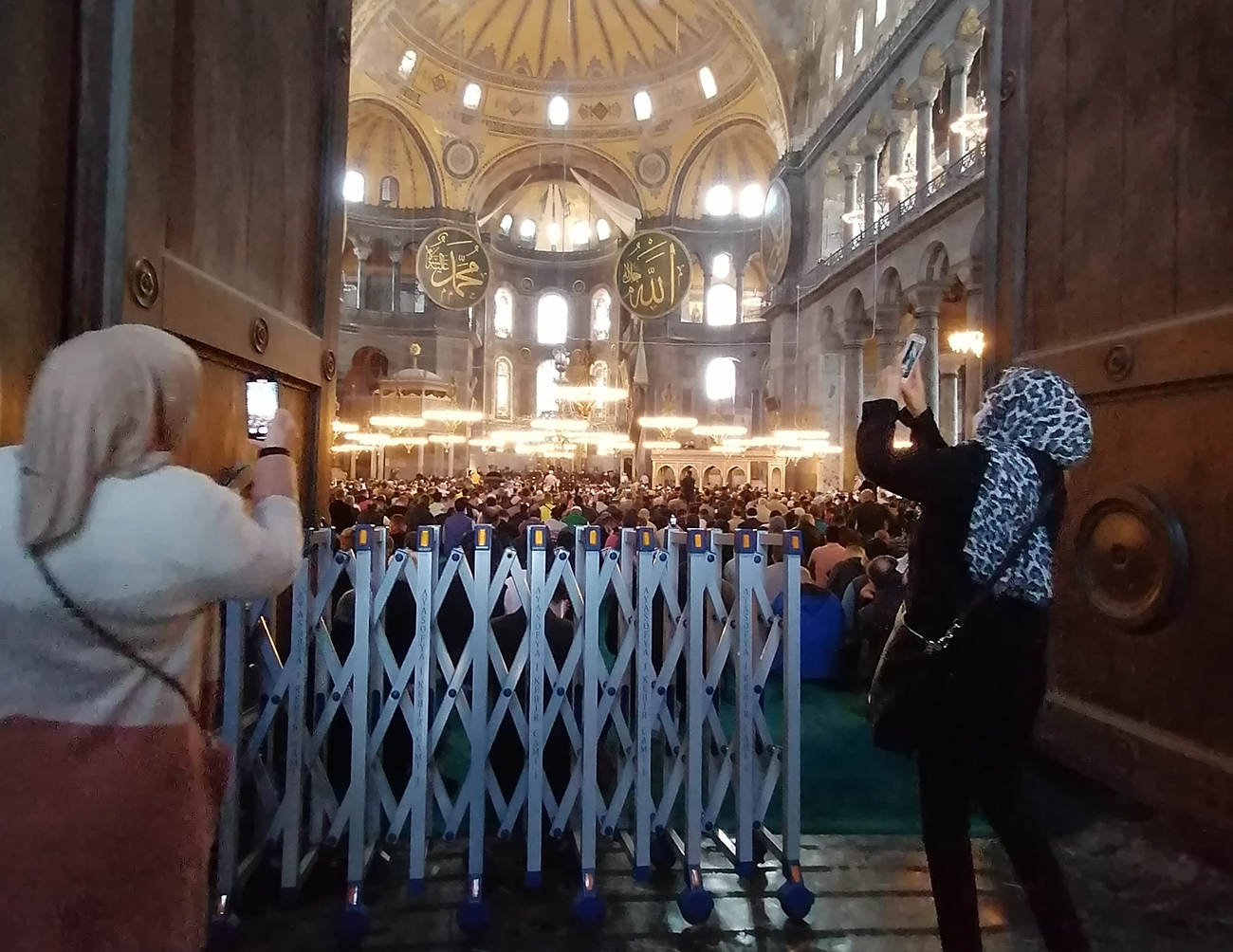
    Hagia Sophia in Istanbul is one such place. Famous for its grand dome and centuries-old history, it has been a church, a mosque, a museum, and, since 2020, a mosque once again. But what is it like to live and work around such a monument every day? And what does it mean when that place changes? Since its reconversion in 2020, Hagia Sophia has become more than a symbol. It is a place where daily life, politics, and emotion collide. While many view landmarks as timeless icons of a city’s identity, this research shows they are constantly in the making. Hagia Sophia is not just an architectural marvel, but a living space where history, politics, and religion intersect with everyday routines.

    The study approaches it as an entangled building—a space shaped by those who use and care for it. It follows the people who keep Hagia Sophia running: mosque guides, tourist guides, shopkeepers, and cleaners. They speak with visitors, care for the space, and navigate long shifts, new rules, and mixed emotions of pride, stress, and fatigue. Some commute from distant districts; others grew up in the neighbourhood. Their gestures, routines, and feelings reveal how landmark buildings shape urban life, not only through grand narratives but through daily labour and acts of care. By focusing on ordinary practices—praying, giving tours, feeding cats, cleaning carpets—the research highlights how buildings are continually remade by those who move through, rest in, and work within them. These acts, though often overlooked, reflect broader tensions between past and present, heritage and change. Hagia Sophia’s physical features—its worn marble floors, shifting light, and new barriers separating tourists from worshippers—influence how people move and feel. The building is not merely a backdrop; it affects behaviour and belonging. People adapt: resting in quiet corners, avoiding certain zones, or helping each other navigate the space. These subtle actions form what the research calls entanglements—the invisible ties between people, materials, and emotions that shape experience.

    Changes in the building affect different people in different ways. Women now face more restricted access compared to when it was a museum, revealing shifting gender norms. Some forms of labour, such as cleaning and guarding, remain invisible yet essential. Conflicts arise over what Hagia Sophia should represent: a national symbol, a global heritage site, or a holy space? Even odours matter. At times, unpleasant smells spark tension, challenging the building’s spiritual image. These sensory details often reflect deeper inequalities linked to class, race, and responsibility for maintenance.

    This study shows that even the most iconic landmarks can lose their symbolic polish, as daily frictions and politics quietly reshape their meanings. Ultimately, it invites us to rethink landmarks—not as static monuments of the past, but as relational, lived-in spaces where a city’s future is negotiated every day. 

  • The Weddell Sea: predator or prey ? A paleo-investigation of ice-ocean interactions in the Weddell Sea through marine geology and radiogenic isotopes

    The Weddell Sea: predator or prey ? A paleo-investigation of ice-ocean interactions in the Weddell Sea through marine geology and radiogenic isotopes

    Thesis defended by Michael Bollen, August 29, 2025 – Institute of Earth sciences (ISTE).

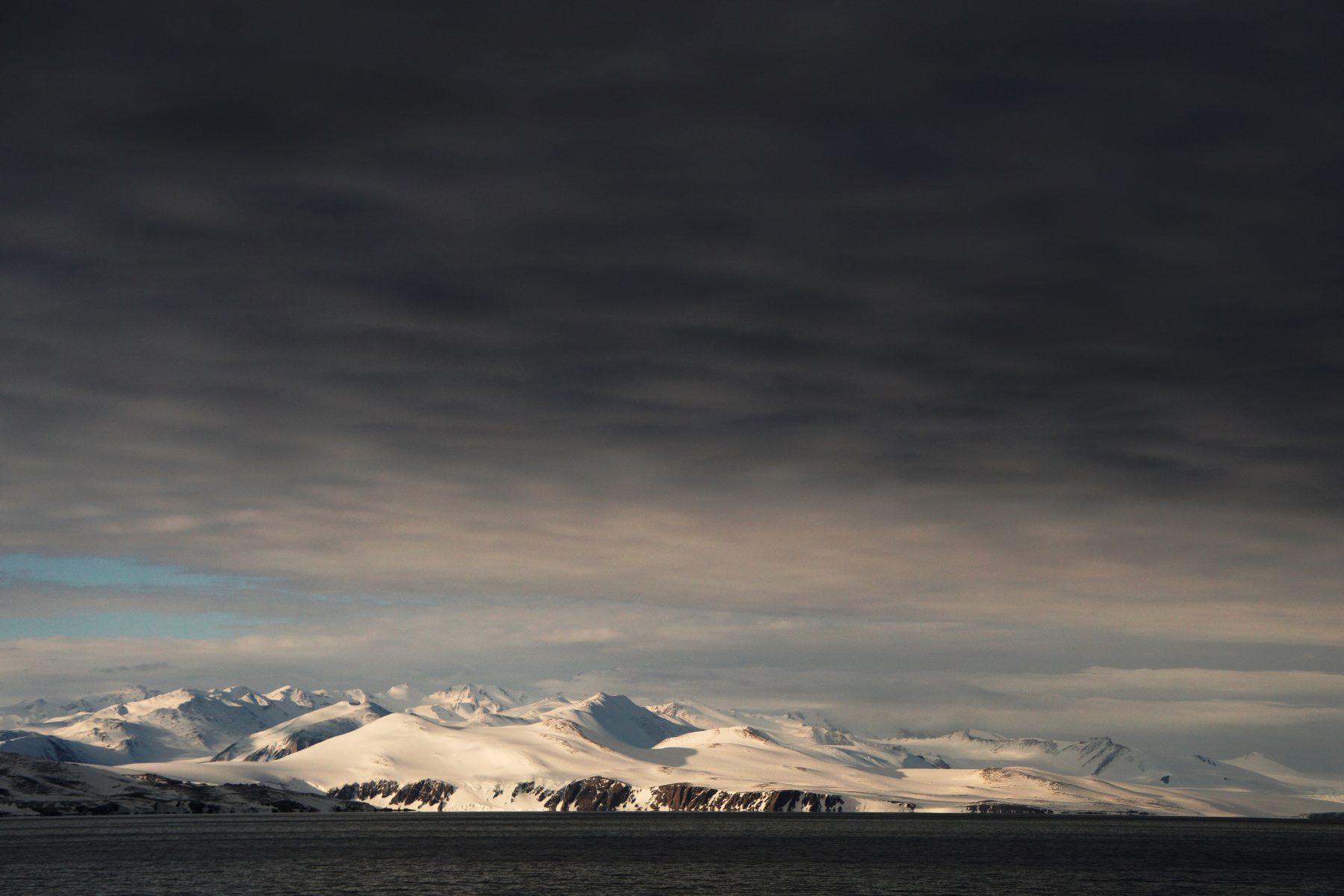
    This thesis investigates how the Antarctic Ice Sheet and Southern Ocean have interacted over the past 30,000 years—a period marked by Earth’s transition from a glacial world with vast ice sheets, low atmospheric CO₂, and sea levels 120 m lower than today, to our current interglacial climate. The Antarctic Ice Sheet is divided into two distinct sectors: East Antarctica, grounded mostly above sea level on ancient bedrock, and West Antarctica, grounded largely below sea level on younger, more vulnerable terrain. Because West Antarctica sits below sea level, it is particularly sensitive to ocean temperature changes, especially where warm water reaches the ice base via ocean currents. The Southern Ocean plays a dual role in this system. It not only transports heat toward Antarctica, influencing ice sheet stability, but also helps regulate Earth’s climate by storing or releasing carbon dioxide, depending on the relative intensity of water masses mixing, upwelling, and bottom water formation. 

    This research focuses on the Weddell Sea, a key drainage outlet for the Antarctic Ice Sheet and a major source of Antarctic Bottom Water, the cold, dense water that spreads through the global ocean. Using high-resolution seafloor mapping, sediment core analysis, and geochemical fingerprinting with neodymium and lead isotopes, we reconstruct how ice and ocean conditions changed since the last ice age. These records show that ice retreat in the Weddell Sea may have commenced relatively early in the deglaciation, with a warm, deep water current inflowing across the continental shelf to the ice margin that prevailed across the deglaciation. The formation and export of bottom water also persisted across periods of rapid climate change, hinting at a regional stability in oceanographic circulation in the Weddell Sea Embayment. We also identified a major shift during the Younger Dryas interval (12.5 – 11.5 ka), when inflows of warm water and increased glacial melt disrupted deep water formation. This event coincided with ice sheet thinning in East and West Antarctica, suggesting a feedback loop between ocean warming and ice loss. Ultimately, our findings show that the Weddell Sea is not just a passive responder to global climate, but it actively shapes it. Understanding these dynamics is essential for predicting future Antarctic ice sheet behavior, global carbon cycling, and global sea-level rise.

  • Influence of climate change on water resources in Alpine and Himalayan river basins using tree rings and stable isotope analyses

    Influence of climate change on water resources in Alpine and Himalayan river basins using tree rings and stable isotope analyses

    Thesis defended by Nazimul Islam, February 17, 2025 – Institute of Earth Surface Dynamics (IDYST).

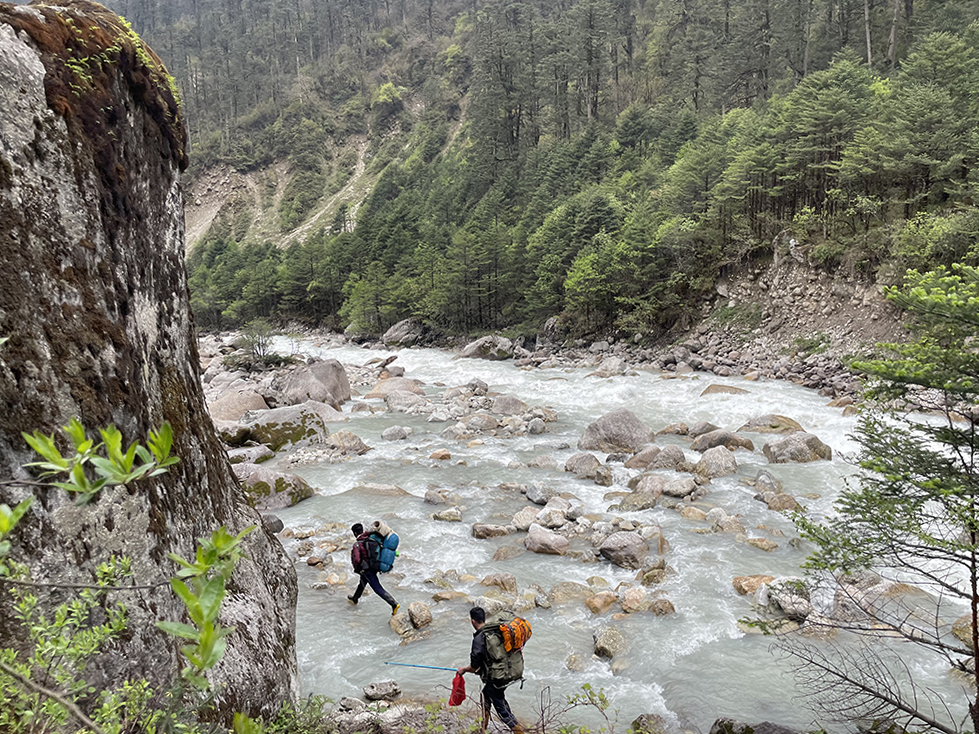
    Mountains are the ‘water towers’ that deliver freshwater to millions of people living downstream. Despite their importance, mountain regions are data-poor with complex terrain that makes space-time transferability of knowledge related to climate change impacts on water resources difficult. As a result, we know very little about past environmental variabilities in the high-altitude mountain basins. Therefore, to plug this data gap, my PhD focused on tree growth-climate relationships and hydrological reconstructions for better understanding of how climate change affects water resources in the Alpine and Himalayan river basins. This thesis addressed the following research questions:

    Q1. How does climate warming influence the relationship between temperature, precipitation and tree growth in Alpine environments? Is it possible to identify an altitude dependent breakpoint in climate forcing of tree growth in the Turtmann River basin?

    Q2. Can we use intra-annual information (earlywood and latewood) including isotope variations in tree rings to understand seasonal changes in the growth of trees and the relationship to water use in Alpine environments?

    Q3. Can the anatomical analysis of tree rings be used to reconstruct past history of river flow in a poorly gauged/ ungauged river in the Eastern Himalaya?

    Q4. Is it possible to detect the changing water sources for tree growth using annually resolved tree ring stable isotope compositions in poorly gauged mountain river basins?

    This thesis investigated at what elevation climatic signal switches temperature-limited to precipitation-limited growth for the European Larch (Larix decidua) in the Turtmann river basin. A transition zone (i.e., an elevational breakpoint) was identified between 900 m and 1800 m above mean sea level (m.s.l.) where this climatic signal switches, and this elevation breakpoint appears to be rising with time due to increasingly warmer annual average temperatures in this Alpine basin. This thesis also developed 75 years (1946-2020) of stable oxygen (δ18O) and hydrogen (δ2H) isotope records from tree rings from Turtmann basin. Isotopic compositions of both δ18O and δ2H of trees close to the river fed by glacial meltwater are lower that reflected ice melt signals, whereas trees distal to the river reflected summer precipitation and snowmelt signals but are not influenced by the glacial meltwater draining from the headwater basin and/or released by the dam. This study provided novel scientific understanding that trees at the proximity to the river can benefit from accessing glacial meltwater for their growth compared to trees that do not have access to glacial meltwater under changing climate.

    In the Himalayan river basins, following a systematic literature review on the state of the art and future directions of tree-ring hydrological studies, 182-years (1840-2021) long pre-monsoon streamflow record of Zemu River was reconstructed in the Upper Teesta River basin. This reconstruction was carried out based on a strong negative relationship between a century long tree-ring chronology of Bhutan fir (Abies densa) species and observed streamflow record. This counterintuitive, inverse relationship is likely due to the additional contribution of temperature warming induced glacial meltwater supply. Streamflow reconstruction record of this poorly gauged river identified 30 high-flow years (including the documented 1968 Sikkim flood and the 1998 Assam flood), and 33 low-flow years. This study also highlighted a positive association between reconstructed pre-monsoon streamflow record and the global climate forcing (e.g., ENSO), which may reduce penetration of the Indian Summer Monsoon during ENSO years, leads to a decrease in precipitation but maintains higher glacier melt due to long warmer and drier conditions in this basin. Furthermore, 72 years (1950-2021) of annually resolved stable isotope record developed from tree rings of A. densa species showed an increase in δ18O and δ2H isotopic compositions over the analysis period. Results suggested that in the Zemu River (i.e., the headwater catchment in the Upper Teesta basin), snowmelt and monsoon precipitation are the major contributions to the streamflow.

    Overall, the results of this thesis show that climate change has significant consequences on tree growth and streamflow variabilities in the high-altitude glacier-fed river basins. These findings have important implications for sustainable management of freshwater resources in the Alpine and Himalayan river basins.

  • Biogeochemical Drivers of Manganese-Mediated Litter Decomposition 

    Biogeochemical Drivers of Manganese-Mediated Litter Decomposition 

    Thesis defended by Nathan Chin, January 29, 2025 – Institute of Earth Surface Dynamics (IDYST).

    Soils across the globe contain a significant amount of carbon and nutrients, which are often derived from dead plants and plant litter. The breakdown of this plant material, known as decomposition, not only releases the nutrients required by plants and microbes living in the soil, but also releases carbon in the form of CO2, transferring carbon from the soil to the atmosphere. Therefore, factors that affect the decomposition of plant litter have huge implications for both nutrient cycling, and soil CO2 emissions, which in turn affect ecosystem health and climate change. 

    One significant factor that affects decomposition is the breakdown of highly complex compounds in plant litter, which require electron transfer reactions called oxidation that cleave chemical bonds and makes it easier for microbial enzymes to decompose litter. In soils this can be done by a small specific group of microbial enzymes, and more recently noted, the presence of elements that are highly reactive and facilitate these oxidation reactions. Specifically, the presence of one such metal, manganese (Mn), has been shown to correlate with decreasing soil carbon stocks and increasing rates of decomposition. However, Mn is most reactive when it is in the Mn(III) oxidation state, which is primarily facilitated through microbially-mediated transformation. Mn is also sensitive to oxygen concentrations in soils, influenced by soil moisture and precipitation, affecting its ability to be transformed into Mn(III), with recent evidence suggesting that Mn(III) may form preferentially at water interfaces or transition zones. Despite the demonstrated relationships between Mn(III) and litter decomposition, many studies on decomposition do not take into account the spatial and temporal fluctuations of oxygen that exist naturally in soils. Ignoring the importance of oxygen gradients in decomposition studies creates a poor understanding of how microbes, oxygen gradients, and Mn availability form Mn(III) and affect decomposition. 

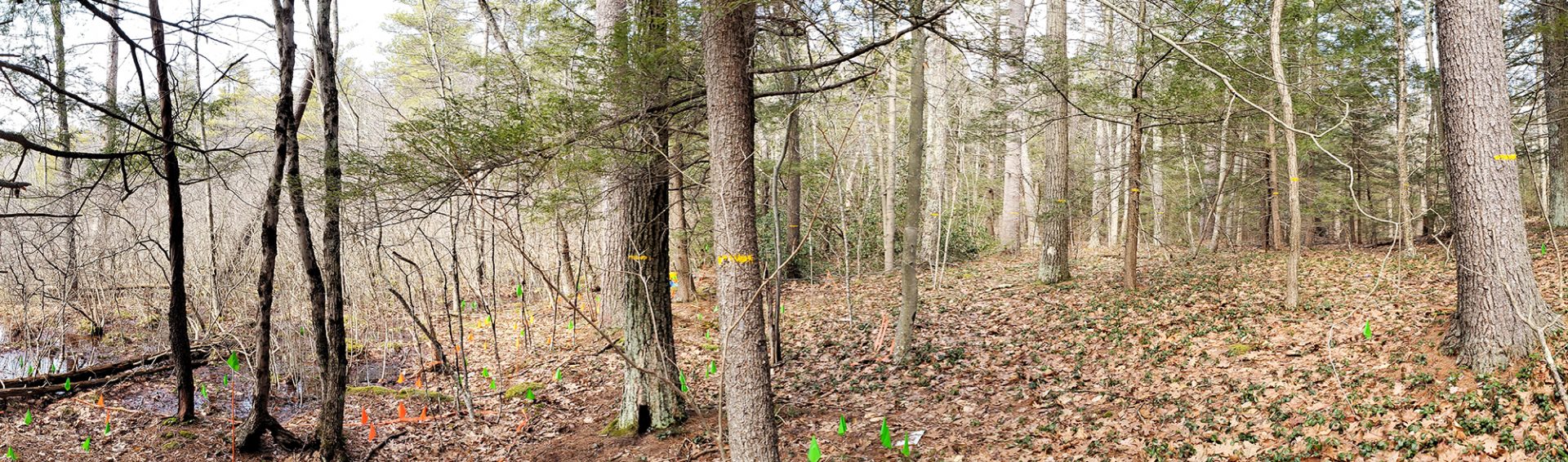
    The objective of this thesis is to determine the microbial and geochemical drivers of Mn(III) formation across oxygen gradients in soils, and ultimately how that controls litter decomposition. We do this using a combination of laboratory soil incubation with fixed oxygen gradients and measurements across a soil forest transect with natural transitions in soil oxygen conditions. We found adding more Mn increases the microbial production of enzymes that directly and indirectly transform Mn(II) to Mn(III) specifically at the oxygen transition zone. In turn, this enhanced formation of reactive Mn(III) enhanced decomposition and created more CO2. The field experiment helped us verify that even across large-scale soil transects, increased formation of Mn(III), led in part by increases in fungi, also results in greater litter decomposition.

    Although this research specifically highlights the role of Mn cycling in soils, it also demonstrates future work focusing on decomposition must account for how heterogeneity of oxygen conditions, and its impact on oxygen-sensitive elements that are critical in breaking down plant litter, can be a significant control on decomposition. This is especially true in the face of climate change, which will alter precipitation patterns across different ecosystems, with potential implications for decomposition across soils globally.

  • Encounters with Difference: Exploring the Diversity of Everyday Life in Urban Public Squares

    Encounters with Difference: Exploring the Diversity of Everyday Life in Urban Public Squares

    Thesis defended by Hannah Widmer, July 3, 2024 – Institute of geography and durability (IGD).

    City dwellers experience diversity in public space every day. In urban spaces, we encounter countless strangers in our everyday lives. As cities are characterized by a diversity of cultural and socio-economic ways of life, these strangers are unknown, on the one hand, and on the other, they are ‘strange’ because they often have a completely different background to us.

    In cities, public space plays an important role as a place for leisure, physical activities, mobility, and recreation. It also serves as a space where cultural identity and feelings of belonging to a neighbourhood or another community are created and experienced, for example in the context of celebrations. What should be emphasized specifically is the function of public space as a place of encounter. However, the fact that people are mobile can mean that certain population groups never encounter each other in public space, although they live in a socially mixed neighbourhood. Moreover, encounters with strangers, even if they are only fleeting, are ambivalent: they can be scary or uncanny, on the one hand, but also exciting and inspiring on the other.

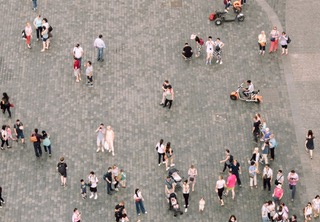
    This thesis therefore set out to explore the extent of diversity in public squares on the neighbourhood scale, the perception and experience of diversity by users, and the role that the design plays in this. It proposes a conceptual toolkit and an innovative methodology for analysing the use of public squares. Using a mixed-methods approach, the squares Lindenplatz, Hallwylplatz and Idaplatz in Zurich (Switzerland) were analysed. Counting, observations and a survey (n=1,474) were combined with qualitative interviews (n=63) with people who use these three squares in different ways.

    The results show that users of the three neighbourhood squares are fairly diverse in terms of cultural backgrounds, social class, ages, level of educational and employment status. The gender balance is even. The design of the squares plays a crucial role for optional activities (meeting family and friends, relaxing, eating, drinking, etc., as opposed to ‘necessary activities’ such as passing through or shopping): the more seating there is in the squares the higher the proportion of people who stay and do not merely cross the squares.

    If the diversity of square users is compared to that of the neighbourhood population, it is evident that there is a diversity gap. Diversity in the squares is lower than in the neighbourhood when country of origin, income and education are considered. The mainstream society, i.e. people without migrant background, with an average income, and a tertiary degree are overrepresented in the squares.

    People who use the three squares perceive that in the squares, they are surrounded by people who differ from themselves in many respects. However, this is usually experienced as unproblematic and rarely causes them to change their behaviour. If people or certain behaviours are perceived as objectionable, design elements that facilitate freely choosing one’s distance from others (e.g. movable chairs or benches that are positioned in different places and with different orientations) make it easier to live together in the squares.

    To encourage encounters between strangers and across difference, the planning of public squares could provide affordances that work for different population groups, e.g. through a variety of ground floor uses, and elements such as water features that are universally appealing. Through appropriate design, these spaces could also offer possibilities to flexibly adapt the distance to other square users and thus promote coexistence in public spaces – regardless of the distance at which it occurs.

  • Quaternary evolution of an African High Plateau: The Chobe Enclave (Northen Botswana) 

    Quaternary evolution of an African High Plateau: The Chobe Enclave (Northen Botswana) 

    Thesis defended by Thuto Mokatse, February 21, 2024 – Institute of Earth Surface Dynamics (IDYST).

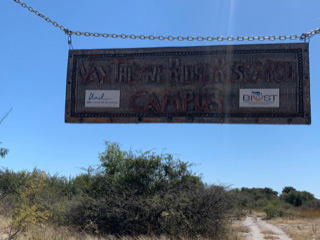
    The study focuses on the Chobe Enclave in northern Botswana, where the impact of tectonics is often obscured by sedimentary material, making detailed paleo-environmental reconstruction challenging. A combination of near-surface geophysical surveys, sedimentological analyses, and optically stimulated luminescence dating were used to investigate the relationships between landscape development and tectonic activity.

    The Chobe Enclave forms part of a Chobe-Linyanti sub-basin, a structural depression bounded by fault systems, crucial to its evolutionary setup. The study revealed a transition from a fluvial/aeolian environments to a lacustrine/palustrine ones, with the formation of carbonates and diatomites. Tectonic events led to burial of fluvial channels, syndepositional uplift of sand ridges, and the formation of fluvial watergaps. Hydrogeochemical changes during Late Pleistocene to Holocene are linked to the formation of authigenic sepiolite (a fibrous clay mineral) in an evaporitic system.

    The study further explored mineralogical relationships and quartz microtextures, revealing a complex history of a paleo-alluvial fan influenced by hydrological changes with evidence of aeolian, fluvial, palustrine, and weathering phases.

  • Towards a post-growth economic culture: existential transition blocks and levers from an ecopsychological perspective

    Towards a post-growth economic culture: existential transition blocks and levers from an ecopsychological perspective

    Thesis defended by Sarah Koller, December 22, 2023 – Institute of geography and durability (IGD).

    Debates on economic growth are underpinned by strongly polarized ideological positions. On the one hand, belief in the possibility of unlimited growth, now backed by its “green” label, is presented as an essential condition for the proper development of economies and the resolution of current ecological problems. On the other hand, calls for a post-growtheconomy have been emerging for several decades, presented as inevitable, whether it be imposed or chosen through a political project of degrowth. These calls do not yet seem to have shaken faith in the necessity of continuing to pursue growth. How are we to understand the hegemony of economic growth, and the absence of any real large-scale political reflection on the subject?

    In recent years, the institutional answers to these questions have been supplemented by research that highlights the psychological forces at play at the boundary between the individual and the collective, sometimes operating in an unconscious way. This work feeds into an existential economic anthropology that seeks to reveal the deep-rooted motivations behind our participation in the economic system. The present work is part of this project, while questioning our anthropocentric relationship with our terrestrial habitat, from an ecopsychological perspective.

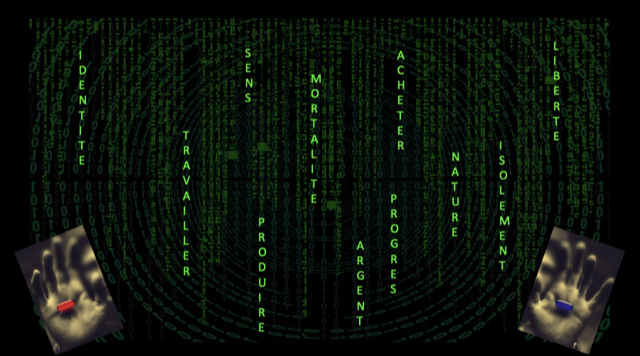
    Using both a theoretical and empirical approach, this work sheds light on the existential motivations behind adherence to two socio-economic paradigms that circumscribe clear-cut positions in favor or against economic growth in the current ecological context: the Dominant Social Paradigm (DSP) and the New Ecological Paradigm (NEP). To this end, a field survey was carried out with some twenty people adhering to one or other of these paradigms. In order to explore the existential experience of these people, a theoretical framework – called existential self-regulation, was developed sui generis from a literature in experimental existential psychology. This framework simultaneously integrates five major existential issues : mortality, identity, meaning, isolation and freedom. The experience of these issues is apprehended according to two major trends: one defensive, characterized by an attitude of flight, and the other reflexive, favoring an attitude of confrontation. The hypothesis explored is that of a double association between, on the one hand, a defensive existential experience tendency and a more favorable adherence to the DSP; and, on the other hand, a reflexive existential experience tendency and a more favorable adherence to the NEP.

    The concept of existential interest is proposed to account for adherence to one or other paradigm according to the existential experiences explored. In addition, the development of a strong ecological identity and cultural reflexivity are conceptualized as key factors that can explain adherence to the NEP. Finally, the thesis identifies practical avenues of support, by then proposing two more concrete action-research projects: the creation of a show and the holding of cultural reflexivity workshops. Finally, the work looks ahead to possible future research aimed at expanding our understanding of the existential blocks and levers of paradigmatic transition.

  • The Multispecies City: Becoming with Rats in Zurich

    The Multispecies City: Becoming with Rats in Zurich

    Thesis defended by Nadja Imhof, December 4, 2023 – Institute of geography and durability (IGD).

    This research project examines how humans enact their relationship with rats in the urban environment of Zurich. It investigates the interconnected relationship between humans and other-than-human beings, specifically focusing on Norway rats (rattus norvegicus). As generalists, rats quickly adapt to various environments, provided their fundamental needs of water, food, and shelter are met, all of which are readily available in urban environments. Their shared history with humankind and their ubiquity as urban animals has given rats a reputation as pesky pests and a branded them as generally unwelcomed co-inhabitants of what are considered human spaces in the city.

    Taking its cue from the question “How can we rethink the rat-human relationship in a multispecies city?” this thesis argues for a reconsideration of the rat-human relationship in terms of a more-than-human co-becoming. Turning attention to other-than-human beings, this thesis proposes alternative ways of living with urban animals, especially those considered pests, and subsequently widens the understanding of how humans and rats are affected by each other. By challenging notions of anthropocentrism and dualist perspectives in the way rats are placed, killed and managed in their relationship to humans, this thesis explores harmonious multispecies co-existences in the urban environment. In doing so, this thesis advances understanding of the co-constituted relations between humans and other-than-human beings by developing a theoretical and conceptual framework that allows for a generous and non-discriminatory study of rats and other urban animals.

    I use a combination of theoretical approaches from the fields of urban political ecology (UPE) and animal geography to address the challenges of studying rats in urban environments within a more-than-human research agenda. The first challenge lies in confronting dualist ideas and binary thinking concerning the dichotomies of city wilderness, nature-society, and culture-environment that have shaped attitudes towards urban animals considered ‘out of place’ or not belonging. More-than-human and relational approaches encourage a shift from an anthropocentric perspective to a more inclusive view such that urban animals can be acknowledged and studied regardless of their utility to humans. The field of UPE has been instrumental in critiquing these dichotomies and providing ways to conceptualise nature in order to navigate the complexity of urban environments. With UPE’s influence, this thesis also addresses a second challenge: understanding how the spaces inhabited by rats are produced through urban processes and human behaviour, underscoring the interconnectedness of human and other-than-human entities. The third challenge is addressing the role of other-than-human agency and subjectivity through an expansion of UPE’s conceptual framework. This is achieved by drawing upon literature from animal geographies, and transitioning from anthropocentric to more-than-human perspectives.

    By confronting these three challenges, the thesis progresses towards a more-than-human conceptual framework founded on a multispecies approach. Consequently, this approach allows for the study of urban rats in their multiple roles, emphasizing their co-constitutive nature in shaping the urban environment and human-rat relations. Noting the many pitfalls of anthropocentric approaches, this thesis proposes an alternative and innovative methodology to study multispecies entanglements. As such, it contributes to more-than-human research approaches by highlighting the methodological consequences of the epistemological challenges of conducting animal research. As animals complicate human epistemologies, one critical methodological question surrounding more-than-human research is: how can the voices of those who cannot speak for themselves be conceptualised? The field of animal geography provides a valuable approach in this respect, recognizing animals as active agents who exert influence as well as being influenced.

    By following a mixed-methods approach grounded in a multispecies ethnography, the empirical data for this thesis was collected over the course of two years in the city of Zurich. The main methods used were participant observation, formal and informal interviews with urban pest advisors, pest control managers, laboratory workers, university staff, animal welfare activists, and inhabitants of the city of Zurich, among others, complemented by field notes and photography. The selected methods aim to acknowledge and respect the unheard voices and traces of other-than-human beings and make space for their stories to emerge. Through this data I analyse the ‘becoming with’ (Haraway, 2008) of rats, humans, and other-than-human beings and explore the ramifications thereof in regards to the ethical considerations of a multispecies-coexistence.

    Overall, by examining the making, killing and ‘becoming with’ rats in Zurich, this thesis advances understanding of the rat-human relationship and, in particular, how this relationship has been shaped through socio-cultural and spatial interactions. By critically questioning and challenging the fixed boundaries and categories of how rats are perceived and where they should be, this thesis works toward a more just multispecies co-existence between rats, humans, and other-than-human species.

  • Urban disposabilities : garbage and the relational politics of place-making in Cartagena, Colombia

    Urban disposabilities : garbage and the relational politics of place-making in Cartagena, Colombia

    Thesis defended by Laura Neville, December 7, 2023 – Institute of geography and durability (IGD).

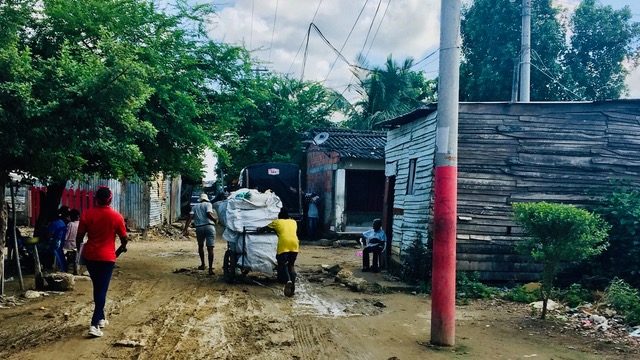
    From littered plastic bottles clogging canals, to heaps of construction waste forming land over water, failed dumpsite closures, or waste pickers displaced from recycling routes, urban disposabilities are manifestations of the multifaceted socio-material relations surrounding waste. The thesis examines these socio-material relations, as they unfold across urban scales, spaces and temporalities, and how they come to matter for shaping relational politics of place-making in the city. Treating waste and wasting processes as socially, culturally, economically, and politically situated, the thesis argues that urban disposabilities are shaped by historical continuities of structures of power, urban inequalities and are porous to complex forms of violence. By focusing on Cartagena’s inhabitants’ quotidian and mundane practices with garbage, it centres on the bodily process in and through which urban disposabilites are produced along dimensions of social class, race, and gender. Through bodily processes, relational politics of place-making are continuously enacted, contested and reshaped in and through waste. Waste is thus understood as constitutive of urban belonging and of relational politics of place-making.  The openness of urban disposabilities suggests that garbage-based practices can underpin the social production of place-making, and foreshadow urban futures.

    Drawing on ethnographic research in Cartagena de Indias, Colombia, the thesis traces the circulation, (im-)mobility and containment of household waste in low-, lower middle-, and high-income neighbourhoods, to explore residents’ coping mechanisms in the absence of waste infrastructures in a self-built settlement; inhabitants’ social imaginaries of waste management in a lower middle-income neighbourhood; residents’ aspirations of household recycling in elite spaces; and waste pickers’ everyday arrangements over waste materials across the city. The diverse practices examined, despite not being overtly conflictual, are all means of making subtle claims and producing place with waste.

    The juxtaposition of the inhabitants’ garbage-based everyday practices reveals the reconfiguration of gendered, race and class relations and subjectivities, and the contradictions inherent to relational politics place-making. Firstly, it shows the class-based discourses, meanings, symbolism, socio-material and political relations surrounding waste practices – through which urban inequalities are reproduced in the city. Secondly, it sheds light on the body, as an intimate site of political possibilities and, of the reproduction of urban inequalities. It highlights the processes reproducing the racialisation of Afro-Colombian bodies and subjectivities through gendered infrastructural household waste labour. It argues that embodied relational politics of place-making unfold with more-than-human materialites, and racialisation represents shared experiences of continued proximity with waste materials and toxins. Thirdly, it shows everyday encounters with the state, unfolding through waste practices – revealing the state’s ambivalent presence – and drawing intimate relations between the inhabitants and wider structures of power, which, in subtle ways, shape urban belonging and the possibility to make claims on the city.

    The thesis presents a contribution at the intersections of feminist urban political ecology, Black Geographies, postcolonial urban studies and decolonial Latin American debates, proposing novel ways of reading the inherent plurality of relational politics of place-making as inhabitants in urban contexts contend with ever-evolving waste challenges.

  • Evaluating Environmental Drivers of Late Permian to Early Triassic Marine Biotic Events Using Multiple Geochemical and Isotopic Proxies

    Evaluating Environmental Drivers of Late Permian to Early Triassic Marine Biotic Events Using Multiple Geochemical and Isotopic Proxies

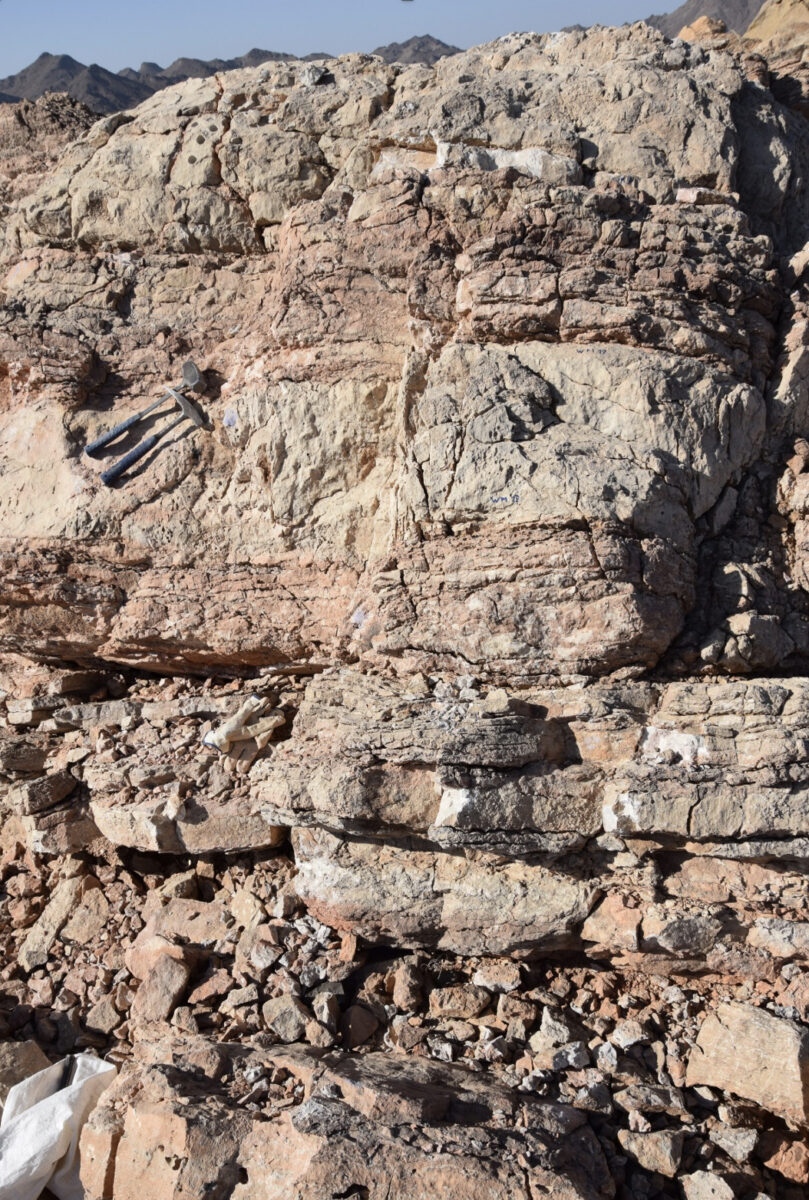
    Picture showing the Wadi Musjah, Oman sedimentary section where some of the samples studied in this thesis were collected. 

    Thesis defended by Oluwaseun Edward, November 29, 2023 – Institute of Earth Surface Dynamics (IGD).

    Studying historical marine environmental and climate changes is important for predicting future changes and improving our understanding of how quickly they would occur, as well as their spatial distribution. This thesis focuses on marine environmental changes connected to the mass extinction of animals in the oceans between the end of the Permian Period 252 million years ago (Ma), and during the Early Triassic Period (251.2 Ma – 247.2 Ma). Although still being discussed by scientists, changes in the environment and climate during this time are often linked to massive volcanic activity during the formation of the Siberian Traps Large Igneous Province (STLIP).

    The aim of this research is to further the understanding of what caused the changes in the marine environment, when exactly the changes happened, and how these changes affected life in the oceans. This thesis approaches this aim by discussing the following 3 points:

    1. the timing and origin of volcanic activity during the end of the Permian and beginning of the Triassic,
    2. how oxygen availability in the oceans changed during the Early Triassic,
    3. how ocean temperatures varied during the Early Triassic.

    For this research, records of different elements found in sedimentary rocks that were deposited in the oceans between 252 Ma and 247.2 Ma, but which can be found today in South China and Oman are used. We can use these records because the abundance and isotopic composition of chemical elements usually change due to different physical, chemical, or biological processes in the environment. Therefore, because we know which processes will change these elemental and isotopic records, and what direction this change will take (i.e., increase or decrease), we can use the changes to interpret what processes were happening in the oceans at the time that the rocks were formed. For example, the abundance and isotopic composition of mercury (Hg) measured in sedimentary rocks can be used to trace the occurrence and source of volcanic activity. Also, sulfur (S) and oxygen (O) isotope compositions of sulfate found in carbonate rocks can be used to trace the availability of oxygen in ancient oceans.

    The results from this thesis show that frequent and long periods of volcanic activity at the end of the Permian Period occurred only after the mass extinction of animals in the oceans and that these volcanic eruptions were from volcanoes that were more nearby than the Siberian Traps. Also, the results show that there is no reliable evidence that STLIP volcanism was the reason for changes in the oceans during the period of the Early Triassic that was studied. In addition, oxygen contents in the oceans kept decreasing in the Early Triassic between 250.4 Ma and 249.3 Ma. However, during this time, the diversity of animals in the oceans decreased sometimes but increased at other times. Also, seawater temperatures both increased and decreased over this period.

    From these results, it is concluded that volcanic activity from more nearby volcanoes in the studied area was more influential in causing marine environmental changes during the time interval studied than was previously thought. Furthermore, the variations in the diversity of marine animals were probably not only controlled by oxygen content of the oceans and changes in the temperature of seawater. Therefore, more research needs to be conducted to determine the main factor that controlled the abundance and diversification of marine animals during the Early Triassic.

  • Unravelling the heat budget of the Lepontine Dome: Interdisciplinary geological, petrological, thermodynamic and geochronological study of shear zones

    Unravelling the heat budget of the Lepontine Dome: Interdisciplinary geological, petrological, thermodynamic and geochronological study of shear zones

    Thesis defended by Alessia Tagliaferri, December 6th, 2023 – Institute of Earth Sciences (ISTE).

    The Lepontine area constitutes the core of the Central European Alps. It has a dome structure and it is internally formed by rock units which register pressure and temperature conditions typical of collisional orogens. The temperatures recorded by minerals are high (around 600-650 °C) and the origin of the heat that affected the Lepontine units is still unclear. 

    In this thesis we implemented multiple branches of geology to study the contribution of different sources of heat to the overall heat budget of the Lepontine dome. Our study revealed the age of the Alpine events which juxtaposed the Lepontine units, their provenance and their evolution.

    We simulated the piling up of rock units with numerical models. These models show that heat was mainly transported by the movement of rocks and conduction acted simultaneously.

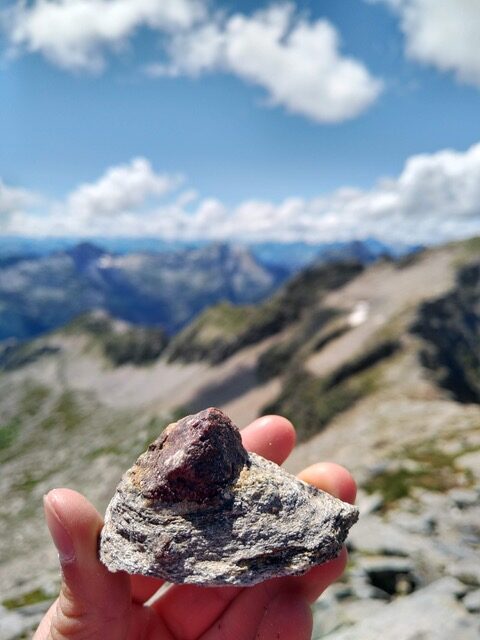
    In the field, we performed extensive geological mapping to define lithologies and structures of rocks. Fieldwork permitted us to discover new rock units and better characterize the transition between the large-scale units constituting the Lepontine dome. From 13 samples, we extracted 1158 zircon crystals that we analyzed and dated using U-Pb technique. We propose a geodynamic scenario involving a major Alpine large-scale unit which moved over a shear zone during rocks exhumation. The emplacement of this unit generated the main heating event at 31-33 Ma, which is widespread and resulted in peak temperature conditions. Locally in the south we document magmatic/fluid injections at 22-24 Ma, that sourced from still-hot regions in the roots of the orogen.

    The thermal evolution after the main heating event was regionally complex and spatially heterogeneous. We studied the cooling history at conditions close to the peak (around 31 Ma) in 6 samples. The rocks cooled very fast (above 100 °C/Myr) within the main shear zone and cooled slowly (2 °C/Myr) in the core of the Lepontine dome. The high cooling rates within the shear zone are indicative of a short-term heat production during peak, which we associate with heat produced due to friction during the emplacement of the main Alpine unit.In conclusion, the movement of the major large-scale unit caused heat transported with it and local heat production due to friction at its base, which contributed to the Lepontine heat budget together with conduction.

  • Deciphering Complexities of the Organic Carbon Cycle in the Smithian and Spathian Substages of the Early Triassic

    Deciphering Complexities of the Organic Carbon Cycle in the Smithian and Spathian Substages of the Early Triassic

    Thesis defended by Franziska Blattman – September 19th, 2023 – Institute of Earth Surface Dynamics (IDYST).

    This thesis focuses on gaining a better understanding of organic carbon cycle perturbations following the Permian-Triassic mass extinction (PTME). The PTME took place roughly 252 million years ago and is considered the largest extinction in Earth’s history due to its incredibly high loss of fauna. The Early Triassic is the epoch following the PTME and it is marked by delayed biotic recovery and major carbon cycle perturbations.

    The carbon cycle is the amalgamation of a multitude of processes by which carbon moves through the Earth system. It involves the transfer of carbon between living organisms, the atmosphere, soil, ocean, and geosphere, which are also referred to as carbon pools. Carbon can exist in different forms, including carbon dioxide, organic matter, and inorganic carbon. The transfer of carbon between different pools is essential for regulating the Earth’s climate and supporting life on our planet. When the carbon cycle is disrupted, it can lead to significant changes in the Earth’s climate and ecosystems. By studying past carbon cycle perturbations, particularly in occurrence with mass extinctions, one can gain insight into how the Earth’s climate and ecosystems responded to such disruptions. This is relevant as it can help predict and potentially mitigate the effects of ongoing and future climate change.

    Carbon cycle perturbations are evidenced today as well as in the geological past through carbon isotope fluctuations. Isotopes are defined by the different numbers of neutrons in the nuclei of an element. The stable carbon isotopes are 12C and 13C. 12C is the most common and the lighter isotope of carbon, while 13C is rarer and heavier as it contains one more neutron. This difference in weight will result in preferential incorporation of 12C over 13C in chemical reactions such as photosynthesis. During photosynthesis, when living organisms take up carbon dioxide (CO2) from the atmosphere to form sugars (i.e., organic carbon), the lighter 12C is more likely incorporated. This creates a signature 13C to 12C ratio, which is referred to as δ13C. This preferential uptake is called fractionation and this process allows carbon isotopes to be used to trace origin, fluxes and relationships between the various carbon pools within the carbon cycle.

    My thesis focuses on the Smithian and Spathian substages of the Early Triassic approximately 2 million years (My) after the PTME and spanning a time interval of about 2.5 My. Past work has shown that the transition from Smithian to the Spathian is marked by a global δ13C positive excursion, a change from a hot house to a cold house world, biological radiation and extinction pulses of marine organisms, and a shift in terrestrial vegetation. The results of my thesis further our knowledge by showing that carbon sequestration from the atmosphere to slower cycling pools, such as the deep ocean, was happening earlier and more rapidly than previously thought. Marine and terrestrial systems seem to have contributed differently to the global carbon cycle via emission and sequestration of atmospheric carbon at separate times during the studied interval. This is indicated in differences between δ13C values of terrestrial and marine pools. These differences can be linked to various mechanisms influencing the production, preservation, and destruction of organic carbon. These include primary productivity, which is coupled with the nutrient cycle, biotic and abiotic factors controlling organic matter preservation in sediments and soils as well as physical factors such as oceanic circulation, which are linked to temperature. The terrestrial carbon cycle varied likely due to the change in dominant vegetation, the increased storage of carbon in soils via the hypothesized formation of permafrost soils, and the decrease of soil organic matter decomposition. In the marine system the efficiency of the biological carbon pump determined carbon sequestration in the deep ocean and marine sediments. The biological carbon pump refers to the process by which marine organisms facilitate the transfer of carbon from the surface to the deep ocean.

    To summarize, the findings of this work reflect an irreversible change of the carbon cycle across the studied time interval in both marine and terrestrial environments. The observed changes of the carbon cycle are intertwined and have positive feedback mechanisms with other biogeochemical cycles and temperature. As with most research more work needs to be conducted to better constrain the global change. 

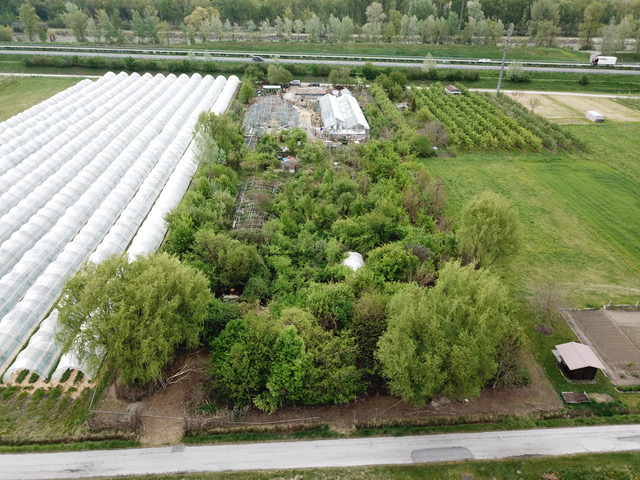
  • In search of other environments: permaculture through the prism of mesology in Switzerland and Japan

    In search of other environments: permaculture through the prism of mesology in Switzerland and Japan

    Thesis defended by Leila Chakroun – September 20th, 2023 – Institute of Geography et Durability (IGD).

    Although increasingly contested, modern dualisms still permeate our ways of living, organizing ourselves collectively, planning our territories and producing our food. What new approaches could help dislodge these dualisms from their dominant position, and the role they play in the ecological and human threats brought about by the Anthropocene? This research proposes a dialogue between mesology and permaculture, both of which call for a transformation of the sense of human relations to the Earth, each with use specific tools. Through the prism of the conceptual framework of mesology, this thesis examines the modes of existence and the modalities of engagement that permaculture initiates in Switzerland and Japan. Those countries represent an interesting constrast, as, while each having very different philosophy of nature and territorial history, are both facing the ecological limits of the globalized conventional agricultural system.

    Mesology, the approach of human milieu developed by the geographer Augustin Berque, attempts to go beyond the modern paradigm and unfolds through radically relational concepts: milieu, trajectivity, mediance. As for permaculture, it stems from a citizen’s impulse to experiment with ecological, even ecosystemic, cultivation practices, and prefigures nurturing landscapes that are openly at odds with the principles of modern agronomy and the values of the capitalist system. In order to articulate their respective quests for other milieus to thrive, and to shed a light on their existential underpinnings within this system, I draw upon the critique of capitalist axioms developed by the heterodox economist Christian Arnsperger and his concepts of existential lucidity, critical acceptance and existential activism.

    The aim of this thesis is threefold:

    1. to explore and conceptualize a attitude of the self that handles the tension between reconnection to the milieu and disconnection from the system, in other words, that demonstrates trajectivity and critical acceptance;
    2. to highlight what, in permaculture, is akin to this attitude of the self, and how the latter reveals itself to be a driving force behind the transformation of milieus;
    3. to capture the varying meanings of permaculture and highlight the diversity of landscapes it hence inspires.

    The methodological approach is a mesography – a mesological ethnography – in the two national contexts of Switzerland and Japan. It consists of a qualitative study combining long periods of immersion and participant observation on about thirty sites and within various associations, with semi-structured interviews with fifty pioneers and/or project leaders.

    The main contributions of this research are,

    1. to narrate permaculture in a new way, thanks to “stories of milieus” that make it possible to jointly capture – in a mesographic way – both life trajectories and place trajectories;
    2. to narrate, through “stories of landscaping frictions”, the opportunities and obstacles that each cultural context brings to the (re)development of territories;
    3. to locate the emergence of “mesological self” in the interplay between the existential critique of the dominant system and the reconnection to the living. 

    This thesis shows that the quest for other milieus through permaculture motivates existential transitions and, trajectively, the emergence of “other” places – or heterotopias – through landscape transformations.