Author: Laure-Anne Pessina

  • Media coverage of climate change research does not inspire action

    Media coverage of climate change research does not inspire action

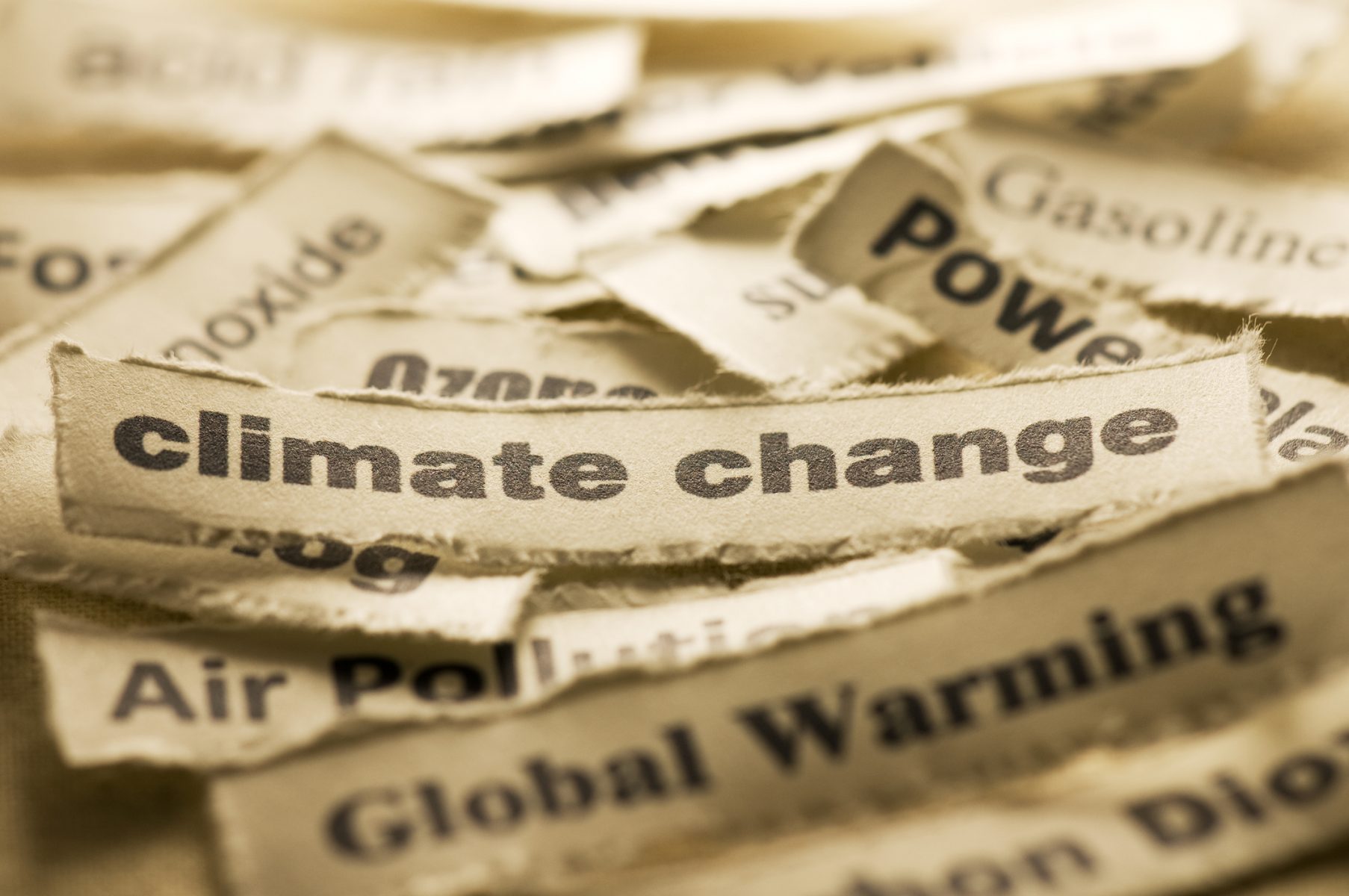
    Media coverage of scientific advances on climate issues does not activate the mechanisms known in psychology to trigger action in individuals and groups. This is the conclusion of a study conducted by social scientists and geoscientists from the University of Lausanne (UNIL – Switzerland).

    The planet is warming because of human activities and the consequences will be devastating for all living beings, including humans. At present, everyone is potentially exposed this information in the media. But how do scientific journals and the media relay research related to these issues? Is the scientific focus of climate warming research reflected in what the media decided to present?

    In a study published in Global Environmental Change, scientists from UNIL specialized in geosciences and psychology have examined these questions. An analysis of the collection of about 50,000 scientific publications on climate change for the year 2020 was carried out to identify what of this impressive body of research made its way into the mainstream media. The analysis showed that that most of the research selected by the media was biased to the natural sciences. It overly focused on large-scale climate projections that will occur in the future, and a narrow range of threats such as polar bears, drought and melting glaciers. The paper shows that this type of narrative does not activate the mechanisms known from research on psychology that might engage pro-environmental behaviors in readers. On the contrary, the way the media’s selective choice of certain elements of climate change research could backfire, provoking denial and avoidance.

    Presenting the problem, but also the solutions

    The study speaks of a possible distancing reaction on the part of the public, resulting from this globalizing approach. “The individuals exposed to these facts, not feeling directly concerned by them, will tend towards a peripheral, superficial and distracted treatment of the information. Only a central, deep and attentive consideration will allow the public to transform what they know into mechanisms of action and commitment”, explains Fabrizio Butera, professor at the Institute of Psychology of the UNIL, and co-author of the study. Marie-Elodie Perga, professor at the UNIL Institute of Land Surface Dynamics and co-author of the paper adds, “If the goal of mediating research is to have a societal impact, then it seems that we are pushing all the buttons that don’t work.”  

    If the goal of mediating research is to have a societal impact, then it seems that we are pushing all the buttons that don’t work!

    Marie-Elodie Perga, professor at the UNIL Institute of Land Surface Dynamics

    Large-scale threats can create fear. But, as Fabrizio Butera reminds us, “research on human behavior shows that fear can lead to behavioral change in individuals and groups, but only if the problem presented is accompanied by solutions.” Faced with purely descriptive articles that emphasise only highly selected elements of climate change, the public will tend to ignore the problem, seek out less anxiety-provoking information and surround themselves with networks that present a more serene reality.  

    Research, scientific journals and media

    What can be done, then, to communicate in an effective, encouraging way, encouraging society to engage more widely in climate protection action? “The treatment of environmental issues in a transversal and solution-oriented way would be useful. It would show that climate change has direct consequences on our lifestyles, our immediate environment or our finances, for example,” says Marie-Elodie Perga.

    This approach requires a change in the behaviour of communication managers in research institutions, in publishers, as well as in the media.  “For the time being, the most renowned scientific publications favor end-of-century studies,” she explains. ”Journalists then give very wide coverage to the publications of these journals, which are the most highly rated.” Instead, in France, for example, a group of journalists has drawn up a charter advocating the adaptation of media coverage of these issues, and calling for more cross-disciplinarity,” says Marie-Elodie Perga. Isolated, a human being will not have an impact, but collective actions are very effective. There are solutions, but they need to be brought to light, beyond local initiatives.

    Bibliography

    This research was facilitated through the Center for Climate Impact and Action (CLIMACT), affiliated with UNIL and EPFL. CLIMACT’s mission is to promote systemic solutions to climate change. It collaborates with the political, media and cultural worlds to strengthen the dialogue between science and society.

  • A roadmap for integrating species in biodiversity restoration

    A roadmap for integrating species in biodiversity restoration

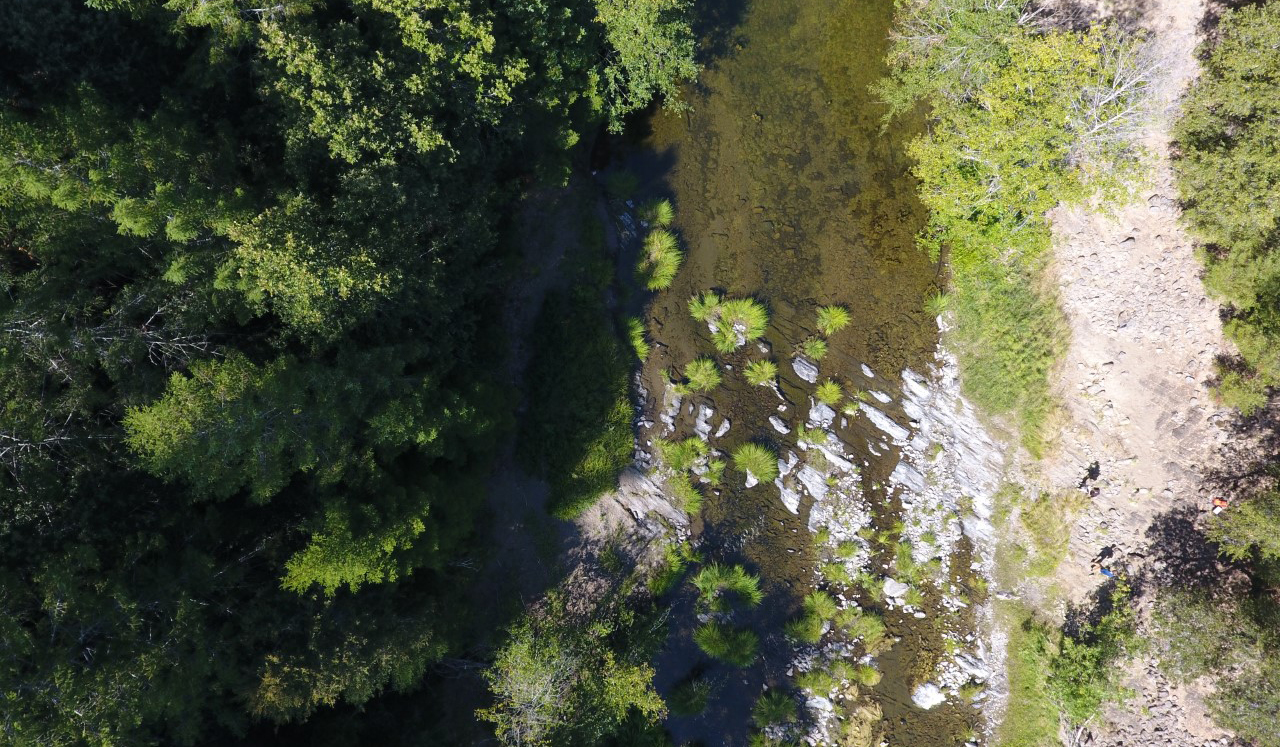
    Un écosystème de forêt fluviale dans le nord de la Californie, aux États-Unis, dans l’aire de répartition historique du castor américain (Castor canadensis). L’intégration des ingénieurs d’écosystème dans les décisions de restauration et de gestion peut conduire à de meilleurs résultats pour le fonctionnement de l’écosystème. (Crédit Photo : © Understory)

    Par leur simple présence, certaines espèces, plantes ou animales peuvent fortement modifier le paysage, créer de nouveaux habitats pour la faune et augmenter la biodiversité. A l’Université de Lausanne (UNIL), des scientifiques ont mis au point une « boîte à outil » décrivant les mécanismes et conséquences liés à l’introduction de ces « ingénieurs des écosystèmes ». Cette feuille de route est destinée aux agences environnementales et aux responsables de programme de conservation, notamment. Elle vise à permettre l’intégration de ces espèces dans les projets de conservation de la biodiversité, quel que soit l’écosystème.

    Gianalberto Losapio, Institute of Earth Surface Dynamics (IDYST)

    De manière générale, dans les écosystèmes, toutes les espèces interagissent les unes avec les autres et avec leur environnement, participant ainsi au fonctionnement du milieu. Certaines espèces exercent cependant une influence bien plus importante que d’autres sur leurs semblables et sur l’environnement. On les appelle les ingénieurs des écosystèmes. 

    L’un des exemples le plus connu est celui du castor. En construisant des barrages, les castors modifient le débit des cours d’eau et transforment les écosystèmes terrestres en zone humide, entraînant toute une cascade de processus et l’arrivée de nouveaux animaux. Or si les cas particuliers sont bien documentés, les mécanismes à l’œuvre dans leur globalité ne sont pas encore bien compris. 

    En collaboration avec une équipe de Stanford, des scientifiques de l’UNIL ont mis au point une «boîte à outil» pour prédire et mesurer l’influence des espèces sur les écosystèmes, selon différentes conditions. Cette feuille de route pourrait être utilisée par différents acteurs tels que les gestionnaires de zones protégées, les agences environnementales ou les responsables de programme de conservation et de restauration. Le but étant d’inclure les ingénieurs des écosystèmes dans les processus de préservation de la biodiversité, et de maintien des écosystèmes. Leur «review» a été publiée dans le journal Functional Ecology.

    De l’observation à l’élaboration d’une marche à suivre

    Pour établir ce cadre, les scientifiques ont procédé en plusieurs étapes. D’abord, il a fallu collecter les connaissances et la littérature concernant les ingénieurs des écosystèmes. Sur cette base, les chercheuses et chercheurs ont développé un cadre permettant de modéliser les effets des espèces, puis de les quantifier. Enfin, ils ont mis au point une marche à suivre pour permettre d’inclure autant que possible ces régulateurs naturels sur le terrain. 

    « Ce guide vise à aider spécialistes et les collectivités à se poser les bonnes questions lors de la mise en place de programmes de conservation. Par exemple : quel est le but à atteindre ? Quelles sont les caractéristiques du terrain, ainsi que le contexte spatial ? », explique Gianalberto Losapio, chercheur à la Faculté des géosciences et de l’environnement de l’UNIL et auteur principal de l’étude. « Si vous souhaitez réintroduire une espèce spécifique de poisson dans un milieu, par exemple, vous ne pouvez pas simplement apporter les animaux dans le lieu choisi, il faut réfléchir de façon plus globale », illustre-t-il. Le « guide » fournit également des outils pour évaluer l’impact des actions menées, de sorte à adapter l’activité, si besoin. « Certains projets de restauration finissent par être abandonnées car les arbres qui ont été plantés meurent, ou les espèces introduites ne peuvent pas survivre », ajoute le chercheur. « Nous pensons qu’une approche globale aura plus de chances de réussir ». 

    Référence bibliographique
    • G. Losapio, L. Genes, C. J. Knight, T. N. McFadden, L. Pavan, Monitoring and modelling the effects of ecosystem engineers on ecosystem functioning, Functional Ecology, 2 avril 2023
      doi.org/10.1111/1365-2435.14315
  • Oxidation phenomena would have taken place much earlier than thought on Earth

    Oxidation phenomena would have taken place much earlier than thought on Earth

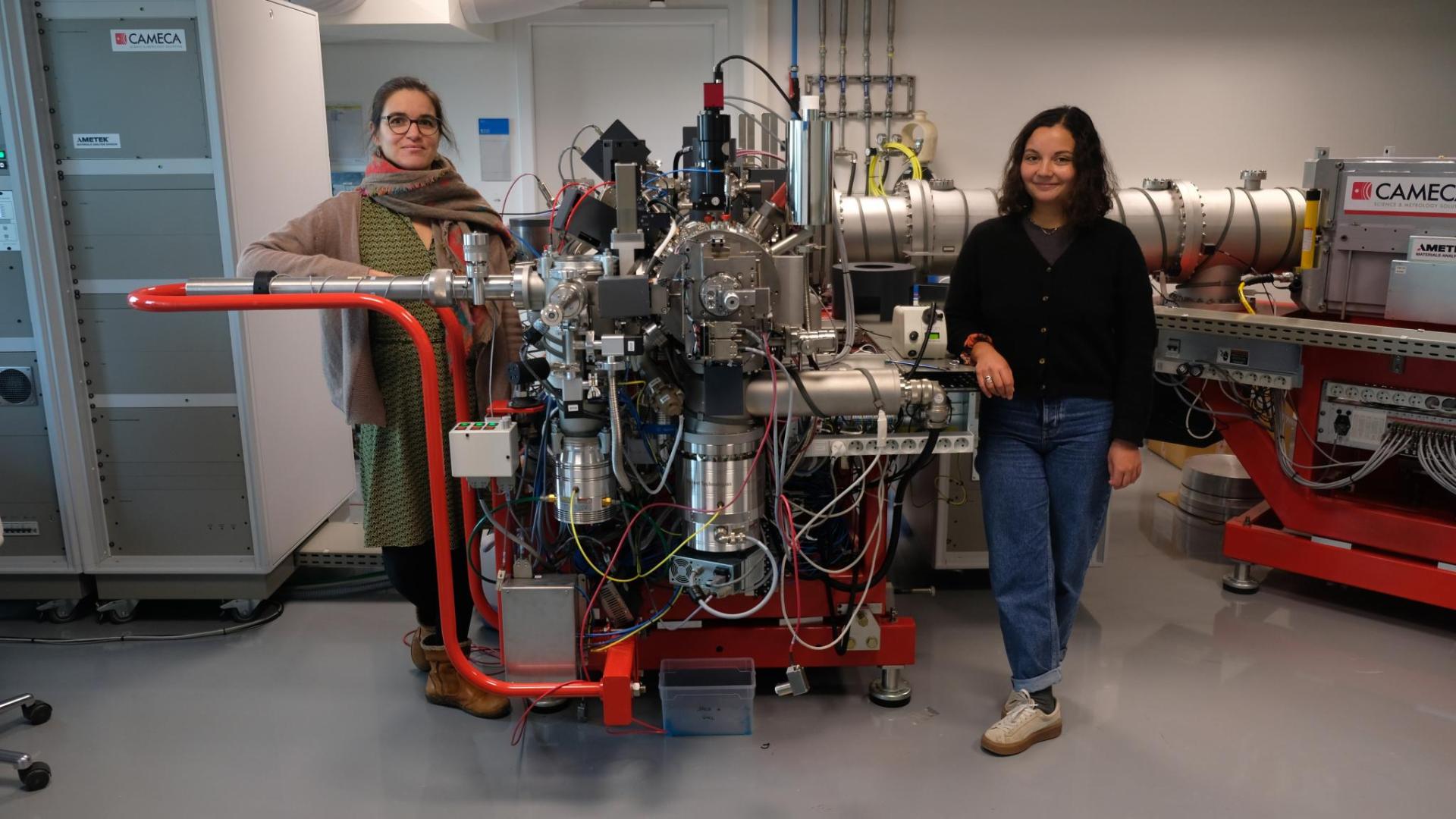
    Johanna Marin Carbonne & Juliette Dupeyron (© Bastien Ruols, UNIL)

    By analyzing thousands of data from 3.8- to 1.8-billion-year-old rock samples, a team from the University of Lausanne (Switzerland) has demonstrated that the phenomenon of iron oxidation occurred on Earth much earlier than previously thought. This discovery raises many questions. What caused this oxidation? Bacteria? Oxygen?

    When did oxygen first appear on Earth? According to the scientific consensus, it would have massively accumulated in the atmosphere nearly 2.4 billion years ago, oxidizing its environment. Before this event, traditional hypotheses consider that there was practically no oxidation phenomenon. 

    Scientists at the University of Lausanne (UNIL) were therefore surprised to observe traces of iron oxidation in rocks dating from 3.8 to 1.8 billion years ago, well before what is commonly known as “the great oxidation”. The results were published in Earth and Planetary Science Letters.

    (© Bastien Ruols, UNIL)

    Behind this discovery is an innovative analytical method used by the scientists. Thanks to this novel approach, they were able to analyze mineral grains down to 5 microns in size and study a much wider range of rocks than conventional methods allow. “I had different types of very old rocks in my drawers that I had collected over the years, from Australia, South Africa and Gabon,” explains Johanna Marin Carbonne, co-author of the study and professor at the Faculty of Geosciences and Environment of UNIL. “As a first step, we analyzed them with this promising method, which had never been done at this scale.” Researcher Juliette Dupeyron, then a Master’s student and now a Doctoral student at the Institute of Earth Sciences, set about compiling these data and identifying trends. She came up with these unexpected results. 

    Two hypotheses to choose from 

    What do these new data mean? That these ancient rocks were confronted with an oxidant long before the massive appearance of oxygen. Three hypotheses are currently emerging. The iron could have been oxidized by UV light, by microorganisms such as bacteria, or by oxygen, produced by bacteria. “The UV light scenario probably took place, but in small proportions and would not be sufficient to explain our observations,” comments Juliette Dupeyron, first author of the study. As for the other two hypotheses, it is not possible to distinguish them at this stage. “What is certain is that these results raise questions about the timing of Earth’s surface oxygenation.”

    However, a lot remains to be unraveled. “We would like to see further scientific studies to investigate this discovery,” says the researcher. “There is still a lot of work to be done to shed light on these observations. Johanna Marin-Carbonne adds: “Only 10% of the rocks of this age are currently available to scientists. Thus, it is difficult to reconstruct with certainty all the phenomena that took place at that time.”

    The techniques behind this discovery

    Traditionally, scientists have used plasma source mass spectrometry (MC-ICP-MS) to analyze ancient rocks, a method that requires separating the mineral of interest, in this case pyrite, from the rest of the rock and then going through various chemical processes to recover the desired chemical element, iron. The disadvantage is that the analysis of pyrite-poor rocks is tedious and previous studies were limited to a single rock type.

    The secondary ion mass spectrometry (SIMS) and laser ablation mass spectrometry (LA-MC-ICP-MS) techniques used in this study open new doors because they allow the analysis of mineral grains of the order of microns and can thus be applied to a much wider range of rocks. Finally, they offer the possibility of studying the surface of the sample directly, without the need to separate the mineral of interest from the rest of the rock, thus preserving the rock’s structure.

    What do rocks tell us about the past?

    Rocks bear the mark of their past interactions with their environment. By analyzing very old rocks, it is possible to trace their evolution and to deduce the environmental phenomena of their time of formation. In this study, scientists are interested in the presence of pyrite grains in rocks, which is a mineral containing sulfur and iron. The chemical composition of the mineral – more specifically its isotope composition – contains very important information to understand the past.     

    Bibliography
  • Better predicting heat waves, which affect all inhabited areas

    Better predicting heat waves, which affect all inhabited areas

    Daniel Domeisen, Institute of Earth Surface Dynamics

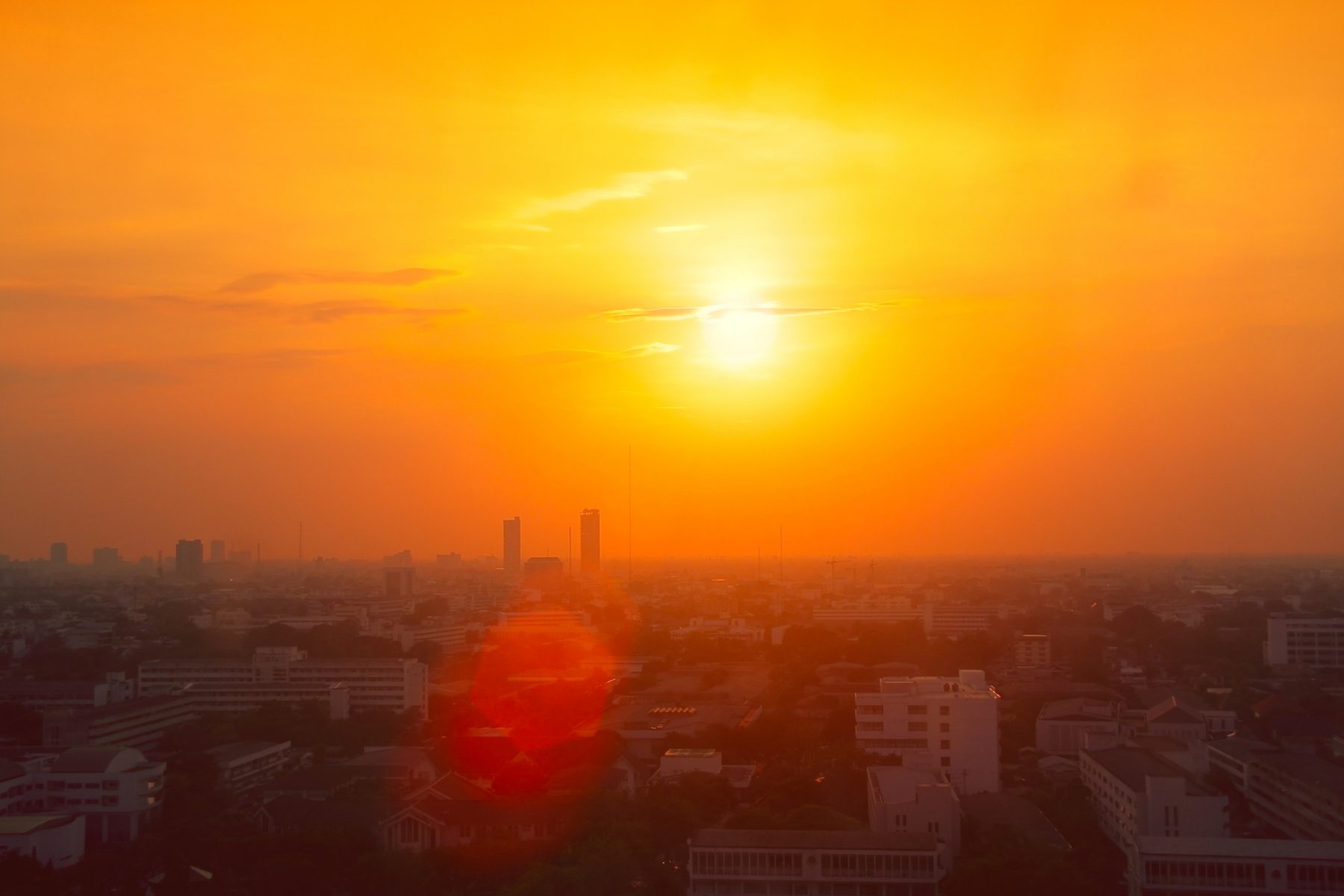
    Heat waves are a major threat to human health and ecosystems and will further intensify in the future in virtually all inhabited regions. For now, predictive models do use the full potential for heatwave prediction.

    A study published in Nature Reviews Earth & Environment and led by a UNIL researcher documents current capabilities for heatwaveprediction, makes recommendations and warns that global emergency plans must be developed.

    A few days, sometimes even a few weeks. This is the maximum capacity for forecasting heatwaves in current prediction models. Beyond this period, it is currently possible to give estimates for heatwave probability and trends, but models do not currently use the full potential of prediction for heatwaves. These shortcomings do not allow forecasters to properly anticipate these phenomena, whose socio-economic impacts are severe for both humans and ecosystems.

    In a study published in Nature Reviews Earth & Environment, an international team of researchers reviews the state of heatwave prediction and makes recommendations for improving these systems. 

    In the coming years, heat waves will become even more frequent, persistent and intense, directly impacting forests, agriculture, infrastructure, energy demand, ecosystems, permafrost and human health. The increased occurrence of humid heatwaves, especially in southern Asia, is a real threat to people’s lives. Being able to predict these events is therefore crucial.

    “We need to develop better prediction models to support the implementation of effective action plans in all regions, even those that are not usually affected and therefore unprepared,” comments Daniela Domeisen, professor at the Institute of Earth Surface Dynamics (IDYST), and first author of the review. “The measures currently in place will not be sufficient to deal with the unprecedented changes that are coming,” she predicts. “All governments need to prepare now.” 

    On the research side, scientists recommend working to better understand the relevant drivers of heat waves and their representation in models. These necessary improvements include the dynamics of the atmosphere, as well as atmospheric and soil moisture. In addition, a better representation of large-scale atmospheric waves in weather and climate models is needed. These waves determine the location of storm tracks, as well as the distribution of humidity and temperature in the extratropics. Increasing the resolution in blocking simulation models is another avenue to pursue. 

    Better predictions will allow for the implementation of an action plan on different time scales. In the short term, this involves the establishment of cooling centers, warnings to the general population, and protective measures for vulnerable groups. On a monthly or yearly time scale, it includes the development of heat-health action plans and collaboration between decision makers, meteorological and health services. On timescales of years to decades, in-depth work on climate mitigation, urban planning and infrastructure is needed.

    Finally, the research team stresses that even if improved emergency measures will save lives, the top priority remains the drastic reduction of greenhouse gases, to ensure a sustainable future.

    Heatwaves are a considerable threat also in Switzerland, with a high heat-related mortality during summer heatwaves. In order to deal with heatwaves, the new project “HEATaware”, funded by the joint Unil / EPFL CROSS fund, under the leadership of Daniela Domeisen at Unil and Michael Lehning at EPFL will evaluate the potential of weather and climate models to predict heatwaves in alpine and low lying areas of Switzerland, and the potential to issue warnings on a range of timescales to reduce human mortality due to heatwaves, in collaboration with MeteoSwiss and the University of Bern. 

    More information on the review article

    Daniela I.V. Domeisen, Elfatih A.B. Eltahir, Erich M. Fischer, Reto Knutti, Sarah Perkins-Kirkpatrick, Christoph Schär, Sonia I. Seneviratne, Antje Weisheimer, and Heini Wernli, “Prediction and projection of heatwaves”, Nature Reviews Earth & Environment

    Free version of the article: rdcu.be/c1xxk

    More information on HEATaware project