

Cette publication est également disponible en :
 Français
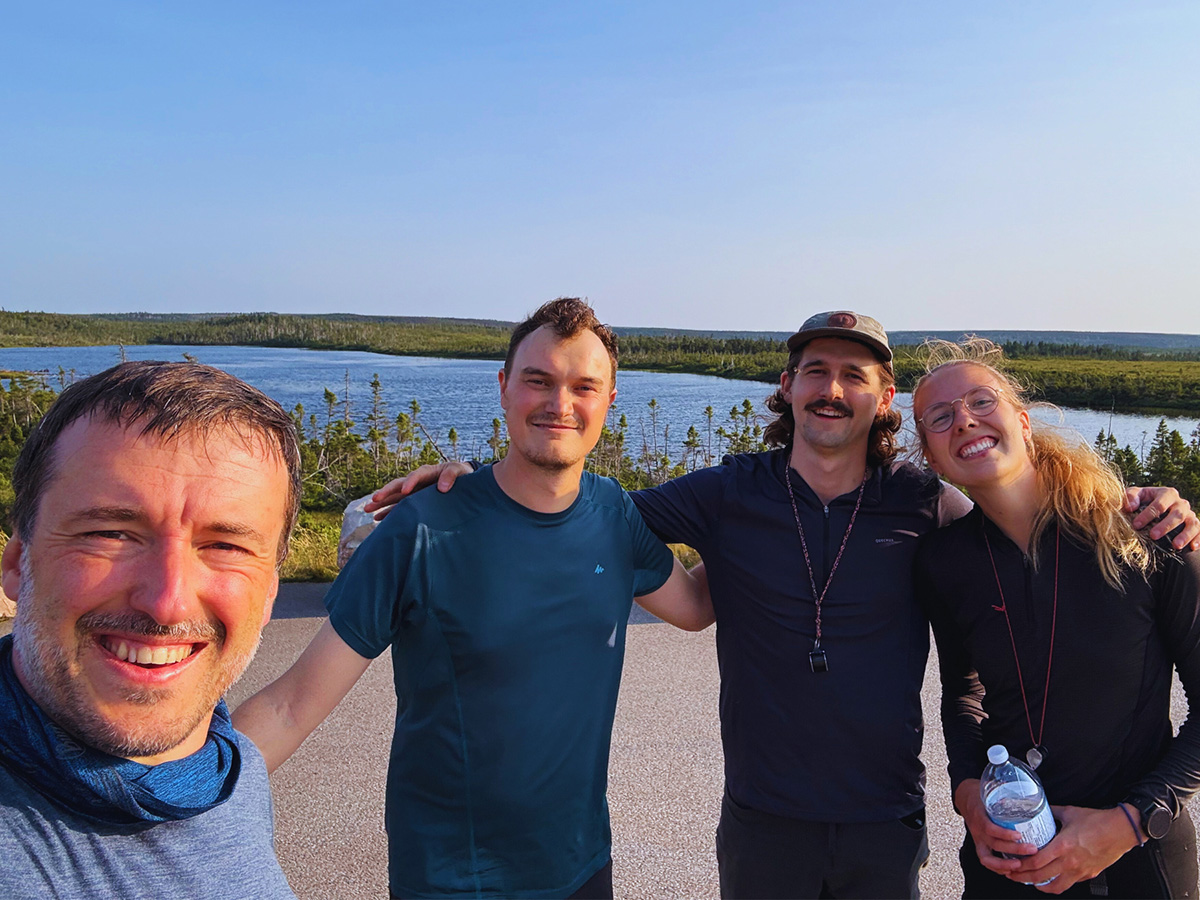
Nora and Philip, two doctoral students from the Faculty of Geosciences and Environment at UNIL, take us on a field trip to Canada, where they went to study metamorphic rocks.
Goedendag ! Salut ! We are Nora and Philip, two PhD students in Metamorphic Petrology at the University of Lausanne (UNIL). As part of the research Group for metamorphic processes we work on a multi-year research project trying to deepen our understanding about the extent and mechanisms of rock metamorphosis, i.e. the transformation of rocks by burial and heating in the Earth’s crust.
This transformation occurs when rocks are buried deep underground—for example, during mountain formation—and subjected to high temperatures and pressures, which alter their composition and structure.
In the summer of 2025, we travelled across eastern Canada for a three-week field campaign to collect rocks that were once mud and clay sediments. These sediments were buried deep in the Earth and transformed by heat and pressure, and we studied how that transformation happened. Our fieldwork took us first to the Cape Breton Highlands National Park in the Canadian Appalachians, and then north to Labrador City, within the Grenville Province — both regions offering unique windows into the deep roots of the ancient Appalachian and Grenvillian mountain belts.
Our project aims to improve thermodynamic models of metamorphism by characterizing the mineralogy and chemical composition of metapelites across a wide pressure–temperature range, from low-grade metamorphism (~300 °C) to the onset of partial melting (~900 °C). Understanding this evolution is critical for reconstructing the tectonic history of continental crust and deciphering how fluids and volatiles, such as water, behave and move during mountain-building processes.
Cape Breton — Exploring a Metamorphic Gradient in Steep Forested Valleys
Our first stop was Cape Breton Highlands National Park in Nova Scotia, a region of steep forested valleys, streams, and waterfalls. Here, outcrops of metamorphic rocks are beautifully exposed by the on-going erosion in the steep brooks. This erosion exposes rocks from deeper levels within a former mountain range the further inland we walk from the coast, as previous studies have shown. This systematic increase of the metamorphic conditions is called a metamorphic field gradient. During our fieldwork we follow these gradients in metamorphic conditions to sample rocks with minerals that formed at ever increasing temperatures and depths, i.e. metamorphic grades.

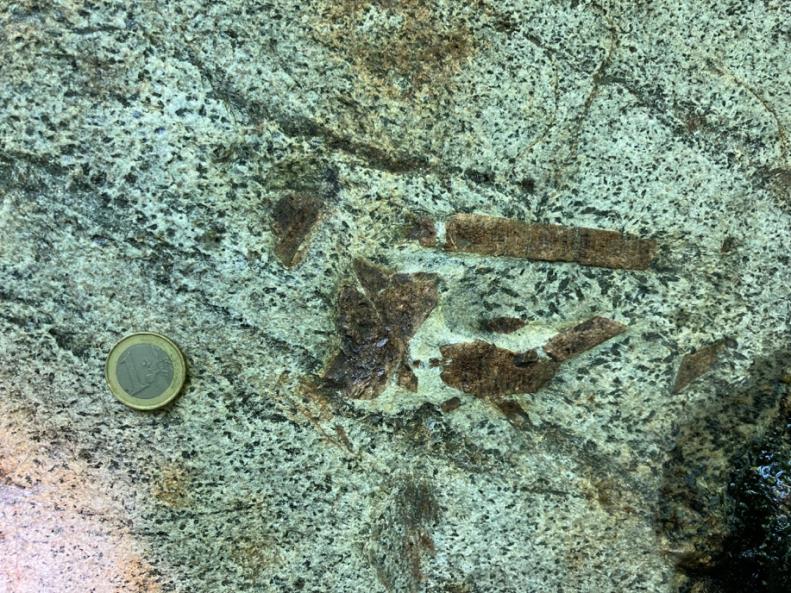
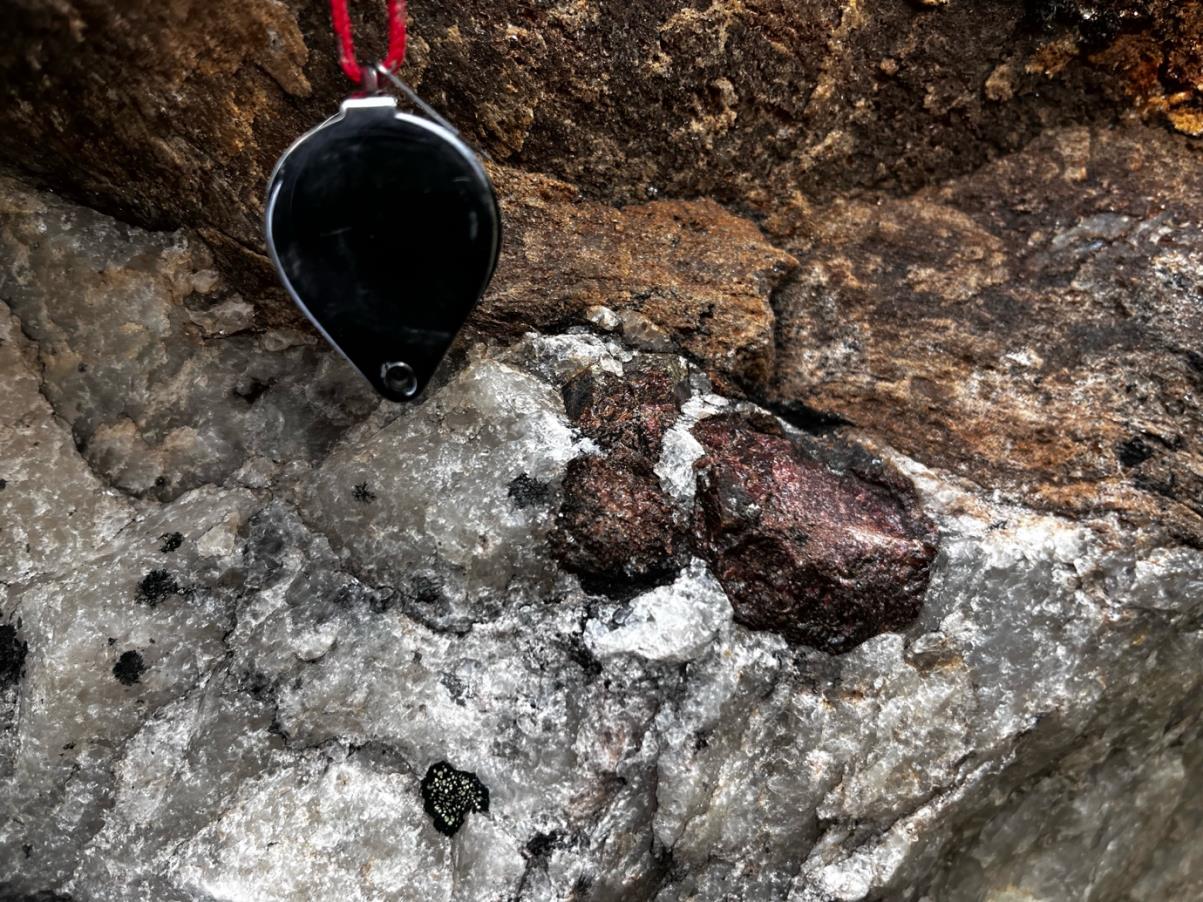
Each day, we ventured into the forest in pairs, mapping rock layers and structures, noting the minerals visible in the field, and collecting samples spanning a range of metamorphic grades. The rocks along the coast are still fine-grained and made almost entirely of micas, which are flaky minerals that develop when clay particles are heated and compressed, turning soft mud into harder, layered rock. When we hiked further up the brooks we found a typical sequence of garnet, staurolite and kyanite appearing on after another in the rocks changing their appearance from a slate into a beautiful micaschist.
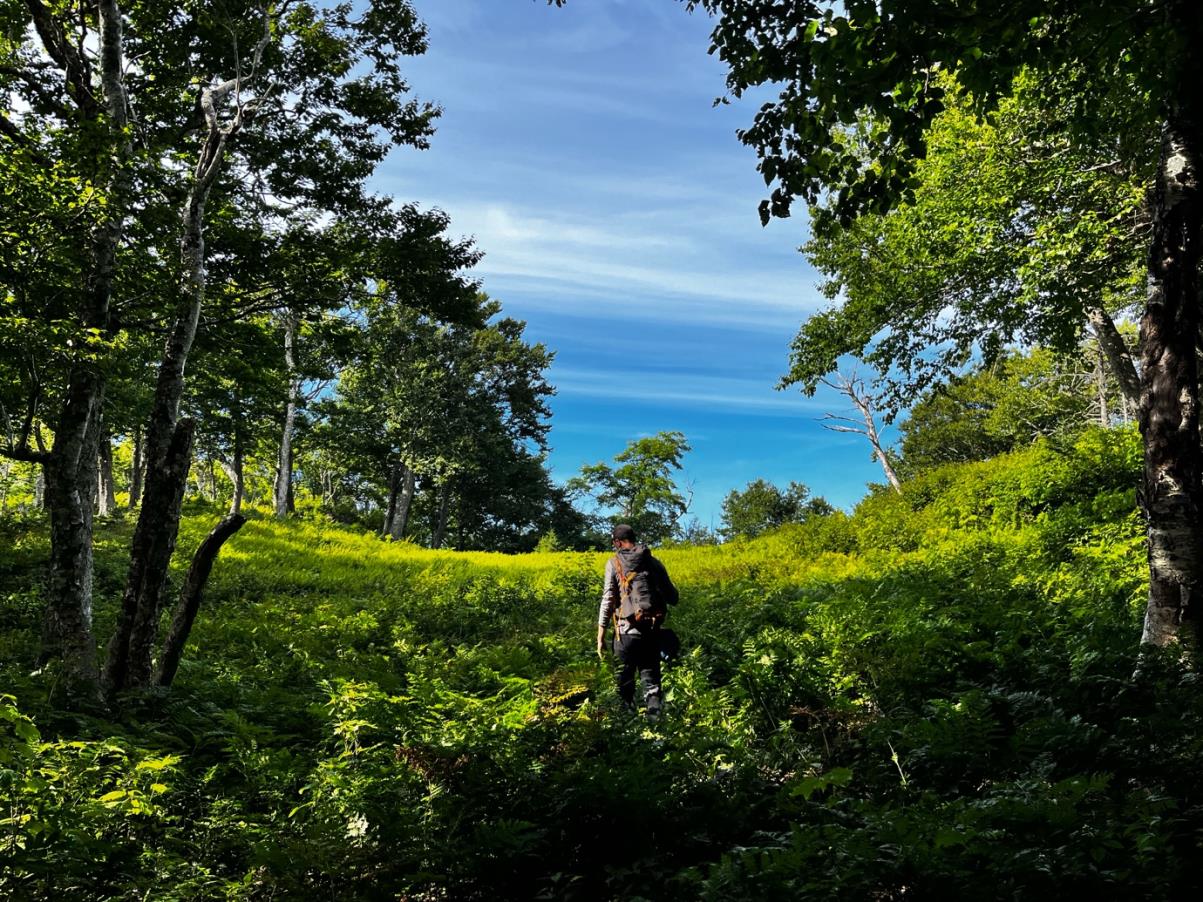
Working in such dense forest required careful planning and an awareness of local wildlife. Bear spray and bells – allowing us to warn the bear of our presence – accompanied us on every hike, though the only bear we saw remained safely in the distance, visible from our car.


Labrador City — High-Pressure Rocks in the Grenville Province
After a week in Cape Breton, we headed north to Labrador City, in the heart of the Grenville Province, in the heart of the Grenville Province—a classic metamorphic terrane, meaning a large area made of rocks that share the same ancient history. Here, the landscape conceals ancient roots of the Grenvillian orogen, a massive mountain belt formed more than a billion years ago during the assembly of the supercontinent Rodinia.
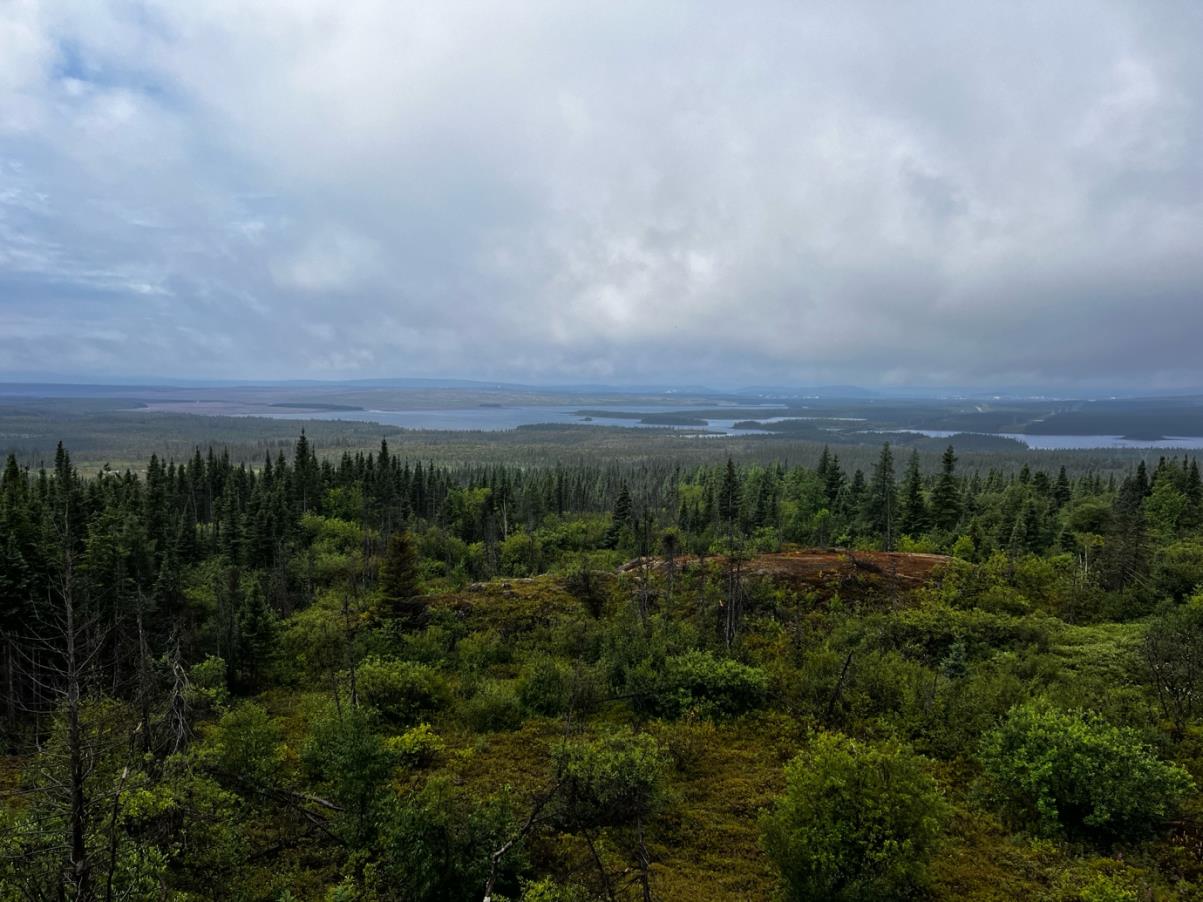
Using the same systematic sampling strategy, we collected metapelites across a metamorphic gradient. In the Grenville province the metamorphic rocks preserve evidence of unusually deep burial and, in places, conditions approaching partial melting. Despite long days and the challenge of navigating remote terrain, the reward was a diverse and scientifically valuable sample set.
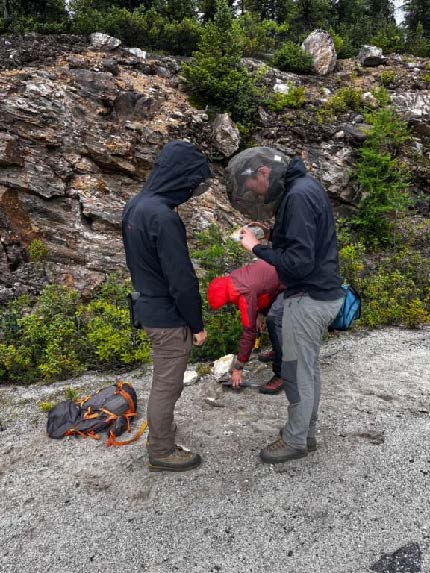
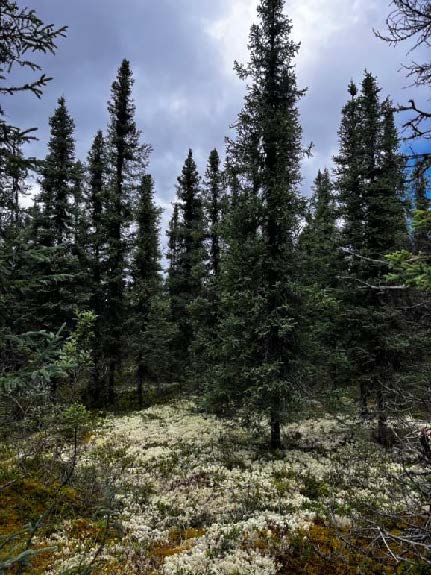
Fieldwork in Labrador required more logistical planning. Outcrops were scattered and often hidden beneath dense boreal forest, so we relied on geological maps, satellite imagery, and forestry tracks to locate suitable sites. Our sampling focused on the metamorphic sediments, that preserve evidence of deep burial and the earliest stages of partial melting. In the beautiful forest floor of Labrador, mosquitoes and midges presented a constant challenge, prompting the use of protective head nets while we worked.
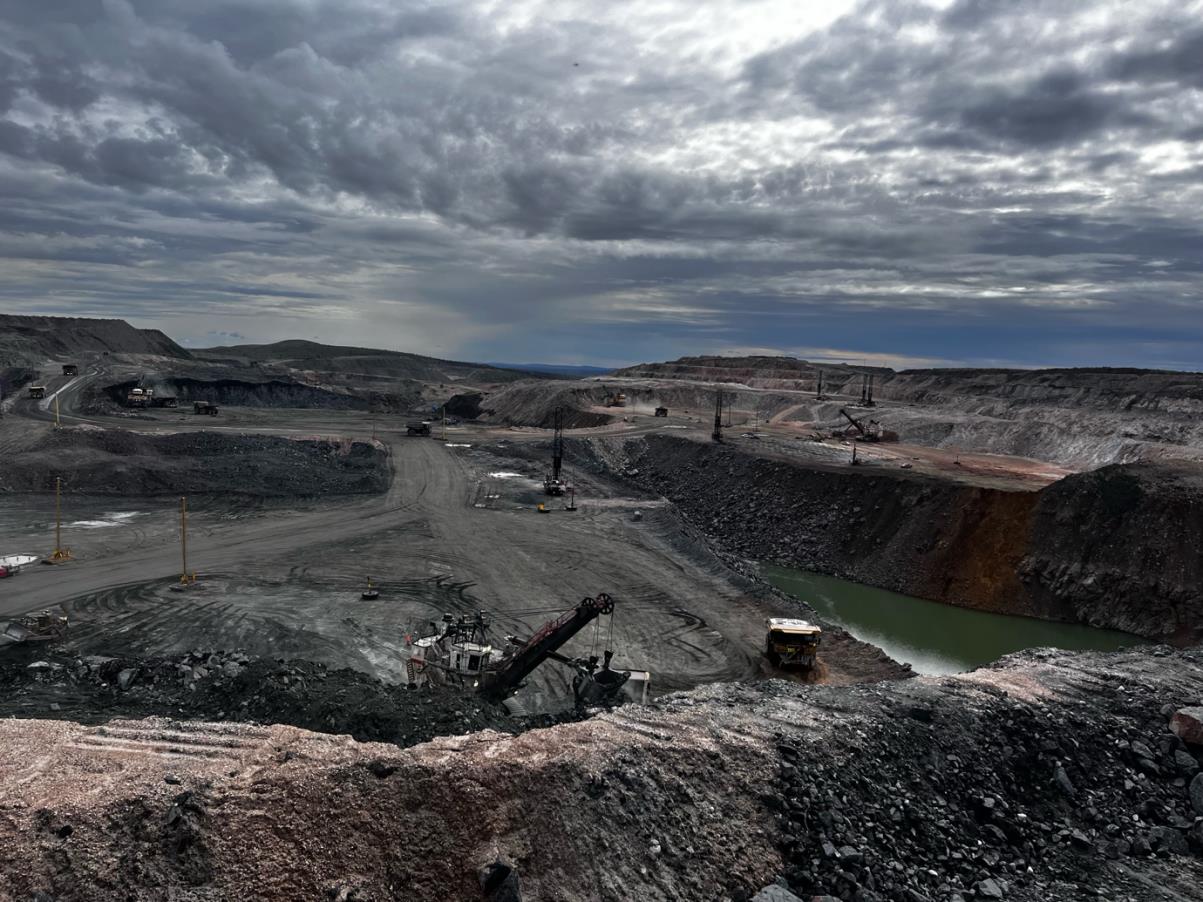
Beyond collecting rocks, we also visited a nearby iron mine, where ancient, banded iron formations are still being extracted, a striking reminder of the long history recorded in these landscapes.
From Field to Laboratory — What Comes Next
Back at the University of Lausanne, the fieldwork transitions into the next phase of research. The samples we collected will be prepared as thin sections for microscopic study, analyzed for mineral composition and zoning patterns, and measured for their whole-rock chemistry. These data allow us to reconstruct the pressure and temperature conditions the rocks experienced, refining thermodynamic models of metamorphism. In particular, this work sheds light on how fluids and volatiles are released or sequestered during mountain building, an important aspect of the deep Earth’s volatile cycles.
Lessons from the Field
This field campaign reminded us that geological research is as much about people and planning as it is about rocks. It demanded careful organization, adaptability, teamwork, and attention to safety, all while navigating remote and beautiful landscapes. More importantly, it provided an exceptional set of samples and observations that will fuel our research for years to come. After three weeks immersed in Canada’s wilderness, we returned inspired by the landscapes, the geology, and the stories these ancient rocks are ready to tell.
Partial melting and granite formation
Partial melting during metamorphism occurs when temperature and pressure conditions exceed the melting point, causing small amounts of magma to form within solid rock. In metapelites, partial melting generally occurs at high temperatures (> 650–700 °C), often in the presence of fluids. Typical reactions involve the dehydration of micas and the formation of magma accompanied by residues rich in quartz, feldspar and garnet. The process of partial melting plays a major role in element mobility and crustal differentiation, as it produces magmas that can migrate and form granitic plutons.
Leave a Reply