Categories
Cities Geography Networks Simulation World

Can cities’ network position explain the probability of violent conflict?

When we consider the global network of cities, is instability an inherent property of certain network positions?

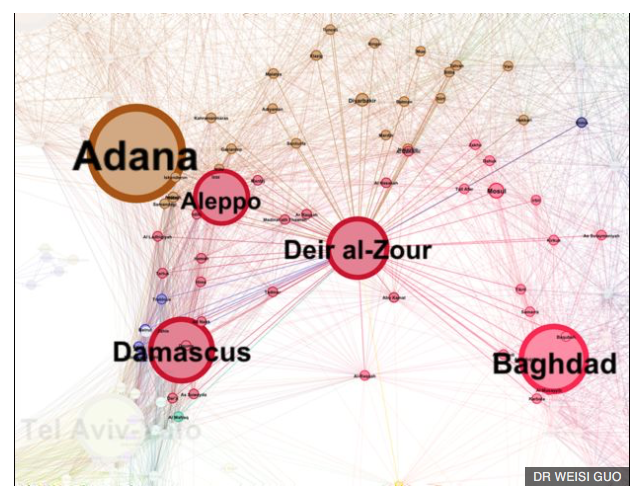
Dr. Weisi Guo from Cardiff University believes this is the case. He recently co-authored a study in which he found that cities with a high network betweenness – that are centrally located in a path that connects different cities in the network-  are more likely to display high levels of violence, including war, terrorism and gang violence. On the other hand, cities with a high degree  or having connections to many other cities – were found to display a low level of violence.

How to interpret these results? the authors develop an agent based model that suggests that cities with fuzzy cultural boundaries, that serve as connections between culturally homogeneous areas, are indeed those with a higher level of betweenness. On the contrary, cities that are more culturally homogeneous turned out to show also a higher degree.

Even if the authors warn against the attempt to establish causality, which cannot be assessed by the study, their methods accurately identify some of the world’s current foci of conflicts such as Damascus, Aleppo and Baghdad but also Veracruz and Tegucigalpa, in central America. Also, the authors identify a number of cities that do not show at present a high level of violence but which might in the future such as La Mecca and Jeddah in Saudi Arabia, Teheran or Kunming in China.

Their study has been extensively covered by BBC   here

Also, you can access the full study, titled “The Spatial Ecology of War and Peace”  here. 

If you want to know more about the authors, they are:


Categories
Cities Geography MAPS Vizualization

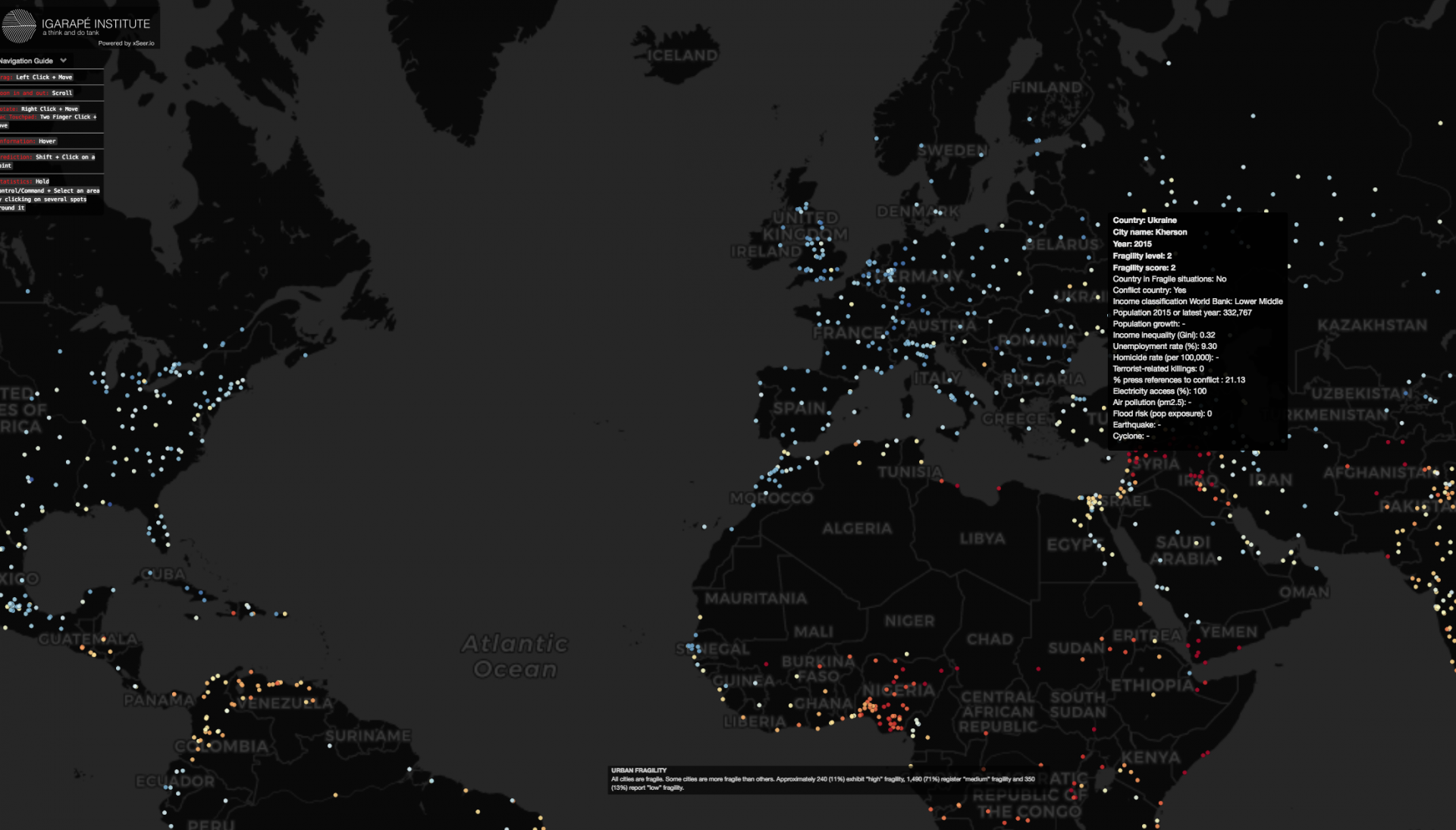
Measuring cities’ fragility: an interactive mapping tool.

Launched in 2016 World Economic Forum in Davos from Igarapé Institute in collaboration with the World Economic Forum, the United Nations University, 100 Resilient Cities, XSeer and Canada’s Global Affairs, fragile cities  is an interactive tool that allows to visualize cities in terms of their fragility. The platform includes information on over 2,100 cities with populations of 250,000 or more. Cities were graded across 11 variables at the urban scale including population growth, inequality, unemployment, access to electricity, pollutions, exposure to terrorism, homicide rates and reported conflict events.and given a score between 1 (low fragility) and 4 (high fragility).

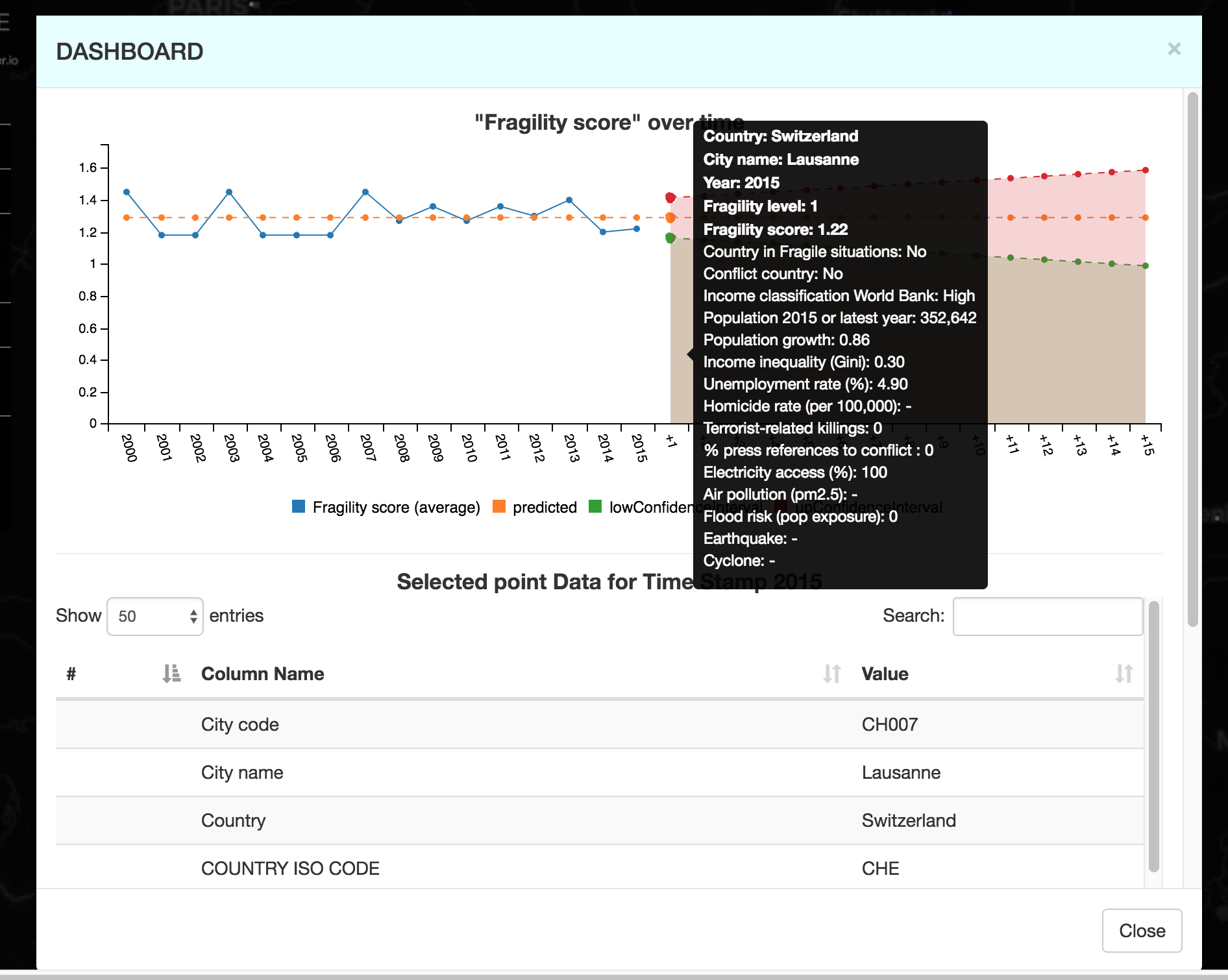
Besides, the evolution of urban fragility parameters in the period 2000-2015, and projections for the future, can be reconstructed by clicking on the dots.Below you can see, for example, the evolution of the fragility index for Lausanne:

Albeit cities’ fragility can be argued to be a much more multidimensional and complex concept, fragile cities is an interesting exploratory tool which could be useful to address issues of urban resilience.

Further information can be accessed here.


Categories
Cities Geography MAPS Vizualization

Transitflow: visualizing public transport routes in space and time

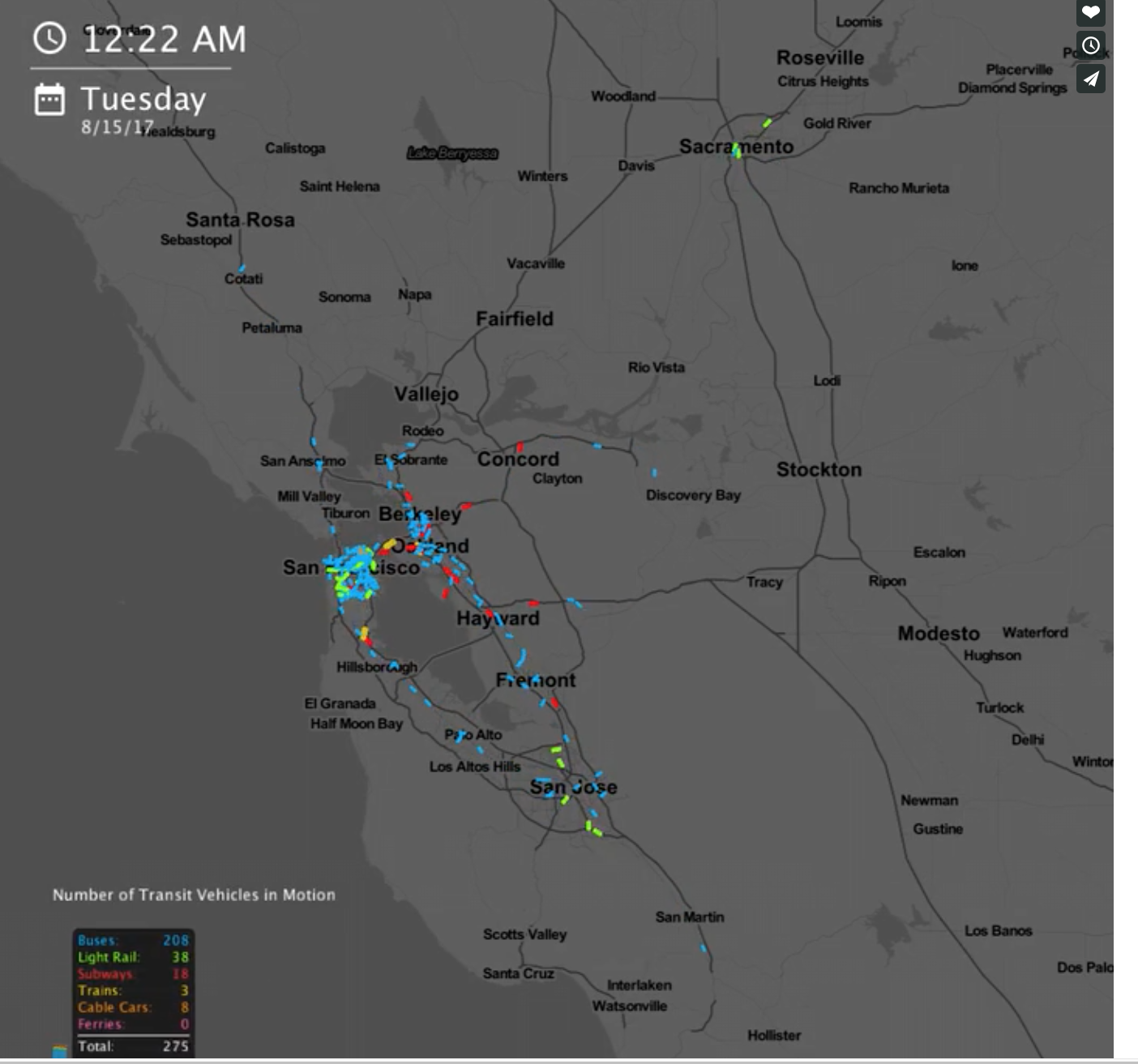
Columbia University student Will Geary created an instrument to visualize public transport flows through the 24 hours of the day.

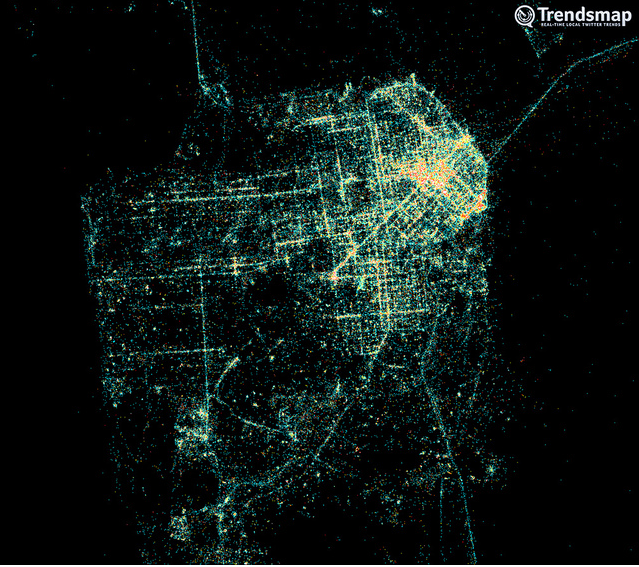
For example, below you can see an example of visualization for the San Francisco Bay Area, in which small colored dots represent each a different mean of public transport (bus, subway, train, ferry..)

Want to know more?

Here you can get detailed information on how these maps where made and get the tools to create your own visualization for the city you’re interested in.

Categories
Cities Europe History MAPS Networks

Urban Geography of the Roman World, 100 BC to AD 300

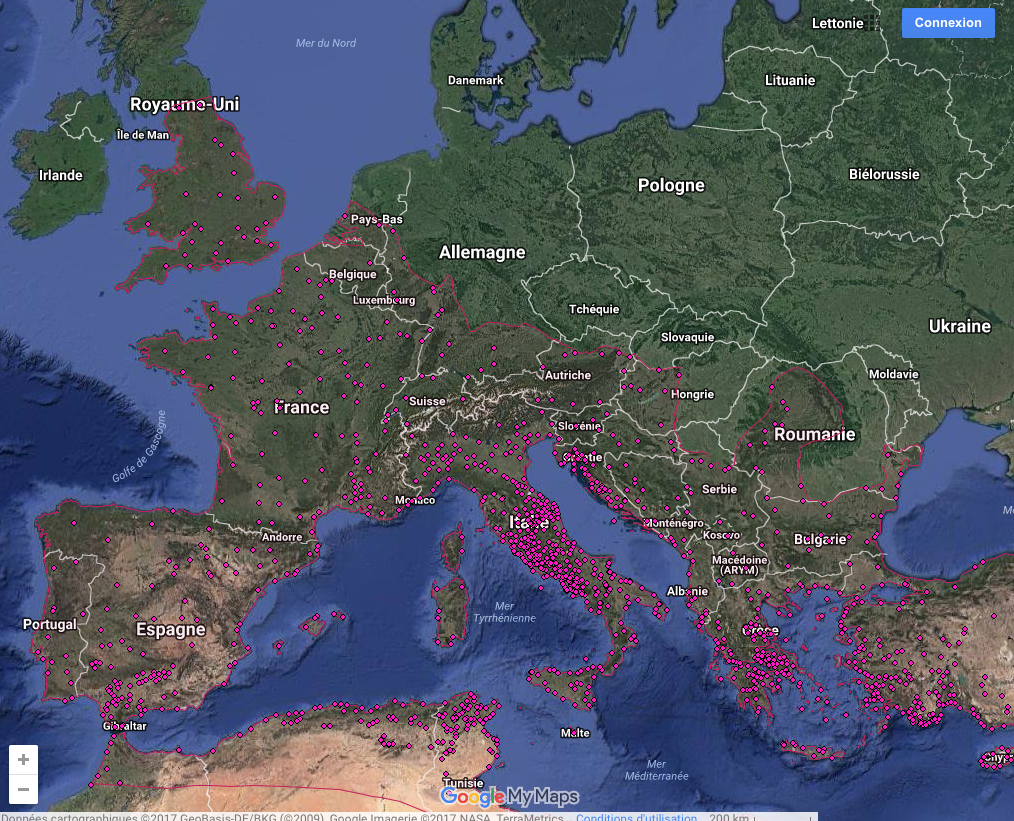
An interactive map of urbanism in the Roman world in the imperial period:


ALSO OUT NOW:

Hanson, J. W., (2016), An Urban Geography of the Roman World, 100 BC to AD 300, (Archaeopress).


Categories
Cities Misc Networks Research project Simulation Social network Social science

Theories and models of urbanization

ERC GeoDiverCity International Workshop

Thursday 12th and Friday 13th October 2017 | Paris, France


ERC GeoDiverCity

https://geodivercity.parisgeo.cnrs.fr/blog/international-workshop/

Categories
Cities Economy Misc Networks Social network Vizualization World

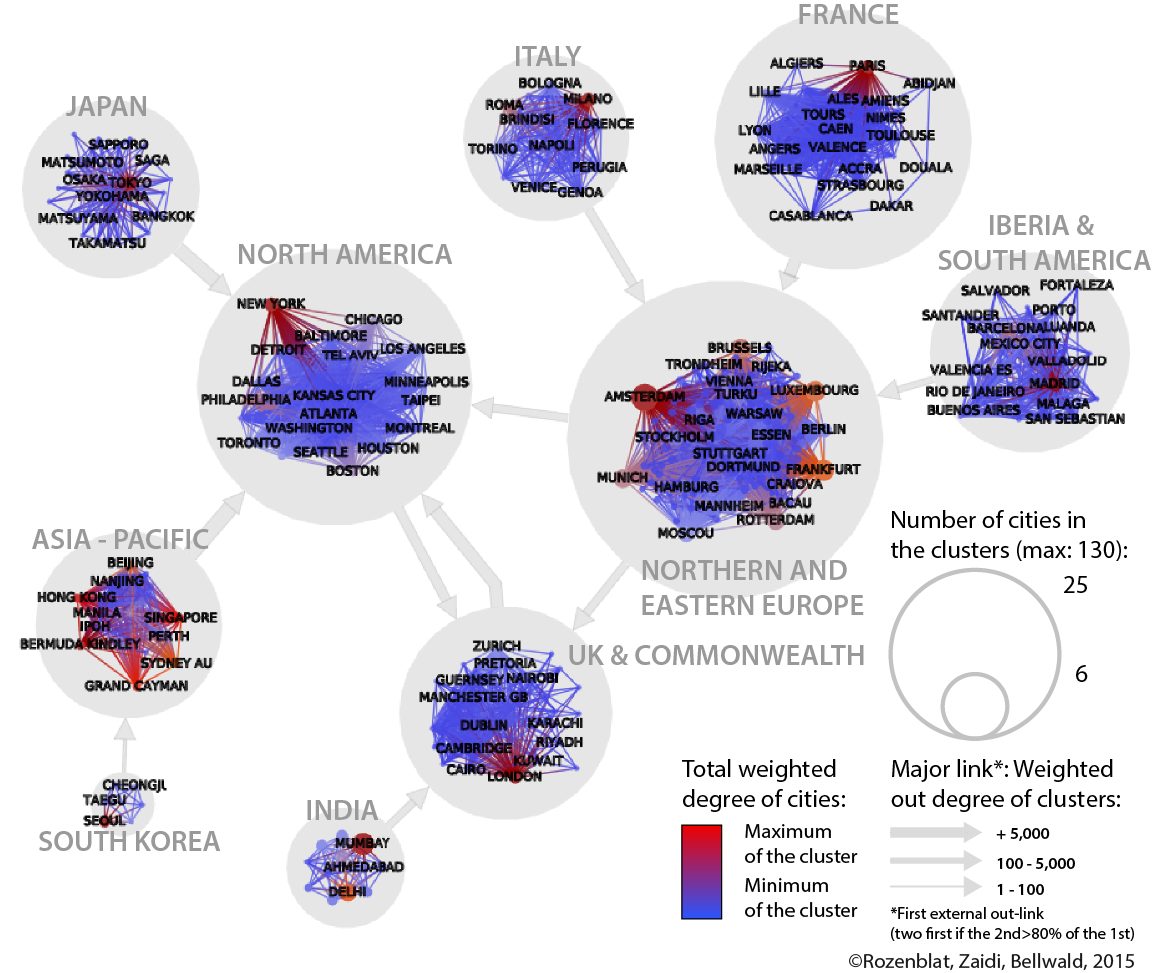
The Multipolar Regionalization of Cities in Multinational Firms’ Networks

Rozenblat, C., Zaidi, F., & Bellwald, A. (2017). The multipolar regionalization of cities in multinational firms’ networks. Global Networks, 17(2), 171-194.

Preprint paper

Categories
Cities Economy Misc Networks Research project SCIENCE Simulation Social network Social science Society Vizualization

CCS’15 & CS-DC’15 – Watching again the E-Session on Territorial Intelligence for Multi-level Equity and Sustainability

cropped-cropped-logo2

For those who missed the session Territorial Intelligence for Multi-level Equity and Sustainability, you can visualize online individually each presentation :

Denise Pumain, University Paris 1. ERC GeodiverCity (Keynote Speaker – Conference CS-DC)

World Urban Dynamics and climate change toward territorial intelligence for ensuring sustainability and equity by multi-level governance

Panos Argyrakis, University of Thessaloniki

Comparison of single and multiplex patent networks

Celine Rozenblat, Antoine Bellwald, University of Lausanne

Self reinforcement between urban firm’s networks at local and global scale: Comparison of single and multiplex patent networks

Elfie Swerts, ERC GeodiverCity

Scaling laws in Chinese urban system in light of harmonized data

Olivier Finance, University Paris 1 – CNRS

Scaling laws to explore innovative behavior of transnational investment

Paul Chapron, ERC GeodiverCity

Building and exploring systems of cities models via high performance computing

Denise Pumain, University Paris 1. ERC GeodiverCity

Scaling laws in urban evolution: A construction in territorial intelligence


The entire program of the TRACK “From Fields to territories to the Planet” is available here:

https://cs-dc-15.org/e-tracks/territories/

Categories
Cities Environment MAPS Misc Networks Society Vizualization

Where people run in major cities

Interestingly…. they prefere parks and river sides :-(((( What a new information!!!!

Capture d’écran 2016-02-03 a? 14.25.47

Where People Run

Categories
Books Cities Geography Misc

Données Urbaines 7

Just published:

URBAN DATA 7 (Données Urbaines)

Decrypting new diverse and massive urban data, this book shows how cities, their governments their inhabitants, their businesses , adapt deeply to all these transformations. The book is divided into six main chapters, each grouping of items within the reach of the great public by experts on urban policies, urban life, space and social structures, the economy, the functioning of cities in systems and the urban environment. The continuity of these themes with previous volumes in the series can measure the importance of the transformations that highlight how adaptation to change is more than ever the driving force for dynamics cities. Teachers, students, policy makers, urban practitioners and ordinary citizens will find keys to understanding these developments and knowingly take part in.

Donnees Urbaines 7

Categories
Cities World

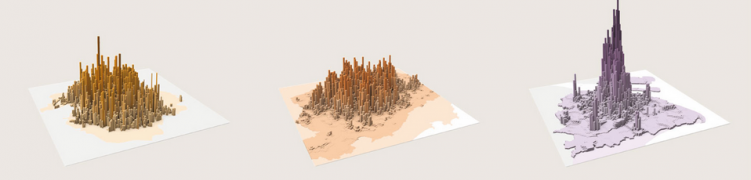
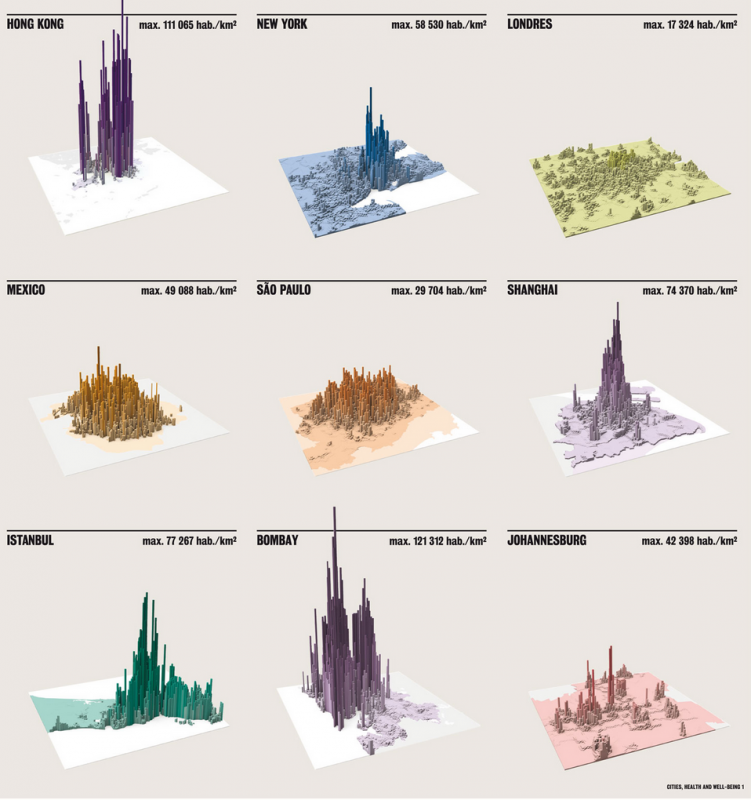
Cities’ densities – A comparative approach

Source: London school of economics, 2015Image densités villes

Categories
Art Cities Misc Vizualization

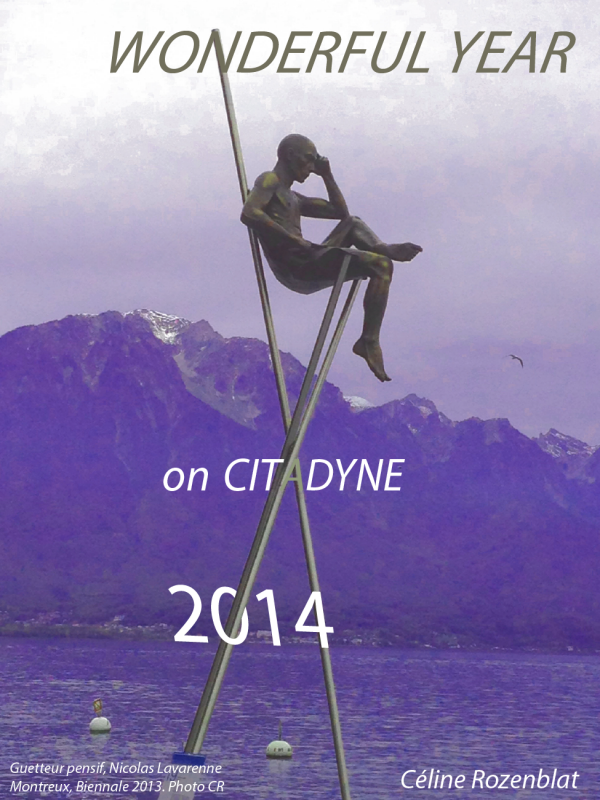
Wonderful New Year 2014

Carte voeux 2014_CITADYNE

Categories
Cities Europe Geography Graph analysis History MAPS Networks Simulation Vizualization

ORBIS: the Stanford Geospatial Network Model of the Roman World

The system calculates the distance from a city to another one, according to faster path, or lower cost.

https://orbis.stanford.edu/

Go to “Mapping ORBIS”, It draws the path and create many different maps and graphs (in “Map gallery”). It’s a pity that the Emperors did not have this system 🙂


Categories
Art Books Cities Geography Graph analysis Networks Vizualization

Art and Geography

Three years ago, a friend of mine who is a genius artist (Catherine Bolle), asked me to do geography on her biography. She told me many things about her life, during some few sundays afternoon in the Beaurivage Hotel in front of the lake in Lausanne. It took one year to build the data and think about the pictures to produce. Then to build them and interpret with a nice text.

C_ROZENBLAT_BOLLE_PARCOURS

IMAGE_BOLLE

Categories
Cities Communication Economy Environment Geography Graph analysis MAPS Networks SCIENCE Simulation Social network Society Vizualization World

When Networks Network

The magazine Science underline the huge advance made in network analysis. Networks interact, create cascading effects……

read more in Science

Categories
Art Cities Environment Geography MAPS Misc Vizualization

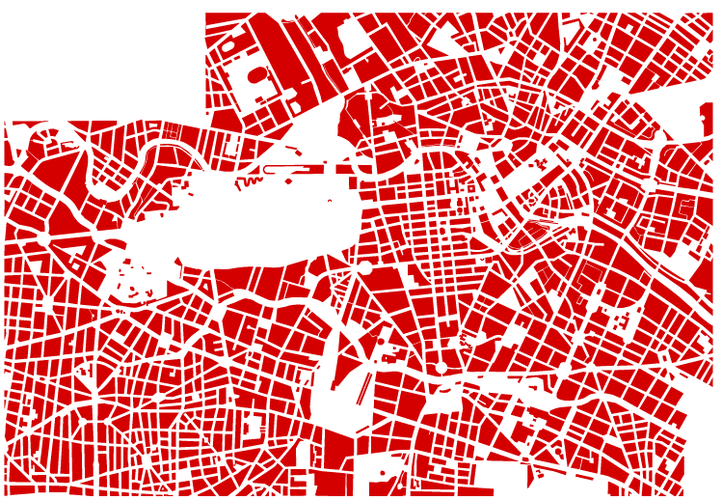
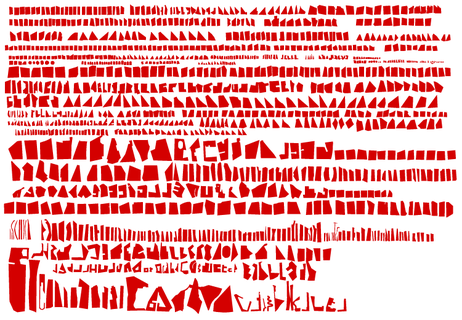
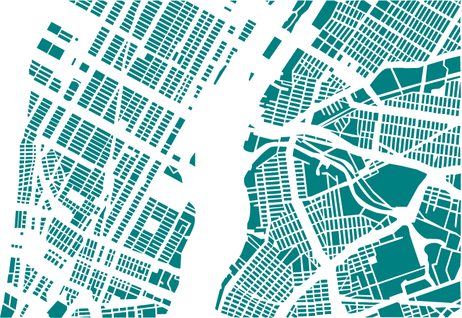
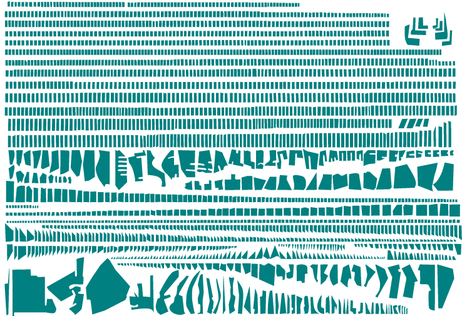
Dissection of cities

I don’t know what we can learn from the physical dissection of cities: maybe some fractal analysis could work?

see the website

Berlin:

New York City:

and other cities in the website (made by Armelle Caron)

Categories
Cities Communication MAPS Misc Social network Vizualization

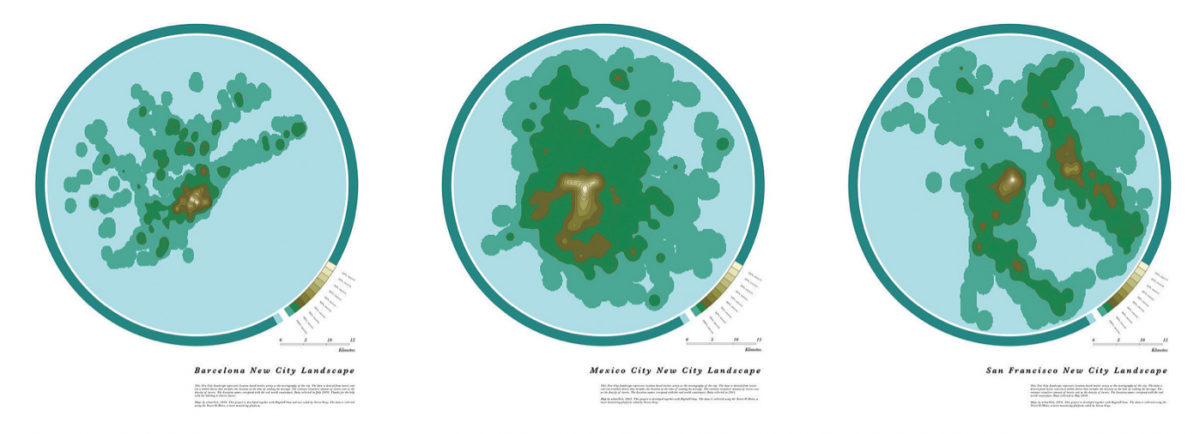
City of London during Olympic Games, maps of twitts

The density of twitter users shows the location of people in London during the Olympic games…. impressive……

See the website:

https://urbantick.blogspot.co.uk/2012/09/virtual-landscape-and-peak-for-london.html

London during Olympic games:

Other cities:

Categories
Cities Environment Geography MAPS Vizualization World

Remote sensing tracks relentless urban spread

Looking back through the decades, these snapshots from space — created exclusively for CNN by NASA’s Landsat department in collaboration with the U.S. Geological Survey — reveal the impact of the vast population shift on cities around the world.

https://edition.cnn.com/SPECIALS/world/road-to-rio/satellite-photos-urban-sprawl/index.html

example of LAS VEGAS:


Categories
Cities Geography Graph analysis Research project Simulation Social network Society Vizualization World

New Blog for the ERC project GeoDiverCity

https://geodivercity.parisgeo.cnrs.fr/blog/

Categories
Cities MAPS Society Vizualization

Sound Maps

To make the maps more “real”, add sounds….. In Montreal, they did it.

https://www.montrealsoundmap.com/?lang=en

Also England: https://sounds.bl.uk/uksoundmap/fusionmap.aspx

Categories
Cities Social network Vizualization

Twitter City Maps

See different maps of cities drawn by twitter links

like this Map of San Francisco