At its core, PLANH conducts social science research at the intersection of three key thematic fields.
Planning
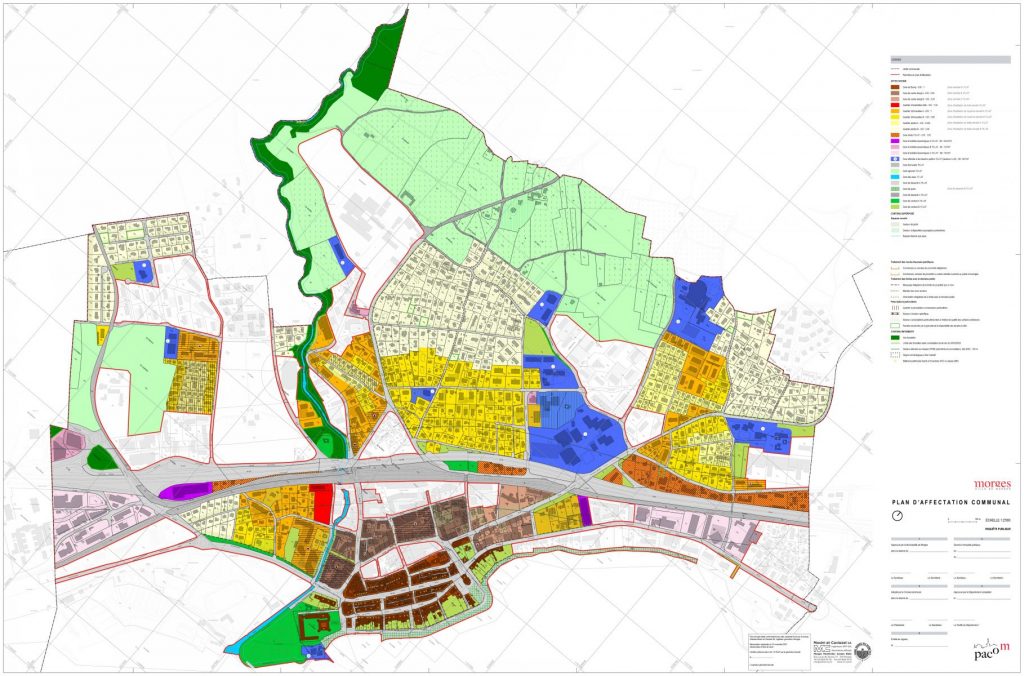
In the PLANH understanding, planning refers to the practice of steering and guiding spatial development, based on formal and informal legal rules and laws (institutions). These include, for example, zoning plans and planning legislation as well as informal agreements or customary norms. Our work is grounded in a new institutionalist approach to planning, which emphasizes the central role of laws and policies as well as the strategic behaviour of actors in shaping (un)sustainable spatial development (see e.g., Debrunner, 2024).
At the same time, we do not treat rules and laws as fixed or neutral. Rather, we recognize that every formalized rule is the outcome of socio-political processes in which norms are debated, negotiated, and institutionalized among actors—for example in parliaments or municipal councils. In these processes, some actors (such as politicians or local authorities) may succeed in advancing their interests, while others, often less legally or socio-politically powerful, remain excluded from this negotiating game.
Understanding how and why rules become formalized, which actors shape these processes, and what consequences they have for land use and spatial development lies at the heart of our research. These power dynamics in planning are a central focus of PLANH’s work.
Housing
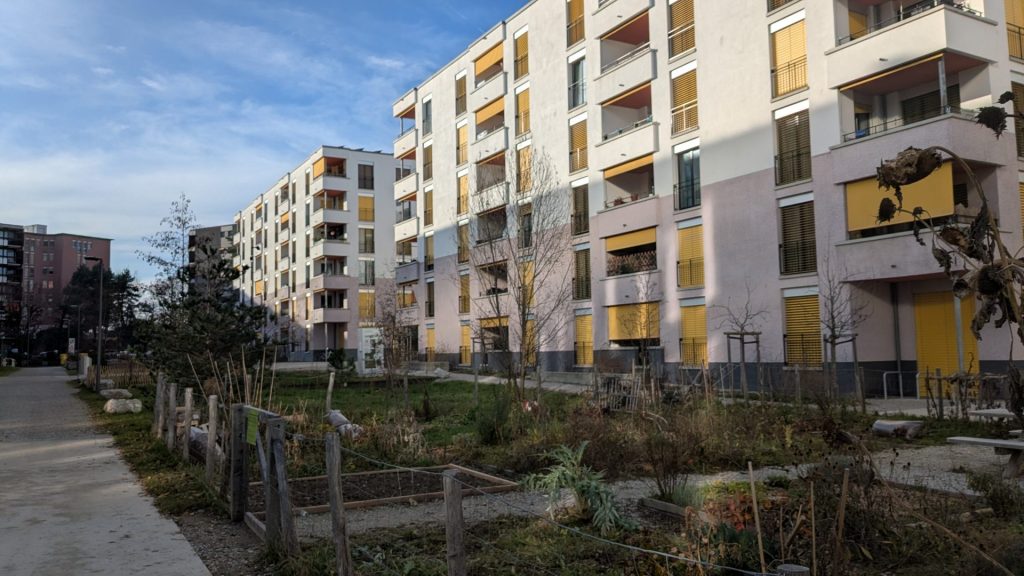
PLANH is concerned with the interaction between people, place, and space. Housing is a broad and multifaceted field that occupies a central position in this nexus.
It represents both a major topic in itself and intersects with – or is a key protagonist across – many of the core themes in human geography and urban studies.
Importantly, housing is not just an object of study. It encompasses a wide range of dimensions, including housing tenure, wealth accumulation, costs and affordability, residential stability, housing quality, residential satisfaction, social status, or the characteristics of the surrounding locality. Housing operates across multiple spatial scales—from households and neighbourhoods to cities and national contexts.
In addition, housing is a fundamental human need and an essential right (see e.g., European Social Charter, Art. 16, 31 or SDG 11). Unlike other aspects of life, housing is not optional: everyone must live somewhere. This makes housing research inherently connected to issues of (in)equality, social justice, inclusion, human rights, and human dignity.
Sustainable Spatial Development
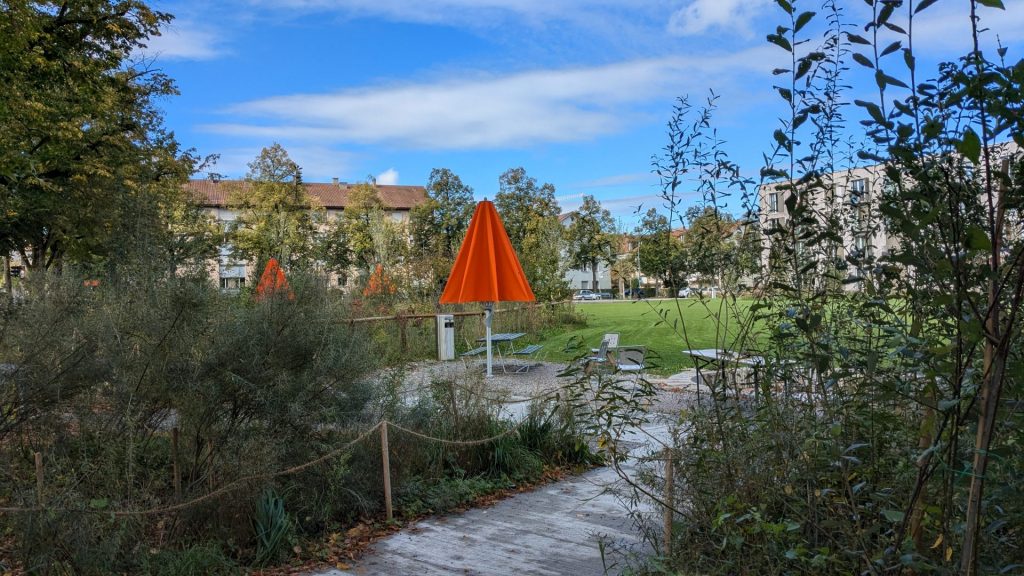
The concept of sustainability, originally rooted in the environmental sciences, is a core guiding principle of PLANH’s research. Planning decisions related to land use and housing inevitably shape patterns of (un)sustainable spatial development. For instance, policies such as urban green belts may, over time, encourage densification while limiting urban sprawl.
At the same time, PLANH treats sustainability as a normative and contested concept. What is considered “sustainable” depends on the criteria applied, the indicators used, and the perspectives taken. Rather than assuming fixed definitions, our research critically examines how sustainability is defined, measured, and implemented in practice.
By doing so, PLANH aims to advance sustainability research, particularly in the context of urban densification, by combining conceptual clarity with empirical analysis of planning decisions and their socio-spatial consequences.