PLANH is the Planning and Housing research group, based at the Institute of Geography and Sustainability of the University of Lausanne. We are an interdisciplinary team of researchers working on planning, housing, spatial development, urban studies, human geography, political science, architecture, and political ecology. The group has established in August 2025.
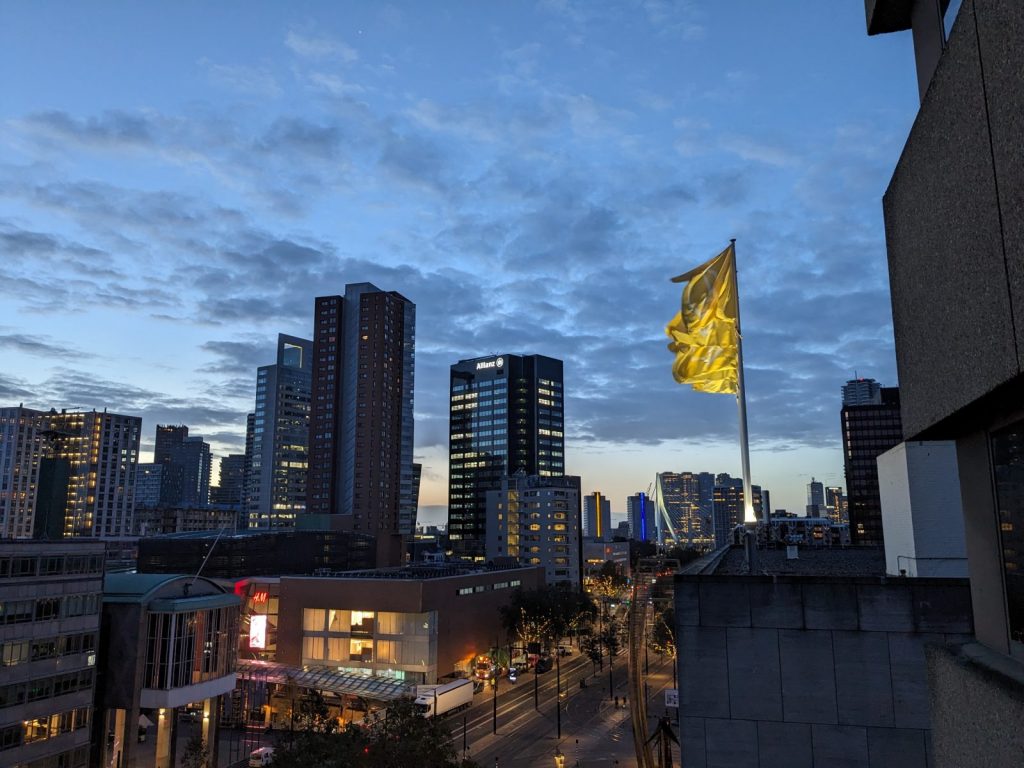
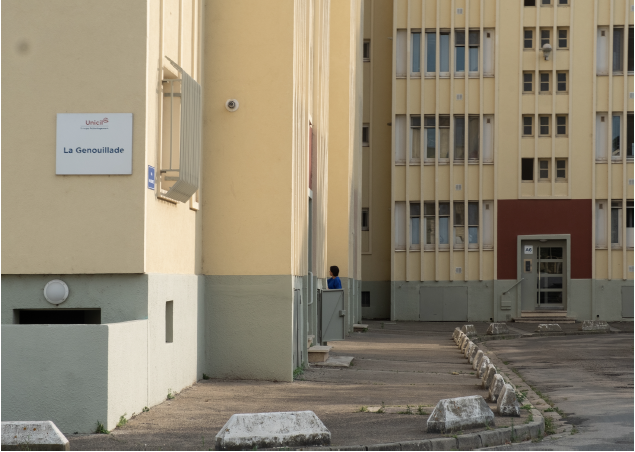
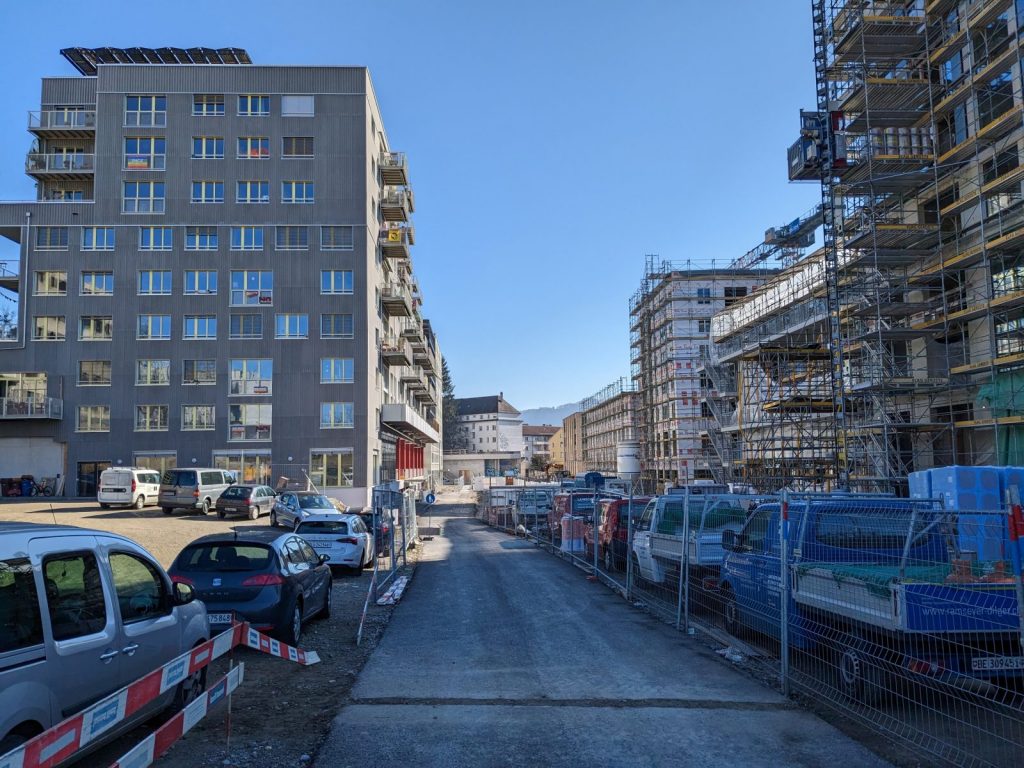
Unsustainable spatial outcomes and socio-spatial inequalities do not emerge by chance. They result from deliberate decisions made by actors who shape what happens, when, where, and how. Social actions are purposeful and have tangible effects on spatial development. Our research focuses on understanding these actions, the motivations that drive them, and their consequences for sustainable spatial development.
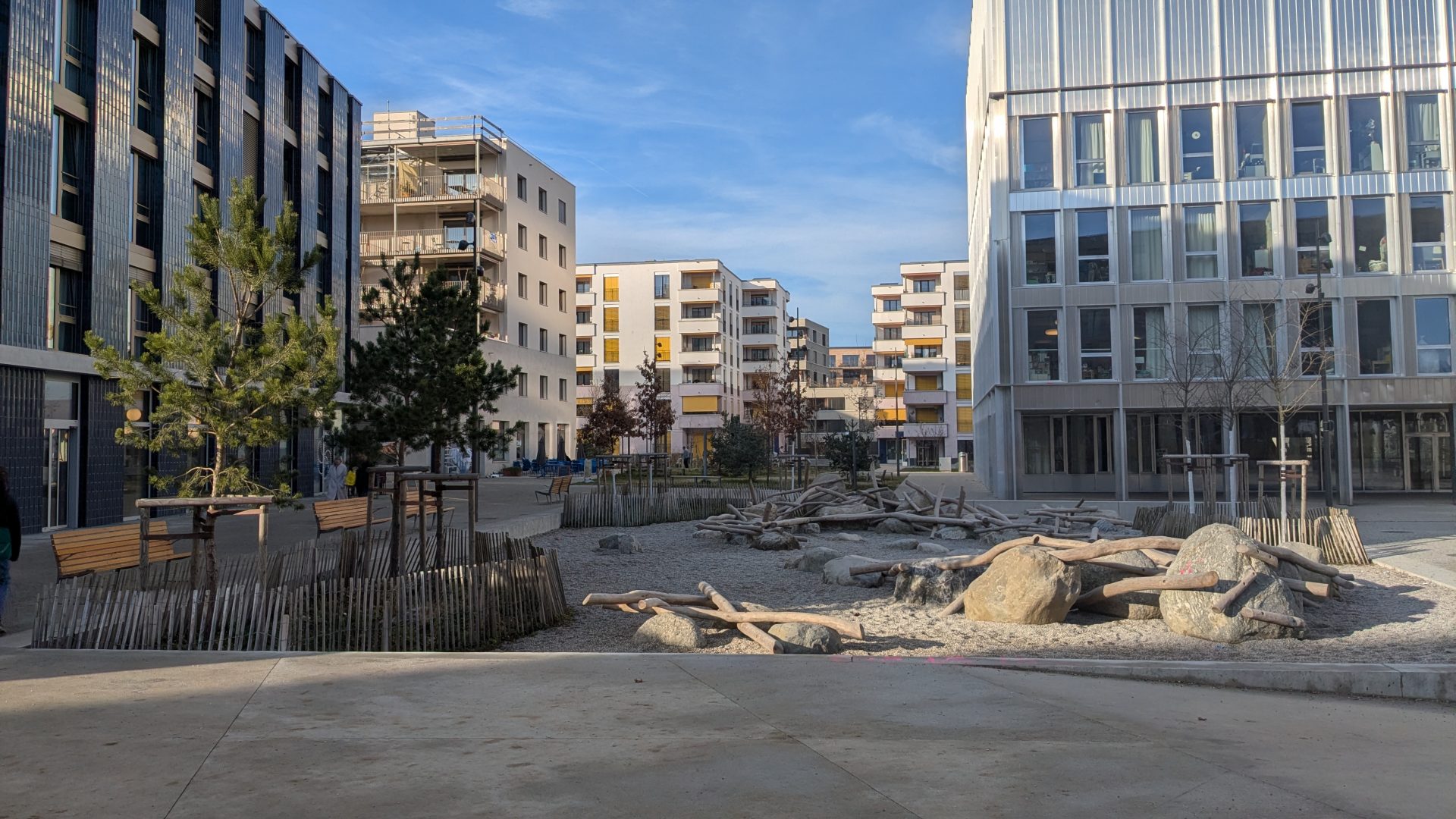
What unites us is a shared interest in studying human–environment relations—particularly in urban contexts—from a social science perspective. Our research is driven by the ambition to better understand the drivers of spatial development, such as urban densification, land-use dynamics, or housing scarcity. We recognize that land-use conflicts are inevitable and focus on how these are navigated through public policy and political decision-making.
In our research, we employ a wide range of qualitative and mixed-methods approaches. We examine who has the power to make decisions, who does not, under which institutional-legal, political, economic, and socio-cultural conditions, and through which strategies pursued by actors.
We identify and explain spatial inequalities and land-use conflicts. We focus on the decision-making processes that define land uses, as well as the practical outcomes of policy implementation. We investigate the strategies pursued by actors in land-use and housing decisions. Finally, we analyse the policies, laws and rules that regulate these processes, always with a strong focus on sustainability implications.
To learn more about PLANH’s research perspective as well as our empirical and methodological approaches, please consult our introductory presentation (PDF).
Latest updates