|
|
|
Info DEE # 39 - May 2022
|
|
|
|
|
A WARM WELCOME TO OUR NEW COLLEAGUES
|
|
|
|
|
|
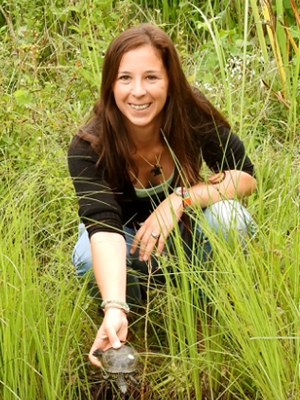
Ms Charlotte Ducotterd has joined the group of Prof. Guisan as an External Scientific Collaborator.
|
|
|
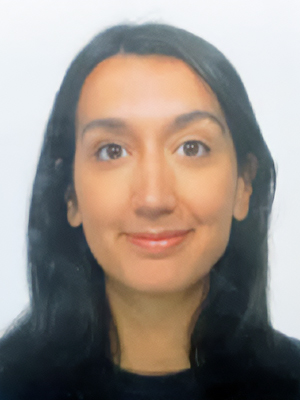
Ms Sonia Sarmiento Cabello has joined the group of Prof. Goudet as a Research Associate. Sonia is located in office 4323, phone 42.43. sonia.sarmientocabello@unil.ch
|
|
|
|
|
|
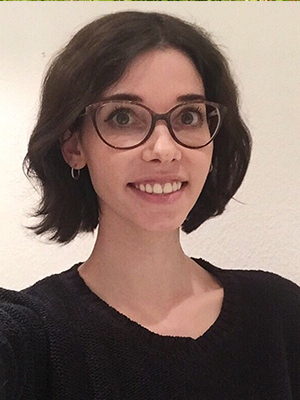
Ms Sarya Fark has joined the group of Prof. Chapuisat as a Graduate Assistant Sarya is located in office 3209, phone 42.19. Sarya.Fark@unil.ch
|
|
|
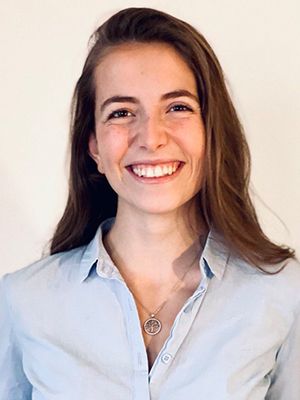
Ms Maria Granell Ruiz has joined the group of Prof. Van de Waal as a Guest Researcher. Maria is located in office 2107.1, phone 42.75
|
|
|
|
|
|
Ms Nora SZIJARTO has joined the group of Prof. Pannell as a Laboratory Technician. Nora is located in office 4319, phone 42.47. nora.szijarto@unil.ch
|
|
|
|
|
|
EXTERNAL SEMINARS
|
|
Please note that External Seminars will now be
|
|
live-streamed through the REC UNIL platform.
|
|

|
|
|
|
|
|
|
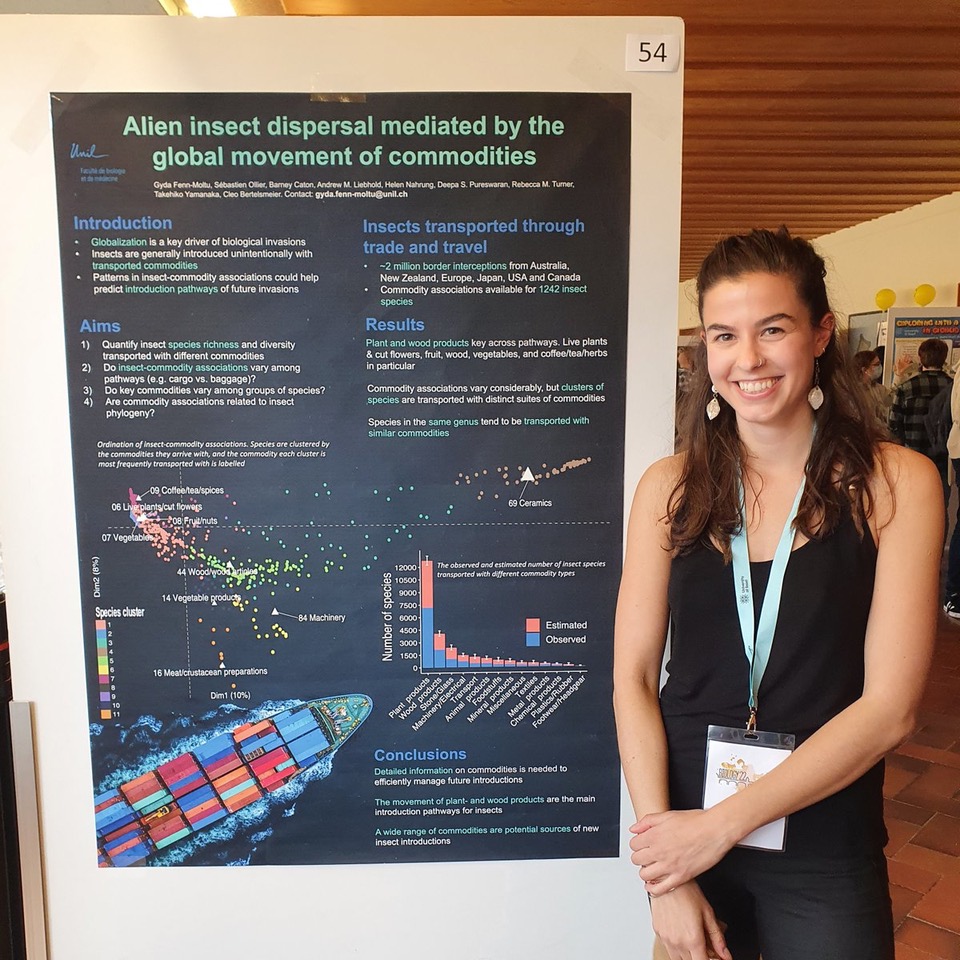
Gyda Fenn-Moltu (PhD student, Bertelsmeier group) has won an award for the best poster at D.Day, which is an event aiming at developing PhD student interactions and highlighting current research topics at the FBM. Her poster was entitled: « Alien insect dispersal mediated by the global movement of commodities ». Congratulation Gyda!
|
|
|
|
Congratulations and thanks to Antoine Guisan who was invited to the Swiss parliament to make a presentation about the climate and biodiversity crisis. The video (in French) can be seen here and includes presentations by other notable Swiss scientists on this important topic.
|
|
|
|
|
Robert Waterhouse has been elected co-lead of the ELIXIR Biodiversity Focus Group, a network of researchers, resources, and infrastructures working on biodiversity informatics across Europe. The group acts as a hub for designing strategies for developing tools and infrastructures to store and query molecular biodiversity data, but also to increasingly connect these with other biodiversity research resources such as traits, taxonomies, observations, and the literature.
|
|
|
|
|
In an effort to raise awareness and improve harassment and discrimination issues in your department and at UNIL, the FBM dean's office would be very grateful if you could complete this anonymous form with your suggestions which will then help to file a report that will be shared with the UNIL direction.
|
|
|
|
|
|
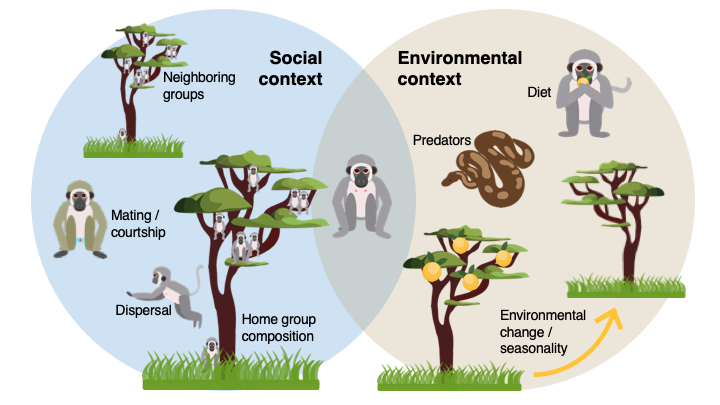
Rachel Harrison and Erica van de Waal have published a review as part of a Current Opinion in Behavioral Sciences special issue on Cognition in the Wild. The review explores the contribution of field research to our understanding of primate social learning and social cognition, highlighting the importance of placing the animal within its natural social and broader environmental context, and reviewing recent advances in statistical techniques and technology that have facilitated cognitive research with wild primates.
|
|
|
|
Members of the Ecospat group, along with colleagues, have published a paper in Soil Biology and Biochemistry entitled Comparative analysis of diversity and environmental niches of soil bacterial, archaeal, fungal and protist communities reveal niche divergences along environmental gradients in the Alps.
|
|
|
|
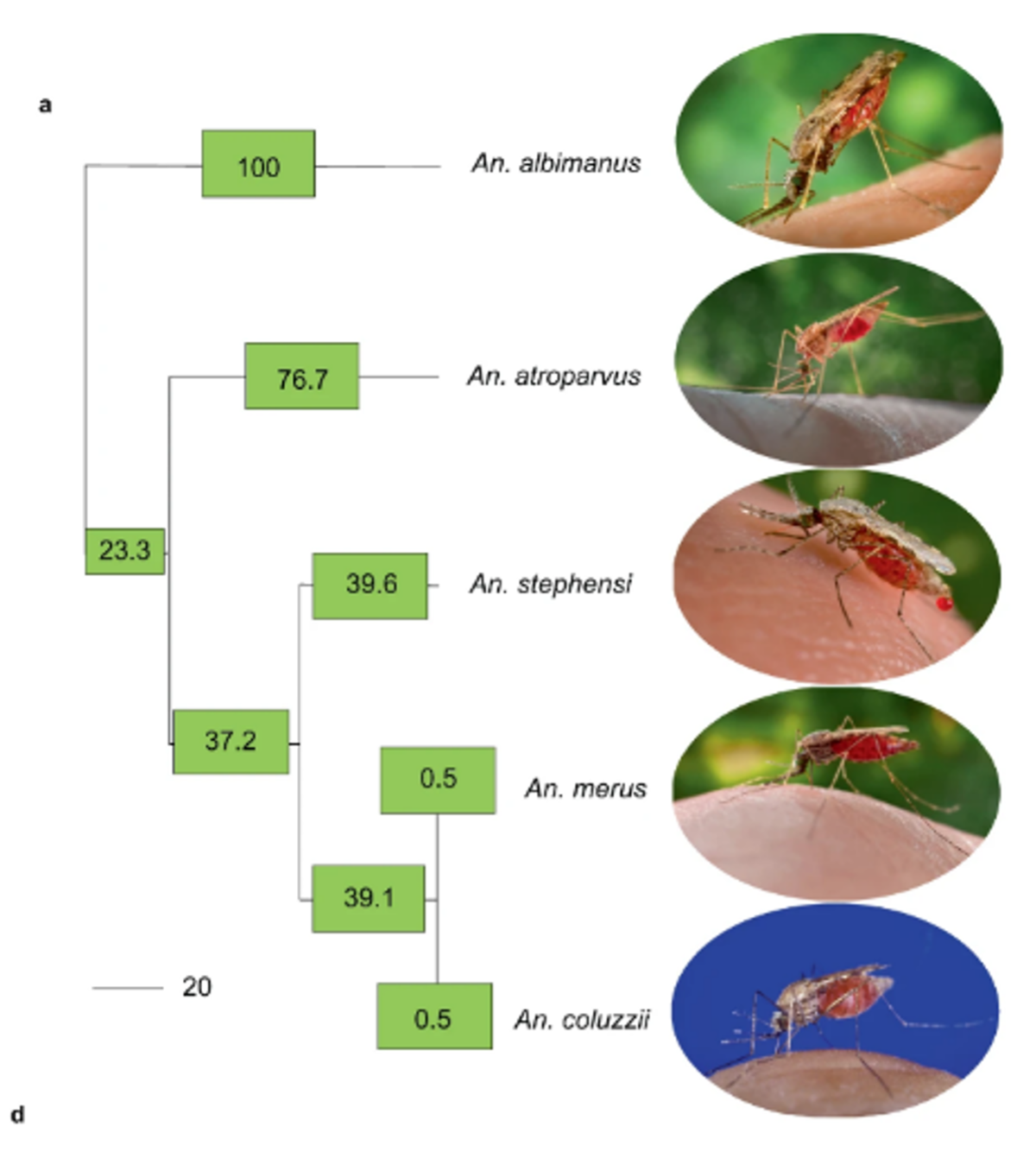
With collaborators from Virginia Tech and Novosibirsk State University, members of the Waterhouse Group, Maarten Reijnders, Livio Ruzzante, and Romain Feron published their work on chromatin architecture of Anopheles mosquito genomes in the journal Nature Communications. The team employed Hi-C and long-read sequencing to generate new chromosome-level assemblies for 5 Anopheles species ranging in divergence from 0.5 to >100 million years, allowing them to explore the 3D-organisation of mosquito chromosomes in space and time. One of the most intriguing features on the Hi-C maps were some extremely long (more than 10Mbp) chromosomal loops, with some loops being conserved in all examined species. These results provide new insights into the understanding of how higher-level genomic arrangements influence gene and genome function and evolution.
|
|
|
|
|
|
|
While you are encouraged to place your publications into Serval, please make sure that your PI has validated the deposition first. Not all documents should be included in Serval, and they are complicated to remove.
|
|
|
|
|
|
|
|
|
|