|
|
|
Info DEE # 43 - October 2022
|
|
|
|
|
A WARM WELCOME TO OUR NEW COLLEAGUES
|
|
|
|
|
|
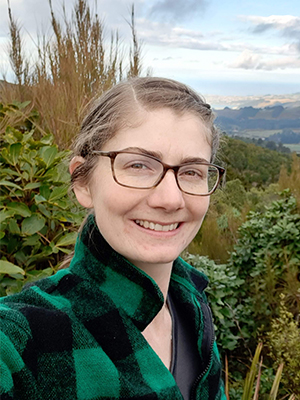
Ms Esther Dale has joined the group of Prof. Pannell as a Postdoctoral Fellow. Esther is located in office 4310, phone 41.82. Esther.Dale@unil.ch
|
|
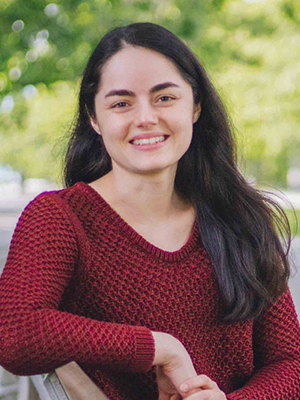
Ms Iulia Darolti has joined the group of Prof. Schwander as a Postdoctoral Fellow. Iulia is located in office 2101, phone 41.76. Iulia.Darolti@unil.ch
|
|
|
|
|
|
|
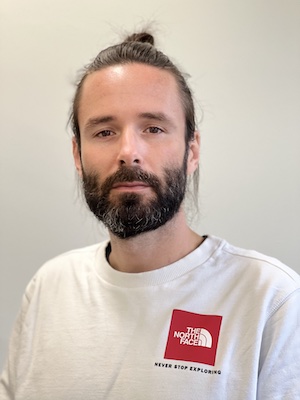
Mr Christian De Guttry has moved to the group of Prof. Waterhouse as a Project Leader. Christian is located in office 2107, phone 42.23. Christian.Deguttry@unil.ch
|
|
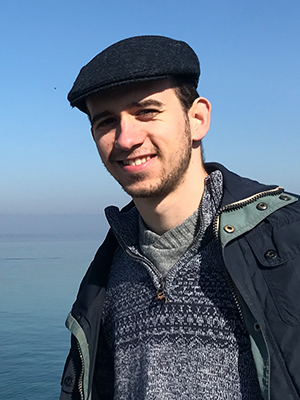
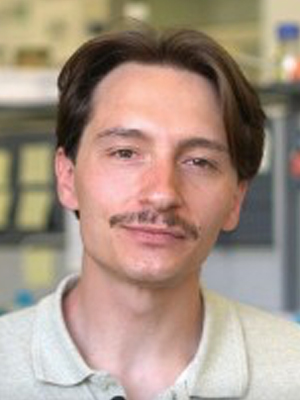
Mr Ewan Flintham has joined the group of Prof. Mullon as a Postdoctoral Fellow. Ewan is located in office 1116, phone 42.67. Ewan.Flintham@unil.ch
|
|
|
|
|
|
|
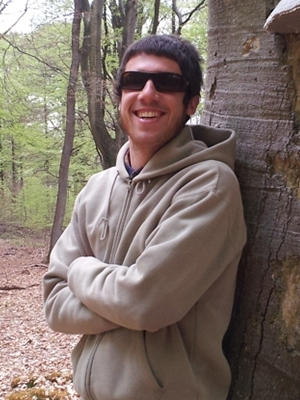
Mr Miguel Gareta Gacia has joined the group of Prof. Van de Waal as a Researcher. Miguel is located in office 2107.1, phone 42.75. Miguel.Garetagarcia@unil.ch
|
|
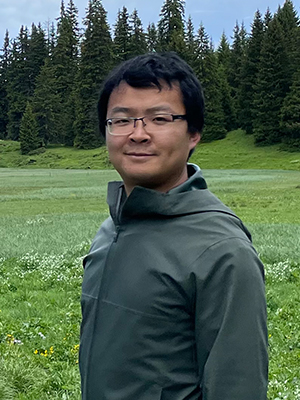
Mr Shengman Lyu has joined the group of Prof. Pannell as a Graduate Assistant. Shengman is located in office 4319, phone 42.47. Shengman.Lyu@unil.ch
|
|
|
|
|
|
|
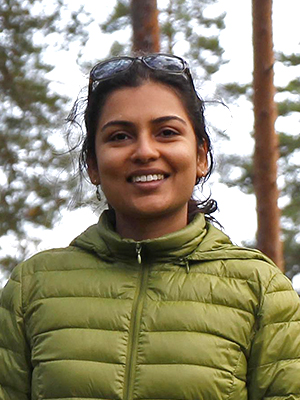
Ms Sakshi Sharda has joined the group of Prof. Kawecki as a Researcher. Sakshi is located in office 2107, phone 42.43. Sakshi.Sharda@unil.ch
|
|
Ms Zoé Sherpa has joined the group of Prof. Bertelsmeier as a PhD Student. Zoé is located in office 3209.1, phone 42.07. Zoe.Sherpa@unil.ch
|
|
|
|
|
|
|
|
|
|
We are also glad to count on the help of our new Student-assistants:
Clara FRANSCHINI (Robinson-Rechavi Group), Laura GUTIERREZ (Bertelsmeier Group), Amantine SERRURIER (Bertelsmeier Group).
|
|
|
|
|
|
EXTERNAL SEMINARS
|
|
Please note that External Seminars will now be
|
|
live-streamed through the REC UNIL platform.
|
|

|
|
|
|
|
|
|
The Horizon Europe funded project, Biodiversity Genomics Europe, is a EUR 21M initiative launched last month as a pan-European drive to reverse biodiversity loss through genomics research. The consortium brings together the DNA-barcoding community represented by BIOSCAN Europe and the reference genomes community represented by the European Reference Genome Atlas (ERGA) initiative. As one of the consortium coordinators, Prof. Robert Waterhouse, played an important role in the project proposal development and will now oversee the implementation over the next 3.5 years. The project aims to accelerate the production and accessibility of genomic data across Europe through large-scale data generation workflows, as well as contributing to - and becoming a flagship programme of - the broader global endeavours of the Earth BioGenome Project and International Barcode of Life programmes.
|
|
|
|
|
|
David Laloum and Marc Robinson-Rechavi have published a study of selection on rhythmic gene expression. They showed that selection on protein costs but also on expression noise are important in establishing why so many genes, and which ones, have daily rhythmicity of expression in different organs.
|
|
|
|
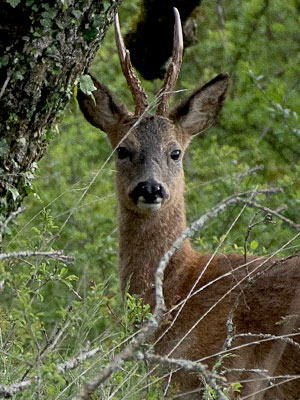
The combination of the results of one master (Amael Hinojo) and one first step (Inès Moreno) co-directed by Fridolin Zimmermann (Carnivore Ecology and Wildlife Management) and Philippe Christe allowed a publication in The Journal of Wildlife Management entitled:Estimating roe deer density using motion‐sensitive cameras in Switzerland.
|
This publication is also the result of a fruitful collaboration with Robin Hofmeister from the Department of Computational Biology and Gottlieb Dandliker from the Cantonal Office for Agriculture and Nature, canton of Geneva.
|
|
|
|
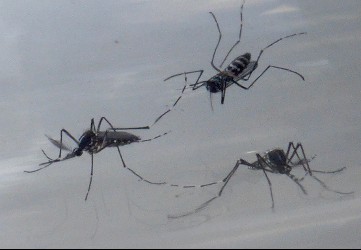
Antoine Perrin, Olivier Glaizot from the Cantonal Museum of Zoology and Philippe Christe published a paper in Global Change Biology entitled:
Worldwide impacts of landscape anthropization on mosquito abundance and diversity: a meta-analysis
|
|
The results of this meta-analysis showed an overall decline of mosquito presence/abundance and diversity in response to urbanization, deforestation, and agricultural development, except for a few mosquito species that have been able to exploit landscape anthropization well. These results highlighted that these few favored mosquito species are those of global concern and suggest a greater risk of emergence and transmission of vector-borne diseases in human-modified landscapes.
|
|
|
The Asian tiger mosquito (Aedes albopictus)
Photo: Ph. Christe
|
|
|
Loïc Brun, Judith Schneider, Eduard Mas Carrió, Pooja Dongre,
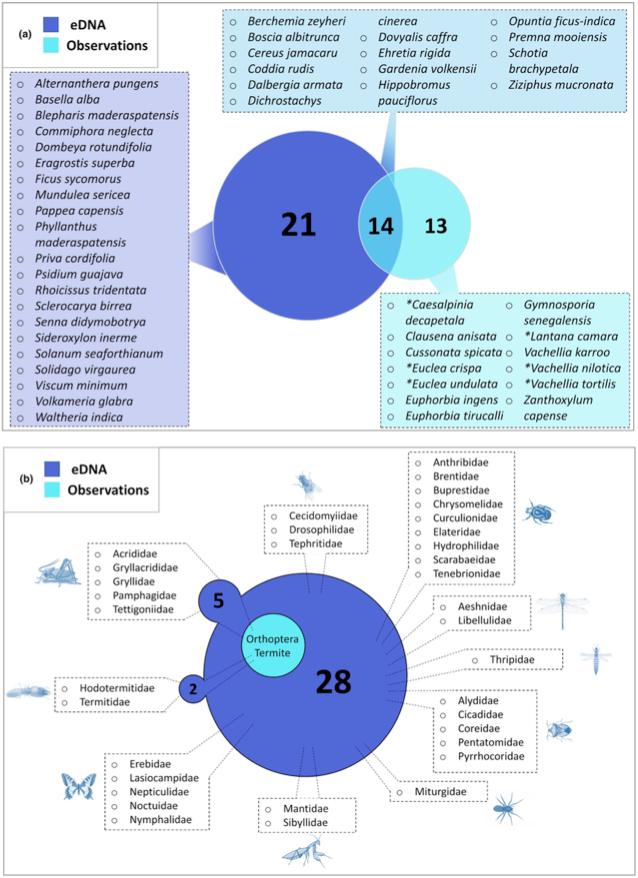
Pierre Taberlet, Erica van de Waal & Luca Fumagalli published an article in Ecology and Evolution, entitled: Focal vs. fecal: Seasonal variation in the diet of wild vervet monkeys from observational and DNA metabarcoding data.Assessing the diet of wild animals reveals valuable information about their ecology and trophic relationships that may help elucidate dynamic interactions in ecosystems and forecast responses to environmental changes. Advances in molecular biology provide valuable research tools in this field. However, comparative empirical research is still required to highlight strengths and potential biases of different approaches. Therefore, this study compares environmental DNA and observational methods for the same study population and sampling duration. The researchers employed DNA metabarcoding assays targeting plant and arthropod diet items in 823 faecal samples collected over 12 months in a wild population of an omnivorous primate, the vervet monkey (Chlorocebus pygerythrus). DNA metabarcoding data were subsequently compared to direct observations. They observed the same seasonal patterns of plant consumption with both methods, however, DNA metabarcoding showed considerably greater taxonomic coverage and resolution compared to observations, mostly due to the construction of a local plant DNA database. They found a strong effect of season on variation in plant consumption largely shaped by the dry and wet seasons. The seasonal effect on arthropod consumption was weaker but feeding on arthropods was more frequent in spring and summer, showing overall that vervets adapt their diet according to available resources. The DNA metabarcoding assay outperformed also direct observations of arthropod consumption in both taxonomic coverage and resolution. Combining traditional techniques and DNA metabarcoding data can therefore not only provide enhanced assessments of complex diets or reveal trophic interactions to the benefit of wildlife conservationists and managers, but also opens new perspectives for behavioural ecologists studying whether diet variation in social species is induced by environmental differences or might reflect selective foraging behaviours.
|
|
|
|
|
|
|
While you are encouraged to place your publications into Serval, please make sure that your PI has validated the deposition first. Not all documents should be included in Serval, and they are complicated to remove.
|
|
|
|
|
|
|
|
|
|