|
|
|
|
Info DEE No. 56 - November 2023
|
|
|
|
|
|
A WARM WELCOME TO OUR NEW COLLEAGUES
|
|
|
|
|
|
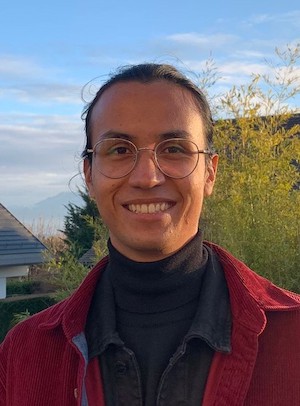
Mr Hugo Corval has joined the group of Prof. Goudet as a PhD Student. Hugo is located in office 4323, phone 42.43. hugo.corval@unil.ch
|
|
|
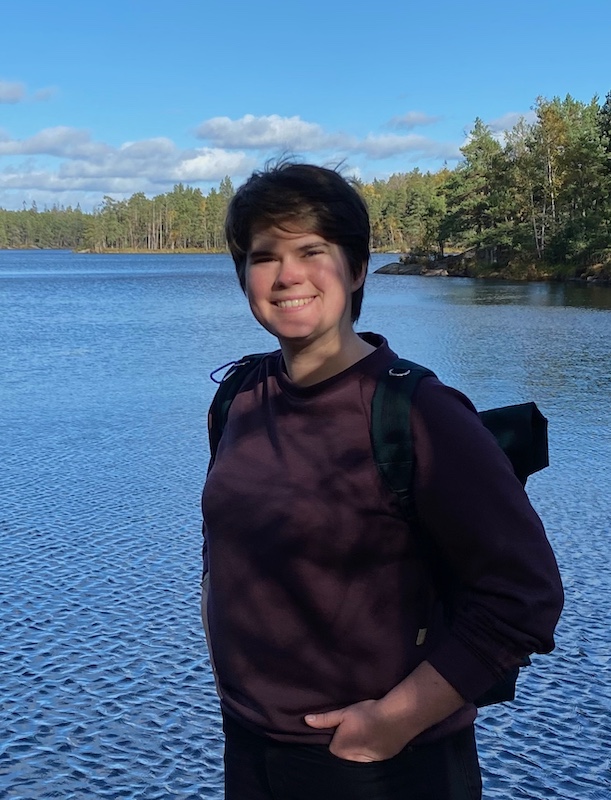
Ms Hailey Heersche has joined the group of Prof. Wedekind as a Researcher Collaborator. Hailey is located in office 3222, phone 42.48. Hailey.Heersche@unil.ch
|
|
|
|
|
|
We are also welcome and appreciate
the help of our new student assistants:
|
|
BOUDEMAGH Esma (Pannell Group)
|
|
ESTEBE Louise (Bertelsmeier Group)
|
|
GAROFFOLO David (Bertelsmeier Group)
|
|
HASSAB ALLA George (Goudet Group)
|
|
|
|
|
|
|
|
|
|
|
|
|
|
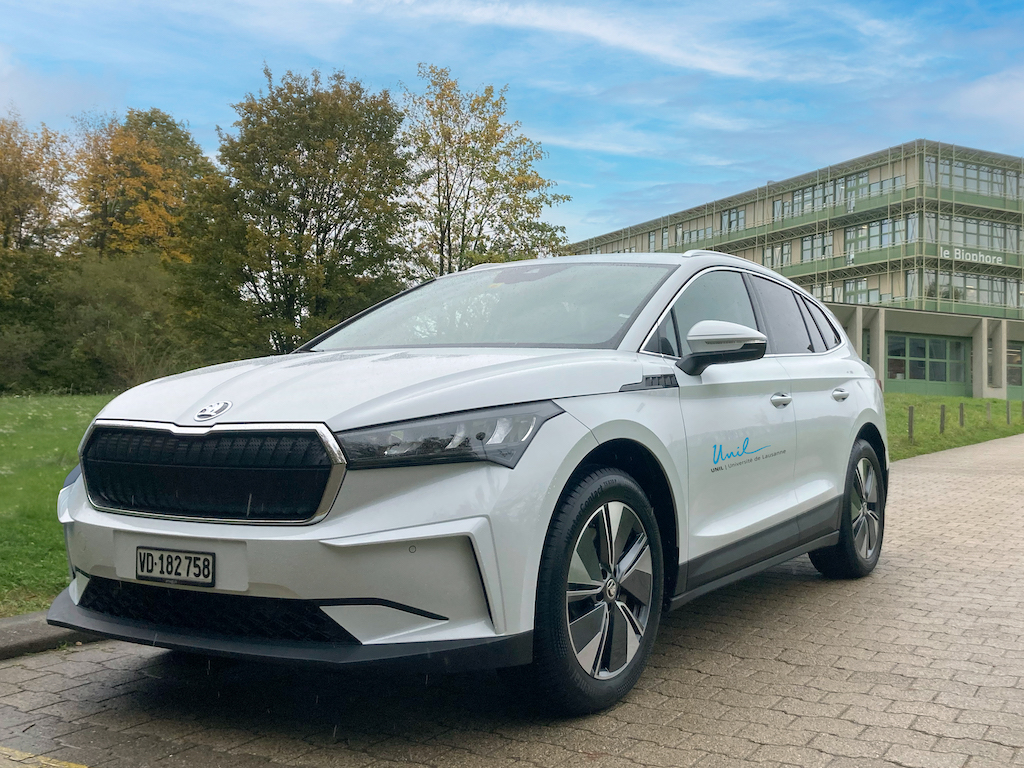
We are excited to present the electric vehicle of the DEE!
|
|
The Skoda Yeti 1 was due for replacement, and it has been replaced by a 100% electric SUV, the Skoda Enyaq iV 80x. It’s ready for fieldwork with 4-wheel drive and is automatic.
|
The range on a full battery is approx. 400 km depending on driving style and conditions. When charging on the road is necessary, the Swisscharge network can be used with the charging card available in the car.
|
To have an idea about charging times, a fast charge station, usually available along the highway, can charge the car up to 80% at a rate of 250 kW/h (50kW station) up to 680kW/h (150kW station).
|
We have a dedicated parking spot at the Biophore parking with a charging column, please always plug the car after parking it.
|
|
|
|
|
|
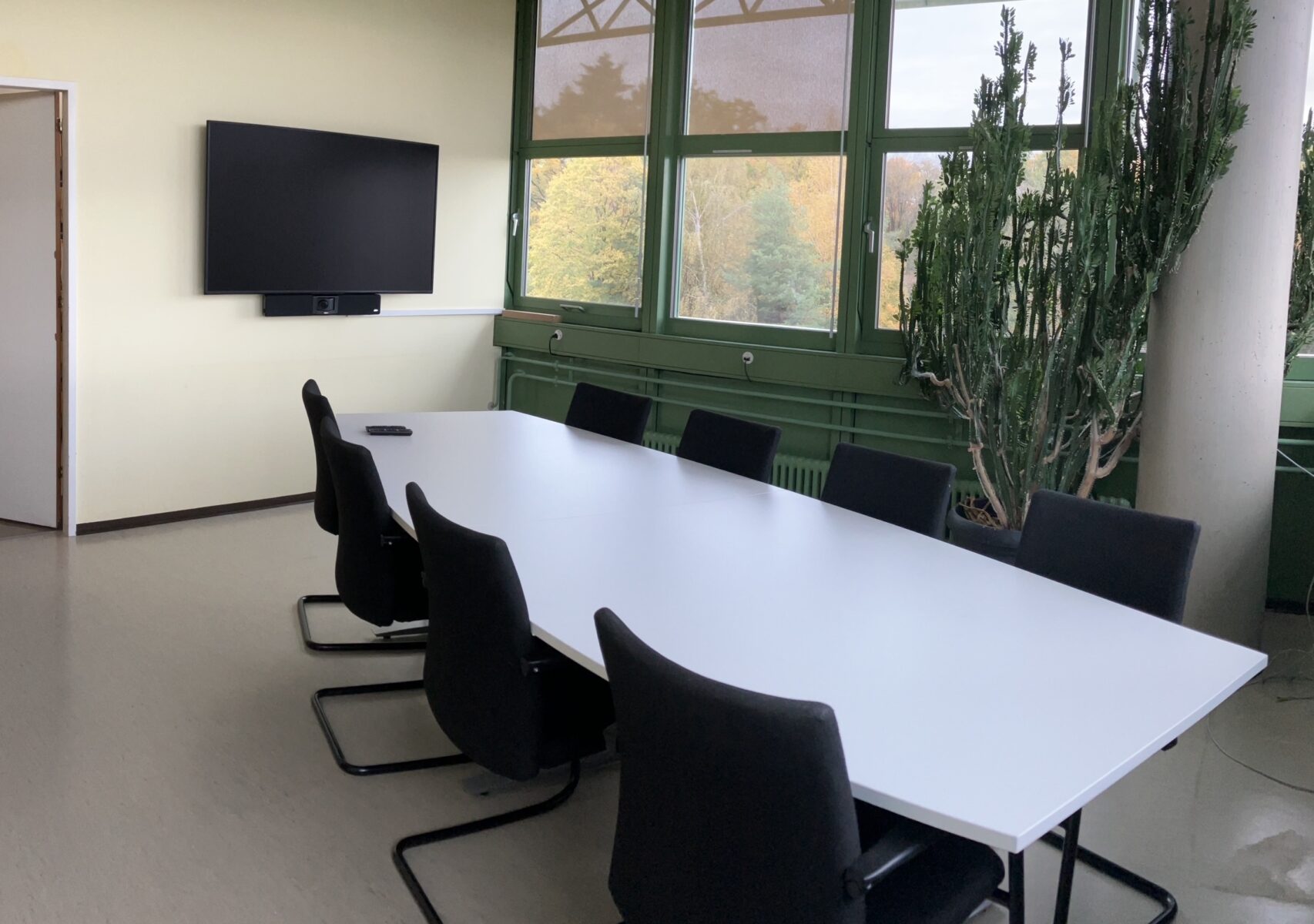
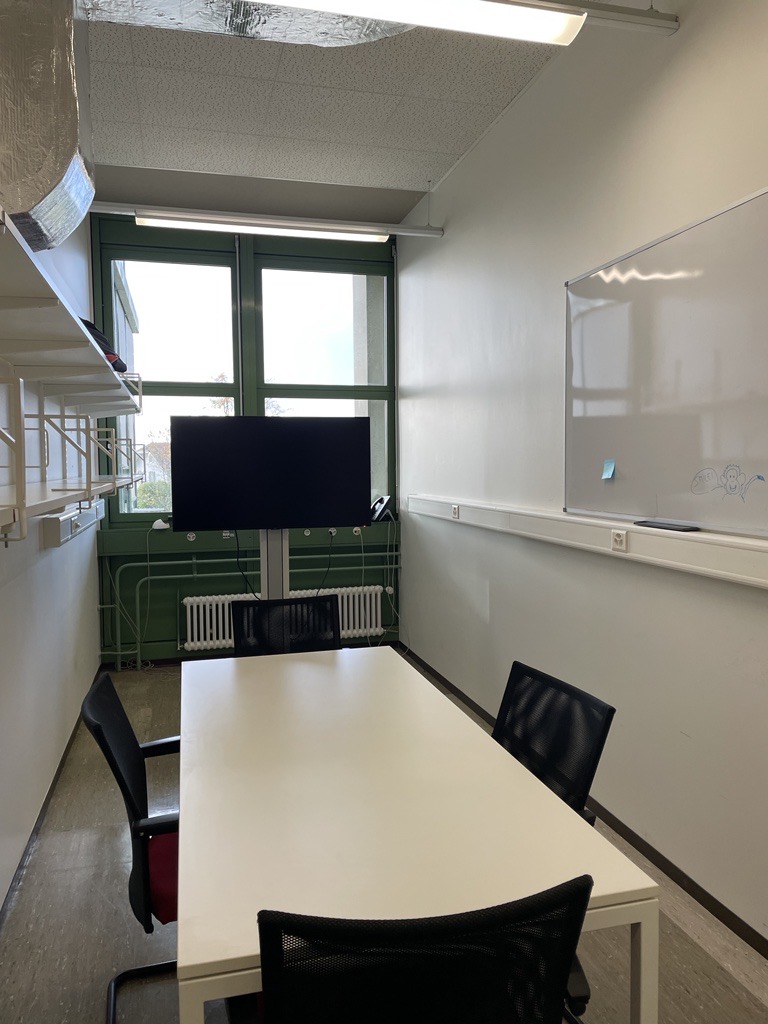
We are happy to announce that there are two new meeting rooms - 2203 and 3121- now available at the DEE.
|
Room 3121 has a wall mounted UHD display and a conference camera/audio system (installation being finalised soon). There is no need to connect to the screen with a cable as it features wireless screen casting (Windows/MacOS instructions on the table).
|
Room 2203 is equipped with a mobile HD screen unit with a standard HDMI cable.
|
Please remember that rooms 2203, 3121 and 4311 are now bookable directly through Outlook. Room 1929 is still bookable through your unit secretary.
|
|
|
|
|
|
Cleo Bertelsmeier participated on the RTS podcast "Le Point J", speaking about invasive species.
|
Fire ants, giant snails, Asian hornets... invasive species are increasingly making headlines. A recent report estimates their cost at $423 billion a year. But who are they and how do they travel?
|
|
|
|
|
|
Cleo BertelsmeierI has participated in the RTS radio show « CQFD » on the topic of the webbing clothes moth.
|
|
|
|
|
|
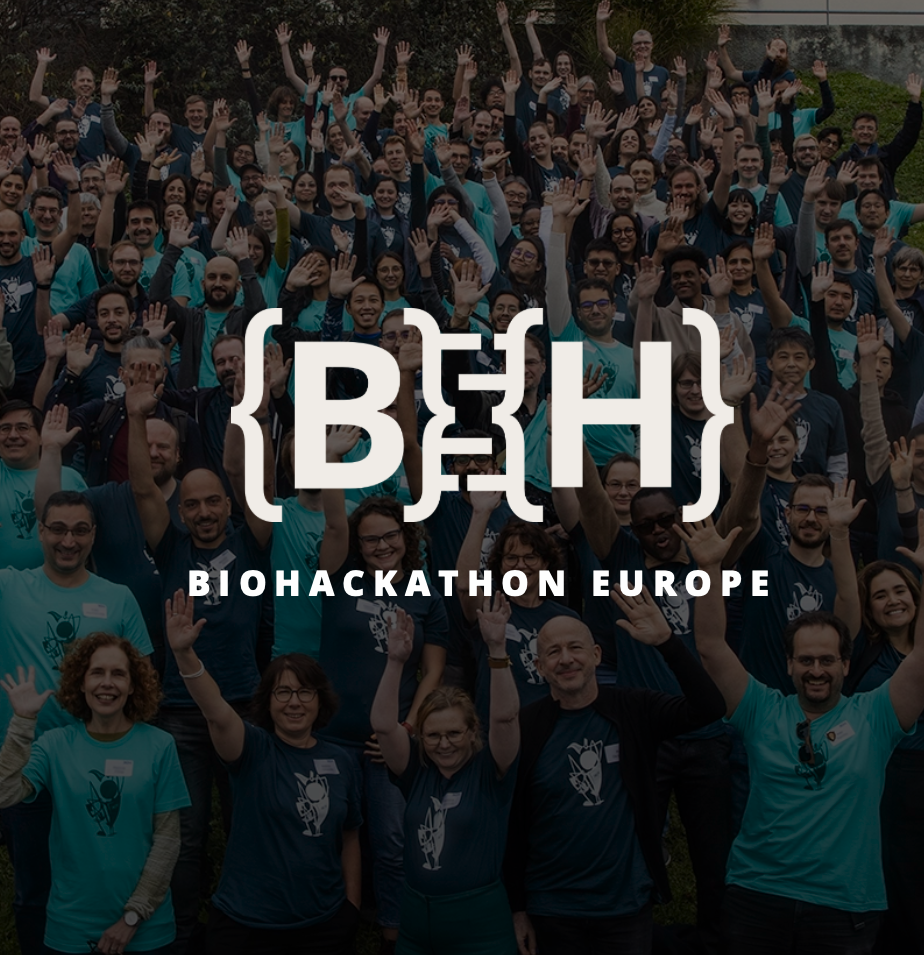
Six members of DEE participated in the European Biohackathon in Barcelona 30.10-3.11, where they developed projects on open data in biology: Frédéric Bastian, Alessandro Brandulas Cammarata, Sara Carsanaro, Harrald Detering, Sagane Joye, and Sébastien Moretti.
|
|
|
|
|
|
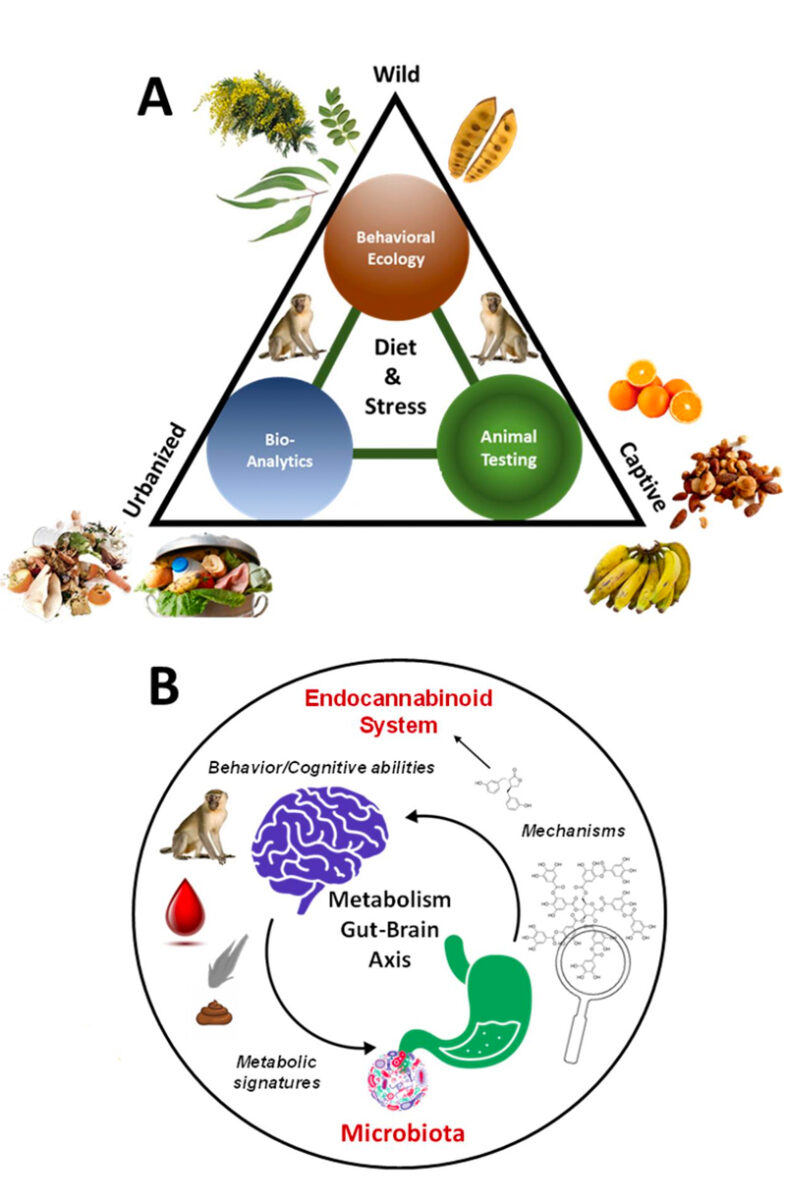
Erica van de Waal with colleagues: Claire Bertelli (Institute of Microbiology, CHUV), Jürg Gertsch (Institute of Biochemistry and Molecular Medicine, UniBE), and Yossi Tam (Multidisciplinary Center for Cannabinoid Research, Hebrew University of Jerusalem) have been awarded a SNSF Sinergia grant entitled: The Food-Medicine Continuum in Vervet Monkeys: Investigations on the Interplay between Diet Quality, Stress Coping, and the Endocannabinoid System.
|
|
Nutrition is a key factor in life-history theory, but the relationship between diet quality and diet choice across different species remains unclear. Zoopharmacognosy investigates whether animals possess an innate ability to identify and utilize beneficial plant compounds. Their overreaching goal is to understand how changing dietary patterns impact the gut-brain axis in vervet monkeys and how this relates to their stress- coping abilities and learning behaviors and whether this could be translated to other mammals and ultimately humans . As opportunistic omnivorous primates, vervets are an excellent model for identifying molecular components in diet that may affect metabolism and stress behavior. Here, we will investigate how changes in food affect metabolic factors, the microbiome, stress, and food choice behavior in wild, urbanized, and captive populations of vervets. Their strong preliminary data suggest that plant-derived secondary metabolites ingested by vervets may enhance fitness by modulating the endocannabinoid system (ECS), an evolutionary conserved lipid network in mammals that regulates synaptic transmission, inflammation, metabolism, and food intake, as well as stress behavior, learning and memory. To achieve this goal, they will establish a comprehensive vervet plant food inventory and correlate this with multidimensional targeted bioanalytics on the microbiome, plant secondary metabolites, the “endocannabinome”, as well as metabolic and stress factors, sex, social ranking, and learning behaviors in vervets. Phytochemical and pharmacological profiling of food plants on ECS targets will lead to the elucidation of plant secondary metabolites that act on the ECS and potentially regulate stress, inflammation, and metabolism. They will then validate our findings in vervets by performing nutrition experiments in mice to allow for cross species-validation and deeper understanding of nutritional biochemistry in mammals. This zoopharmacognostic approach aims to elucidate hitherto unknown evolutionary conserved molecular mechanisms that link food with metabolism and behavior. By levering interdisciplinary approaches from behavioral ecology, nutritional biochemistry, phytochemistry, microbiology and biomedicine, this project aims to better understand the complex interplay between dietary factors, gut microbiota, and the ECS, and how these factors influence health and behavior. It also holds significant promise for advancing knowledge of primate nutrition and ecology, with potential implications for human health.
|
|
|
|
|
|
|
|
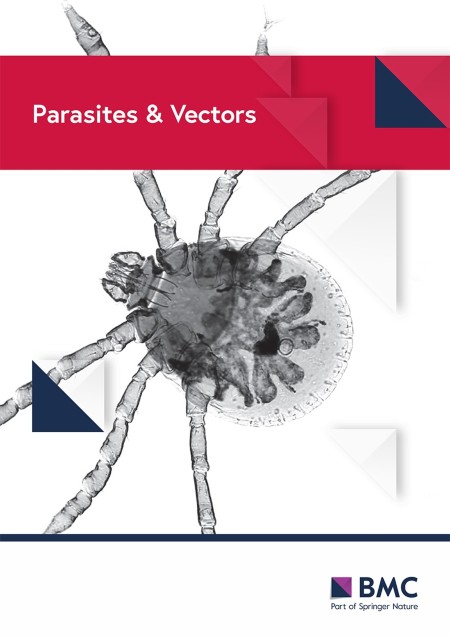
Cleo Bertelsmeier and colleagues have published a paper in Parasites & Vectors entitled "The global risk of infectious disease emergence from giant land snail invasion and pet trade". The article was featured in UNIL News.
|
Pathogen outbreaks mostly originate from animals, but some species are more likely to trigger epidemics. The giant land snail (Lissachatina fulica) is a widespread invader, a popular exotic pet, and a notorious vector of the rat lungworm, causing eosinophilic meningitis in humans. However, a comprehensive assessment of the risks of disease outbreak associated with this species is lacking.
|
|
|
|
|
|
|
The adults of holometabolous insects are very different from the larvae, owing to the lack of developmental continuity between most larval and adult structures and organs – during metamorphosis, most larval tissues disintegrate, and new adult tissues and organs develop from imaginal disks and other stem cells. This, it has been argued, is the key to their spectacular evolutionary and ecological success of holometabolous insects – metamorphosis is thought to allow morphology and physiology of larvae and adults to evolve independently. A recent paper from the Kawecki group shows that this is not quite the case. They found that Drosophila selected for tolerance to larval malnutrition evolved substantial changes in adult gene expression and metabolism that were similar in larvae and adults, even though diet-driven selection was limited to the larval stage. This is consistent with the underlying polymorphisms acting pleiotropically on both life stages. These genetic changes appear beneficial to larvae, but maladaptive in adults, where they are associated with reduced fecundity and starvation resistance. Thus, in contrast to what has been proposed, the physiology of larval and adult stages is not free to evolve independently, at least in the short term, even in a species where the stages are separated by a complete metamorphosis.
|
|
|
|
|
|
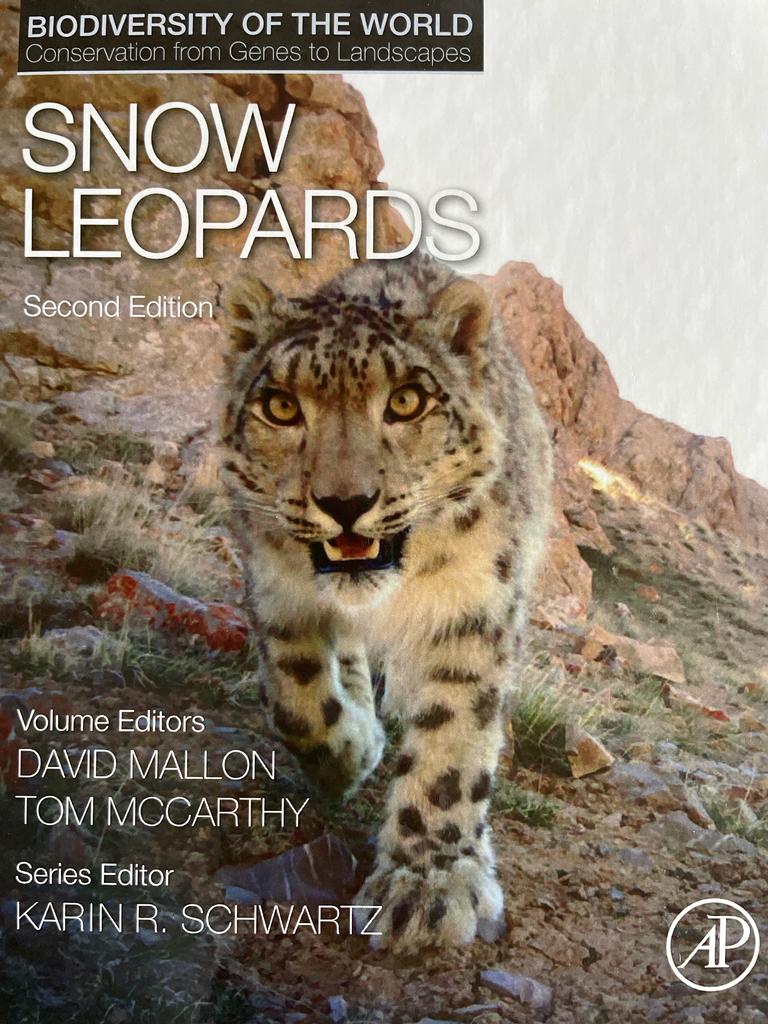
Claudio Augugliaro, PhD student co-supervised by Philippe Christe and Fridolin Zimmermann (Kora), co-authored a chapter entitled:
|
Current status and conservation of snow leopards in Mongolia by Munkhtsog B., Augugliaro C., Bayrakcismith R., Munkhtsog B and McCarthy
|
|
In the second edition of a book devoted entirely to the iconic Snow Leopard
|
|
|
|
|
|
|
While you are encouraged to place your publications into Serval, please make sure that your PI has validated the deposition first. Not all documents should be included in Serval, and they are complicated to remove.
|
|
|
|
|
|
|
|
|
|
|