|

|
|
Info DEE # 42 - September 2022
|
|
|
|
|
A WARM WELCOME TO OUR NEW COLLEAGUES
|
|
|
|
|
|
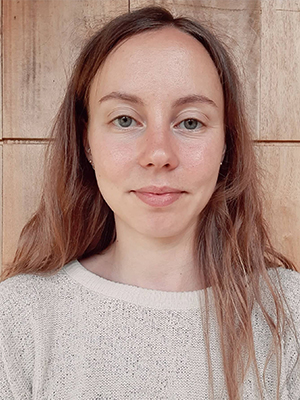
Ms Marina Choppin has joined the group of Prof. Chapuisat as a Postdoctoral Fellow. Marina is located in office 3209, phone 42.19. Marina.Choppin@unil.ch
|
|
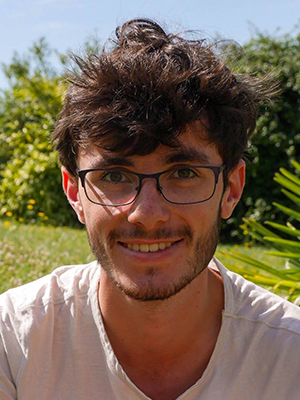
Mr Diego Clavijo Rosales has joined the group of Prof. Sanders as a PHD Student. Diego is located in office 4314, phone 42.72. Diego.ClavijoRosales@unil.ch
|
|
|
|
|
|
Ms Sophie Dupertuis has joined the group of Prof. DEE as a Animal Handler. Sophie is located in office 1114, phone 41.63. Sophie.Dupertuis@unil.ch
|
|
Ms Olaya Garcia Ruiz has joined the group of Prof. Christe as an Intern. Olaya is located in office , phone. Olaya.GarciaRuiz@unil.ch
|
|
|
|
|
|
|
Ms Kseniia Kravchenko has joined the groups of Profs. Christe/Guisan as a Boursier. Kseniia is located in office 4305, phone 41.69.
|
|
Mr Ehouarn Le Faou has joined the group of Prof. Pannell as a Research Assistant. Ehouarn is located in office 4319, phone 43.47. Ehouarn.LeFaou@unil.ch
|
|
|
|
|
|
|
|
|
|
|
Ms Brenda Rios Ochoa has joined the group of Prof. Sanders as a PHD Student. Brenda is located in office 4314, phone 42.72. Brenda.RiosOchoa@unil.ch
|
|
Mr Federico Riva has joined the group of Prof. Guisan as a Boursier. Federico is located in office 4304, phone 42.79. Federico.Riva.1@unil.ch
|
|
|
|
|
|
|
Ms Sonia Sarmiento Cabello has re-joined the group of Prof. Goudet as a Researcher. Sonia is located in office 4323, phone 42.43. sonia.sarmientocabello@unil.ch
|
|
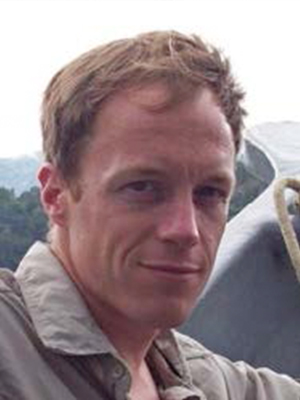
Mr Bart Zijlstra has joined the group of Prof. Roulin and will be replacing Franck Chalard following his retirement. Bart is located in office 1106, phone 42.73. Bart.Zijlstra@unil.ch
|
|
|
|
|
|
We are also glad to count on the help of our new Student-assistants:
Coline BOULARD (Schwander Group), Laura WAGNEUR (Pannell Group)
|
|
|
|
|
|
EXTERNAL SEMINARS
|
|
Please note that External Seminars will now be
|
|
live-streamed through the REC UNIL platform.
|
|

|
|
|
|
|
|
|
Cleo Bertelsmeier has been awarded an ERC grant of 1.5 million Euro (financed by SEFRI) for her project SPREAD (Globalized trade and the accidental spread of invasive insects).
|
|
|
|
Romain Feron from the Waterhouse Group was awarded the DEE Distinction for Excellent Contribution to Teaching by an Assistant. The award recognises teaching activities and initiatives that go above and beyond the expectation and have a recognisably positive impact. Romain’s exceptional contributions to teaching, both formally and informally, from assisting undergraduates to helping his colleagues, including the "Introduction to Bioinformatics" and "Programming with Python" courses, as well as the "Introduction to Snakemake for Reproducible Analyses" workshops, are well-deserved of recognition through this award.
|
|
|
|
|
|
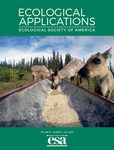
Gyda Fenn-Moltu, Sébastien Ollier and Cleo Bertelsmeier have published a paper on Alien insect dispersal mediated by the global movement of commodities in Ecological Applications.
|
|
|
|
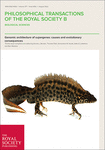
Tomas Kay ,Quentin Helleu and Laurent Keller have published an article in Royal Society entitled Iterative evolution of supergene-based social polymorphism in ants. Species commonly exhibit alternative morphs, with individual fate being determined during development by either genetic factors, environmental cues or a combination thereof. Ants offer an interesting case study because many species are polymorphic in their social structure. Some colonies con- tain one queen while others contain many queens. This variation in queen number is generally associated with a suite of phenotypic and life-history traits, including mode of colony founding, queen lifespan, queen–worker dimorphism and colony size. The basis of this social polymorphism has been studied in five ant lineages, and remarkably social morph seems to be determined by a supergene in all cases. These ‘social supergenes’ tend to be large, having formed through serial inversions, and to comprise hundreds of linked genes. They have persisted over long evolutionary time- scales, in multiple lineages following speciation events, and have spread between closely related species via introgression. Their evolutionary dynamics are unusually complex, combining recessive lethality, spatially variable selection, selfish genetic elements and non-random mating. Here, we synthesize the five cases of supergene-based social polymorphism in ants, highlighting interesting commonalities, idiosyncrasies and implications for the evolution of polymorphisms in general.
|
|
|
|
Members of the Keller group, along with colleagues from universities in France and the US, have published an article in Current Biology entitled Ant phylogenomics reveals a natural selection hotspot preceding the origin of complex eusociality. 65 genomes were sequenced to produce a phylogenetic tree of all ant subfamilies, with the subterranean leptanillomorph clade as the sister group of all other ants. A natural selection hotspot is detected during the emergence of formicoid clade, which is an ant clade grouping the most complex forms of sociality.
|
|
|
|
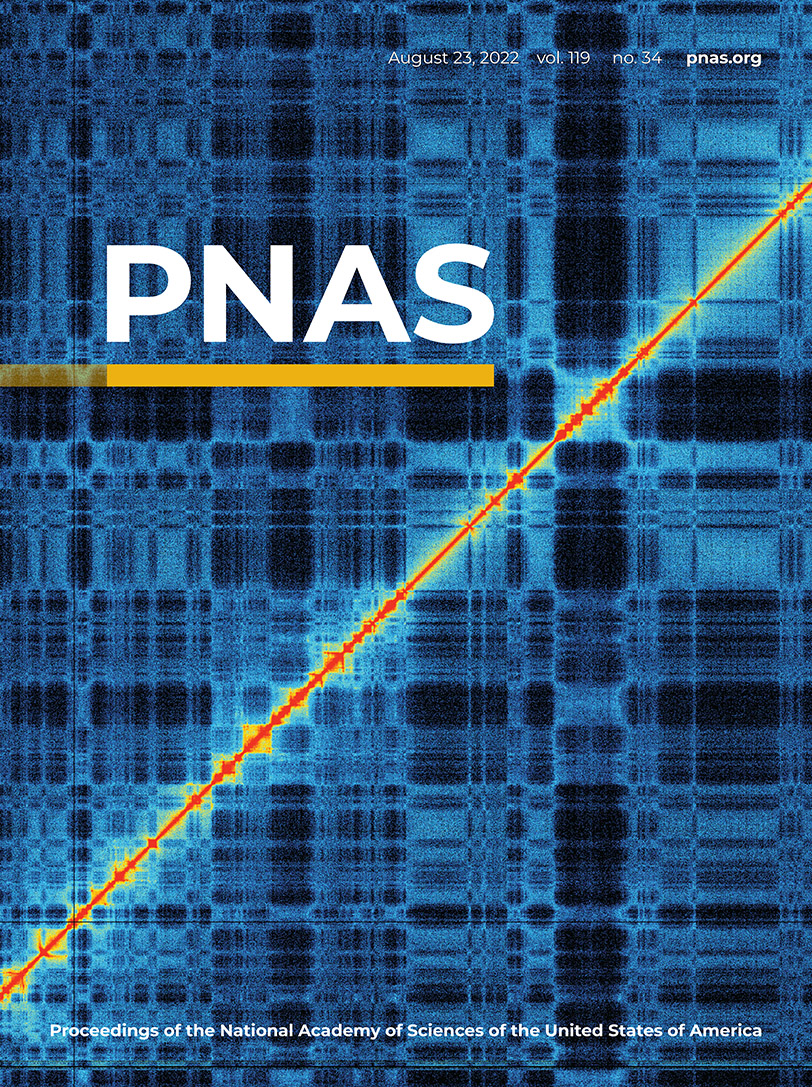
Quentin Helleu and Laurent Keller, along with colleagues from universities in France and the US, have published an article in PNAS entitled Radiation and hybridization underpin the spread of the fire ant social supergene. Some of the most striking polymorphisms in nature are regulated by “supergenes,” which are clusters of tightly linked genes that coordinately control complex phenotypes. Here, we study the evolutionary history of a supergene regulating colony social organization in fire ants. We show that the three inversions constituting the social supergene emerged sequentially during the separation of the ancestral lineages of Solenopsis invicta and Solenopsis richteri. Once completely assembled in S. richteri, the supergene introgressed into multiple closely related species despite recent hybridization being uncommon between several of the species. These findings provide a rare and striking example of how introgression can lead to the rapid spread of a novel variant controlling complex traits.
|
|
|
|
|
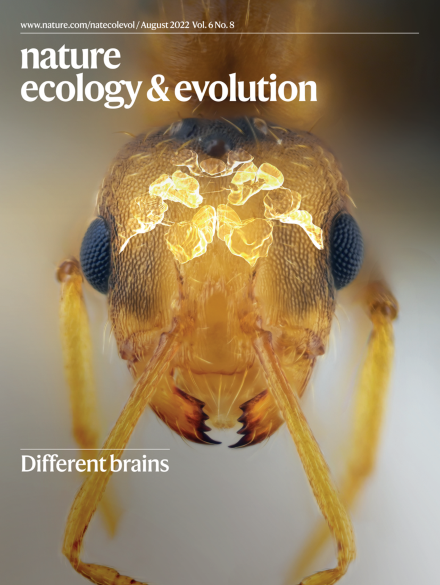
Members of the Keller group and UNIL colleagues have published a article in Nature Ecology & Evolution entitled
|
The gut microbiota affects the social network of honeybees. The gut microbiota influences animal neurodevelopment and behaviour but has not previously been documented to affect group-level properties of social organisms. Here, we use honeybees to probe the effect of the gut microbiota on host social behaviour. We found that the microbiota increased the rate and specialization of head-to-head interactions between bees. Microbiota colonization was associated with higher abundances of one-third of the metabolites detected in the brain, includ- ing amino acids with roles in synaptic transmission and brain energetic function. Some of these metabolites were significant predictors of the number of social interactions. Microbiota colonization also affected brain transcriptional processes related to amino acid metabolism and epigenetic modifications in a brain region involved in sensory perception. These results demon- strate that the gut microbiota modulates the emergent colony social network of honeybees and suggest changes in chromatin accessibility and amino acid biosynthesis as underlying processes.
|
|
|
|
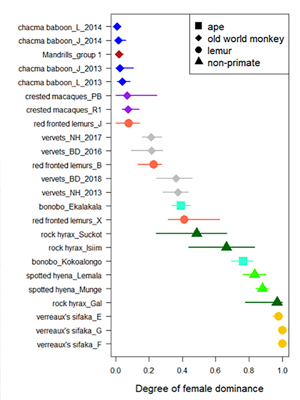
Erica van de Waal and Charlotte Canteloup contributed with their dataset on vervet monkeys to a meta-analysis on intersexual dominance across mammalian societies. The causes and consequences of being in a particular dominance position have been illuminated in various animal species, and new methods to assess dominance relationships and to describe the structure of dominance hierarchies have been developed in recent years. Most research has focused on same-sex relationships, however, so that intersexual dominance relationships and hierarchies including both sexes have remained much less studied. In particular, different methods continue to be employed to rank
males and females along a dominance hierarchy, and sex biases in dominance are still widely regarded as simple byproducts of sexual size dimorphism. However, males and females regularly compete over similar resources when living in the same group, and sexual conflict takes a variety of forms across societies. These processes affect the fitness of both sexes, and are mitigated by intersexual hierarchies. In this study, researchers draw on data from free-ranging populations of nine species of mammals that vary in the degree to which members of one sex dominate members of the other sex to explore the consequences of using different criteria and procedures for describing intra- and intersexual dominance relationships in these societies. Their analyses confirmed a continuum in patterns of intersexual dominance, from strictly male-dominated species to strictly female-dominated species. All indices of the degree of female dominance were well correlated with each other. The rank order among same-sex individuals was highly correlated between the intra- and intersexual hierarchies, and such correlation was not affected by the degree of female dominance. The relative prevalence of aggression and submission was sensitive to variation in the degree of female dominance across species, with more submissive signals and fewer aggressive acts being used in societies where female dominance prevails. Thus, this study provides important insights and key methodological tools to study intersexual dominance relationships in mammals.
|
|
|
|
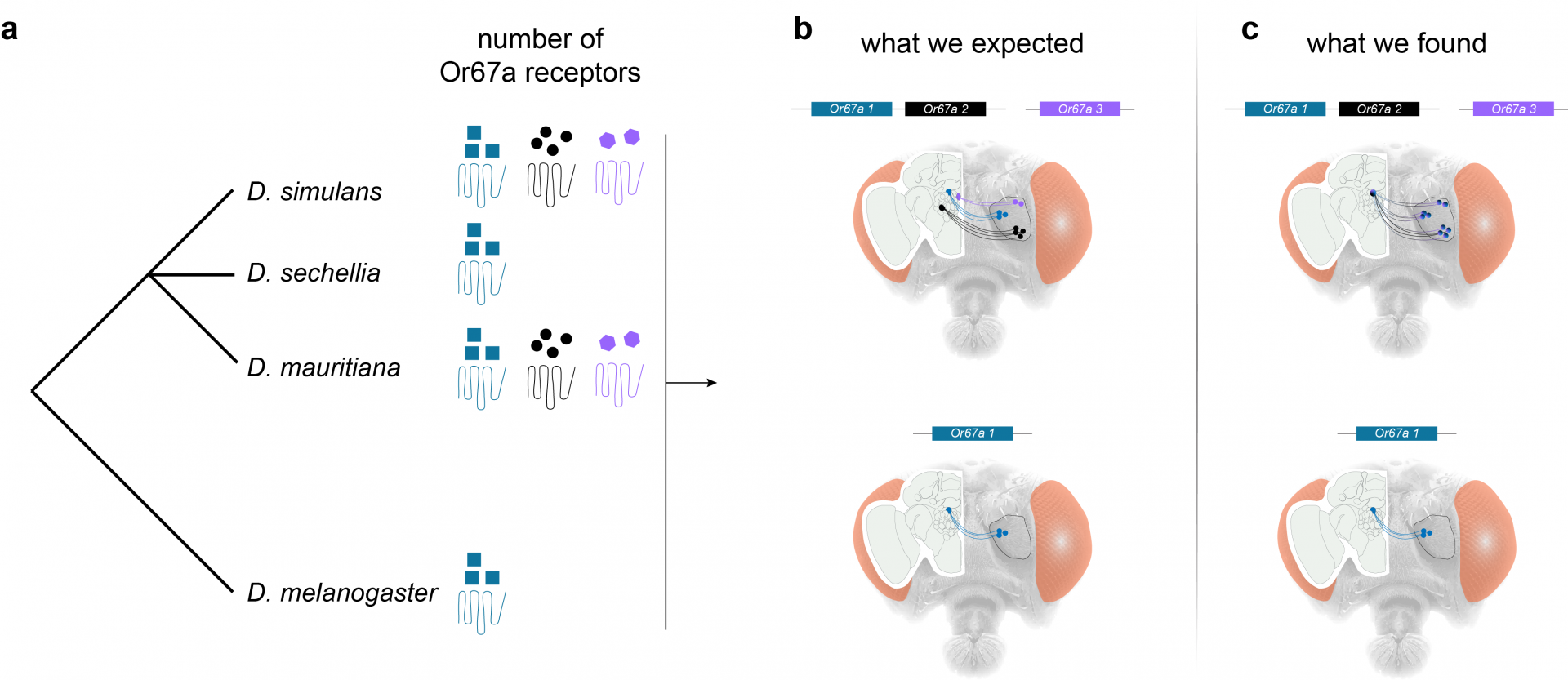
A project led by Roman Arguello and colleagues (Tom Auer, Raquel Álvarez-Ocaña, Steeve Cruchet, and Richard Benton) was recently accepted at Nature Ecology & Evolution.
This work demonstrated a new adaptive mechanism for the evolution of olfactory perception that involved between-species copy number variation in odorant receptors and their patterns of co-expression in the same neuron population.
|
|
|
|
|
|
|
While you are encouraged to place your publications into Serval, please make sure that your PI has validated the deposition first. Not all documents should be included in Serval, and they are complicated to remove.
|
|
|
|
|
|
|
|
|
|