|
|
|
Info DEE # 40 - June 2022
|
|
|
|
|
A WARM WELCOME TO OUR NEW COLLEAGUES
|
|
|
|
|
|
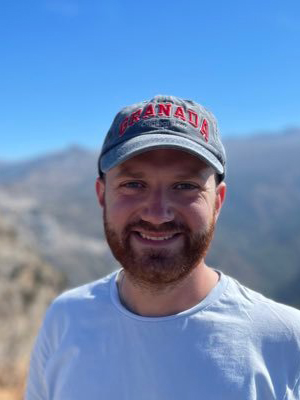
Mr Marc Bastardot has joined the group of Prof. Schwander as a Field Assistant. Marc is located in office 2101, phone 41.76. Marc.Bastardot@unil.ch
|
|
|
|
|
|
|
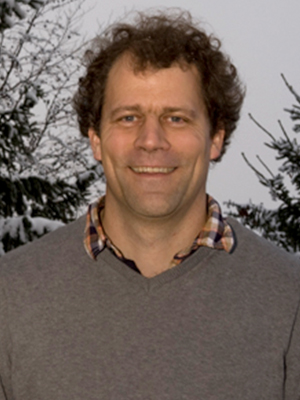
Mr Harald Detering has joined the group of Prof. Waterhouse as an Postdoctoral Reseacher. Harald is located in office 3212.1, phone 21.42. Harald.Detering@unil.ch
|
|
Ms Zoé Domenjoz has joined the group of Prof. Keller as a Lab Technician. Zoé is located in office 2105, phone 41.86. Zoe.Domenjoz@unil.ch
|
|
|
|
|
|
|
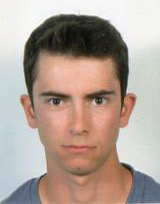
Mr Quentin Fort has joined the group of Prof. Roulin as Intern. Quentin is located in office 3201, phone 41.74.
|
|
|
Ms Isabel Jeronimo has joined the group of Prof. Goudet as a PhD Student. Isabela is located in office 4323, phone 42.43. Isabela.Jeronimo@unil.ch
|
|
|
|
|
|
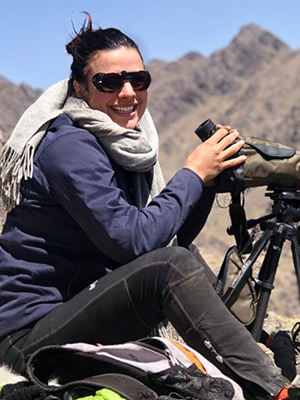
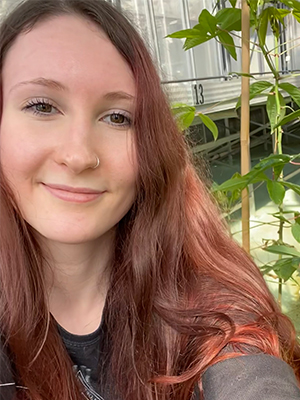
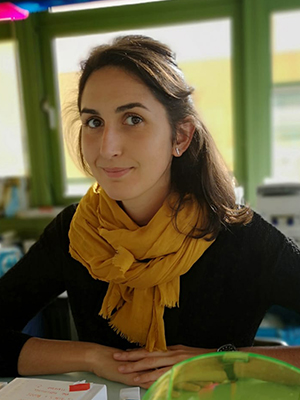
Ms Marjorie Labédan has joined the group of Prof. Schwander as a Laboratory Technician. Marjorie is located in office 2106, phone 41.52. Marjorie.Labedan@unil.ch
|
|
Ms Sarah Monod has joined the DEE as an Animal Handler. Sarah is located in office 1114, phone 41.63. Sarah.Monod@unil.ch
|
|
|
|
|
|
|
|
|
|
|
We are also glad to count on the help of our new Student-assistants: Ms Ena BOCHATON (Pannell Group), Ms Laurine CORDELLA (Pannell Group), Mr Arno GATTOLLIAT (Keller Group), Ms Anouk HOANG (Pannell Group), Ms Laura WAGNEUR (Pannell Group)
|
|
|
|
|
|
EXTERNAL SEMINARS
|
|
Please note that External Seminars will now be
|
|
live-streamed through the REC UNIL platform.
|
|

|
|
|
|
|
|
|
We are please to announce that Tomas Kay (Keller Group) has been chosen as this year’s ESEB laureate by the Faculty of Biology and Medicine. Congratulations, Tom!
|
|
|
|
Congratulations to Laurent Keller as the 2022 recipient of the American Society of Naturalists (ASN) ASN Award for Distinguished Achievement in the Conceptual Unification of the Biological Sciences.
|
|
|
|
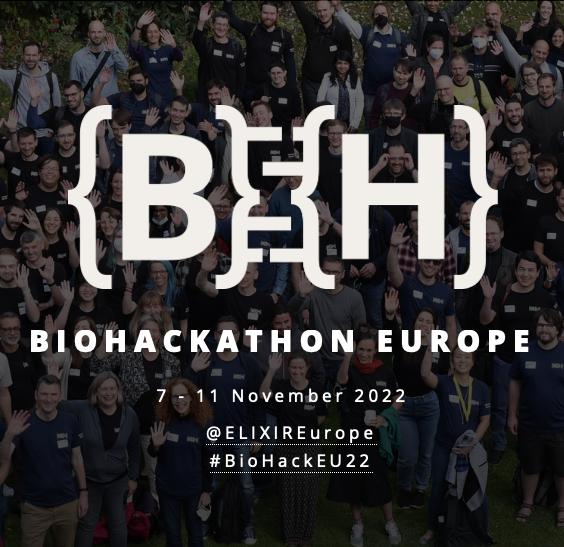
Following the success of the previous editions of the BioHackathon Europe organised by ELIXIR Europe, BioHackathon Europe 2022 will be taking place in Paris 7-11 November 2022. Registration is now opened and there are 35 different projects with a wide range of biological topics.
|
|
|
|
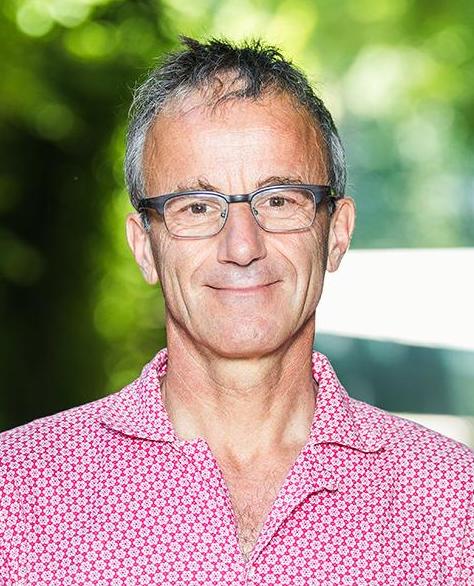
Marc Robinson-Rechavi has joined the editorial board of PLOS Computational Biology.
|
|
|
|
|
Cleo Bertelsmeier was featured on RTS Première, in the radio show « Dis pourquoi? », talking about ants and her book on conflicts in insect societies.
|
|
|
|
|
In order to reinforce research directions on carnivores, Philippe Christe is pleased to welcome in his group two new external scientific collaborators, Dr Justine Shanti Alexander from the Snow Leopard Trust, and Dr Fridolin Zimmermann from the Kora.
|
|
|
|
|
Antoine Guisan was awarded one of the “2022 Distinguished Fellows” by the International Biogeography Society (IBS), last week (2-6 June) at the world biogeography congress in Vancouver, for the excellence of his research. Fellows are chosen based on their outstanding contributions to the mission of our scientific society through excellence in basic research and exceptional service to the field of biogeography. It is a senior career award to people who have made an important contribution over time. For A. Guisan, the IBS writes in particular: “Dr. Guisan has focused on spatially predictive modelling of plant and animal distributions, and the communities they form. Besides theoretical and methodological interests in understanding and predicting species distributions, he has developed models for various applied purposes, such as rare species management, assessing the potential impact of climate change on biodiversity, and anticipating biological invasions.”
|
|
|
|
|
|
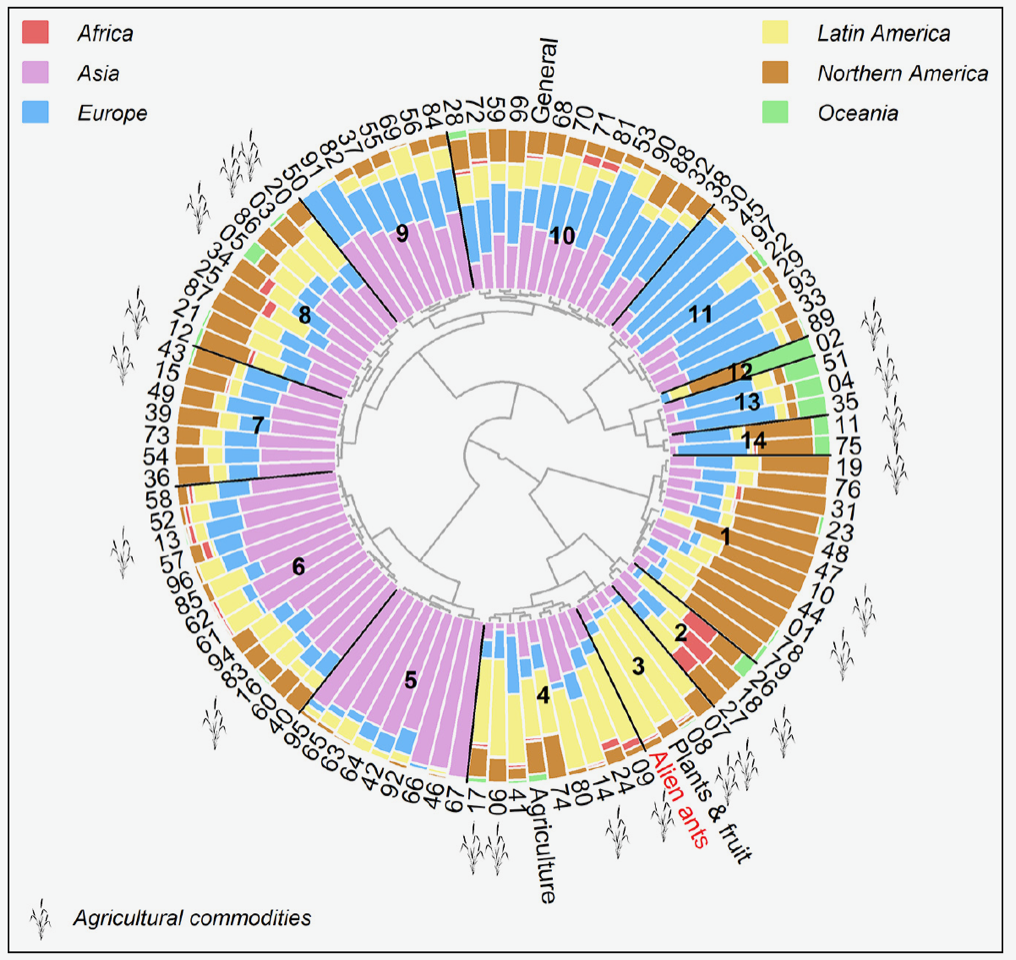
Sébastien Ollier and Cleo Bertelsmeier have published a study on ant invasions in Frontiers in Ecology and the Environment:
|
Globalization has led to the unintentional movement of thousands of species around the world, necessitating a better understand- ing of how species are spread by international trade to prevent new invasions. However, to date, the evidence implicating global trade in intercontinental species flows has been mixed. Here, we show that commonly used proxies of global trade, such as general and agricultural imports, fail to explain the invasion flows of alien ants from donor regions to the continental US. Analysis of 97 individual commodity flows revealed instead that plant and fruit imports – a small subset of all agricultural commodities – were primarily associated with invasion flows of ants. The transport patterns of all 95 other commodities, including most “agricul- tural” commodities, differed from those of alien ants. Our findings highlight the need to determine precisely which commodities serve as introduction pathways for a particular taxon in or flows and identify likely source regions of future invasions in a world of evolving trade relationships.
|
|
|
|
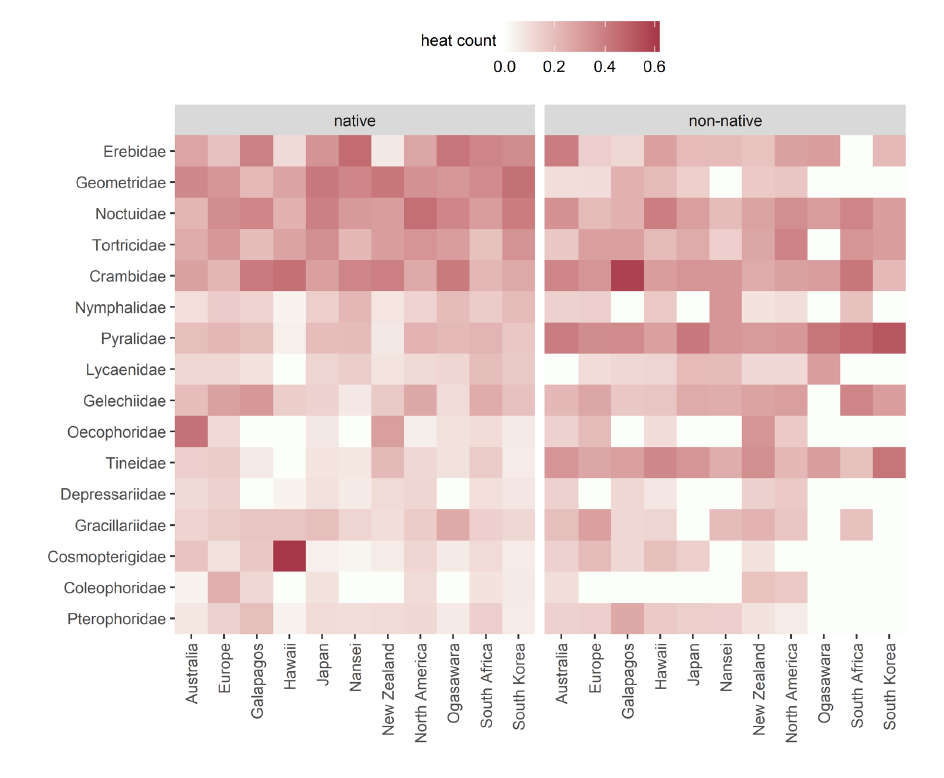
Gyda Fenn-Moltu and Cleo Bertelsmeier have published a study as part of an international research team a paper on the global biogeography of invasive moths and butterflies.
|
Lepidoptera is a highly diverse, predominantly herbivorous insect order, with species transported to outside their native range largely facilitated by the global tradeof plants and plant-based goods. Analogous to island disharmony, we examine invasion disharmony, where species filtering during invasions increases systematic compositional differences between native and non-native species assemblages, and test whether some families are more successful at establishing in non-native regions than others. We compared numbers of non-native, unintentionally introduced Lepidoptera species with the land area of 11 regions worldwide. Differences among native and non-native assemblages in the distribution of species among families wereinvestigated using ordination analysis. We tested whether invasion disharmony is explained by propagule pressure (proxied by species richness in border interceptions) and if families were associated with specific trade commodities. Invasion disharmony in Lepidoptera appears to be driven by processes unrelated to the success of native assemblages. While native assemblages developed through long-term evolutionary radiation, the composition of non-native assemblages is driven by differential invasion pathways and traits affecting the establishment of founder populations that vary among families.
|
|
|
|
Giulia Zancolli and colleagues have published a paper entitled "Modern venomics—Current insights, novel methods, and future perspectives in biological and applied animal venom research". In this review they highlight recent advances and new strategies in the modern study of animal venoms, or 'venomics', discuss how recent technological innovations and multi-omic methods dramatically improve research on venomous animal, and discuss recent agrochemical, pharmaceutical, therapeutic, and diagnostic (so-called translational) aspects of venoms from which humans benefit.
|
|
|
|
|
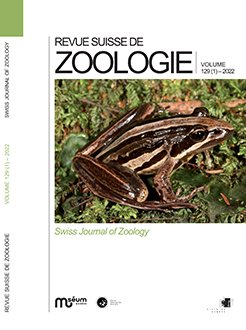
Giulia Zancolli and colleagues have published a paper entitled "Phylogeny and taxonomy of the African frog genus Strongylopus (Anura: Pyxicephalidae)".
|
Here they present a molecular phylogeny of African stream frogs (genus Strongylopus) supported by advertisement call analysis and morphology and recognise six valid species.
|
|
|
|
Maarten Reijnders from the Waterhouse Group published his consensus Gene Ontology (GO) annotation software, CrowdGO, in the journal PLOS Computational Biology. CrowdGO is an open-source consensus-based GO term meta-predictor that employs machine learning models with GO term semantic similarities and information contents. It is able to computationally assess agreements and conflicts amongst annotations from different predictors to then re-evaluate the results and deliver enhanced predictions of protein functions. Visit the GitLab repository or watch this video presentation to learn more.
|
|
|
|
|
“From white to green: Snow cover loss and increased vegetation productivity in the European Alps”, Rumpf et al. 2022, published by both the groups of Prof. Antoine Guisan and Prof. G. Mariethoz in the GSE faculty.
|
|
Mountains are experiencing more dramatic warming than lower elevations, with increasing snowmelt and changing patterns of snowfall. Rumpf et al. examined how the past four decades of climate change have influenced snow cover and vegetation productivity in the European Alps. Using remote sensing data, they found that snow cover declined significantly, but so far over less than 10% of the study region. Vegetation productivity has increased across over two-thirds of the area above tree line, with potential ecological and climate impacts. Feedbacks between snow and vegetation will likely lead to even more pronounced changes in the future.
|
|
|
|
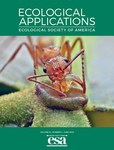
Claudio Augugliaro, a PhD student from the Christe group, with colleagues from the University of Florence used systematic camera trapping at 216 sites across remote, mountainous areas of the Mongolian Altai to assess the spatial and temporal patterns of occurrence and the inter-specific relationships within a mammalian community that includes different categories of livestock. The results are published in Ecological Applications entitled: Effects of free-ranging livestock on occurrence and inter-specific interactions of a mammalian community.
|
|
|
|
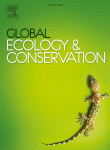
Dr Justine Shanti Alexander, external scientific collaborator of the Christe group, published with Sri-Lankan colleagues a paper in Global Ecology and Conservation on the conservation status of the Sri Lankan leopard Panthera pardus kotiya, one of two remaining island-living leopards on Earth entitled: Evidence for a critical leopard conservation stronghold from a large protected landscape on the island of Sri Lanka.
|
|
|
|
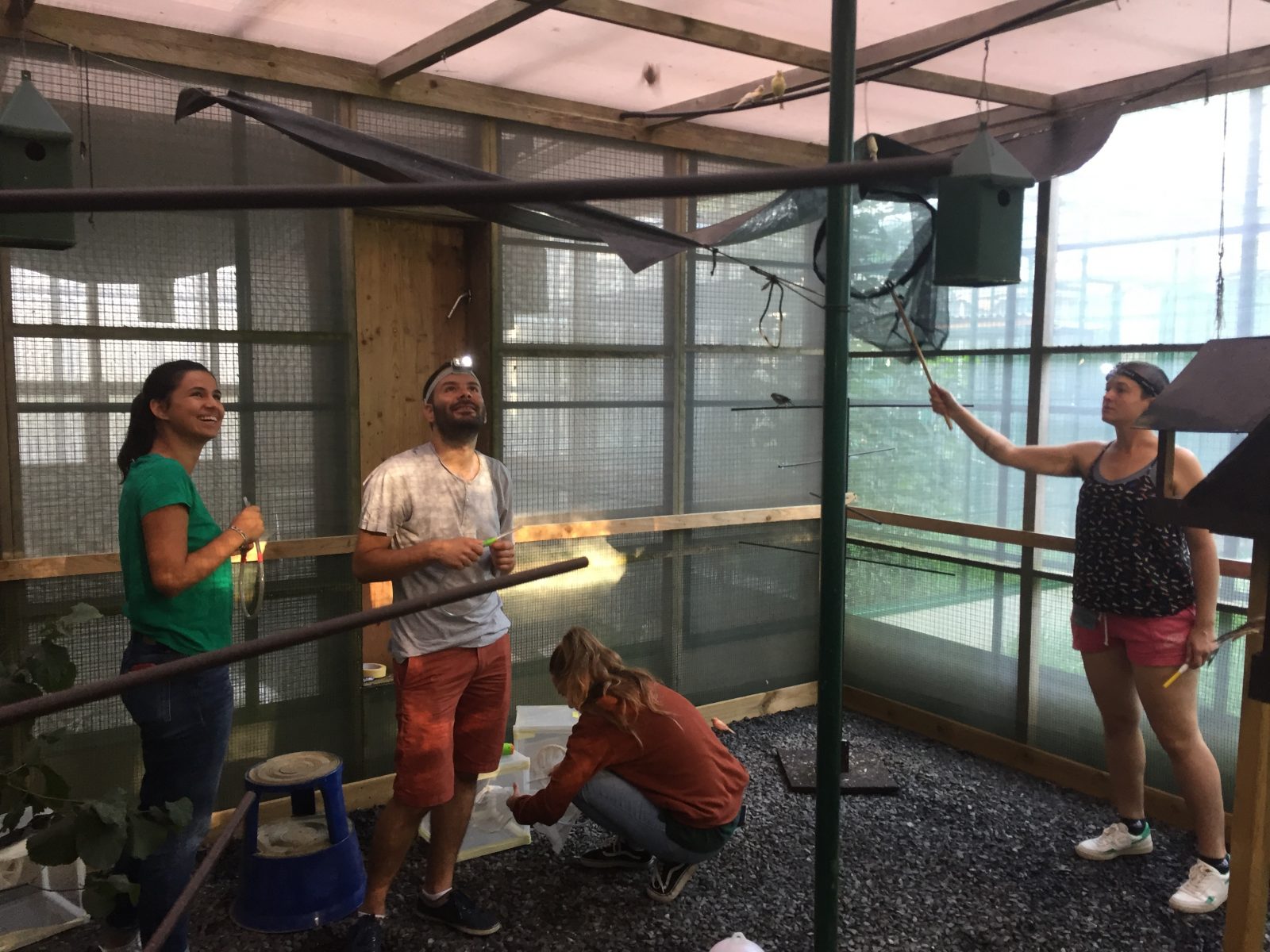
Dr Camille-Sophie Cozzarolo, a former PhD student of the Christe group, published in Parasites & Vectors the results of a semi-natural experiment aiming to evaluate if mosquitoes choose or avoid feeding on Plasmodium infected birds: Experiment in semi-natural conditions did not confirm the influence of malaria infection on bird attractiveness to mosquitoes.
|
|
|
|
|
|
|
While you are encouraged to place your publications into Serval, please make sure that your PI has validated the deposition first. Not all documents should be included in Serval, and they are complicated to remove.
|
|
|
|
|
|
|
|
|
|