|
|
|
|
Info DEE No. 55 - October 2023
|
|
|
|
|
|
A WARM WELCOME TO OUR NEW COLLEAGUES
|
|
|
|
|
|
Ms Maila CICERO has joined the group of Prof. Bertelsmeier as a External research collaborator. Maila is located in office 3209, phone 42.19. maila.cicero2@unibo.it
|
|
|
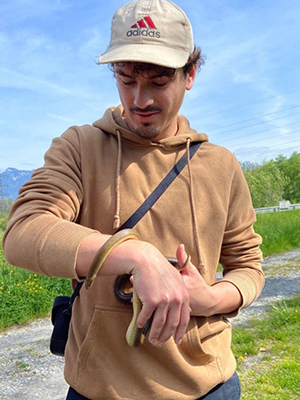
Mr Arno GATTOLLIAT has joined the group of Prof. Schwander as a Field Assistant Arno is located in office 2107.2, phone 41.86. Arno.Gattolliat@unil.ch
|
|
|
|
|
|
|
Ms Anna HEWETT has joined the group of Prof. Goudet as a Postdoctoral Researcher. Anna is located in office 4310, phone 41.82. anna.hewett@unil.ch
|
|
|
Ms Ruoyu HU has joined the group of Prof. Sanders as a Postdoctoral Researcher. Ruoyu is located in office 4318.1, phone 42.77. Ruoyu.Hu@unil.ch
|
|
|
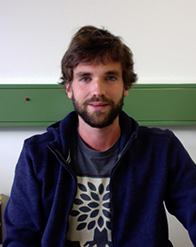
Mr Kim SCHALCHER has joined the group of Prof. Roulin as a Senior FNS Researcher. Kim is located in office 3201, phone 41.74. Kim.Schalcher@unil.ch
|
|
|
|
|
|
We are also welcome and appreciate
the help of our new student assistants:
|
|
GOLAY Paola (Christe Group)
|
|
RIBEIRO GALHETO Nuno (Guisan Group)
|
|
RODRIGUEZ Céline (Guisan Group)
|
|
|
|
|
|
|
|
|
|
|
|
|
|
Erica van de Waal has been elected following the vote held by the Faculty to elect a FBM representative to the UNIL Council for the remainder of the 2022-2025 term. Congratulations, Erica!
|
|
|
|
|
|
Congratulations to Cleo Bertelsmeier for her tenure and appointment as Associate Professor!
|
|
Congratulations to Luca Fumagalli for his promotion to Associate Professor!
|
|
|
|
|
|
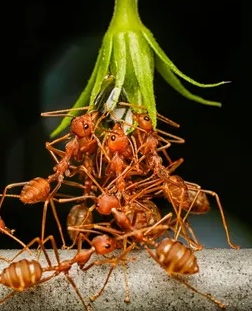
Cleo BertelsmeierI has participated in the RTS radio show « CQFD » on the topic of the invasive red fire ants which have now established in Europe.
|
|
|
|
|
|
To mark the 20th anniversary of the founding of the FBM, the FBM video presentation has been given a makeover! Produced by noxediem, this short film provides a concise - and sometimes offbeat - overview of the FBM's courses, research areas and missions. A big thank you to all the DEE members that appeared in and contributed to this project, reinforcing our department's role in Faculty communication.
Watch the clip
|
|
|
|
|
|
|
Charles Mullon has received CHF 873’431 from the SNSF for a project on “The evolutionary ecology of interactions within and between the sexes” which will run for four years from 2024 to 2027. His group will integrate fundamental biological features of sexual systems into mathematical and computational models of eco-evolutionary dynamics, with the aim to better understand the evolution of trait variation within and between males and females.
|
|
|
|
|
|
For the Foire du Valais, HES-So Valais has produced a movie on the Van de Waal group's project "MonkeyCall".
|
|
|
|
|
|
John Pannell has been elected President of the Steering Committee of the new National Research Programmes (NRP) in ‘Plant Breeding Innovation’, one of four NRPs chosen by the Federal Council from an initial 78 proposals. John’s role is to coordinate defining the scope of the NRP and the selection, oversight and final synthesis of research results of projects. The NRP aim broadly to assess the potential use of new breeding technologies (such as those based on CRISPR-Cas9) in Swiss agriculture through research on the science of plant breeding and its application but also on its ethics, social acceptability, environmental sustainability and economic viability. The Programme will run for eight years.
|
|
|
|
|
|
Cleo Bertelsmeier was invited on a Radio France show, Terre au Carré, to talk about invasive ants.
|
|
|
|
|
|
|
|
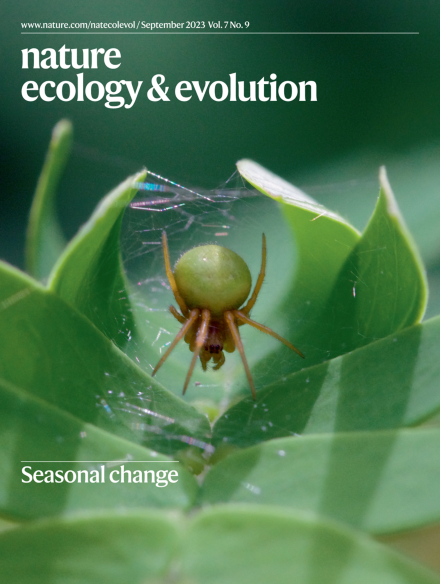
Germain Montazeaud and colleagues from UNIL and Agroscope have published an article in Nature Ecology and Evolution entitled “Indirect genetic effects are shaped by demographic history and ecology in Arabidopsis thaliana”. In this study, they dissect the genomic architecture of indirect genetic effects (IGEs) in Arabidopsis thaliana and reconstruct the evolutionary history of alleles responsible for IGEs in Eurasian populations.
|
|
|
|
|
|
|
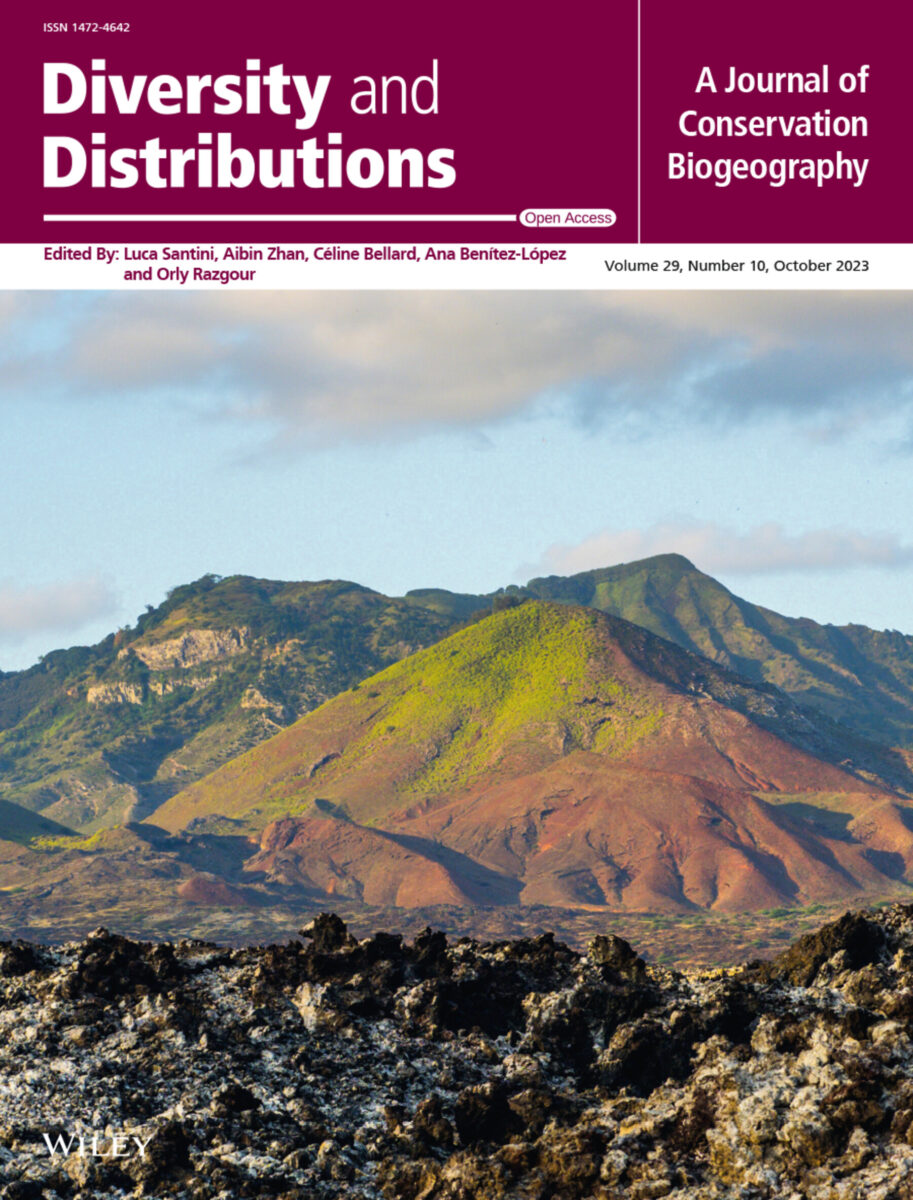
Gyda Fenn-Moltu, Sébastien Ollier, Olivia Bates and Cleo Bertelsmeier (all Bertelsmeier group) have published a paper entitled « Global flows of insect transport and establishment: the role of biogeography, trade and regulations » in Diversity and Distributions.
|
Short Summary: Non-native species are part of almost every biological community worldwide, yet numbers of species establishments have an uneven global distribution. Asymmetrical exchanges of species between regions are likely influenced by a range of mechanisms, including propagule pressure, native species pools, environmental conditions and biosecurity. While the importance of different mechanisms is likely to vary among invasion stages, those occurring prior to establishment (transport and introduction) are difficult to account for. We used records of unintentional insect introductions to test (1) whether insects from some biogeographic regions are more likely to be successful invaders, (2) whether the intensity of trade flows between regions determines how many species are intercepted and how many successfully establish, and (3) whether the variables driving successful transport and successful establishment differ. Our results suggest that accounting for processes occurring prior to establishment is crucial for understanding invasion asymmetry in insects, and for quantifying regional biosecurity risks.
|
|
|
|
|
|
|
While you are encouraged to place your publications into Serval, please make sure that your PI has validated the deposition first. Not all documents should be included in Serval, and they are complicated to remove.
|
|
|
|
|
|
|
|
|
|