|
|
|
|
Info DEE No. 57 - December 2023
|
|
|

|
Wishing you Happy Holidays and a great New Year ahead!
|

|
|
|
|
|
A WARM WELCOME TO OUR NEW COLLEAGUES
|
|
|

|
|
Ms. Marion Nyaboke NYAMARI
|
|
has joined the Robinson-Rechavi Group
|
|
as a PhD Student. Marion is in office 3212.1,
|
|
|
|
|
|
|
|
|
|
|
|
|
|
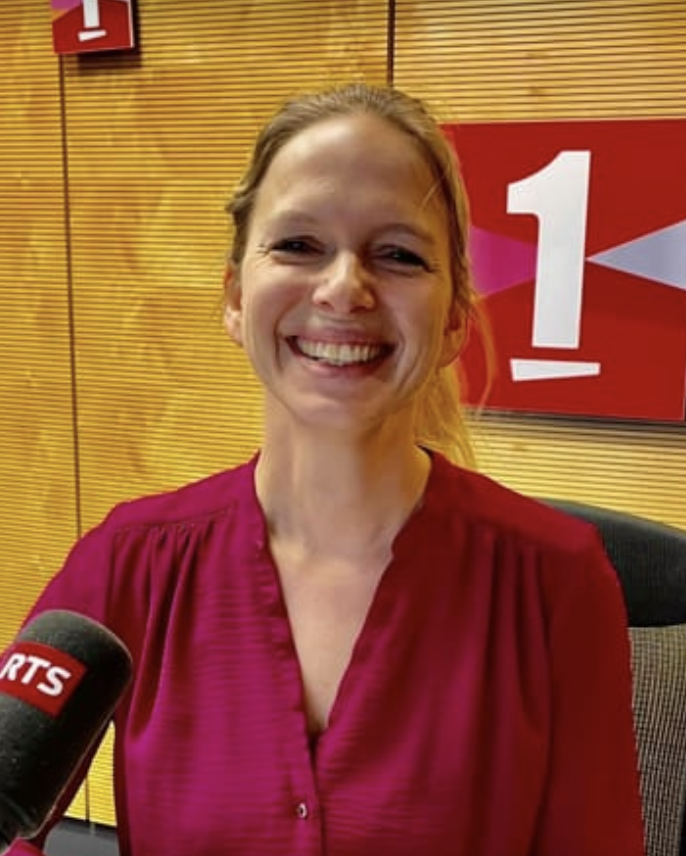
Cleo Bertelsmeier was invited on the RTS show CQFD to discuss her research on ants.
|
|
|
|
|
|
|
The Bgee database of gene expression animals, developed by the Robinson-Rechavi group under the leadership of Frédéric Bastian, has been selected as one of 52 Global Core Biodata Resources.
|
|
|
|
|
|
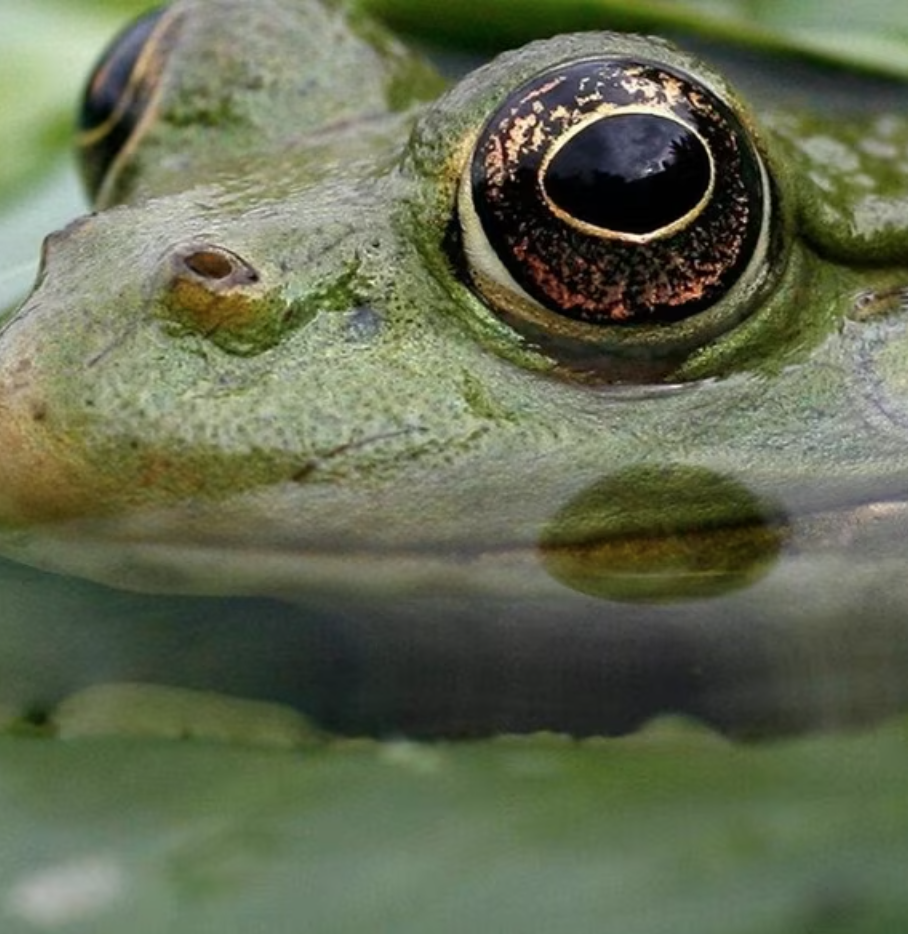
The Swiss Biodiversity Forum also reported on an article published earlier in Ecosphere about the benefits of amphibians in mosquito control by Antoine Perrin, Jérôme Pellet, Olivier Glaizot and Philippe Christe.
|
|
|
|
|
|
Goodbye Twitter/X, hello Instagram! The DEE will no longer be active on Twitter/X and has joined Instagram with the aim of bringing informative and visually appealing content to followers. Along with Mastodon (joined last year), Instagram will be replacing the DEE Twitter/X account, which will remain but will no longer be updated.
|
|
|
|
|
|
|
|
|
|
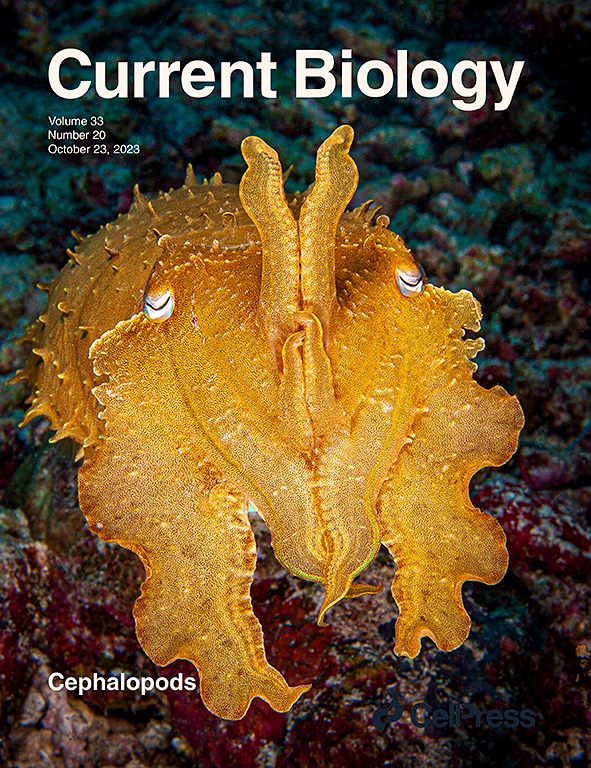
Science, Nature, BBC News, The New-York Times, The Guardian, CNN, El Pais, Le Monde, France Inter to name but a few (for a full list see here), gave media coverage to original observations concerning an amazing mode of copulation observed for the first time in a mammal and published by Nicolas Fasel, Kseniia Kravchenko, Olivier Glaizot and Philippe Christe with Ukrainian and European collaborators in the journal Current Biology entitled: Mating without intromission in a bat, a novel copulatory pattern in mammals. Current Biology, 33, R1163–R1185
|
|
|
|
|
|
Do you want to estimate FST for a polyploid? or a partial selfer? or some species with a weird reproductive mode? You want population specific FST as well as global FST? You have population sizes and migration estimates and want to predict FST? Check Jerome Goudet's latest paper with Bruce Weir: https://journals.plos.org/plosgenetics
|
|
We present a general model for the evolution of coancestries within and among populations possibly of different sizes and connected by migration, allowing for any type of mating pattern. We describe a moment-based, allele-sharing estimator of global, population-specific and population-pair FST, the coancestries within or between pairs of populations relative to the average mean coancestry between populations and show its good statistical properties using both simulated and real, published data from the 1,000 genomes project. As few as 10 individuals per population with 104 independent SNPs are sufficient to obtain accurate estimates. We evaluate statistically how our estimate compares to others, and discuss how population-pair (as opposed to pairwise) FST could become a useful metric in molecular ecology and conservation genetics.
|
|
|
|
|
|
|
While you are encouraged to place your publications into Serval, please make sure that your PI has validated the deposition first. Not all documents should be included in Serval, and they are complicated to remove.
|
|
|
|
|
|
|
|
|
|