|

|
Photo: Bart Zjilstra
|
|
Info DEE # 46 - January 2023
|
|
|
|
Happy New Year!
|
We are excited to welcome you to a new year at the DEE. We are proud to be part of a department with an amazing scientific diversity and dynamism. As the new management, we strive to continue making the DEE a place where we cultivate an atmosphere of scientific excellence which is respectful of people. We look forward to working together with all of you, and we wish to take this opportunity to thank all of you who invest in improving our science, our department, and our university.
|
|
|
|
|
Marc Robinson-Rechavi, director, and Tanja Schwander, vice-director.
|
|
|
|
|
|
A WARM WELCOME TO OUR NEW COLLEAGUES
|
|
|
|
|
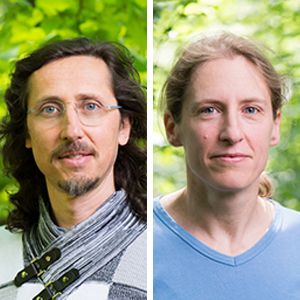
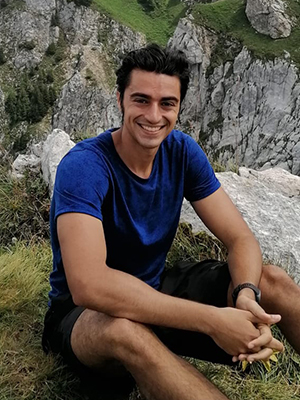
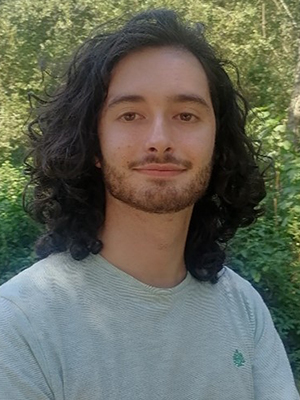
Mr Alessandro Brandulas Cammarata has joined the group of Prof. Robinson-Rechavi as as a PhD Student. Alessandro is located in office 3220, phone 42.21. Alessandro.BrandulasCammarata@unil.ch
|
|
|
|
|
|
Mr João Souto has joined the group of Prof. Schwander as an Intern. João is located in office 4303, phone 4279. Joao.Souto@unil.ch
|
|
|
|
|
|
We are also glad to count on the help of our new Student-assistants:
CAMELO Bruno-Jeronimo (BERTELSMEIER Group), CHAI Franz (BERTELSMEIER Group), EL SANGEDY Aïda (VAN DE WAAL Group), McCONNELL Adrian (VAN DE WAAL Group)
|
|
|
|
|
|
|
|
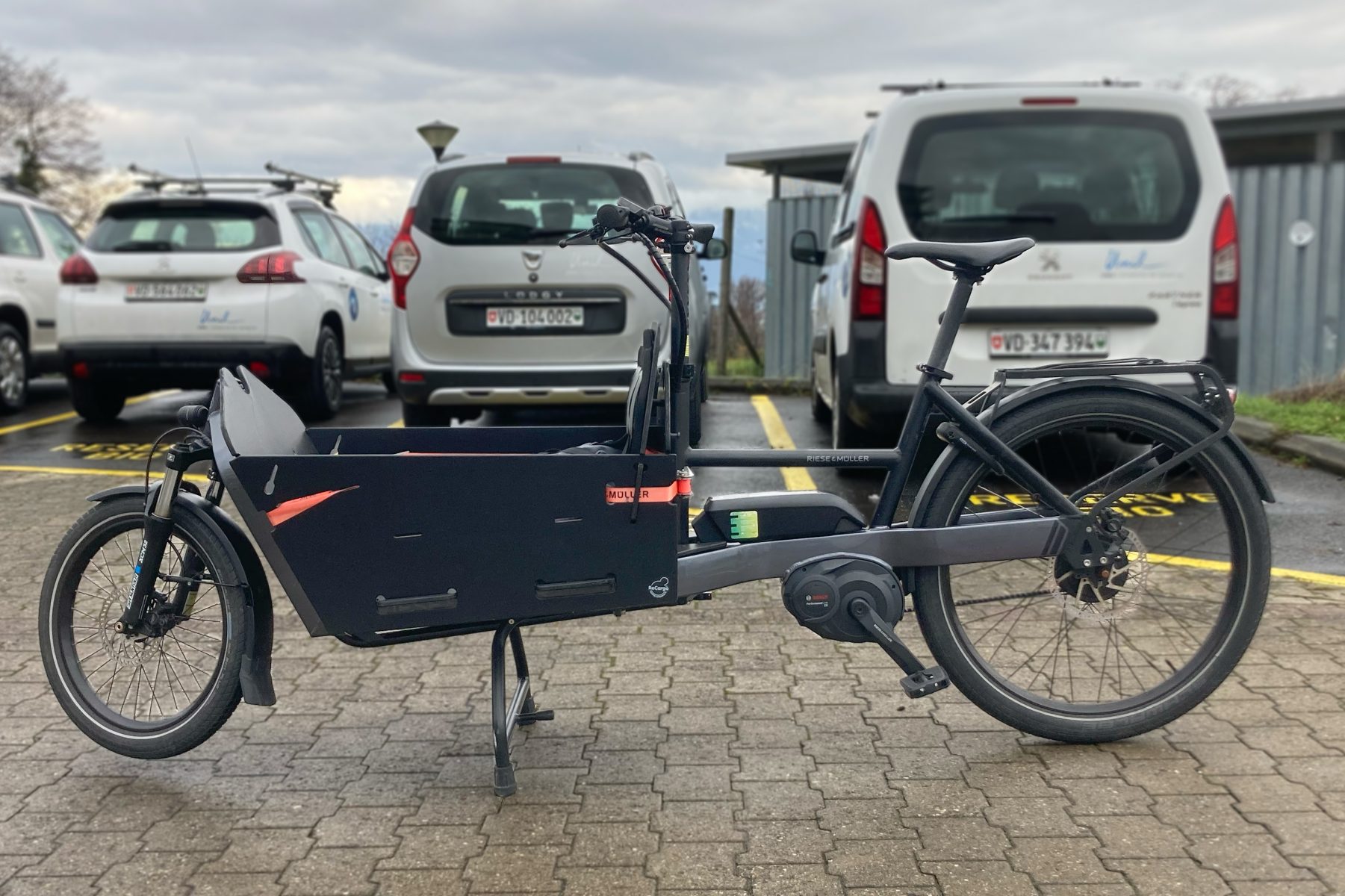
The department now has an electric cargo bike for eco-friendly short distance transport/shopping. To book the bike, check the DEE vehicle calendar for availability and and send your request to Bart Zijlstra indicating date/time and purpose.
|
|
|
|
|
|
|
|
|
|
|
|
|
|
|
Cleo Bertelsmeier has been elected President of the International Union for the Study of Social Insects (IUSSI)’s French Section.
|
|
|
|
Germain Montazeaud was recently interviewed by the newspaper Le Monde about a study on plant cooperation.
|
|
|
|
|
|
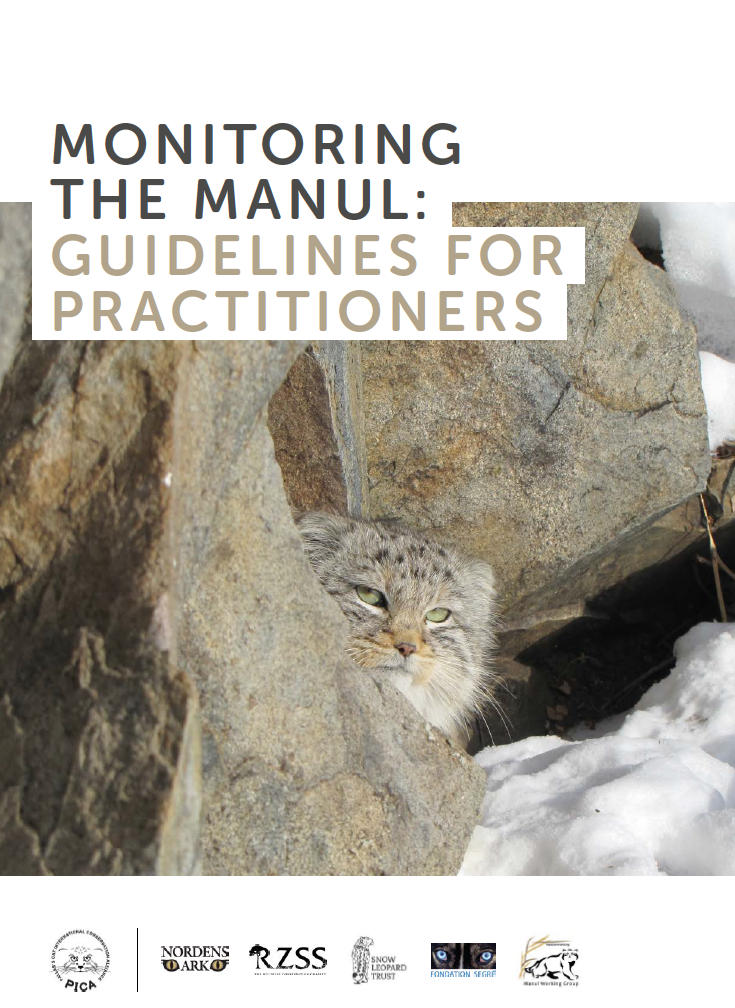
Dr Justine Shanti Alexander and Claudio Augugliaro (associated researcher and PhD student respectively in the Christe group) co-authored several chapters in:
|
|
Moqanaki, E., & Samelius, G. (2022). Monitoring the manul: guidelines for practitioners. The Pallas’s cat International
|
Conservation Alliance (PICA)
|
|
This book is a valuable practical guide to current and long-term conservation efforts for this amazing small cat.
|
|
|
|
|
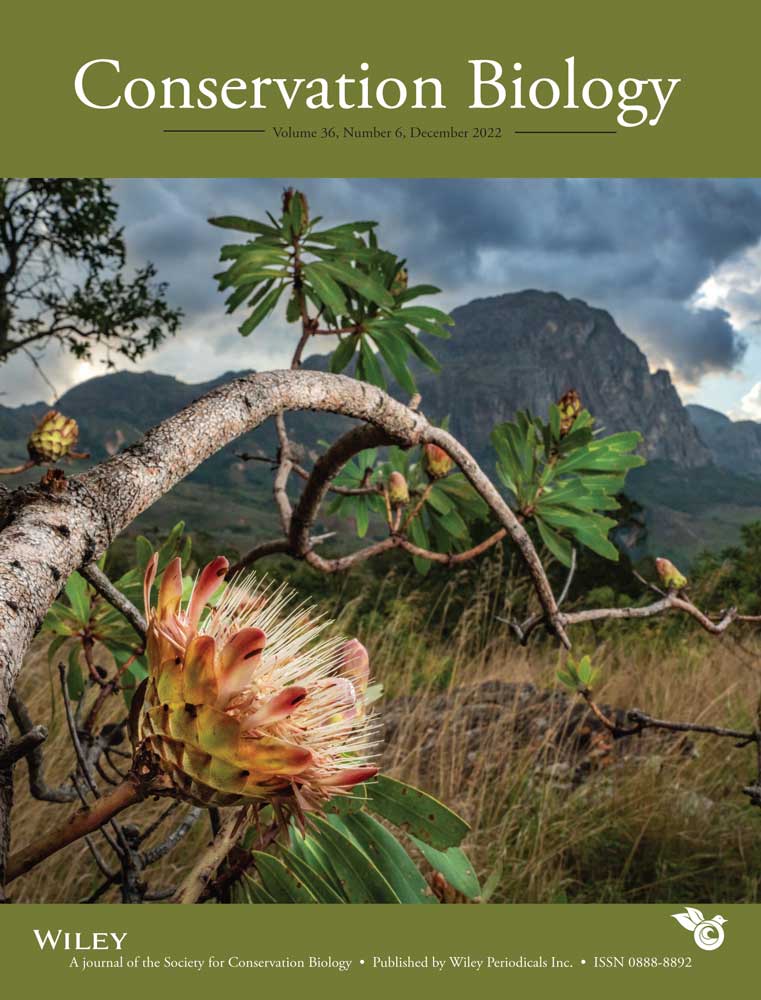
Jérôme Gippet, Zoe Sherpa and Cleo Bertelsmeier have published a paper in Conservation Biology entitled
|
Reliability of social media data in monitoring the global pet trade in ants. The global pet trade is a major risk to biodiversity and humans. Over the recent decades, the pet trade has become increasingly globalized, diversified, digitalized and extremely difficult to control. With billions of Internet users posting online daily, social media could serve as a powerful surveillance tool.
|
|
|
|
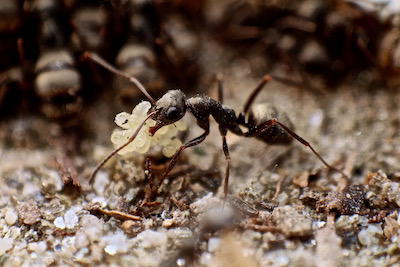
Former DEE post-docs Pierre Blacher and Ornela De Gasperin, master students Guglielmo Grasso, Solenn Sarton-Lohéac and Roxane Allemann, together with Michel Chapuisat co-authored an article showing that the Formica social supergene carries a cryptic mutation load. Just published in Molecular Ecology: http://doi.org/10.1111/mec.16821
|
|
With a series of laboratory and field experiments, they showed that the P supergene haplotype, found only in multi-queen colonies, carries deleterious mutations that reduce the survival, fertility, and fecundity of PP queens, and causes early death of most PP workers. They discuss how this cryptic load contributes to stabilize this ancient polymorphism.
|
|
|
Picture: Formica selysi worker carrying eggs.
Photo credit: Timothée Brütsch
|
|
|
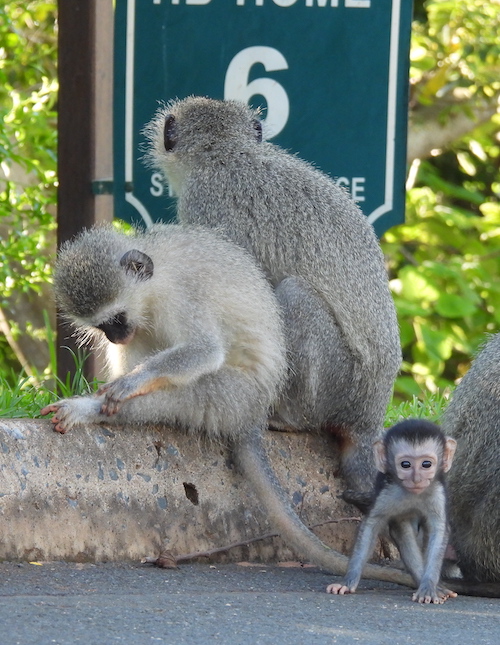
At the end of last year, Prof Erica van de Waal, Dr Sofia Forss and Dr. Stéphanie Mercier started a side project from the Inkawu Vervet Project: the Urban Vervet Project (UVP). UVP is lead and currently funded by Sofia Forss from the University of Zurich. While Erica van de Waal will provide students, equipment and great scientific advice, Stephanie Mercier is the on-site project coordinator supervising both the students and the data collected. UVP is located in Simbithi eco-estate near the seaside holiday town of Ballito, close to Durban. The spatial distribution of six monkey troops at UVP were previously studied by the team of Prof. Colleen Down from the University of KwaZuluNatal by Dr Harriett Thatcher. Our main aim is to study the urban vervet behaviour, cognition and interactions with humans. South Africa faces wide problematic conflicts with this invasive species, and we hope that our contribution to a better understanding of their behaivour and diet will also have helpful implementations for human-wildlife conflict management.
Website: https://inkawuvervetproject.weebly.com/uvp.html
|
|
|
|
|
Marina Brasò-Vives and colleagues from University College London, the Centre for Genomic Regulation, the Andalusian Centre for Developmental Biology, Aix Marseille University, CNRS Paris, University of Barcelona, and Observatoire Océanologique Banyuls-sur-Mer, have published a high quality genome for the Mediterranean amphioxus. Despite amphioxus being known for their slow evolution relative to vertebrates, they found a similar history of gene duplications in the two lineages, both in terms of numbers of duplications, and of their functional impact.
|
|
|
|
|
|
|
While you are encouraged to place your publications into Serval, please make sure that your PI has validated the deposition first. Not all documents should be included in Serval, and they are complicated to remove.
|
|
|
|
|
|
|
|
|
|