|
|
|
|
|
|
Info DEE No. 58 - January 2024
|
|
|
|
|
A WARM WELCOME TO OUR NEW COLLEAGUES
|
|
|

|
|
Mr. Samuel CHARBERET has joined the group of Prof. Kawecki as a Postdoctoral Researcher. Samuel is in office 2107.2, Tel 41.18. Samuel.Charberet@unil.ch
|
|
|
|
Ms. Clara DEILLON has joined the group of Prof. Roulin as an Animal Handler. Clara is in office 3206, Tel 42.18. Clara.Deillon@unil.ch
|
|
|
|
|
|
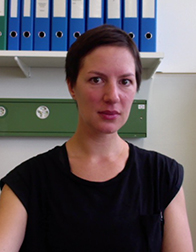
Ms. Judith SCHNEIDER has joined the group of Prof. Van de Waal as an Postdoctoral Researcher. Judith is in office 3209, Tel 42.19. judith.schneider@unil.ch
|
|
|
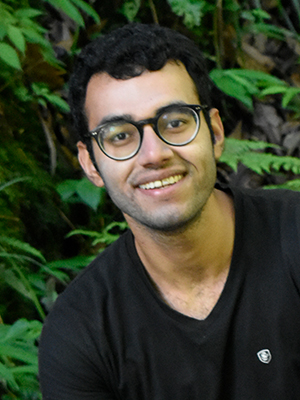
Mr. Suhaas SEGHAL
has joined the group of Prof. Pannell as a PhD Student. Samuel is in office 4310, Tel 41.82. Suhaas.Sehgal@unil.ch
|
|
|
|
|
|
|
|
|
|
|
|
|
|
Sex ratio and sexual selection against mutants
|
|
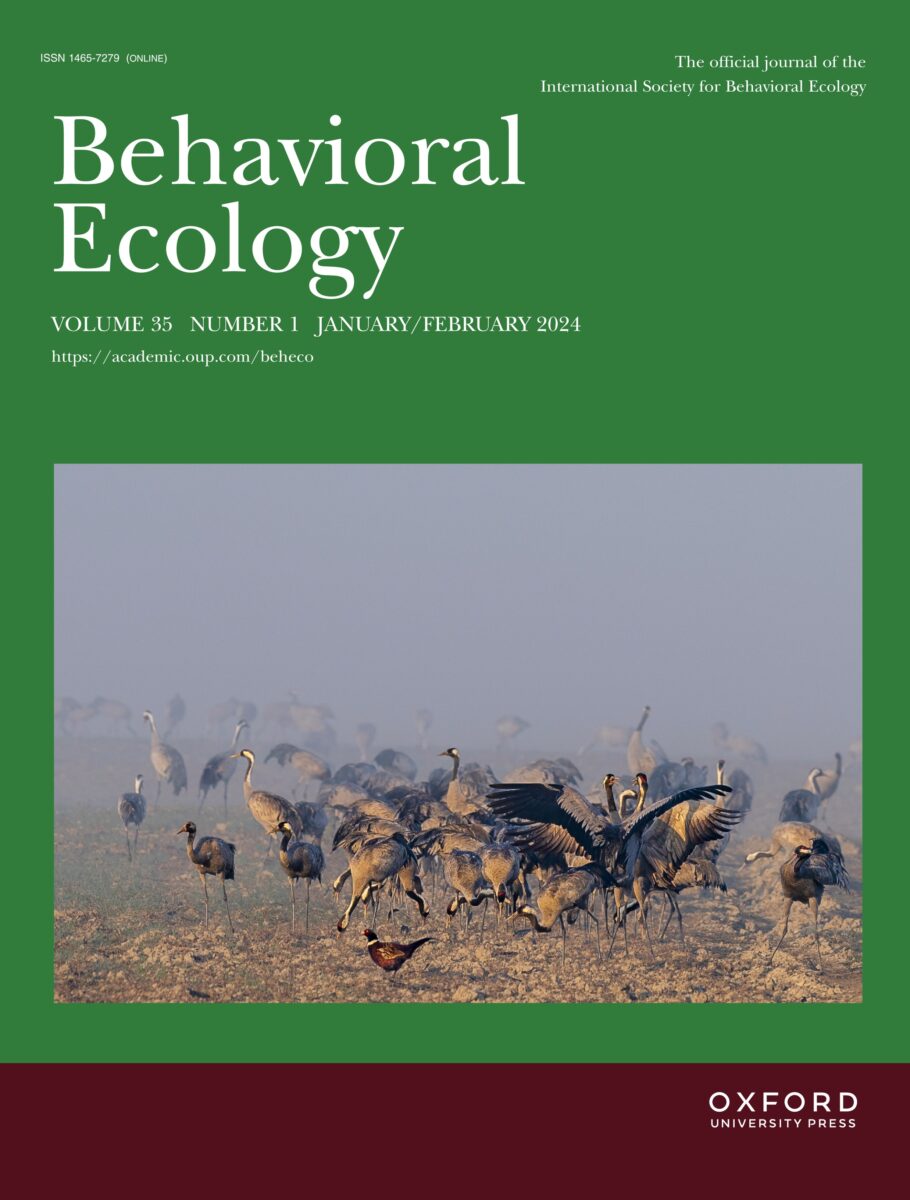
It is widely assumed that the strength of sexual selection increases as the ratio of the number of males and females in the mating pool (the operational sex ratio, or OSR) increases. However, experimental evidence for this hypothesis is scarce and equivocal. A recent paper (https://doi.org/10.1093/beheco/arad110) from Kawecki group reports an experimental test of this hypothesis applied to sexual selection against deleterious mutations in Drosophila melanogaster. The results demonstrate that OSR does affect the strength of sexual selection against deleterious alleles in Drosophila, but this relationship is not generally monotonic, and its shape differs between genetic loci.
|
|
|
|
|
|
|
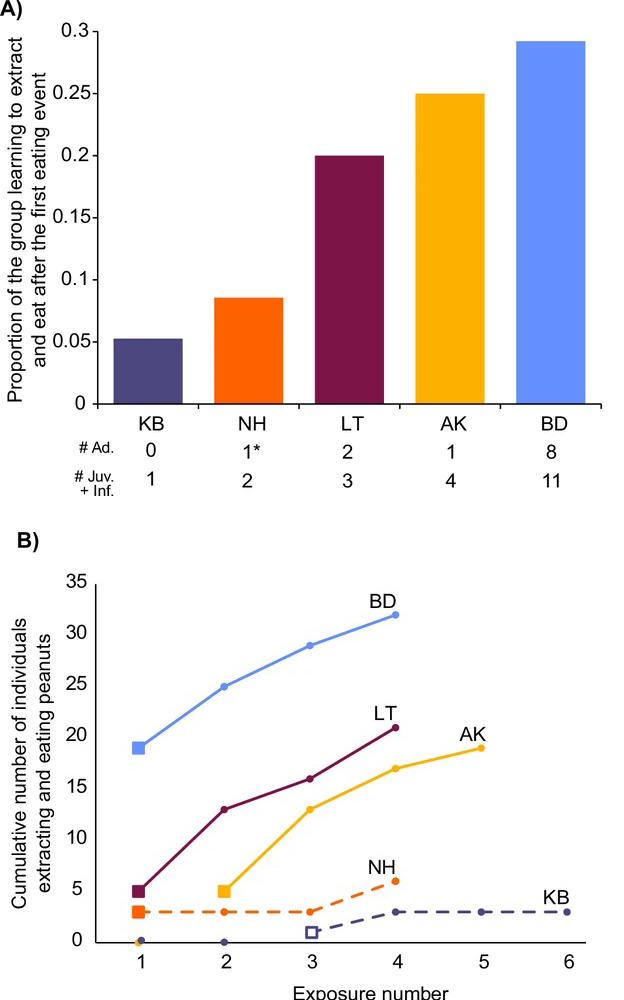
Members of the van de Waal's group published in eLife a study showing that new immigrant vervet monkeys bring knowledge of new foods into groups, and muzzle contacts appear to spread the information in the group! The entry into and uptake of information in social groups is critical for behavioral adaptation by long-lived species in rapidly changing environments. Charlotte Canteloup and Pooja Dongre exposed five groups of wild vervet monkeys to a novel food to investigate the innovation of processing and consuming it. They report that immigrant males innovated in two groups, and an infant innovated in one group. In two other groups, immigrant males imported the innovation from their previous groups. They compared uptake between groups with respect to the initial innovator to examine the extent to which dispersing males could introduce an innovation into groups. Uptake of the novel food was faster in groups where immigrant males ate first rather than the infants. Younger individuals were more likely overall, and faster, to subsequently acquire the novel food. We also investigated the role of muzzle contact behavior in information seeking around the novel food. Muzzle contacts decreased in frequency over repeated exposures to the novel food. Muzzle contacts were initiated the most by naïve individuals, high rankers, and juveniles; and were targeted most towards knowledgeable individuals and high rankers, and the least towards infants. This study highlights the potential importance of dispersers in rapidly exploiting novel resources among populations.
|
|
|
|
|
|
The genomic bases of colour variation in the European Barn owl have been a long-standing question in the department. Using whole genome sequences of owls sampled over the Western Paleartic, this collaborative work between the groups of Alexandre Roulin and Jérôme Goudet and led by Tristan Cumer, Ana-Paola Machado and Luis San-José reveal the first elements of this fascinating phenotype !
On top of the previously known mutation in the MC1R gene, the authors identify two other regions involved in this color polymorphism. One of them, located on the Z chromosome may play a role in the sexual dimorphism observed in the species.
If you want to learn more, read the paper just published in the Proceedings of the Royal Society B : https://doi.org/10.1098/rspb.2023.1995
|
|
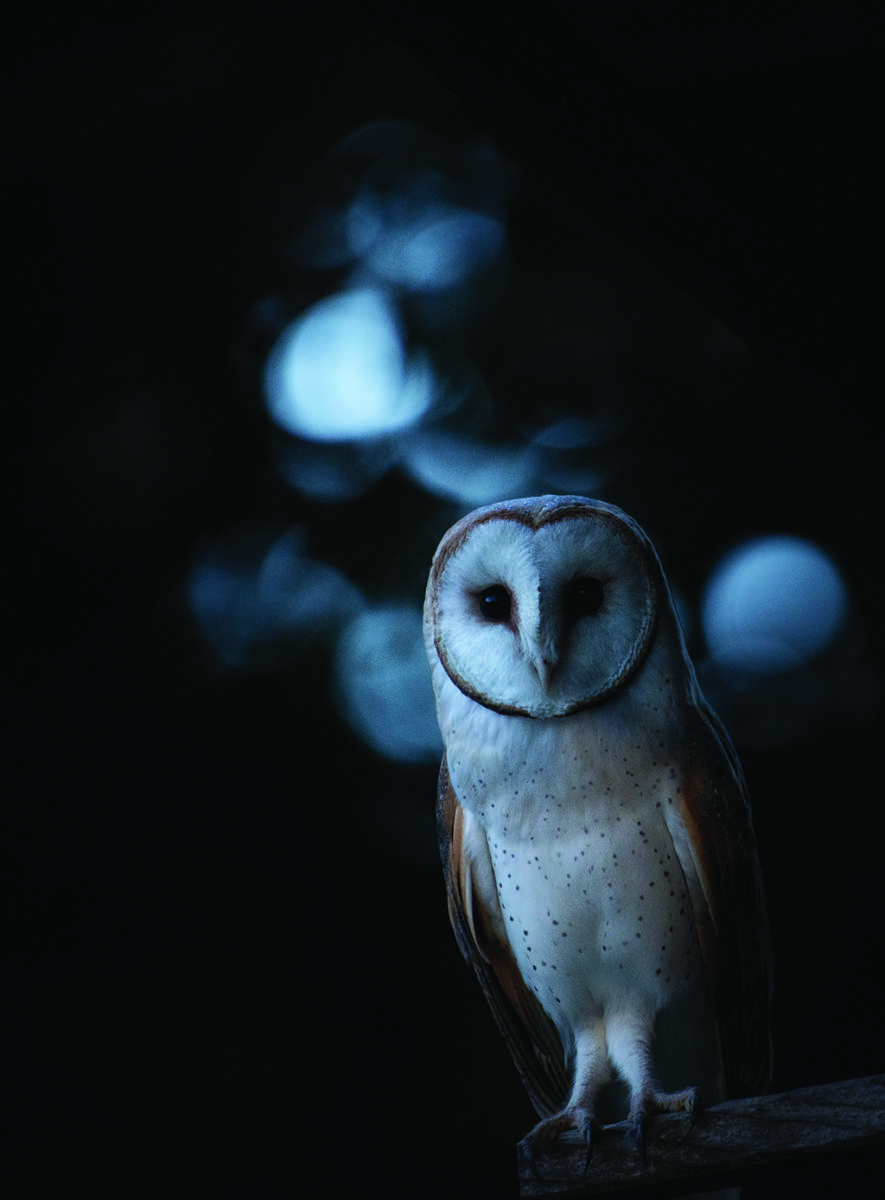
And don’t forget to check the cover of the issue, with a beautiful picture taken by Quentin Fort, a former member of Alexandre’s group!
|
|

|
|
A wild Swiss barn owl
(Tyto Alba) perched at night.
Photo credit: Quentin Fort
|
|
|
|
|
|
While you are encouraged to place your publications into Serval, please make sure that your PI has validated the deposition first. Not all documents should be included in Serval, and they are complicated to remove.
|
|
|
|
|
|
|
|
|
|