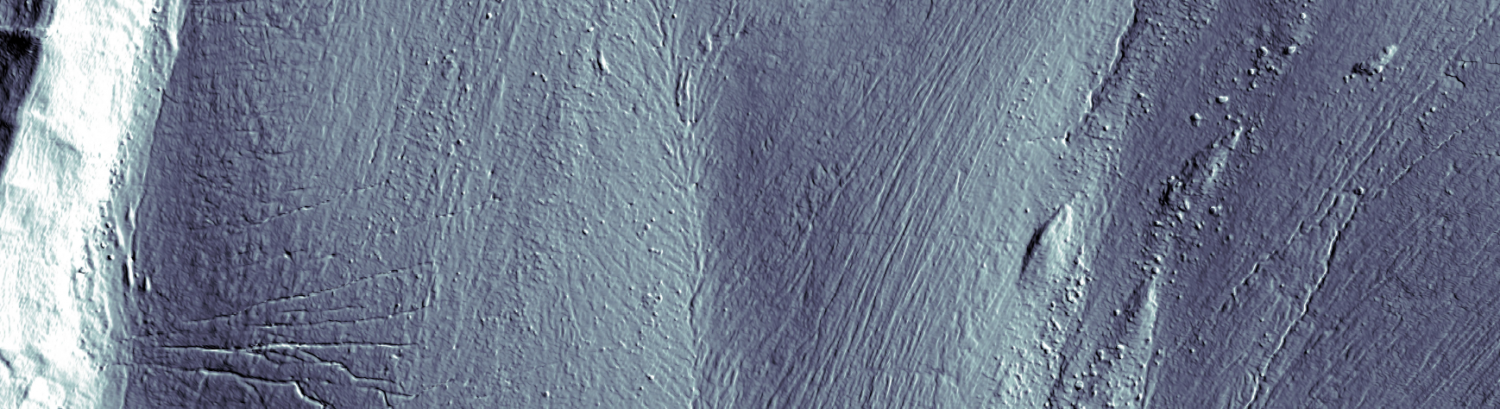
Glacial erosion and sediment evacuation are key in shaping polar and mountain landscapes and influencing downstream ecological and social systems. The glacier dynamics and hydrology responsible for these processes are closely linked to hydrological and climatic (hydro-climatic) conditions. Recent studies indicate that sediment export and glacier erosion respond strongly to hydro-climatic variations across millennia to individual events lasting hours to weeks. (a) Sedimentary records and numerical ice flow models indicate increased erosion during glacier retreat following climate warming. (b) Rising equilibrium line altitudes due to climate change enhance meltwater access to subglacial sediment, increasing sediment export markedly. (c) Changing meltwater dynamics over hydrological events, particularly daily variations in melt or precipitation events, strongly impact sediment transport capacity. We propose that hydro-climatic changes from millennia to hours, along with the climatic conditions themselves, provide a useful framework for examining glacier erosion. The sensitivity of glacier erosion and sediment export to hydro-climatic conditions likely introduces timescale biases when averaging glacier erosion over long or short periods. Major uncertainties in interactions amongst processes and their relevant timescales underscore the need to better understand climate change impacts on glacierized landscapes. Emerging observational methodologies combined with numerical models may provide new insights into the complex and interacting dynamics controlling glaciers’ impact on sediment export. A copy of the paper is freely available here.