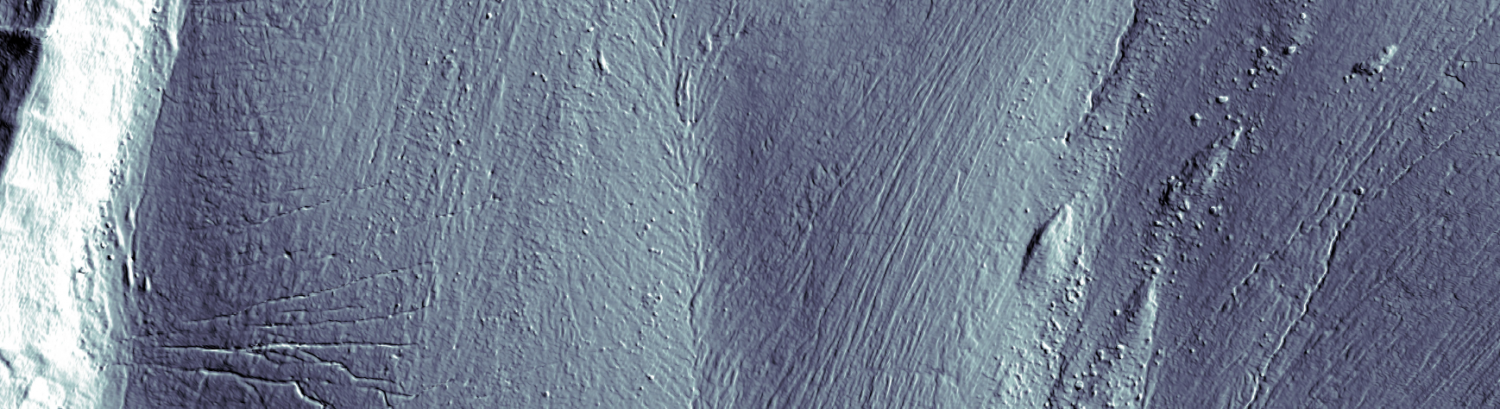
Areas of serpentine in ophiolitic mélange zones often trigger large rock avalanches and exhibit strong movement. However, how the mechanism under which they post-failure hypermobility and long runout are unclear. Here, we identify and analyze a representative prehistoric rock avalanche, the Basu rock avalanche, with a large volume and a high mobility, which developed in the Nu River ophiolitic mélange zone of the Tibetan Plateau. Based on field investigations, experimental, and Numerical simulation analyses we determined its development background and thus explained why it was hypermobile. This rock avalanche, with a volume of approximately 3.15 × 10⁹ m3, occurred around ∼187 ka before present (B·P.). It developed on a marble nappe, with serpentine soft rock exposed locally at its base. It may have ultimately been triggered under seismic action, resulting in intense movement. The lubrication effect of fine-grained serpentine particles within the slip zone facilitated the hypermobility of the rock avalanche, resulting in both a large volume and an extended runout distance. This demonstrates that serpentine soft fine particles widely distributed in the suture zone are a typical lubricating material. The hypermobility of this large rock avalanche are striking and emphasizes the need to determine where, how and when these rare but high-magnitude rock avalanche events may occur. We proposed a new perspective on the triggering mechanisms of the rock avalanches and further verified the hypothesis of powder lubrication control effects. The paper may be accessed here.