Category: Exemple

Exemple

  • Pierre-Aimé Millet

    Pierre-Aimé Millet

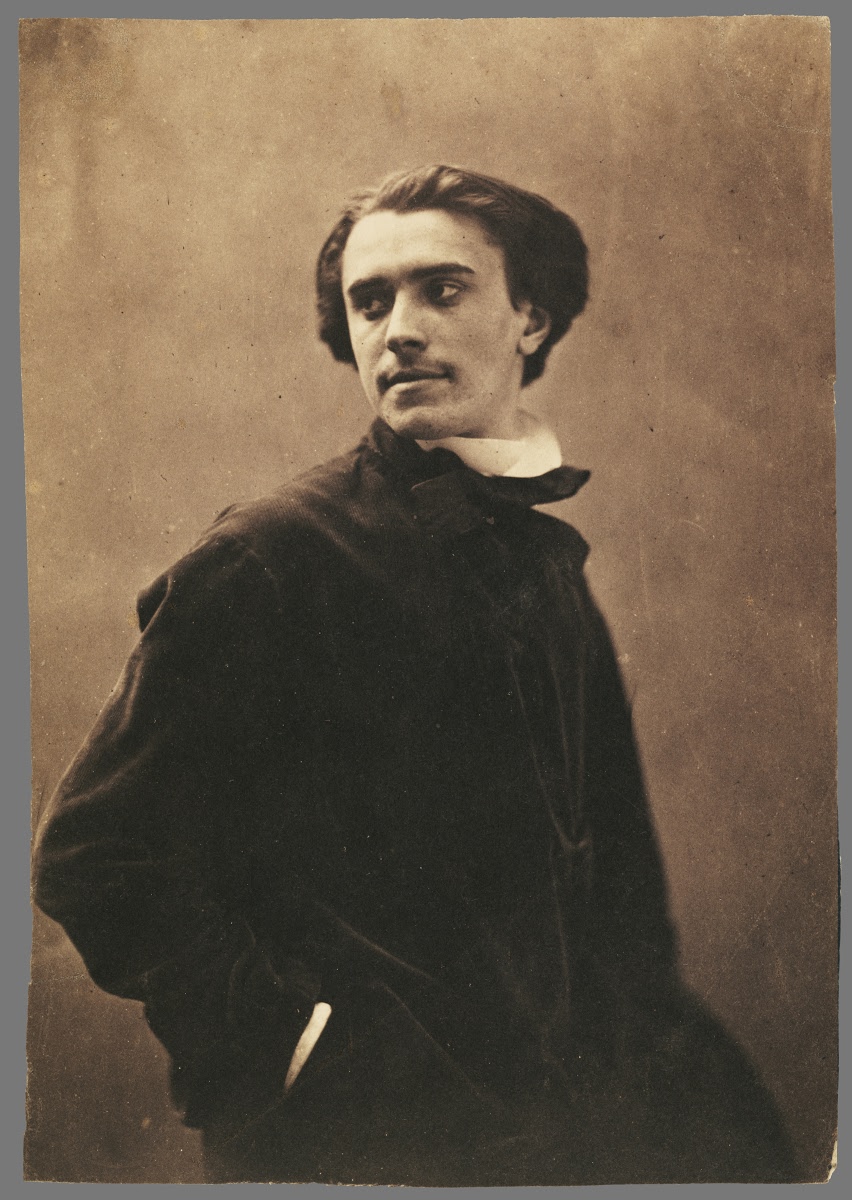
    Pierre-Aimé Millet de la Turtaudière (1783, Angers – 1873), est un naturaliste, entomologiste et paléontologue français.

    • 1813: Mollusques terrestres et fluviatiles, observés dans le Département de Maine et Loire. pp. i.xi [= 1-11], 1-82, 1 tableau. Angers. (Pavie)
    • 1854 Paléontologie de Maine et Loire : comprenant avec des observations et l’indication des diverses formations géologiques du département de Maine et Loire, un relevé des roches, des minéraux et des fossiles qui se rapportent à chacune d’elles Angers :Impr. de Cosnier et Lachèse
    • 1870. Fauna of the invertebrates of Maine et Loire including the 2nd, 3rd and 4th branches of the animal kingdom or Second part of the Fauna of Maine-et-Loire, Volume one. E. Barassé imp.-lib., Angers: 371 pp.
    • 1872. Faune des invertébrés du Maine-et-Loire. Tome second. E. Barassé éd. Angers, 394 pp.
  • Le Papyrus

    Le Papyrus

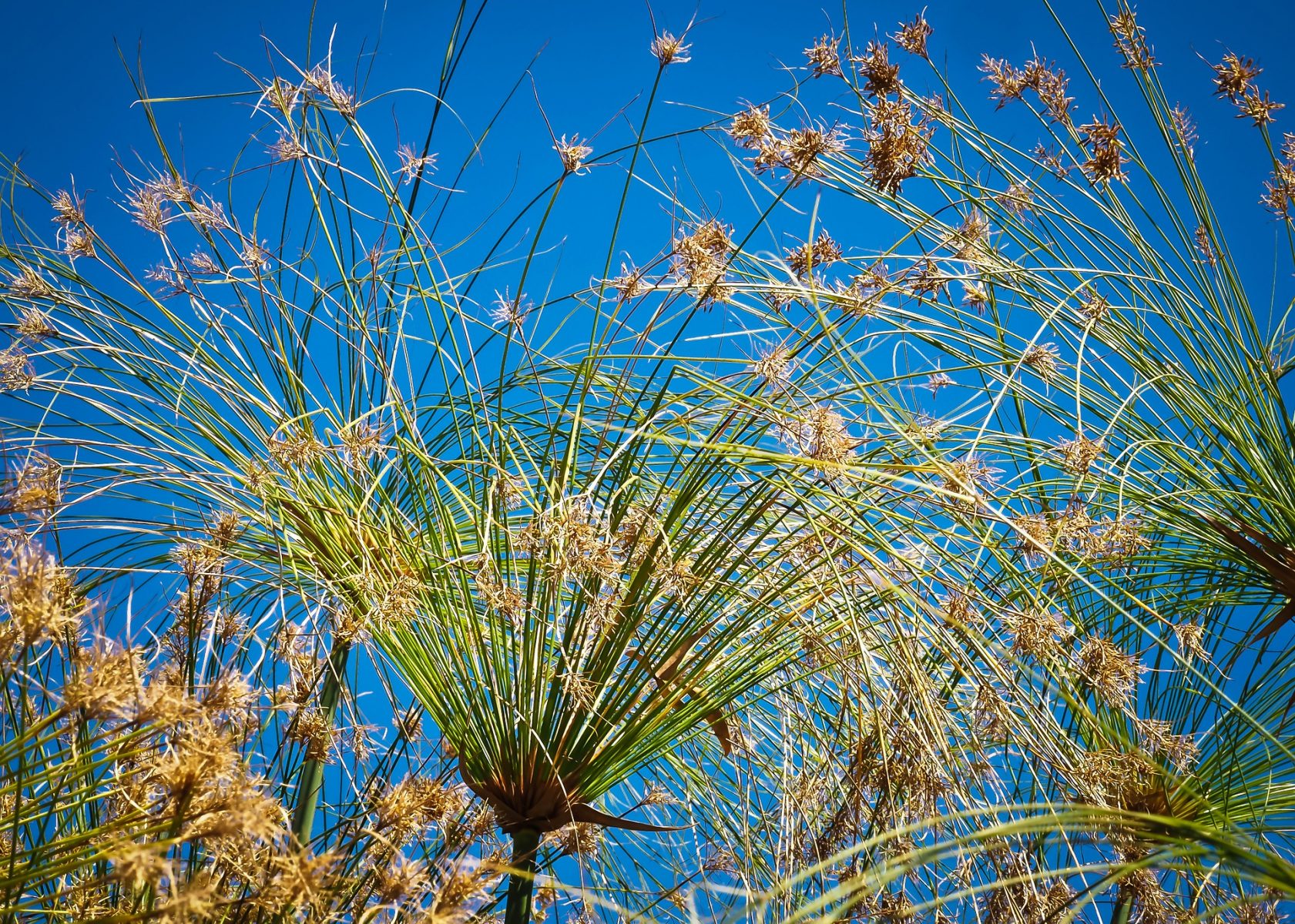
    The papyrus sheet, more simply called the papyrus (in ancient Greek πάπυρος / papyros, in Latin papyrum or papyrus1), is a writing medium obtained through the transformation of the stems of a plant, also called papyrus (Cyperus papyrus). It is though necessary to add another phrase to see if things will break. Its invention dates back nearly 5,000 years. It was used in Egypt and around the Mediterranean Sea.

    The making of papyrus

    Plato places papyrus in the category of compound materials, such as cork or rope. The Egyptians developed special techniques that are difficult to relate, because we can only use the only literary source that has been preserved on the subject, the text of Pliny the Elder.

    Autre titre

    Conclusion

    In general, the principle of making papyrus sheets lies in the superposition of thin strips cut from the stem of the plant, moistened, placed in crisscrossed and compressed layers.

    (Source: Wikipedia)